118Ο︎
Tom Wesselmann
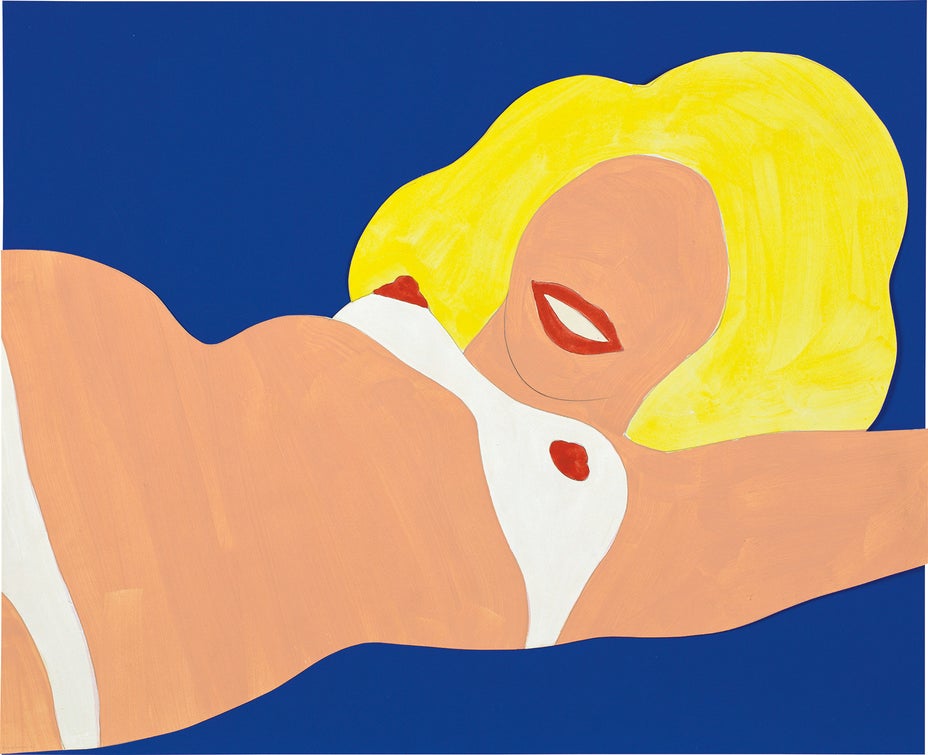
Cut-Out Nude Study
Full-Cataloguing
In this regard, Cut-Out Nude Study is in direct lineage with Henri Matisse’s Blue Nude III, 1952, and indeed Matisse figured a great source of inspiration for Wesselmann in his focus on the female nude and turn to decorative paper cutouts. Mirroring Matisse’s approach to structure, Wesselmann uses the cut-out to unite the crispness of the drawn line with the power of pure color. Ultimately, Cut-Out Nude Study recalls Matisse’s famous vision of his practice: “What I dream of is an art of balance, of purity and serenity…an art which could be for every mental worker…a soothing, calming influence on the mind” (Henri Matisse, Notes of a Painter, Paris, 1908, p. 52). Blending formalist hyperrealism with a Pop Art attitude, Cut-Out Nude Study is a paradigmatic example of Wesselmann’s exceptional oeuvre.
Tom Wesselmann
American | B. 1931 D. 2004As a former cartoonist and leading figure of the Pop Art movement, Tom Wesselmann spent many years of his life repurposing popular imagery to produce small to large-scale works that burst with color. Active at a time when artists were moving away from the realism of figurative painting and growing increasingly interested in abstraction, Wesselmann opted for an antithetical approach: He took elements of city life that were both sensual and practical and represented them in a way that mirrored Roy Lichtenstein and Andy Warhol's own methodologies.
Wesselmann considered pop culture objects as exclusively visual elements and incorporated them in his works as pure containers of bold color. This color palette became the foundation for his now-iconic suggestive figurative canvases, often depicting reclining nudes or women's lips balancing a cigarette.