77
Cartier
Tank à Guichets "Special Order"
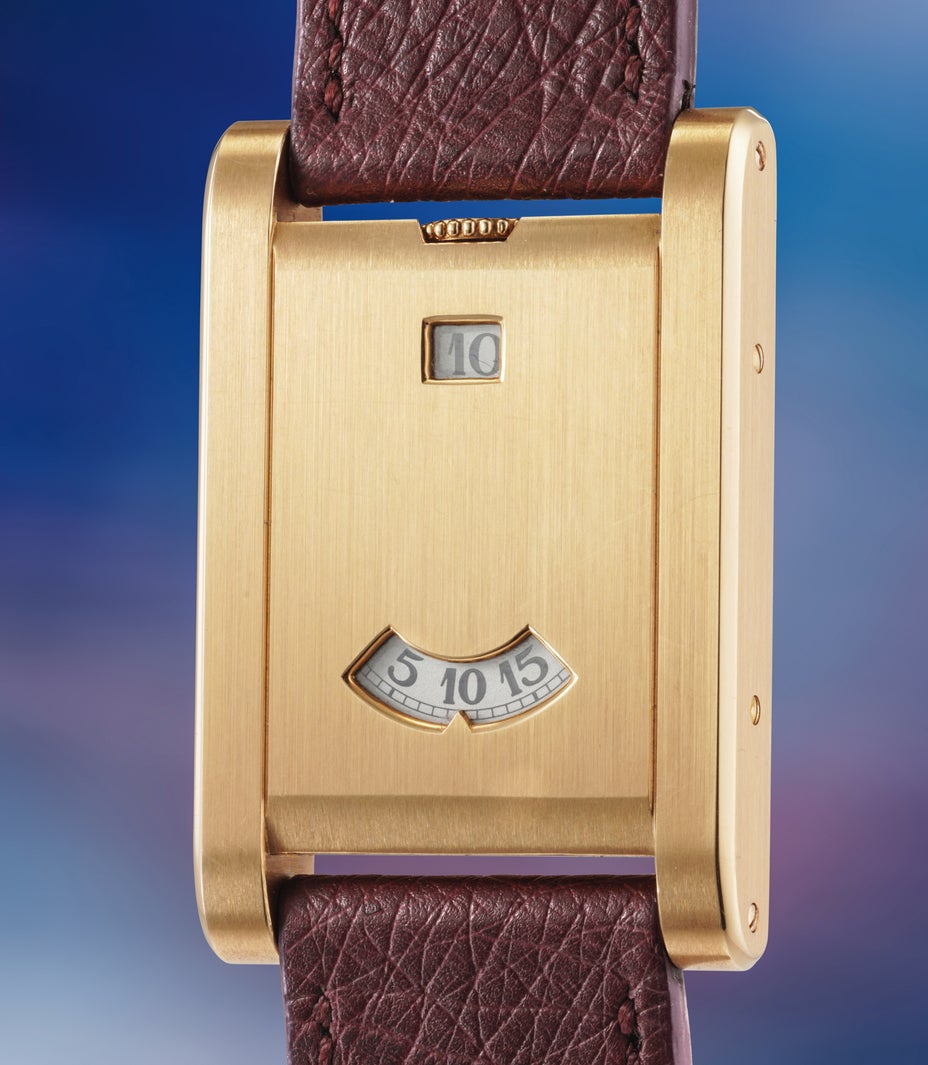
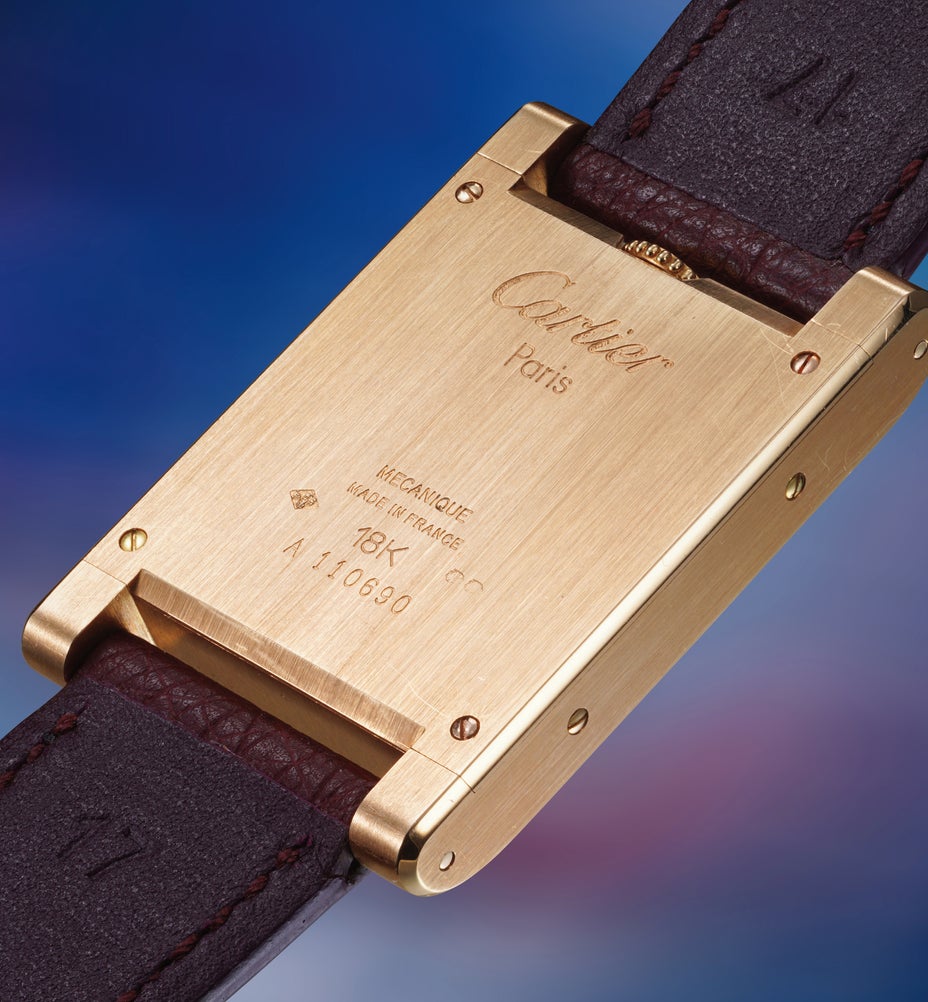
A highly rare, attractive and most probably special order pink gold wristwatch with jumping hours
Full-Cataloguing
- Jump hour
- Most probably made upon special order following Cartier's limited edition Tank à Guichets in 1996
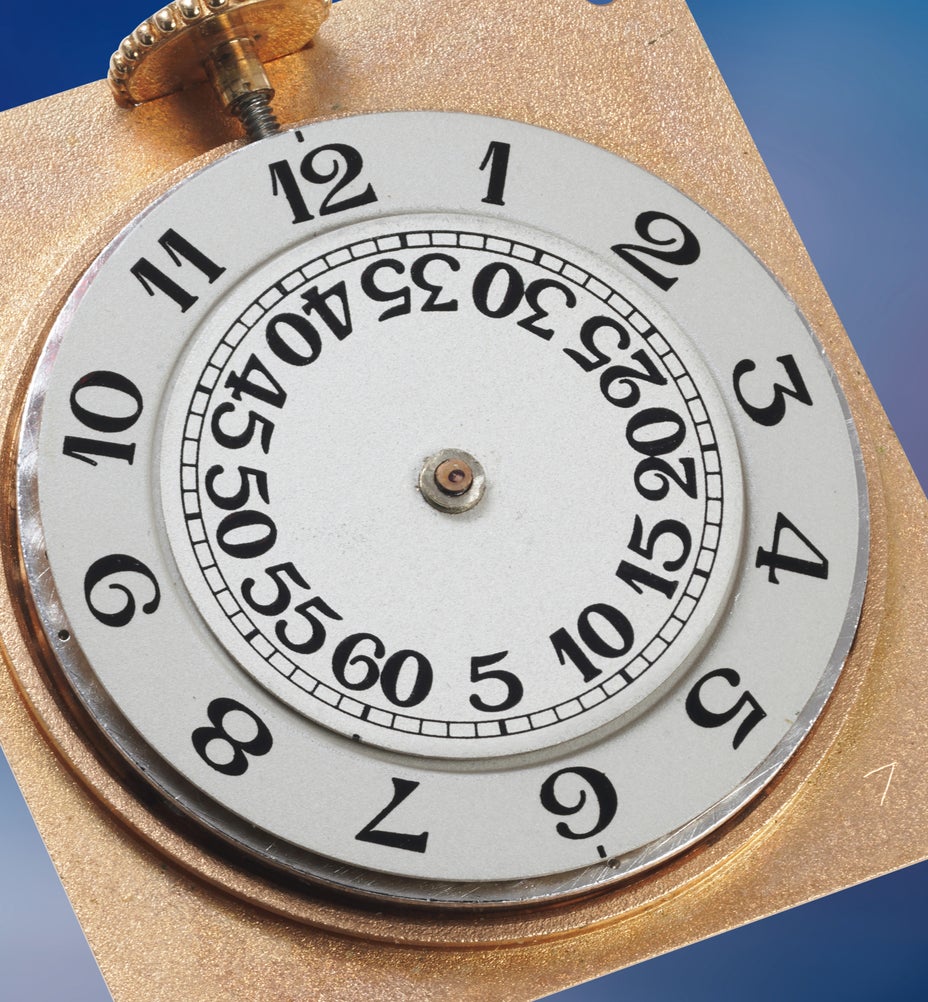
Introduced by Cartier in 1928, the Tank à Guichets is one of the Maison's most innovative and unconventional wristwatch designs. Departing from the traditional display of hands and dial, it features a digital-style jumping hour aperture paired with a dragging or jumping minutes display visible through two small apertures ("guichets"), creating a clean, minimalist aesthetic decades ahead of its time. Its design reflected the fascination with modernity, Art Deco architecture, and the Machine Age that defined the late 1920s.
Unlike other Tank models, the Tank à Guichets was produced only in very small numbers, making original examples among the rarest vintage Cartier wristwatches. Throughout the 20th century, the model remained an elusive collector's piece, admired for both its technical ingenuity and bold design.
In 1996, as part of Cartier's celebrated Collection Privée Cartier Paris (CPCP) era and following the publication of The Magical Art of Cartier, the Maison reintroduced the Tank à Guichets in an extremely limited edition of just three numbered examples—one each in yellow gold, pink gold, and platinum—faithfully reviving the spirit of the 1928 original. Additional special-order pieces are believed to have been produced separately, making these watches exceptionally rare. Of particular note is that crown that is placed at 12 o'clock - a true ode to the original example from the 1920s. This pink gold version was most likely commissioned as a special order, further enhancing its rarity and significance among modern Cartier timepieces.
Cartier
FrenchWith the Constitution of 1848 came a new standard for luxury in France. Founded one year prior by Louis-Francois Cartier, the house of Cartier was one of the first to use platinum in jewelry making. This incredibly expensive material became the stepping-stone for Cartier to experiment in form, mechanisms and attitude. It helped men move from pocket watches to wristwatches, effectively making the watch much more functional and prominent in a man's overall wardrobe.
Cartier did not only touch on functionality. Inspired by a commissioned painting by George Barbier featuring a black panther at the feet of an elegantly bejeweled woman, Cartier began incorporating wild animals in his designs—most notably, Cartier Panthère rings, bangle bracelets and watches. Yet it wasn't until the late 1960s that the house of Cartier debuted their iconic yellow and rose gold LOVE collection, which includes the famous bracelet that only a special screwdriver can open.