958Σ︎
Patek Philippe
Ref. 2499
“First Series”
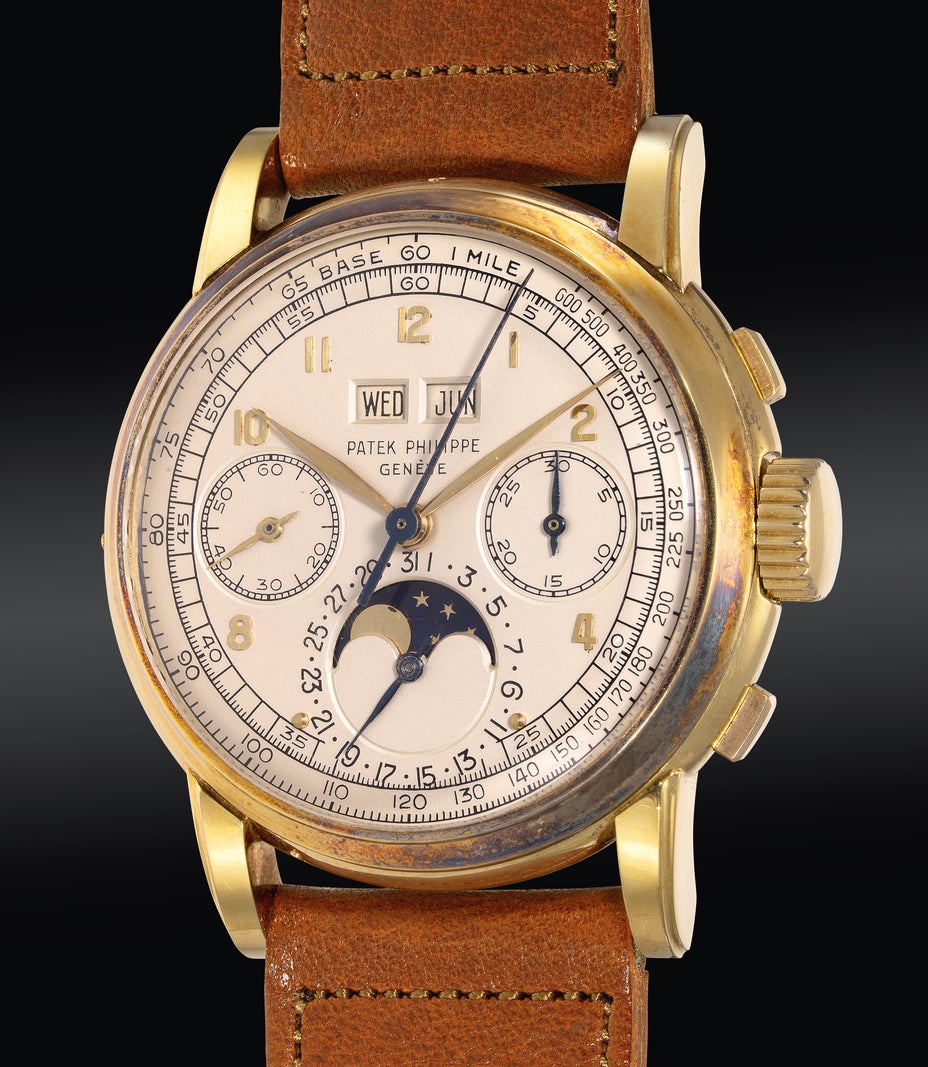
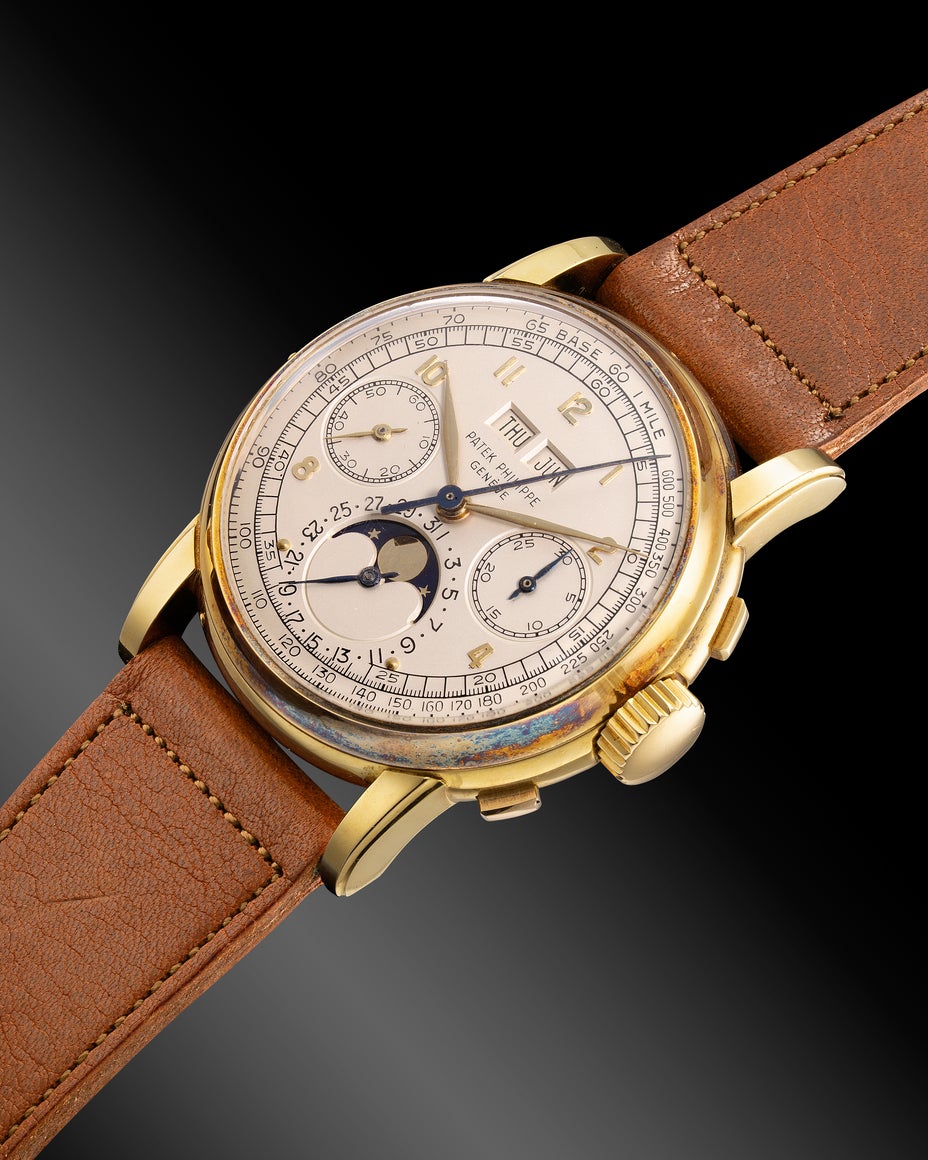
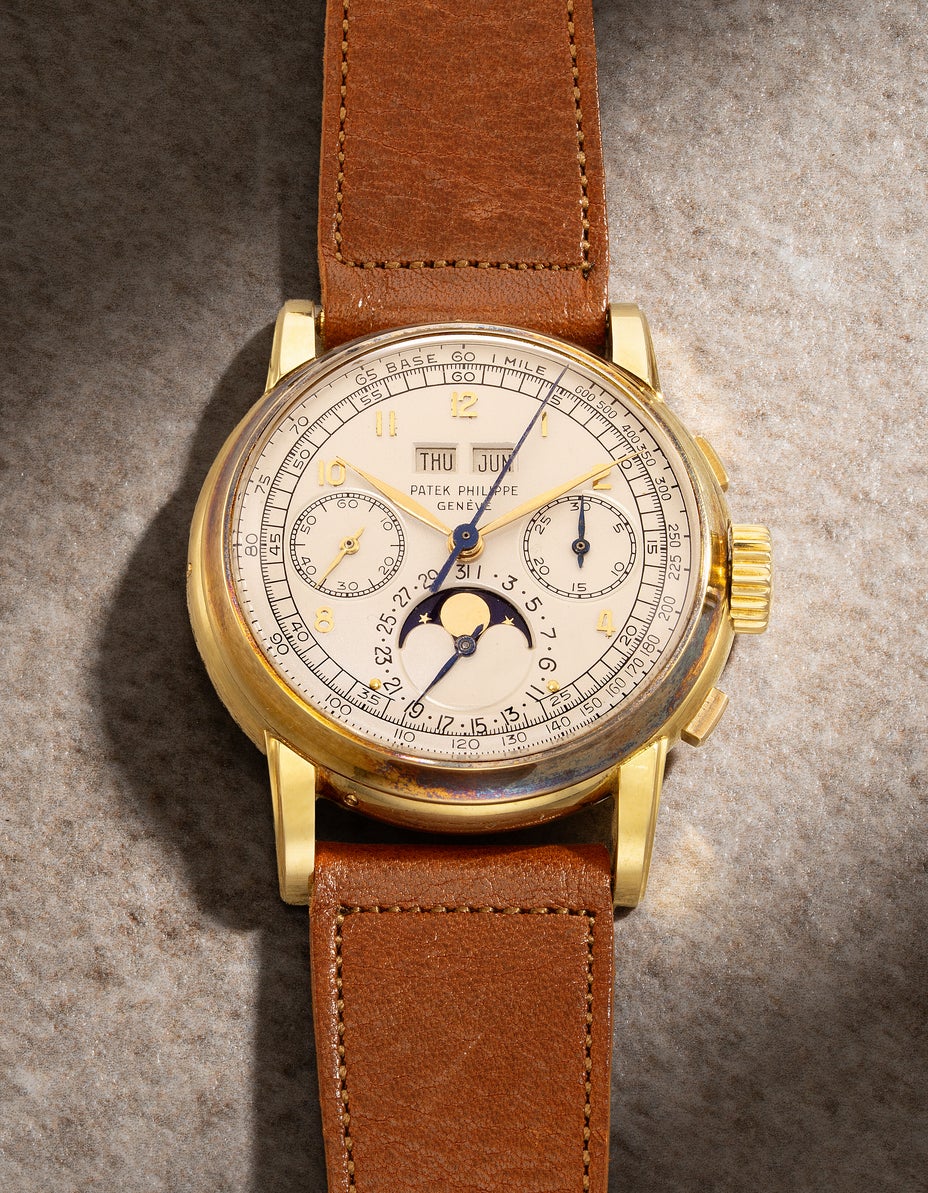
An extremely well-preserved and highly important first series yellow gold perpetual calendar chronograph wristwatch with English calendar, moon phases, case made by Wenger
Full-Cataloguing
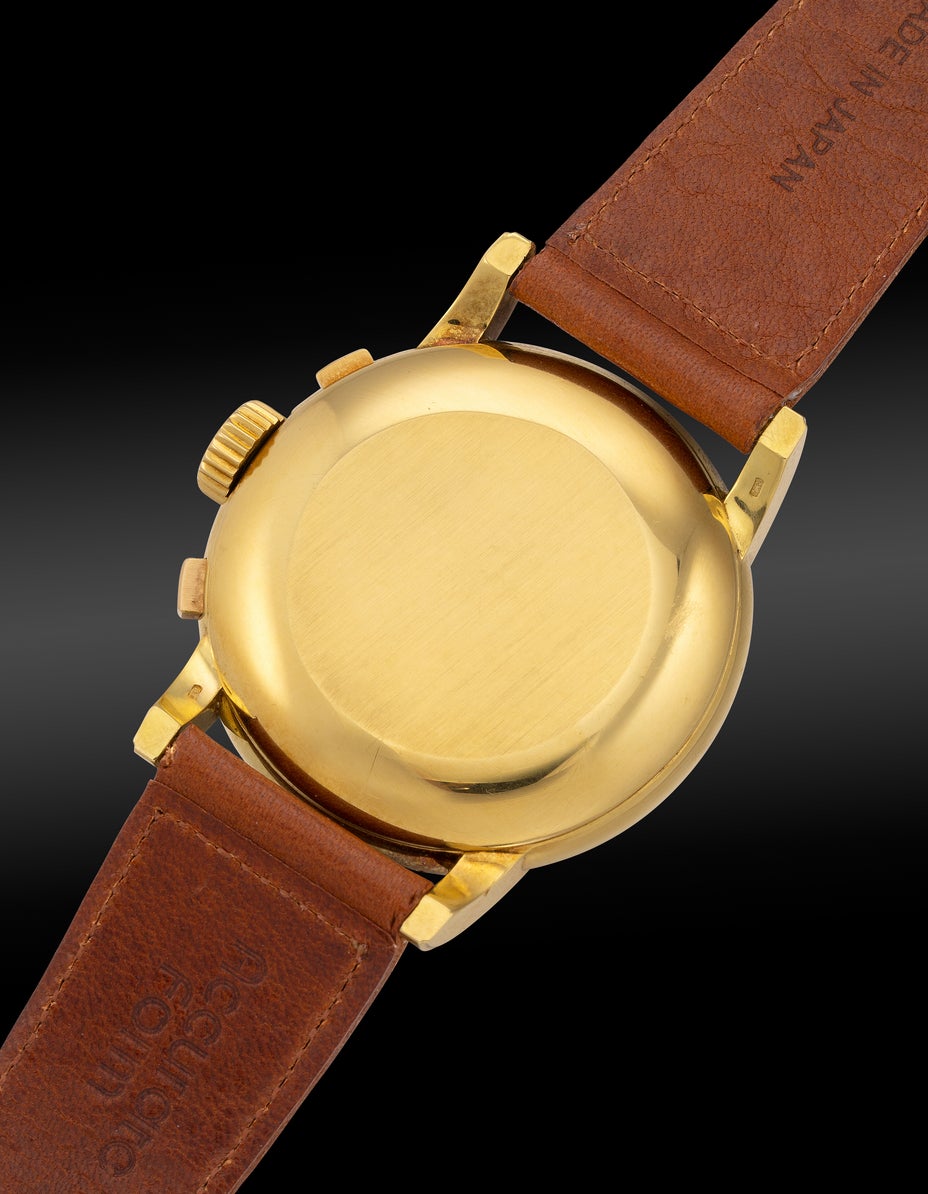
- Extremely well-preserved case with attractive patina and strong hallmarks
- Away from the market for 37 years
- First Series yellow gold Wenger Case identified by Key 1
The Ref. 2499 Series
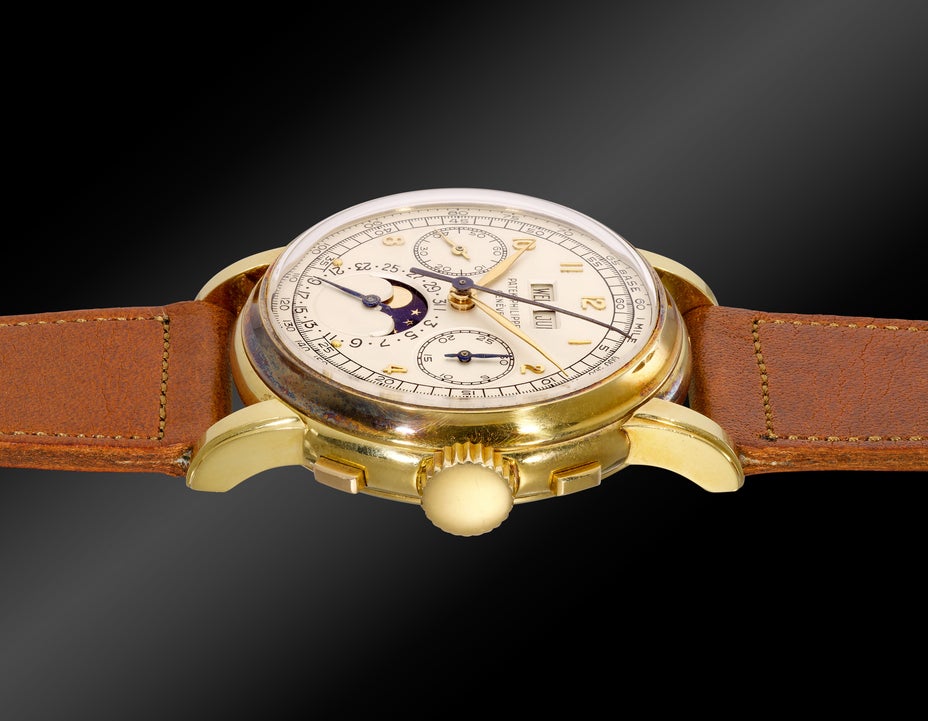
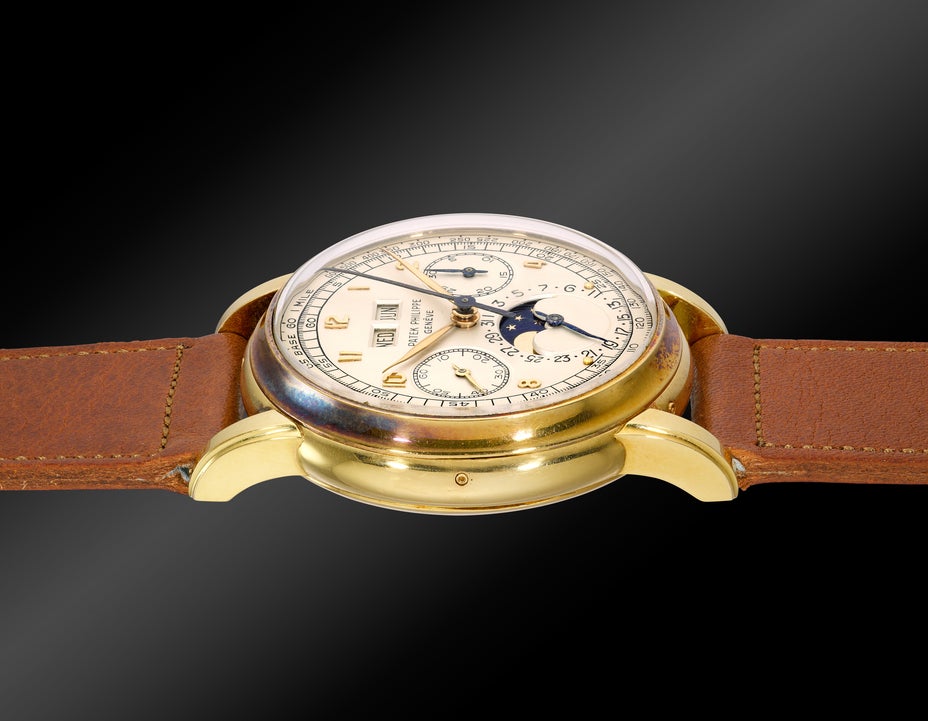
In 1951, Patek Philippe introduced the coveted ref. 2499. Powered by the same calibre 13-130 (Valjoux VZ 23 base) as the ref. 1518, the ref. 2499 boasted a completely new and refreshed case design. Where the 1518 features a Calatrava inspired silhouette with thin and elongated lugs of the 1940s, the ref. 2499 offers a more enduring architecture with perfect symmetry defined by its distinctive fluted lugs.
349 stands for its entire production across all metals. 10 is the approximate average of examples that leaves its manufacture annually, and 34 years before its discontinuation in 1985. With satisfying proportions and perfect symmetry, the ref. 2499 features an elegant bassine-style case with distinctive fluted lugs. Early examples still carried the language of the 1518: tachymeter scale, applied gold Arabic numerals and square chronograph pushers.
The Patek Philippe ref. 2499 across four series:
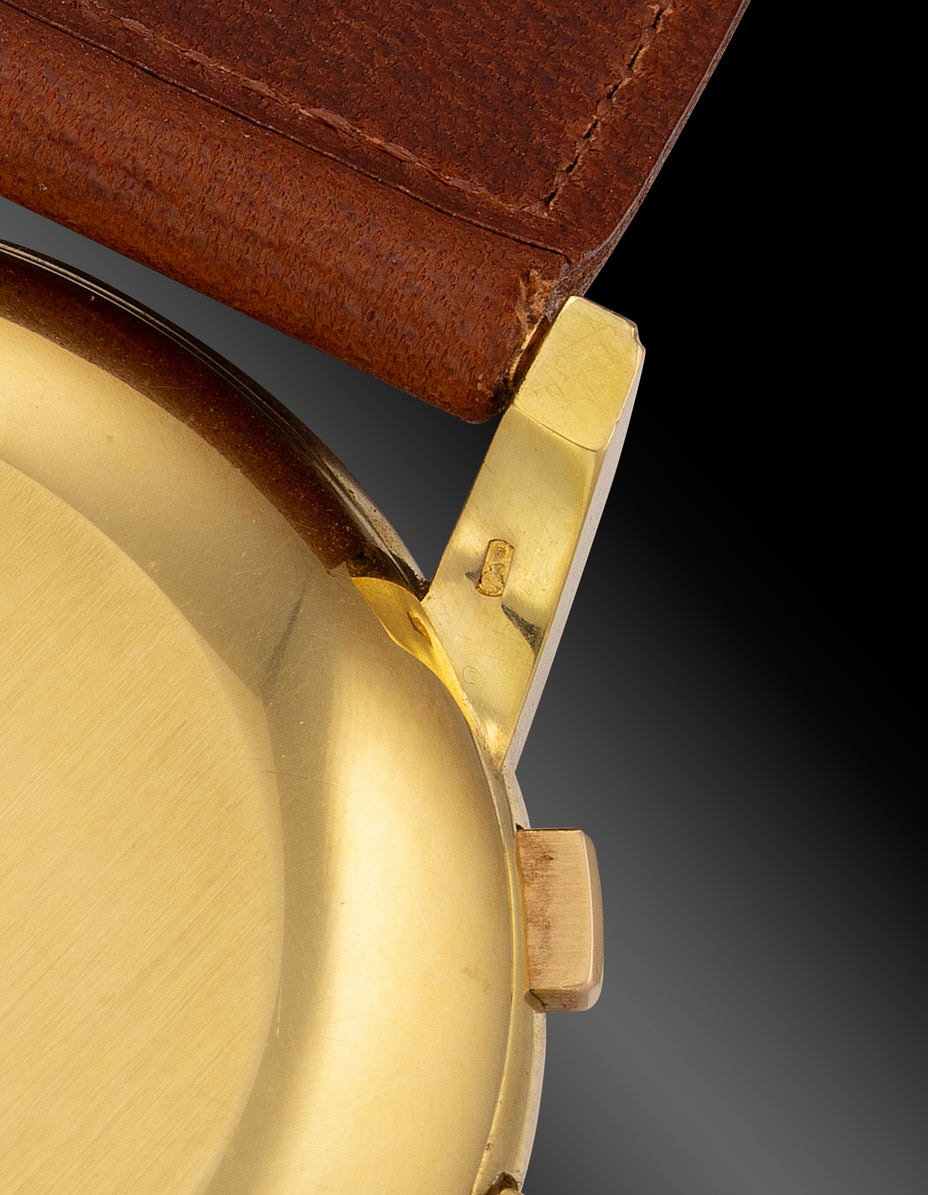
- First series (1951 – 1960): Square chronograph pushers, applied Arabic or baton numerals and tachometer scale. (Present example)
- Second series (1955 – 1964): Round chronograph buttons, either applied Baton or applied Arabic numerals, tachometer scale, “floating” date ring
- Third series (1960 – 1978): Round chronograph buttons, applied baton numerals, outer seconds divisions, "floating" date ring, no tachometer scale.
- Fourth series (1978 – 1985): Round chronograph buttons, applied baton numerals, “floating” date ring, outer seconds divisions (shorter than Third Series), no tachometer scale, sapphire crystal commanding a thicker bezel.
The Present Ref. 2499 “First Series” in yellow gold
While watches were made to be worn. The most important examples are those that have been kept with incredible preservation. This Patek Philippe ref. 2499 First Series in yellow gold is one of them.
Its significance does not rest only in Patek’s history, but on how it remains what it was back in 1952. The case is simply exceptional. Made by Wenger, this is an example that gets you as close as it gets to how the master casemaker interpreted this monumental reference. Nothing essential has been softened. What survives is the original creation itself.
The case has developed a depth of patina that cannot be hurried. The colour and texture that come from long, undisturbed storage. It is the warmth of oxidation, a surface aged in stillness rather than in motion. From the day it was born, it sat in a showcase for four years until the 30th April 1956 where it found its destined owner. Its last public appearance was 37 years ago at auction, until now. Phillips in Association with Bacs & Russo is humbled and thrilled to be entrusted with this exceptional time capsule once more.
Timeline
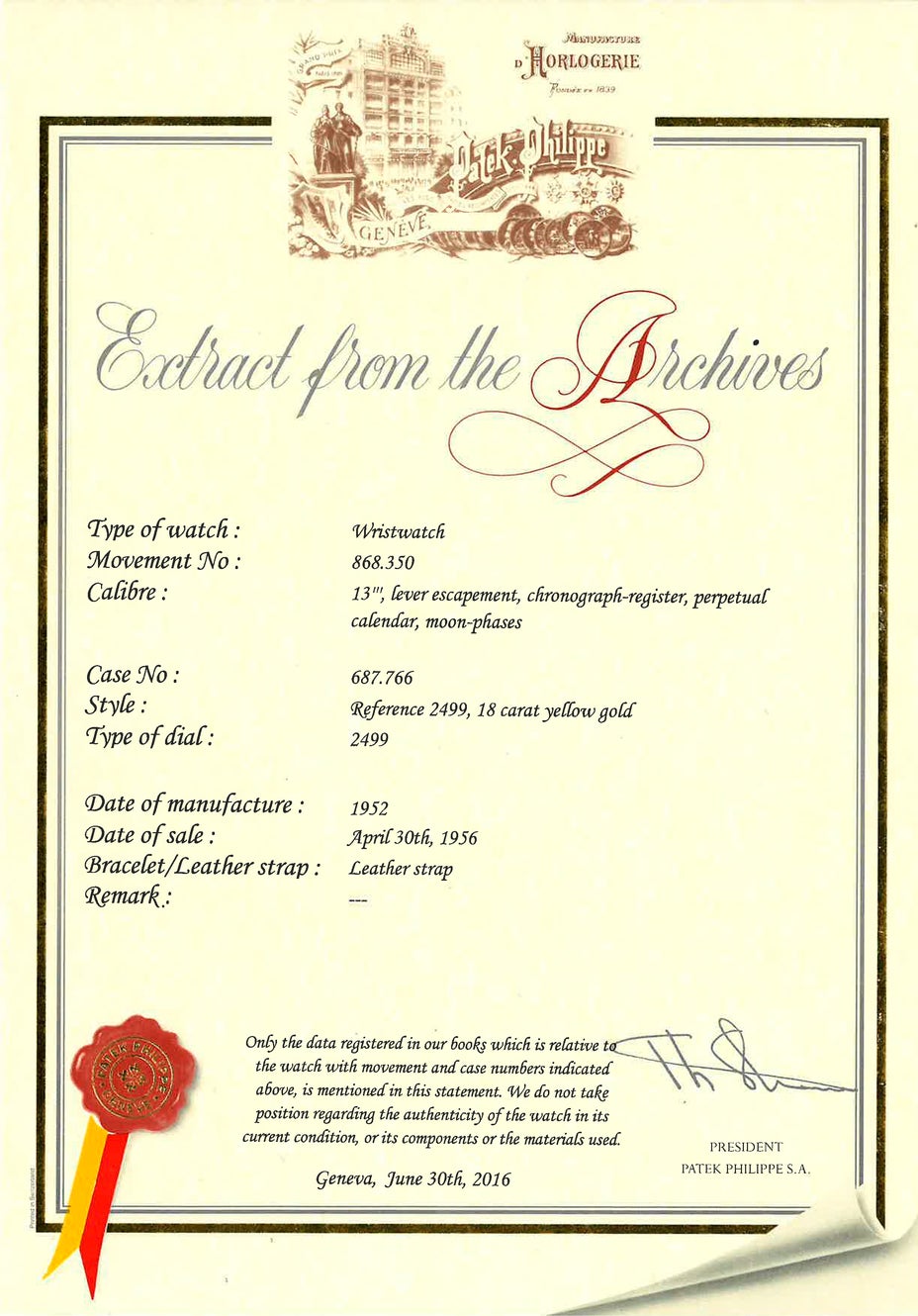
1952 – Date of manufacture
1956 – First Sold on 30th April
1989 – First time at auction
2026 – Gracing the Phillips Hong Kong auction room after 37 years
Bearing traits unique to the first series as it transitioned from the ref. 1518, the model can itself be divided into two generations distinguished by casemaker: first Emile Vichet (key no. 9), then shortly afterwards, Edouard Wenger (key no. 1). The Wenger case is slightly larger at 37.5 mm versus Vichet’s 36.2 mm, and is further set apart by its longer lugs and different lug profile.
The earliest Wenger-cased example documented by scholarship is an exceptional watch offered by Phillips in 2021. That piece, movement no. 868’340 and case no. 687’756, was retailed and signed by Serpico y Laino in 1952 and sold on 2 March 1956. Another landmark example is the Asprey-signed watch, movement no. 868’346 and case no. 687’762, likewise sold in 1956.
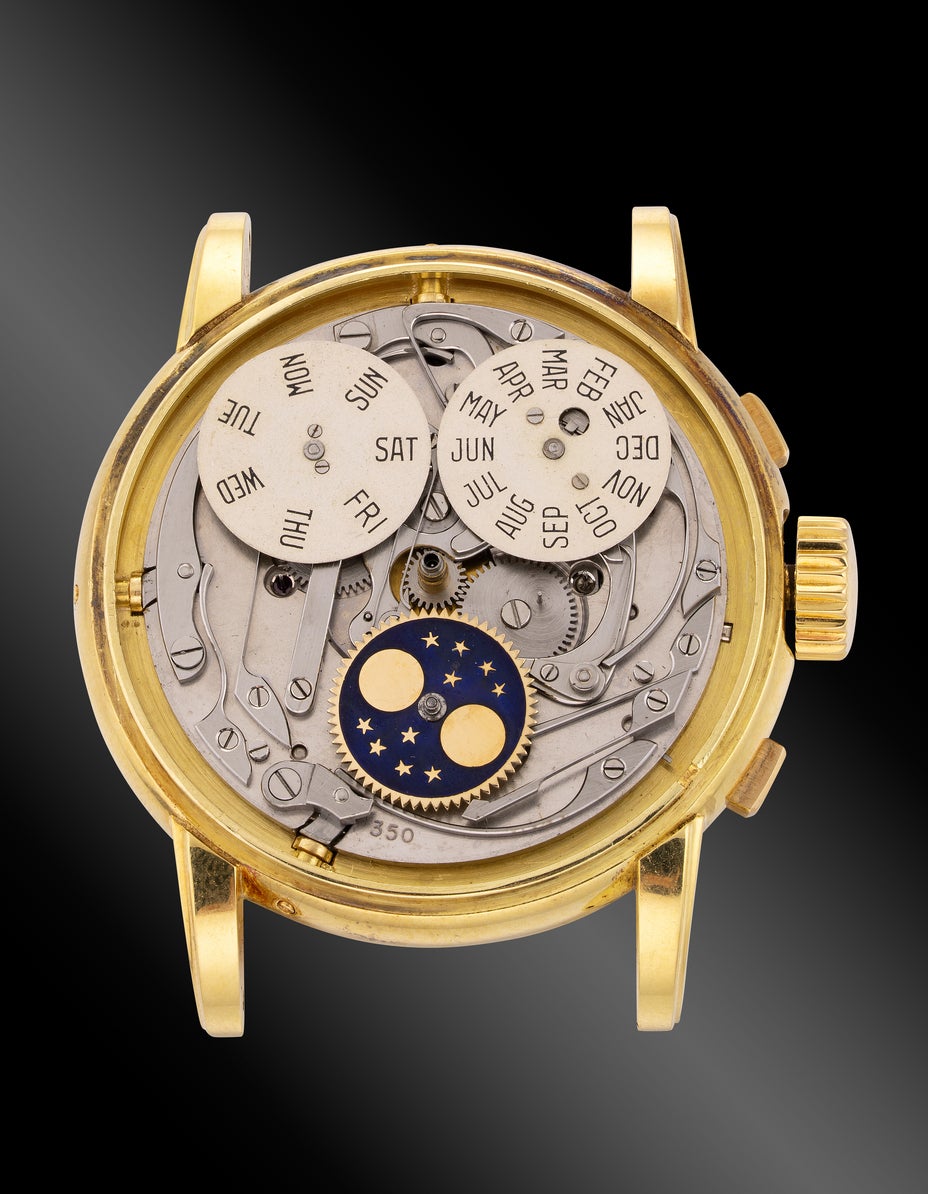
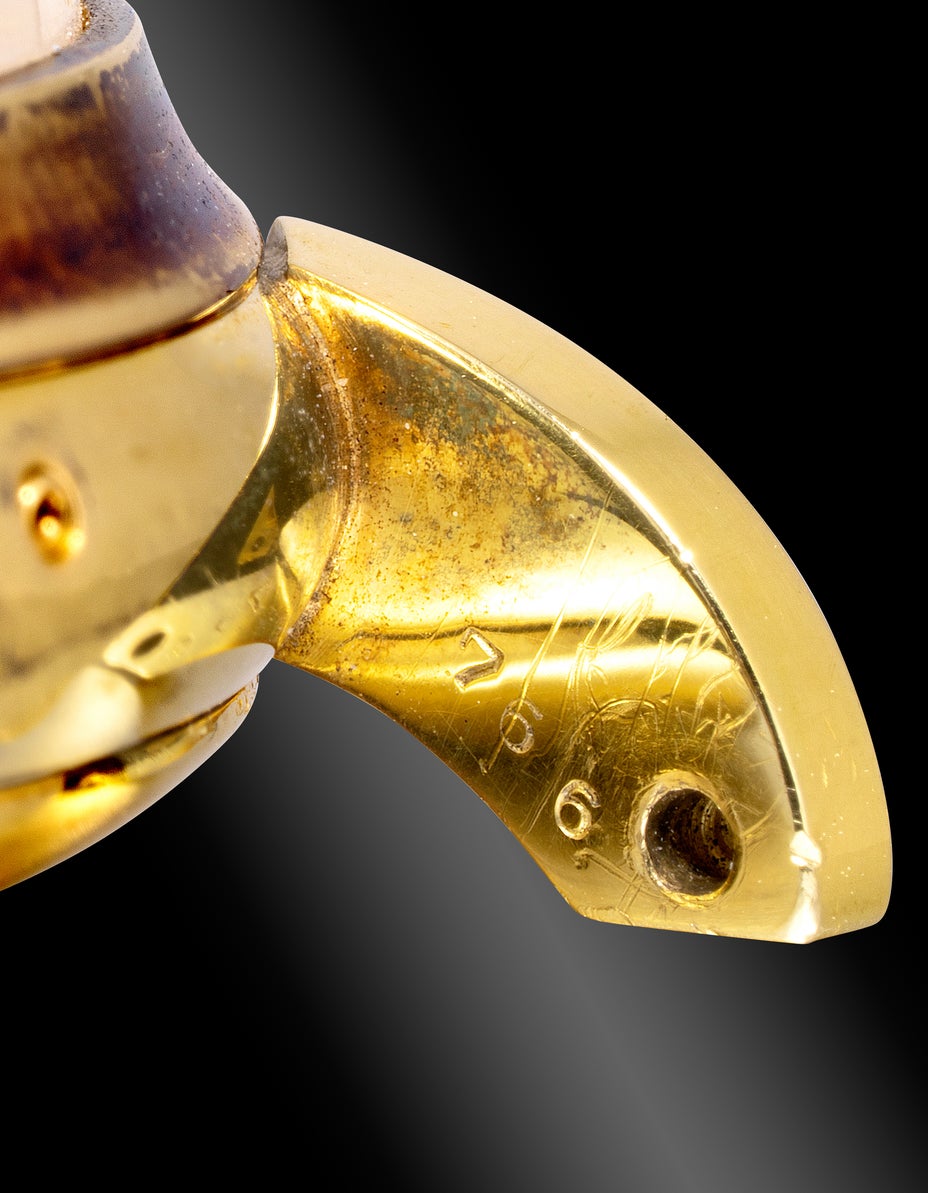
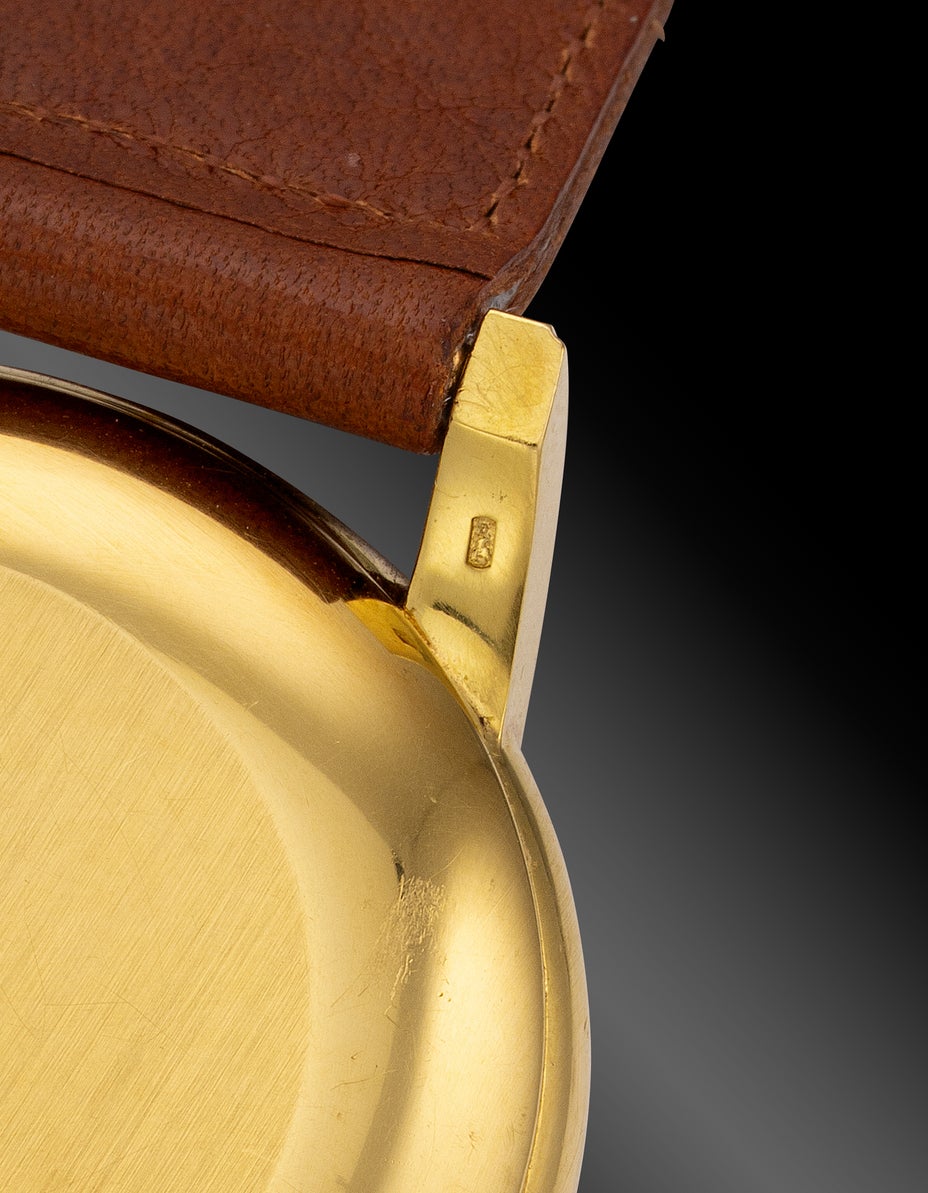
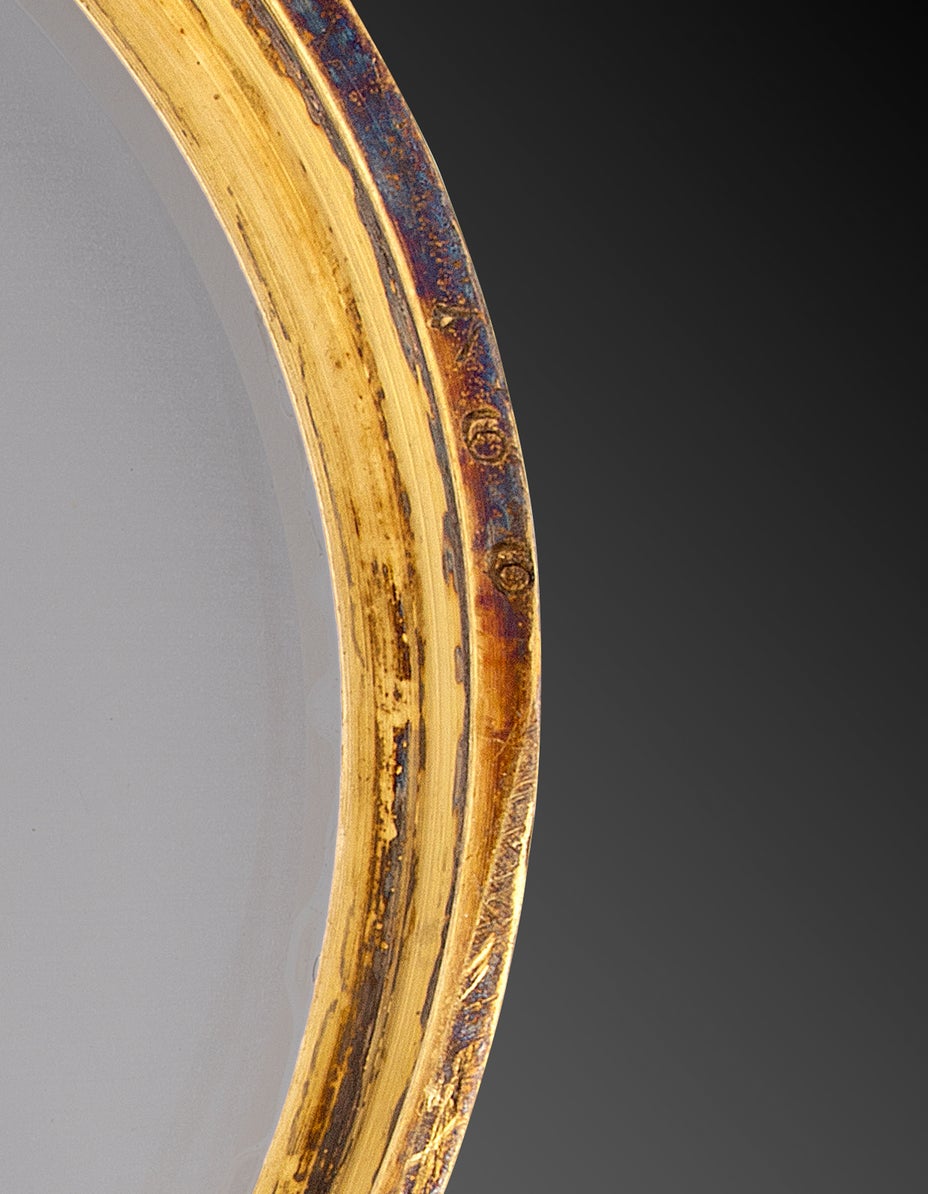
The present ref. 2499 — movement no. 868’350, case no. 687’766 — sits only four numbers away from the Asprey example. In that close sequence it stands apart for a quality of preservation that can only be described as spectacular. The case remains full, crisp and strong, with the fluting to the lugs sharp and fully visible. The sides of the lugs still display their original factory satin finish. Two deep hallmarks remain behind the lugs. Even the inner face of the lug is stamped “766,” repeating the last three digits of the case number — a mark echoed on the edge of the inner bezel warmed by a fine patina.
Mvt | Case | Year | Sold | Case Maker | Remarks
868’340 | 687’756 | 1952 | 1956 | Wenger | Serpico y Laino signed
868’341 | 687’757 | 1952 | 1956 | Wenger | Serpico y Laino signed
868’346 | 687’762 | 1952 | 1956 | Wenger | signed
868’350 | 687’766 | 1952 | 1956 | Wenger | Present Example
Dial
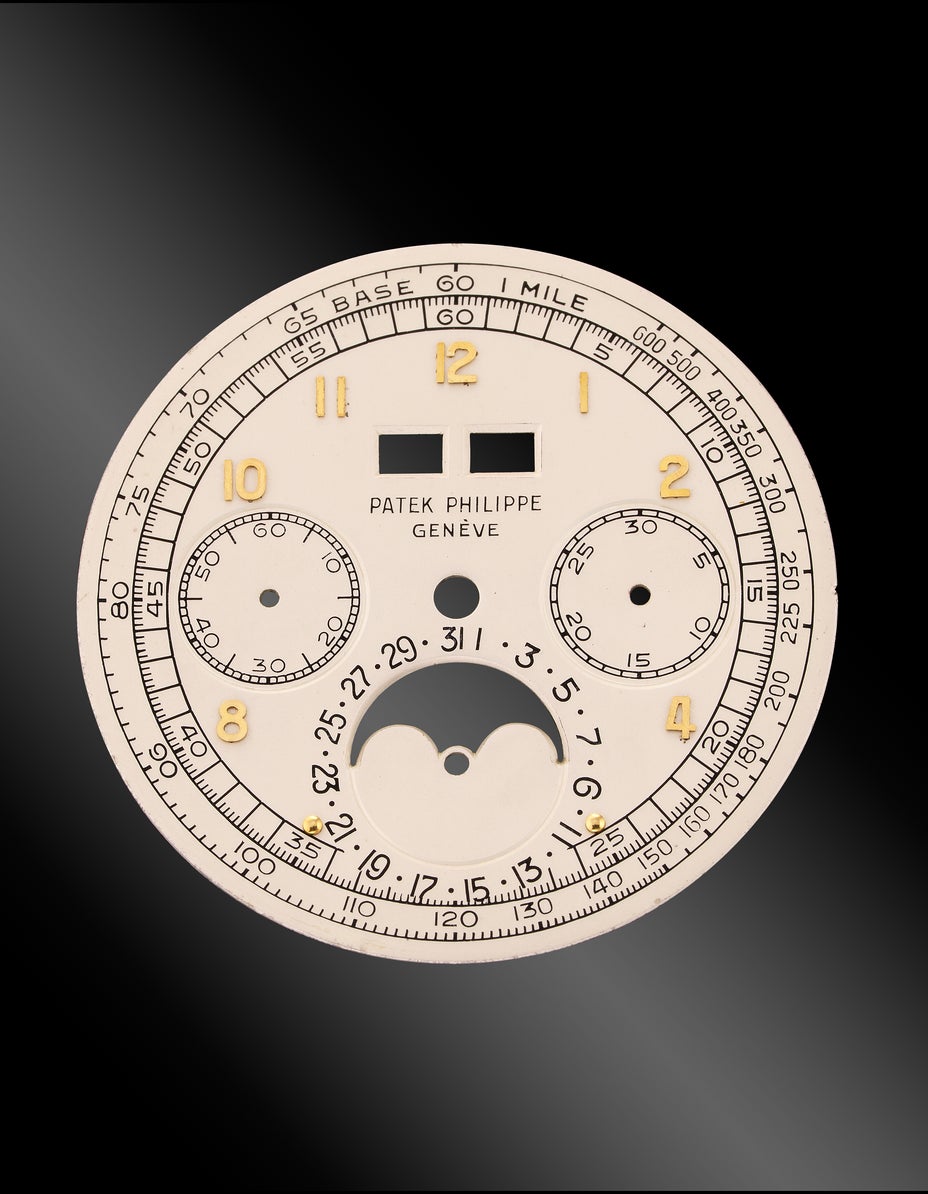
The dial too, is preserved in excellent and extraordinary condition. With extensive research and findings of the ref. 2499 by dedicated scholars’ over the years, it is to our knowledge that a total of two dial variations for the first series were produced.
Dial A: Similar in style to the dials used on reference 1518. Features applied gold Arabic numerals, a tachymeter scale (in kilometers or miles) and a “Chemin de Fer” (railway) date scale.
Dial B: Features applied gold Arabic numerals and a tachymeter scale (in kilometers or miles) but without the “Chemin de Fer”. (The present example)
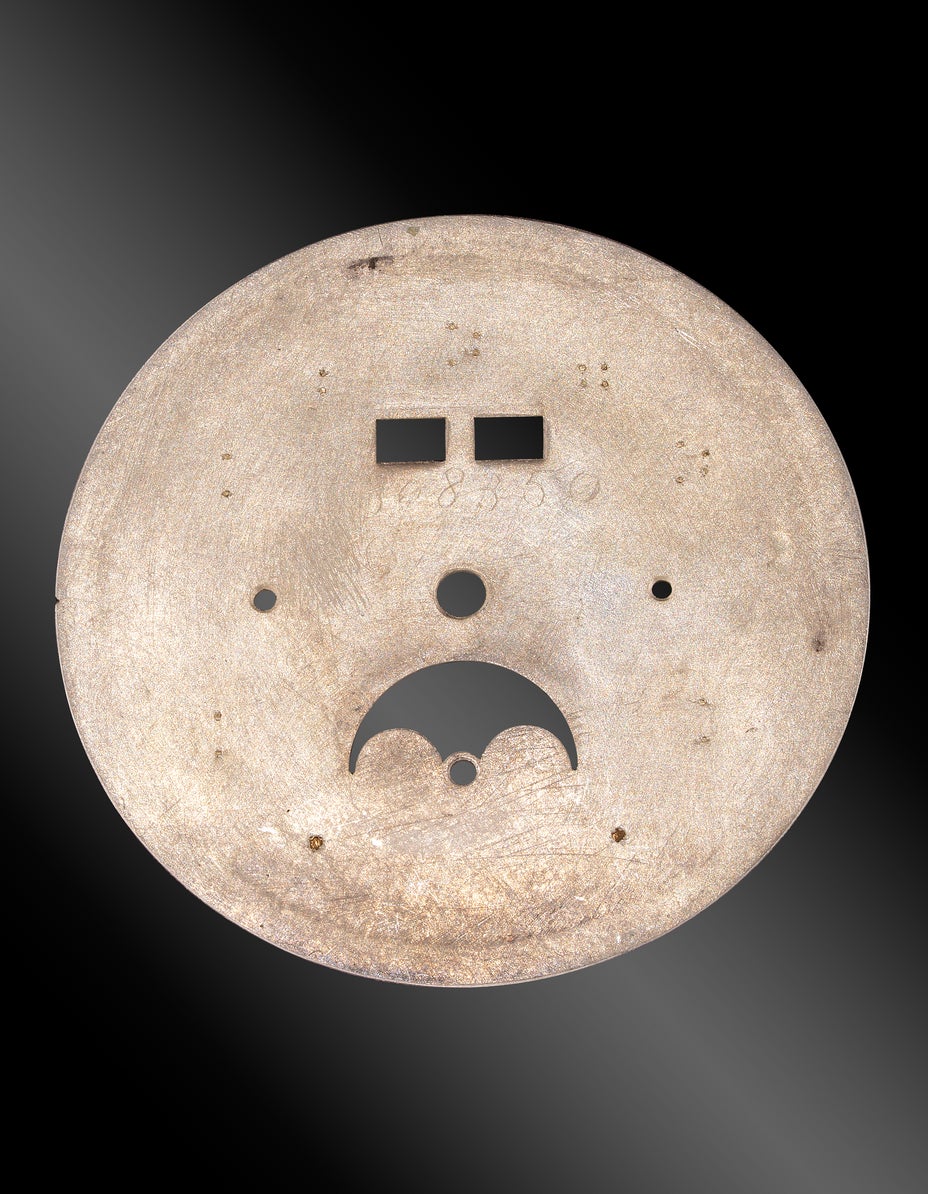
The present example falls into the Dial B configuration. Retaining its warm tint of yellow throughout, all hard enamel graphics remains intact and slightly raised. The signature of Patek Philippe Genéve retains its desired accent above the E. The back of the dial is engraved with the movement number 868’350.
Examples of this calibre hardly ever return to the market. As the great perpetual calendar chronographs of the mid-century grow scarcer, the condition between each piece becomes decisive. The present first-series 2499 is important not only for where it sits in the sequence, it is for its preservation that can be recognized immediately.
Patek Philippe
Swiss | 1839Since its founding in 1839, this famous Geneva-based firm has been surprising its clientele with superbly crafted timepieces fitted with watchmaking's most prestigious complications. Traditional and conservative designs are found across Patek Philippe's watches made throughout their history — the utmost in understated elegance.
Well-known for the Graves Supercomplication — a highly complicated pocket watch that was the world’s most complicated watch for 50 years — this family-owned brand has earned a reputation of excellence around the world. Patek's complicated vintage watches hold the highest number of world records for results achieved at auction compared with any other brand. For collectors, key models include the reference 1518, the world's first serially produced perpetual calendar chronograph, and its successor, the reference 2499. Other famous models include perpetual calendars such as the ref. 1526, ref. 3448 and 3450, chronographs such as the reference 130, 530 and 1463, as well as reference 1436 and 1563 split seconds chronographs. Patek is also well-known for their classically styled, time-only "Calatrava" dress watches, and the "Nautilus," an iconic luxury sports watch first introduced in 1976 as the reference 3700 that is still in production today.