141
Charles Frodsham
Quarter repeating, grande & petite sonnerie perpetual calendar, carriage clock with tourbillon and power reserve
A unique and outstanding silver quarter repeating, grande & petite sonnerie perpetual calendar, carriage clock with tourbillon and power reserve
Estimate
CHF100,000–200,000
€107,000–214,000
$121,000–242,000
Sold For
CHF812,800
Manufacturer
Charles Frodsham
Year
Circa 1918
Movement No
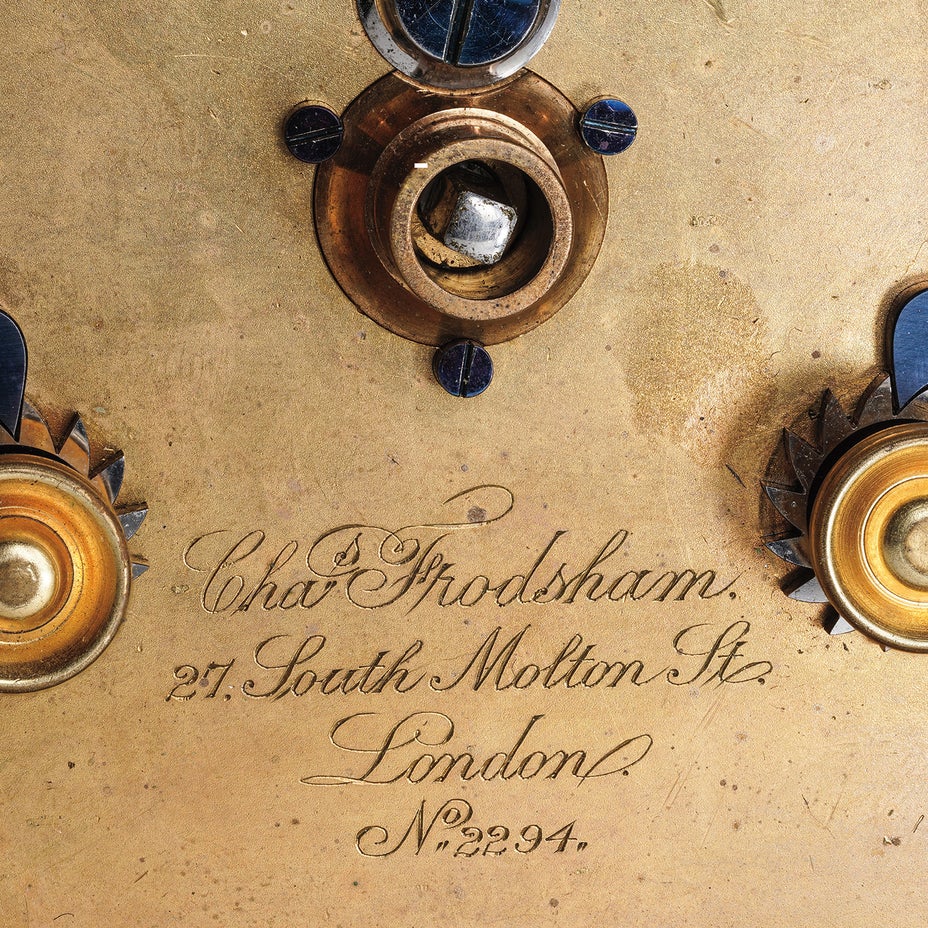
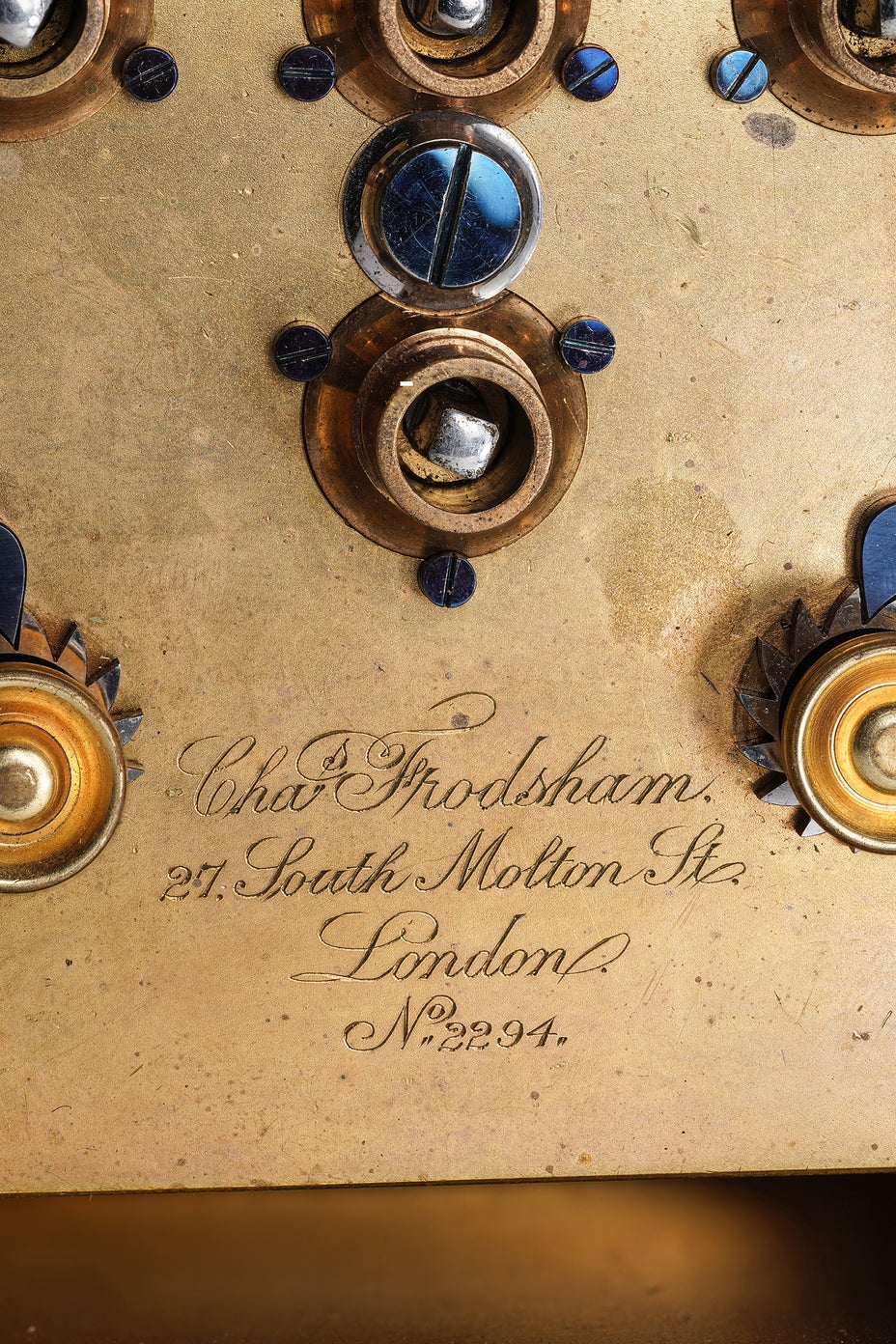
2294
Model Name
Quarter repeating, grande & petite sonnerie perpetual calendar, carriage clock with tourbillon and power reserve
Material
Silver
Calibre
Manual
Dimensions
9 cm width, 15cm height and 7cm depth
Signed
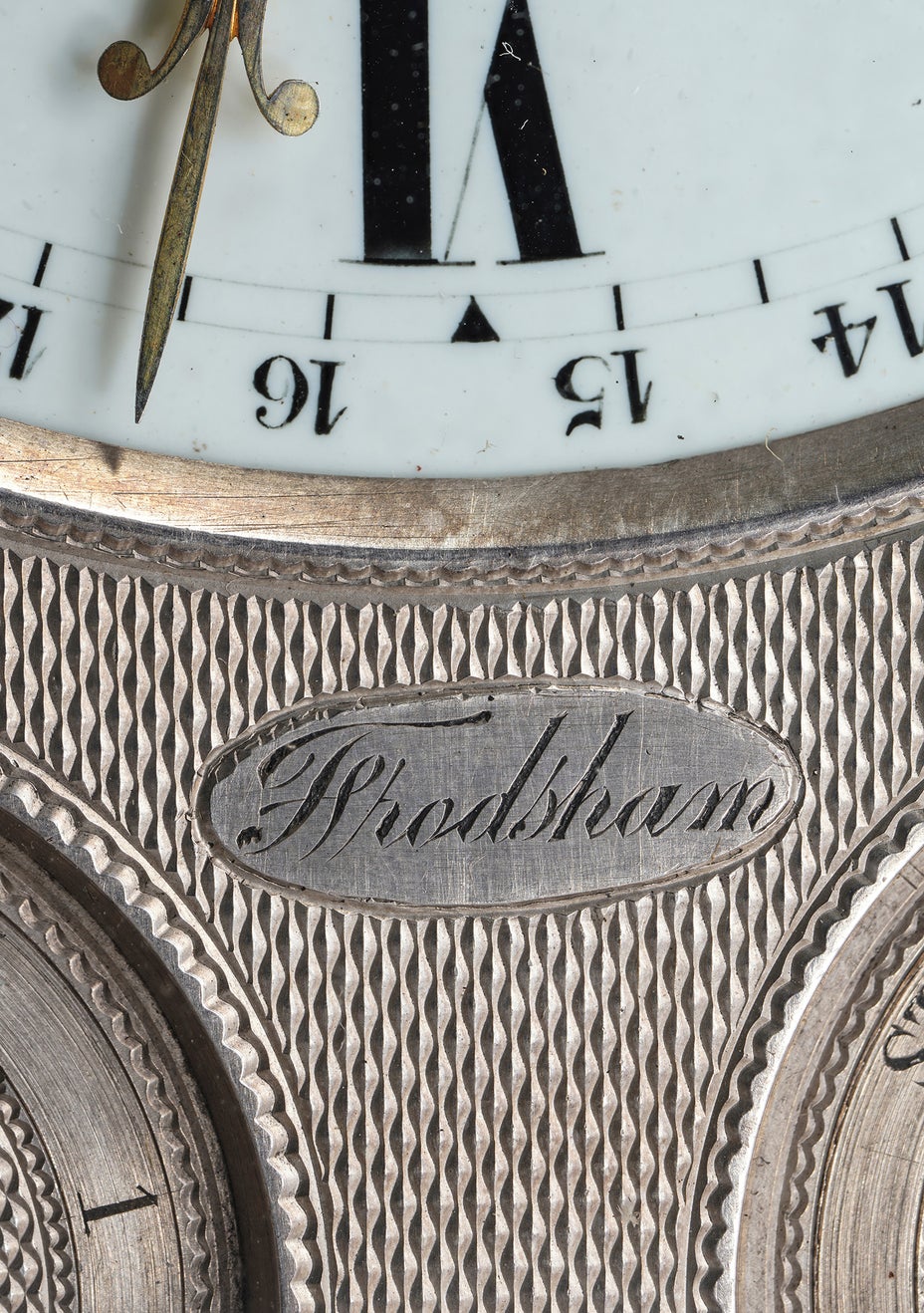
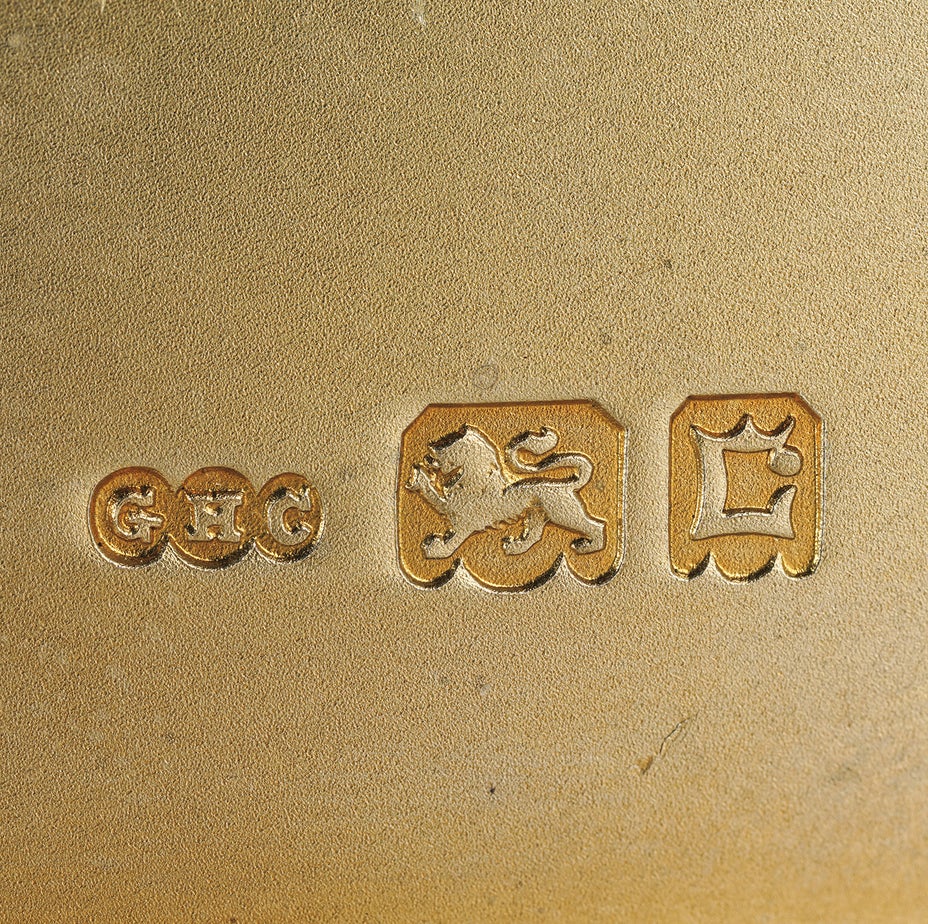
Dial and movement signed, case with London hallmarks for 1918 and casemaker stamp GHC (George Henry Cowell)
Accessories
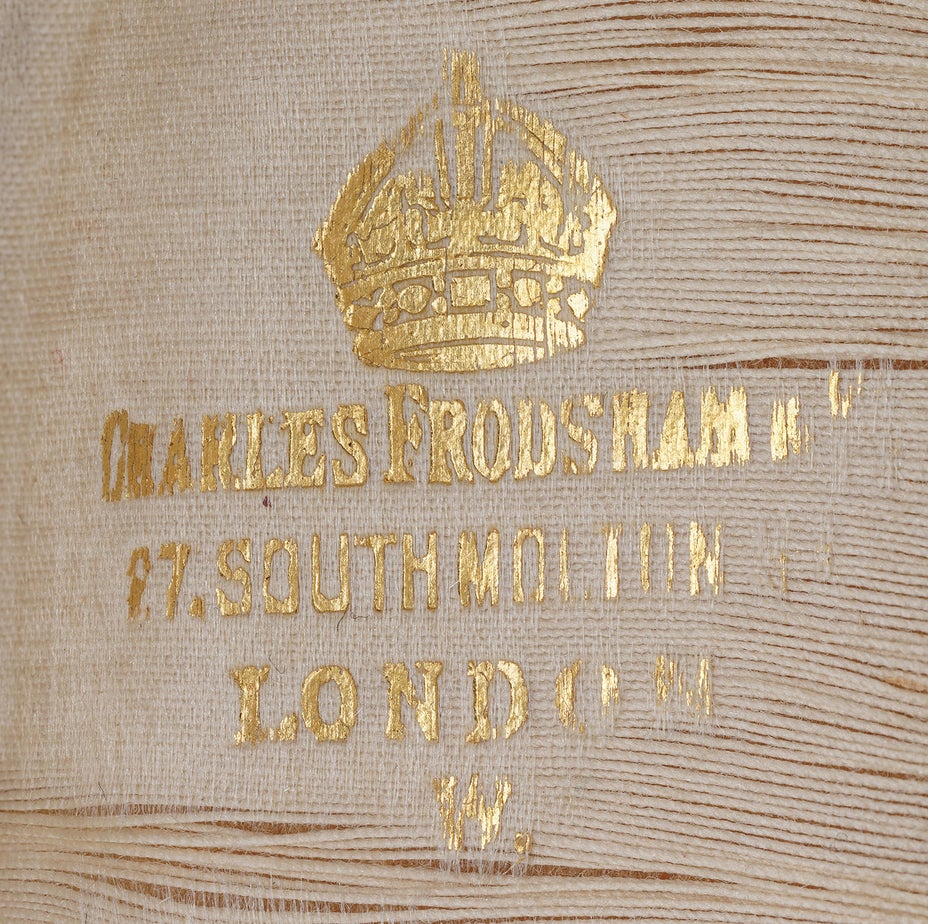
Accompanied by Charles Frodsham leather carrying case and winding key.
Full-Cataloguing
The historical importance, sheer horological relevance and collectability of certain objects can be ascertained with just one glance and the present Charles Frodsham humpback carriage clock is undeniably a timepiece that falls within this elite category.
The number of complications and indications fitted so elegantly and legibly in a rather small size is a feat of horological design and incredible technical prowess.
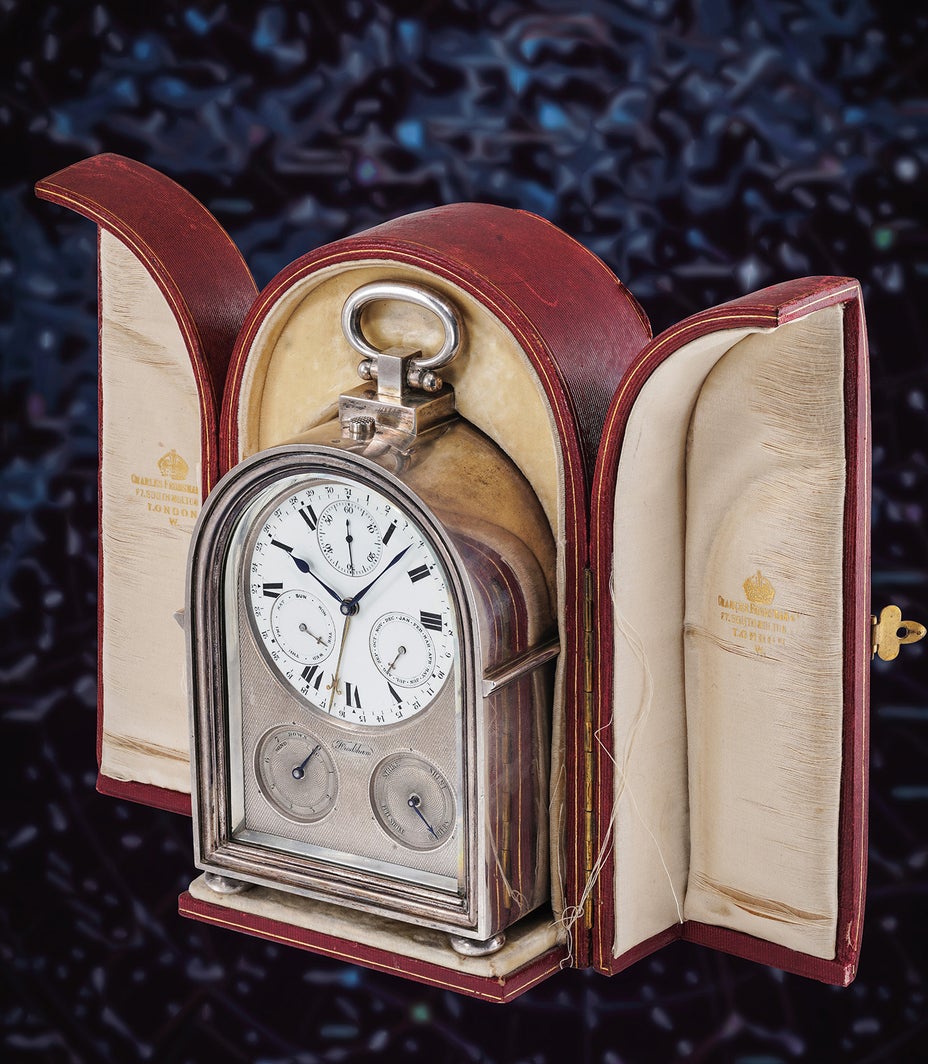
The main dial indicates the hours and minutes via central hands whereas the seconds are indicated via a counter at 12 o’clock, the date via a gold hand and day and month indications via subdials at 8 and 4 o’clock, respectively and take into account the different day lengths in each month and is consequently a perpetual calendar. The main enamel dial was most likely made by the famous London firm of Willis which explains the subtle Venetian tint. Willis dials could be found on the finest English watches of the 19th and early 20th centuries, such as Frodsham, Dent or Smith & Sons.
Two large subdials at the lower part of the guilloche plate indicate the 7-day power reserve (on the left) whereas the dial on the right is engraved with the words "Strike", "Full Strike", "Silent" and "Quarters" indicating the present clock features the grail of horological grails: the Grande & Petite Sonnerie. A button on the top part of the case enables the chiming of the hours. Finally, when the button on the top of the case is pressed, the quarter repeating mechanism is launched.
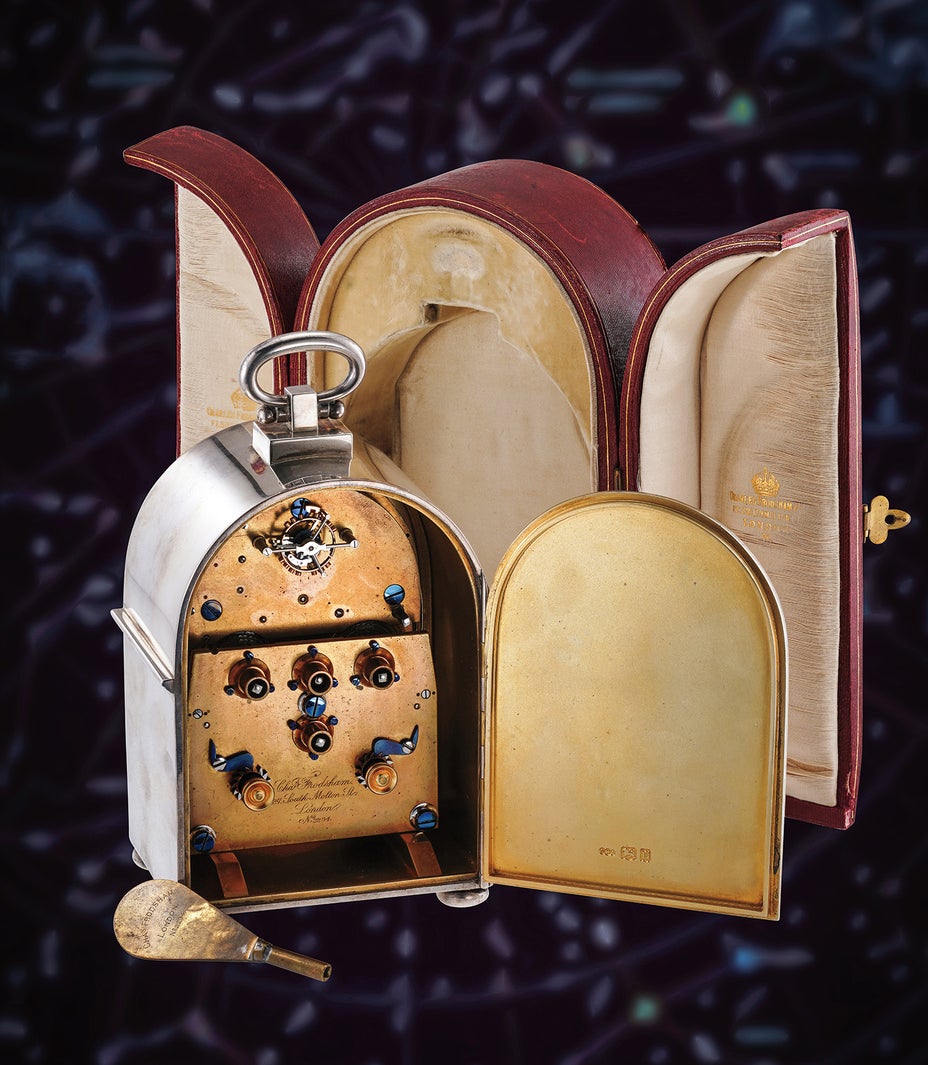
When opening the back of the clock – where the winding and setting functions are placed- another surprise will greet the collector: the presence of an exquisite one-minute tourbillon with club tooth lever escapement.
The movement was made by Nicole Nielsen, it is believed that Nicole Nielsen made 7 clocks with Grande Sonnerie and tourbillon, all for the same client who gifted them to his girlfriends! Whilst most of the clocks were signed Nicole Nielsen, 3 were signed Frodsham and the present is one of two to also feature a perpetual calendar.
Nicole, Nielsen & Co. was the leading manufacturer of complicated watches in late 19th century London, and made watches and carriage clocks for leading makers such as Frodsham, but also marketed under their own name. The firm originated in 1840 when Adolphe Nicole, a partner in the firm of Nicole & Capt, Geneva, settled in London. In 1888 the firm was purchased by R.B. North, Nielsen being retained as joint managing director with Harrison Mill Frodsham. In 1888 the firm took the name of Nicole, Nielsen & Co.
The number of complications and indications fitted so elegantly and legibly in a rather small size is a feat of horological design and incredible technical prowess.
The main dial indicates the hours and minutes via central hands whereas the seconds are indicated via a counter at 12 o’clock, the date via a gold hand and day and month indications via subdials at 8 and 4 o’clock, respectively and take into account the different day lengths in each month and is consequently a perpetual calendar. The main enamel dial was most likely made by the famous London firm of Willis which explains the subtle Venetian tint. Willis dials could be found on the finest English watches of the 19th and early 20th centuries, such as Frodsham, Dent or Smith & Sons.
Two large subdials at the lower part of the guilloche plate indicate the 7-day power reserve (on the left) whereas the dial on the right is engraved with the words "Strike", "Full Strike", "Silent" and "Quarters" indicating the present clock features the grail of horological grails: the Grande & Petite Sonnerie. A button on the top part of the case enables the chiming of the hours. Finally, when the button on the top of the case is pressed, the quarter repeating mechanism is launched.
When opening the back of the clock – where the winding and setting functions are placed- another surprise will greet the collector: the presence of an exquisite one-minute tourbillon with club tooth lever escapement.
The movement was made by Nicole Nielsen, it is believed that Nicole Nielsen made 7 clocks with Grande Sonnerie and tourbillon, all for the same client who gifted them to his girlfriends! Whilst most of the clocks were signed Nicole Nielsen, 3 were signed Frodsham and the present is one of two to also feature a perpetual calendar.
Nicole, Nielsen & Co. was the leading manufacturer of complicated watches in late 19th century London, and made watches and carriage clocks for leading makers such as Frodsham, but also marketed under their own name. The firm originated in 1840 when Adolphe Nicole, a partner in the firm of Nicole & Capt, Geneva, settled in London. In 1888 the firm was purchased by R.B. North, Nielsen being retained as joint managing director with Harrison Mill Frodsham. In 1888 the firm took the name of Nicole, Nielsen & Co.