


911
Cartier
La Pendule Art Deco
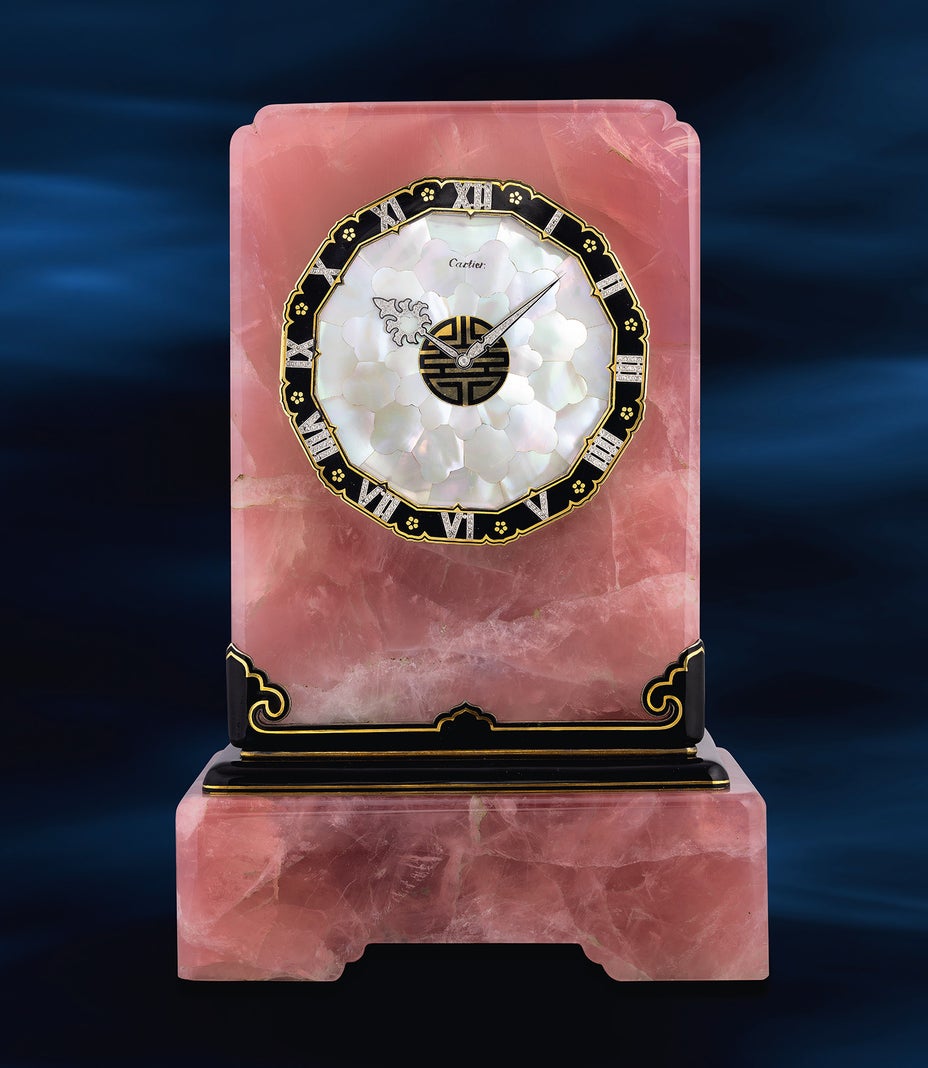
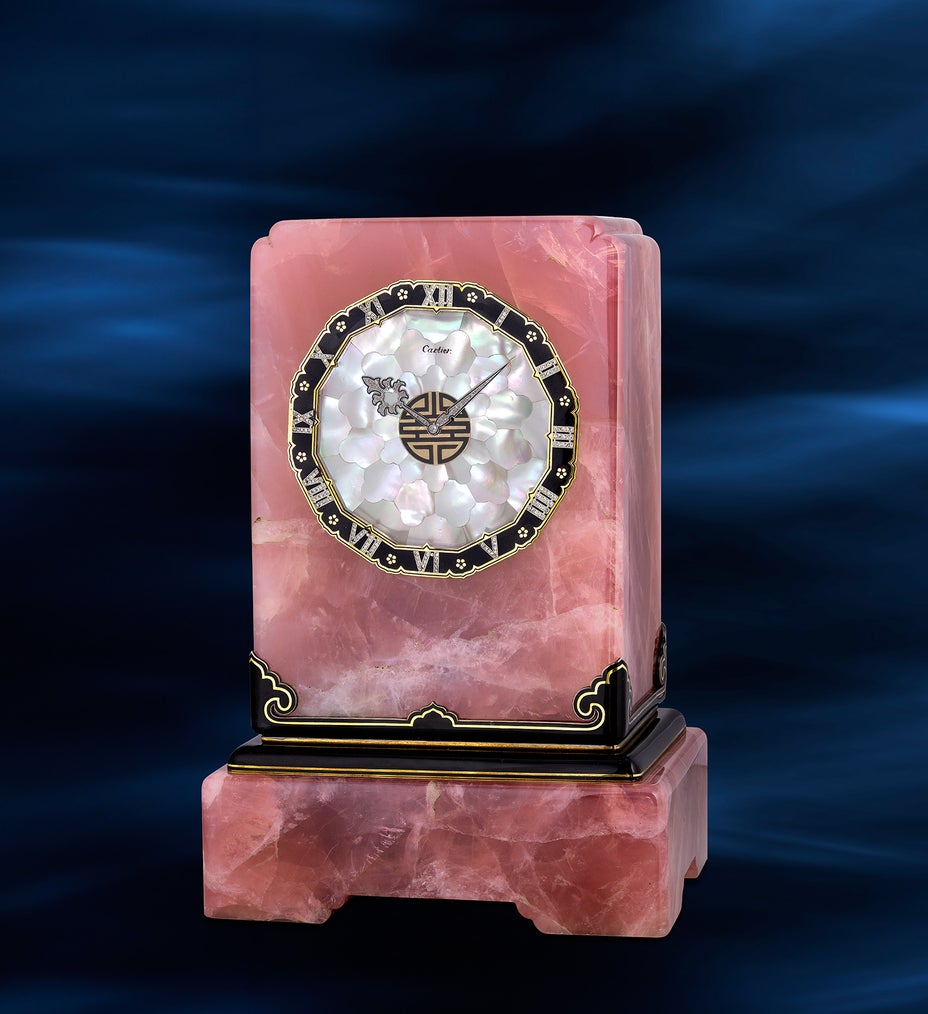
A unique and magnificent rose quartz, diamonds, mother-of-pearl, enamel and yellow gold Art Deco desk clock with original key
Full-Cataloguing
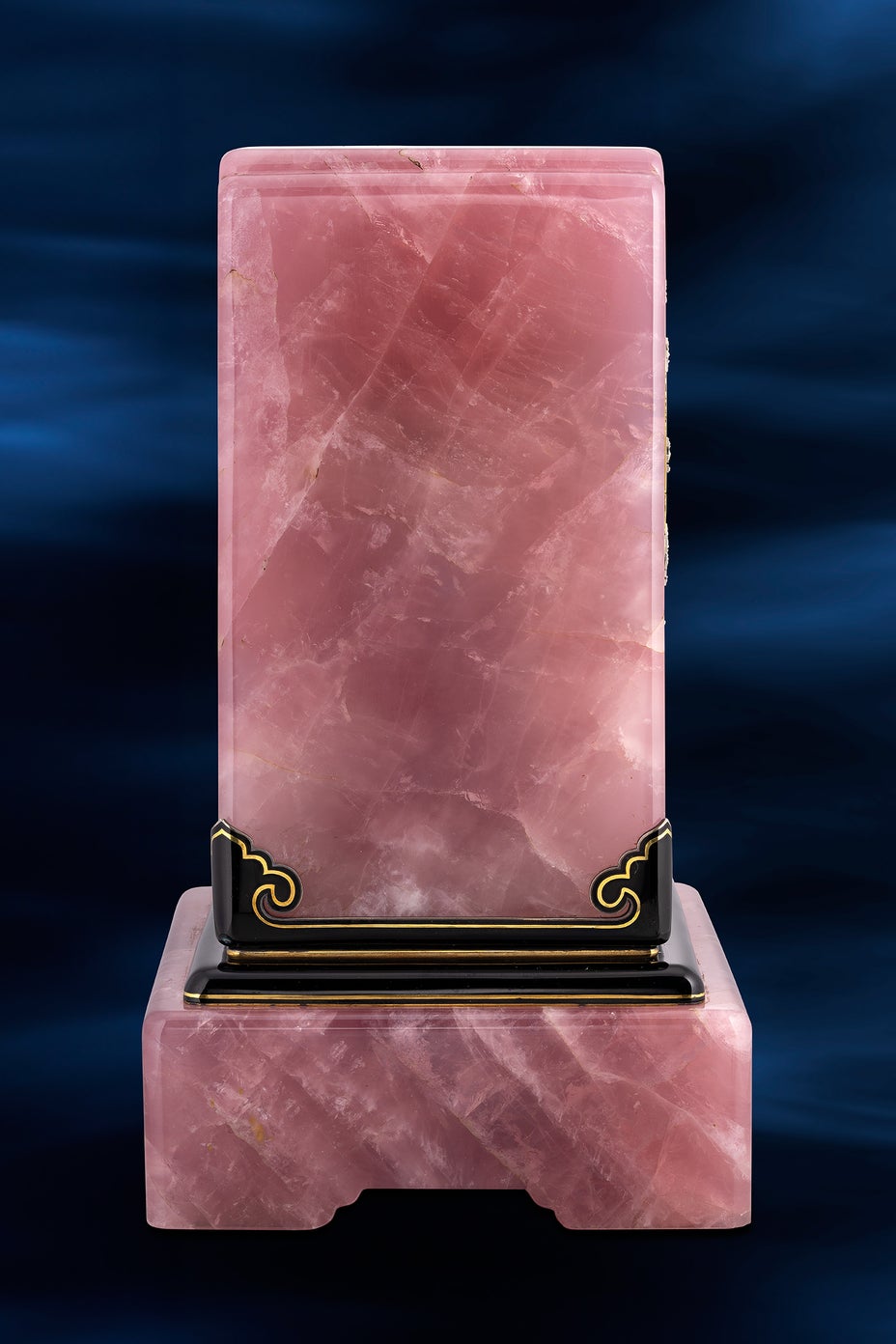
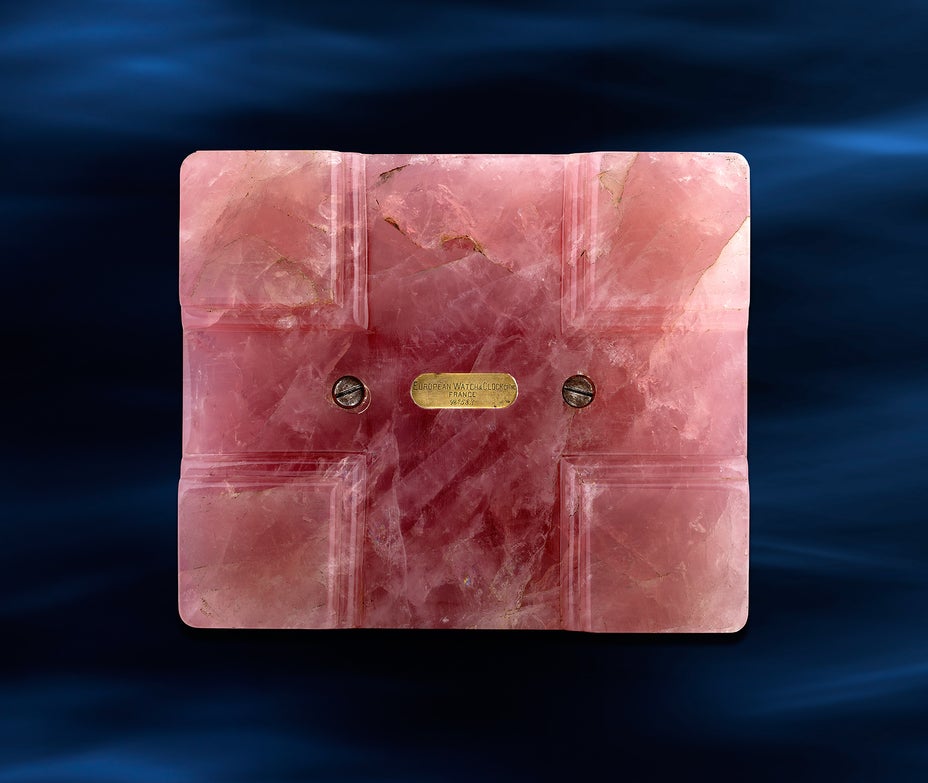
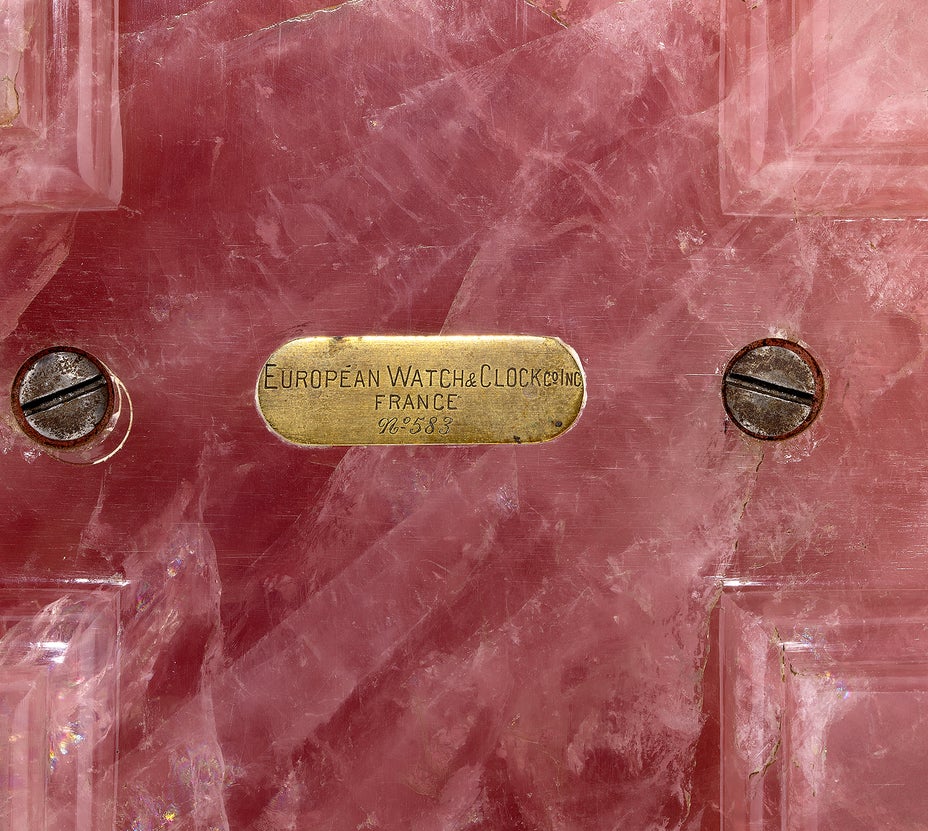
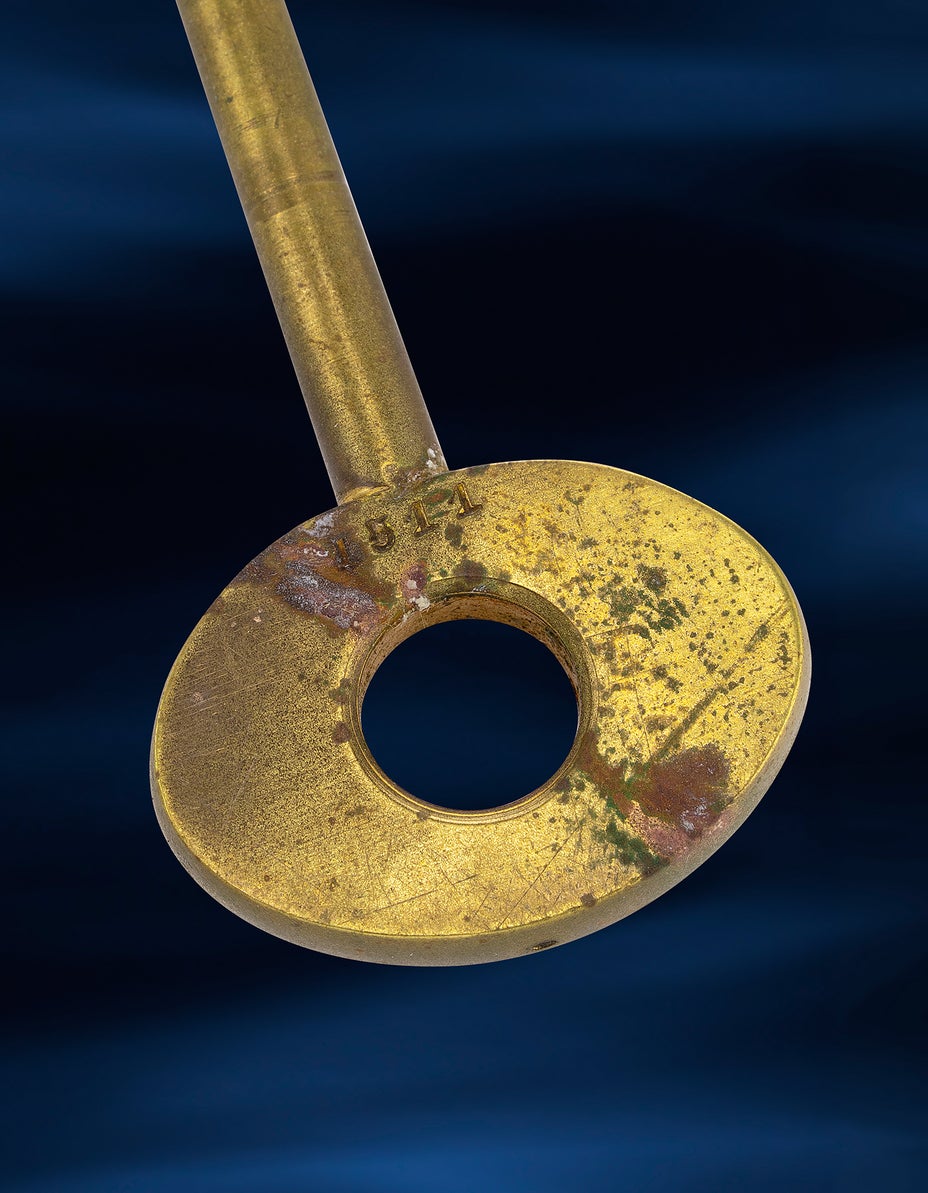
An impressive creation by Cartier Paris, the present desk clock from the 1930s is inspired by the Far East. Translucent with a calming soft pink hue crafted from a massive block of rose quartz stone, the corners are elegantly shaped with smooth rounded corners also known as the “coins Japonais, Japanese corners”. Anchored with a decorative base frame with black enamel and yellow gold, the motif further encircles the Cartier signed dial of this desk clock. Set with rose-cut diamonds Roman numerals, the 5 min markers are decorated with a five petal Sakura flower graphic that harmonize with the cherry blossom glow of the rose quartz. The fanned-out marquetry works crafted with mother-of-pearl radiates in iridescent sheen, cleverly planned out in symmetry the hours are clearly divided. A large diamond sets the centre of the Art Deco hands, an “Shou” symbolled gold plate meaning longevity, adds as a finishing finesse of the Far East theme. Powered by a European Watch & Clock Co 8-day key wound movement, the desk clock is numbered 583, its winding key is further stamped “1511”.
Fresh-to-the-market and kept in private hands for three decades, this is the only known Cartier signed example to appear in the market. Known for its symbolism of infinite peace and harmony, the present unique rose quartz masterpiece preserved with unparalleled condition and quality not only underlies its importance amongst Cartier’s history, but also demands attention as a unique museum worthy collection.
Cartier
FrenchWith the Constitution of 1848 came a new standard for luxury in France. Founded one year prior by Louis-Francois Cartier, the house of Cartier was one of the first to use platinum in jewelry making. This incredibly expensive material became the stepping-stone for Cartier to experiment in form, mechanisms and attitude. It helped men move from pocket watches to wristwatches, effectively making the watch much more functional and prominent in a man's overall wardrobe.
Cartier did not only touch on functionality. Inspired by a commissioned painting by George Barbier featuring a black panther at the feet of an elegantly bejeweled woman, Cartier began incorporating wild animals in his designs—most notably, Cartier Panthère rings, bangle bracelets and watches. Yet it wasn't until the late 1960s that the house of Cartier debuted their iconic yellow and rose gold LOVE collection, which includes the famous bracelet that only a special screwdriver can open.