355
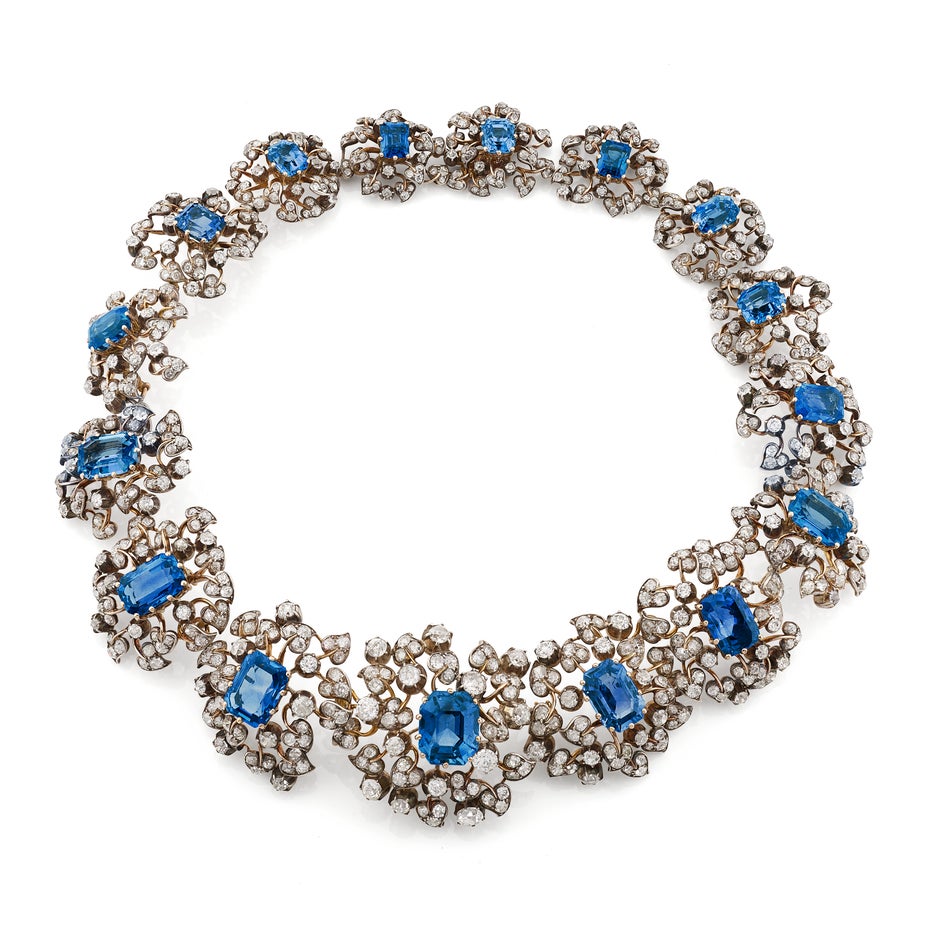
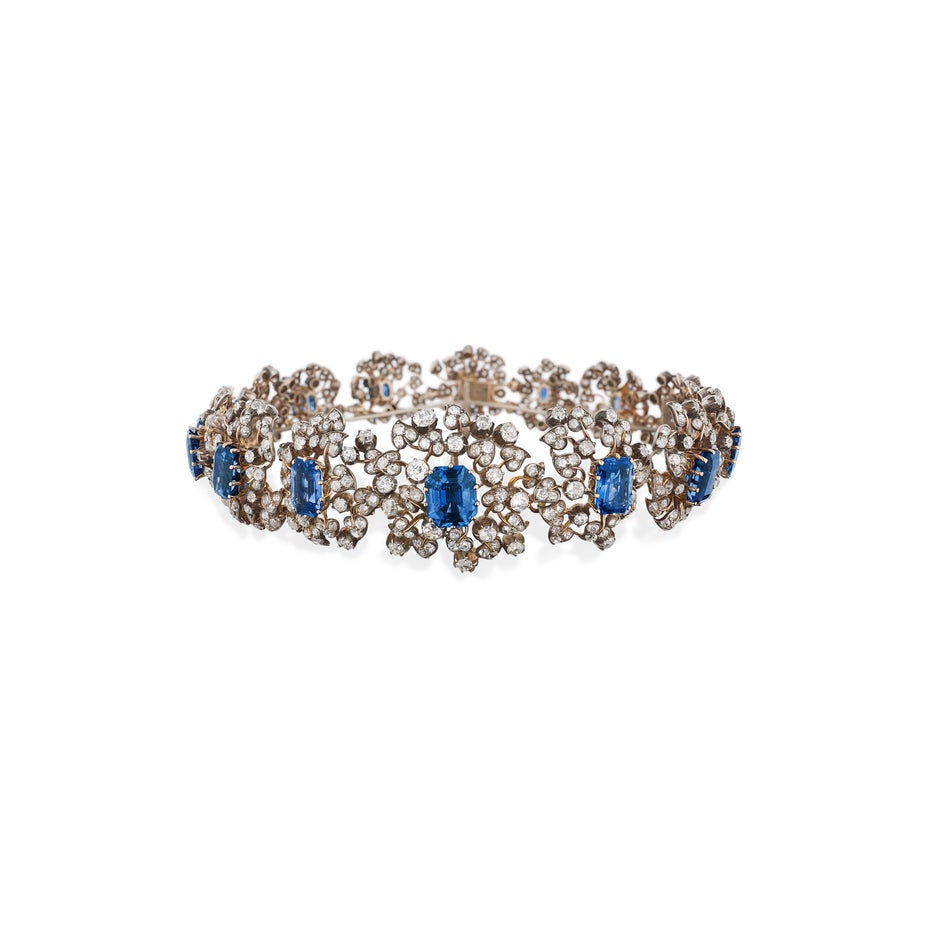
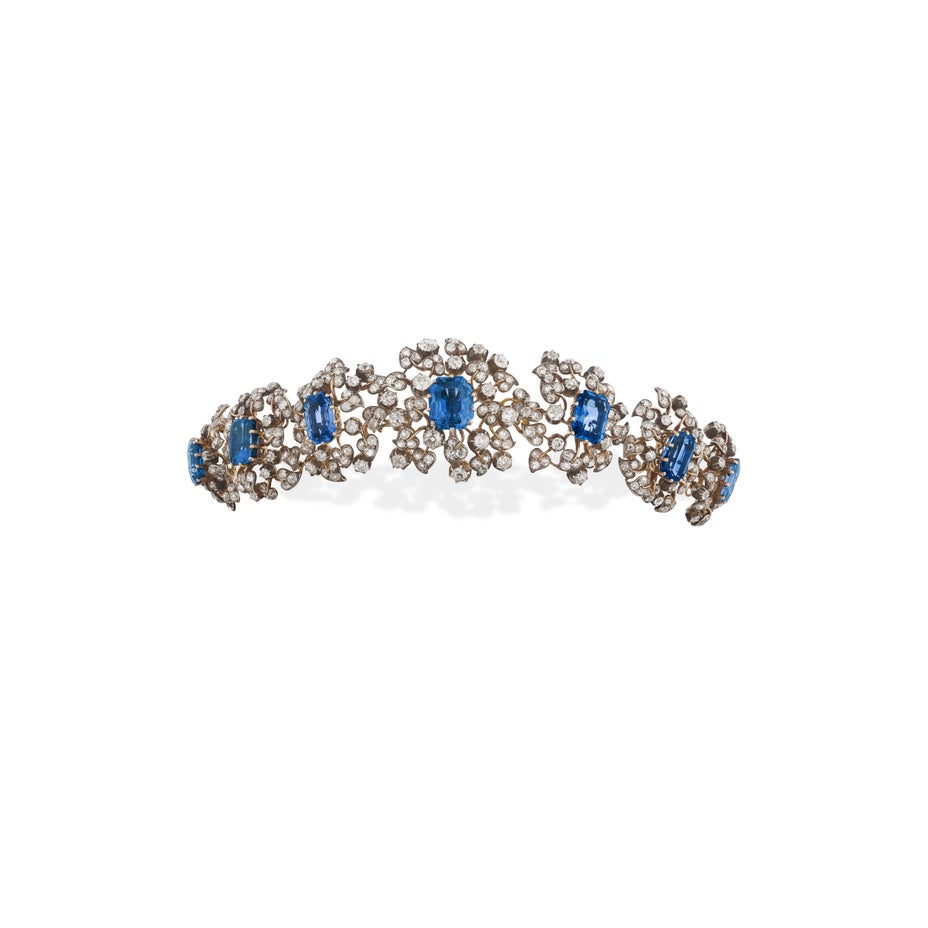
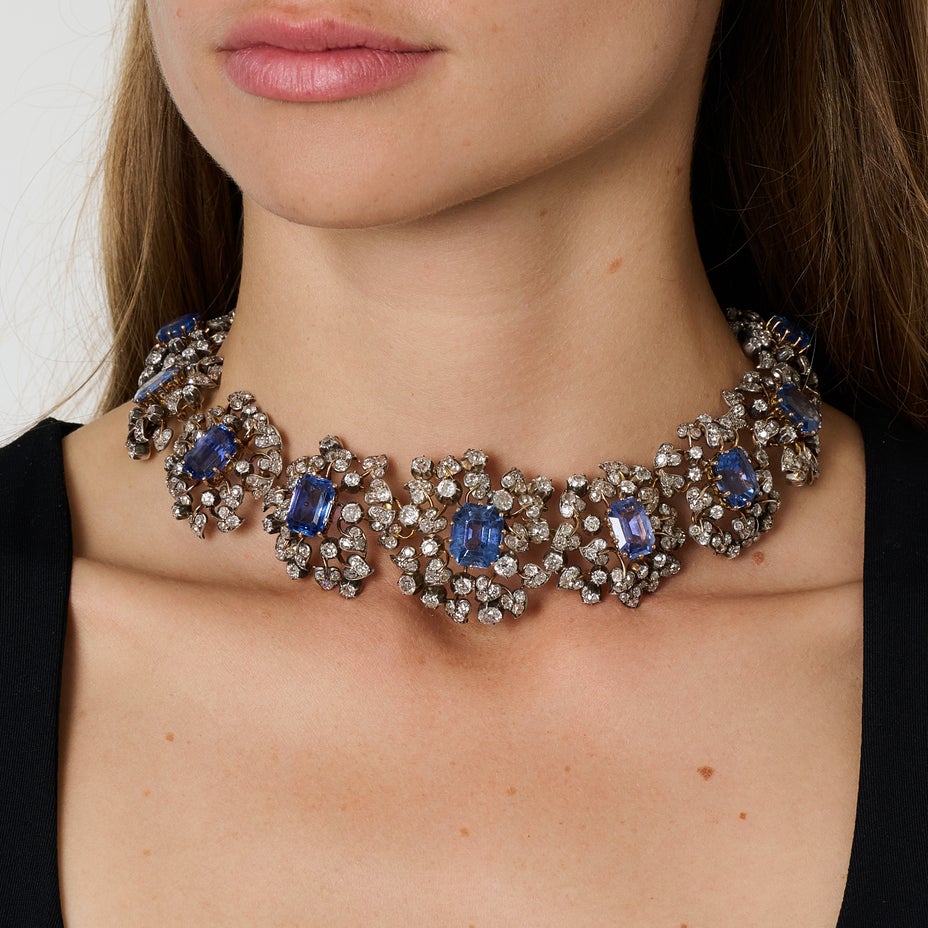
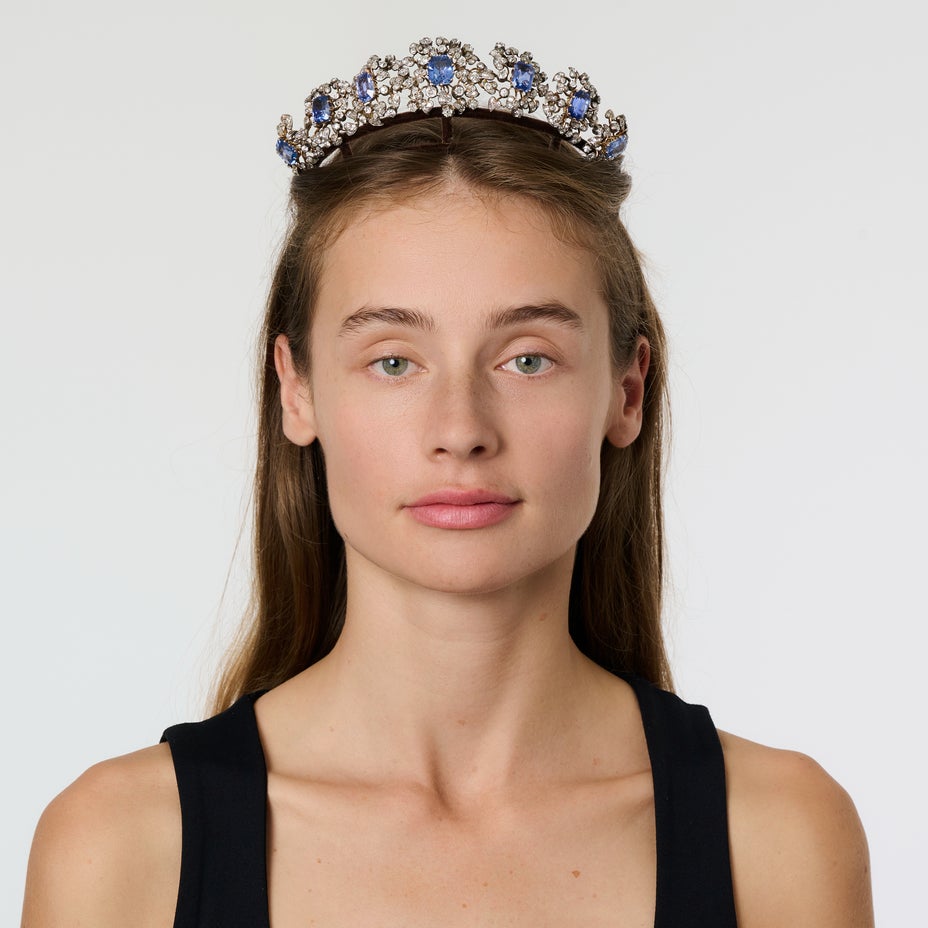
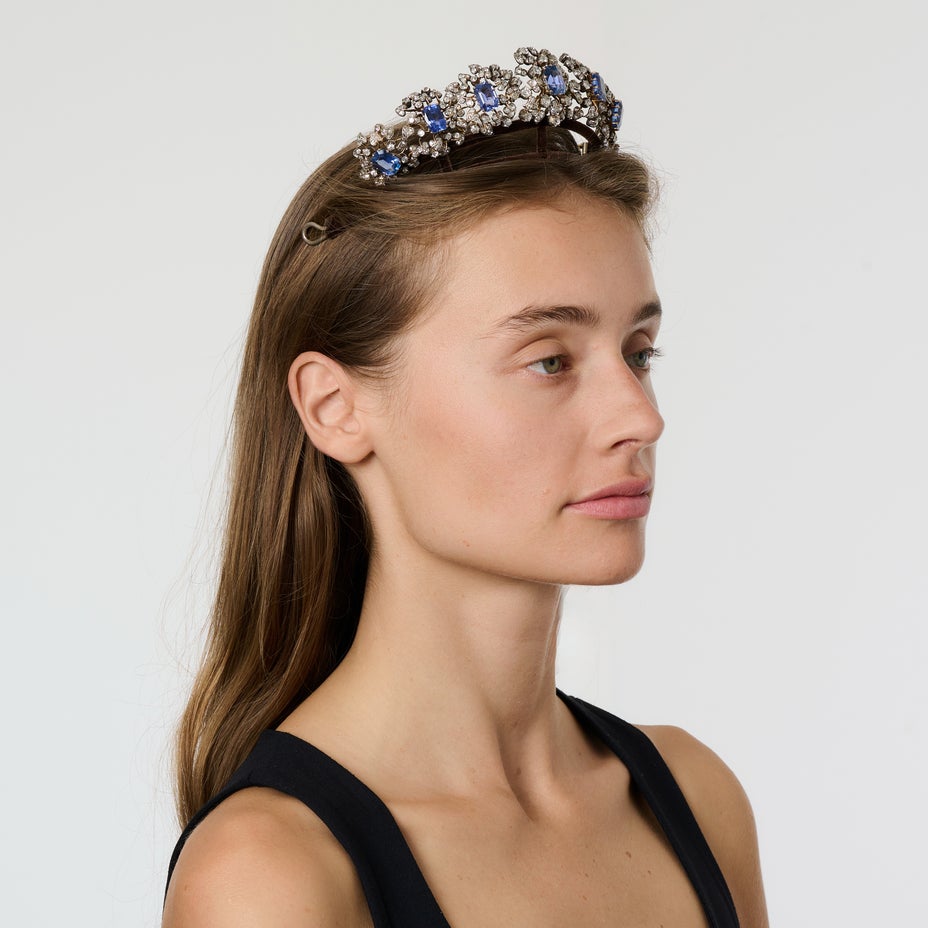
Important sapphire and diamond tiara/crown/necklace combination, second half of the 19th century
Estimate
CHF200,000–280,000
€216,000–302,000
$250,000–350,000
The necklace of floral design, set with octagonal- and cushion-shaped sapphires, circular-cut and cushion-shaped diamonds, length approximately 400mm, central part detachable and could convert into a tiara, inner circumference approximately 250mm and could be worn as a crown, inner circumference approximately 355mm, crown and tiara fittings.
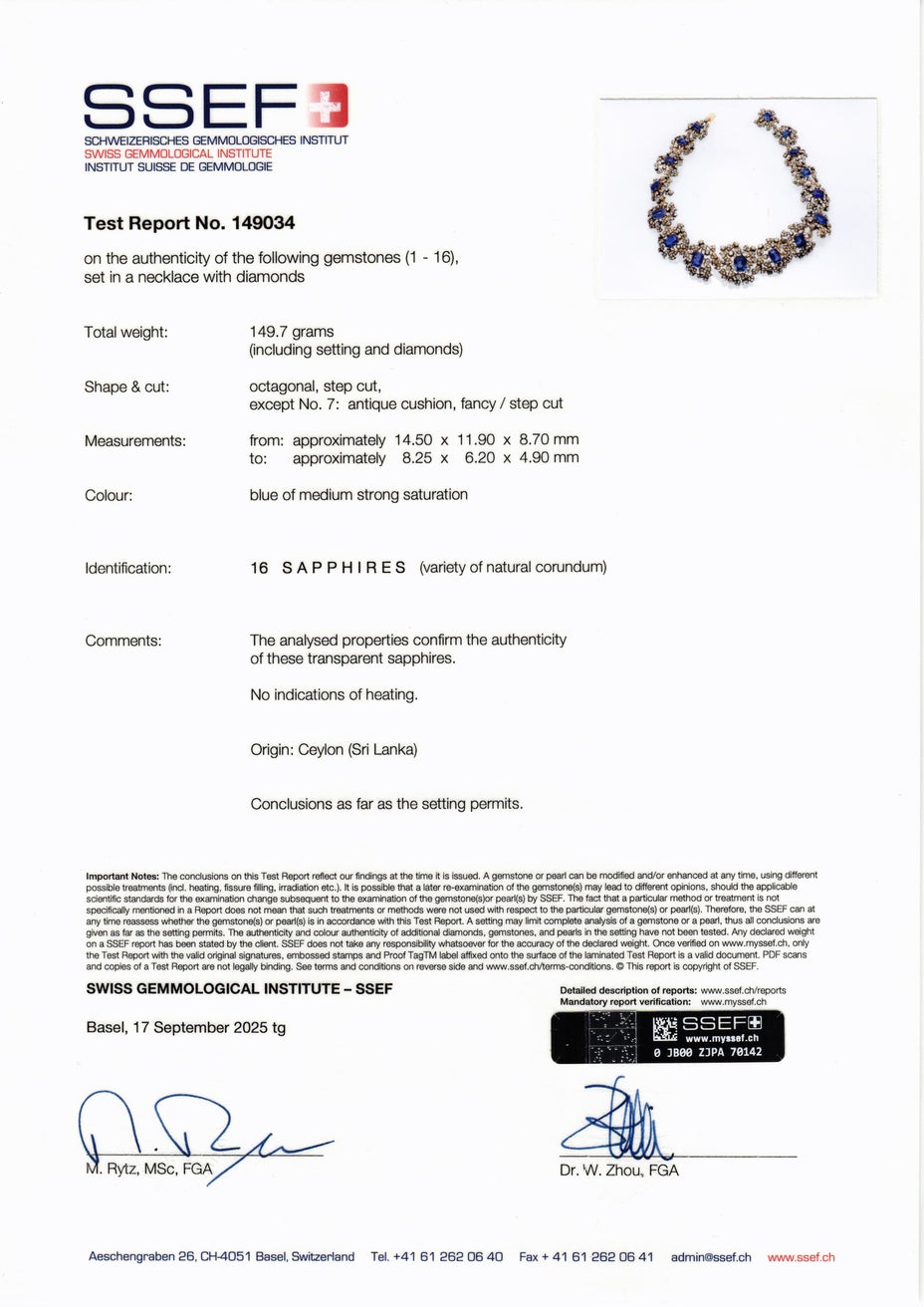
Accompanied by SSEF report no. 149034 stating that the sixteen sapphires are of Ceylon origin, with no indications of heating; together with sixteen gemmological reports.
Priority Bidding is here! Secure a lower Buyer's Premium. Learn more >
Accompanied by SSEF report no. 149034 stating that the sixteen sapphires are of Ceylon origin, with no indications of heating; together with sixteen gemmological reports.
Priority Bidding is here! Secure a lower Buyer's Premium. Learn more >
Full-Cataloguing
Jewels Inspired by Nature
Nature has long captivated the imagination of artists, its boundless beauty inspiring some of the most enduring creations of the 19th century. Jewellers sought to embody the living world in precious materials and vibrant enamels, transforming nature into their muse. This trend, a continuation of earlier fashions, was revitalised by the growing interest in botany during the 19th century and translated into delicate jewels that realistically depicted foliage, sprays of flowers, branches, blossoms— the thriving radiance of the natural world, emerging in parallel with the Romantic movement of the early 19th century.
The jewellery motifs reflected the spirit of Romanticism and were rich with symbolism, signifying eternal love, fidelity, remembrance, and even mourning. The language of flowers offered poetic souls a way to express their sentiments through floral design: forget-me-nots proclaimed everlasting love; ivy promised unbreakable friendship; and lily of the valley spoke of renewal and the return of happiness.
As these symbolic ornaments flourished, so too did the ingenuity of design. Jewellers created convertible pieces allowing smaller elements to be detached and worn separately—as hairpins or brooches adorning the bodice of a dress. Diamond brooches were often mounted en tremblant, their flowerheads set on fine springs that quivered with each movement, bringing nature’s exuberance to life in glittering form. A delicate necklace worn by day could be transformed into a magnificent tiara—or better yet, a crown—by night. Such jewels, designed with special fittings, further suggest noble or even royal provenance, as exemplified by lot number 355 offered in our sale. The naturalistic approach to design remained popular throughout the 19th century, capturing nature’s enduring beauty and timeless charm, and forging an unbreakable bond between jewel and wearer—creations that continue to inspire the same admiration today.
Nature has long captivated the imagination of artists, its boundless beauty inspiring some of the most enduring creations of the 19th century. Jewellers sought to embody the living world in precious materials and vibrant enamels, transforming nature into their muse. This trend, a continuation of earlier fashions, was revitalised by the growing interest in botany during the 19th century and translated into delicate jewels that realistically depicted foliage, sprays of flowers, branches, blossoms— the thriving radiance of the natural world, emerging in parallel with the Romantic movement of the early 19th century.
The jewellery motifs reflected the spirit of Romanticism and were rich with symbolism, signifying eternal love, fidelity, remembrance, and even mourning. The language of flowers offered poetic souls a way to express their sentiments through floral design: forget-me-nots proclaimed everlasting love; ivy promised unbreakable friendship; and lily of the valley spoke of renewal and the return of happiness.
As these symbolic ornaments flourished, so too did the ingenuity of design. Jewellers created convertible pieces allowing smaller elements to be detached and worn separately—as hairpins or brooches adorning the bodice of a dress. Diamond brooches were often mounted en tremblant, their flowerheads set on fine springs that quivered with each movement, bringing nature’s exuberance to life in glittering form. A delicate necklace worn by day could be transformed into a magnificent tiara—or better yet, a crown—by night. Such jewels, designed with special fittings, further suggest noble or even royal provenance, as exemplified by lot number 355 offered in our sale. The naturalistic approach to design remained popular throughout the 19th century, capturing nature’s enduring beauty and timeless charm, and forging an unbreakable bond between jewel and wearer—creations that continue to inspire the same admiration today.