Article | British Watchmaking Through George Daniels Eyes
British Watchmaking Through George Daniels’ Eyes
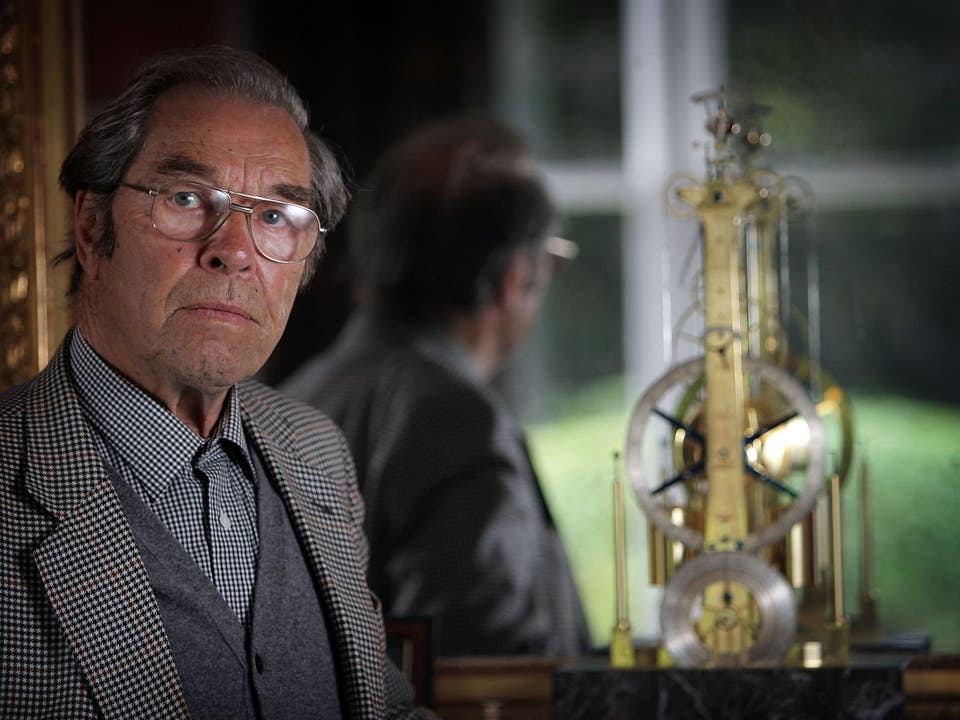
Determining George Daniels’ place in British horology is easy. In his books and with his watches George did it for us.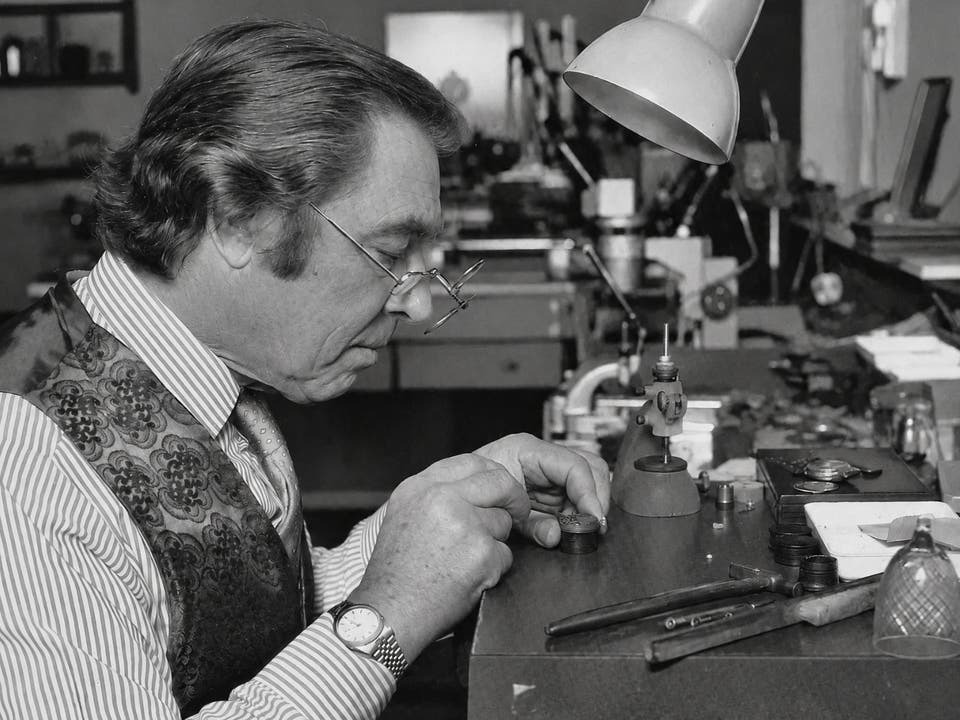
Determining George Daniels’ place in British horology is easy. In his books and with his watches George did it for us.
George was certain about the significance of British horology.
In English & American Watches (EAW) first published in 1967 he wrote: “The development and often invention, in England of the fundamental principles of precision watches…show the direction that the modern industry was to follow.”
Robert Hooke and Christiaan Huygens
He was also certain about when – 1658 - and by whom these ‘developments and inventions’ started: English polymath Robert Hooke (1635 – 1703). In the centuries long dispute over who invented the balance spring Hooke or Dutchman Christiaan Huygens George bestowed the laurels on Hooke.
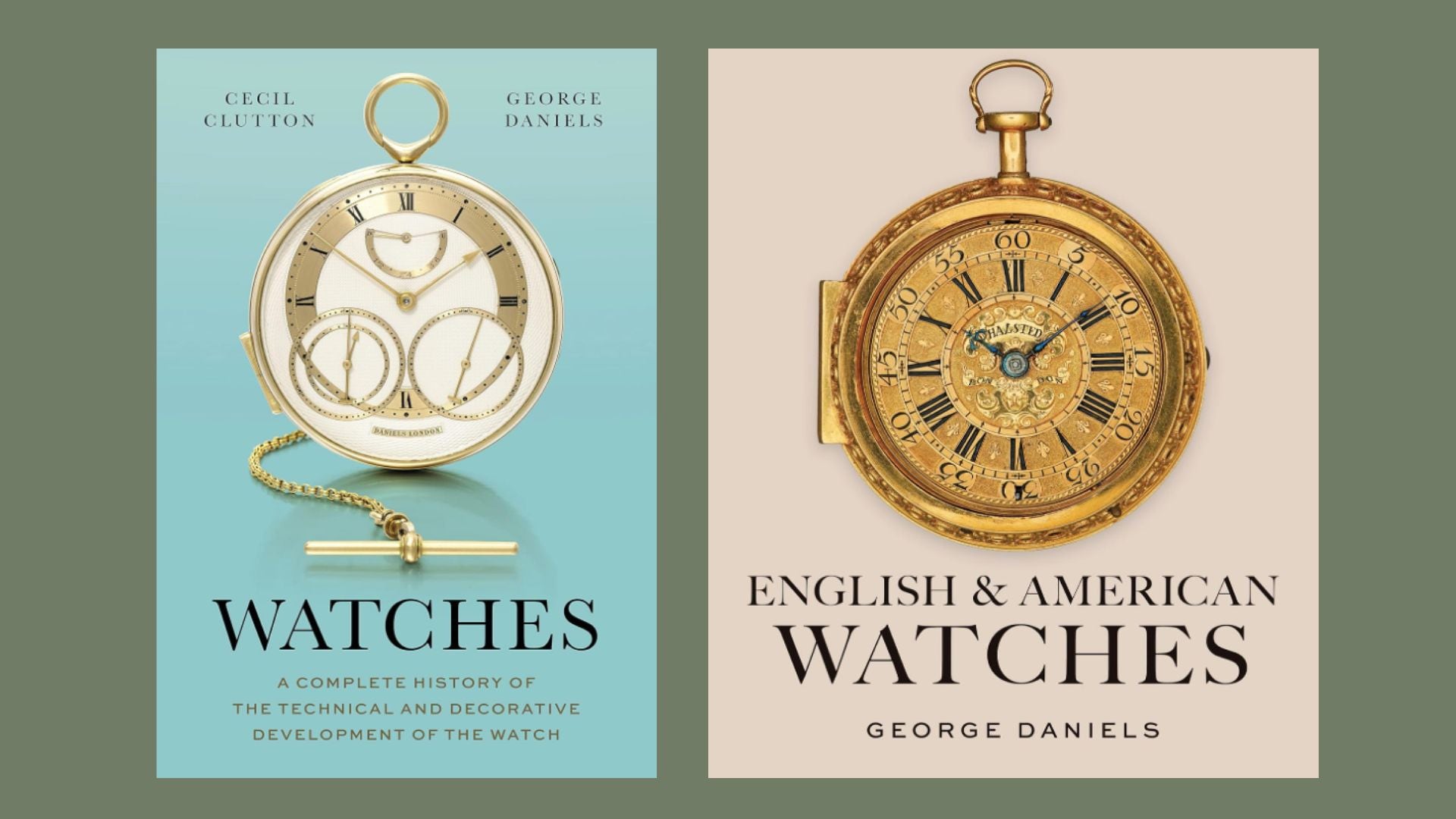
Beyond dispute is the importance of the device.In Watches (1965) George and his co-author Cecil Clutton write that the balance spring marks: … “the turning point in the history of the watch. What had previously been little more than a rich man’s ornamental toy became suddenly a scientific instrument, capable of running accurately within two minutes a day.”
Peter Debaufre and Nicolas Facio
Another boost to British Horology occurred in 1704 when London residents French born Peter Debaufre (1675 – 1730) and Swiss born Nicholas Facio de Duillier (1664 – 1753) discovered the process for piercing jewels.
In EAW George writes “…the advantage of jewelling…is considerable. Provided oil is present, wear of the pivots in jewelled holes is eliminated and thus a more stable condition for maintaining uniformity of rate is achieved…The ability to jewel with such facility gave England a great ascendancy over the French always her greatest rivals in horology.”
Edward Barlow and Daniel Quare
For George another rivalry illustrates the fertile British horological soil of the late 17th century. Two men Edward Barlow (1639 – 1719) and Daniel Quare (1648 – 1724) applied for a patent for repeating mechanisms in the same year, 1687. Quare won.
“Two watchmakers simultaneously arriving at same answer to the question of how to tell time in the dark. That wasn’t happening anywhere else.”
Thomas Tompion, Joseph Knibb and George Graham
For George, two London makers Thomas Tompion (1639 – 1713) and Joseph Knibb (1640 – 1711) excelled at mechanics and aesthetics. He owned three clocks by Knibb and one clock, two watches and one uncased movement by Tompion. George saw beauty and utility in the dials and movements of both men.
After Hooke, Tompion and Knibb came George Graham (1673 – 1751) who pioneered the use of the cylinder escapement.
The cylinder proved superior to the then common place verge escapement. Watchmakers throughout Europe adopted Graham’s design.
John Harrison
Graham also introduced John Harrison, an unknown Yorkshireman, to London’s horological scene.
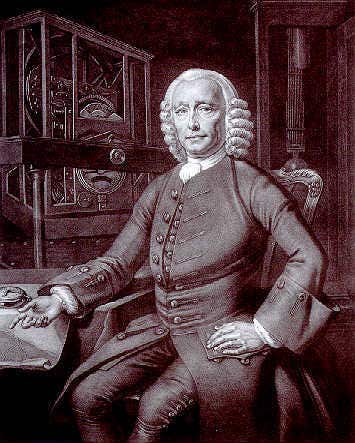
John Harrison painted by Philippe-Joseph Tassaert (1732 - 1803).
In Watches, Cecil and George wrote: “John Harrison made no final contribution to the science of horology…”.
About Harrison’s H5 marine chronometer from 1770, he said: “Harrison’s timekeeper represented the triumph of workmanship over design but it could never have formed the basis of a commercially-produced instrument.”
Harsh judgements considering Harrison’s renown from Dava Sobel’s book, Longitude and the subsequent TV series.
A few years later in EAW George writes respectfully of Harrison’s self-taught knowledge of watchmaking and concludes: “This remarkably clever man had a profound influence on the future trend of horology…”.
George’s view softened after the publication of Watches when he had the opportunity to examine Harrison’s H5 in his workshop.
Thomas Mudge
The next star of British horology for George: Thomas Mudge (1715 – 1794).
Mudge secured his place in the firmament with the invention of the lever escapement adopted by watchmakers everywhere from the Thames to the Seine and the Rhône.
After Harrison and Mudge, “One man alone distinguished himself, John Arnold…” (1736 – 1799).
John Arnold
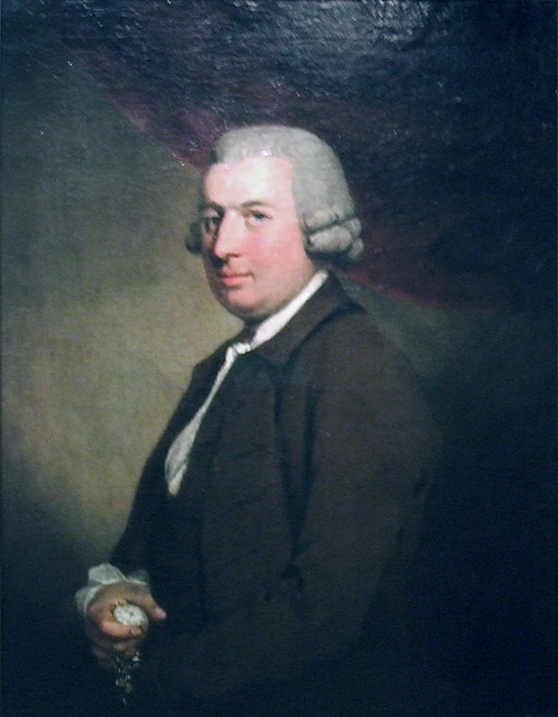
John Arnold, painted by Mason Chamberlin.
The reasons for the gushing praise? Arnold’s workbench skills and inventions.In 1764 he presented to George III a watch in the shape of a ring, a little over half an inch in diameter with a ruby cylinder escapement and a repeating mechanism. In 1770 he completed a marine chronometer with a detached escapement. In 1775 he patented a helical balance spring. In the 1780’s came a double-S balance and his first spring detent watches.
Thomas Earnshaw
Thomas Earnshaw (1749 – 1829) came next. Another insightful inventor, his spring-detent chronometer escapement “…subject only to minor development, has survived to this day in universal use.”
Charles Fordsham
At the height of the Victorian era in the 19th century George saw the continuing of excellence in British timepiece production carried on one maker in particular Charles Frodsham (1810 – 1871) and his family. Their output never succumbed to the increasing ugliness of timepieces in the 19th and 20th centuries.
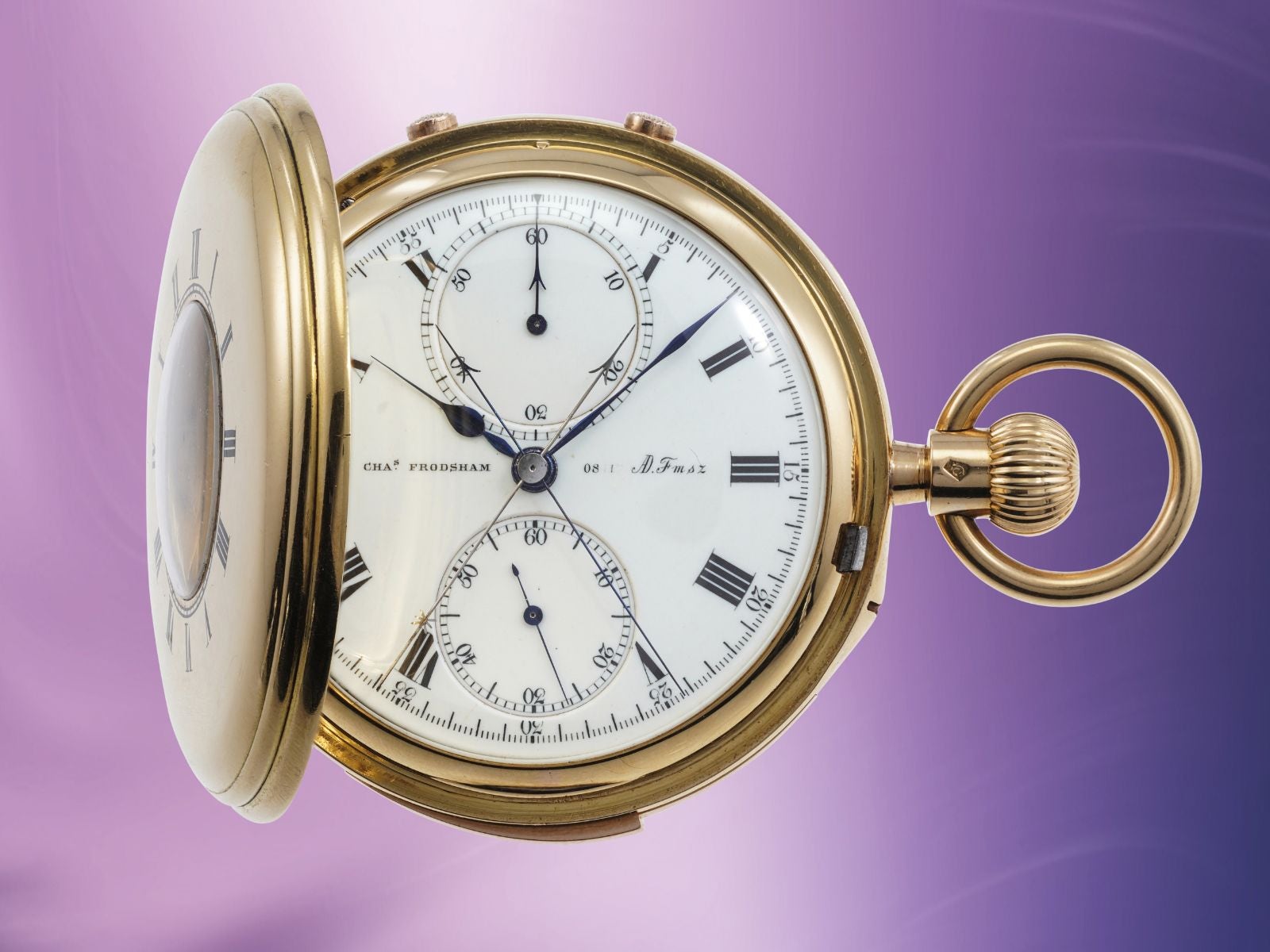
Charles Frodsham Minute Repeating Split Seconds Chronograph, sold at Phillips in 2025.
In the work of British watch and clockmakers George saw energy, intelligence, dedication, inventiveness, creativity, innovation and hard work.
“Those early chaps did very well making their way through. The best of them of course is Harrison. He fought his way, all the way through probably up the wrong street several times…But the real point about Harrison and also about Mudge, Arnold, Earnshaw, all the pioneers, is that they got things done and they made a contribution to horology. There are only a few watchmakers you can say that about.”
George Daniels’ Place in British Horology
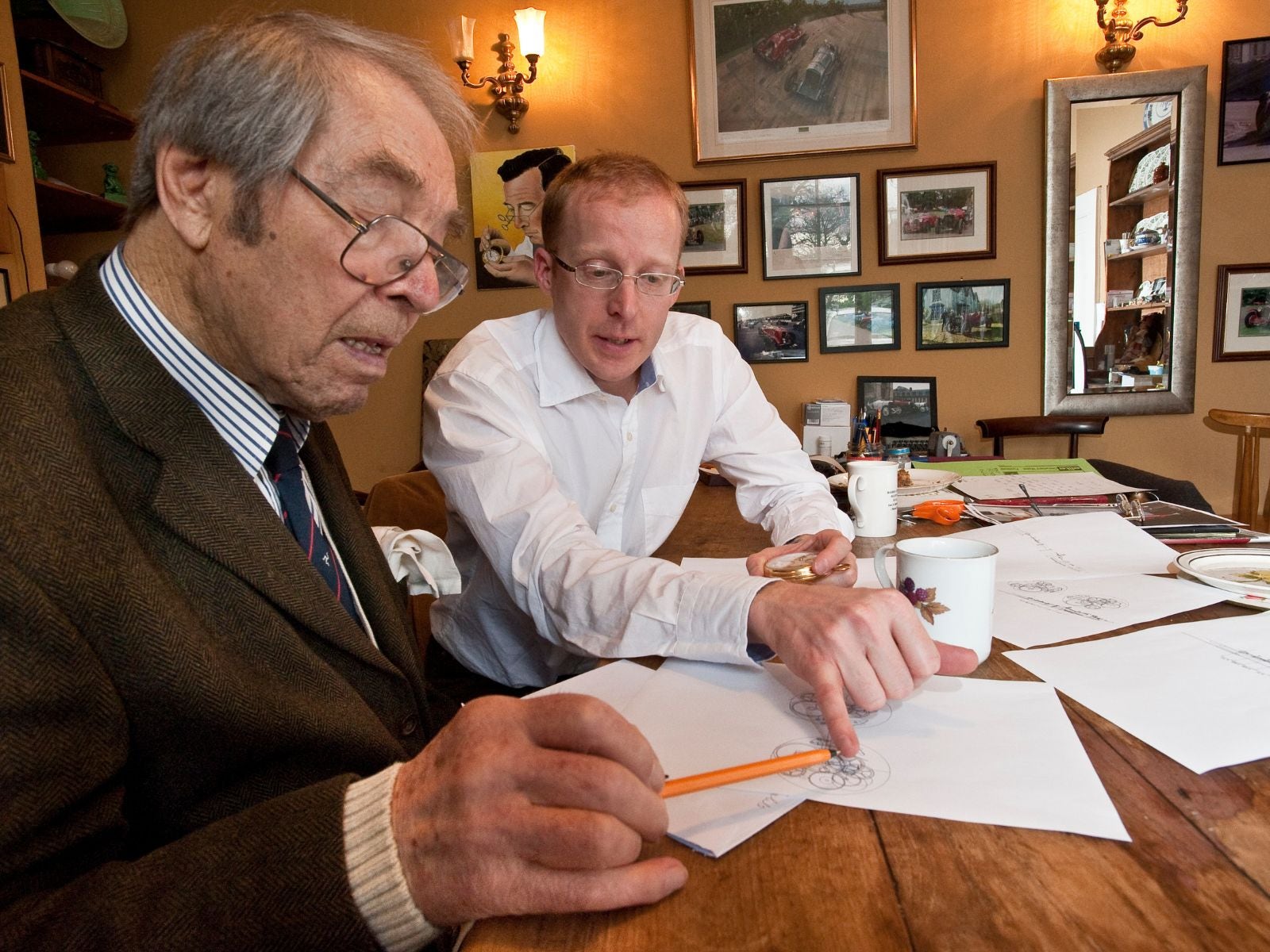
George Daniels and Roger Smith. Photo: The George Daniels Educational Trust.
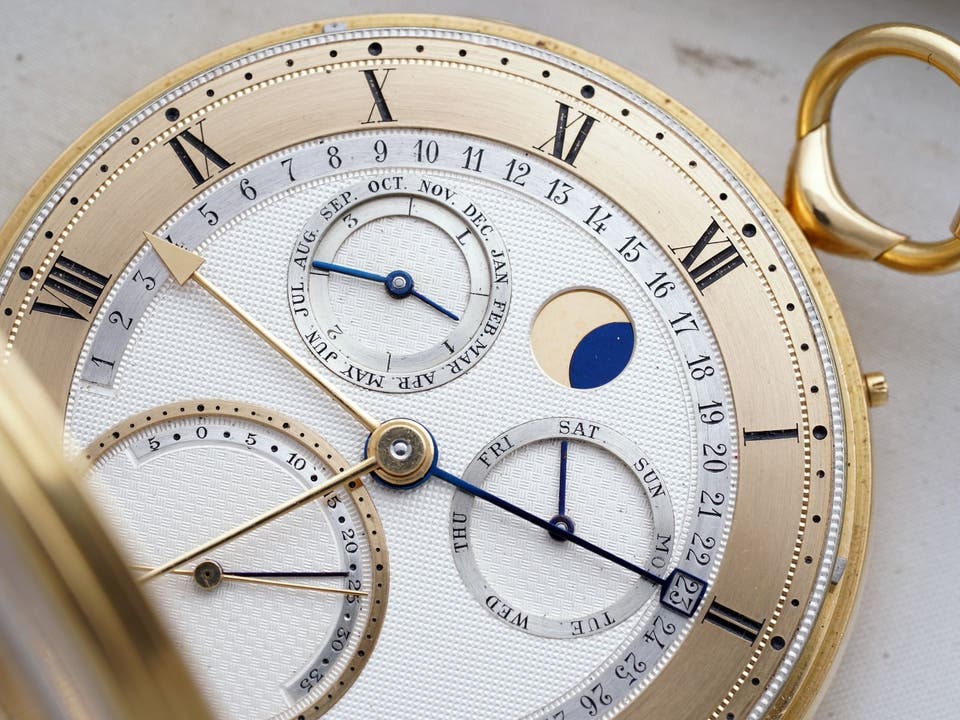
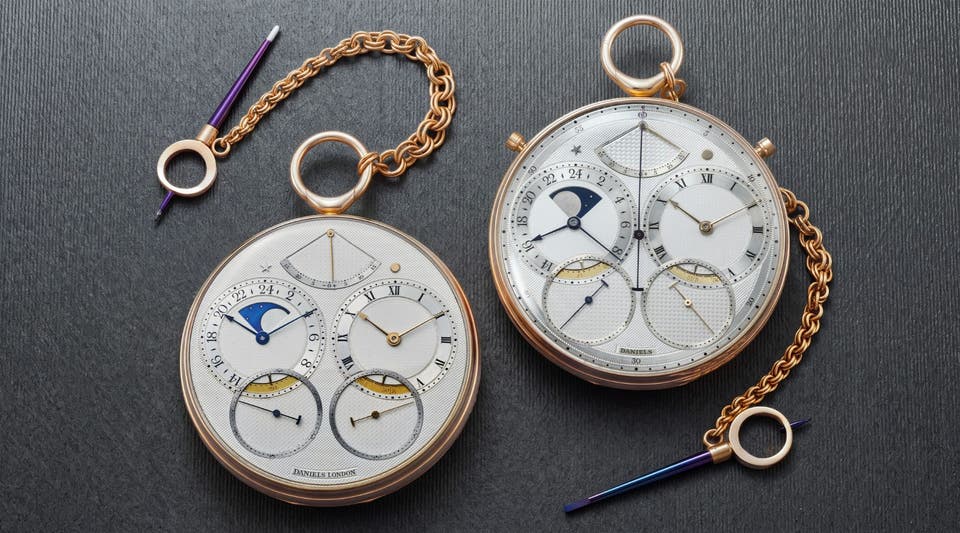
George’s co-axial escapement now beats in every Omega and Roger Smith’s exquisite watches. Ticking in Frodsham wristwatches is George’s double-impulse chronometer escapement. 1981 saw the publication of his monumental book Watchmaking. The unsurpassed manual for completing a watch by hand, Watchmaking is still in print and continues to inspire watchmakers. Like ‘all the pioneers’ George made his own lasting contribution to horology.
Jean-Antoine Lépine and Abraham-Louis Breguet
Assessing his watches requires a quick detour across the English Channel to the workshops of Jean-Antione Lépine (1720 – 1814) and Abraham-Louis Breguet (1747 – 1823).
Until well into the 19th century the watches of most British makers used a fusee – a conical-shaped wheel attached by a chain to the gear train. The gear train and the fusee were sandwiched between two plates with the balance mounted outside the top plate. Lépine swapped the fusee for a going barrel and separately pivoted most of the wheels in the train.“This not only made his watches easier to work on but greatly reduced their thickness.”
For George Lépine’s innovation transformed the blockish two plate arrangement into refined movement architecture.
Breguet, further developed the Lépine calibre to previously unscaled heights of elegance.
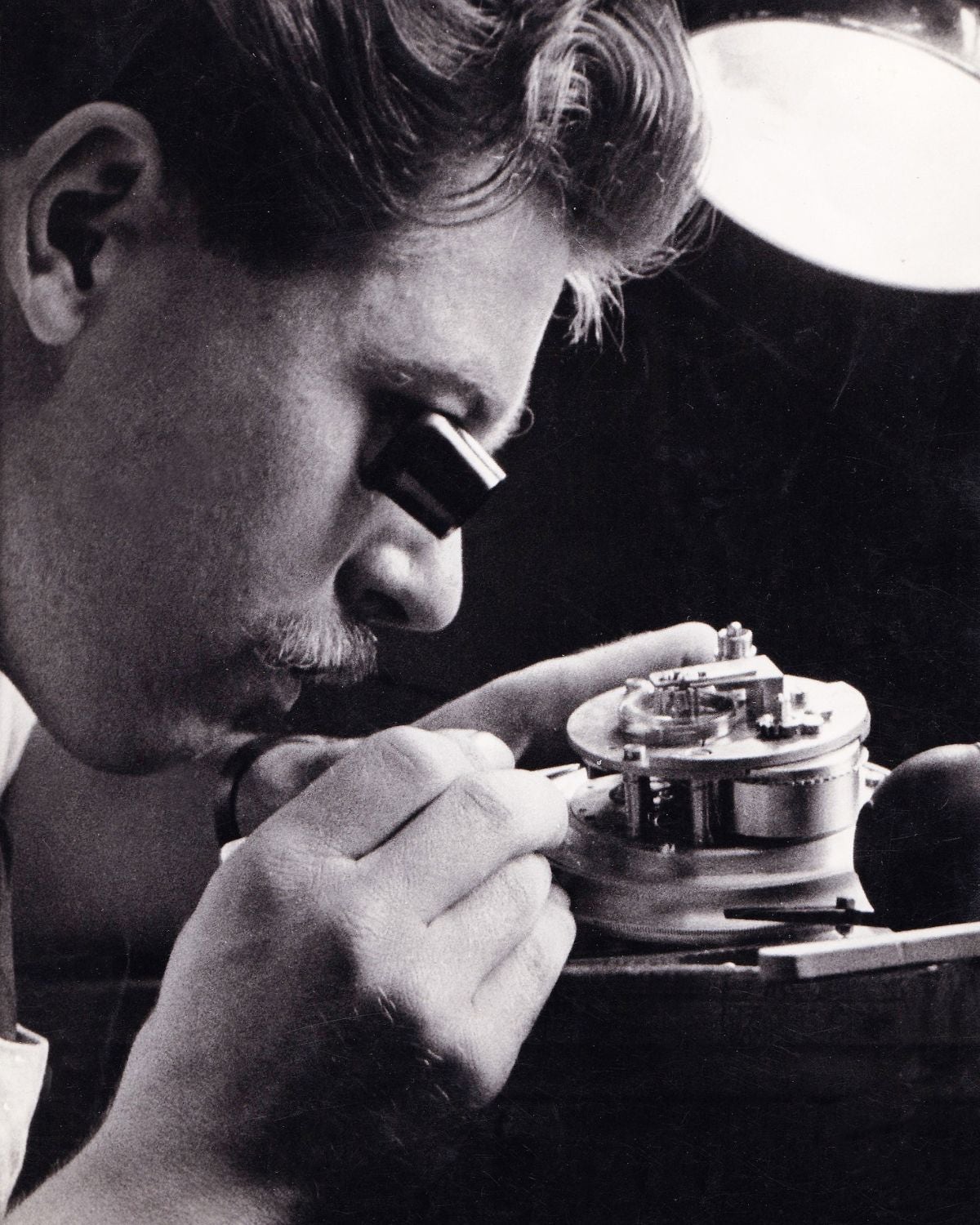
A young George Daniels at the bench. Photo: The George Daniels Educational Trust.
The movements and dials of George’s watches were influenced by Lépine and Breguet but they also possess British characteristics. The most obvious is gilt brass construction. “The appropriate finish for a watch is a vexed question for some but not for me. I prefer gilding simply because the best watches were finished in that way. Arnold, Mudge, Harrison, Earnshaw and Breguet on all their watches used nothing but gilding and polishing…I never used Geneva strips and I never will.”
He never used perlage or anglage either.
In other words, George Daniels was a British watchmaker.