Article | 100 Years Of George Daniels And The Making Of Independence
100 years of George Daniels and The Making of Independence
Today, terms such as artisanal, hand-finished and craftsmanship have become de rigueur in the world of fine watchmaking. We speak of these words with familiarity and ease, as if today’s extraordinary landscape of independent and artisanal horology has always existed and flourished. But it has not.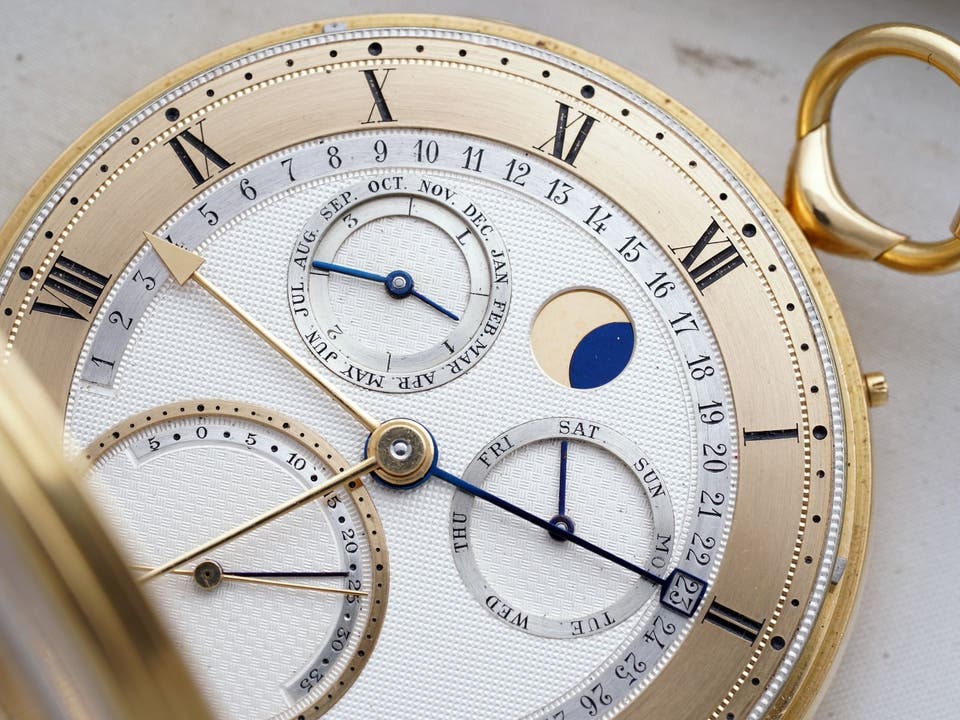
The idea that a watch can be a deeply personal expression of a single watchmaker’s vision owes an immeasurable debt to one man: George Daniels. Without him, the independent watchmaking we celebrate today would look profoundly different; in fact, one could argue that it would not even exist at all.

George Daniels. Photo: DAM Productions.
The Hand of the Maker
By the middle of the twentieth century and at the height of Daniels’ most productive years, the great tradition of the independent watchmaker had increasingly taken a back seat, instead giving way to industrialization, which brought extraordinary precision, efficiency and consistency. However, it had also made the individual craftsman increasingly invisible. A mechanical watch could be beautifully made, certainly—but the hand of the maker had largely disappeared.
An absolute maverick, Daniels refused to accept this as the inevitable future.
Hand Craftsmanship in the Modern Age
He did something both radical and wonderfully anachronistic: he made watches by hand, and he made virtually everything himself. Not only the case, nor the assembly—but the movement, the escapement, the screws, and, ultimately, the philosophy behind creating a watch independently. George Daniels demonstrated that hand craftsmanship could not only survive in the modern age, but eventually and with the creation of the co-axial escapement, even live in harmony with technical innovation and industrialization at the highest level.
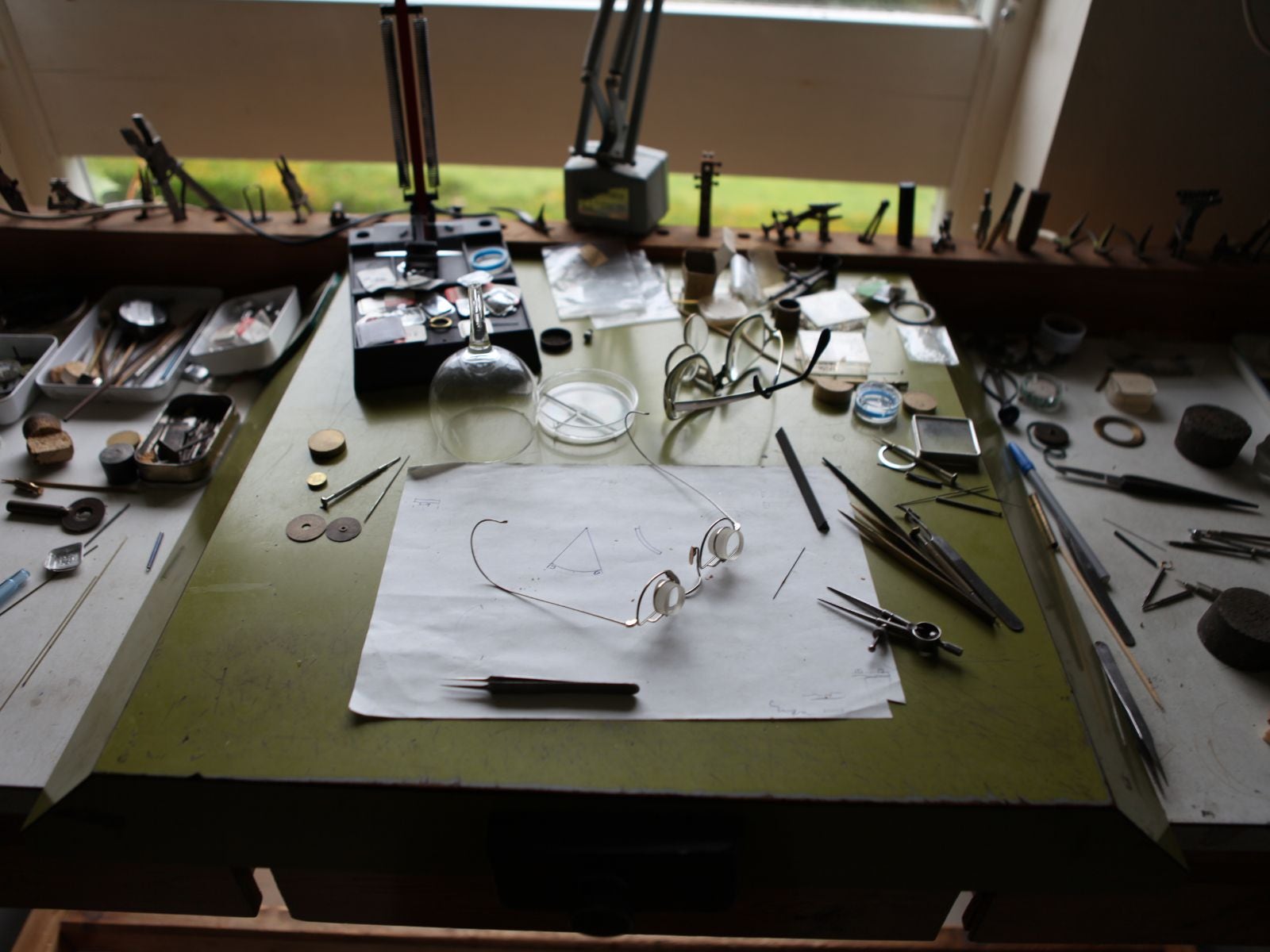
George Daniels' watchmaker's bench. Photo: DAM Productions.
Beyond his Co-Axial Movement
Daniels is perhaps most often associated with the invention of the co-axial escapement—a horological feat and result of years of unwavering dedication. But to describe Daniels merely as the inventor of the co-axial escapement would be much too simplistic. Instead, his greatest achievement was the complete integration of invention, craftsmanship and independence. The watchmaker was simultaneously engineer, craftsman, designer, problem-solver and author.
Time for Recognition
And yet, for all that George Daniels has given to modern horology, the market has arguably still not accorded him the importance he deserves. Yes, his name commands veneration among serious collectors and watchmakers. But his position in broader watch culture remains understated. The irony is palpable: many of the qualities for which contemporary independent watchmaking is celebrated—hand craftsmanship, in-house movements, painstaking finishing, technical invention and, above all, the unmistakable hand of the maker—were championed by Daniels long before they became fashionable. The market has rewarded the movement he inspired, but has not fully rewarded the man who created it.
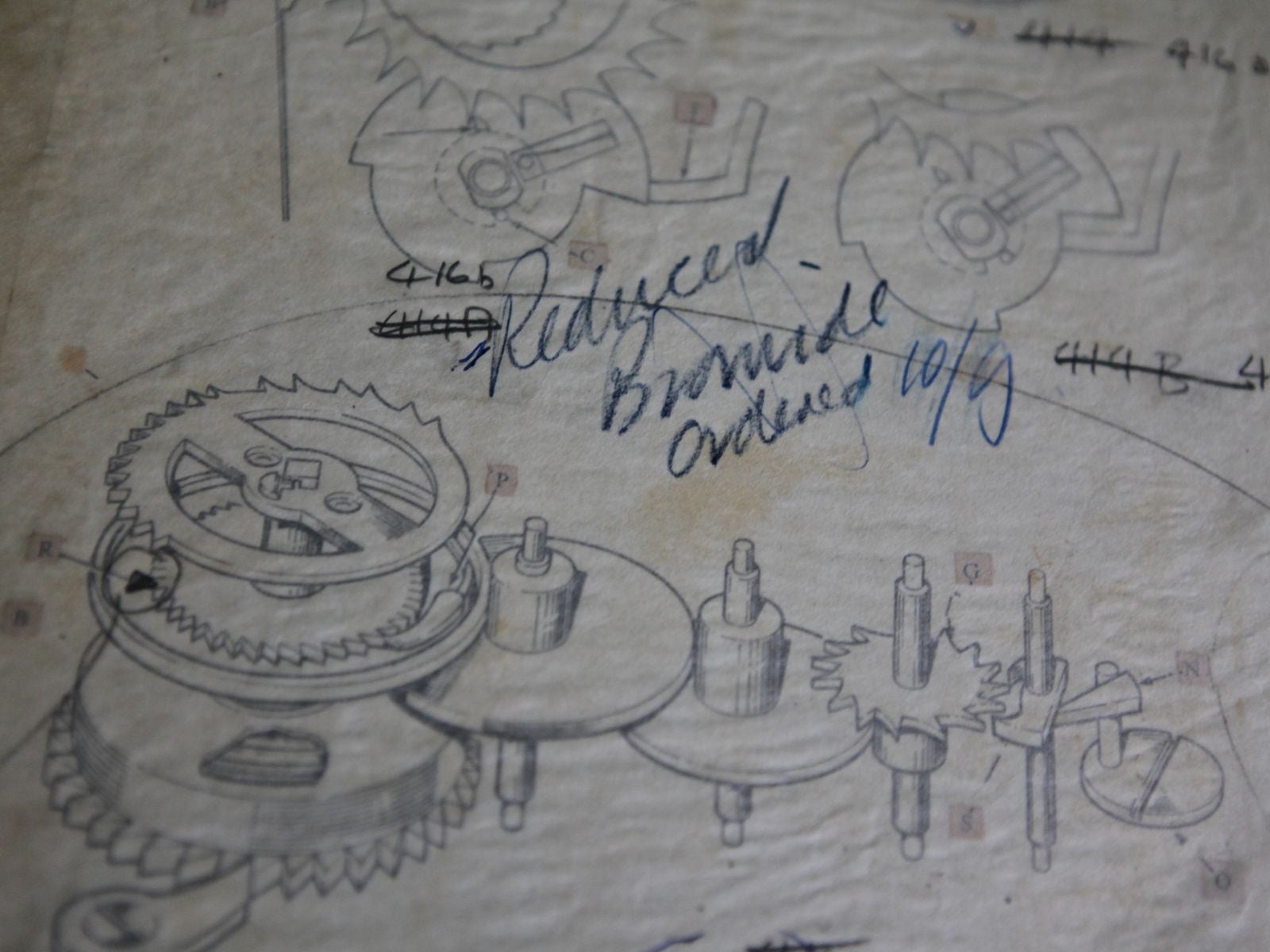
George Daniels Sketch.. Photo: DAM Productions.
The Godfather of Independent Watchmaking
This is why George Daniels is the godfather of independent and artisanal watchmaking. His acts and works inspired a generation to believe that the individual watchmaker could once again stand at the center of horology.
I truly believe that without George Daniels, we would not be here today, in the presence of the next generation’s brightest, cleverest and most creative horological minds and makers. And so, what better occasion for Phillips in Association with Bacs & Russo to celebrate, honor and venerate the centenary of the birth of the greatest watchmaker of the 20th century?