25
Rolex
Ref. 6202
Turn-O-Graph
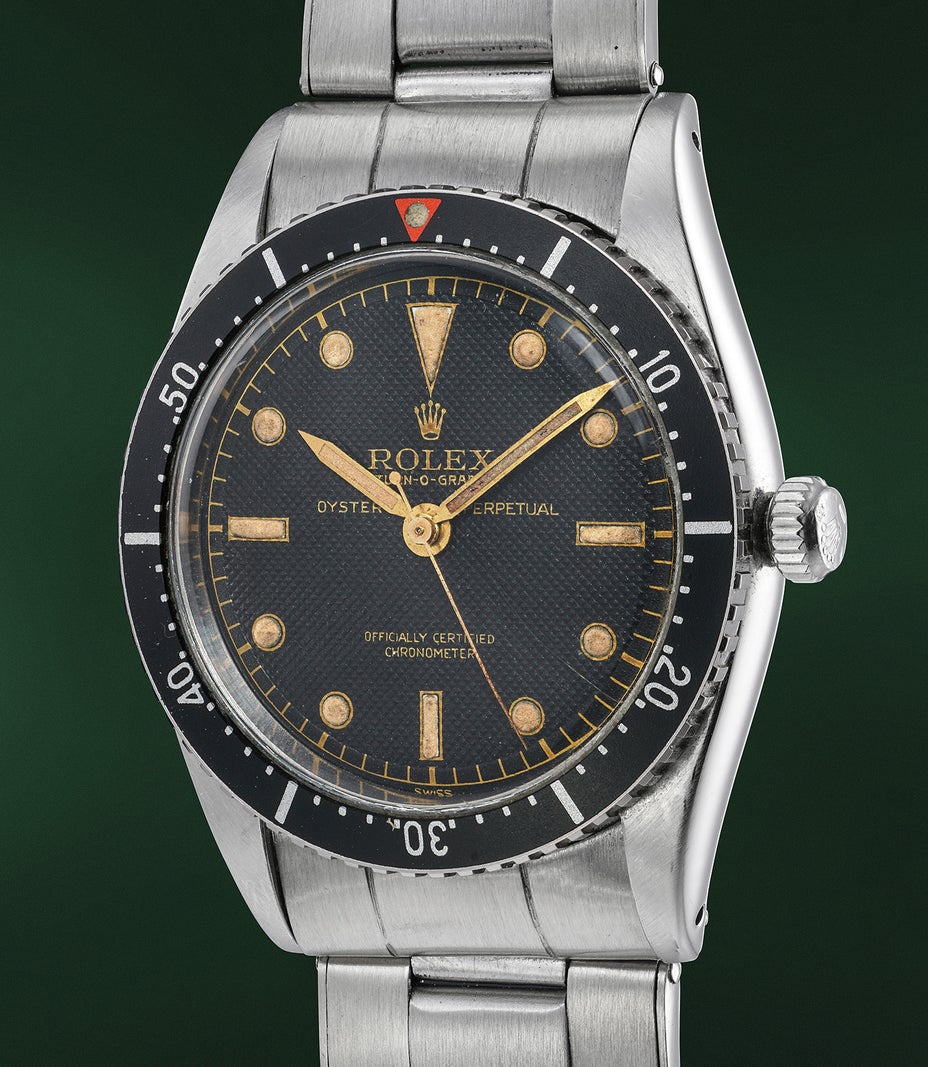
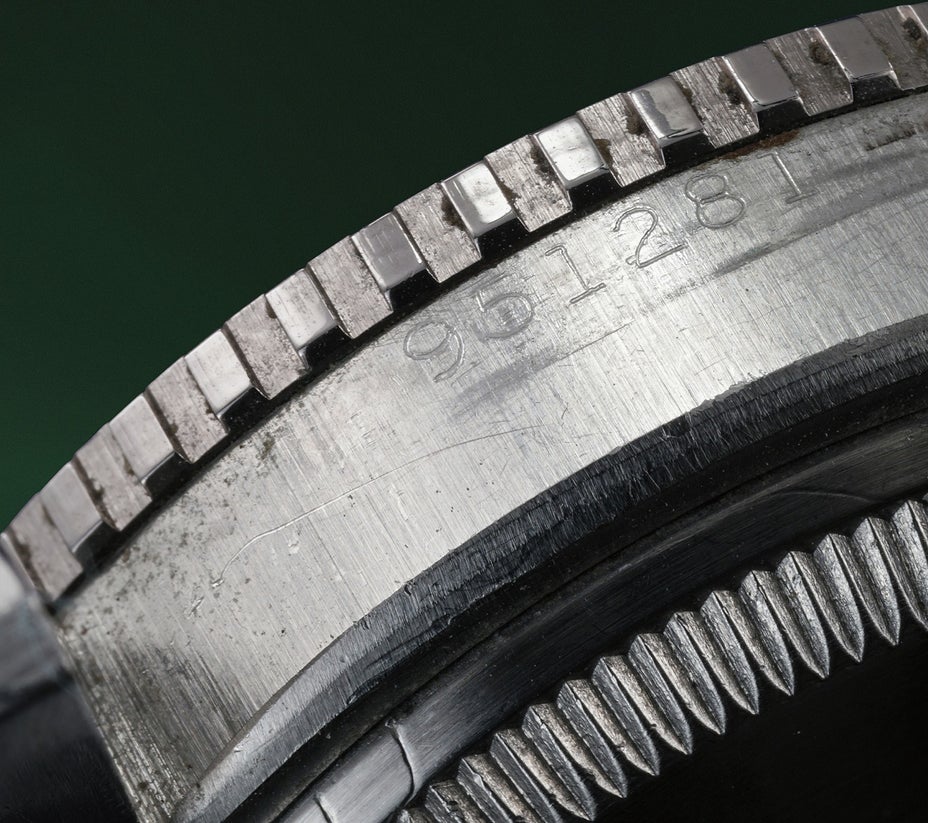
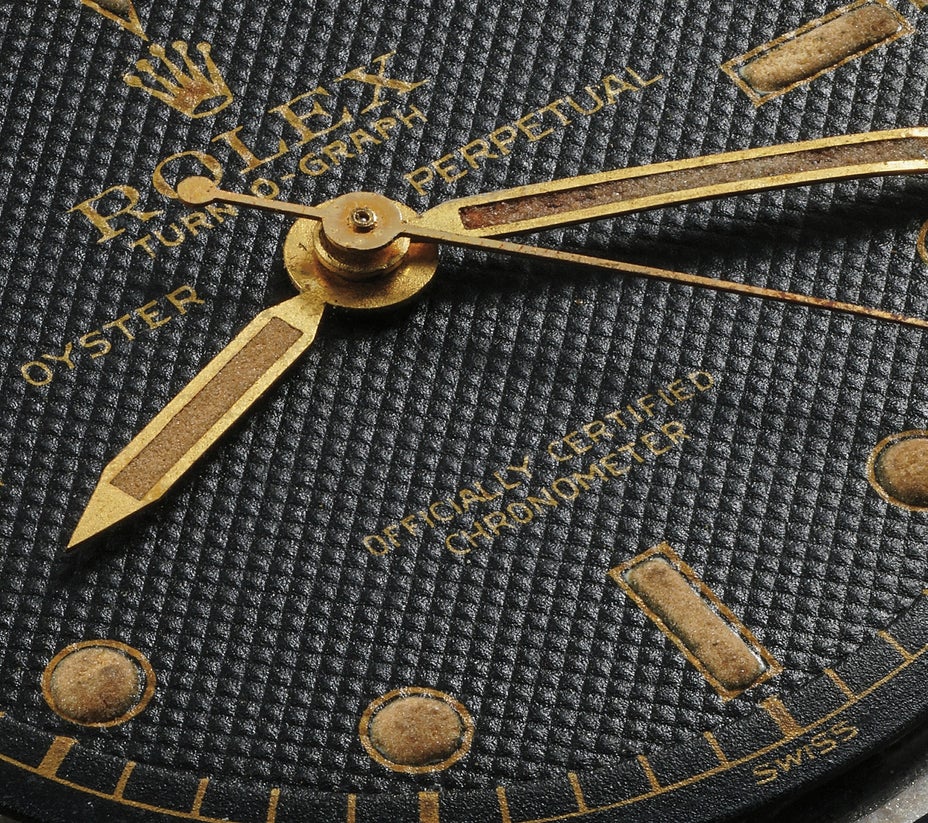
An extremely attractive and well-preserved stainless steel automatic wristwatch with revolving bezel, honeycomb dial and bracelet
Full-Cataloguing
The newly introduced rotating bezel, calibrated to 60 minutes, allowed for accurate timekeeping. While reference 6202 was not the first Rolex wristwatch to carry a rotating bezel (the honor goes to the elusive Zerograph), it was the very first serially produced reference to feature one. The rotating bezel itself is a very important advancement and it has the innate feature of uniting a true practical purpose with strong and unmistakable aesthetics. As a result, its impact on the industry can on some levels be defined, without being hyperbolic, as paradigm-shifting. Soon after its introduction, however, the GMT-Master and Submariner - more specialized timepieces - overshadowed the Turn-O-Graph which was swiftly put out of production. Consequently, very few examples were made.
Turn-O-Graphs were released with different dial configurations, and the presently exemplified honeycomb variation can arguably be considered one of the most charismatic. This specific specimen is offered in outstanding condition, without the slightest defect to mar its dial. In fact, a subtle patina has developed with time, granting the dial an off-black nearly dark chocolate hue. An immensely attractive timepiece, its collectability further boosted by its archetypal status in the evolution of Rolex tool watches.
Rolex
Swiss | 1905Founded in 1905 England by Hans Wilsdorf and Alfred Davis as Wilsdorf & Davis, it soon became known as the Rolex Watch Company in 1915, moving its headquarters to Geneva in 1919. Like no other company, the success of the wristwatch can be attributed to many of Rolex's innovations that made them one of the most respected and well-known of all luxury brands. These innovations include their famous "Oyster" case — the world's first water resistant and dustproof watch case, invented in 1926 — and their "Perpetual" — the first reliable self-winding movement for wristwatches launched in 1933. They would form the foundation for Rolex's Datejust and Day-Date, respectively introduced in 1945 and 1956, but also importantly for their sports watches, such as the Explorer, Submariner and GMT-Master launched in the mid-1950s.
One of its most famous models is the Cosmograph Daytona. Launched in 1963, these chronographs are without any doubt amongst the most iconic and coveted of all collectible wristwatches. Other key collectible models include their most complicated vintage watches, including references 8171 and 6062 with triple calendar and moon phase, "Jean Claude Killy" triple date chronograph models and the Submariner, including early "big-crown" models and military-issued variants.