167
Richard Avedon
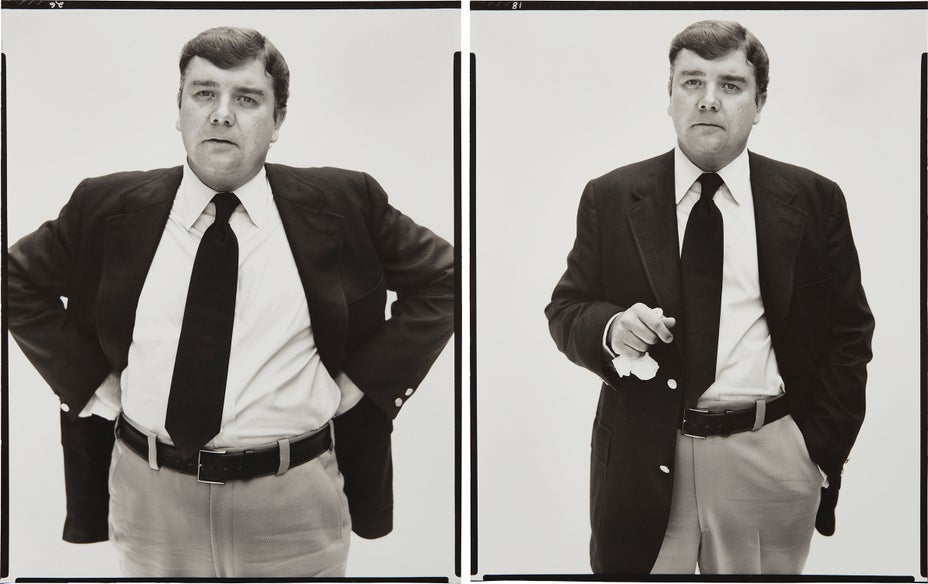
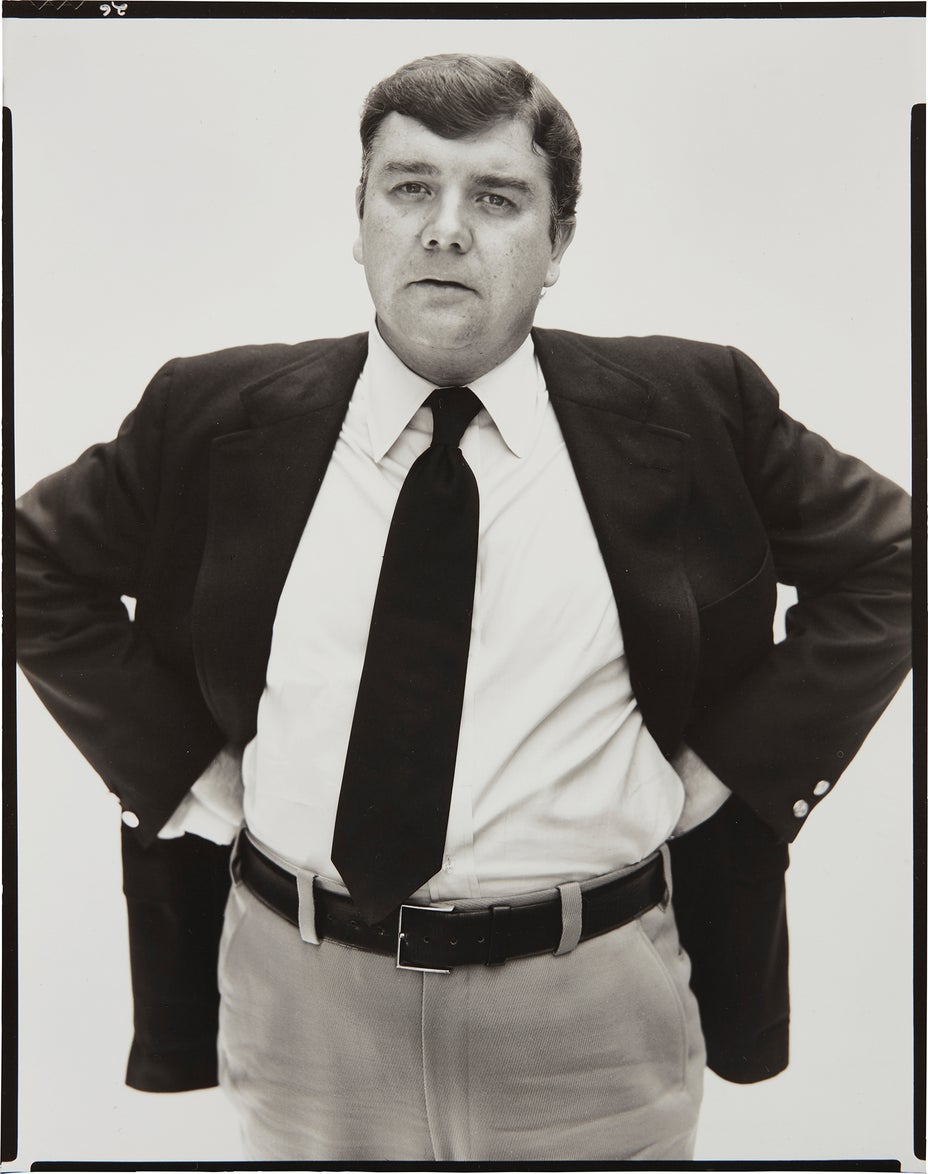
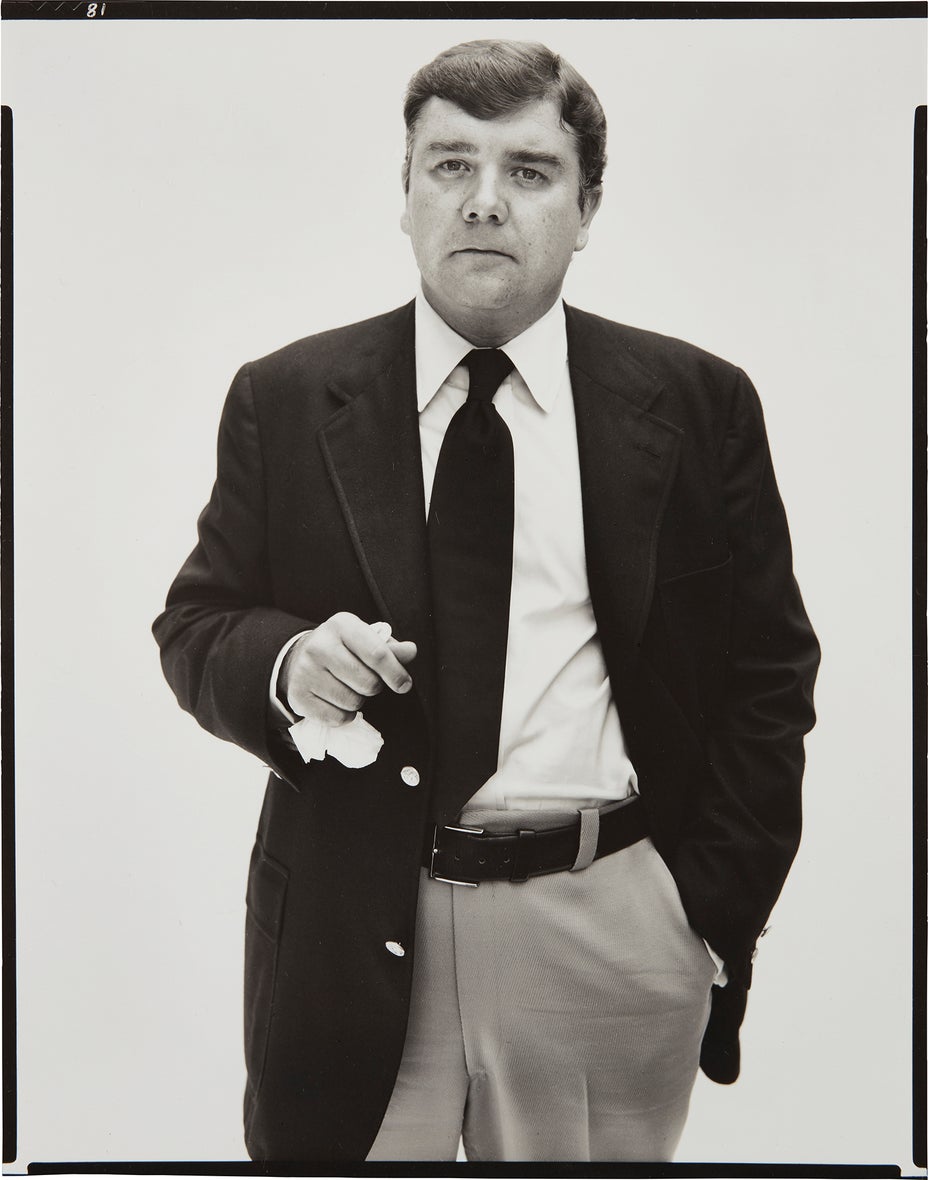
Selected Images of Peter Bunnell, Museum Director, New York City
Full-Cataloguing
Bunnell served as Director of the Princeton University Art Museum from 1973 to 1978, and as Acting Director from 1998 to 2000, while also being the Museum’s Curator of Photography throughout the entirety of his tenure. Bunnell built a broad-ranging collection of photographs at the Museum, the firsthand examination of which became a central element of the student experience in his classes and seminars. ‘These photographs are used,’ he said, ‘they don't just sit around in boxes.’ Bunnell published widely on many photographers and photographic subjects. He was the acknowledged authority on the work of both Minor White and Clarence H. White, and it was through him that the archives of these two major photographs now reside at Princeton. As a teacher and a mentor, Bunnell professionalized the study of photographic history, conferring a higher degree of rigor and status to the medium, and inspiring an entire generation of curators and photographers.
Bunnell also built a personal collection of photography over the course of his long career that reflects his vast and deep understanding of photography. Begun in the 1950s, before photography galleries and dealers were commonplace, the collection incorporates some outstanding rarities by Ansel Adams, his teacher and mentor Minor White, Edward Weston, Walker Evans, Alfred Stieglitz, Edward Steichen, Harry Callahan, Frederick Sommer, his friend Jerry Uelsmann, and many other photographers who touched his life or his sensibility in some important way. It is a deeply personal collection put together with a sense of joy and curiosity that includes both icons and lesser-known gems spanning the history of photography.
This auction’s proceeds will be distributed to six institutions with whom Bunnell was associated—Rochester Institute of Technology, Ohio University, Yale University, The George Eastman Museum, The Museum of Modern Art, and Princeton University Art Museum—to establish endowments to support the study of photographic history.
Richard Avedon
American | B. 1923 D. 2004From the inception of Richard Avedon's career, first at Harper's Bazaar and later at Vogue, Avedon challenged the norms for editorial photography. His fashion work gained recognition for its seemingly effortless and bursting energy, while his portraits were celebrated for their succinct eloquence. "I am always stimulated by people," Avedon has said, "almost never by ideas."
Indeed, as seen in his portraits — whether of famed movie stars or everyday people — the challenge for Avedon was conveying the essence of his subjects. His iconic images were usually taken on an 8 x 10 inch camera in his studio with a plain white background and strobe lighting, creating his signature minimalist style. Avedon viewed the making and production of photographs as a performance similar to literature and drama, creating portraits that are simultaneously intensely clear, yet deeply mysterious.