Formerly in the Collection of Her Majesty Queen Mary (1867–1953)
336
Hennell
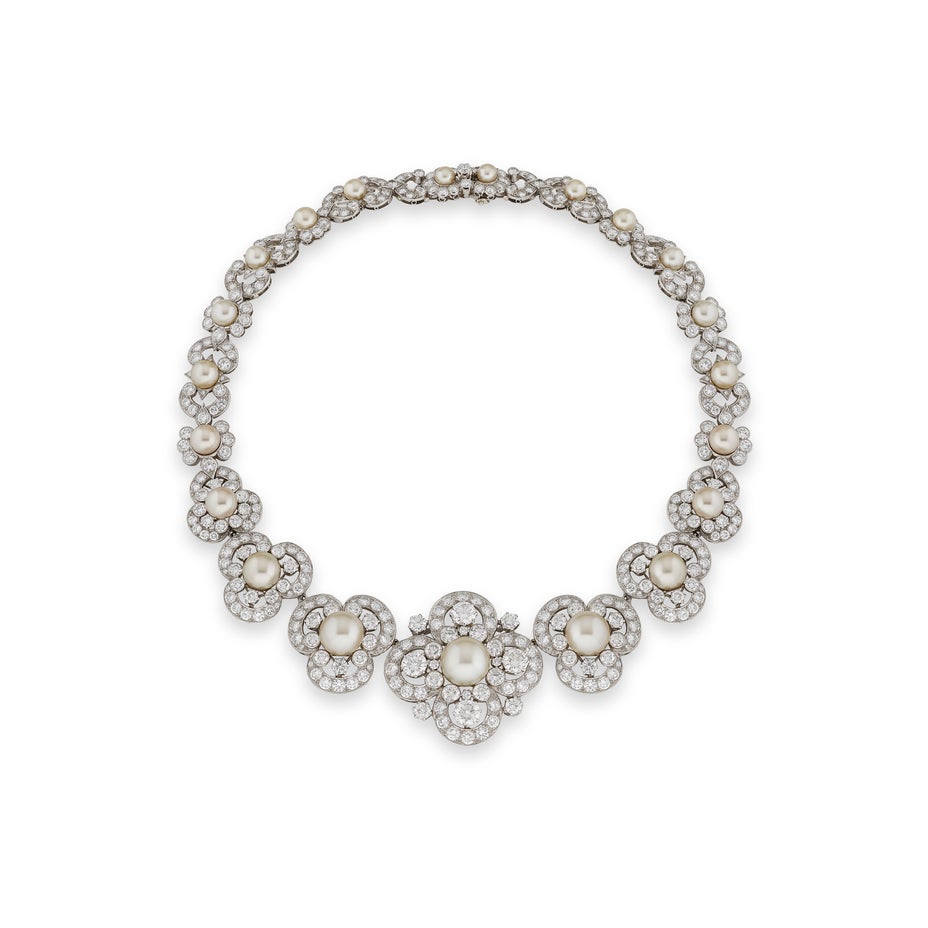
Historic and important cultured pearl and diamond necklace, 1920s
Estimate
CHF125,000–180,000
€133,000–191,000
$150,000–220,000
Priority BiddingAvailable through 7 November 4pm CET 2026. Learn more
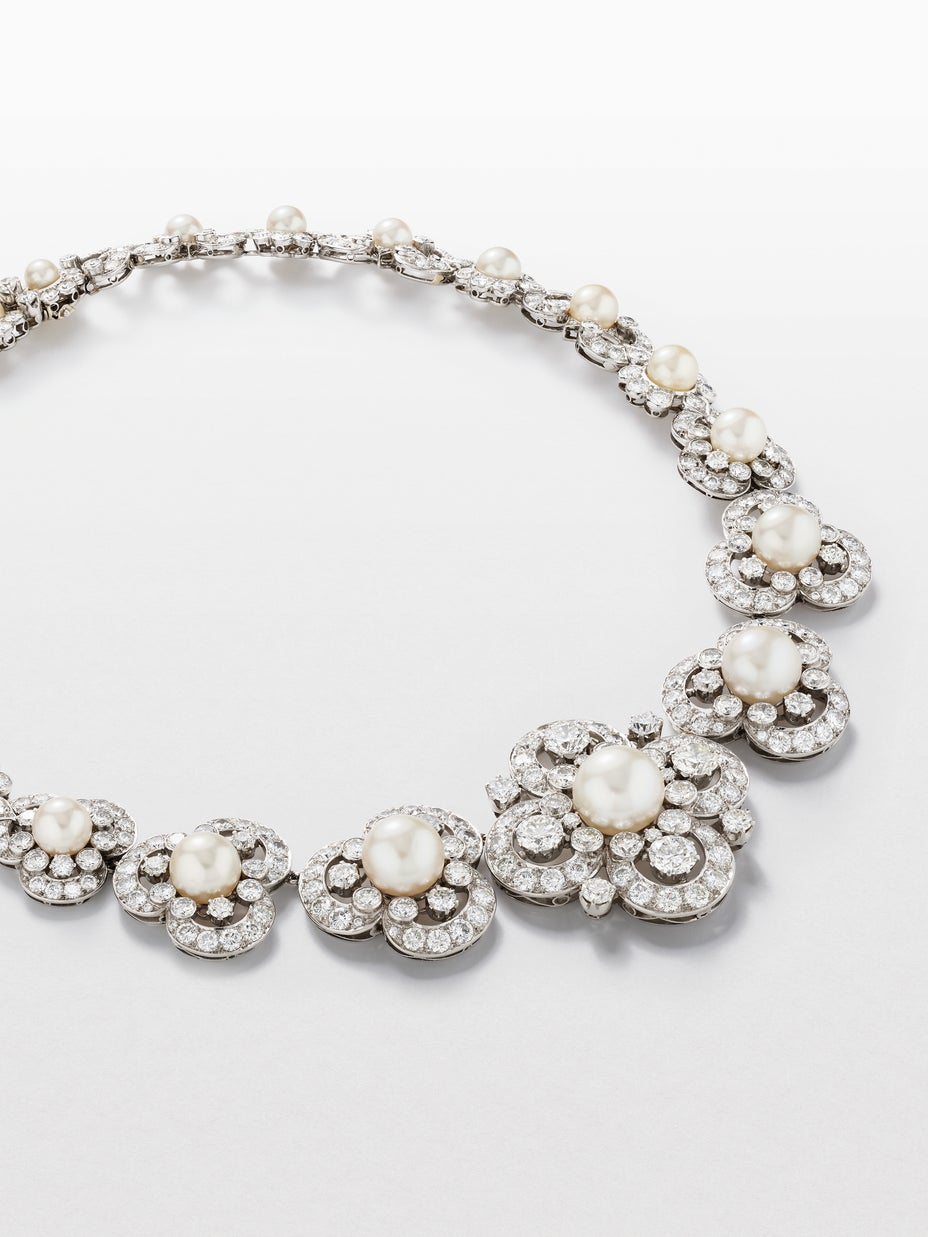
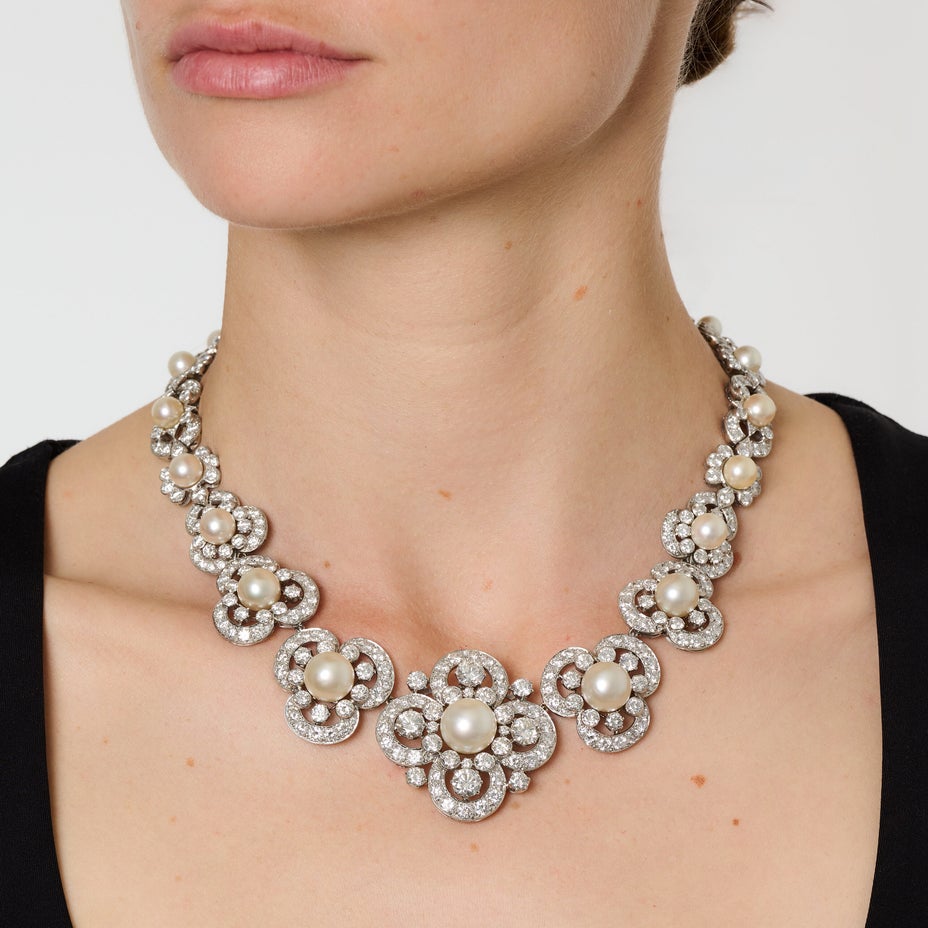
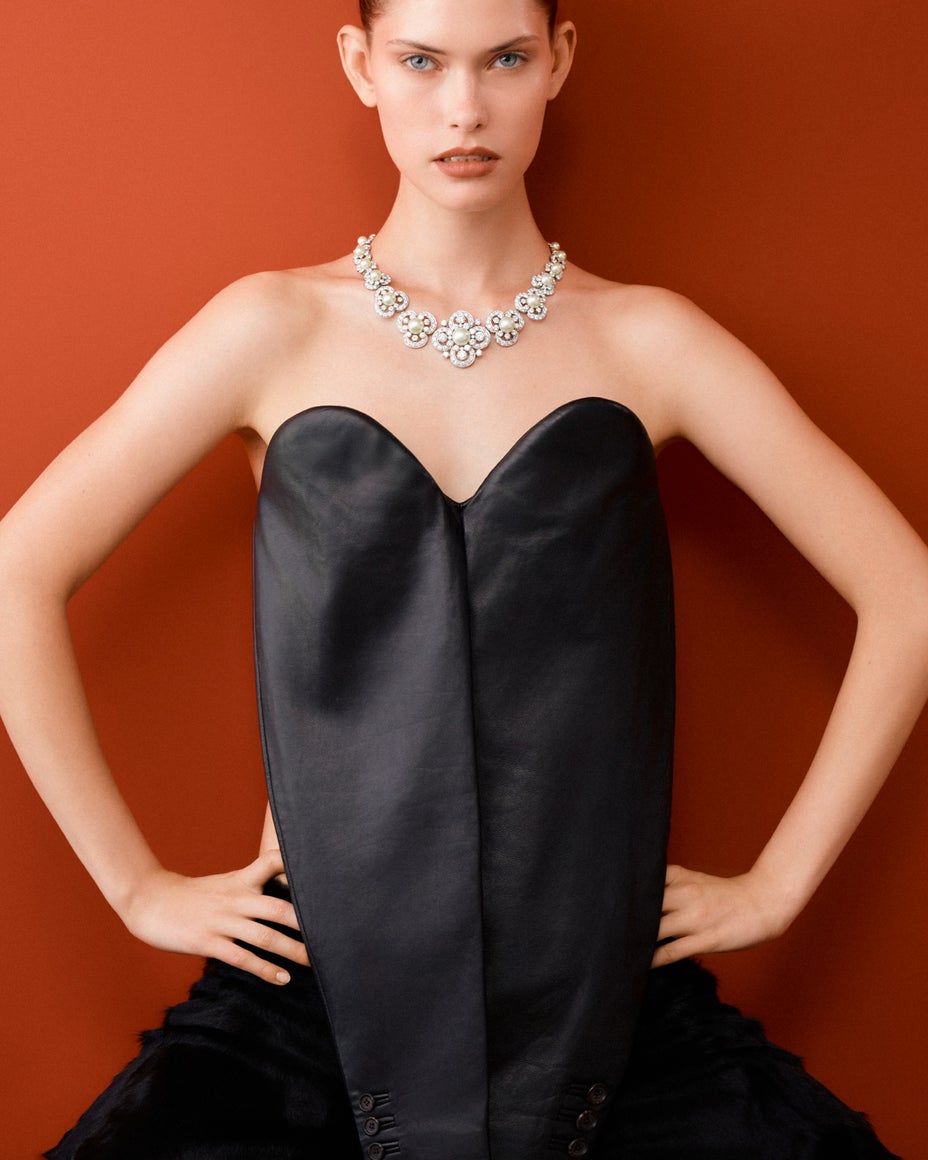
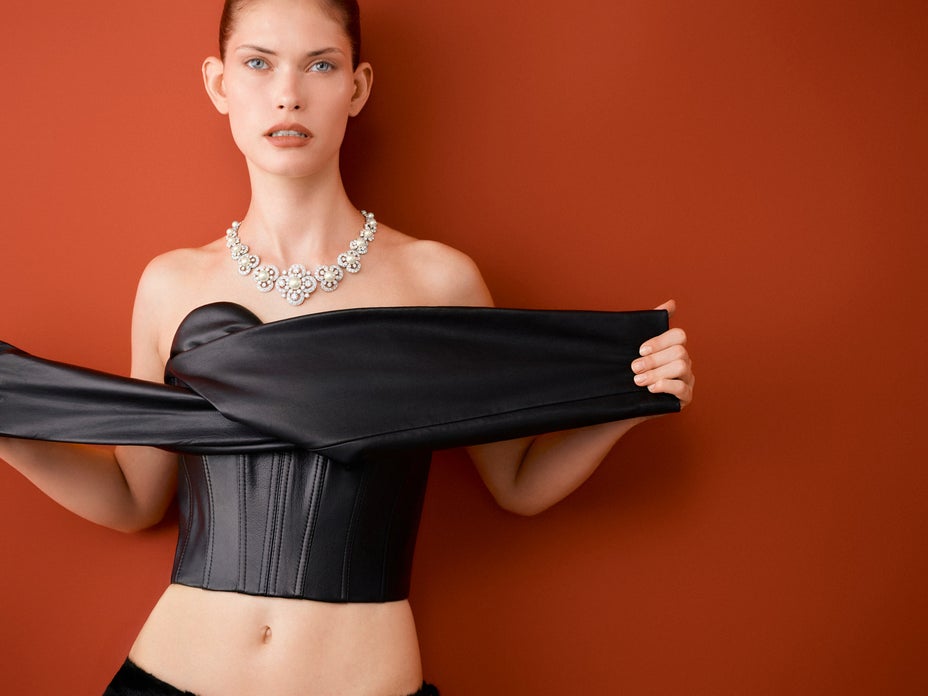
Of openwork design, composed of graduating floral and trefoil motifs with a central quatrefoil motif, set throughout with circular-cut diamonds, highlighted with twenty-one cultured pearls measuring from approximately 5.85 mm to 13.50 mm, inner circumference approximately 430 mm, case signed Hennell.
Please note that the necklace has been slightly altered from its original design.
Please note that the necklace has been slightly altered from its original design.
Full-Cataloguing
Queen Mary (1867–1953), the eldest and only daughter of Francis, Duke of Teck, a German nobleman, and Princess Mary Adelaide of Cambridge, a granddaughter of King George III, was Queen Consort to King George V and Empress Consort of India from 1910 to 1936. She is widely regarded as one of the most significant jewellery collectors in British royal history, with a profound influence on the formation and preservation of the royal jewellery collection as we know it today. She inherited, acquired and commissioned jewels that connected her not only to previous generations of the British royal family, but also to other European royal houses, creating a collection in which personal history, royal provenance and dynastic continuity were closely intertwined.
She was an active collector, acquiring jewels through gifts received during public engagements and royal tours throughout the Empire, making significant purchases herself, and remodelling existing jewels to reflect changing fashions. At the same time, she was a discerning curator of historical jewels, with a sophisticated understanding of provenance, workmanship and historical significance. She recognised the importance of jewellery in the ceremonial life of the monarchy, as well as its value in preserving royal history and tradition. She frequently recycled and remodelled wedding presents and family jewels, while also commissioning reproductions of royal heirlooms for her private collection.
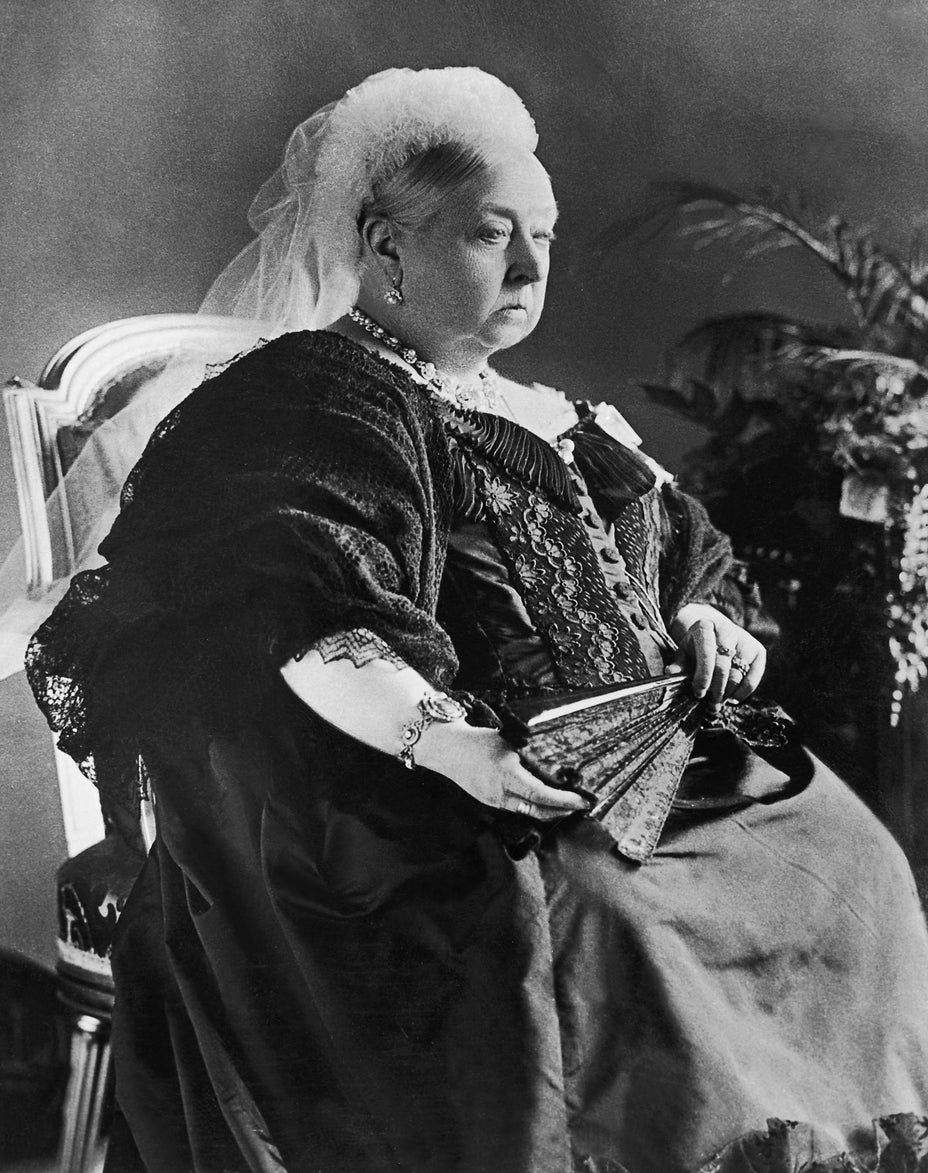
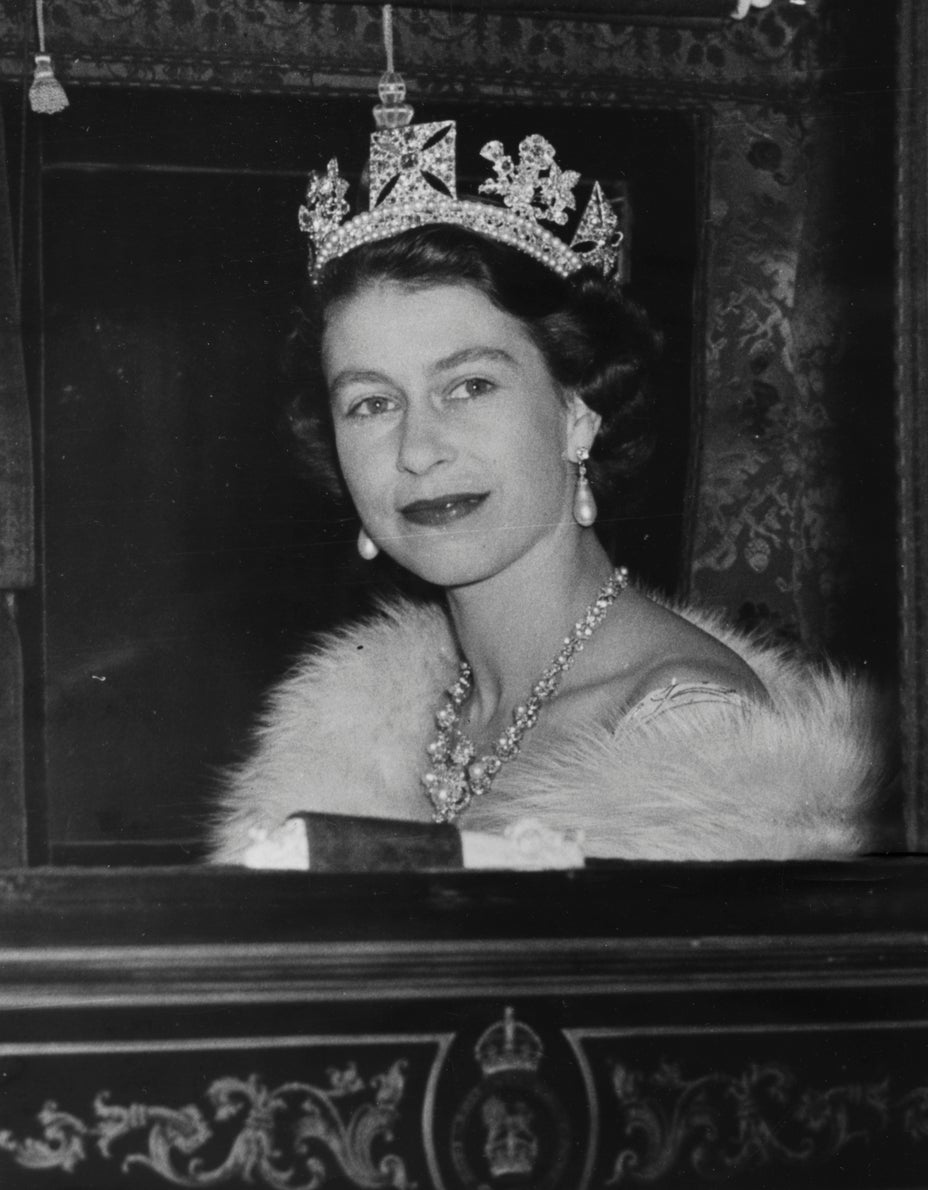
In 1887, a committee known as the ‘Women’s Jubilee Offering’ was formed to raise funds for a gift commemorating Queen Victoria’s fifty years on the throne. The original intention was to create a memorial to Prince Albert, but sufficient funds were raised to allow for the addition of a personal ornament for the Queen. The resulting ‘Golden Jubilee Necklace’ was made by Carrington & Co. and presented to Queen Victoria on 30 July 1888. Its original tooled red leather case was inscribed: ‘To Victoria Queen & Empress A Token of Love & Loyalty from the Daughters of Her Empire in remembrance of Her Jubilee June 21st 1887’. Queen Victoria became deeply attached to the necklace, which was subsequently left to the Crown as a royal heirloom following her death in 1901. Queen Elizabeth II (1926–2022) also wore the necklace on numerous occasions, most notably at her first State Opening of Parliament as monarch in November 1952, further cementing its place in the ceremonial history of the British monarchy.
Composed of graduating diamond trefoil and floral motifs, each centred by a natural pearl, the necklace culminates in a quatrefoil-shaped central motif surmounted by a crown and suspending a pearl drop. The central elements could be detached and worn separately as brooches or hat ornaments, reflecting the transformable and versatile designs characteristic of late Victorian jewellery. So cherished by the royal family was the original that it was reproduced on two subsequent occasions: first for Queen Mary in 1928, and later for Princess Alexandra of Kent in the 1960s.
The London jewellers Hennell were commissioned to create a close reproduction of the original necklace for Queen Mary’s private jewellery collection. While faithfully retaining the distinctive design of the Victorian jewel, the 1928 necklace differs in several important respects. Cultured pearls and platinum were used in place of the natural pearls and original gold, introducing contemporary materials into a jewel inspired by an earlier royal design. The crown originally surmounting the central quatrefoil was also omitted, resulting in a more restrained interpretation of the original necklace.
Queen Mary’s love of beautiful objects and formidable sense of duty is reflected in her decision to commission this necklace. By recreating one of the most symbolic jewels in the royal collection, she brought a piece of royal history into her private collection, paying tribute to royal tradition in both her public and private life. The necklace was later given to her niece, Mary Cambridge Somerset, Duchess of Beaufort (1897–1987), who hosted Queen Mary at Badminton House in Gloucestershire for much of the Second World War. The Duchess and the 10th Duke of Beaufort had no children, and following his death in 1984, the dukedom and Badminton estate passed to his cousin, while her personal jewels remained separate. The Hennell necklace remained with the Duchess until its sale in 1986, before passing through several private collections.
After many years in private ownership, we are delighted to offer lot 336 as part of our Collections and Provenance section. More than a faithful recreation of a celebrated royal jewel, it is an enduring testament to Queen Mary’s appreciation of tradition, historical preservation and royal continuity—a deeply personal expression of her connection to the history of the monarchy.
She was an active collector, acquiring jewels through gifts received during public engagements and royal tours throughout the Empire, making significant purchases herself, and remodelling existing jewels to reflect changing fashions. At the same time, she was a discerning curator of historical jewels, with a sophisticated understanding of provenance, workmanship and historical significance. She recognised the importance of jewellery in the ceremonial life of the monarchy, as well as its value in preserving royal history and tradition. She frequently recycled and remodelled wedding presents and family jewels, while also commissioning reproductions of royal heirlooms for her private collection.
In 1887, a committee known as the ‘Women’s Jubilee Offering’ was formed to raise funds for a gift commemorating Queen Victoria’s fifty years on the throne. The original intention was to create a memorial to Prince Albert, but sufficient funds were raised to allow for the addition of a personal ornament for the Queen. The resulting ‘Golden Jubilee Necklace’ was made by Carrington & Co. and presented to Queen Victoria on 30 July 1888. Its original tooled red leather case was inscribed: ‘To Victoria Queen & Empress A Token of Love & Loyalty from the Daughters of Her Empire in remembrance of Her Jubilee June 21st 1887’. Queen Victoria became deeply attached to the necklace, which was subsequently left to the Crown as a royal heirloom following her death in 1901. Queen Elizabeth II (1926–2022) also wore the necklace on numerous occasions, most notably at her first State Opening of Parliament as monarch in November 1952, further cementing its place in the ceremonial history of the British monarchy.
Composed of graduating diamond trefoil and floral motifs, each centred by a natural pearl, the necklace culminates in a quatrefoil-shaped central motif surmounted by a crown and suspending a pearl drop. The central elements could be detached and worn separately as brooches or hat ornaments, reflecting the transformable and versatile designs characteristic of late Victorian jewellery. So cherished by the royal family was the original that it was reproduced on two subsequent occasions: first for Queen Mary in 1928, and later for Princess Alexandra of Kent in the 1960s.
The London jewellers Hennell were commissioned to create a close reproduction of the original necklace for Queen Mary’s private jewellery collection. While faithfully retaining the distinctive design of the Victorian jewel, the 1928 necklace differs in several important respects. Cultured pearls and platinum were used in place of the natural pearls and original gold, introducing contemporary materials into a jewel inspired by an earlier royal design. The crown originally surmounting the central quatrefoil was also omitted, resulting in a more restrained interpretation of the original necklace.
Queen Mary’s love of beautiful objects and formidable sense of duty is reflected in her decision to commission this necklace. By recreating one of the most symbolic jewels in the royal collection, she brought a piece of royal history into her private collection, paying tribute to royal tradition in both her public and private life. The necklace was later given to her niece, Mary Cambridge Somerset, Duchess of Beaufort (1897–1987), who hosted Queen Mary at Badminton House in Gloucestershire for much of the Second World War. The Duchess and the 10th Duke of Beaufort had no children, and following his death in 1984, the dukedom and Badminton estate passed to his cousin, while her personal jewels remained separate. The Hennell necklace remained with the Duchess until its sale in 1986, before passing through several private collections.
After many years in private ownership, we are delighted to offer lot 336 as part of our Collections and Provenance section. More than a faithful recreation of a celebrated royal jewel, it is an enduring testament to Queen Mary’s appreciation of tradition, historical preservation and royal continuity—a deeply personal expression of her connection to the history of the monarchy.