125
Anderson
Retrograde Perpetual Calendar "Hagmann Case, Unique Piece"
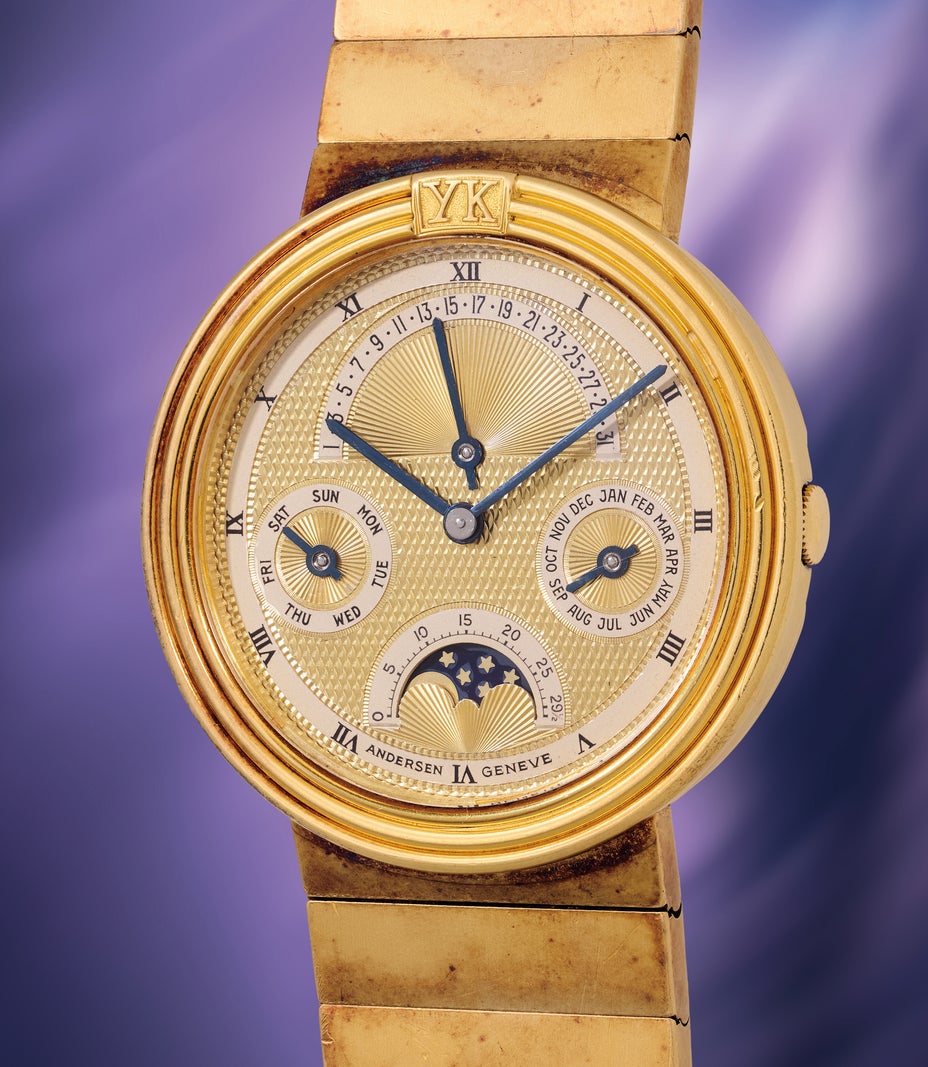
A most probably unique and impressive yellow gold retrograde perpetual calendar wristwatch with J. P. Hagmann case and integrated bracelet
Estimate
$30,000–60,000
Manufacturer
Anderson
Year
Circa 1990, Switzerland
Movement No
2'923
Model Name
Retrograde Perpetual Calendar "Hagmann Case, Unique Piece"
Material
18K yellow gold
Calibre
Automatic, cal. 71, 35 jewels
Bracelet/Strap
18K yellow gold J. P. Hagmann bracelet, maximum overall length 185mm
Clasp/Buckle
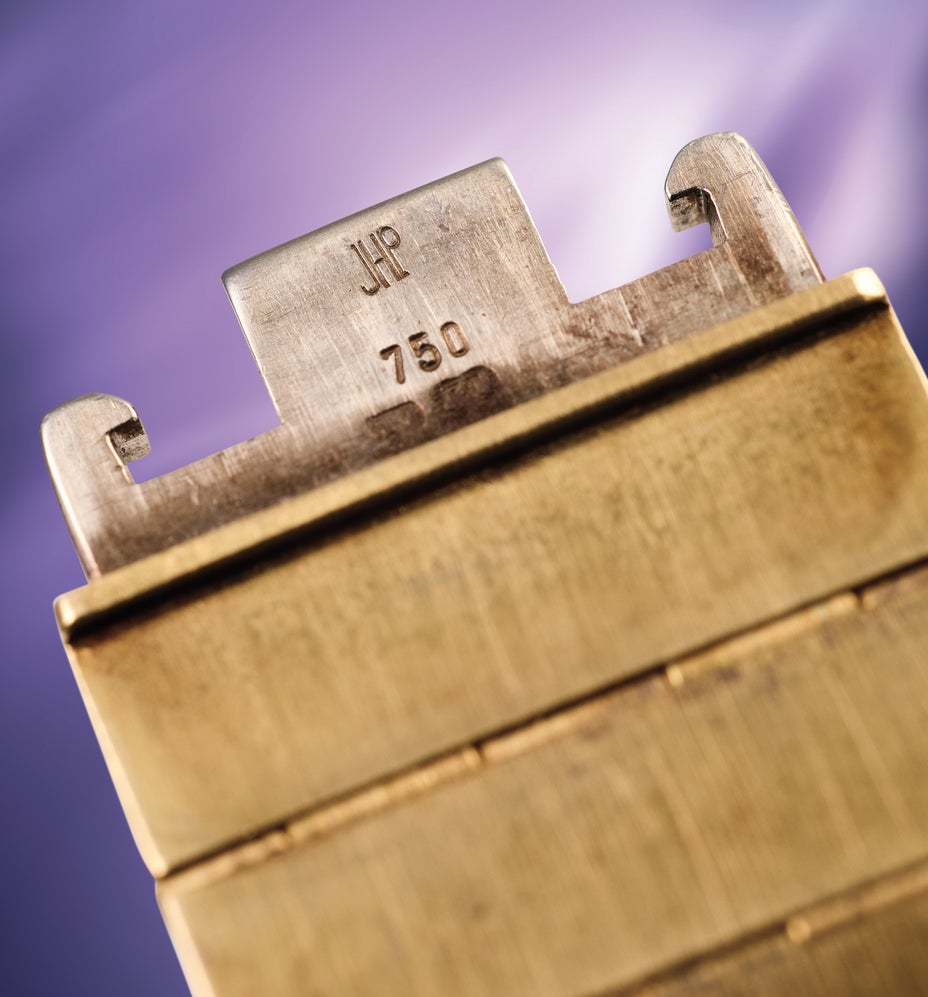
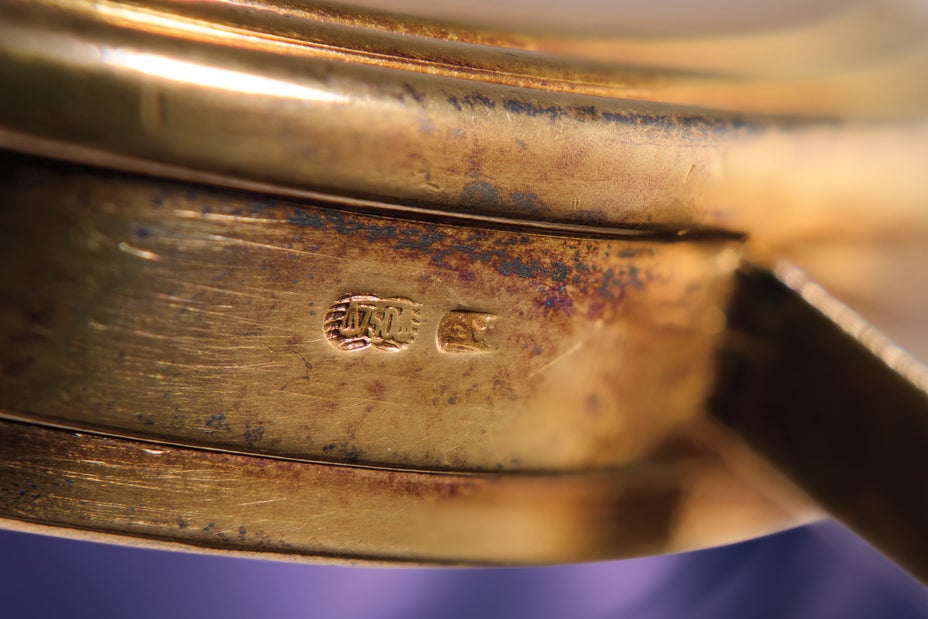
18K white gold hidden clasp, signed JHP
Dimensions
36mm Diameter
Signed
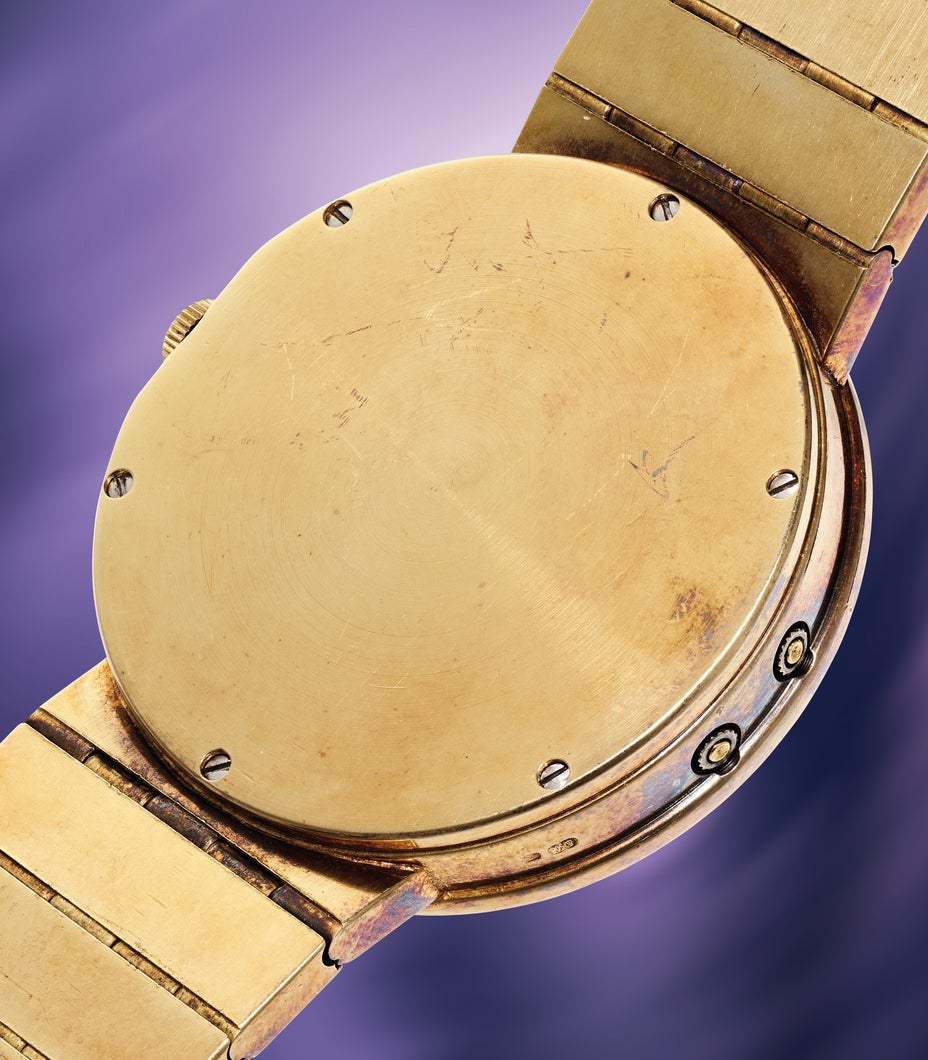
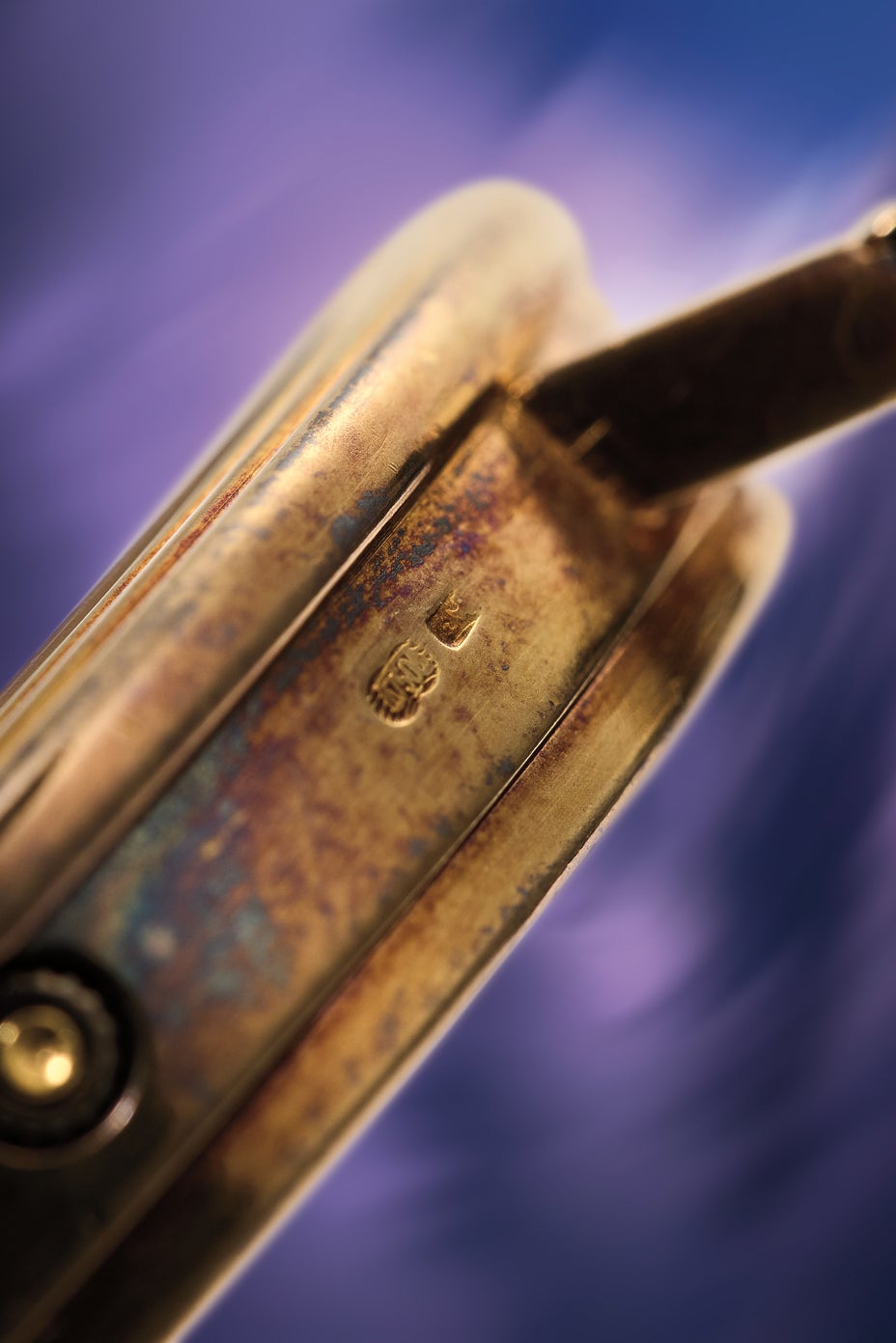
Dial and movement signed, case and clasp stamped JHP
Full-Cataloguing
GOOD TO KNOW
• Most probably a unique piece
• Rare retrograde perpetual calendar
• Jean-Pierre Hagmann case and bracelet
Andersen Genève has been at the forefront of independent watchmaking and pioneering some of the most exclusive timepieces since 1980. Founded by Svend Andersen, a Danish watchmaker who moved to Switzerland in 1963 to work for Gúbelin, he created the famed “Bottle Clock” in 1969 assembling a clock inside a bottle with an 18mm diameter opening. This feat earned him international acclaim and the moniker “Watchmaker of the Impossible”. His leadership of Andersen Genève lead to the creation of exceptional handcrafted timepieces and bespoke unique pieces for collectors. In 1985, together with Vincent Calabrese, he co-founded the AHCI (Académie Horlogère des Créateurs Indépendants / Horological Academy of Independent Creators), for which the duo received the Achievement Award at the GPHG in 2023.
While well-known for world-time wristwatches and erotic automata, Andersen was also a master of complications and the present perpetual calendar from 1990 is a shining example of his skill and technique. Produced in very small numbers, with this being the only example known with an integrated bracelet, this retrograde perpetual calendar features a guilloché dial and rare retrograde date sector at 12 o’clock based on a vintage Tiffany & Co. movement - most probably made by Patek Philippe like the majority of repeating movements by Tiffany & Co. The case architecture is enhanced with a raised bezel and integrated bracelet.
It is interesting to note that the case and bracelet were made by Jean-Pierre Hagmann, one of the most important independent late 20th century case makers and easily identifiable by the “JHP” maker’s mark.