

PROPERTY FROM THE COLLECTION OF KAI-YIN LO
35
Alvar Aalto
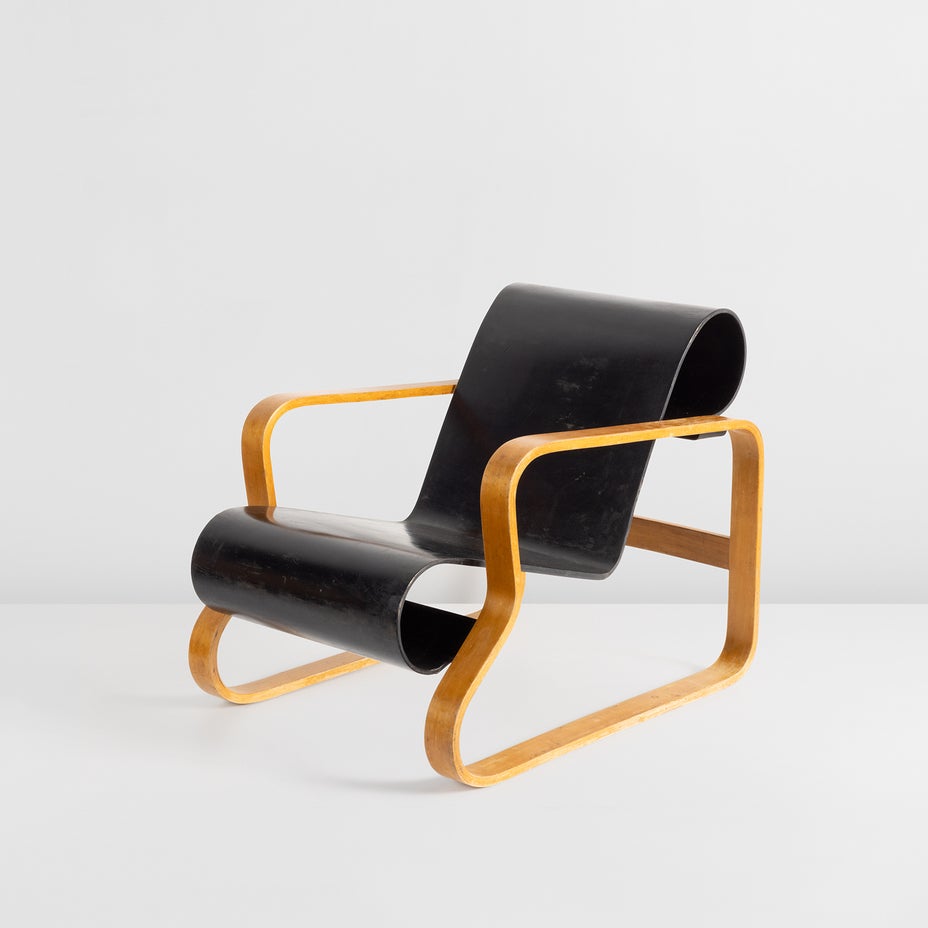
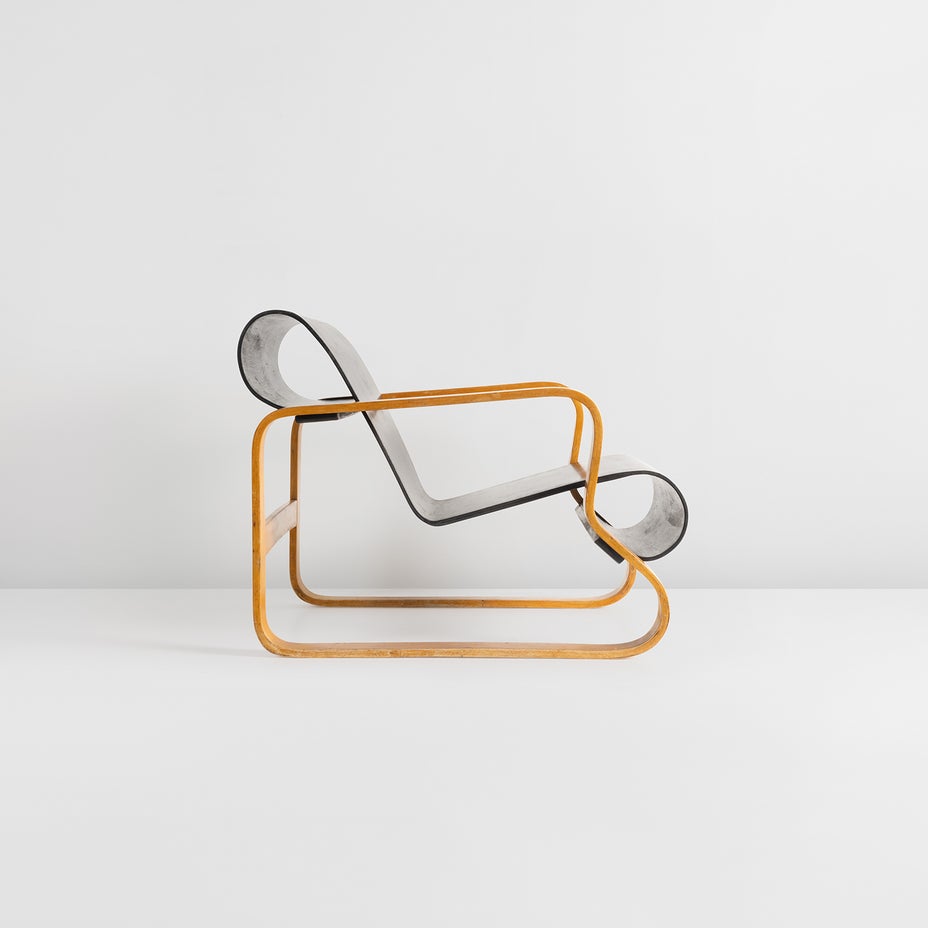
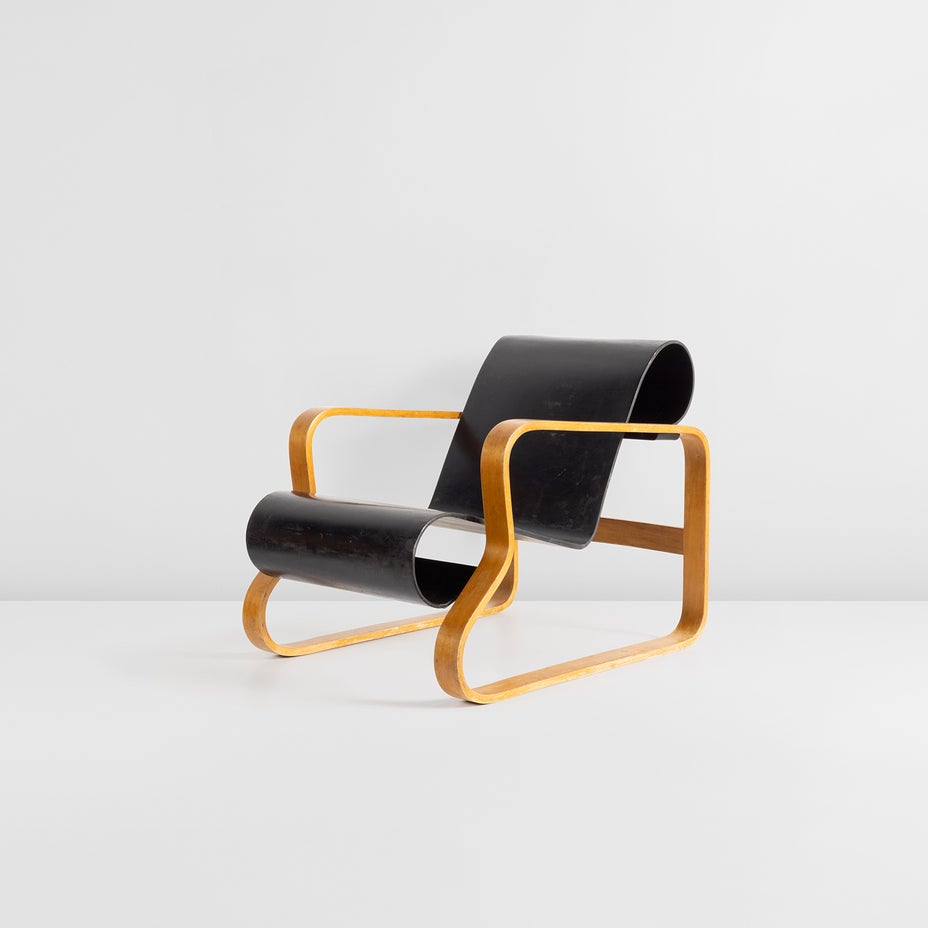
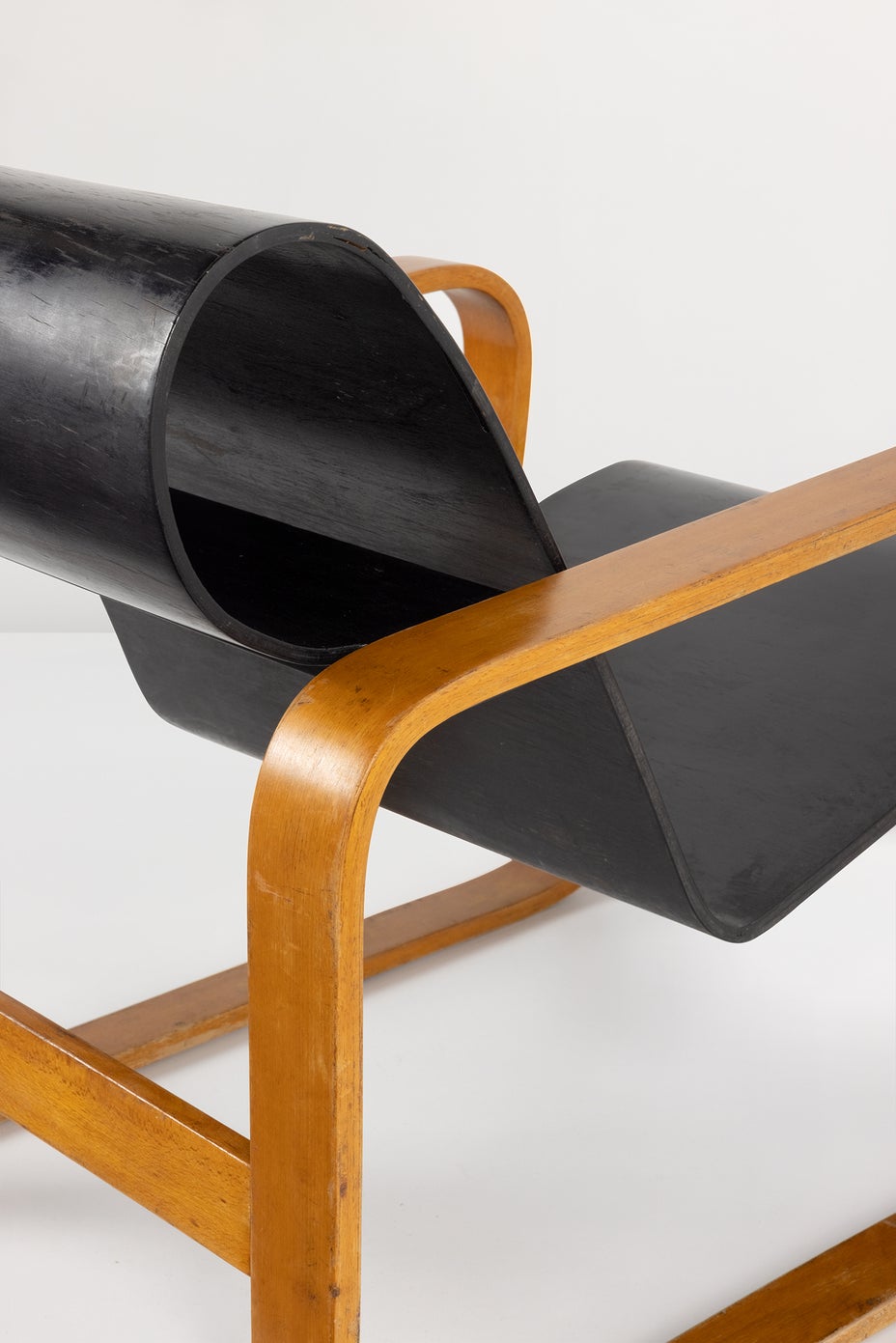
Early 'Paimio' armchair, model no 41
- Estimate
- HK$80,000 - 120,000€9,400 - 14,100$10,300 - 15,400
HK$69,850
Lot Details
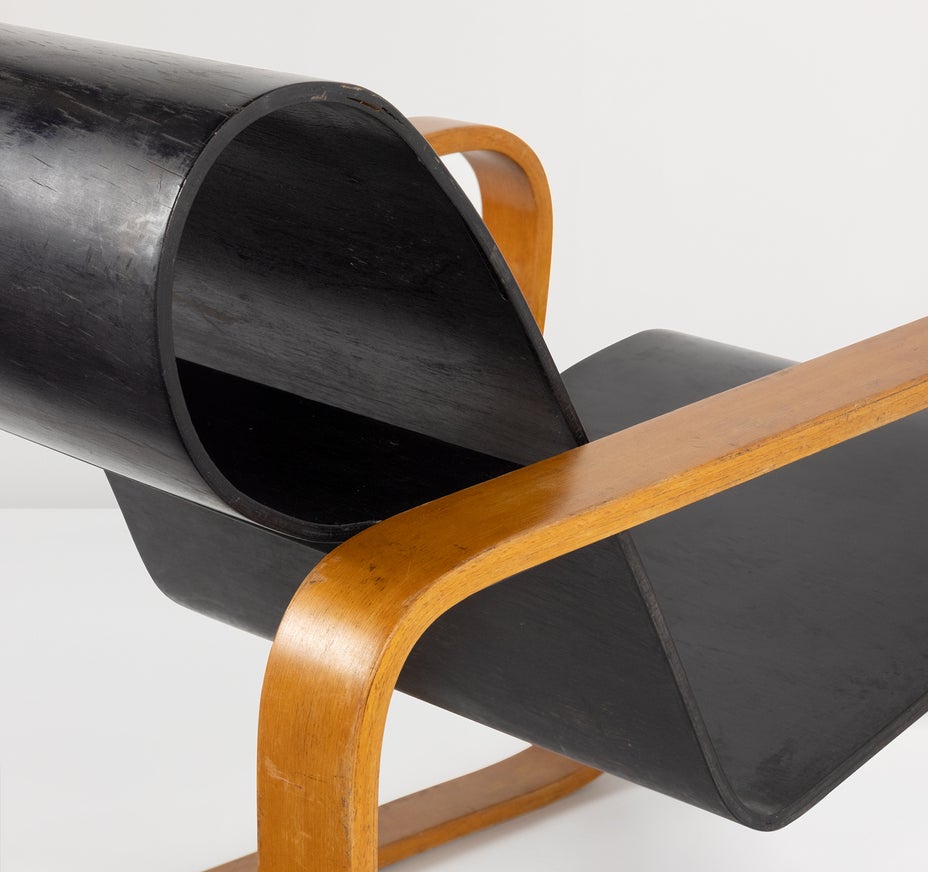
Lacquered birch plywood, birch plywood.
circa 1933
Manufactured by O.y. Huonekalu-ja Rakennustyötehdas A.b., Turku, Finland.
Specialist
Full-Cataloguing
Catalogue Essay
Perhaps the innovation Finnish designer Alvar Aalto is best known for, is the development of the use of stack-laminated birch plywood in his modern furniture designs. The use of heat and steam to bend the medium, making it temporarily pliable during construction, resulted in organic forms which were both cost-effective and ergonomic. The sinuous lines in Aalto’s works bring a sense of warmth into living spaces with their relaxed and comfortable shapes, complimenting and enhancing the pleasant charm of natural wood. The present chair model was designed for patients in a Finnish sanitorium in the late 1920s - early 1930s and is one of Aalto’s most revered designs, with pieces in the permanent collections of globally renowned institutions such as The Metropolitan Museum in New York City. Its subtle recline and graceful undulation of the wood creates a comfortable seat to physically rest, and the natural birch material lends for mental and overall well-being.
Provenance
Literature
Alvar Aalto
Finnish | B. 1898 D. 1976In contrast with the functionalism of the International Style (as well the neoclassicism put forward by the Nazi and Soviet regimes), Alvar Aalto brought a refreshing breath of humanism to modern design: "True architecture exists only where man stands in the center," he wrote. Aalto designed furniture in stack-laminated plywood composed of Finnish birch, which was cost-effective and lent warmth to his interiors. Aalto also revived Finnish glass design with his entries in the various Karhula-Iitala glassworks competitions throughout the 1930s.
In 1936 he won first place for a collection of colorful, wavy vases in various sizes titled Eskimoerindens skinnbuxa (The Eskimo Woman’s Leather Breeches). The vases were an immediate success and the most popular size, now known as the "Savoy" vase, is still in production today. Aalto's freeform designs, in harmony with human needs and nature, anticipated the organic modernism of the 1950s and 1960s; in particular, his innovations in bent plywood had a major impact on designers such as Charles and Ray Eames.
Browse ArtistIn 1936 he won first place for a collection of colorful, wavy vases in various sizes titled Eskimoerindens skinnbuxa (The Eskimo Woman’s Leather Breeches). The vases were an immediate success and the most popular size, now known as the "Savoy" vase, is still in production today. Aalto's freeform designs, in harmony with human needs and nature, anticipated the organic modernism of the 1950s and 1960s; in particular, his innovations in bent plywood had a major impact on designers such as Charles and Ray Eames.