291
Richard Avedon
Avedon/Paris
Full-Cataloguing
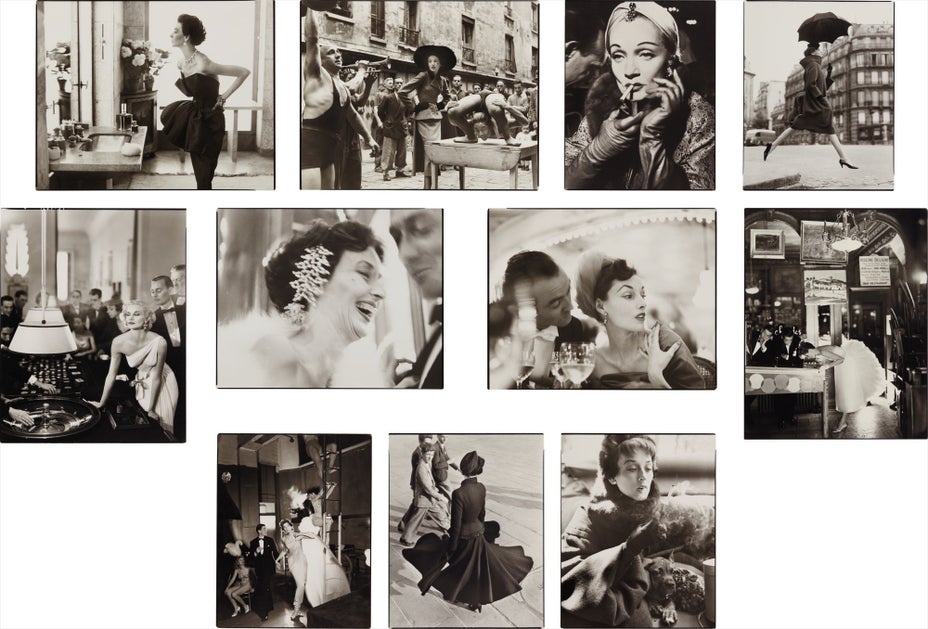
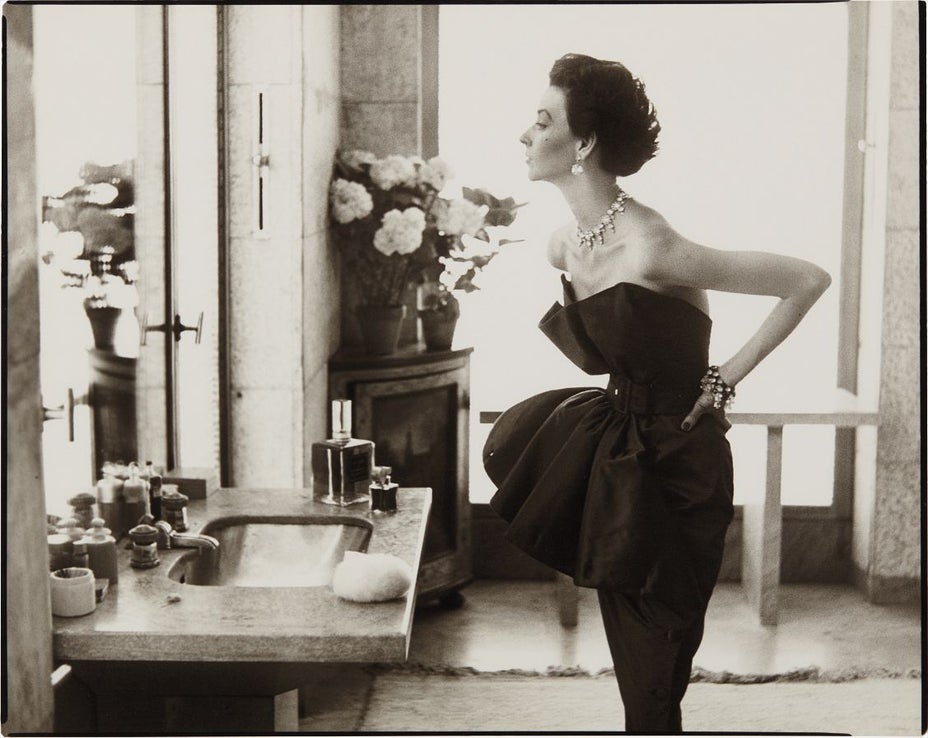
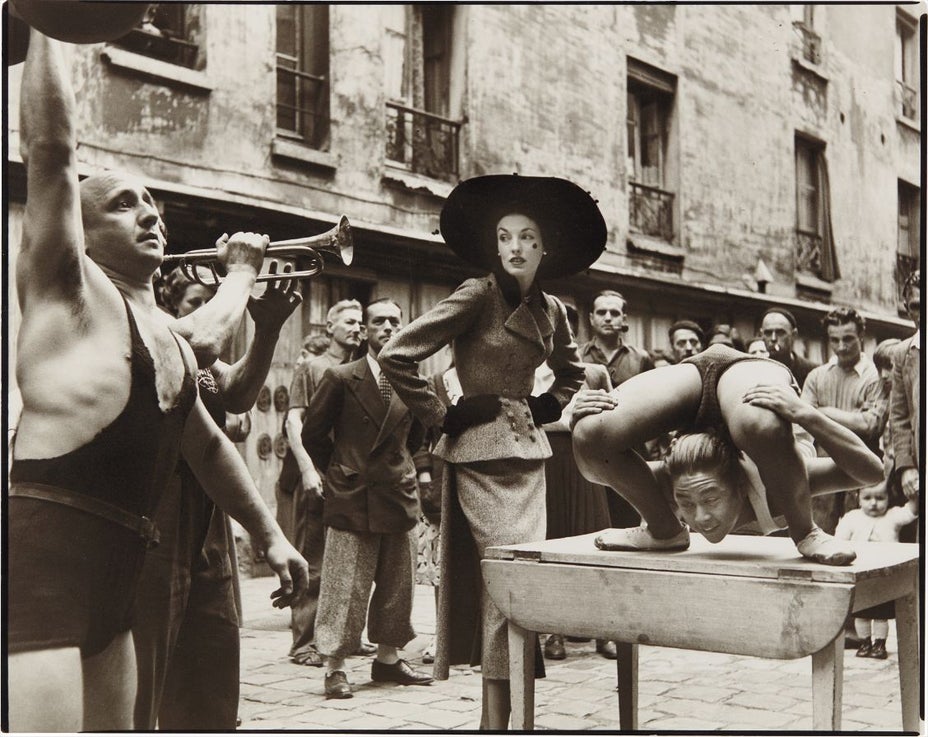
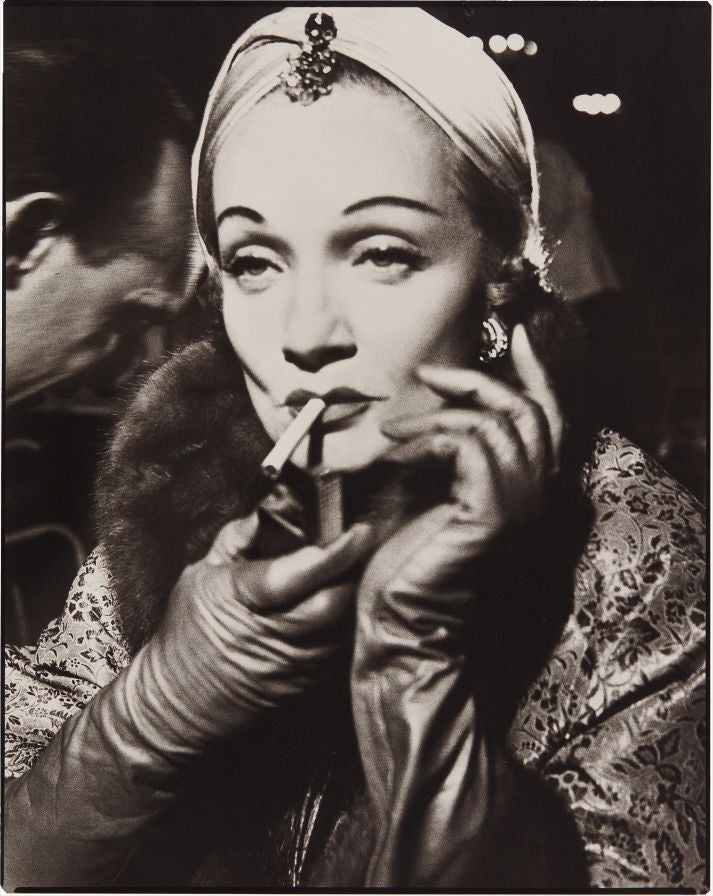
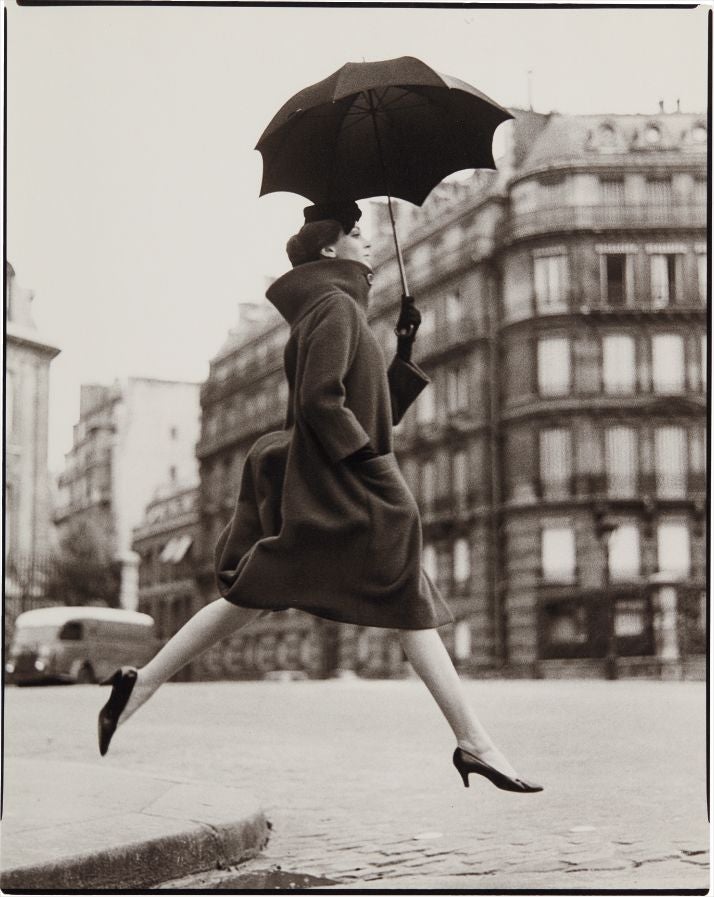
Assembled in conjunction with his landmark 1978 retrospective exhibition at The Metropolitan Museum of Art, Avedon/Paris is a celebration of Richard Avedon’s early career in fashion photography. Hired as a staff photographer for Harper’s Bazaar in 1945, Avedon continued to work for the publication for the next 20 years before joining Vogue in 1966. The eleven photographs included in this portfolio, all taken in Paris between 1947 and 1957, highlight this influential first phase of his career, showcasing the effortless glamour and dynamic playfulness that would become hallmarks of his fashion photographs throughout the 20th century.
Titles include: Elise Daniels with street performers, Suit by Balenciaga, Le Marais, Paris, August, 1948; Renée, The New Look of Dior, Place de la Concorde, Paris, August, 1947; Dorian Leigh, Coat by Dior, Avenue Montaigne, Paris, August, 1949; Carmen (Homage to Munkacsi), Coat by Cardin, Place François-Premier, Paris, August, 1957; Dorian Leigh, Evening dress by Piguet, Helena Rubeinstein apartment, Île St.-Louis, Paris, August, 1949; Dorian Leigh, Schiaparelli rhinestones, Pré-Catelan, Paris, August, 1949; Sunny Harnett, Evening dress by Grès, Casino, Le Touquet, August, 1954; Suzy Parker and Robin Tattersall, Evening dress by Griffe, Folies-Bergère, Paris, August, 1957; Elise Daniels, Turban by Paulette, Pré-Catelan, Paris, August, 1948; Suzy Parker, Evening dress by Lanvin-Castillo, Café des Beaux Arts, Paris, August, 1956; Marlene Dietrich, Turban by Dior, The Ritz, Paris, August, 1955
Richard Avedon
American | B. 1923 D. 2004From the inception of Richard Avedon's career, first at Harper's Bazaar and later at Vogue, Avedon challenged the norms for editorial photography. His fashion work gained recognition for its seemingly effortless and bursting energy, while his portraits were celebrated for their succinct eloquence. "I am always stimulated by people," Avedon has said, "almost never by ideas."
Indeed, as seen in his portraits — whether of famed movie stars or everyday people — the challenge for Avedon was conveying the essence of his subjects. His iconic images were usually taken on an 8 x 10 inch camera in his studio with a plain white background and strobe lighting, creating his signature minimalist style. Avedon viewed the making and production of photographs as a performance similar to literature and drama, creating portraits that are simultaneously intensely clear, yet deeply mysterious.