文章 | Collections And Provenance Geneva Jewels Phillips November 2026
Collections and Provenance: Jewels Spanning Generations
Fine collections are always the work of a passionate collector, and passionate collectors know how each piece contributes to a unique story.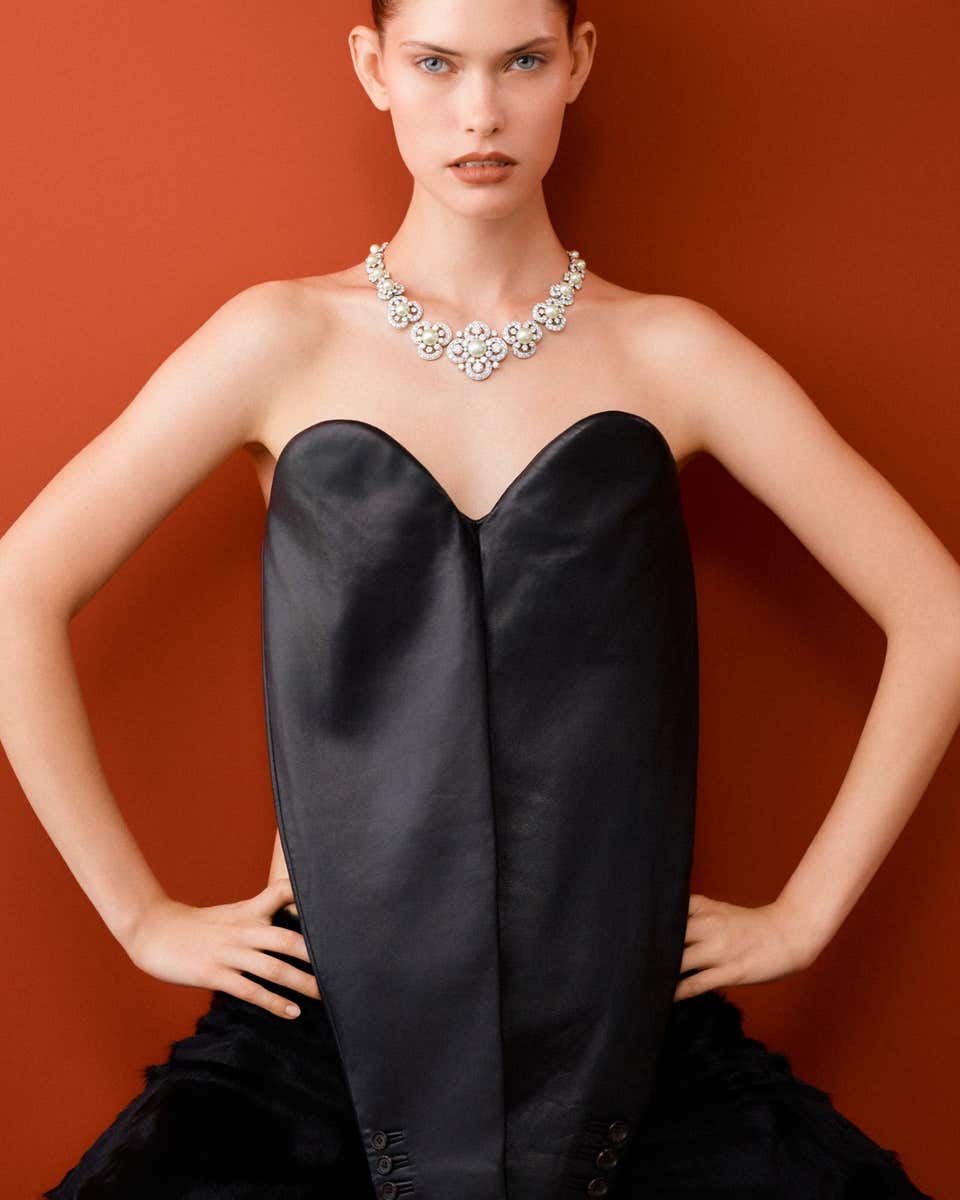
Lot 336: HENNELL, Historic and important cultured pearl and diamond necklace, 1920s. The Geneva Jewels Auction: VII.
This season, Phillips has the honour of offering a number of jewels and art objects with remarkable provenances as part of our Geneva Jewels Auction: VII. These collections represent a commitment to stewardship and history, and reflect how their former owners inscribed their own legacies into each work while opening new futures for their collections.
A Symphony in Silver: The Jörg G. Bucherer Foundation
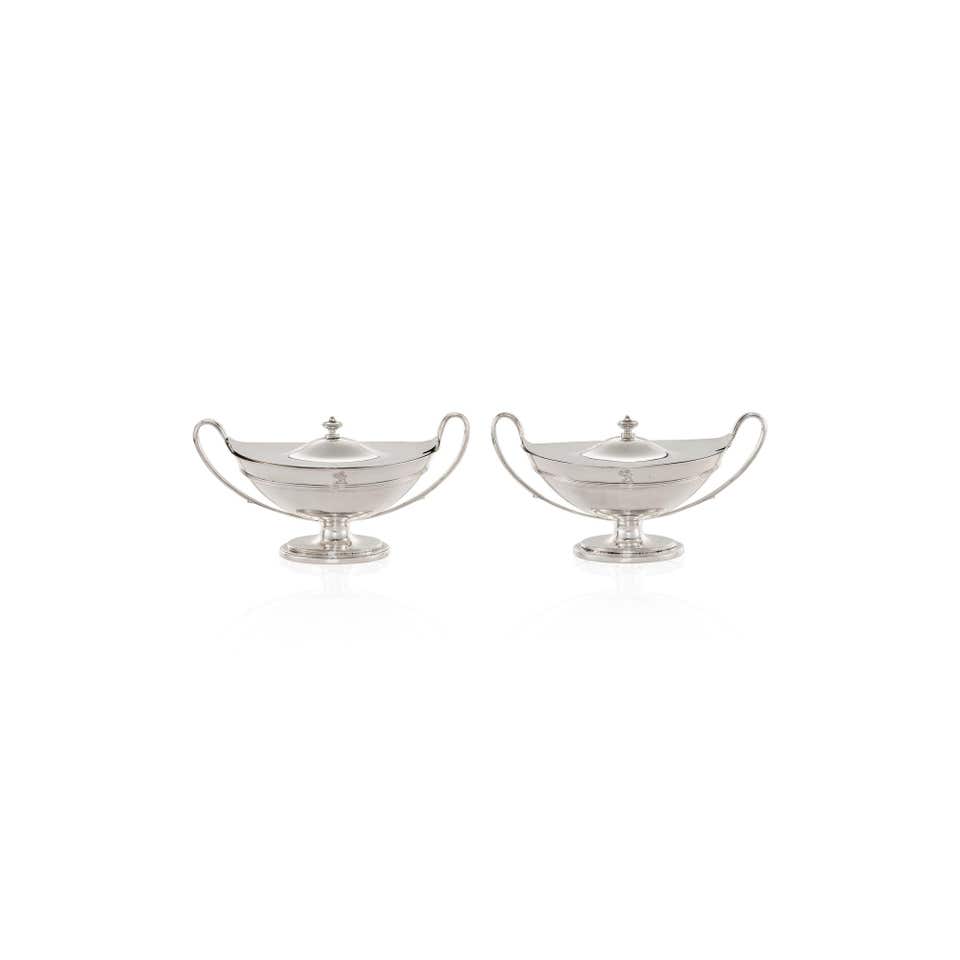
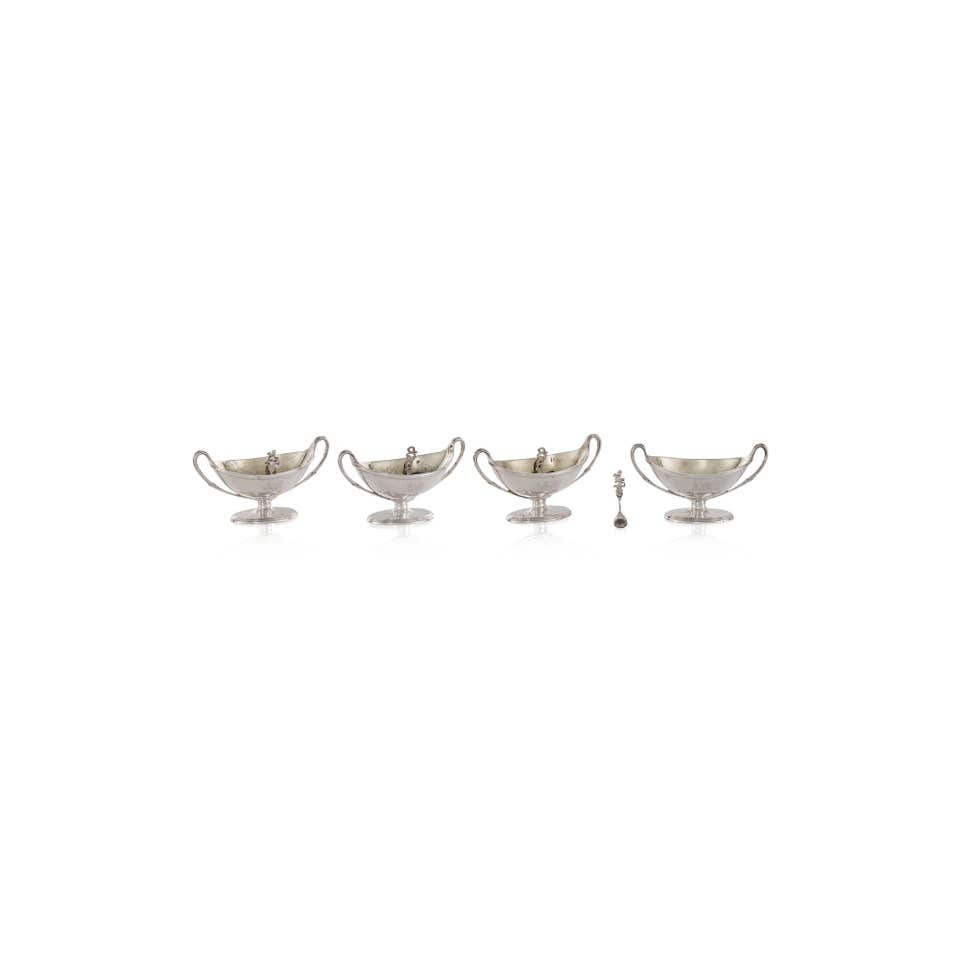
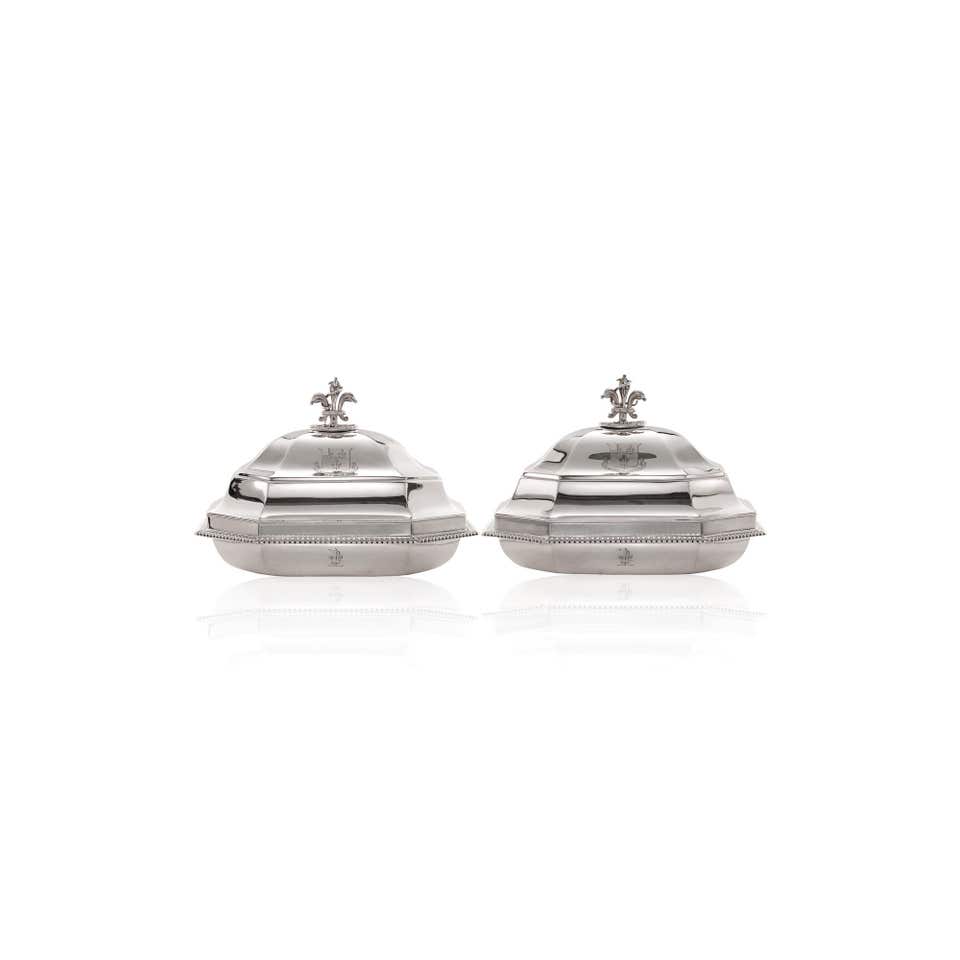
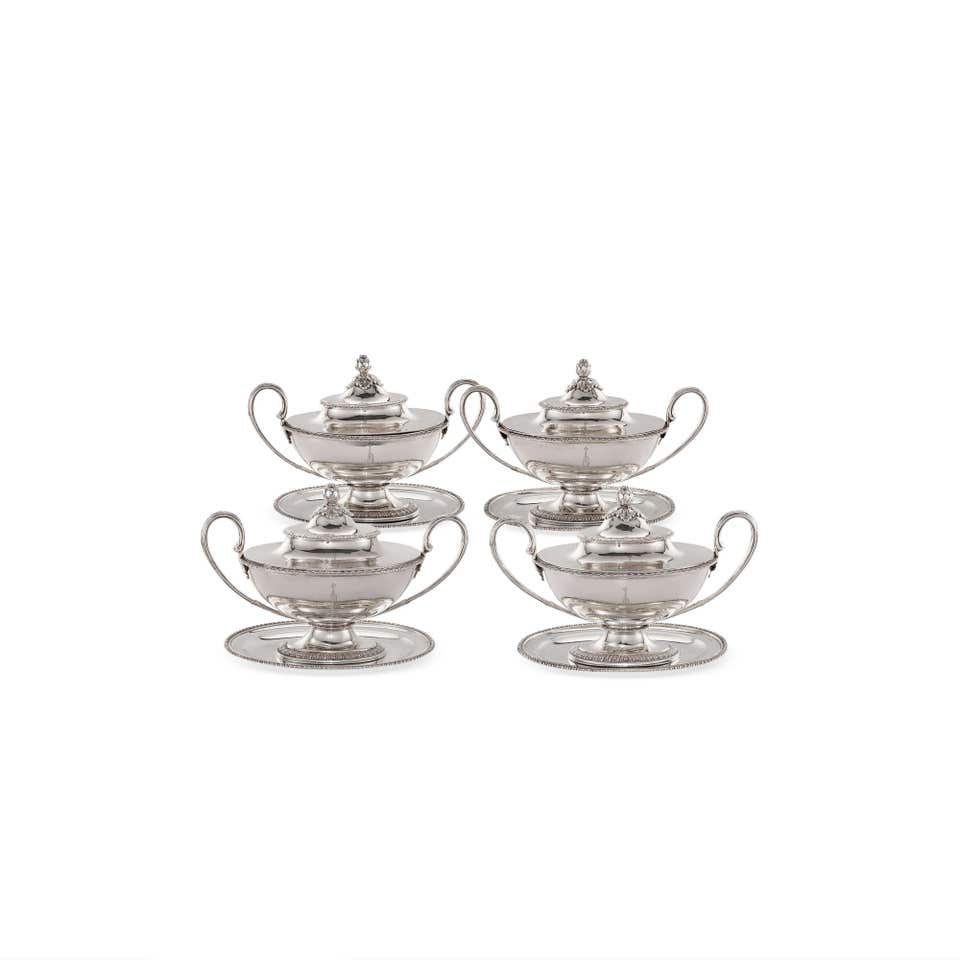
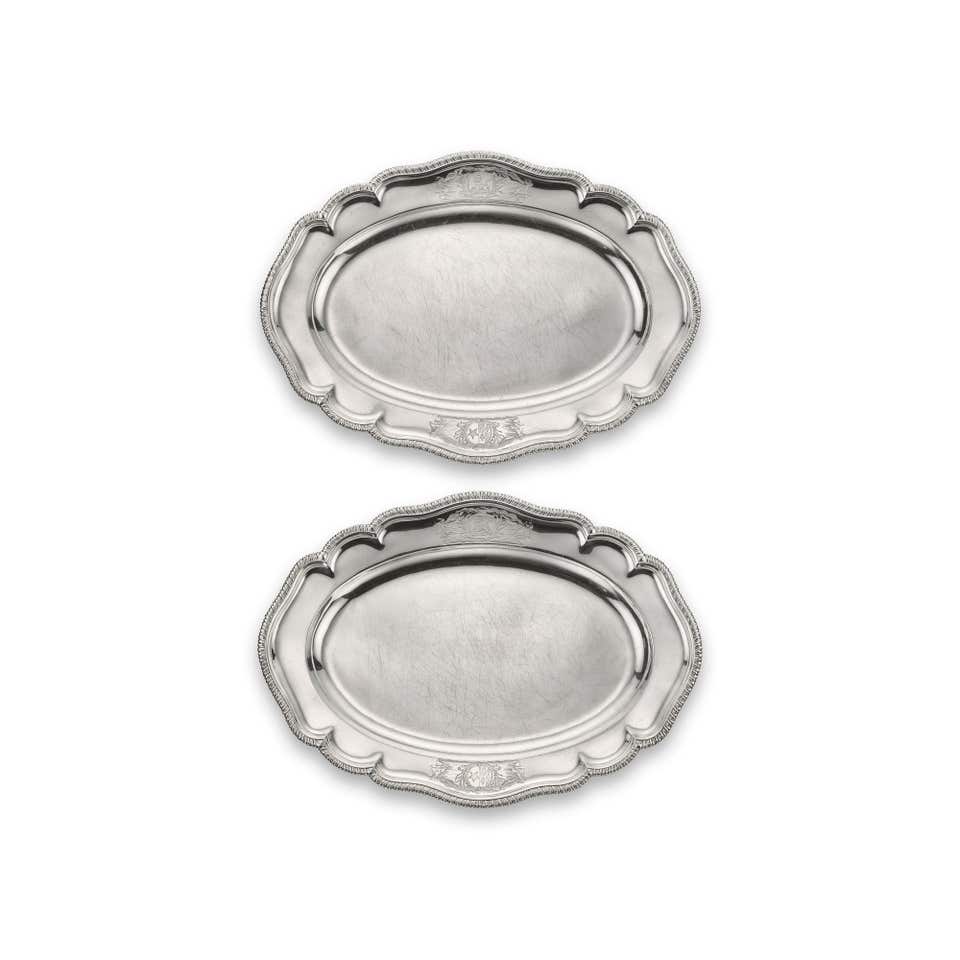
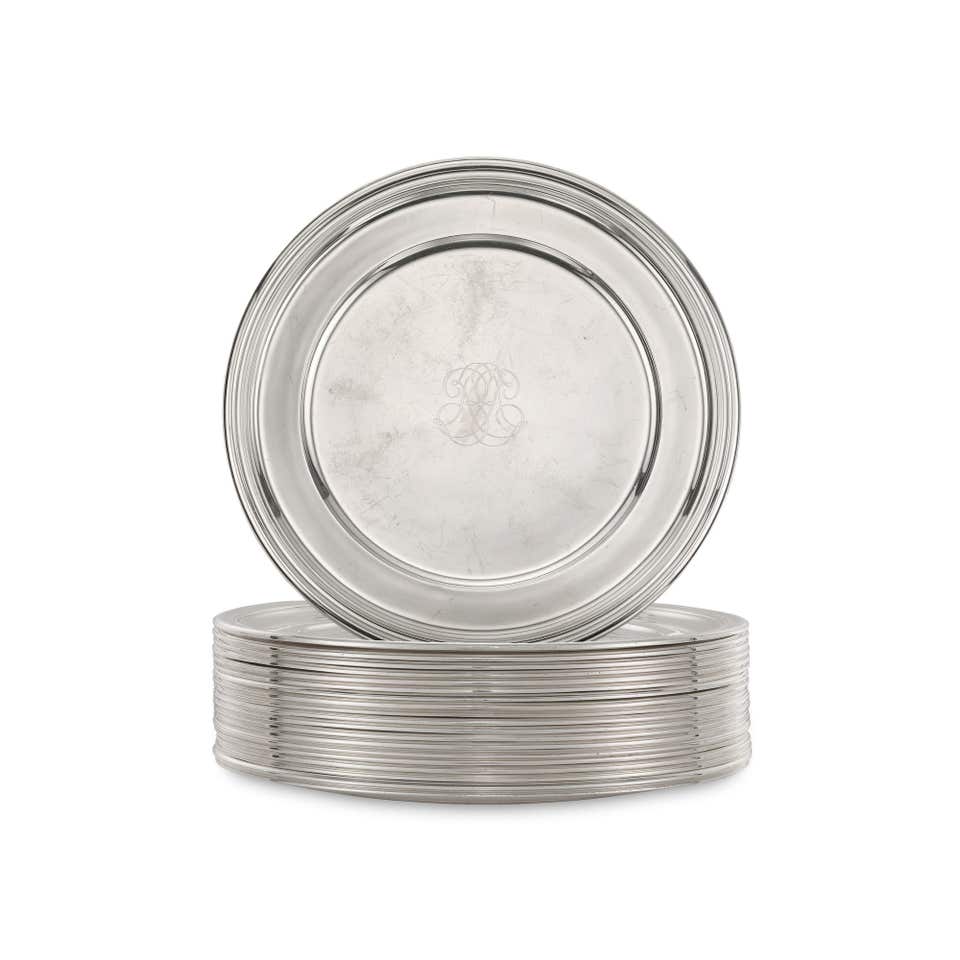
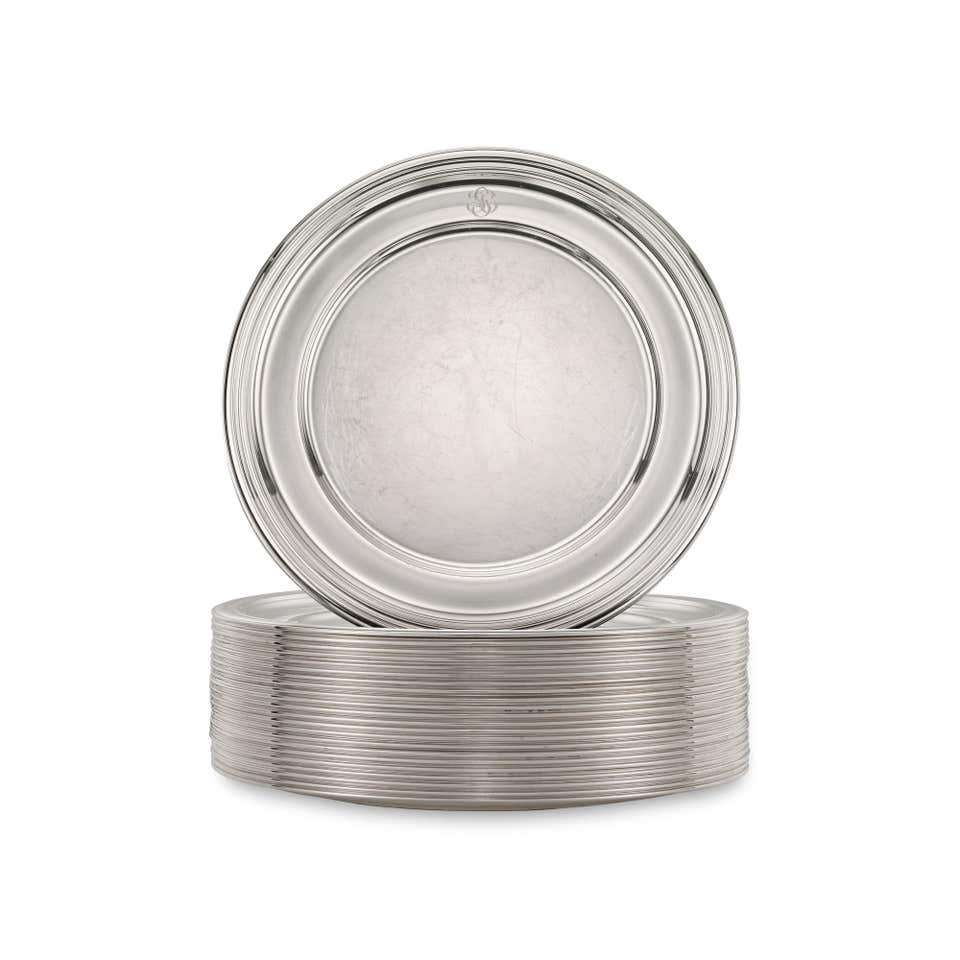
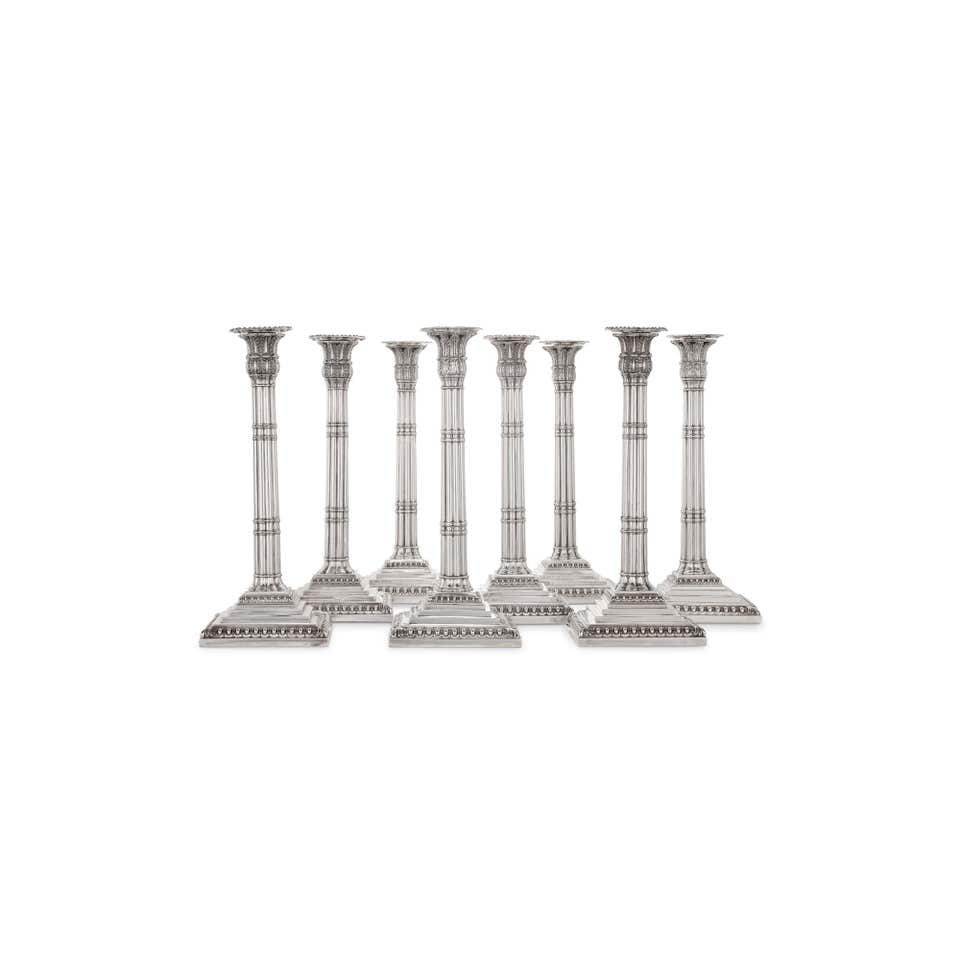
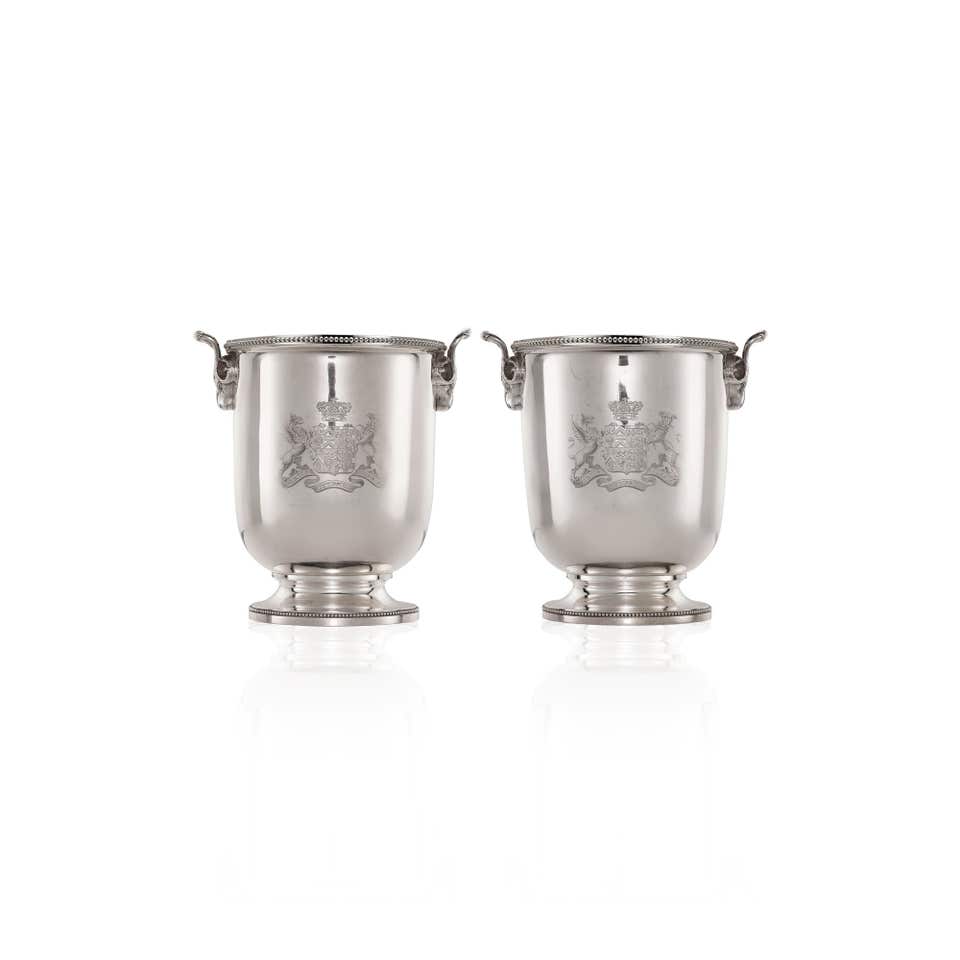
Jörg G. Bucherer was born in Lucerne in 1936. In 1977, he became the third generation to lead the Bucherer Group, founded in 1888 by his grandfather Carl F. Bucherer. Under his leadership, the Swiss family business expanded internationally and became a leading global retailer of luxury watches and jewellery, with innovations including in-house movements and patented technologies. Having no children, Jörg G. Bucherer sold the company in August 2023 to ensure its continued existence and safeguard its more than 2,400 jobs. He died on 6 November 2023, aged 87.
A passionate supporter of classical music and tourism in Central Switzerland, he wished for his legacy to support charitable causes through the Jörg G. Bucherer Foundation. Today, the Foundation supports the arts, literature, music, scientific and technological research, and social welfare in Switzerland, as well as quality tourism and care for the elderly in the Canton of Lucerne. The following pieces of silverware (Lots 317–329) are offered at auction for the benefit of the Bucherer Foundation. More exciting still, there are several works in the collection with remarkable historical contexts, as we find below:
Bridging Epochs: Henri Auguste, Robert Sharp and Benjamin Stephenson
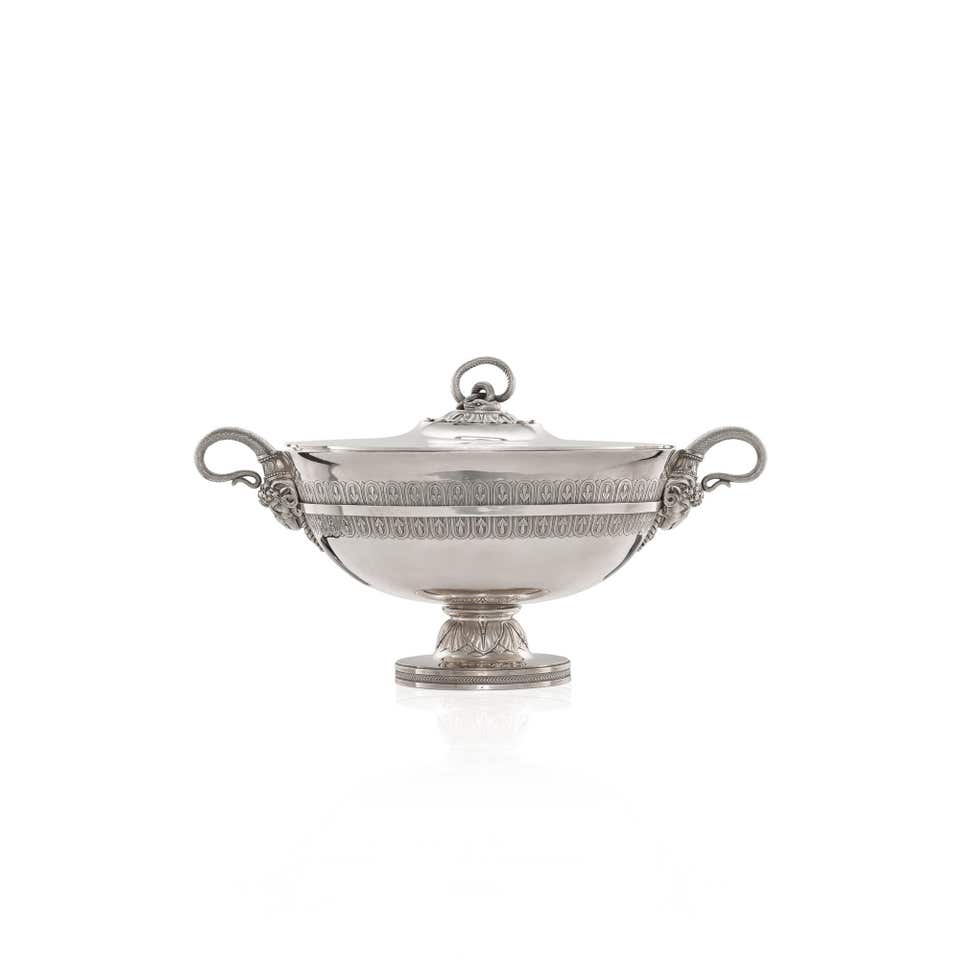
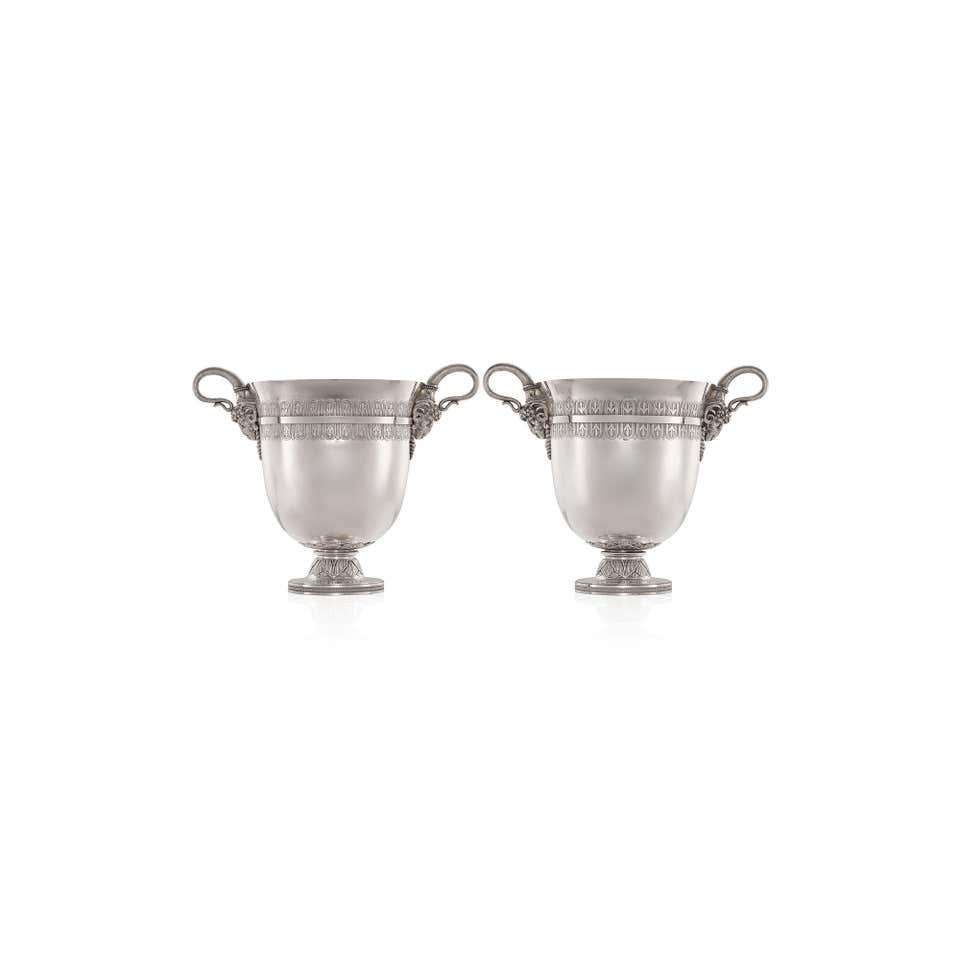
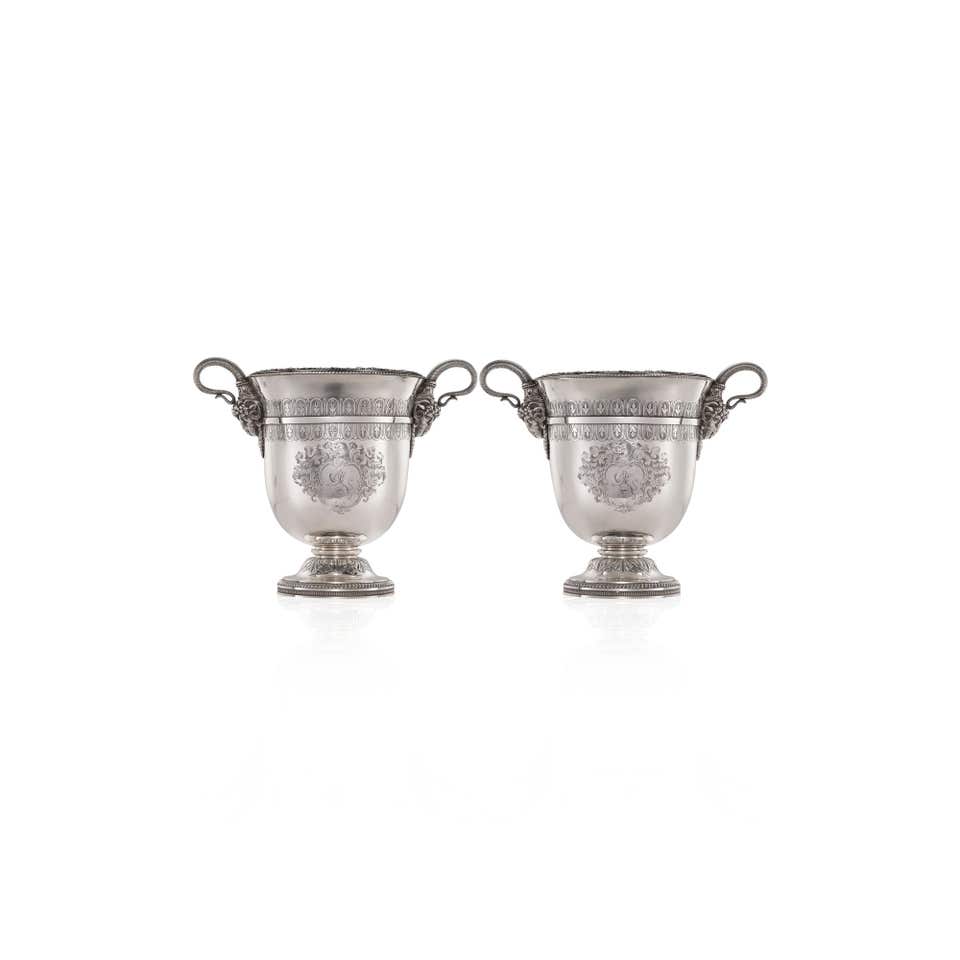
The last great silversmith of the Ancien Régime and the first great silversmith of the Empire, Henri Auguste occupies an essential place in the history of French decorative arts. Trained in the workshop of his father, Robert-Joseph Auguste, silversmith to the King, he took over the direction of the family firm in 1785 and brought Parisian silversmithing to a degree of perfection rarely equaled. His most celebrated work remains the monumental Service de la Ville de Paris, presented by the municipality of Paris to Napoleon I on the occasion of his Coronation in 1804. In 1809, he fled to England after failing to settle his debts with his creditors. In 1810, he was stripped of his French nationality. He subsequently went to Saint-Domingue, where he died in 1826. Fortunately, remarkable creations survive, notably at Fontainebleau, offering a window onto the Empire style. Today, the few works that escaped the melting pot rank among the most precious surviving examples of French silverware. Preserved in the greatest public and private collections, they bear witness to the genius of an artist whose production, almost entirely lost, remains one of the high points of European decorative art.
Representing a crucial bridge between French Empire and British Neo-Classicism, silver pieces by Robert Sharp and Benjamin Stephenson are highly prized by collectors today. While Auguste’s silver favored dramatic and exacting sculptural figuration, Sharp and Stephenson adapted these French motifs to suit British dining customs, maintaining Auguste’s grand scale while fine-tuning the pieces for practical English service. Sharp was one of late Georgian England’s premier silversmiths, famous for his partnership with Daniel Smith. Towards the end of his career in the late 1790s and early 1800s, Sharp often collaborated with Benjamin Stephenson, producing domestic and ceremonial silverware distinguished by crisp architectural proportions, fluting, classical friezes, and refined cast details. Their clientele included prominent aristocrats, wealthy collectors, and the Royal Household.
An Icon of the 20th Century: Rudolf Khametovich Nureyev
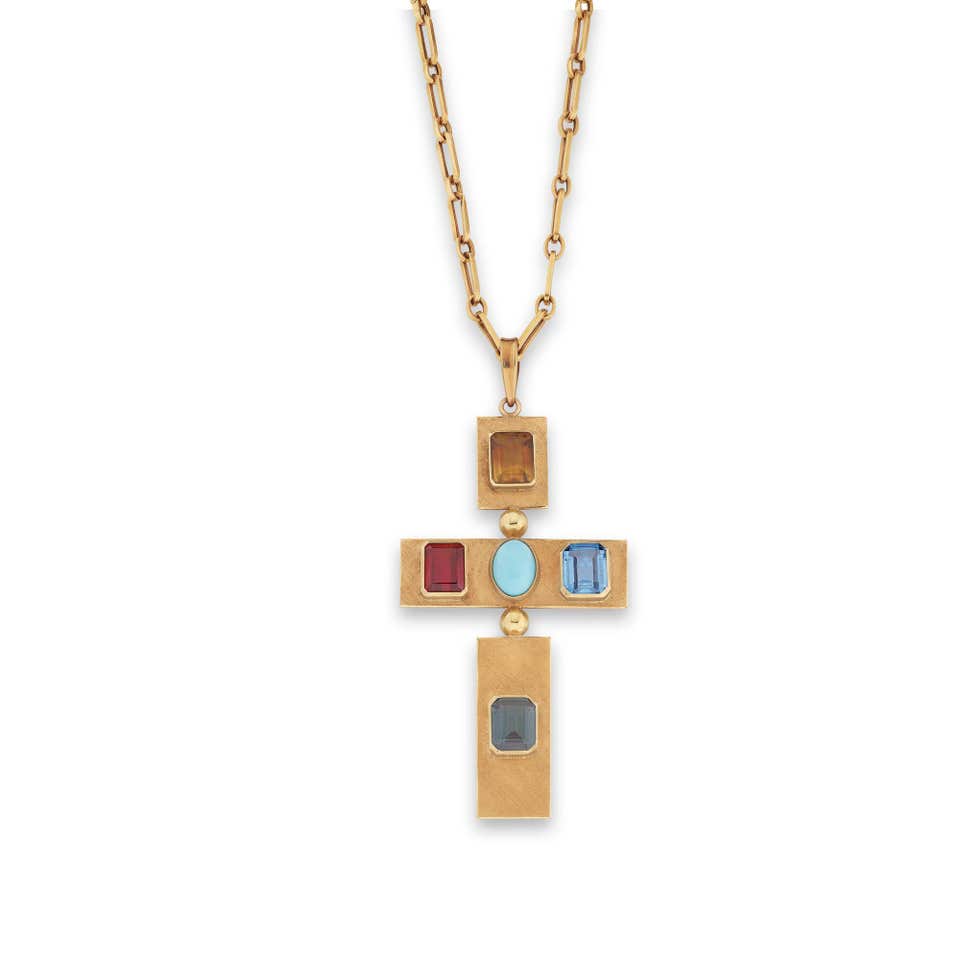
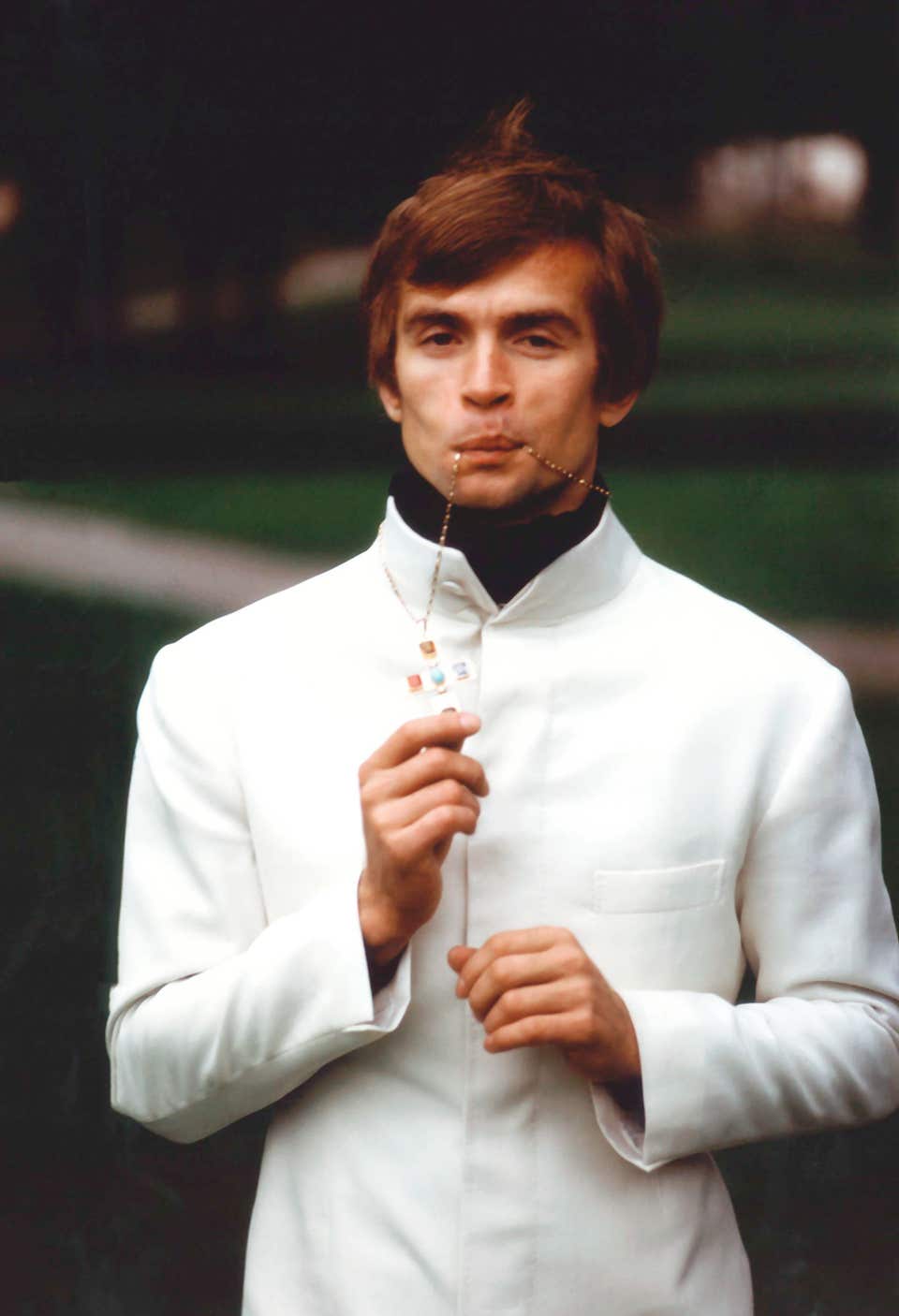
Lot 334: Gold and gem-set pendant and a gold chain, formerly in the Collection of Rudolf Khametovich Nureyev. The Geneva Jewels Auction: VII.
Rudolf Khametovich Nureyev (1938 –1993) was a Soviet-born ballet dancer, choreographer and ballet director. Nureyev is widely recognized as one of the leading male ballet dancers of the 20th century and one of the most influential figures in the history of ballet. While on tour in Western Europe in 1961, Nureyev famously defected to the West at Le Bourget Airport in Paris, where he requested political asylum in France rather than returning to the Soviet Union. He went on to build an international career as a dancer and choreographer, becoming particularly famous for his partnership with Margot Fonteyn.
Later, he served as Director of Dance at the Paris Opera from 1983 to 1989, while continuing to perform and choreograph internationally. He died in Paris in 1993, aged 54, and was buried in the Russian Cemetery of Sainte-Geneviève-des-Bois, near Paris. Nureyev transformed the role and visibility of the male ballet dancer and became an international cultural icon during the Cold War. His legacy continues to shape the world of ballet today.
A Royal Heirloom Reimagined: Queen Mary’s Necklace
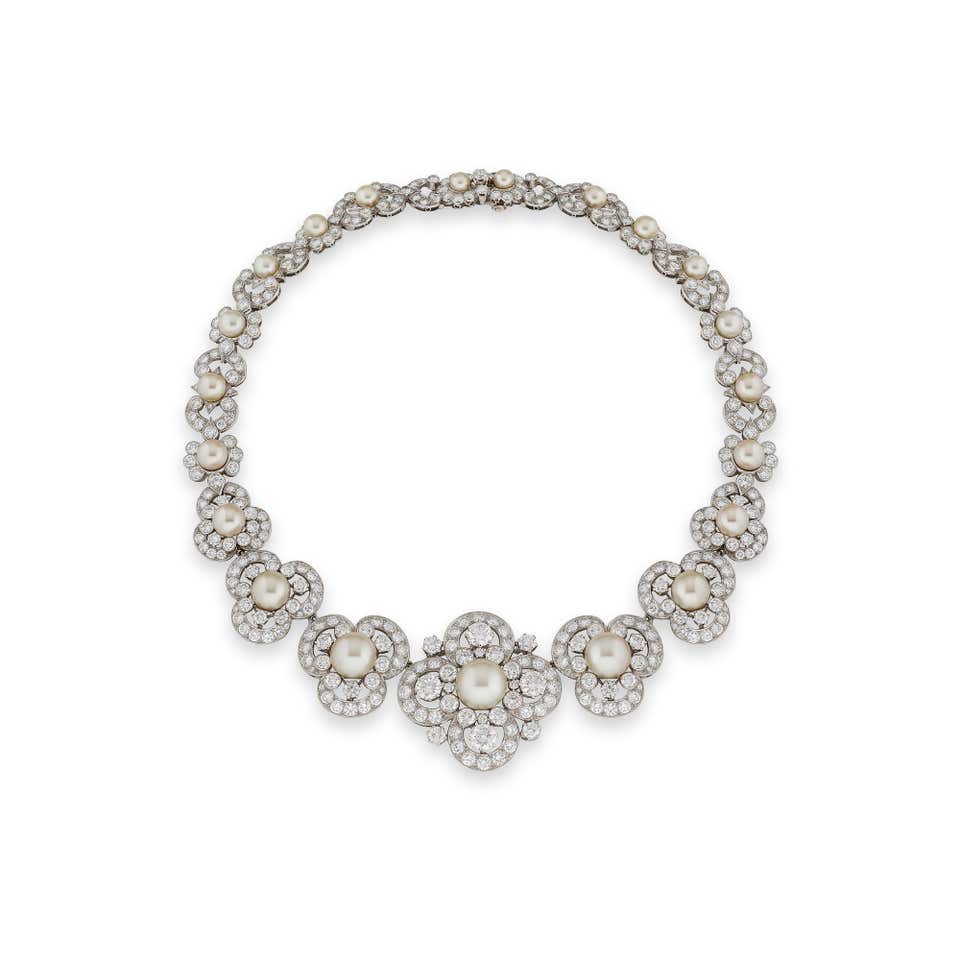
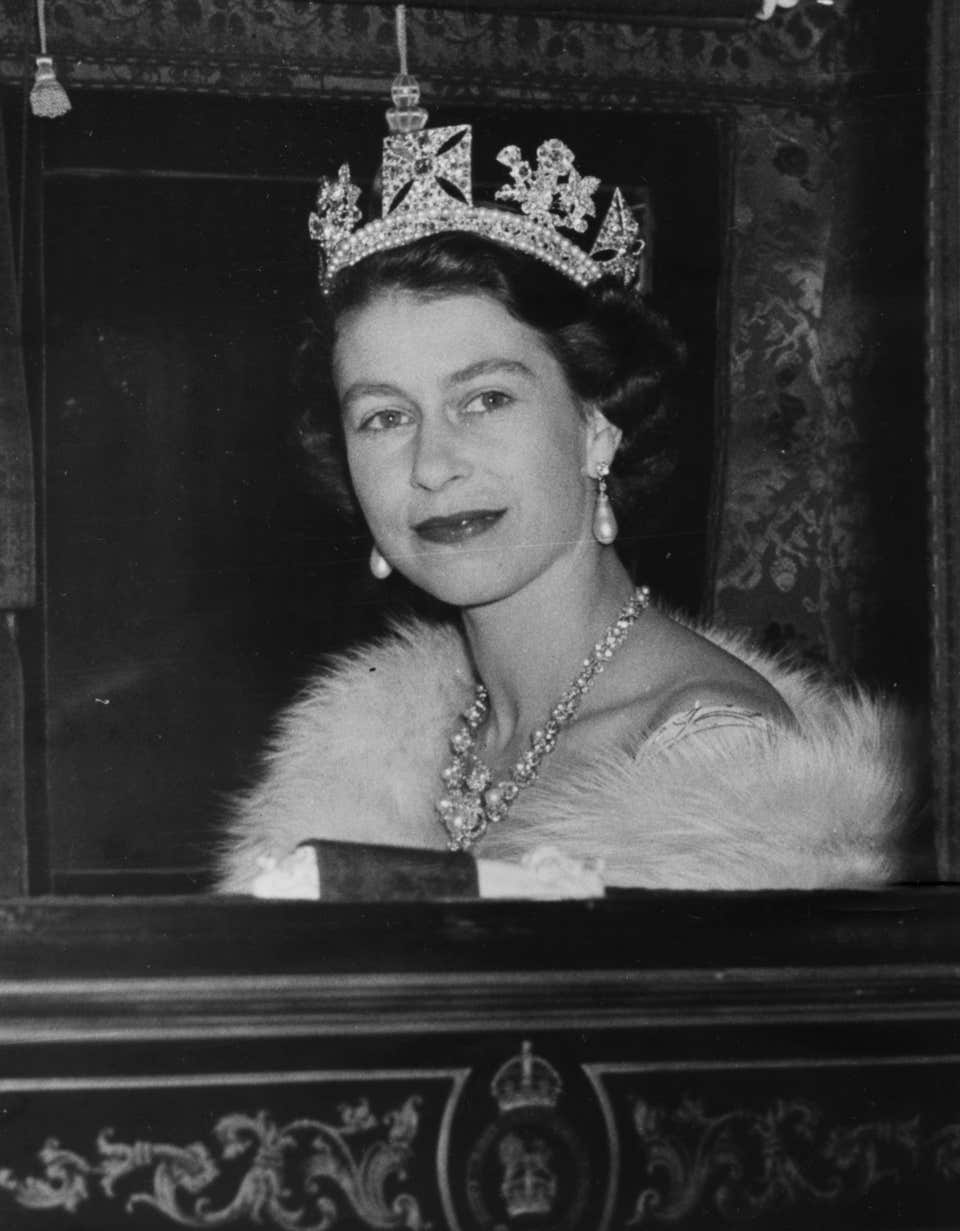
Lot 336: HENNELL, Historic and important cultured pearl and diamond necklace, 1920s. The Geneva Jewels Auction: VII.
Queen Mary (1867–1953), the eldest and only daughter of Francis, Duke of Teck, a German nobleman, and Princess Mary Adelaide of Cambridge, a granddaughter of King George III, was Queen Consort to King George V and Empress Consort of India from 1910 to 1936. She is widely regarded as one of the most significant jewellery collectors in British royal history, with a profound influence on the formation and preservation of the royal jewellery collection as we know it today. She inherited, acquired and commissioned jewels that connected her not only to previous generations of the British royal family, but also to other European royal houses, creating a collection in which personal history, royal provenance and dynastic continuity were closely intertwined. She was an active collector, acquiring jewels through gifts received during public engagements and royal tours throughout the Empire, making significant purchases herself, and remodeling existing jewels to reflect changing fashions. At the same time, she was a discerning curator of historical jewels, with a sophisticated understanding of provenance, workmanship, and historical significance.
In 1887, a committee known as the ‘Women’s Jubilee Offering’ was formed to raise funds for a gift commemorating Queen Victoria’s fifty years on the throne. The original intention was to create a memorial to Prince Albert, but sufficient funds were raised to add a personal ornament for the Queen. The resulting ‘Golden Jubilee Necklace’ was made by Carrington & Co. and presented to Queen Victoria on 30 July 1888. Its original tooled red leather case was inscribed: ‘To Victoria Queen & Empress A Token of Love & Loyalty from the Daughters of Her Empire in remembrance of Her Jubilee June 21st 1887’. Queen Victoria became deeply attached to the necklace, which was subsequently left to the Crown as a royal heirloom following her death in 1901. Queen Elizabeth II (1926–2022) also wore the necklace on numerous occasions, most notably at her first State Opening of Parliament as monarch in November 1952, further cementing its place in the ceremonial history of the British monarchy. After many years in private ownership, we are delighted to offer lot XX as part of our Collections and Provenance section. More than a faithful recreation of a celebrated royal jewel, it is an enduring testament to Queen Mary’s appreciation of tradition, historical preservation and royal continuity—a deeply personal expression of her connection to the history of the monarchy.
A Poetic Ideal: Property of an Important Private Collector
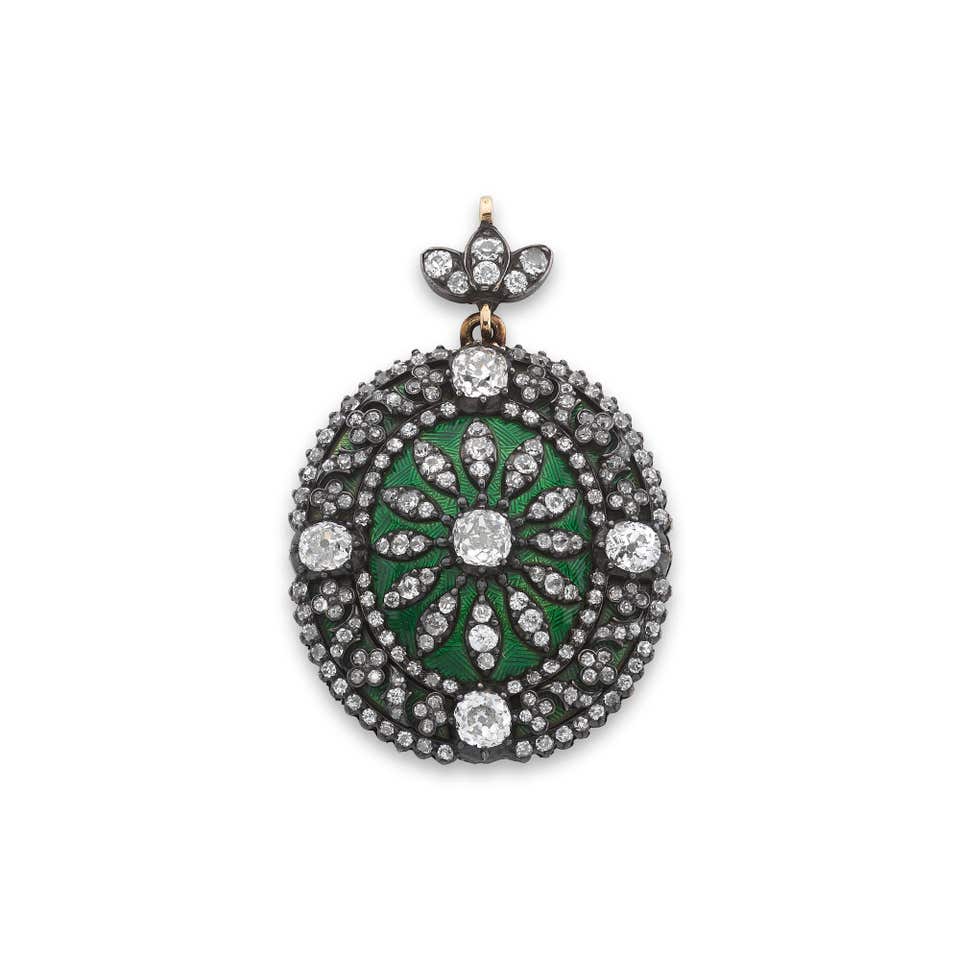
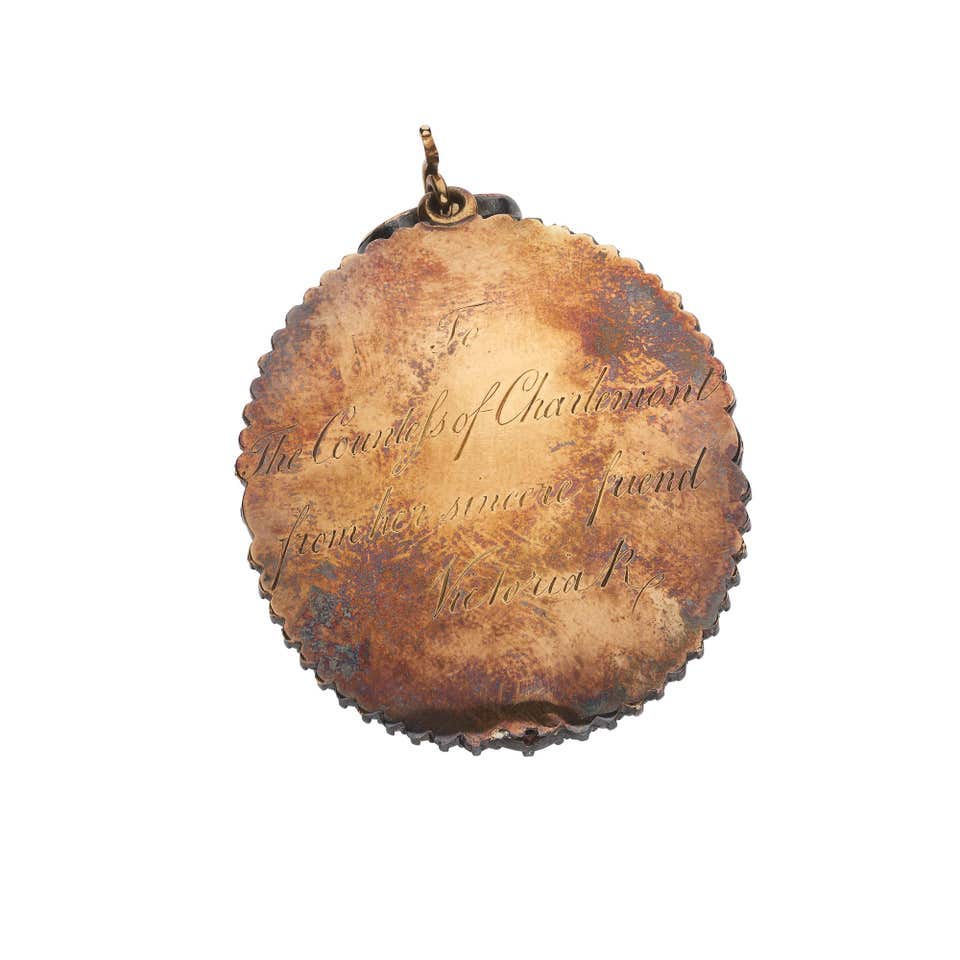
Anne Caulfeild, née Bermingham (1780–1876), was an Anglo-Irish aristocrat and courtier. In 1802, she married Francis Caulfeild, 2nd Earl of Charlemont, becoming the Countess of Charlemont. She later served as a Lady of the Bedchamber to Queen Victoria from the beginning of the Queen’s reign until 1854, a position of considerable social and courtly importance. Before her appointment at court, Lady Charlemont was celebrated as a beauty and was a prominent figure in aristocratic society. Lord Byron expressed his admiration for her beauty in his Letter to the Rev. W. L. Bowles on the Strictures of the Edinburgh Review, dated 7 February 1821:
“But always excepting the Venus de Medicis, I differ from that opinion, at least as far as regards female beauty; for the head of Lady Charlemont (when I first saw her nine years ago) seemed to possess all that sculpture required for its ideal.”
Her beauty attracted the attention of Prince Regent, later George IV, who commissioned a miniature of her as Psyche for his collection. She was also portrayed by leading artists of the period, including Sir Thomas Lawrence and Anne Mee.
