文章 | Alex Eagle Top Ten Design Auction London November 2026
ALEX EAGLE'S TOP TEN AT PHILLIPS
The designer and creative director takes inspiration from Phillips’ upcoming Design auction and shows us around her new project — 180 The Thames.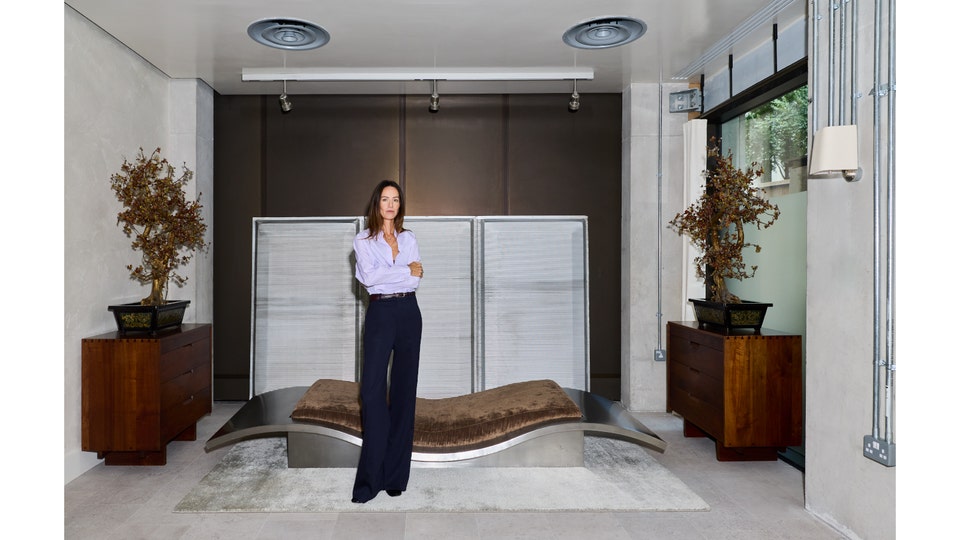
Alex Eagle. Photograph: Kate Martin.
For designer and creative director Alex Eagle, whose art history background informs a rigorous, 360-degree approach to living, discernment extends seamlessly across interiors, objets d’art, Ready-to-Wear and more. Her holistic vision culminates in her role as Creative Director of 180 The Thames — a multi-faceted new development in the heart of London spanning river-side residences for sale, St Clement hotel, restaurants including Cafe Clement, Lunette and the grocery Corner Shop. She now calls the building home for both her family and her business, with her store, Alex Eagle Studio slated to open this November.
In an upcoming video from Phillips, Eagle demonstrates how she would style lots from the November Phillips Design auction at 180 The Thames. Below, her words dive even deeper. —Eds.
I think the thread running through all these pieces is that great design doesn’t have to announce itself. You don’t necessarily need to know who designed something, how rare it is or what it is worth to understand that it is special. I’m always interested in furniture that brings something to a room beyond its practical function. The proportions, the materials, the way light moves around it, the feeling it creates. Sometimes the simplest object can have the greatest impact.
I think the best interiors are about balance. Letting the architecture speak, giving furniture space to breathe and finding those extraordinary pieces that bring a room to life. I’ve always loved the idea of using furniture as art, but equally believe that beautiful things should be lived with and enjoyed.
GIO PONTI
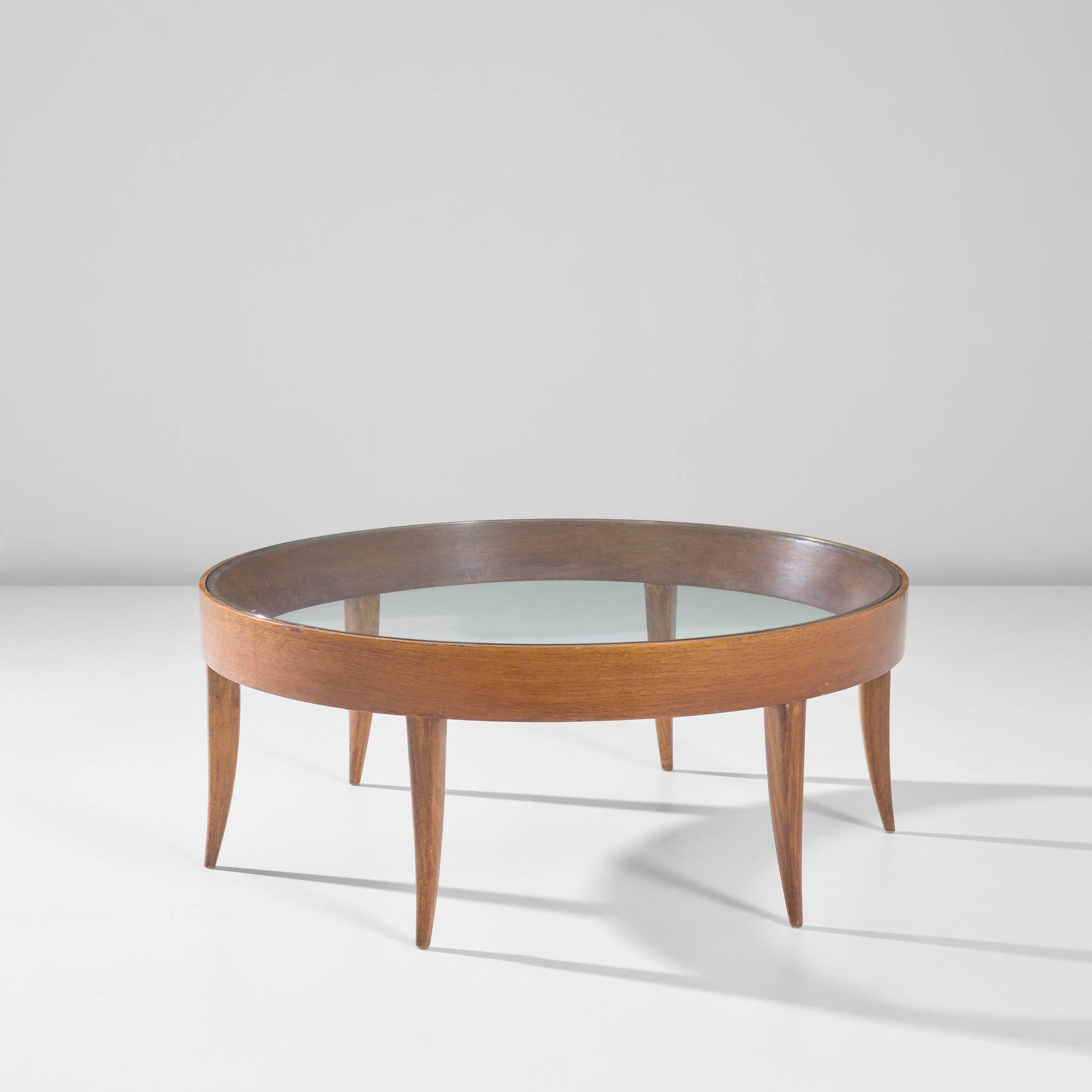
GIO PONTI, Coffee table, circa 1936. Design, London.
I love the simplicity of this table. There’s something incredibly elegant about the proportions, the delicacy of the legs and the way the glass gives it such a lightness. I always think the best furniture can make a room feel bigger, rather than simply filling it. Being able to see through or around a piece is so important, particularly when you’re working with interesting architecture.
This is a perfect example of a piece that you don’t need to know is by Gio Ponti to appreciate. It just has that wonderful balance and elegance. I love mixing pieces like this with much heavier furniture. A beautiful, generously upholstered sofa, for example, with this delicate table in front of it. It’s often the contrast that makes a room interesting.
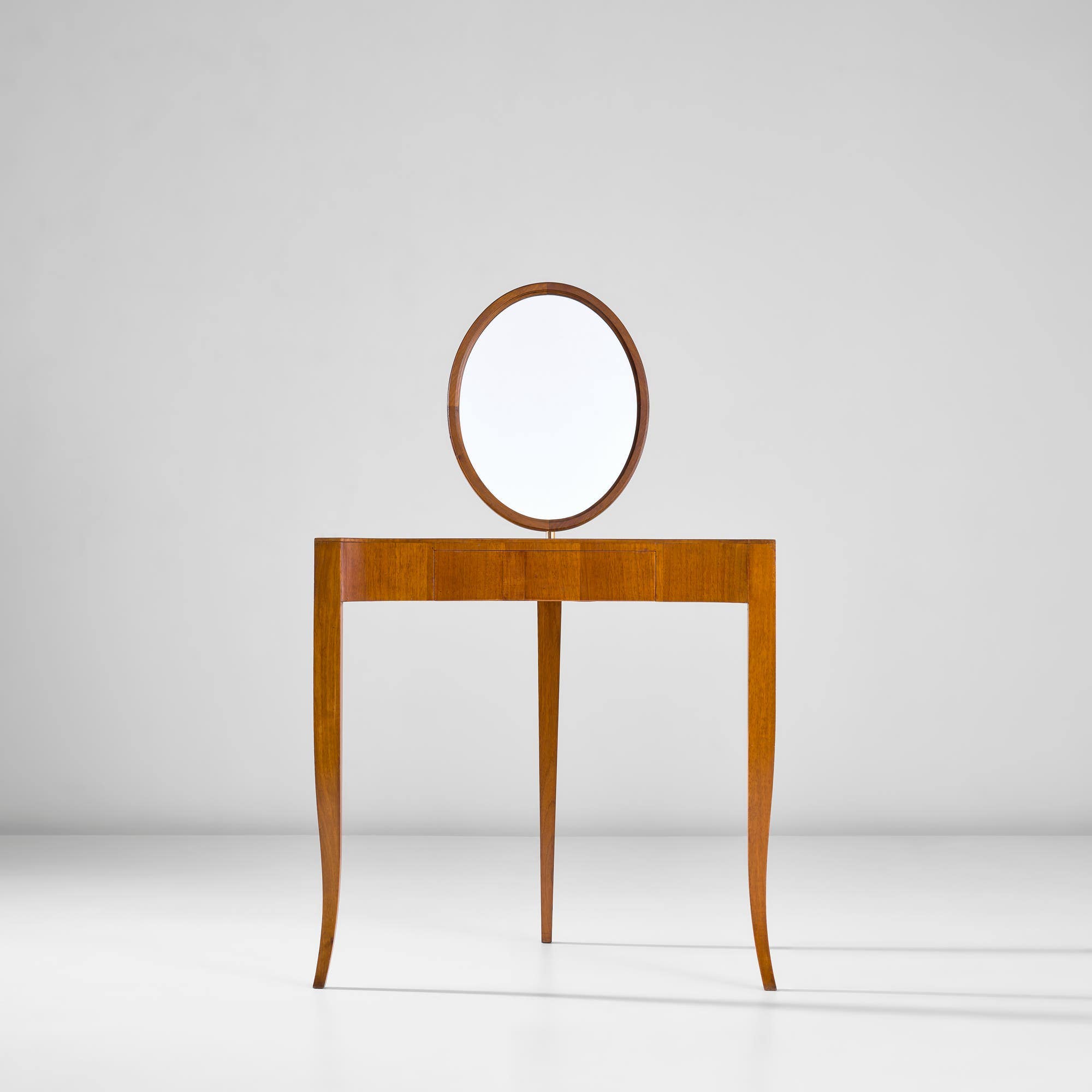
GIO PONTI, Dressing table with adjustable mirror, circa 1928. Design, London.
There’s something incredibly romantic about a dressing table. I love furniture that makes everyday rituals feel a little more special.
This is so beautifully simple. The circular mirror, the slender legs, the warmth of the walnut. Nothing is unnecessary. I particularly love the way the mirror becomes almost a sculpture in its own right. I’ve always loved dressing tables, desks and pieces of furniture that have a slightly personal purpose. They feel intimate, and I think they bring a lovely sense of life to a room. I could imagine this in a bedroom, but equally in a dressing room or even a hallway. I love finding slightly unexpected uses for furniture.
GABRIELLA CRESPI
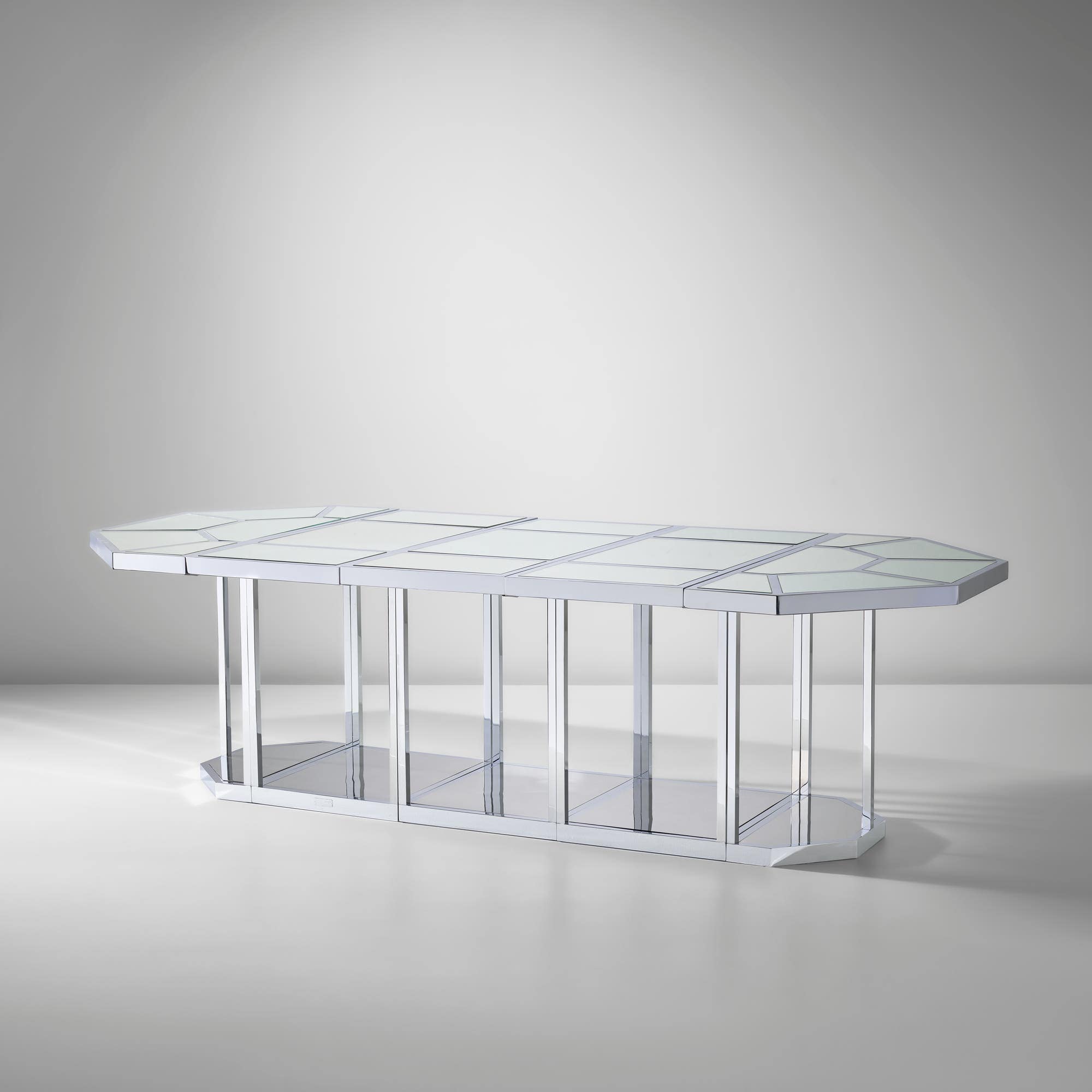
GABRIELLA CRESPI, Rare ‘Puzzle’ table, from the ‘Plurimi’ series, 1973. Design, London.
I have a few pieces by Gabriella Crespi in my shop, and what I find extraordinary about her work is just how modern it feels. In many ways, her designs feel more contemporary than much of what is being designed today. People are always incredibly drawn to them, whether or not they know who designed them.
I particularly love the way she approaches furniture as something that can be both sculptural and incredibly practical. Her pieces often have multiple functions, and this Puzzle table is a wonderful example of that. It can be arranged in different configurations, changing according to how you want to use it.
That’s something I think about constantly in my own design practice, particularly with clothes. I love the idea of designing something that can be worn or used in different ways, that is functional and practical but also beautiful. I think the best design does all of those things without making a fuss about it.
Crespi had an almost jeweller’s approach to furniture, an incredible sensitivity to materials, form and detail. Her work sits somewhere between sculpture, furniture and architecture, which is a combination I find particularly interesting. I’ve always believed that the best pieces don’t need an introduction. You shouldn’t need to recognise the designer or understand the history to appreciate something. You can just feel when an object is special. Crespi’s work has that quality. It has a presence and an energy that people respond to instinctively.
DIEGO GIACOMETTI
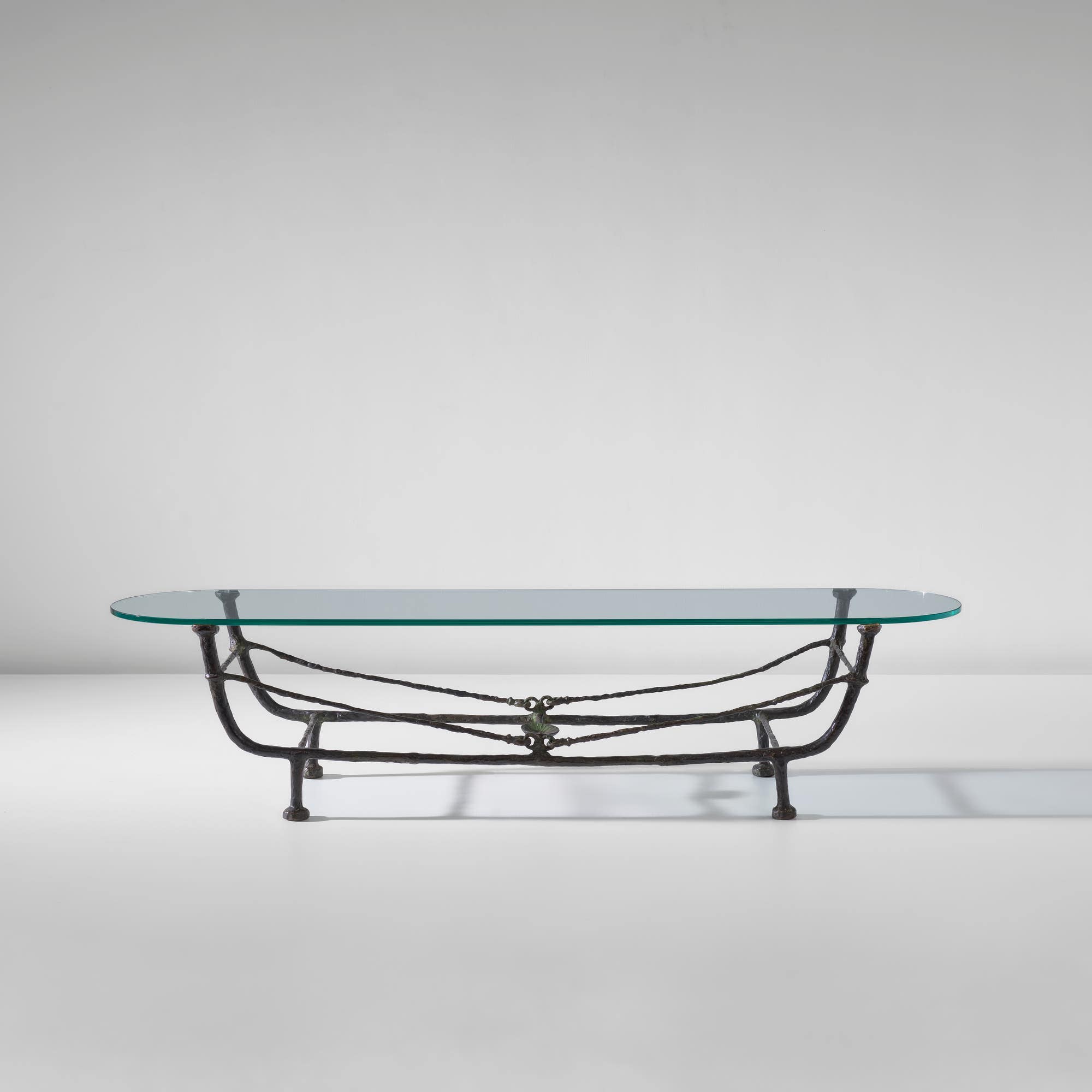
DIEGO GIACOMETTI, 'Berceau' low table, first version, designed circa 1963, executed 1970s. Design, London.
I’ve always been drawn to Giacometti’s furniture because it really sits somewhere between art and design. This table is almost more of a sculpture than a piece of furniture, yet it’s also wonderfully practical, which is something I absolutely love. You can see his handwriting so clearly in this piece. There’s something so wonderful about the irregularity of the metalwork. It doesn’t feel manufactured or overly perfected. You can really see the hand of the artist, and I think that’s what gives it such personality and soul.
There’s something incredibly playful about it too. It’s fun and cheerful, almost whimsical, but at the same time so elegant and sophisticated. I love that balance. It’s quite a difficult thing to achieve, something that feels so lighthearted yet has such a strong sculptural presence.
This is the sort of furniture that doesn’t need very much around it. It creates its own atmosphere. I think the most interesting interiors often have quite simple architectural foundations, beautiful floors, wonderful walls and then a few exceptional objects that really speak for themselves. I love the idea of a room where you can appreciate the silhouette of a table just as much as you would a sculpture. For me, that’s the magic of Giacometti. His furniture is art, but it’s art that becomes part of everyday life.
FRANÇOIS-XAVIER LALANNE
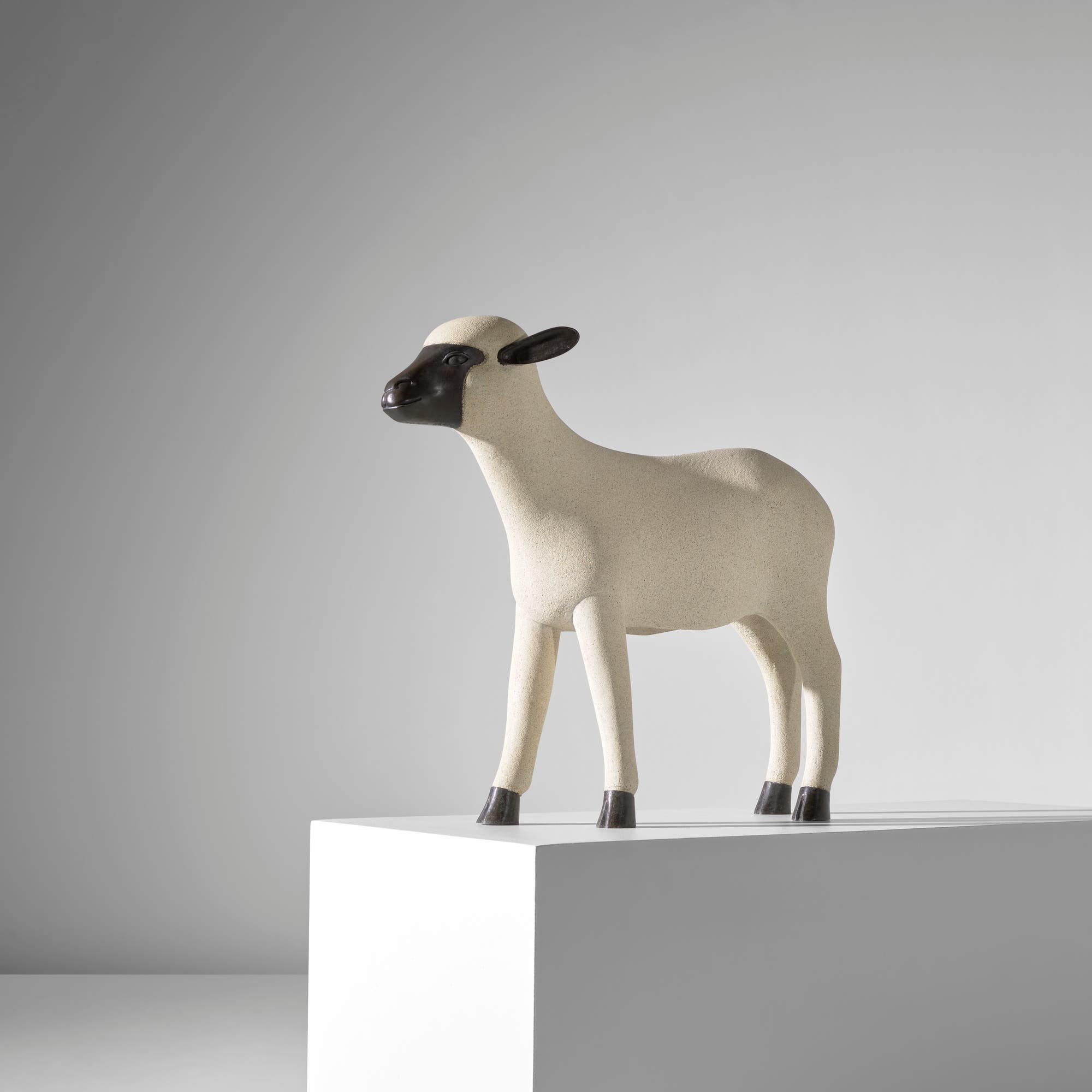
FRANÇOIS-XAVIER LALANNE, ‘Agneau’, from the ‘Nouveaux Moutons’ series, designed 1996, executed 1997. Design, London.
This is exactly the sort of object that makes you smile. I think interiors should always have a sense of humour. I love beautiful, serious design, but I also think it’s important not to take decorating too seriously.
I adore the Lalannes because their work is so imaginative, and there’s something wonderfully surreal about bringing an animal into a room as a piece of sculpture. What’s interesting is that, despite being playful, the proportions and craftsmanship are extraordinary. I think a piece like this could be absolutely brilliant in a very formal room, somewhere you might not necessarily expect it. I love those slightly unexpected moments in interiors. They make a space feel personal, rather than perfectly decorated.
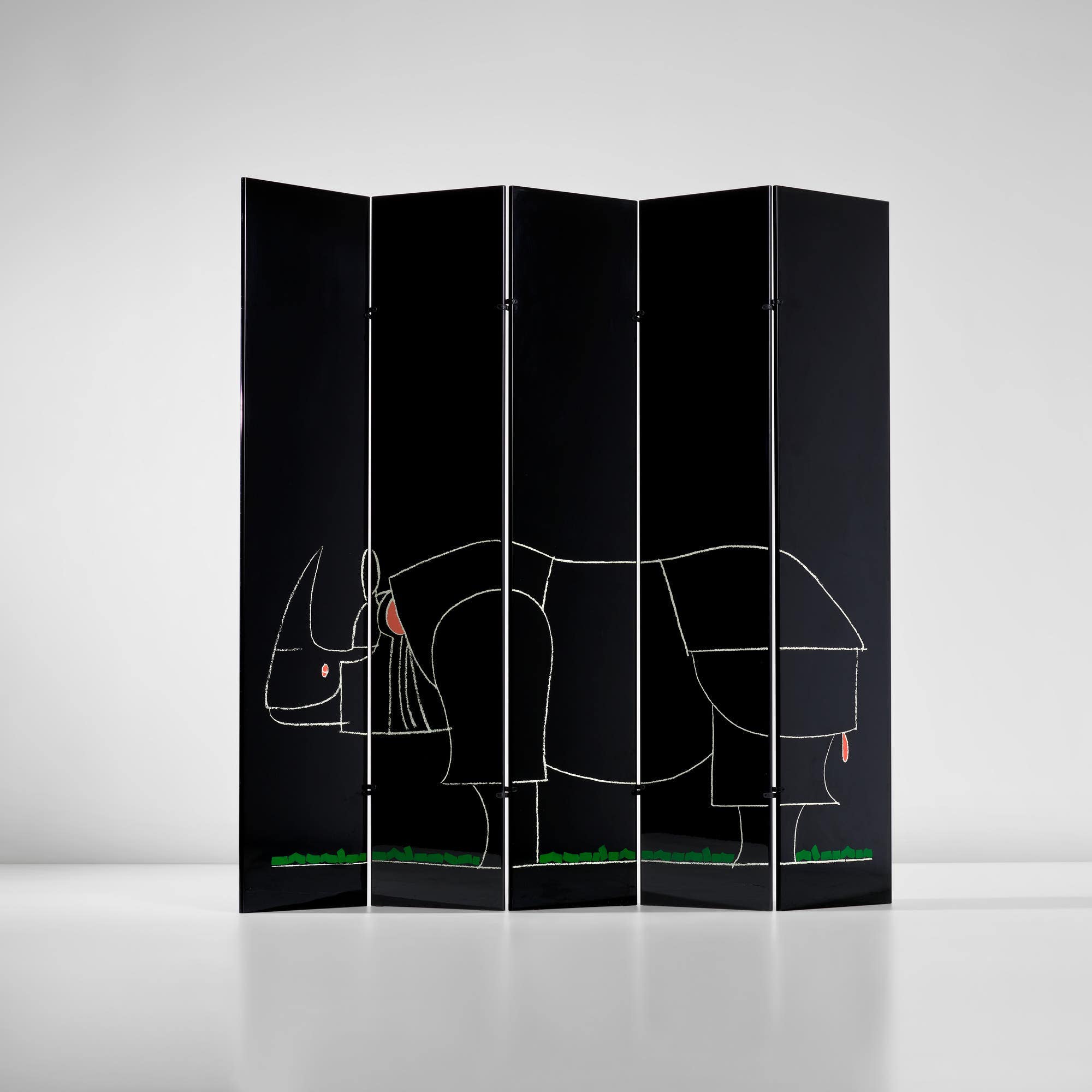
FRANÇOIS-XAVIER LALANNE & KAZUHIDE TAKAHAMA, ‘Rhinoceros’ five-panelled screen from the ‘Ultramobile’ series, circa 1976. Design, London.
I’ve always loved screens. They’re one of the most underrated pieces of furniture because they can completely transform the architecture of a room. A screen can create intimacy, divide a space, provide a backdrop or simply stand as a beautiful piece of art. I love this one because it’s quite theatrical, but the drawing itself is wonderfully restrained. I used this screen in my design for the residential reception area at 180 The Thames.
The black background makes it feel incredibly graphic, and I love the simplicity of the line drawing. It’s a great example of something being both functional and decorative. I often think about how furniture can be used to create rooms within rooms, particularly in large, open spaces. A beautiful screen is a wonderful way of doing that without building a wall.
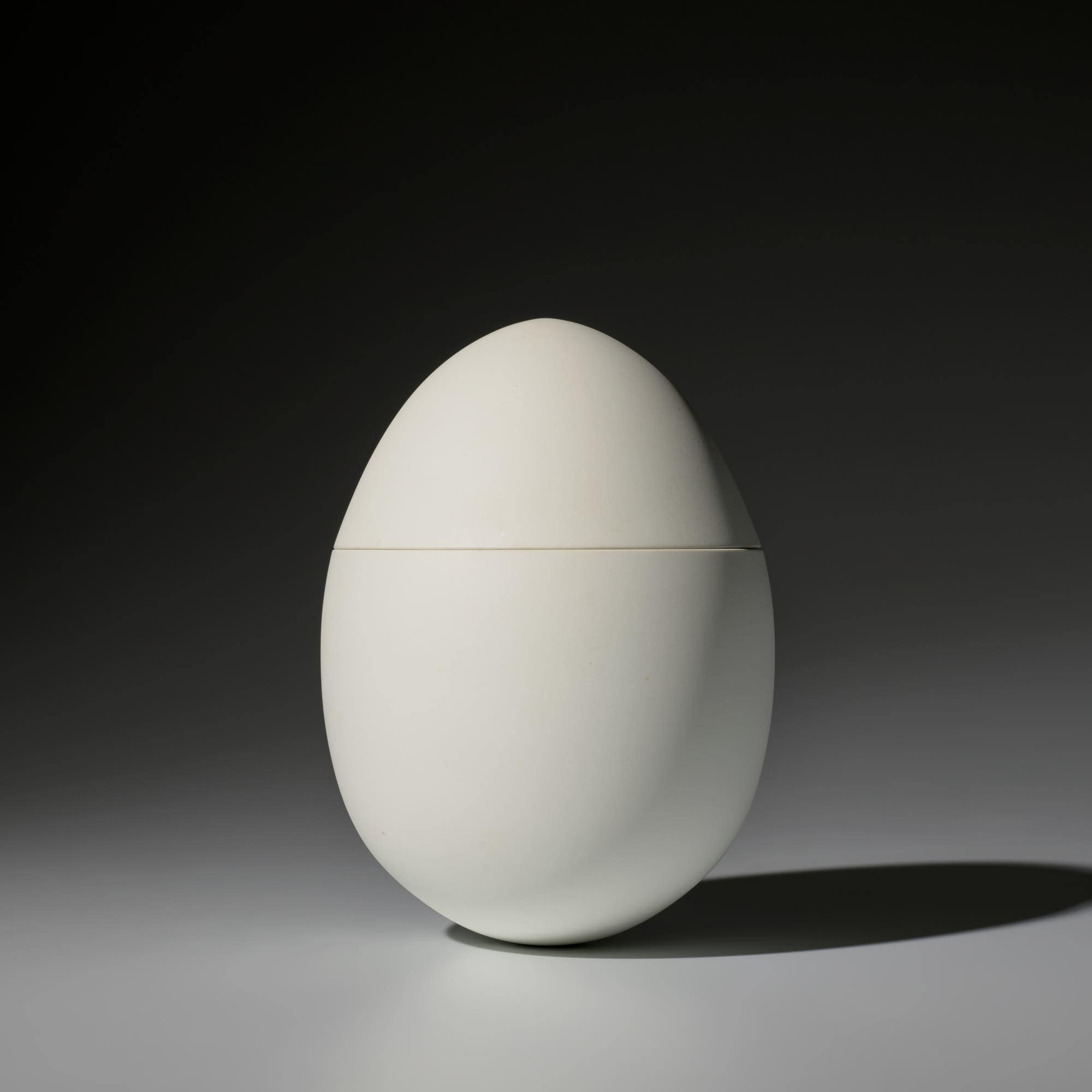
FRANÇOIS-XAVIER LALANNE, Ice bucket, designed circa 1967, executed 1979. Design, London.
There’s something so incredibly simple and beautiful about Lalanne’s work. What’s extraordinary is that even when there’s almost nothing to a piece, you can immediately recognise that it’s something special. I particularly love the practicality of this ice bucket, and the fact that it still comes in its original box. It’s a functional object, but it sits like a little sculpture, which is something I absolutely adore. I love furniture and objects that have a purpose but are also beautiful in their own right.
There’s a wonderful sense of humour to it too. This enormous ostrich egg, so smooth, tactile and almost precious. It has this wonderful delicacy, like a real egg, something you instinctively want to pick up and hold carefully, and yet it’s actually an ice bucket.
I think that combination of beauty, humour and practicality is what makes Lalanne’s work so extraordinary. There’s something quite magical about taking an everyday object and turning it into something sculptural, without losing its function. It’s playful but incredibly sophisticated, and I think that’s a very difficult balance to achieve.
OSVALDO BORSANI
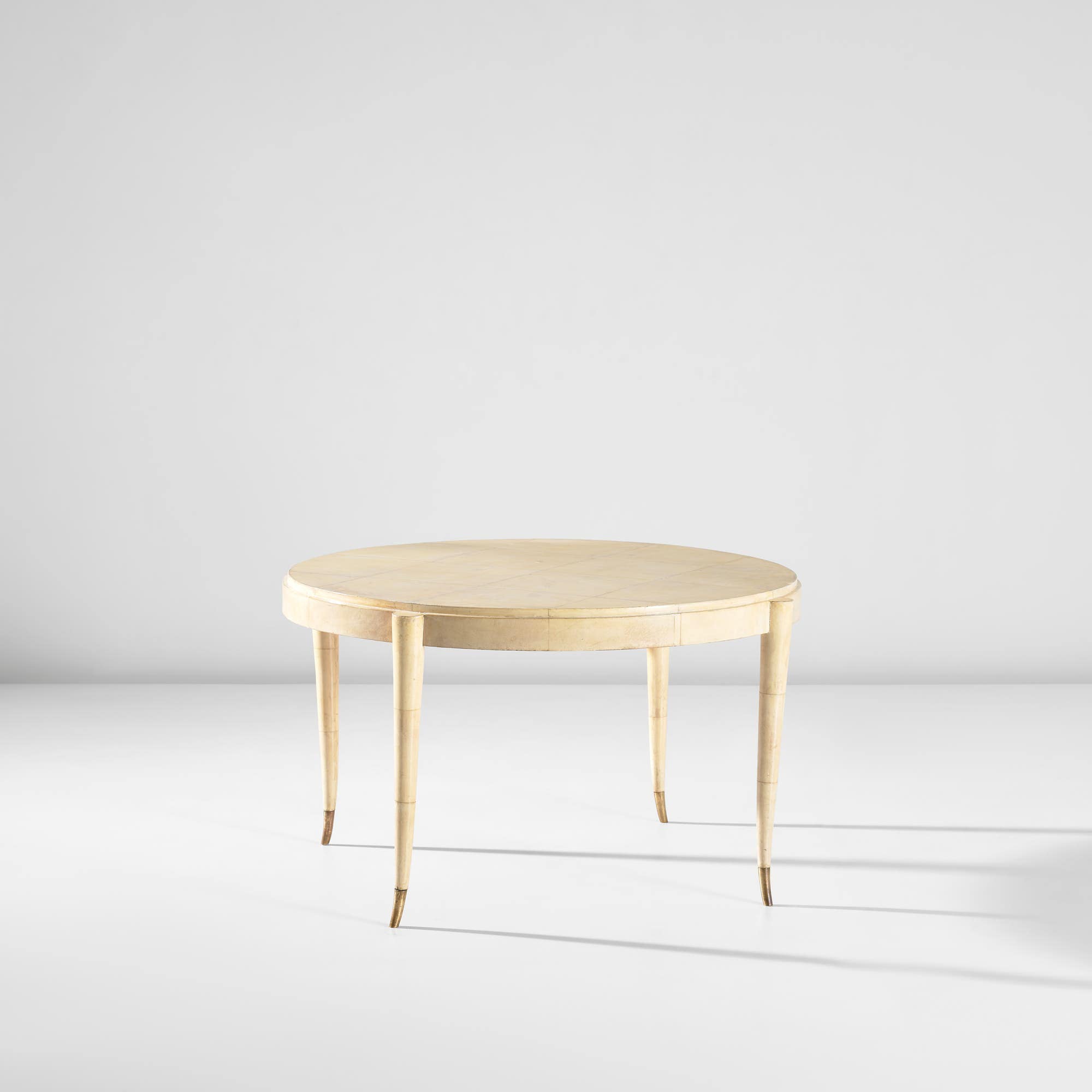
OSVALDO BORSANI, Coffee table, circa 1942. Design, London.
There’s something so incredibly elegant about this table. It’s beautifully simple, but it really holds its own in a room. I love the very slight curve of the legs and the delicate metal detailing at the feet. It’s those tiny details that make something feel so considered and special.
There’s a real femininity to it, something very graceful and almost delicate, but at the same time it has such a quiet confidence. It’s incredibly refined without feeling precious or overly decorative. I think effortless elegance is probably the best way to describe it. Nothing feels forced or overdesigned. The proportions are just right, and it has this wonderful lightness to it.
I love furniture that can hold a space without dominating it. This is exactly the sort of piece that can completely change the feeling of a room without demanding attention. It’s understated, but there’s something quite captivating about it. I think that’s often the mark of really beautiful design. It doesn’t need to do very much to make an impression.
LUCIE RIE
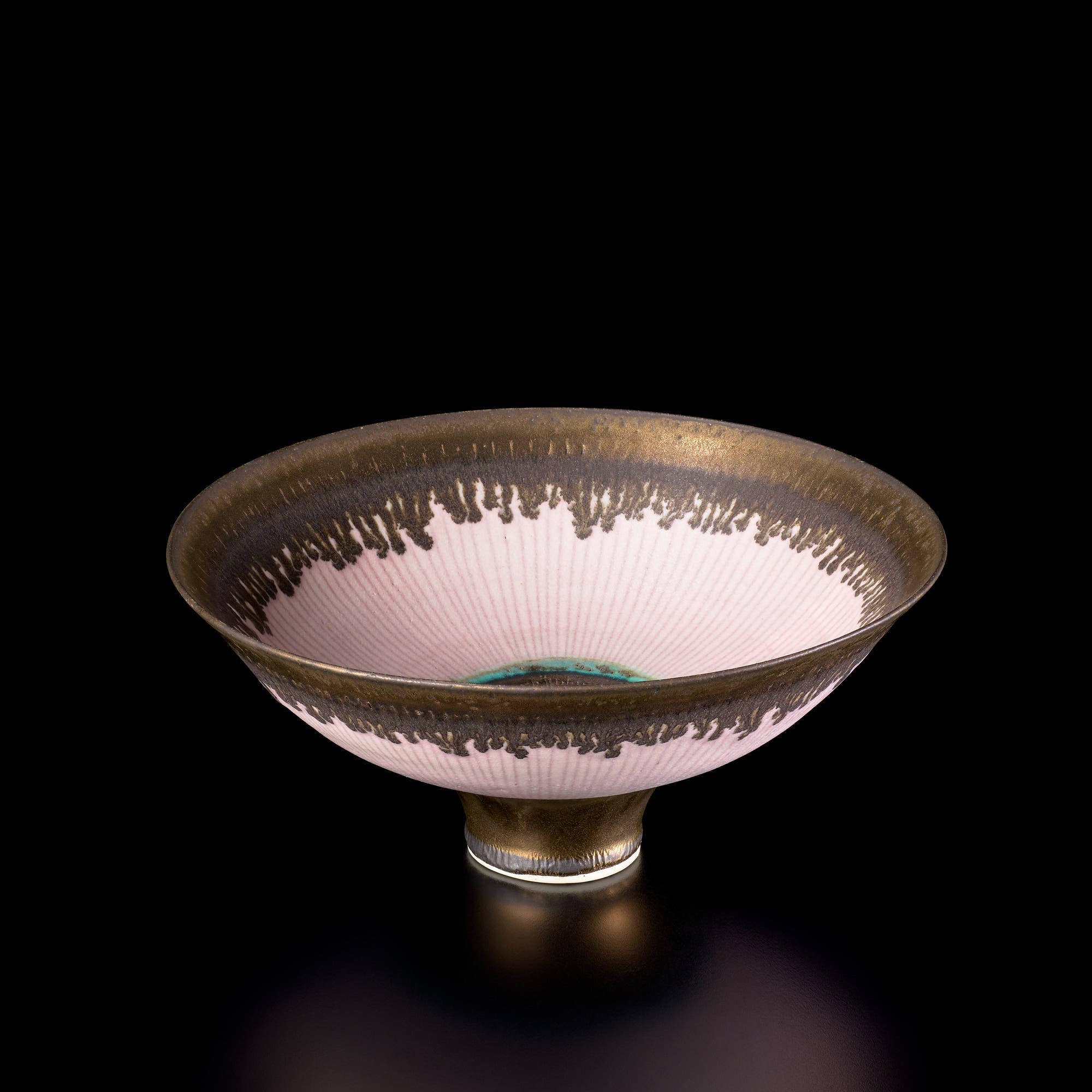
LUCIE RIE, Footed bowl, circa 1980. Design, London.
I absolutely adore ceramics. I think they bring something incredibly human into a room. There’s something wonderful about objects that have been made by hand. You feel the relationship between the maker and the material.
Lucie Rie’s work is extraordinary because it’s so restrained, but there’s always so much happening in the texture, glaze and colour. I love the beautiful simplicity of this bowl, and the way the different colours almost look like a painting. I often use ceramics in interiors because they’re a wonderful way of introducing colour without overwhelming a space.
I also think beautiful objects don’t necessarily need to be displayed in a formal way. I love seeing an extraordinary ceramic bowl sitting casually on a table, alongside books or flowers.
DONALD JUDD
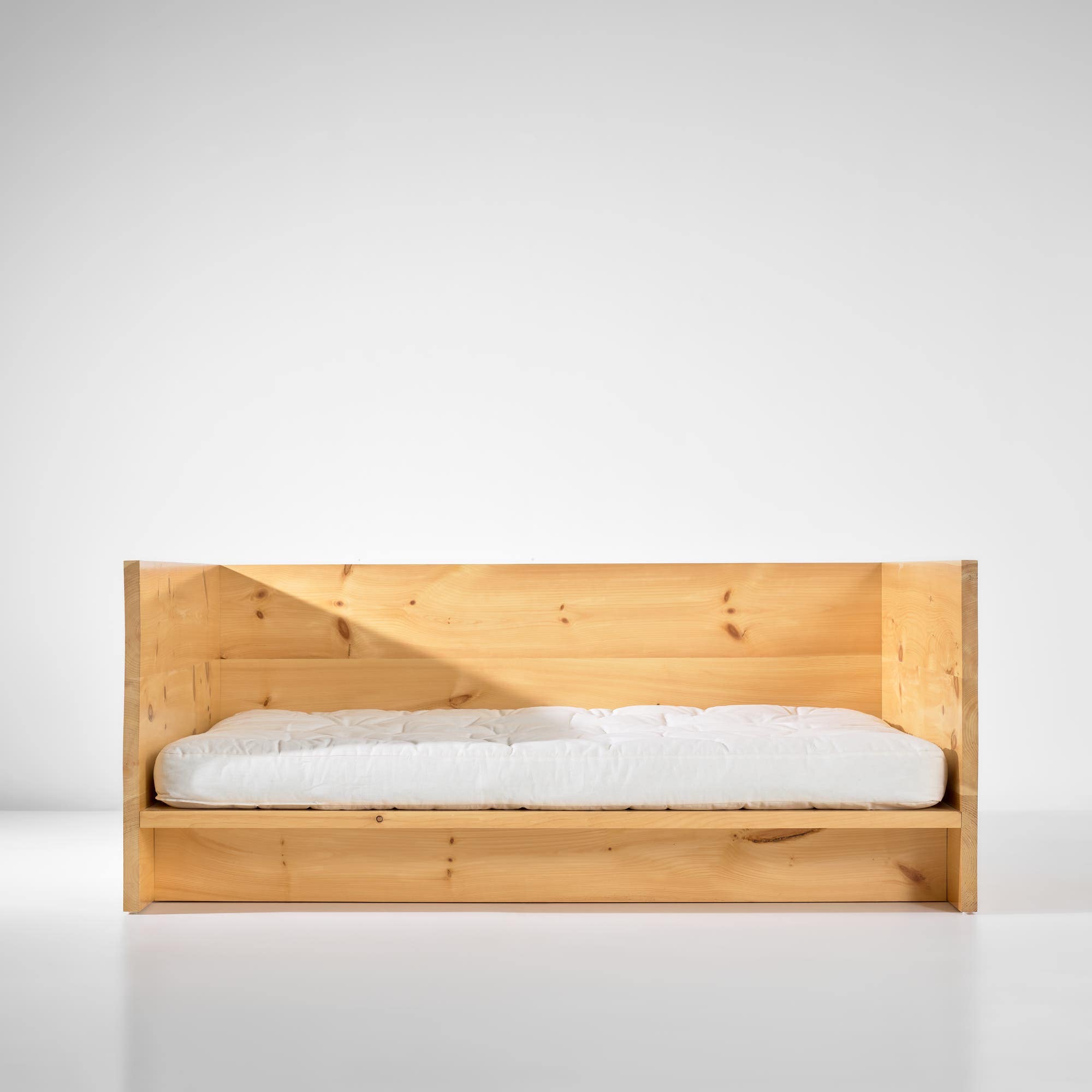
DONALD JUDD, ‘Library Bed 15’, designed 1979, produced 2008. Design, London.
We use Donald Judd’s furniture a lot in our projects. I find the industrial, utilitarian quality of his work incredibly beautiful. It’s so simple and minimal, and I love his use of quite intentionally unprecious materials. There’s nothing unnecessary or overly decorative, and yet the pieces have such a strong presence.
Judd’s daybeds are iconic. They’re incredibly beautiful, but they’re also wonderfully practical and functional. They can act as a room divider, a bed, a sofa, or simply somewhere to sit and read. I love that versatility, the idea that a piece of furniture doesn’t have to serve just one purpose.
I also love the hardness and geometry of his work. It brings a certain edge to a room, which I think is sometimes really important in interiors. Particularly when you’re working with softer furnishings, beautiful fabrics or more traditional architecture, something as structured and uncompromising as a Judd piece creates a wonderful contrast. I think that’s often what makes a room interesting, that balance between softness and hardness, old and new, decorative and utilitarian. There’s something incredibly confident about his furniture. It doesn’t try too hard, and I think that’s what makes it so timeless. It’s a wonderful reminder that the simplest things can often have the greatest impact on a space.
I think sometimes people feel they need to fill every space, but I often find that removing things is the most effective thing you can do. You want to give the furniture room to breathe. I also love mixing periods. I don’t think a room should look as though everything was made at the same time or bought from the same place. A beautiful eighteenth-century piece can sit next to something by Donald Judd, or a Giacometti table can work alongside a very contemporary sofa. It’s the unexpected combinations that make a room feel personal.
And I think that’s ultimately what collecting should be about. Not acquiring things simply because they’re important or valuable, but surrounding yourself with objects that you genuinely love.