Article | The Stories That Shine Phillips Jewels Auction New York December 2026
Collections and Provenance: The Stories that Shine
This December, Phillips is honored to present a remarkable array of jewels from collectors with historical and cultural significance echoing across eras.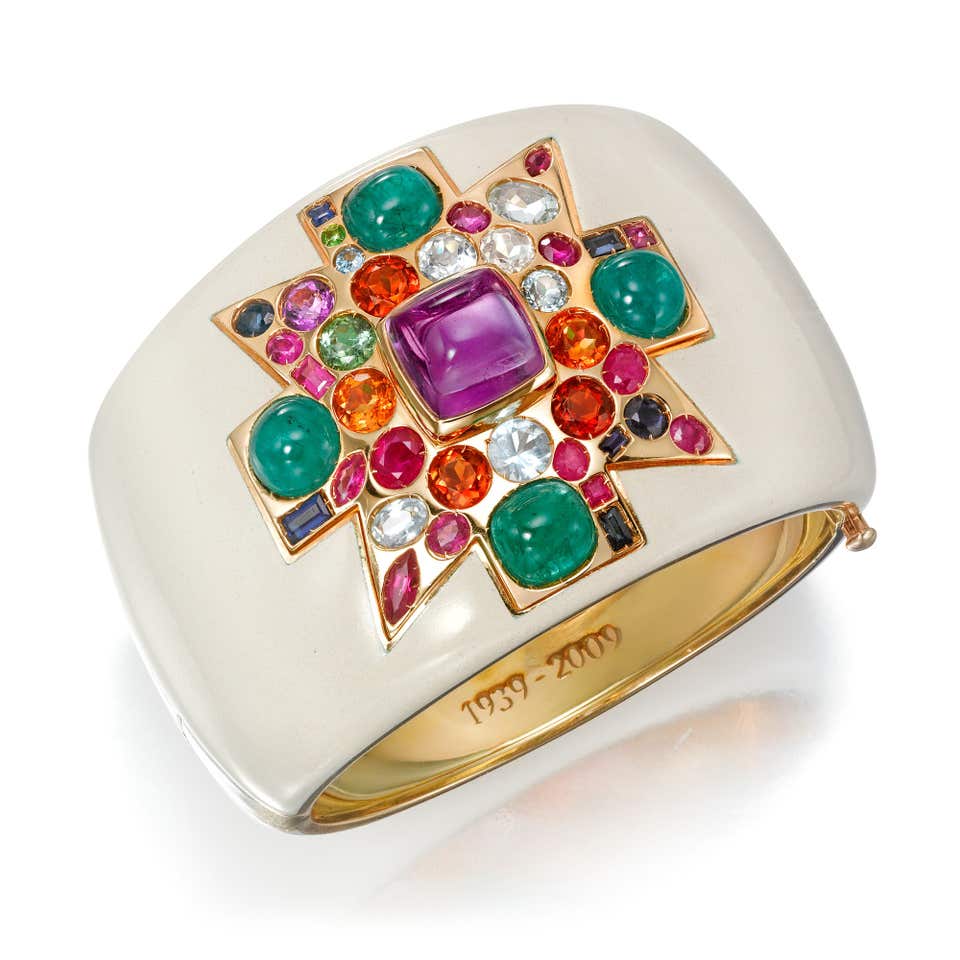
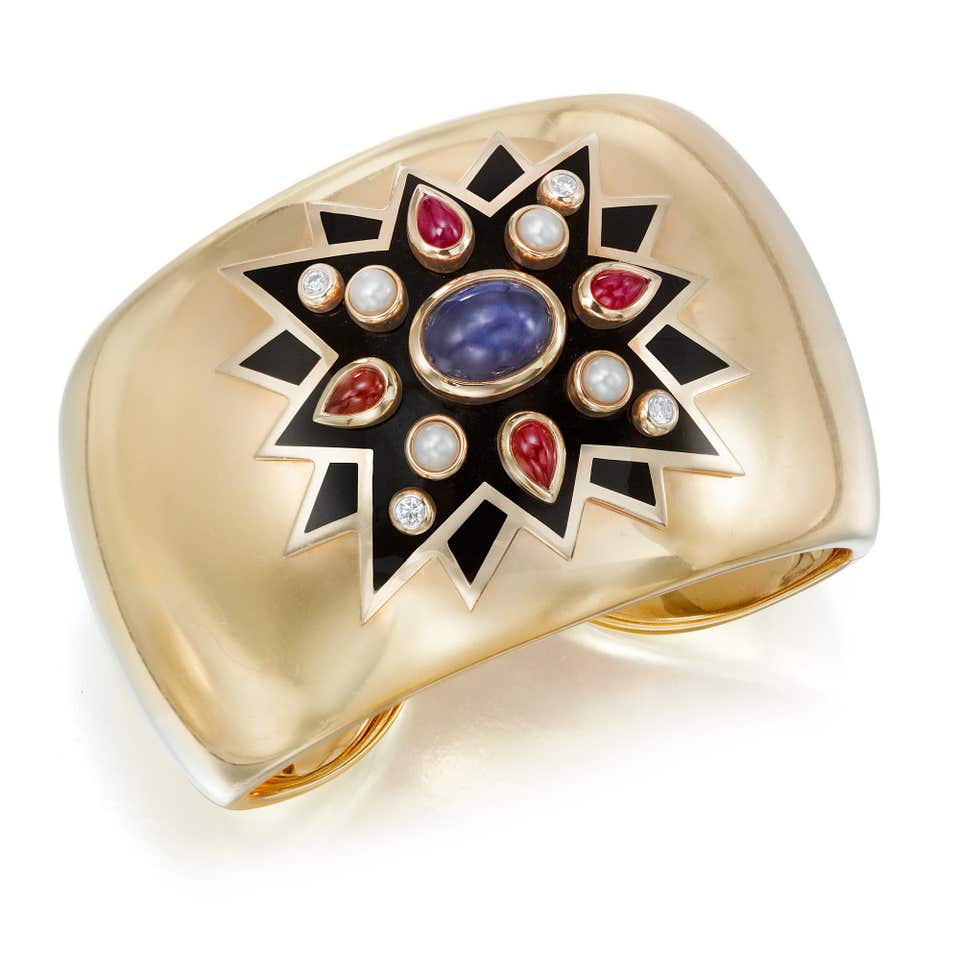
VERDURA, Multi-Gem and Enamel Bracelet, 'Maltese Cross'. Estimate: $30,000–40,000. The New York Jewels Auction.
With each auction season comes a new range of jewels with incredible stories behind their creation, history, cultural legacy, and so much more. Below, we highlight three collections that each stand as exceptional jewels in their own right and, together with the stories they tell us about their legacies, offer an enchanting overview of the works on offer at the New York Jewels Auction this December.
Iconic Jewelry from the Collection of Dede Moss
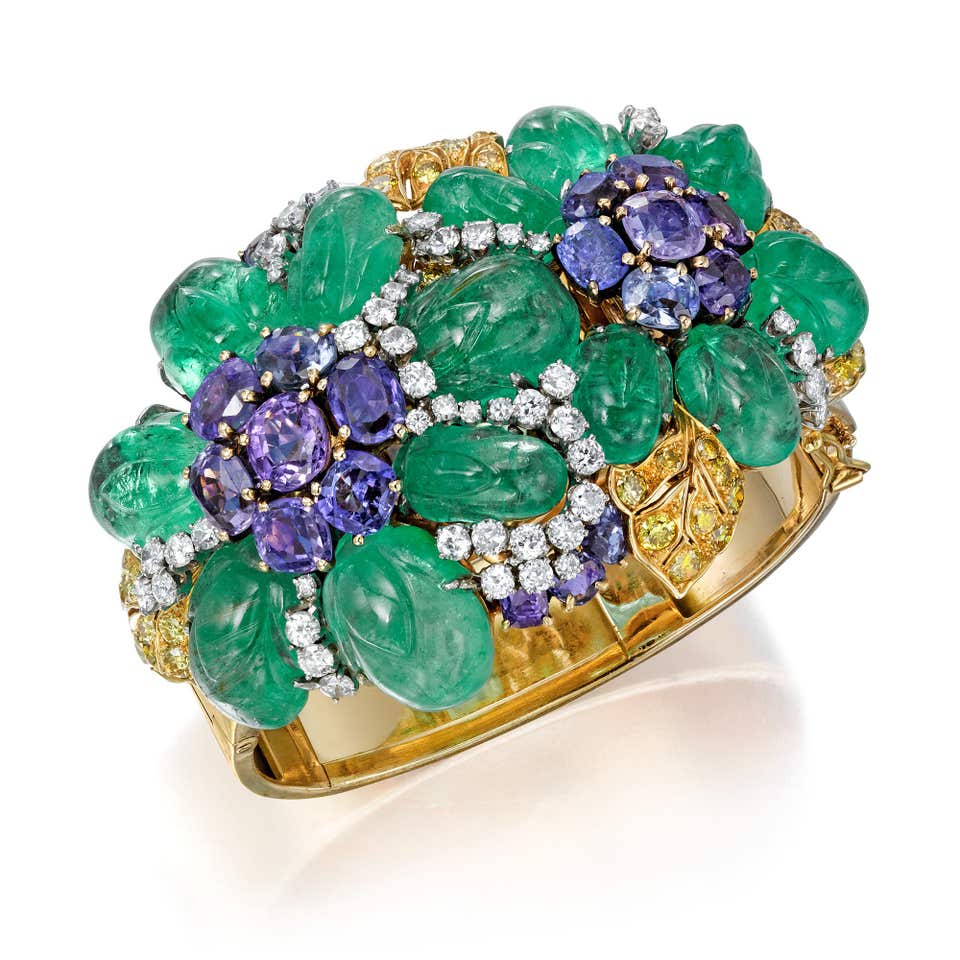
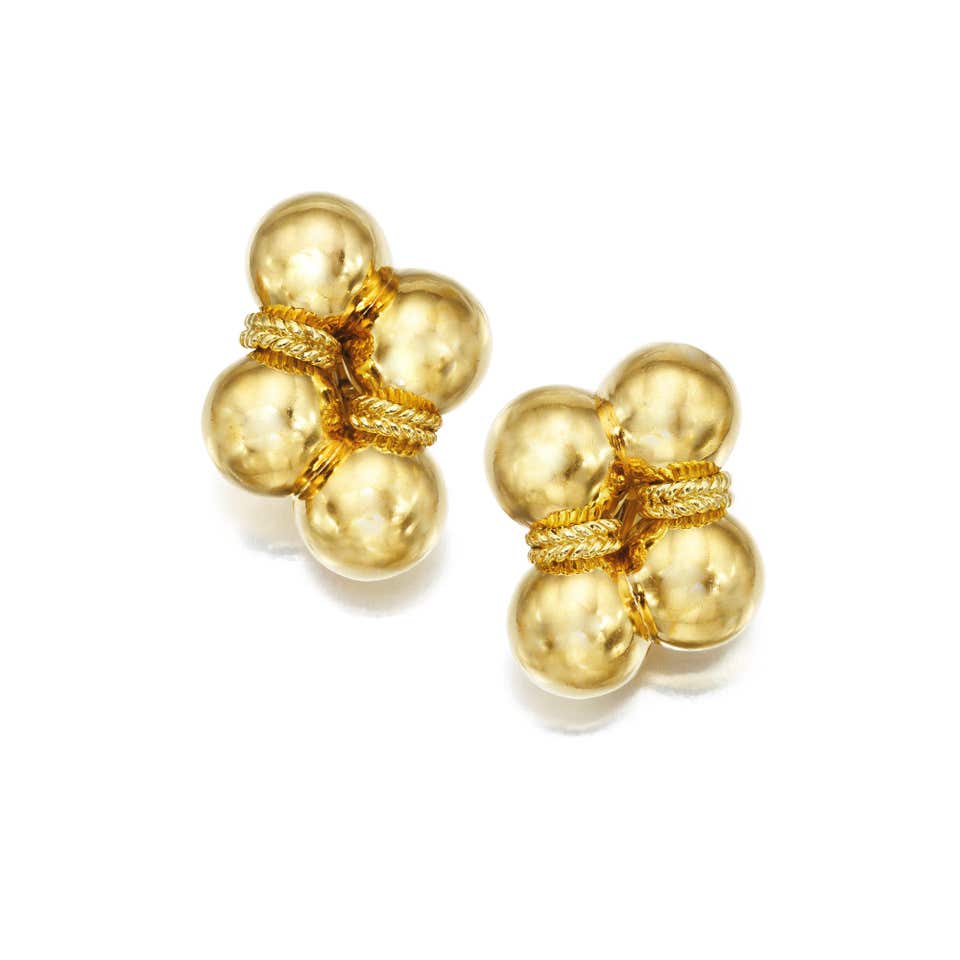
Carved Emerald, Sapphire and Diamond Bracelet, 1940s
Estimate: $15,000–25,000. The New York Jewels Auction.
Beauty, glamour, and a cultivated appreciation for the arts were woven into the fabric of Dede Moss's life from an early age. As the great-niece of the legendary cosmetics entrepreneur, collector, and patron Helena Rubinstein, she inhabited a world in which beauty, creativity, and intellectual curiosity were deeply intertwined. Dede possessed an innate sense of style, distinguished by elegance and a discerning eye. In her later years, Dede and her husband, Bob Moss, made Miami their home, continuing their shared commitment to philanthropy, collecting, and the arts. Together they championed cultural initiatives throughout the city, supporting institutions such as Pérez Art Museum Miami and Locust Projects, the city's longest-running alternative art space. This collection stands as a testament to a life shaped by generosity and an enduring passion for the arts.
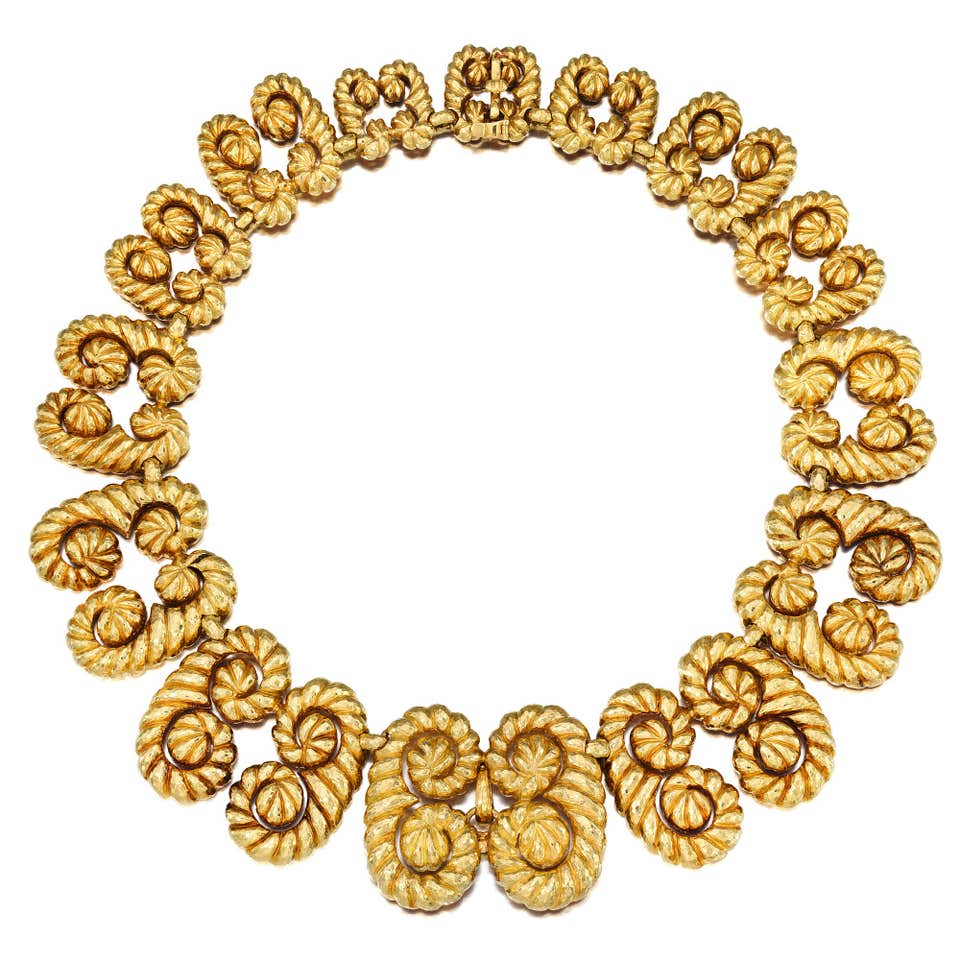
The present collection reflects these qualities with jewels by some of the century's most celebrated designers, including René Boivin, Verdura, and David Webb. These jewels embody the spirit of a woman who understood jewelry not merely as adornment, but indeed as an expression of personality and connoisseurship. The Verdura bracelet is a particular standout, as part of the house’s anniversary 'Maltese Cross’ set with a sugarloaf cabochon amethyst, cabochon emeralds and variously-cut aquamarine, citrine, ruby, sapphire, amethyst and green garnet together shining brilliantly against the off-white enamel.
An Opera Diva’s Off-Stage Jewels
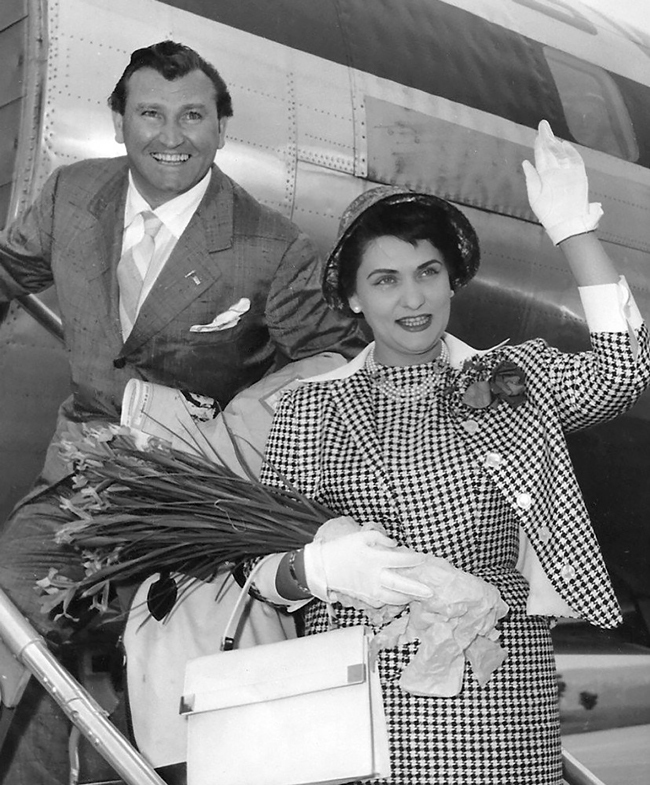
Virginia Zeani and Nicola Rossi-Lemeni.
Virginia Zeani remains one of the most important opera singers of the 20th century, having sung on the most important stages, including La Scala, where she debuted in 1956, Covent Garden in 1960, and the Metropolitan Opera House in 1966. Both Luciano Pavarotti and Placido Domingo sang their debuts with her. Her signature role was Violetta in La Traviata, which she performed over 640 times. In 1982, she and her husband began teaching operatic singing at one of America’s top music programs, Indiana University's Jacobs School of Music, where they were both honored as Distinguished Professors before Virginia Zeani retired to Palm Beach, Florida. Her husband, Nicola Rossi-Lemeni, was an Italian bass opera singer, and they performed together as Cleopatra and Caesar at Zeani's La Scala debut in Handel's Giulio Cesare.
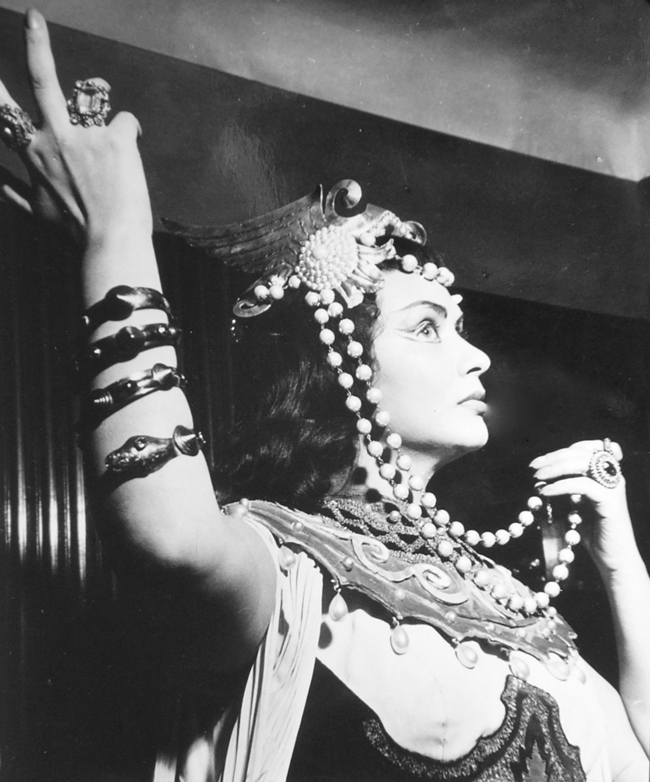
Virginia Zeani onstage as Cleopatra.
Performing around the world and meeting dignitaries and other celebrities, Virginia and her Nicola naturally dressed fashionably, including in their jewels. Her turquoise, sapphire, and diamond brooch and earrings by Bulgari would have been extremely stylish at the time. A similar Bulgari brooch set with sapphires, emeralds, and diamonds was worn by Audrey Hepburn in the early 1960s. This brooch design has since become a signature and classic of the house of Bulgari. The carved cabochon and diamond dress set is said to have been presented to Rossi-Lemeni by Tyrone Power on the occasion of his marriage.
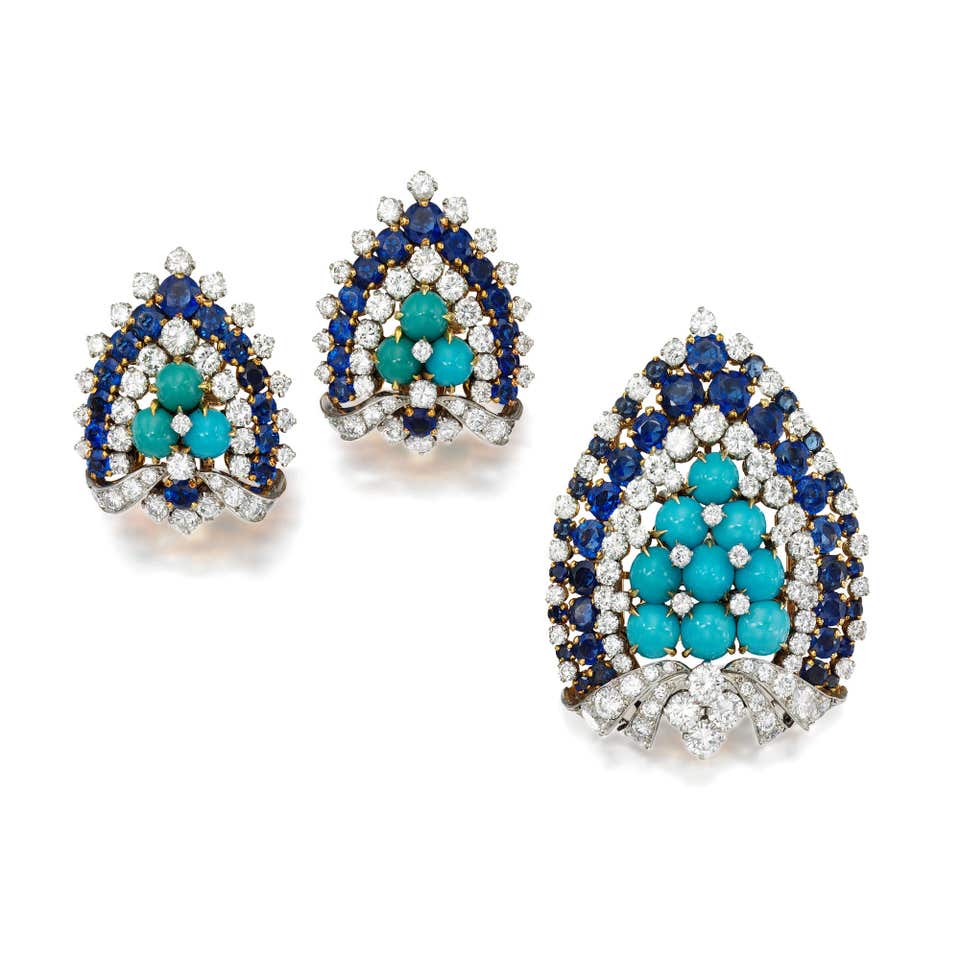
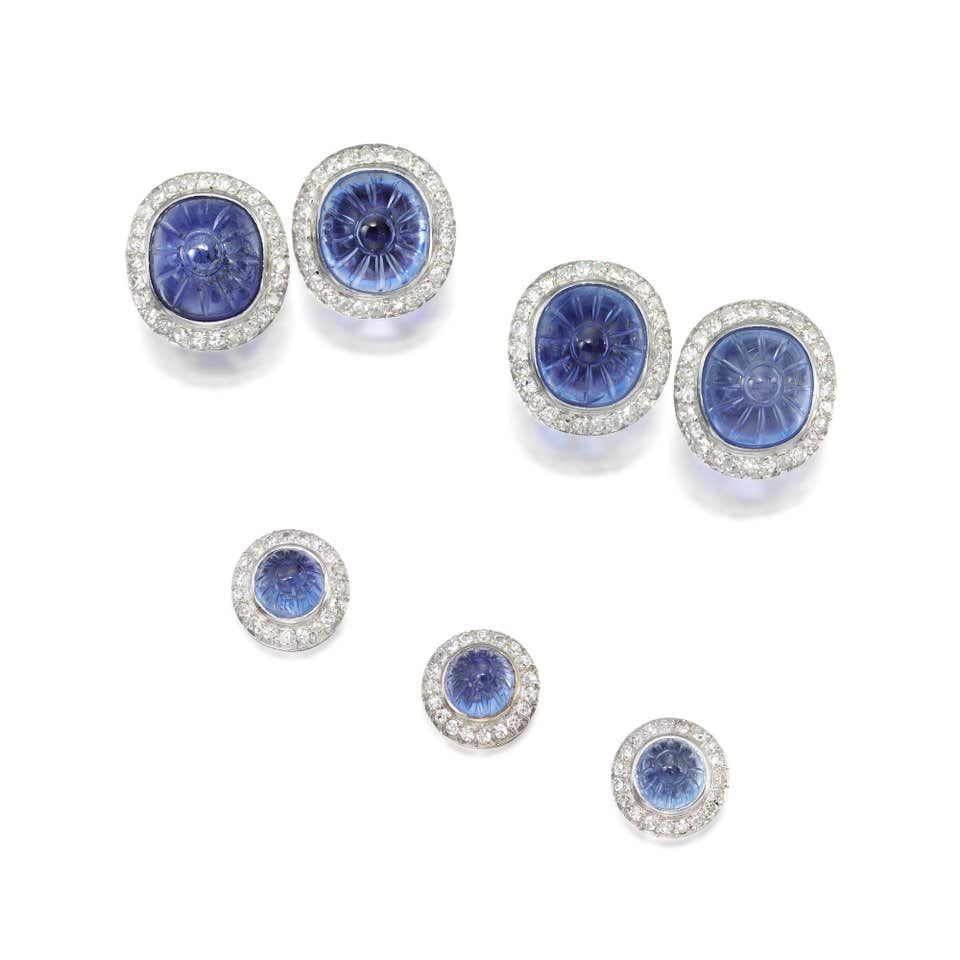
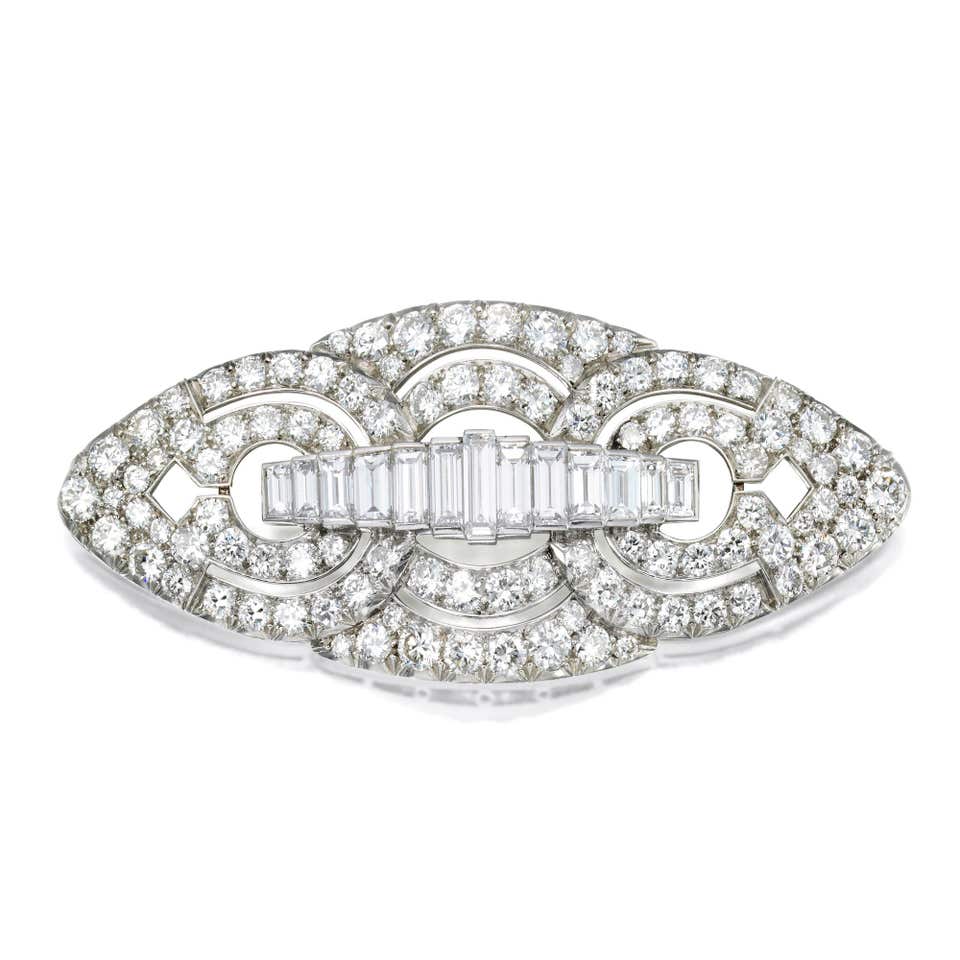
BULGARI, Turquoise, Sapphire and Diamond Brooch and a Pair of Ear Clips, 1960s. Estimate: $20,000–30,000. The New York Jewels Auction.
Phillips is delighted to offer selections from the couple’s collection in lots 112-116 and 126. Virginia Zeani’s musical artistry is captured in the accompanying audio recording:
Virginia Zeani's Traviata — The Great Act 1 Aria, 1968.
Property from a Private Collector, Hollywood Hills
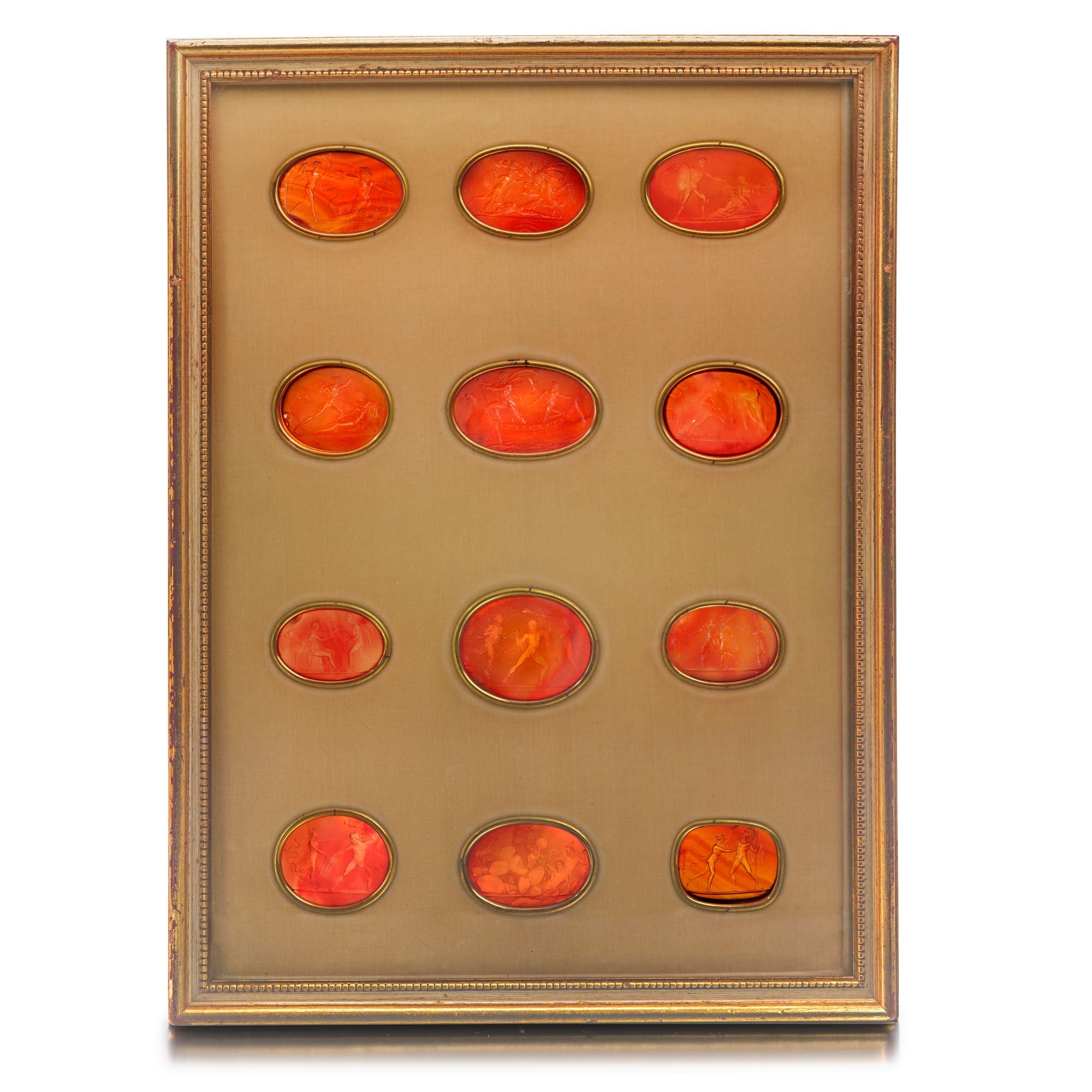
Twelve Framed Hardstone Gem Intaglios Formerly from the Collection of Prince Stanislaw Poniatowski. Estimate: $20,000–40,000. The New York Jewels Auction.
This Hollywood Hills collection brings together a richly varied group of antique jewels, led by twelve gem intaglios from the notable collection of Prince Poniatowski. Other pieces to note are two hardstone cameo rings from the early 19th-century distinguished by their finely engraved gold mounts (Lots 12 and 13), while a vinaigrette with box pendant (Lot 15) reflects the ingenuity and elegance of period accessories. During the Georgian and Victorian eras, women often wore a vinaigrette to ward off fainting from foul odors caused by open sewers, industrial pollution, and horse manure. The pierced metal screen of the vinaigrette would allow for smelling the cotton swab soaked with vinegar or essential oils held beneath. A particularly fine George III diamond and blue glass “Memento Mori” ring (Lot 22) draws on this Latin phrase “remember death,” a sentiment embraced during the Georgian period as a reminder of humility and virtue.
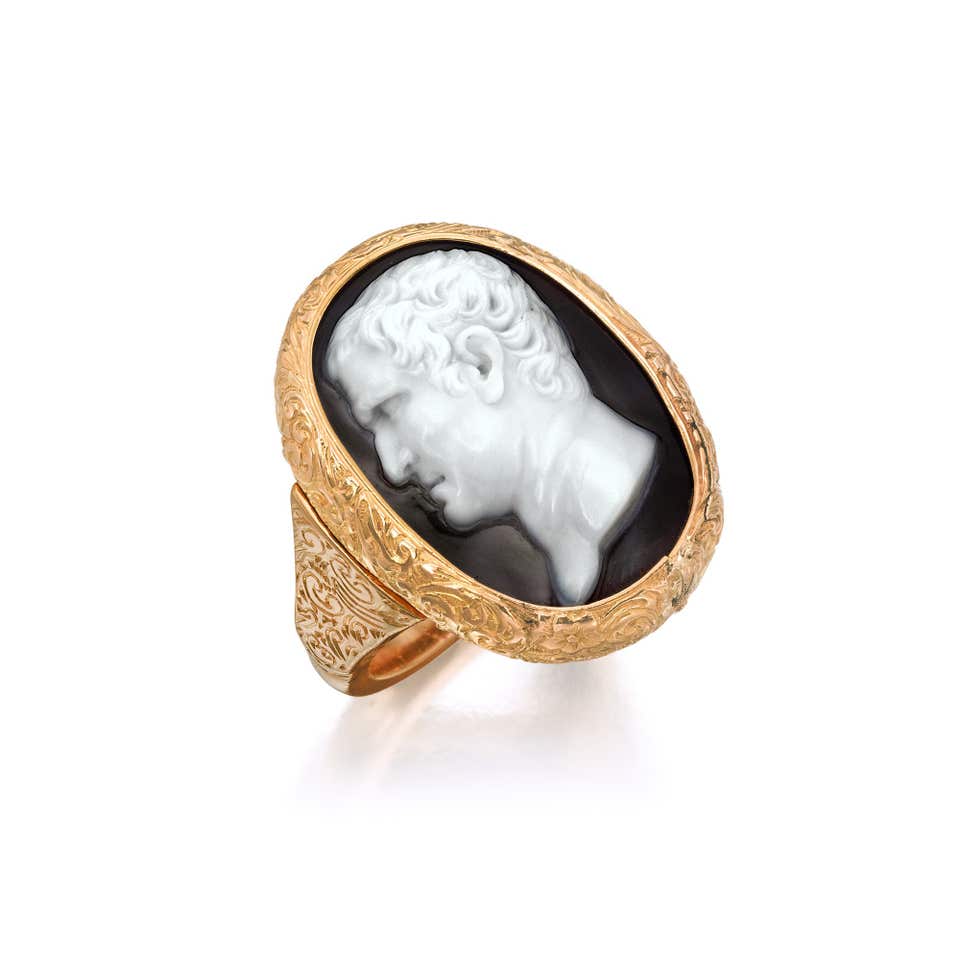
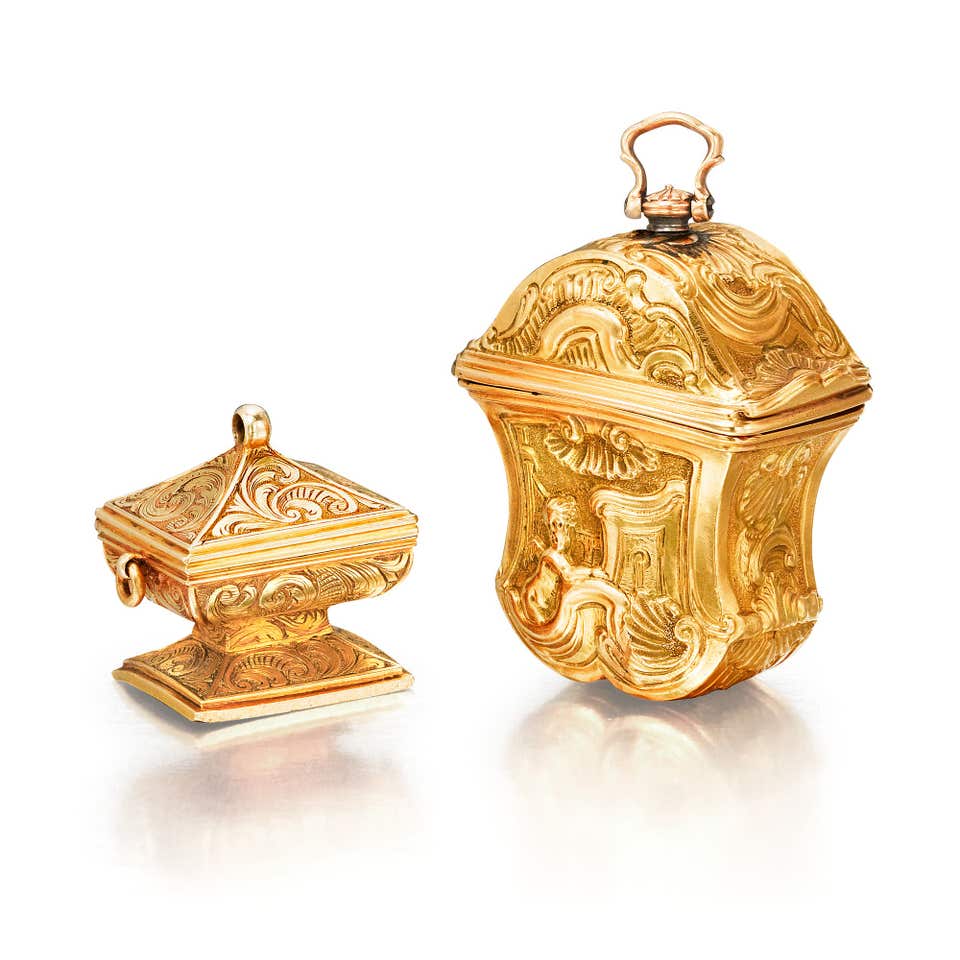
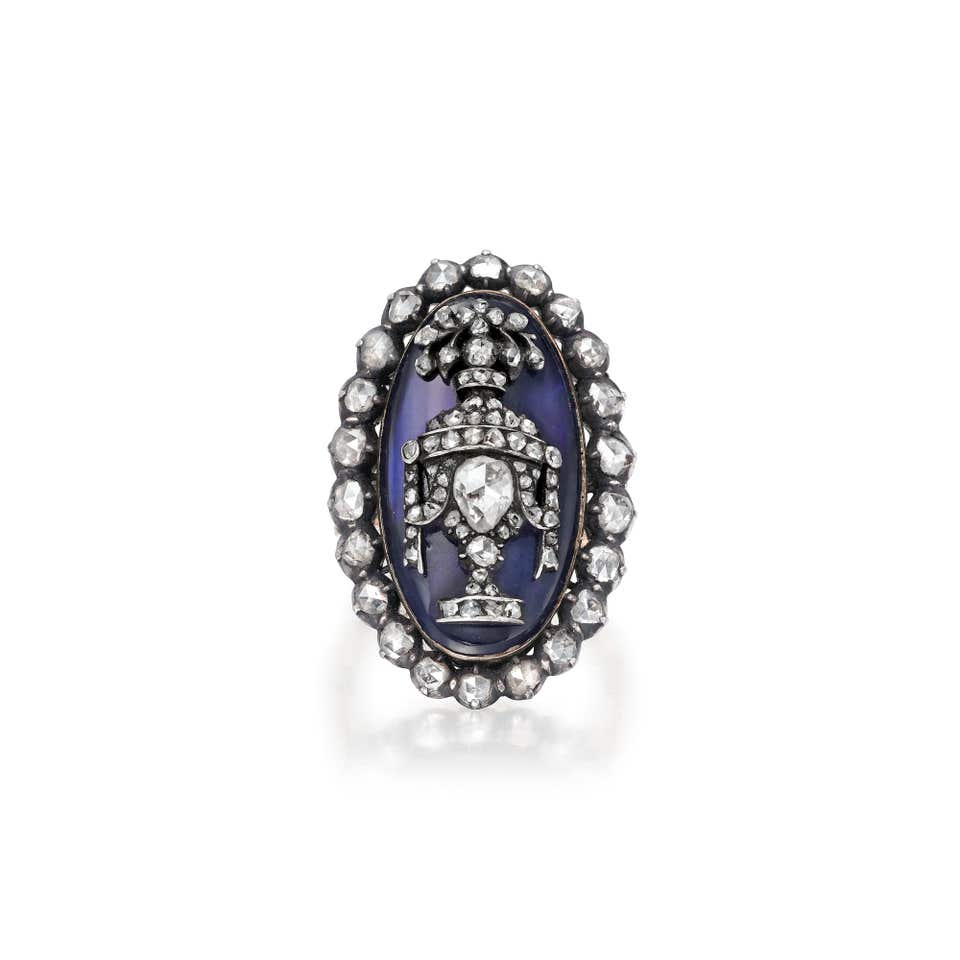
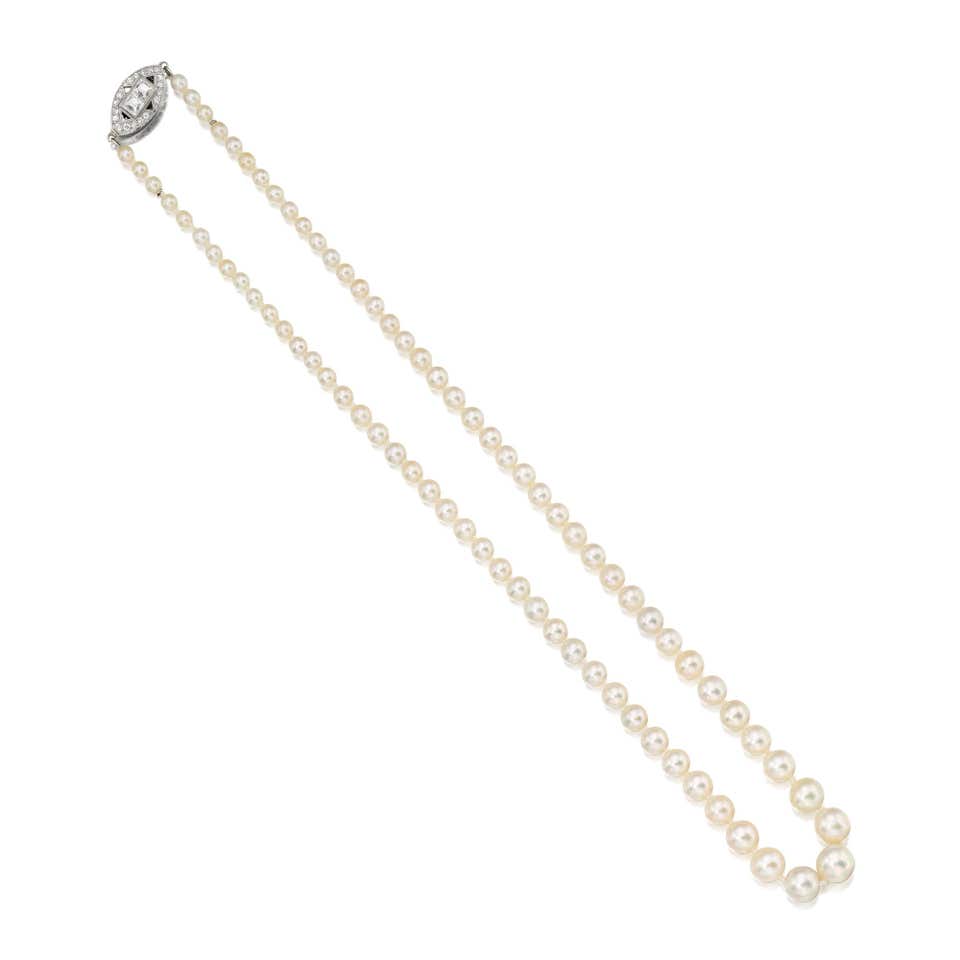
Patriotic jewelry provides another distinctive thread: an exquisite American Flag brooch (Lot 20) celebrates America's red, white and blue with sparkling diamonds, rubies and sapphires leaving politics aside, while a Cartier charm bracelet pays tribute to the service of 'sons' at war and the Dreicer & Co. bow brooch lends a feminine touch to patriotism (Lot 21). Two natural pearl necklaces (Lots 17 and 127) complete the collection, bringing a timeless note to this compelling survey of antique jewelry.
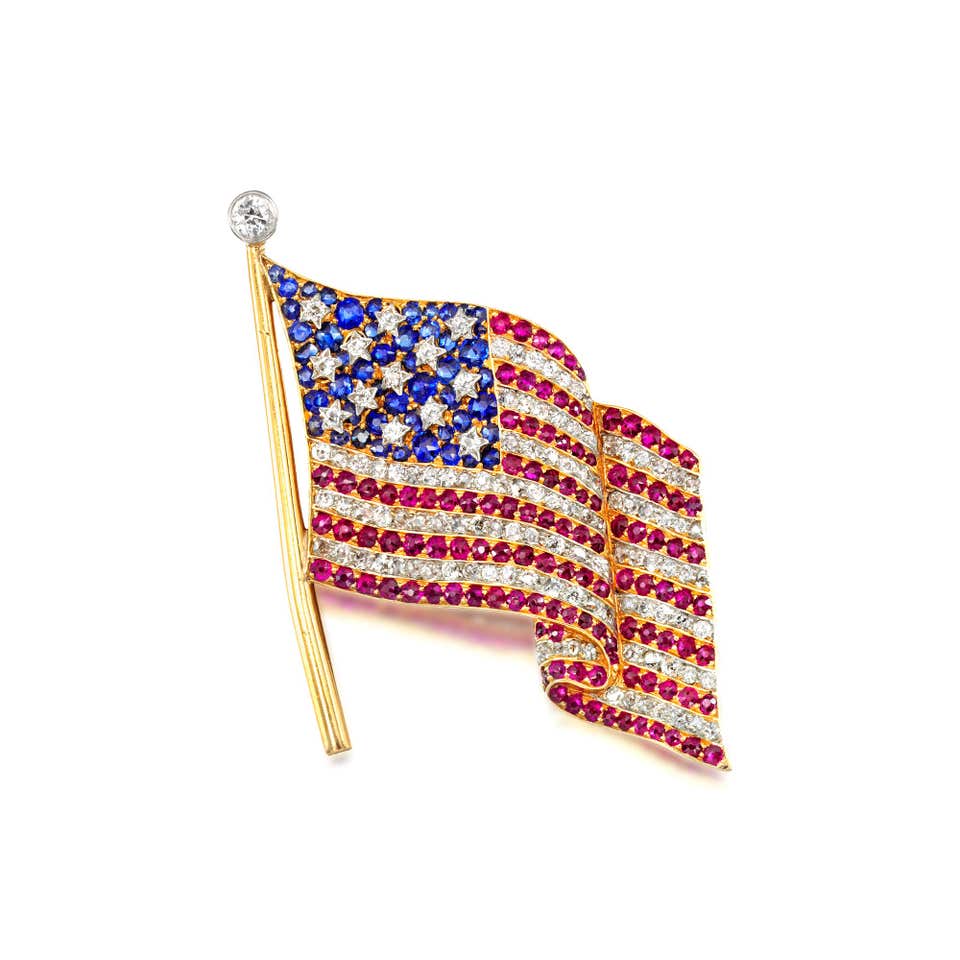
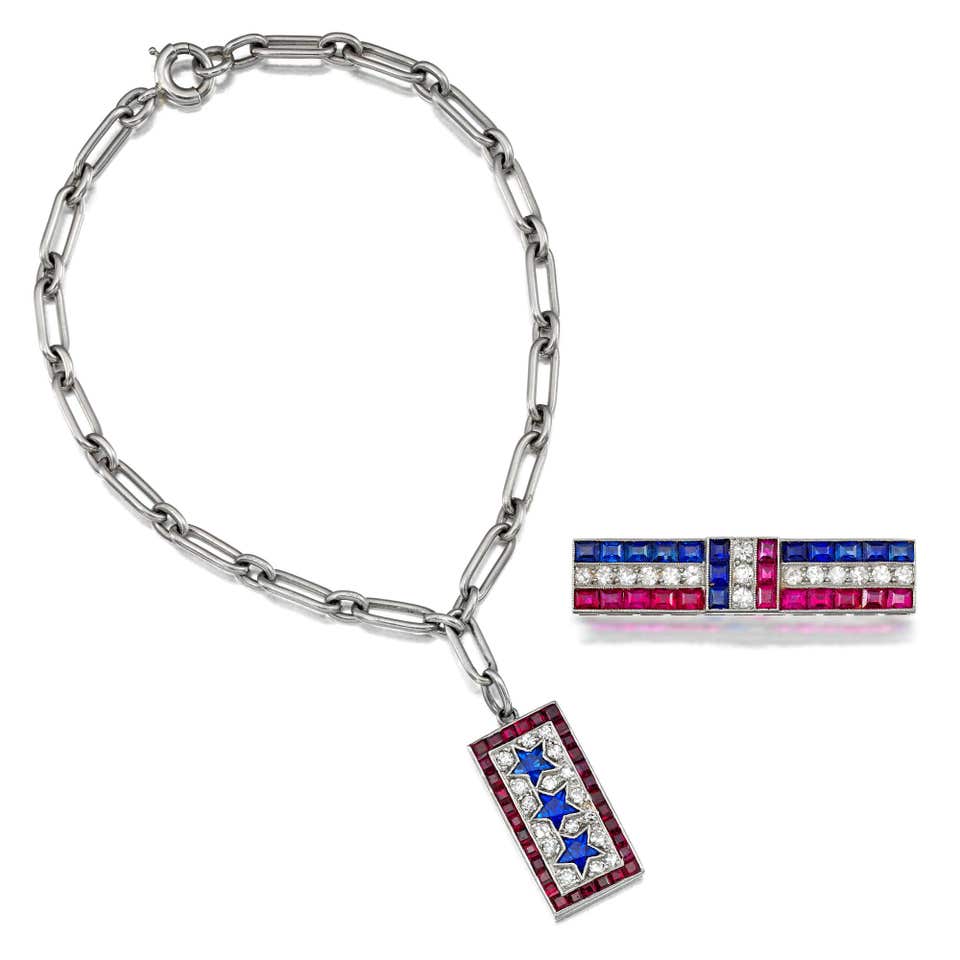
Ruby, Sapphire and Diamond Brooch, late 19th to early 20th century
Estimate: $3,000–5,000. The New York Jewels Auction.
Prince Stanisław Poniatowski (1754—1833), nephew and heir to the last King of Poland, was one of the 19th century’s most ambitious patrons of glyptic art. Inspired by classical literature, mythology, and ancient history, he commissioned an extraordinary series of engraved gems that embodied the artistic ideals of antiquity. Published in his celebrated Catalogue des Pierres Gravées Antiques of 1830, the collection quickly achieved international renown.
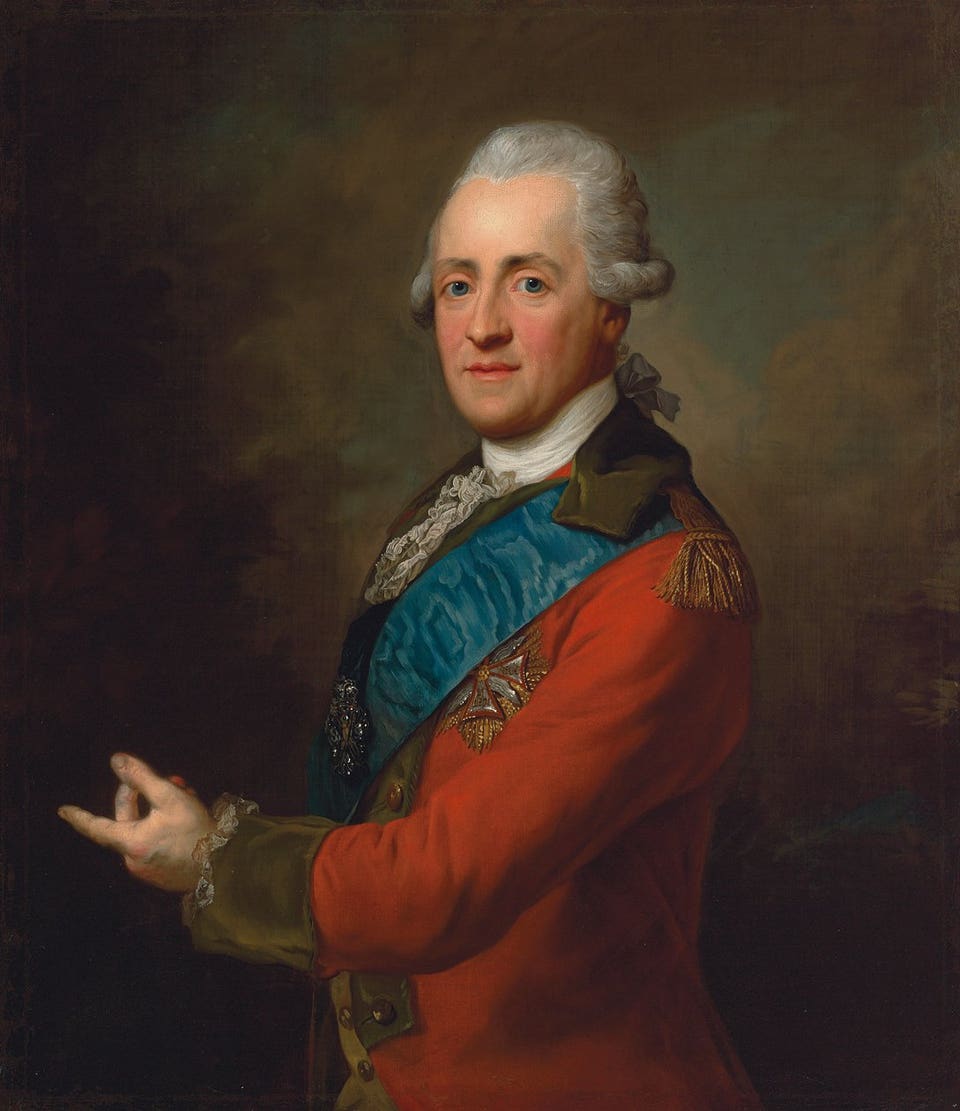
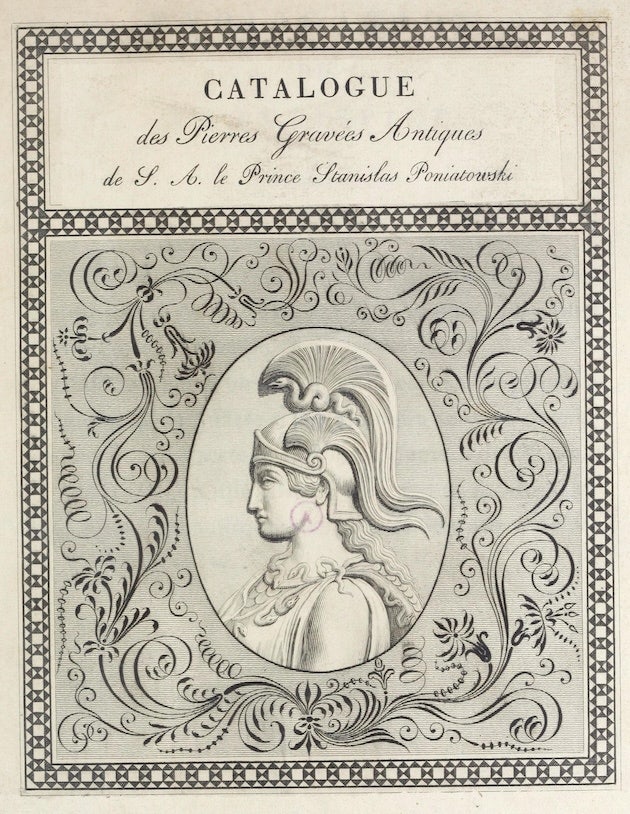
Prince Stanislaw Poniatowski.
After his death, the collection drew controversy when it was discovered to be sophisticated 19th-century creations rather than ancient works. The gems are celebrated today as masterpieces of the Neoclassical period and showcase some of the finest achievements in gem engraving from that period. Admired for their exceptional craftsmanship and inventive compositions taken from Classical literature, Poniatowski gems are highly sought after by collectors and institutions alike.
It is often the case that jewelry reflects its collector’s personality just as much as it does their tastes, but what these groupings show, above all, is how far and wide these jewels can shine, from the gilded page to the opera stage and beyond.
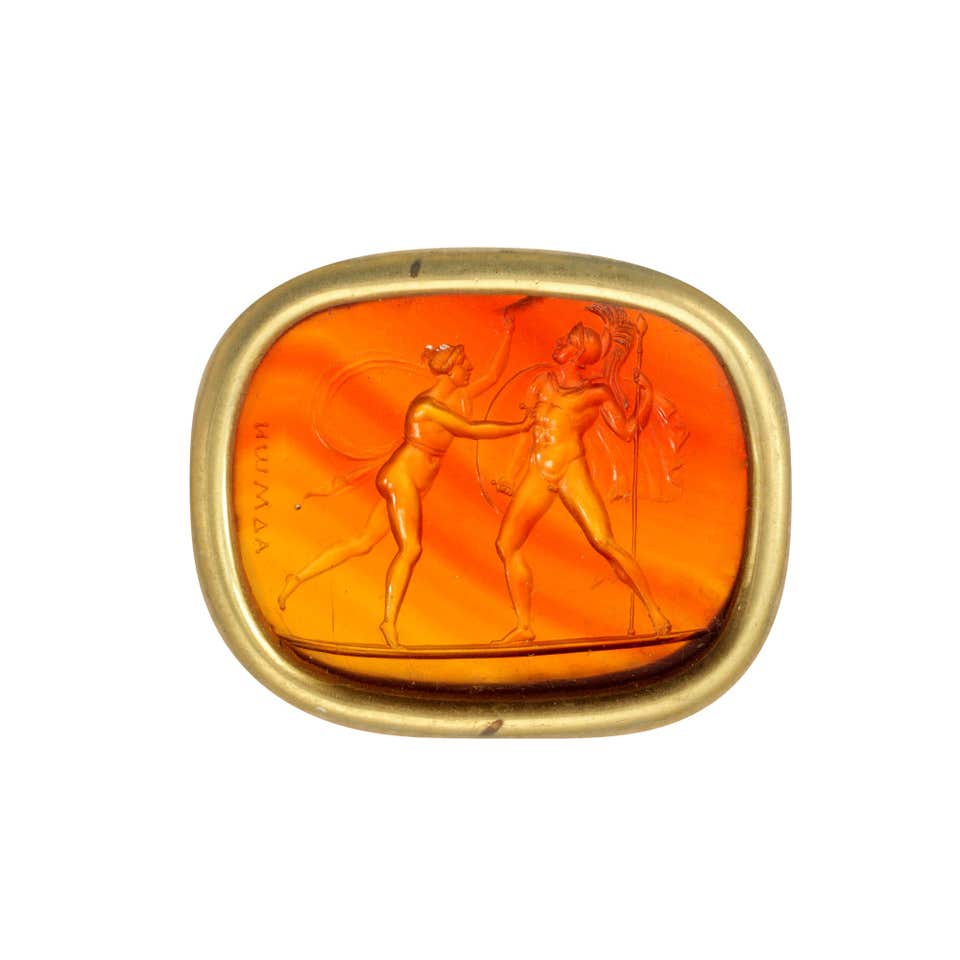
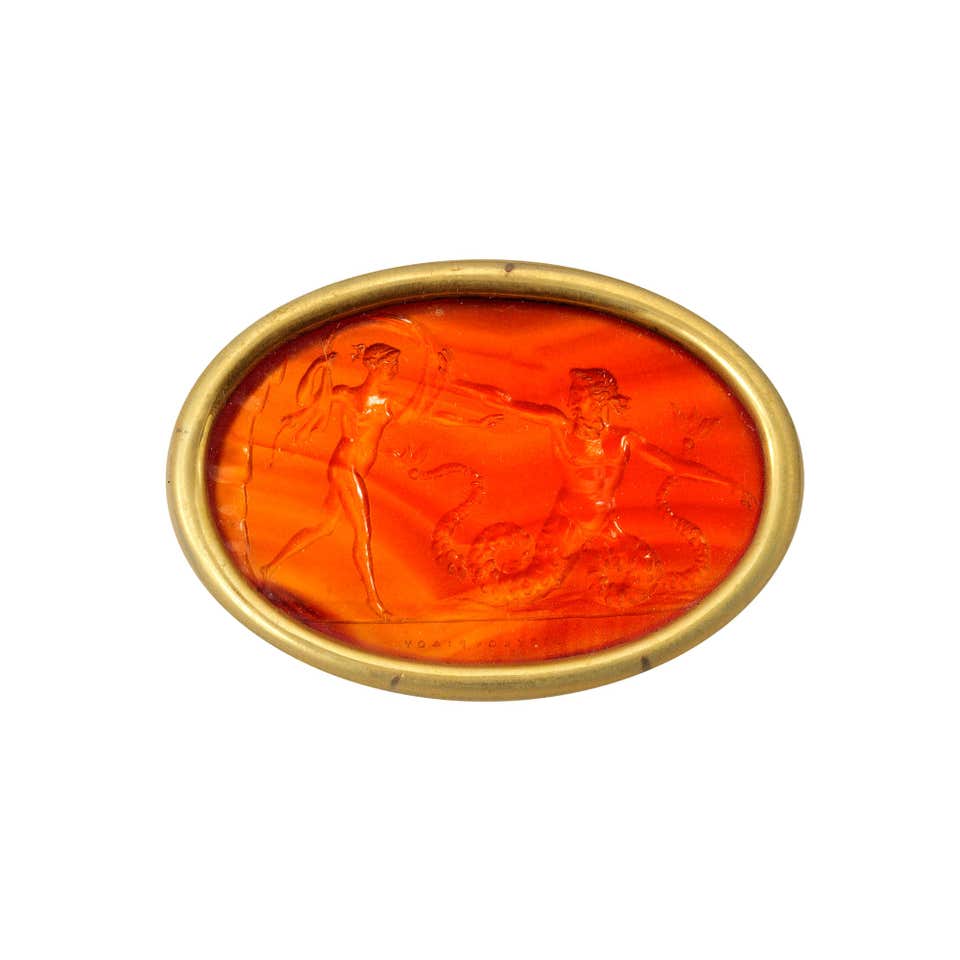
Twelve Framed Hardstone Gem Intaglios Formerly from the Collection of Prince Stanislaw Poniatowski (detail). Estimate: $20,000–40,000. The New York Jewels Auction.