Article | Specialist Picks Modern And Contemporary Art London Auction December 2026
Specialist Picks: All Wrapped Up
Before the hammer falls on 2026, London's Modern & Contemporary Art team is back for one more.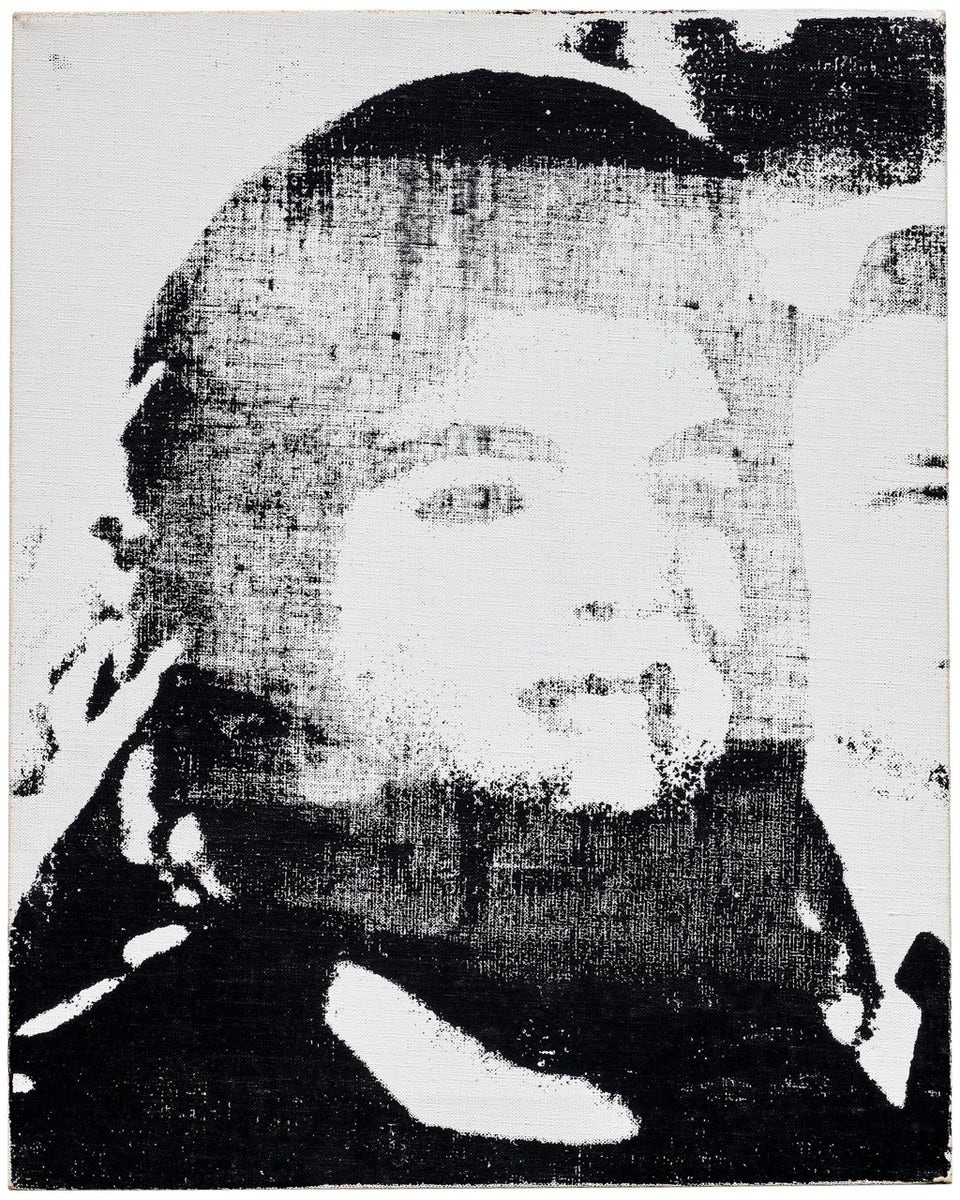
ANDY WARHOL, Jackie, 1964. Modern & Contemporary Art, London.
Andy Warhol
Babak Ibbetson, Researcher & Writer
Warhol created Jackie at an important historical moment. It was realised in 1964 in the aftermath of John F. Kennedy’s assassination on 22 November 1963. Warhol responded to the tragedy by turning to the President’s wife, Jackie Kennedy. Known and beloved, following the death of her husband, all eyes were on the First Lady, her visage proliferated across print and television, embodying collective grief after an event that shocked the nation and the world.
From the vast number of images in newspapers and magazines, Warhol narrowed down eight photographs of Jackie snapped before and after President Kennedy’s death, spanning the full arch of the incident. Tightly cropped to entirely focus on Jackie’s expression, she becomes a manifestation of tragic celebrity, media frenzy and the transformation of public figures into symbols of an event or age. With its graphic power and immediacy, as with his first portraits of Marilyn Monroe and Elizabeth Taylor, more than sixty years earlier Warhol anticipates the pervasive influence of images in contemporary discourse and digital culture.
Henry Moore
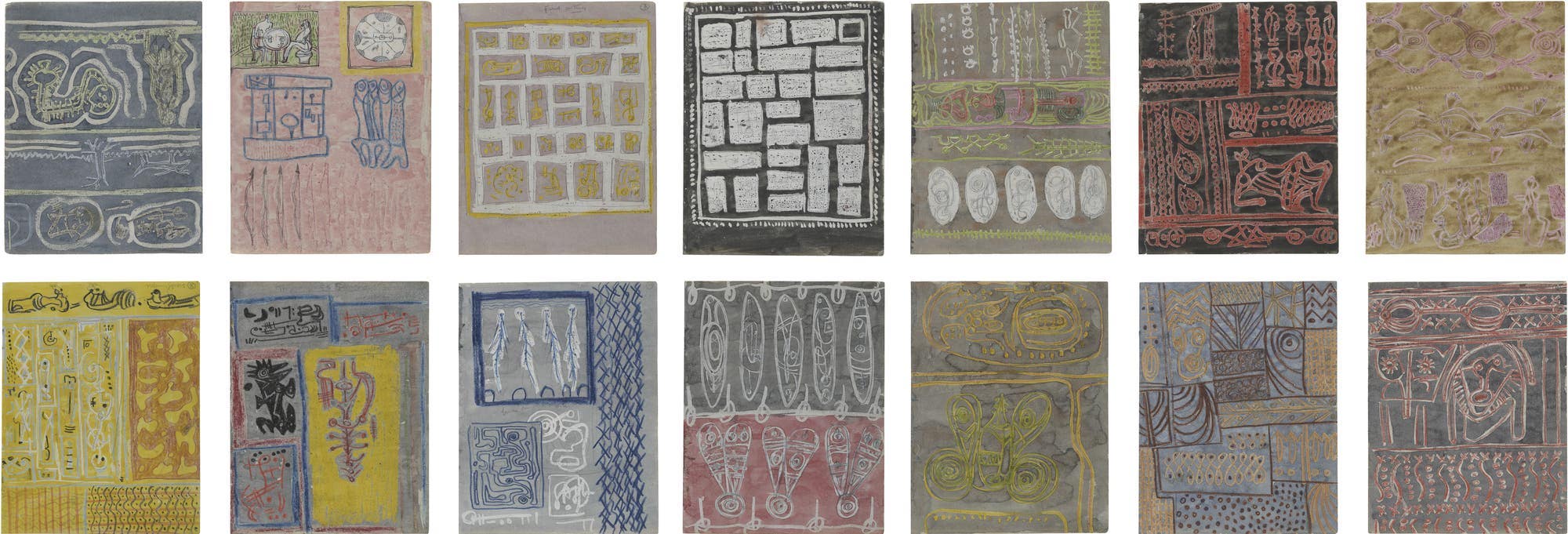
HENRY MOORE, 14 Works: (i-xiv) Textile Design Sketchbook 1, 1943. Modern & Contemporary Art London.
Isobel Hallam, Senior Cataloguer
What I love about Henry Moore’s Textile Design Book 1 is how unexpected it feels within his practice. Best known for his monumental sculptures, Moore embraced an entirely different visual language when commissioned by textile manufacturer Zika Ascher in 1943. Bursting with vibrant pinks, acid greens and rich reds, these designs are full of movement, rhythm and an infectious sense of optimism. Created towards the end of the Second World War, they offer a joyful glimpse of the brighter future Moore imagined for post-war Britain. I'm particularly drawn to the freedom with which he approaches colour, something he once described as a “bit of a holiday” from his sculpture. Remaining in the Ascher Family Collection until 2012, these remarkable designs are a testament to a fascinating collaboration and a wonderfully playful side of one of Britain's most celebrated artists.
Ivon Hitchens
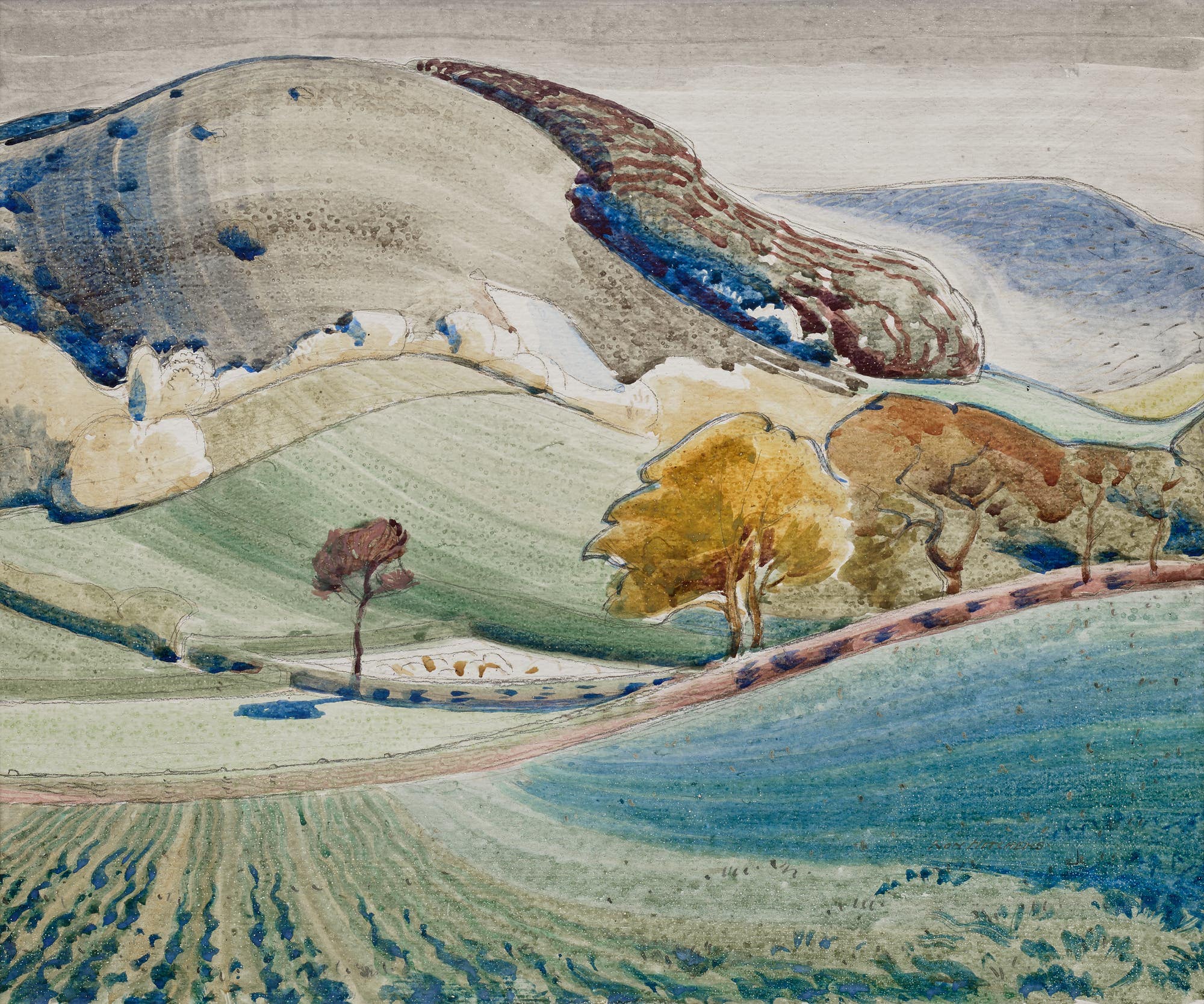
IVON HITCHENS, The Sheep Fold, 1923. Modern & Contemporary Art London.
Louise Simpson, Specialist, Head of Sale, Associate Director
Long before he became famous for his explosive, mid-century abstractions of Sussex woodlands and still lifes, Hitchens was a disciplined draughtsman — The Sheep Fold, executed in 1923, catches him right at that early juncture. Hitchens was deeply interested in the underlying architecture of the British landscape, and here he constructs rolling hills and ploughed fields through rhythmic, sweeping contours, utilising pencil and delicate washes of watercolour and gouache in slate blue and ochre. I particularly love the detail of the little walled enclosure tucked neatly beneath the hillside, complete with a scattering of sheep and a cluster of autumn-gold and russet trees.
For me, the provenance of this work is particularly special. Hitchens went to school at Bedales in Hampshire, which is where he met and became lifelong friends with the first owner of this work, in whose family it has remained ever since.
Hitchens’ distillation of rural England immediately recalls my own childhood growing up in the Hampshire countryside and this work distinctly captures that unmistakable memory of long walks, fresh air and country life in a way that is both tender and assured.
Hitchens’ masterful ability to express the inner harmony and rhythm of the landscape is beautifully demonstrated in this early example.
It is rare for these early works to come to auction, with comparable pieces drawing fierce competition — a very special work for us to be including in our upcoming sale!
Tony Cragg
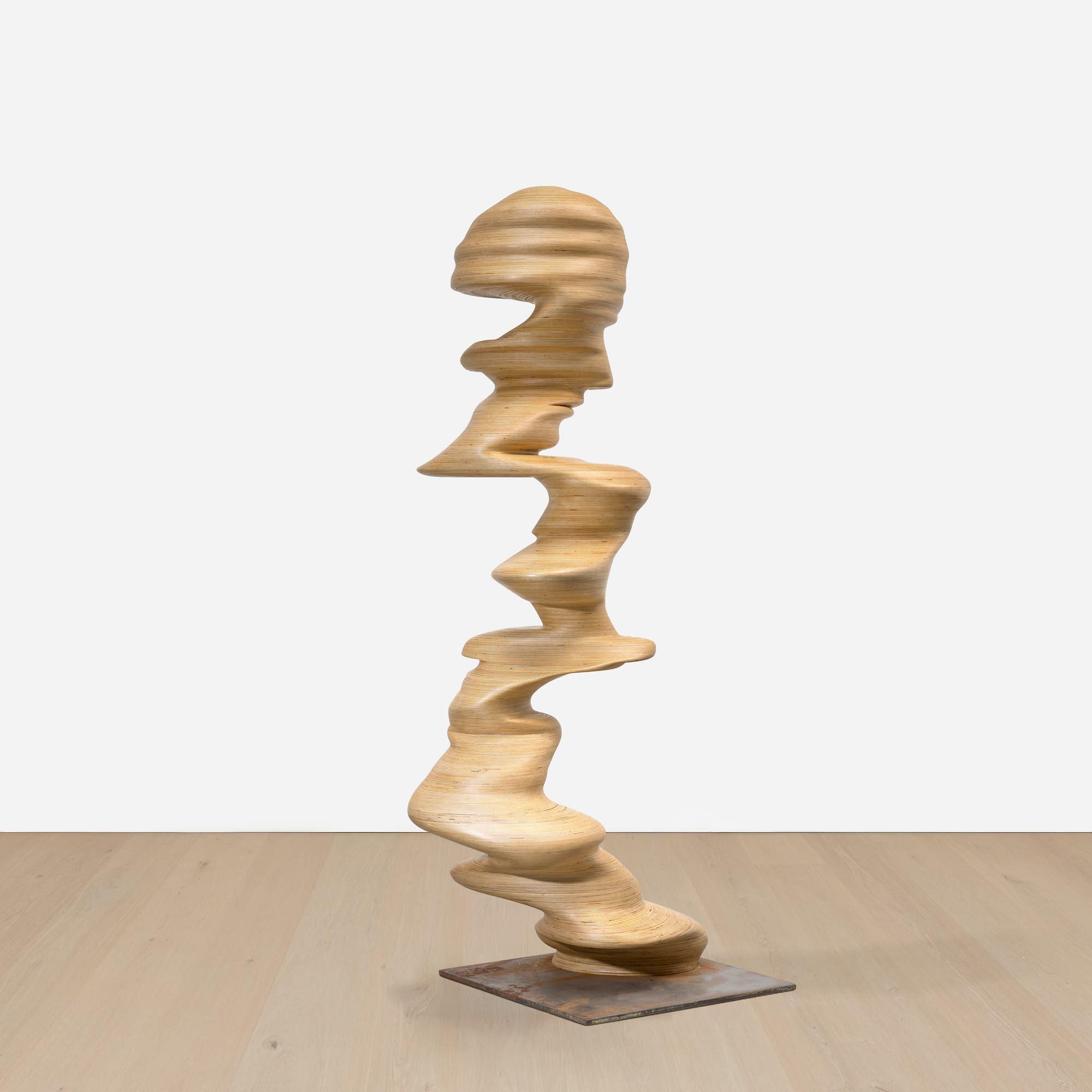
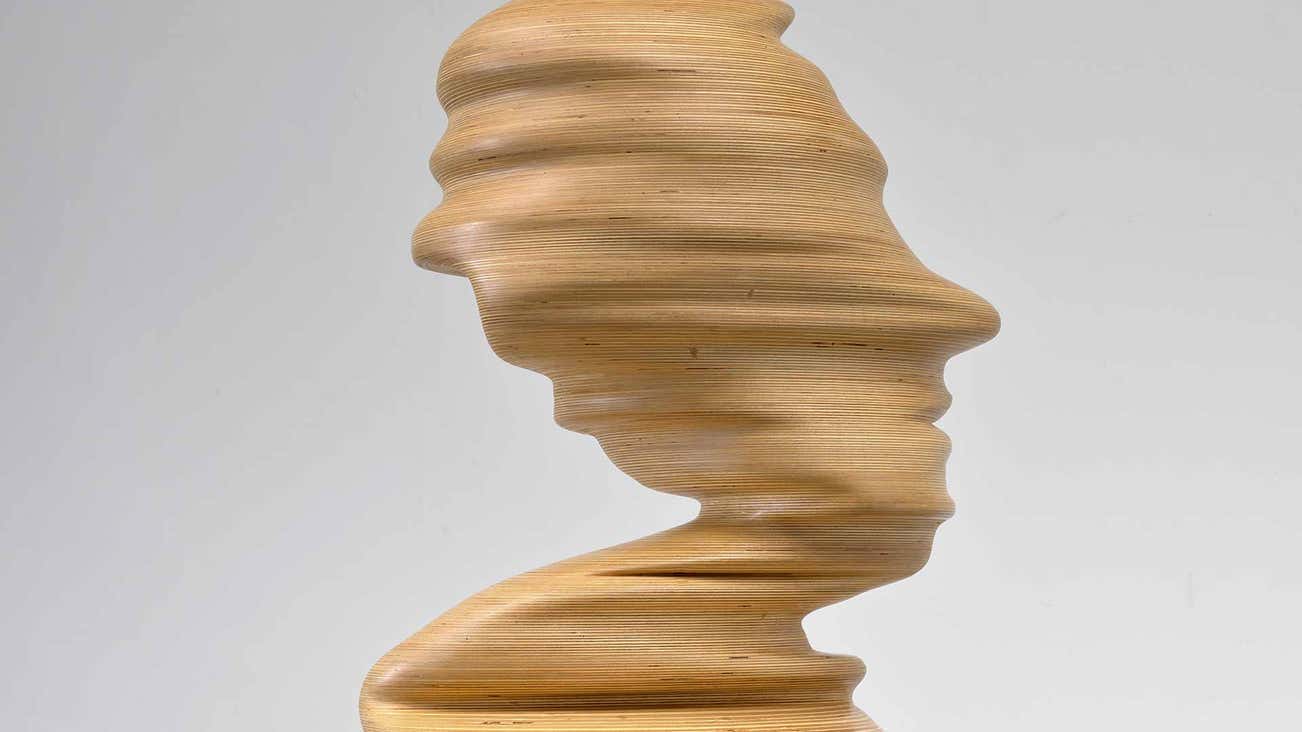
TONY CRAGG, Untitled, 2010. Modern & Contemporary Art London.
Sofia Kolonchina, Associate Specialist
Untitled twists upward through stacked laminations of wood, the grain of each layer reading like geological strata. Its undulating silhouette appears as though shaped by erosion rather than by the hand of the artist. As we examine the work, human profiles emerge briefly from its contours before receding into abstraction. This ambiguity is something that I am particularly drawn to, and which lies at the heart of Cragg’s practice. He is among the few sculptors working today who foreground the specificity of the medium, treating material as a means of investigating how form shapes human experience. In Untitled, that enquiry takes the form of a figure caught in a perpetual state of becoming.
Damien Hirst
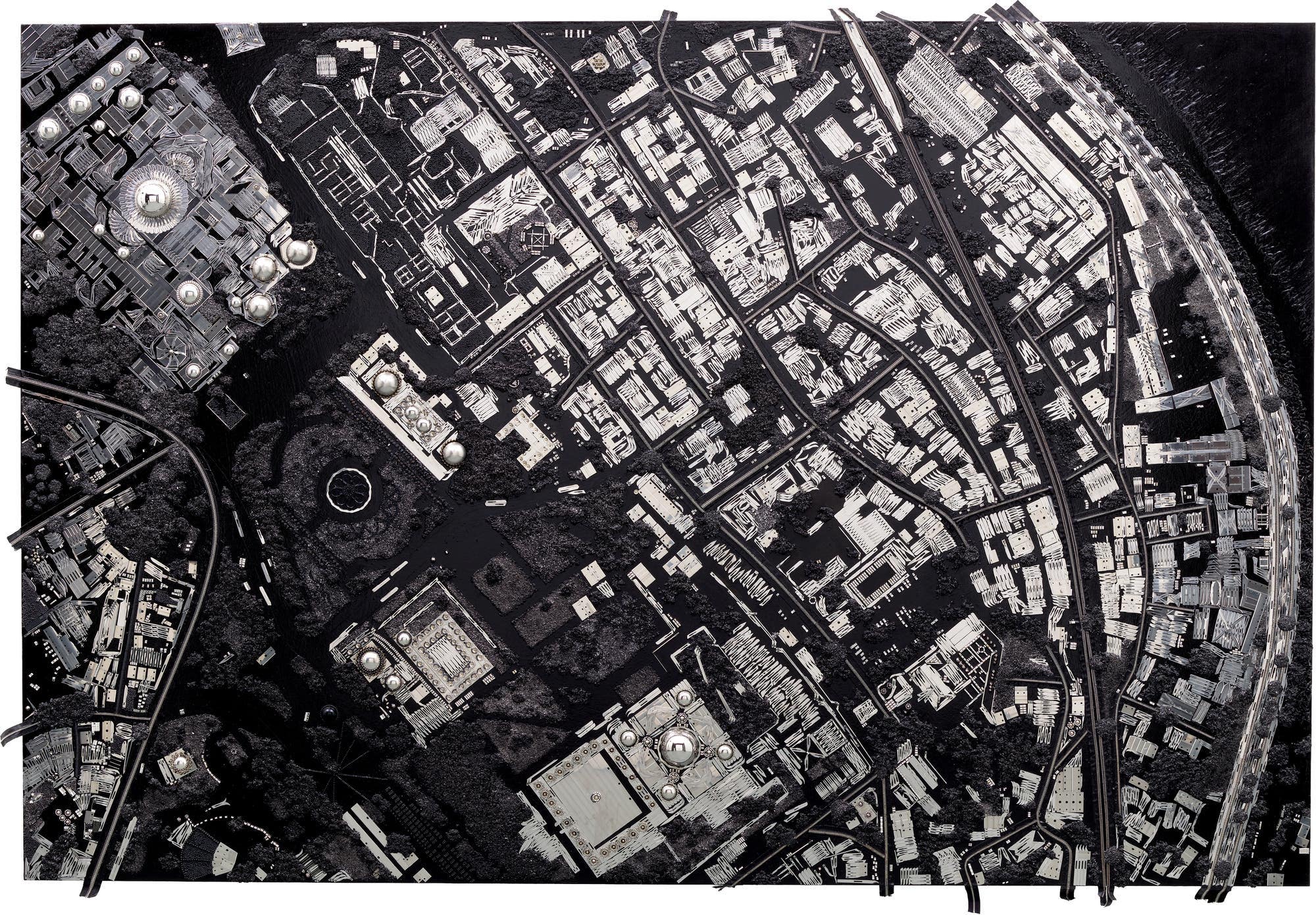
DAMIEN HIRST, Istanbul, 2014. Modern & Contemporary Art London.
Poppy Redfern, Administrator, Seller Services
Out of cold, angular scalpels and upturned pressing pins, the urban city of Istanbul emerges from the dark and viscous canvas. These medical blades in Hirst’s rendering not only echo the pharmaceutical motifs used throughout his oeuvre but also recall the military practice of “surgical strikes” — a continuous essence throughout the Black Scalpel Cityscapes series. Such materials starkly wipe away any sense of the natural world and further heighten the work’s clinical aesthetic. Like a magpie, it is the work’s alluring, shiny surfaces and convex structures that drag you deeper into the urban web.