Article | Specialist Picks Back To School Phillips Editions London September 2026
Specialist Picks: Back to School
Grab your notebooks and pens, we’re in for an Editions lesson this September.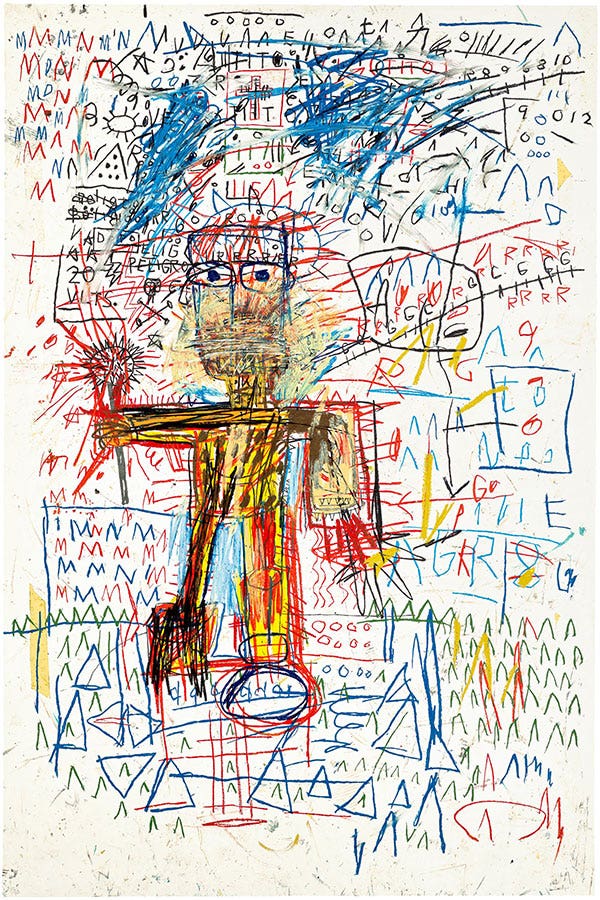
AFTER JEAN-MICHEL BASQUIAT, Untitled IV, from The Figure Portfolio. 1983/2023. Editions Evening Sale, London.
Physics
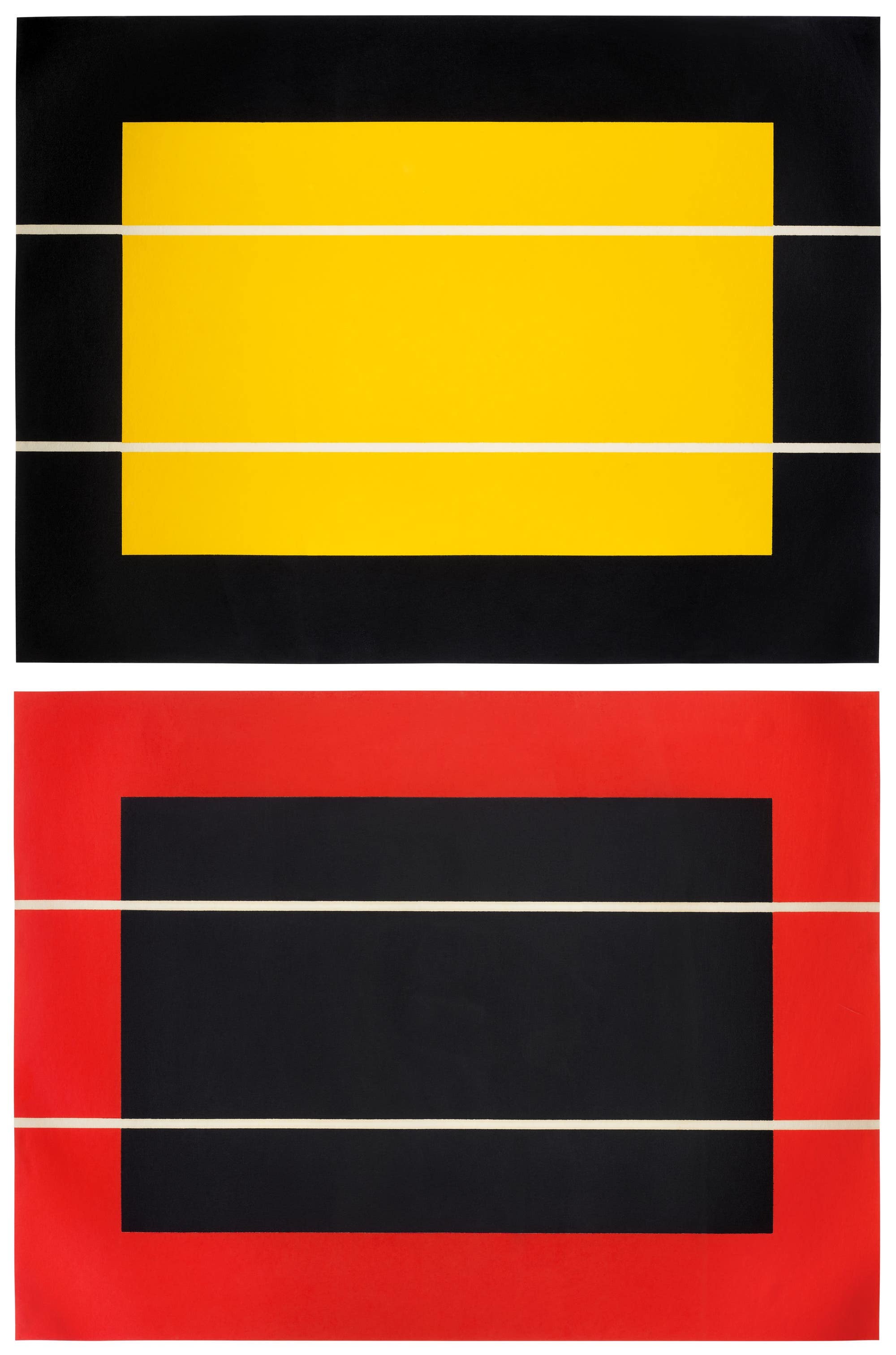
DONALD JUDD, Untitled, 1984. Editions Evening Sale, London.
Julia Paeslack, Cataloguer & Associate Specialist
Physics is the study of how the universe works. Pretty astronomical, your teacher says, smirking.
It stretches far beyond Mars and enquires about; all of space’s wonders both inside and out.
Although Donald Judd might not be viewed in the same way as Einstein, or Newton, or even Curie, he possesses the traits of physicists, at least according to me.
From material to line and colour some more, Judd’s art inspects and examines the world we adore. Not in what could be a splat on the floor, but in how do two parallel lines can differ from four.
So here we see a symmetrical pair sharing all but the colours they wear.
They project and recede into my head; it must be physics because that’s what I said.
History

ANDY WARHOL, Sitting Bull, 1986. Editions Evening Sale, London.
Anne Schneider-Wilson, Senior International Specialist
Andy Warhol gives history a makeover with his electric-coloured Hunkpapa Lakota leader, Sitting Bull. Delving into the depths of America’s past, Warhol interrogates the mythology of the “heroic” western frontier as disseminated by Hollywood. This unique print helps us rethink the United States’ relationship with its own history; let’s leave the droning to the professors with their black and white snoozefest textbooks — this is much more interesting!
Drama
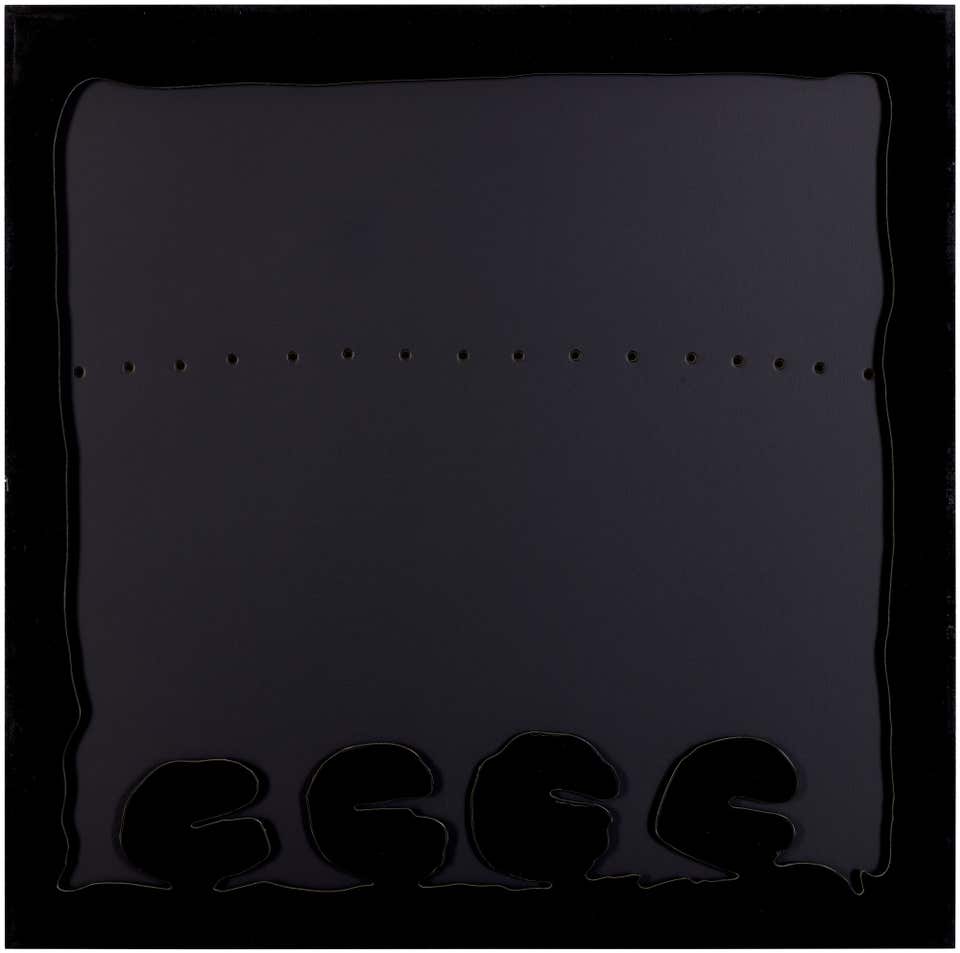
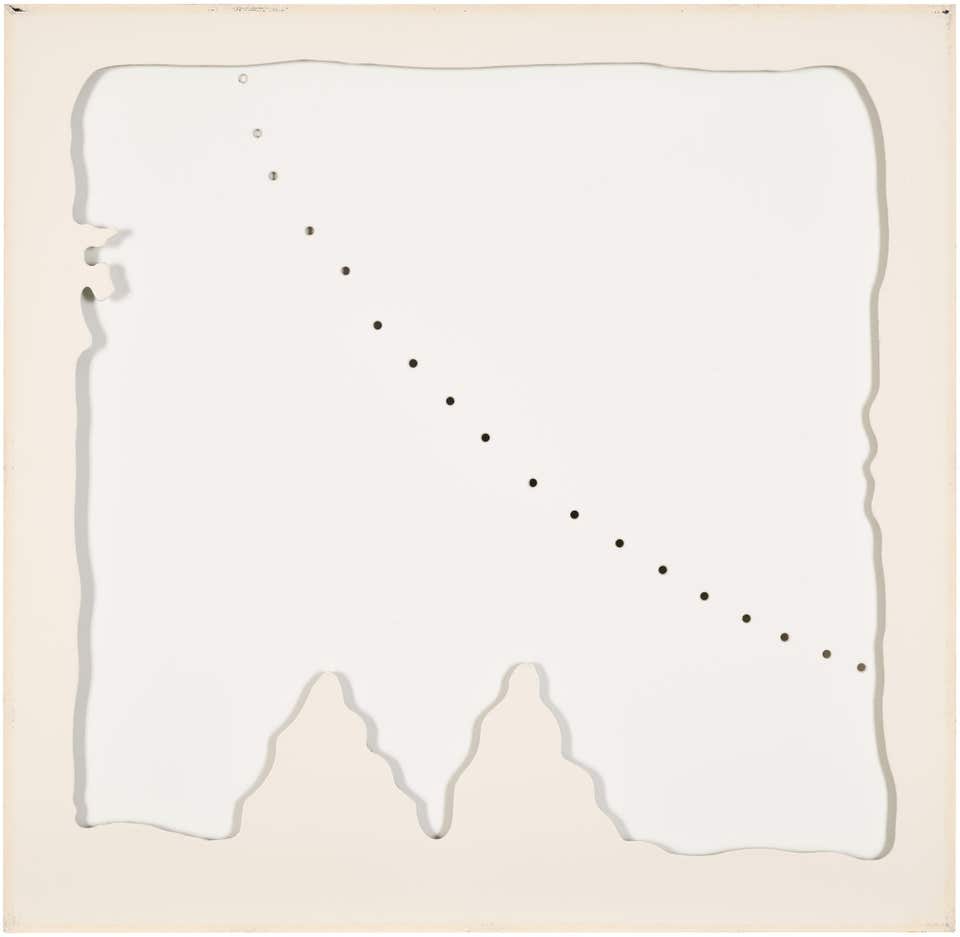
LUCIO FONTANA, Concetto Spaziale - Teatrino (Nero) (Special Concept - Little Theatre, Black), 1968. Editions Evening Sale, London.
Christian Rosolino, Sale Manager
An ordered constellation of dazzling stars pierces the black night sky as an unidentifiable landscape appears downstage, casting its eerie shadow into the darkness. A hero enters from the parchmented, framed wings, a razor blade in one hand and a screwdriver in the other. The tools display remnants of the hero’s previous conquests, their underbellies punctured, slashed, and torn with a fluid elegance attainable only by the hero.
LUCIO: I have constructed, not destroyed.
“Cut!” yells the director. “Not bad improv for our first day back at school. Tomorrow, we rehearse with the white set.”
Physical Education
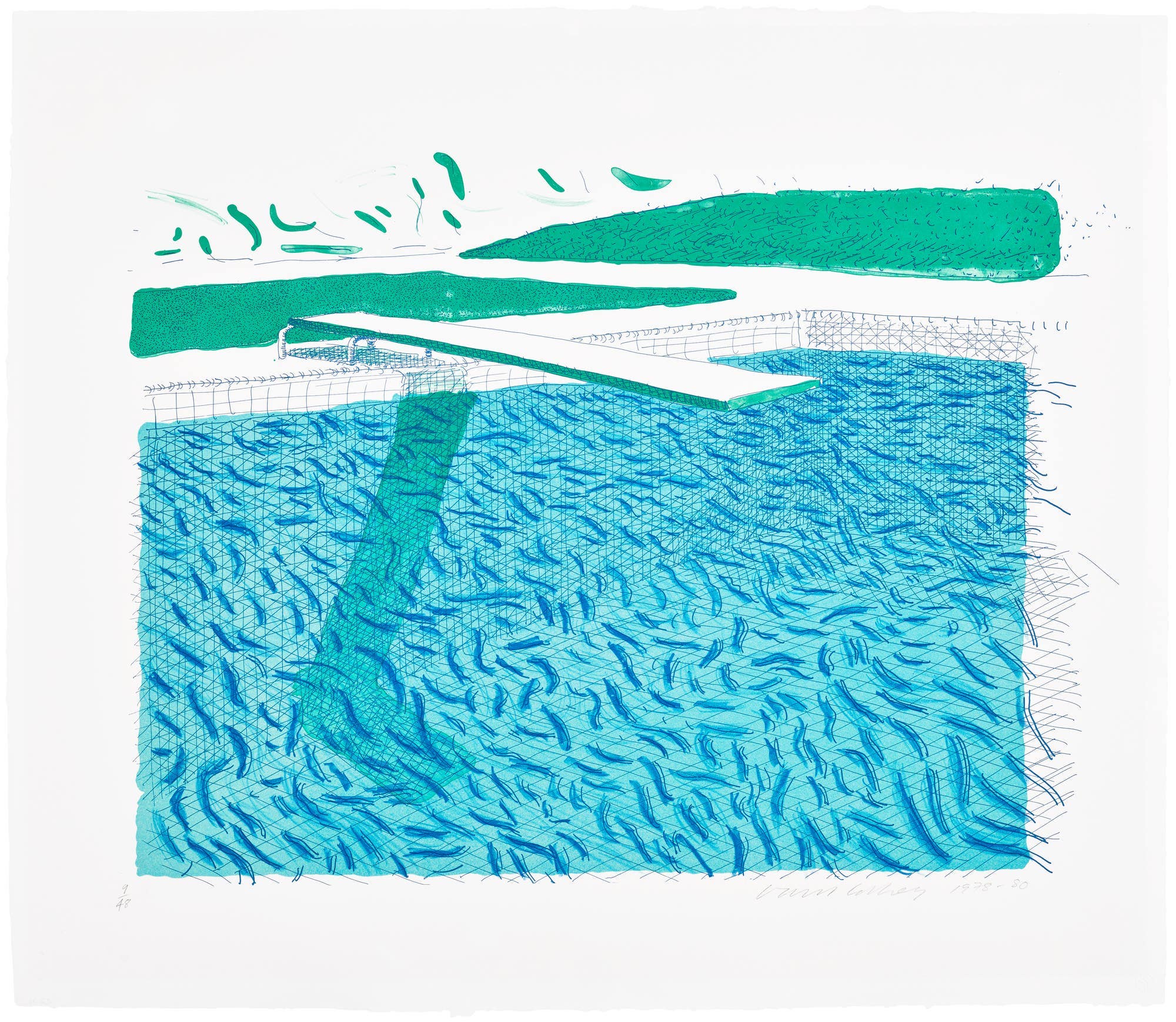
DAVID HOCKNEY, Lithographic Water Made of Lines, Crayon, and a Blue Wash, 1978/80. David Hockney, London.
Robert Kennan, Head of Editions, Europe
Swimming lessons! Urrgh, where’s my doctor’s note?
Not even Hockney’s beautiful depictions can tempt me to dip a toe or make a bigger splash.
Front crawl, back crawl, breaststroke, butterfly. Butterfly?! Doggy paddle, more like.
Water up my nostrils, ouch, no thanks.
Arm bands, at my age, so humiliating.
Astronomy
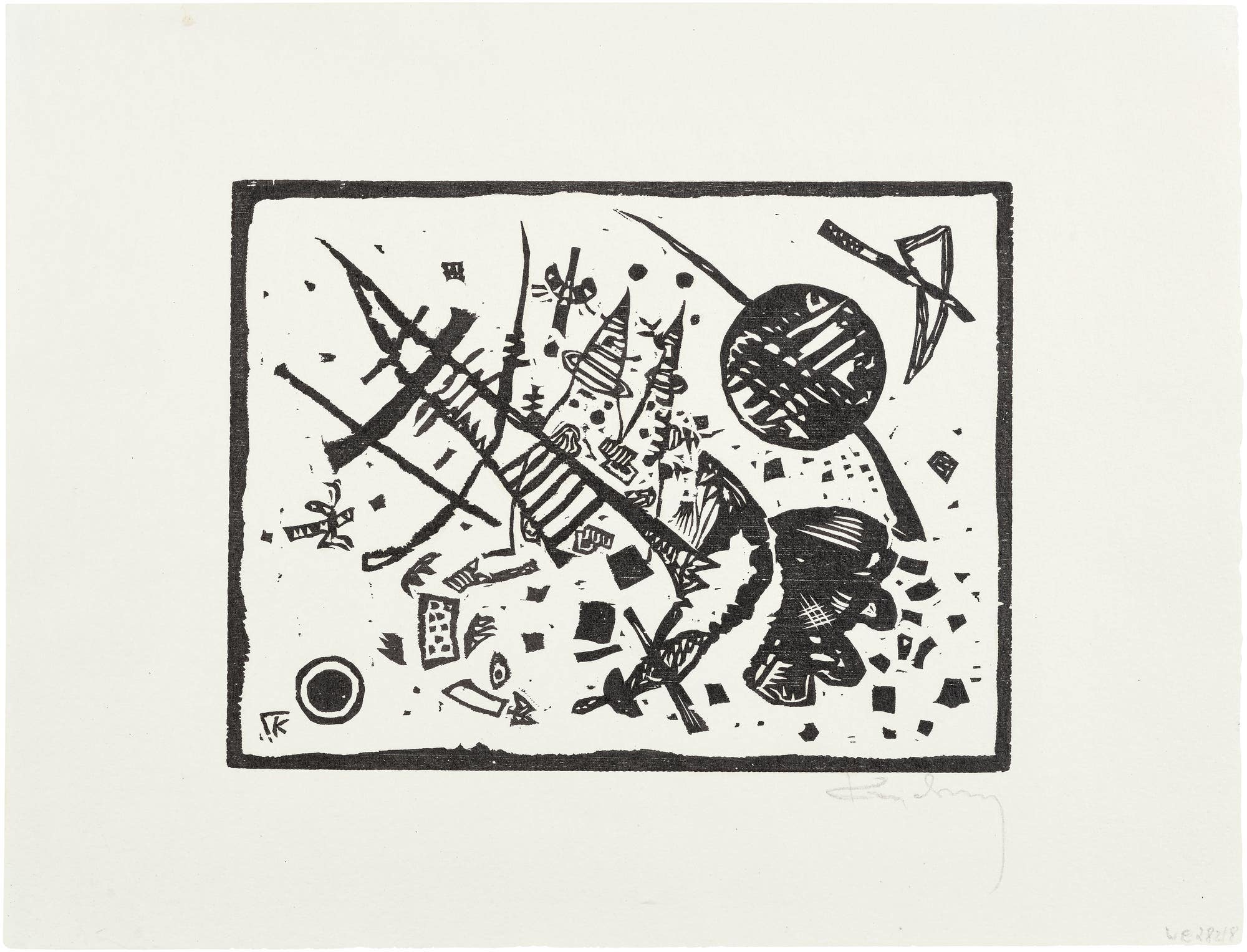
WASSILY KANDINSKY, Holzschnitt für die Ganymed-Mappe (Woodcut for the Ganymede Portfolio), 1924. MODERNISM London.
Rebecca Tooby-Desmond, Specialist, Head of Sale
Ganymede, a boy so incandescently beautiful that Jupiter (in the form of an eagle) carried him aloft to the heavens, where he remains the largest moon in our solar system. A moon so large it was visible with the naked eye in 365 BC; indeed so large it has its own magnetic field; large enough that its internal ocean contains more water than all Earth's oceans combined!
A moon most massive. Or is it a black hole?
Kandinsky's dark orb looms over disintegrating debris — a cosmic crash of cymbals, snapped strings, and discordant piano keys — pulled apart in an ever-expanding scatter of gouged woodgrain. Holst's planets could never!
Food Technology
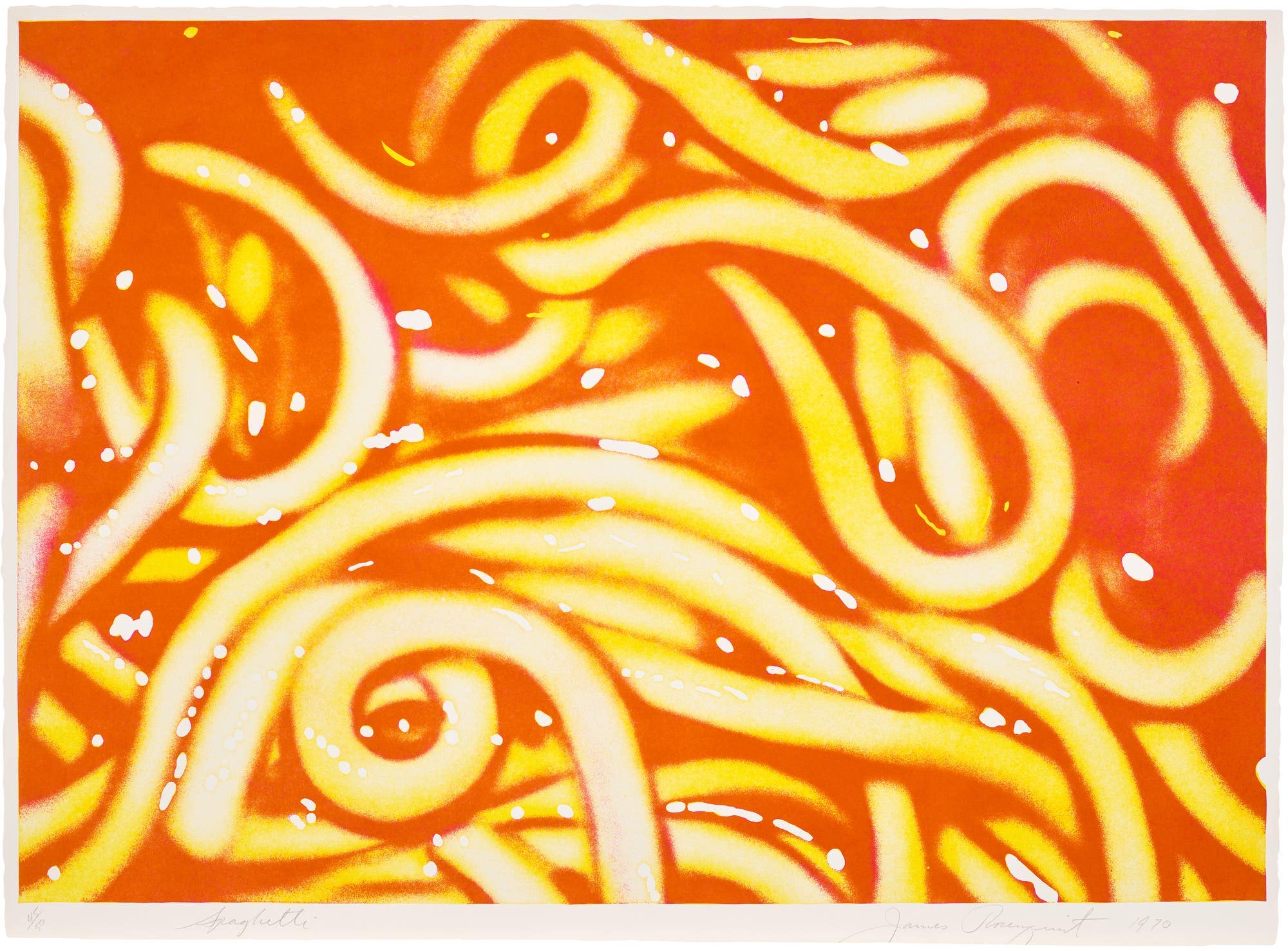
JAMES ROSENQUIST, Spaghetti, 1970. Editions Online Auction.
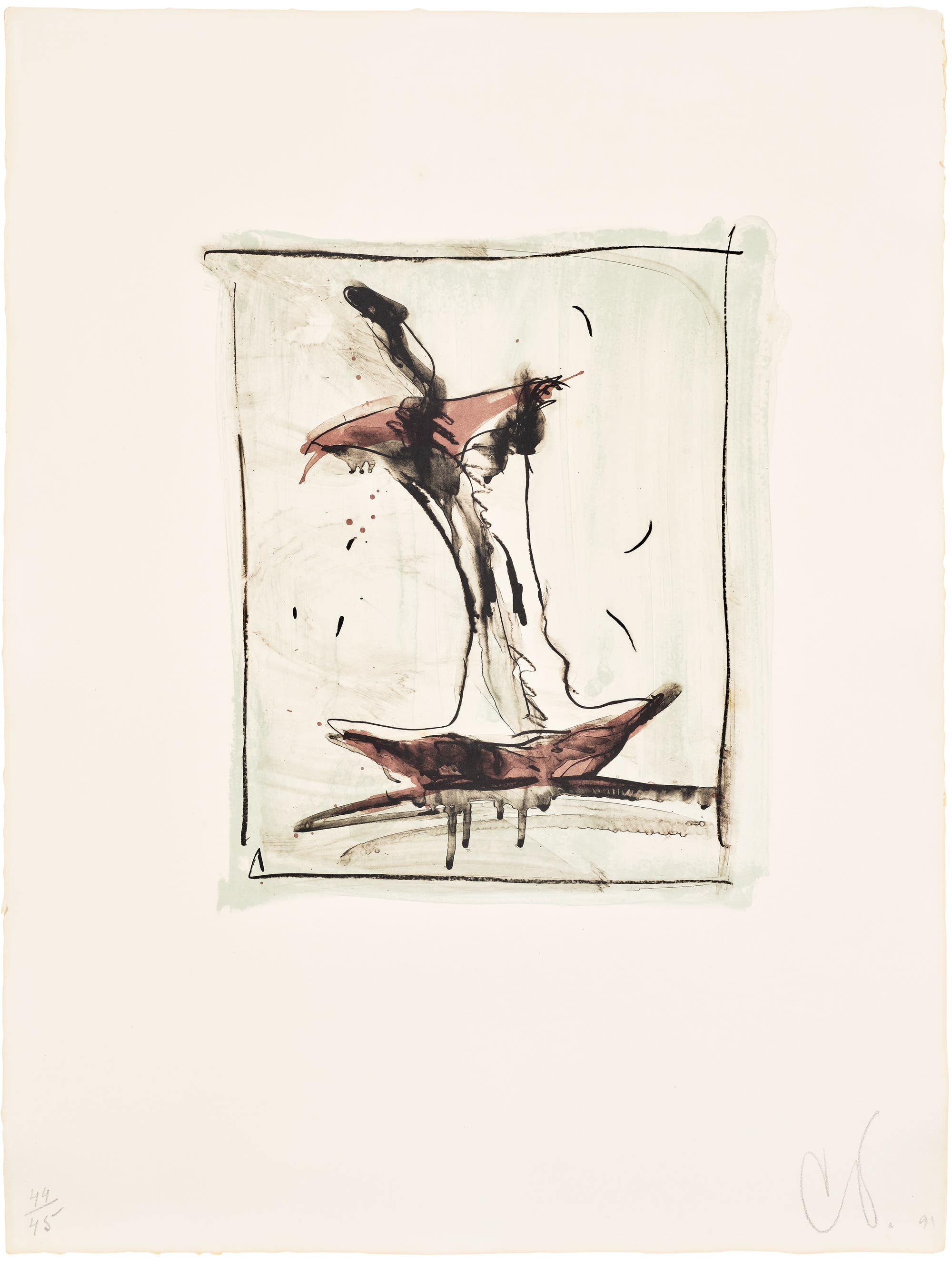
CLAES OLDENBURG, Apple Core, 1991. Editions Online Auction.
Hebe Reynolds, Associate Researcher
I know what you’re thinking: edible editions? But art and food have more in common than you might think: both turn raw ingredients into something remarkable, making big ideas digestible. These artists are cheffing up a tasty snack — and the menu features social commentary. Appropriating everyday imagery — from billboard advertisements to common-place foodstuffs — Rosenquist and Oldenburg’s Pop picnic investigates consumerism and consumption (quite literally). Spoiled and decaying, slimy and saucy, in this kitschy kitchen, cooking turns critical. Just some food for thought…
Biology
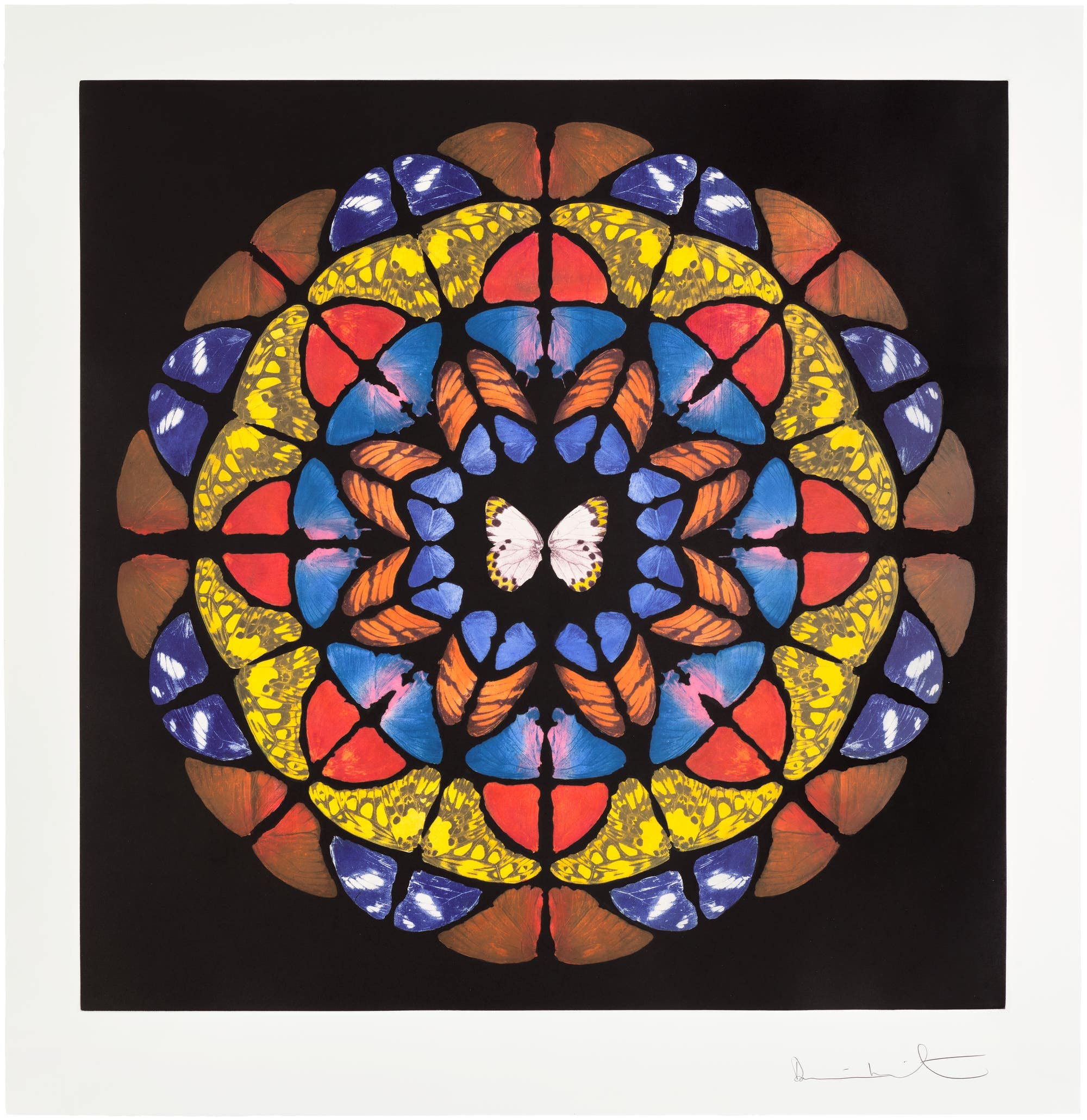
DAMIEN HIRST, Belfry, from Sanctum, 2009. Editions Evening Sale, London.
Stephanie Wickham-Eade, Cataloguer
Do you remember your Scientific Classifications? I’ll admit, my recollection of biological taxonomy is more than a bit rusty; it’s not something that comes up day-to-day in the art world. Domain, Kingdom, Phylum, Class, Order, Family, Genus, and Species. While I can’t pinpoint the specifics of Hirst’s fanciful butterflies from a Linnaean perspective, these scaly-winged insects lend themselves beautifully as subject matter for prints and editions. We have Belfry, with Sanctum’s graceful concentric wings, leading the pack in our Evening sale, and — did you know that a group of butterflies is called a kaleidoscope? — we’ve got a kaleidoscope of butterflies in our online sale as well. Come see our lovely lepidopterans, now on view for September Editions.
Mathematics
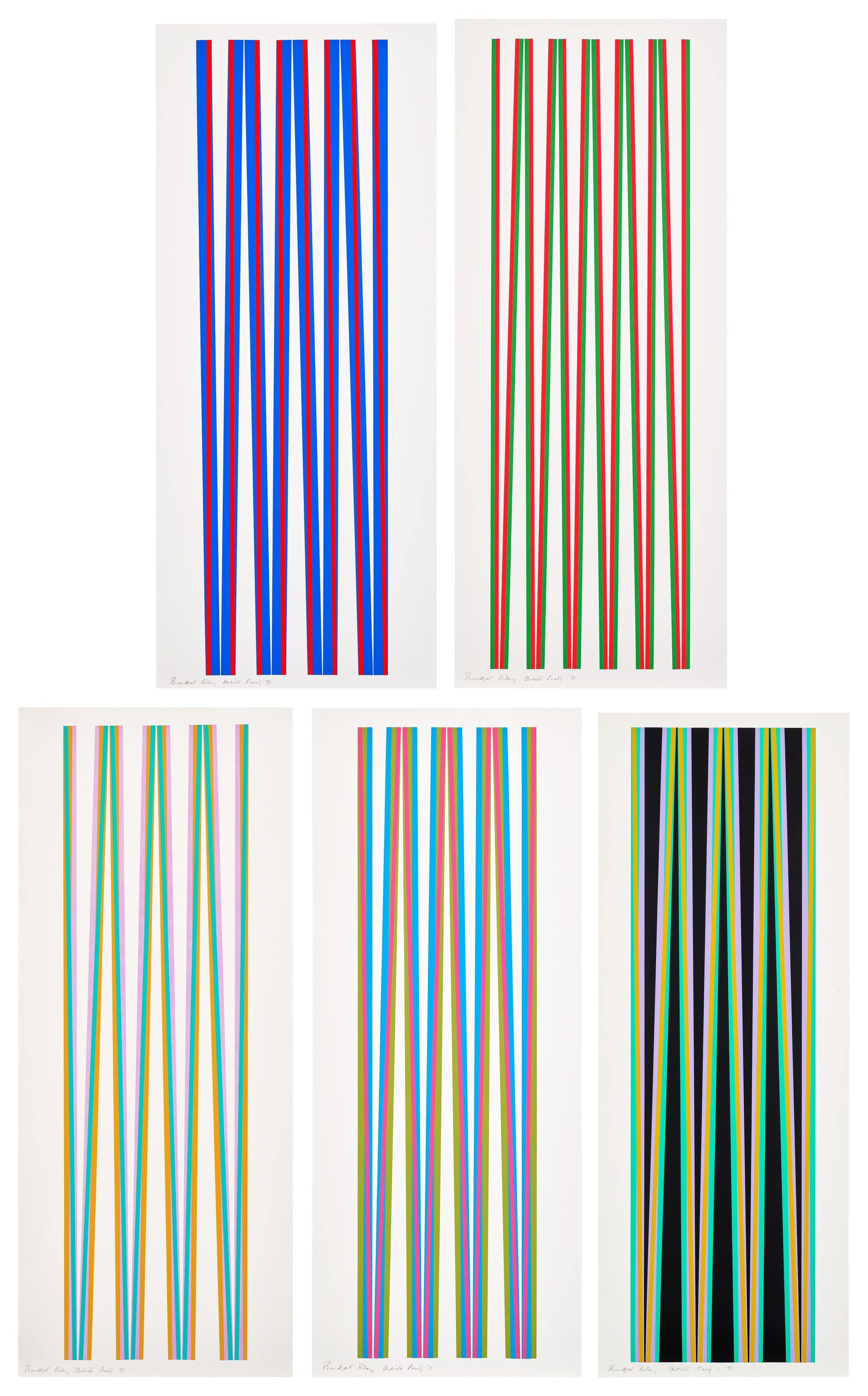
BRIDGET RILEY, Untitled (Elongated Triangles), 1971. Editions Evening Sale, London.
Milly Allweis, Administrator
The multiplicity of the Elongated Triangles which make up Bridget Riley's work reminds me of studying trigonometry, particularly in the way a familiar shape can be made almost unrecognizable and reveal a diverse range of uses. In her work, Riley transforms the triangle from a simplistic, geometric shape into an intricate aesthetic pattern. For me, this echoes how mathematics extends the triangle beyond its basic form, using it across fields such as architecture and engineering.
Homework
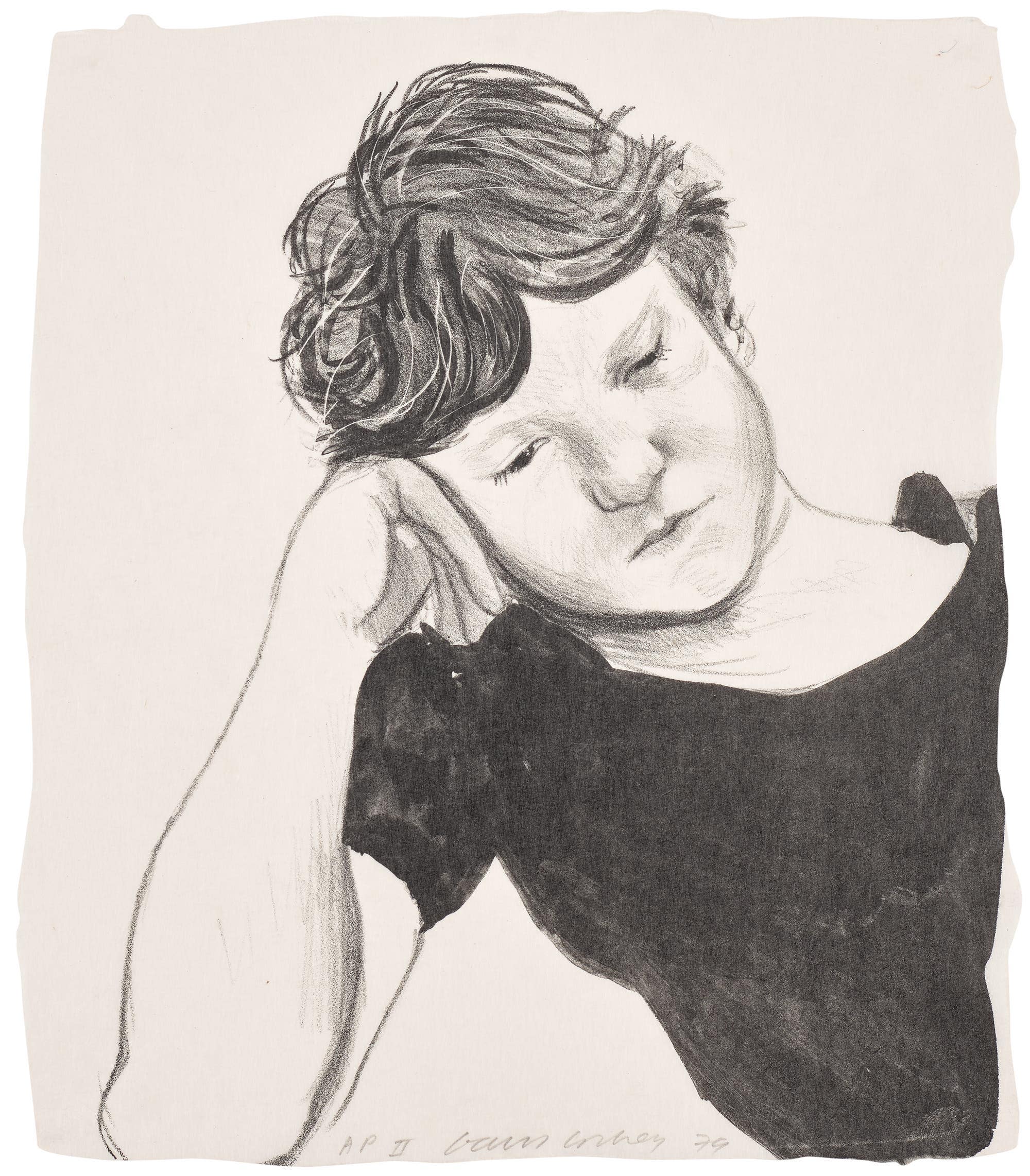
DAVID HOCKNEY, Byron on Hand, 1979. David Hockney, London.
Katharine Pein, Editions Intern
Closing his eyes, Byron rests his head on his hand, maybe blissfully nodding off, maybe lost in boredom, or maybe holding back tears in sheer frustration at failing to understand how to divide 2108 by 34. His posture captures the exact nostalgia of being forced to do homework with your dad at the kitchen counter, as he mysteriously transitions into a drill sergeant laying down the law of long division. Driven to dissociation, Byron (or any child forced into this ordeal) succumbs to the ultimate truth: it is far better to be a muse (certainly of David Hockney) than to be a mule of math.