Article | Rolex Professional Divers Sea Dweller Comex Phillips Hong Kong Watch Auction Xxiii November 2026
Working Under Pressure: Rolex Watches for Professional Divers
Why did professional divers wear Rolex? Seven watches in The Hong Kong Watch Auction: XXIII open a window onto the work, experiments, and owners behind the Submariner, Sea-Dweller, and Deepsea.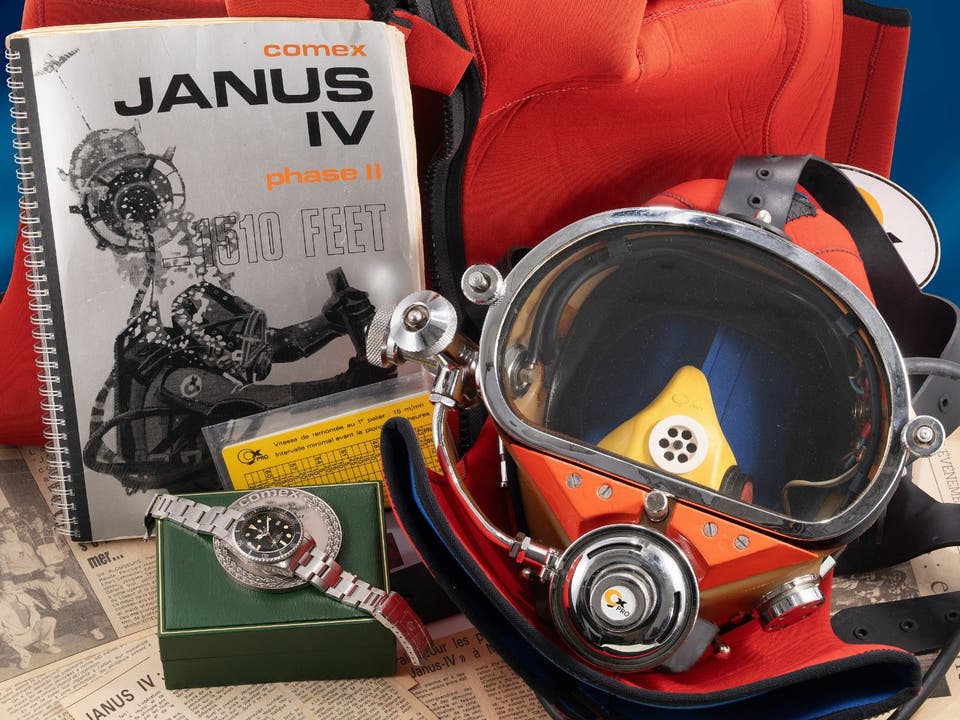
Phillips in Association with Bacs & Russo presents The Hong Kong Watch Auction: XXIII, a live auction taking place on 21–22 November 2026 at our West Kowloon headquarters. Featuring more than 320 exceptional luxury timepieces from makers such as Patek Philippe, Rolex, Audemars Piguet, Cartier, Vacheron Constantin, and F.P. Journe, the sale includes the seven Rolex professional dive watches explored in this story.
As the offshore oil industry began to boom during the 1960s and ’70s, some plucky people had to brave the depths and do the work. A hundred meters or more below the surface, pipelines needed connecting, equipment needed inspecting, and repairs called for skilled diving professionals and their tools. Each assignment required a plan to get a diver to the job, allow him to complete it, and bring him back safely.
Time was part of that calculation. How deep divers went and how long they remained under pressure affected the decompression they needed. Keeping track of time helped them follow the planned working periods and decompression schedules. A readable, reliable watch gave its wearer a way to do that, with a rotating bezel allowing elapsed minutes to be monitored.
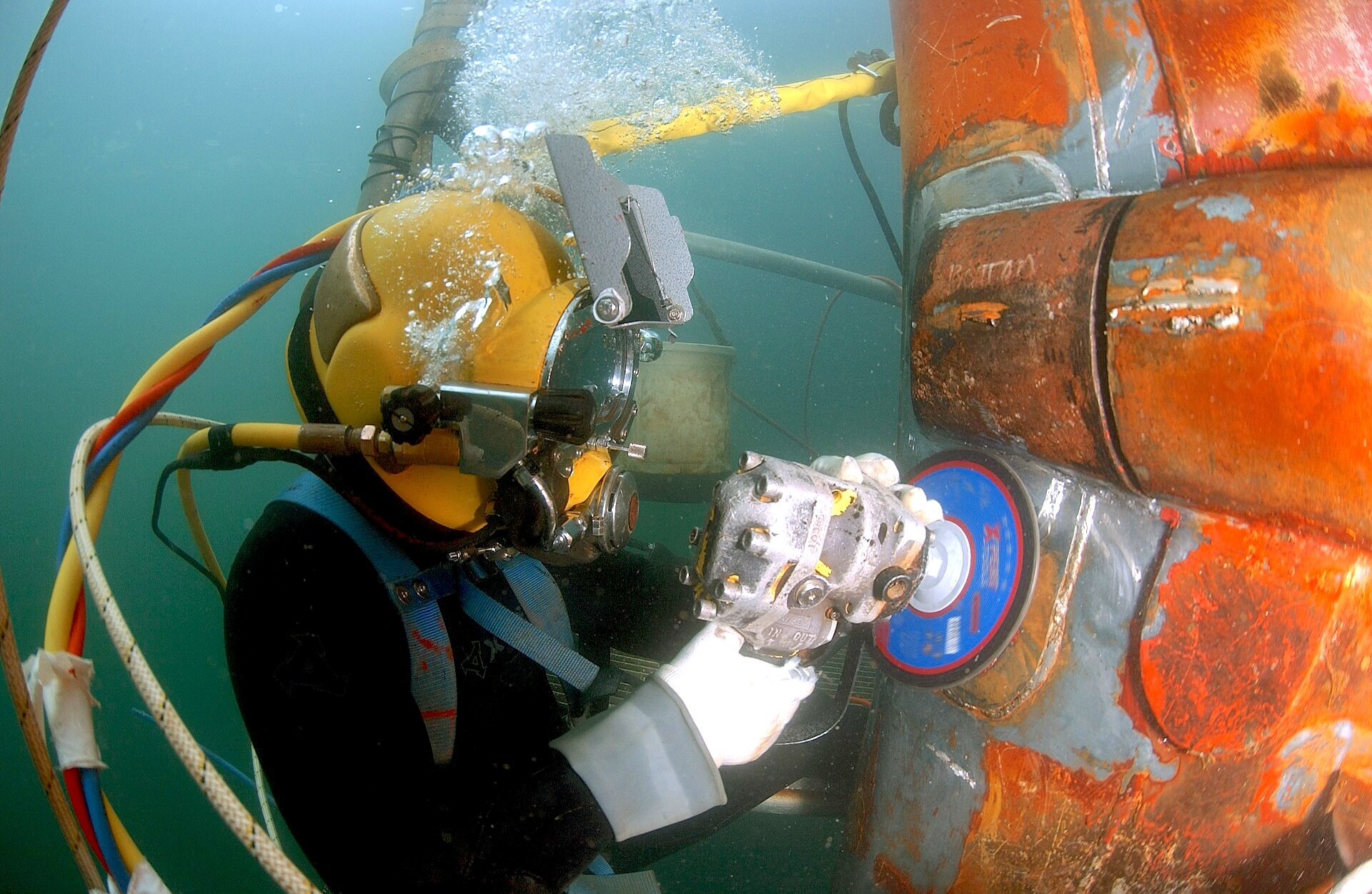
A U.S. Navy diver uses a grinder on a submerged bow. Andrew McKaskle / U.S. Navy
That practical need helps explain Rolex’s important role in professional diving. Seven watches in The Hong Kong Watch Auction: XXIII take us into that world, with stories of divers testing early Sea-Dwellers, COMEX-signed Submariners linking their owners to a French company pushing the limits of underwater work, and a Royal Navy Deepsea commission available only to members of its diving branch.
Living Under Pressure
Rolex had introduced the Submariner in 1953, giving divers a wristwatch initially rated water-resistant to 100 meters, with a rotating bezel for monitoring time underwater. As diving operations grew longer and more demanding, however, a new working method exposed watches to a fresh problem.
A diver cannot always simply finish a job and swim to the surface. Under pressure, gases from the breathing mixture dissolve into the body’s tissues. Returning too quickly to lower pressure can cause bubbles to form, resulting in decompression sickness, or “the bends.” A carefully controlled reduction in pressure gives the body time to release those gases.
For deep working dives, that process can take a long time. Having to repeat it after every shift would severely limit how much work could be done.
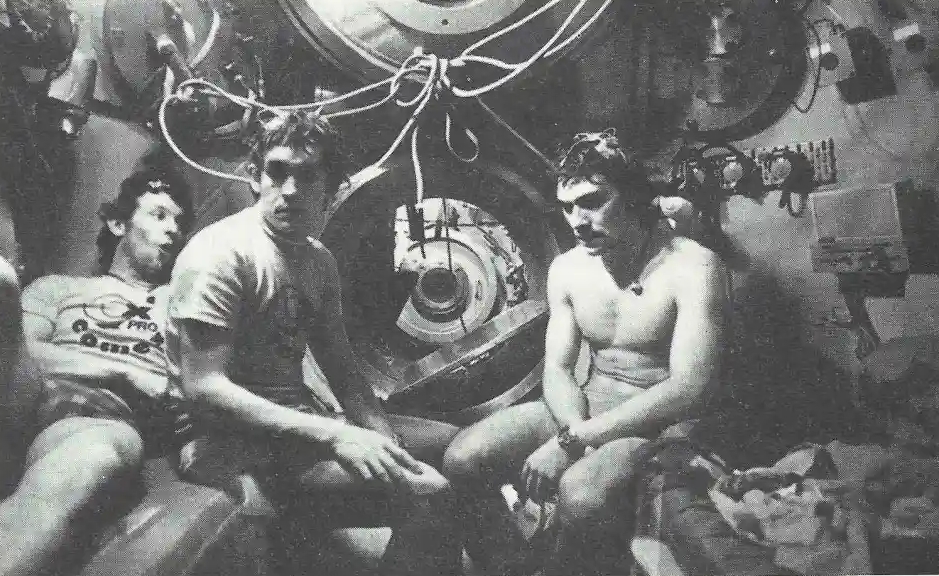
Divers resting in COMEX’s pressurized living quarters. Océans magazine, circa 1977
Saturation diving offered a solution. Divers could live in a pressurized chamber, often on a support vessel, and travel to their underwater workplace in a sealed diving bell. The bell maintained pressure during the journey. After work, they returned to their accommodation, still under pressure, to eat, rest, and sleep before the next shift. Even back aboard the vessel, they could not simply step out of the chamber into the sea air.
“Saturation” describes the point at which the body’s tissues have absorbed as much of the relevant breathing gas as they will at that pressure. Once that point is reached, staying longer does not keep extending the decompression time in the same way. A team could remain under pressure for days or weeks, then undergo one lengthy decompression at the end.
Their watches shared that environment. Helium, used in breathing mixtures for deep diving, could work its way through a watch’s seals and collect inside the case. During decompression, the surrounding pressure fell faster than the trapped gas could escape. The crystal could be forced off.
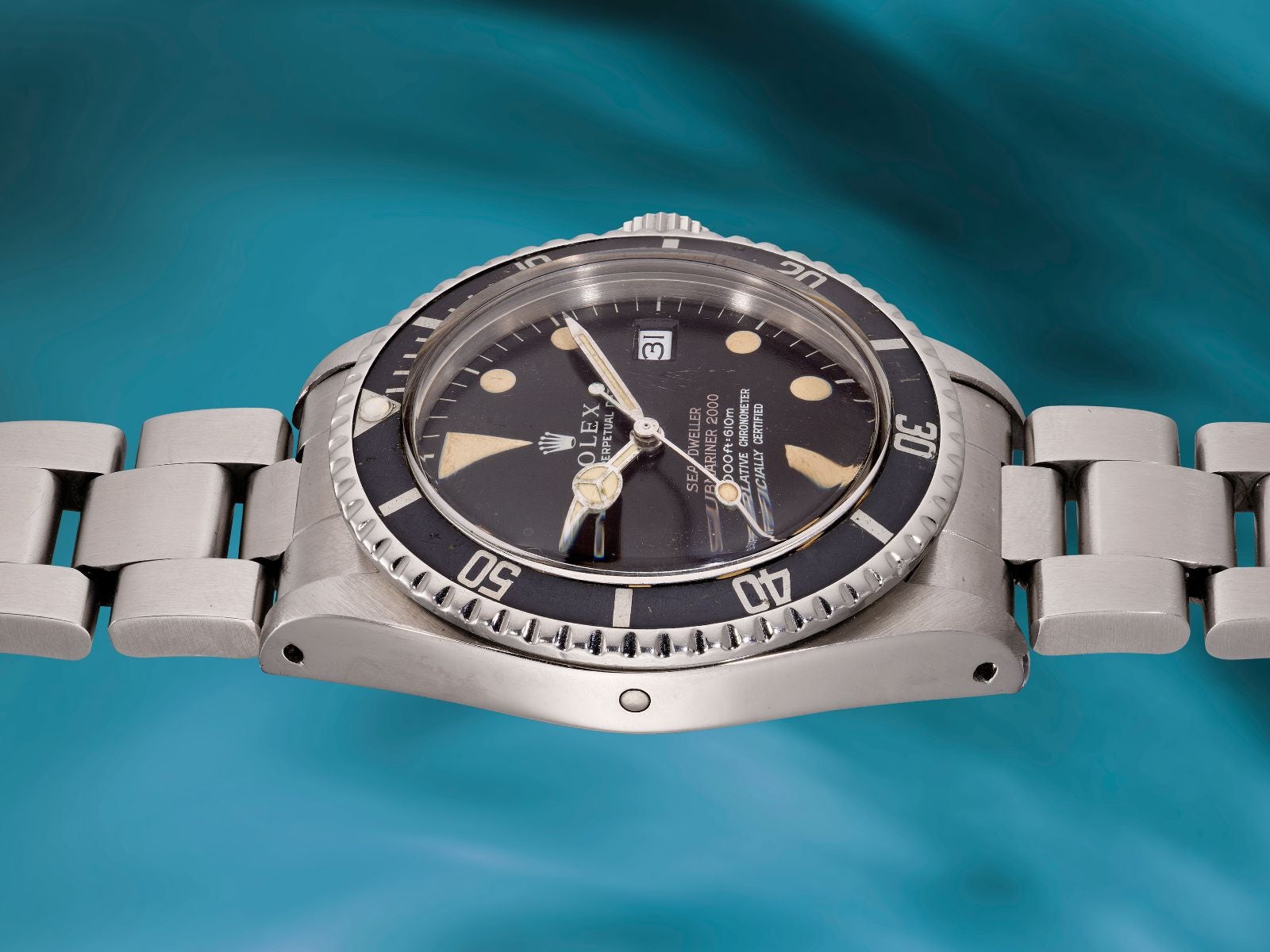
The helium escape valve on the caseband of a circa 1967 Rolex Sea-Dweller Ref. 1665 “Double Red Mk I” in stainless steel with “Patent Pending” caseback, formerly owned by professional diver Noel William Mitchell. Lot 1124 in The Hong Kong Watch Auction XXIII. Estimate: HKD $600,000–1,000,000
Rolex’s answer was a helium escape valve, incorporated into the Sea-Dweller introduced in 1967, rated to 610 meters. It allowed excess gas to leave the case during decompression. With water resistance dealing with the pressure outside the watch, the valve addressed excess pressure inside it.
Testing at Work
A watch intended for those conditions needed to be tested in them. One of the divers who received an early Sea-Dweller was Noel William Mitchell, a professional oil-field diver who had trained with pioneering commercial diving contractor Divcon.
After corresponding with Rolex in Geneva, Mitchell collected a test watch from the brand’s authorized dealer in Singapore in early 1970. That watch, a circa 1967 Sea-Dweller Ref. 1665, is Lot 1124 in the sale.
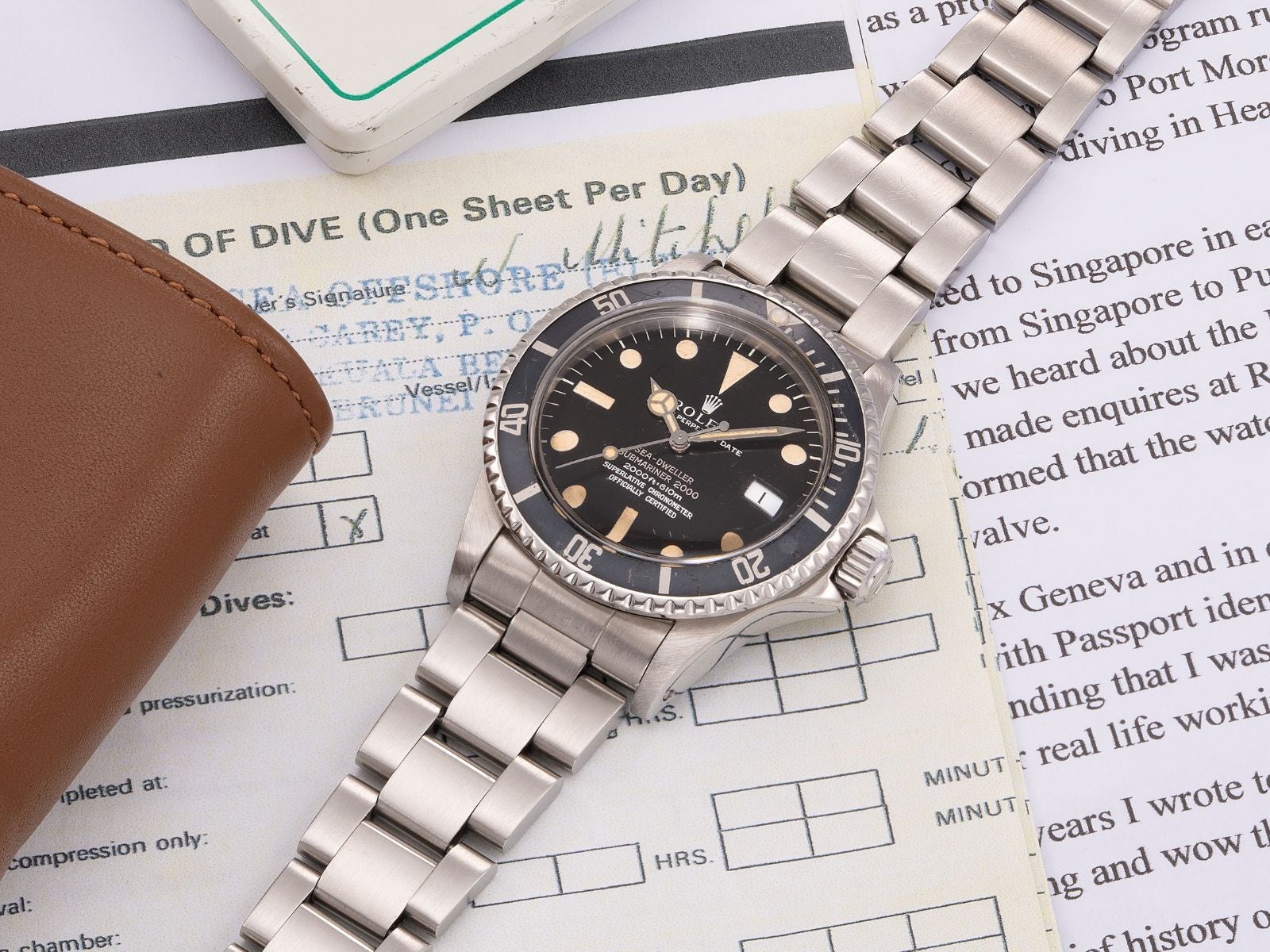
Lot 1124: A circa 1967 Rolex Sea-Dweller Ref. 1665 “Double Red Mk I” in stainless steel with “Patent Pending” caseback, formerly owned by professional diver Noel William Mitchell, included in The Hong Kong Watch Auction XXIII. Estimate: HKD $600,000–1,000,000
Its subsequent working life took it on dives in the North Sea and off Sabah, Brazil, Brunei, and New Zealand. Correspondence from Mitchell and copies of his dive logs accompany it, giving us a record through which to follow its use.
The watch belongs to the early “Patent Pending” generation, made while the patent application for the valve was awaiting approval. Its exterior caseback engraving has since worn smooth through decades of diving and daily wear.
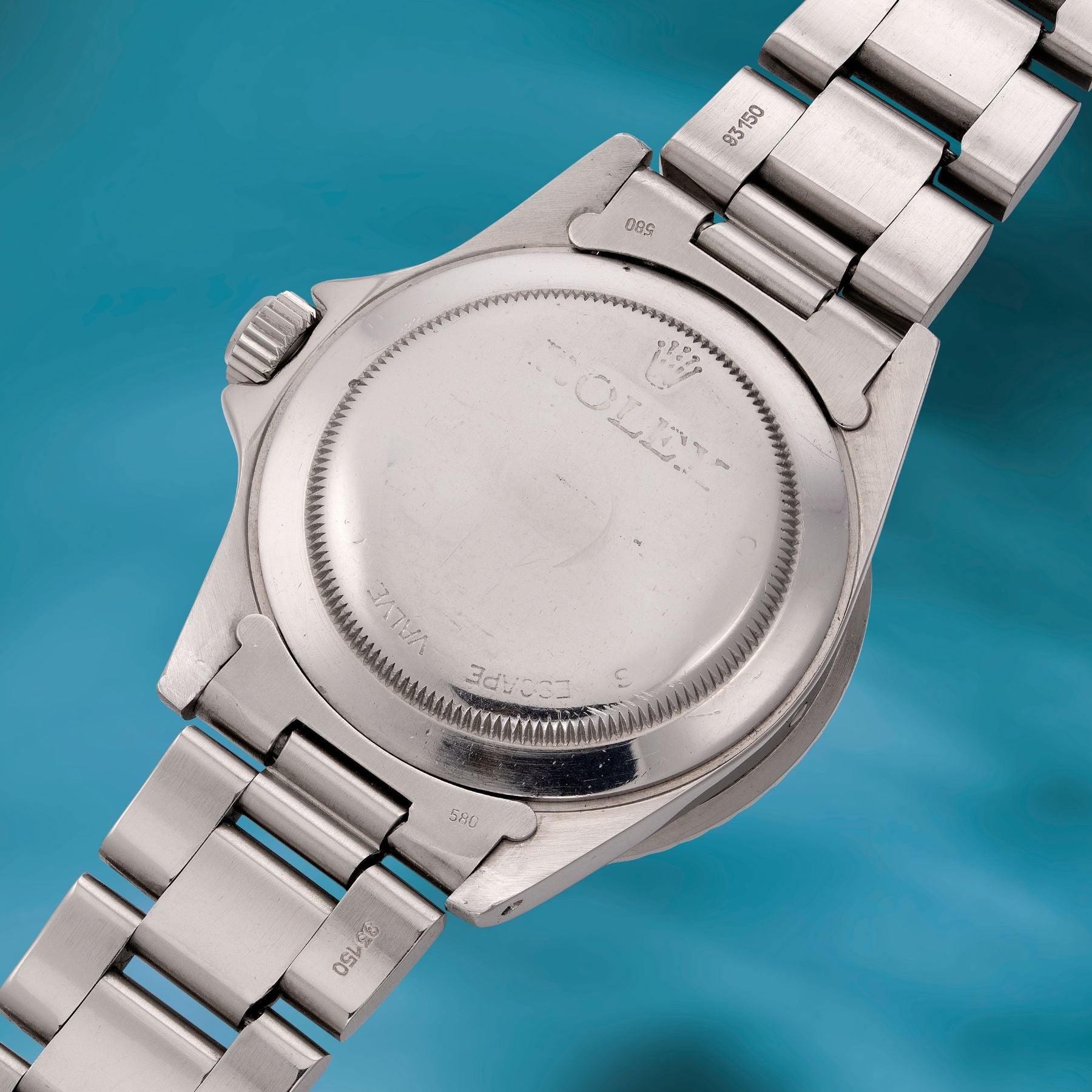
Lot 1124: A circa 1967 Rolex Sea-Dweller Ref. 1665 “Double Red Mk I” in stainless steel with “Patent Pending” caseback, formerly owned by professional diver Noel William Mitchell, included in The Hong Kong Watch Auction XXIII. Estimate: HKD $600,000–1,000,000
Collectors call it a “Double Red,” a nickname that becomes straightforward once you look at the dial: “SEA-DWELLER” and “SUBMARINER 2000” are printed in red. The latter refers to its depth rating of 2,000 feet (610 meters). On this early dial, the two lines have similarly sized lettering, now faded toward pink.
The sale also includes a circa 1972 Sea-Dweller, Lot 1072, retailed by Joyería Ricciardi in Buenos Aires. Its Mk III Double Red dial has smaller lettering on the second line, while the retailer’s stock number, 157285, is stamped behind a lug – a surviving link to the jeweler that sold it. Beyond that retail connection, its owner’s diving activities are unknown.
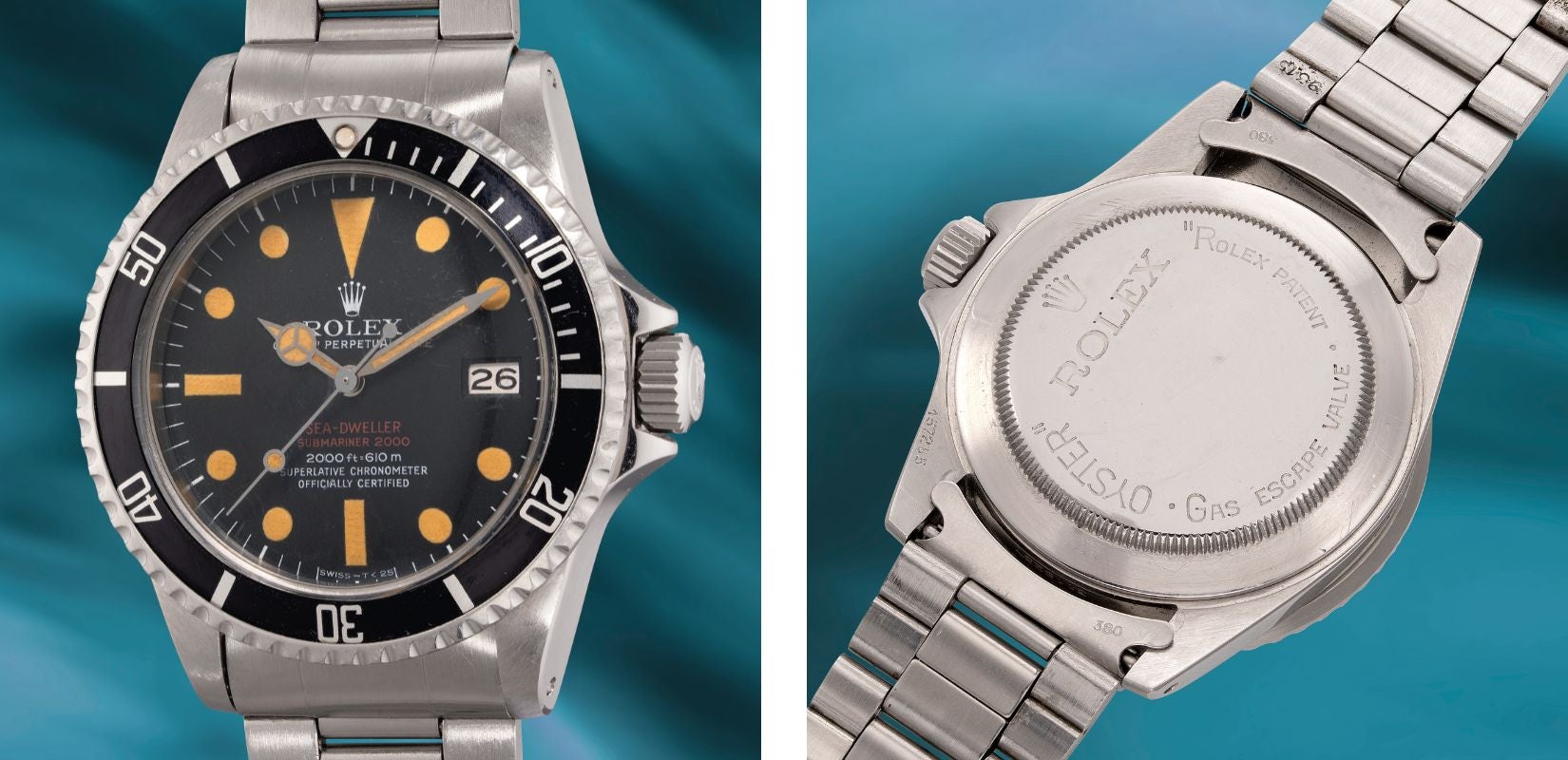
Lot 1072: A circa 1972 Rolex Sea-Dweller Ref. 1665 “Double Red Mk III”in stainless steel, retailed by Joyería Ricciardi, included in The Hong Kong Watch Auction XXIII. Estimate: HKD $250,000–500,000
Mitchell’s watch, though, gives us something more specific: an early Sea-Dweller supplied to a man whose job would expose it to the conditions Rolex wanted to understand.
A Job at Depth
During the 1970s, COMEX (Compagnie Maritime d’Expertises) became an important part of that testing and working dynamic. Founded in Marseille in 1961 by engineer and diver Henri-Germain Delauze, the company specialized in underwater work and developed equipment and procedures that allowed divers to operate at greater depths.
Its commercial activity and research supported each other. Offshore customers needed work carried out underwater; COMEX investigated how people could do it. The company tested breathing mixtures and used pressure chambers to study conditions before putting divers into the sea.
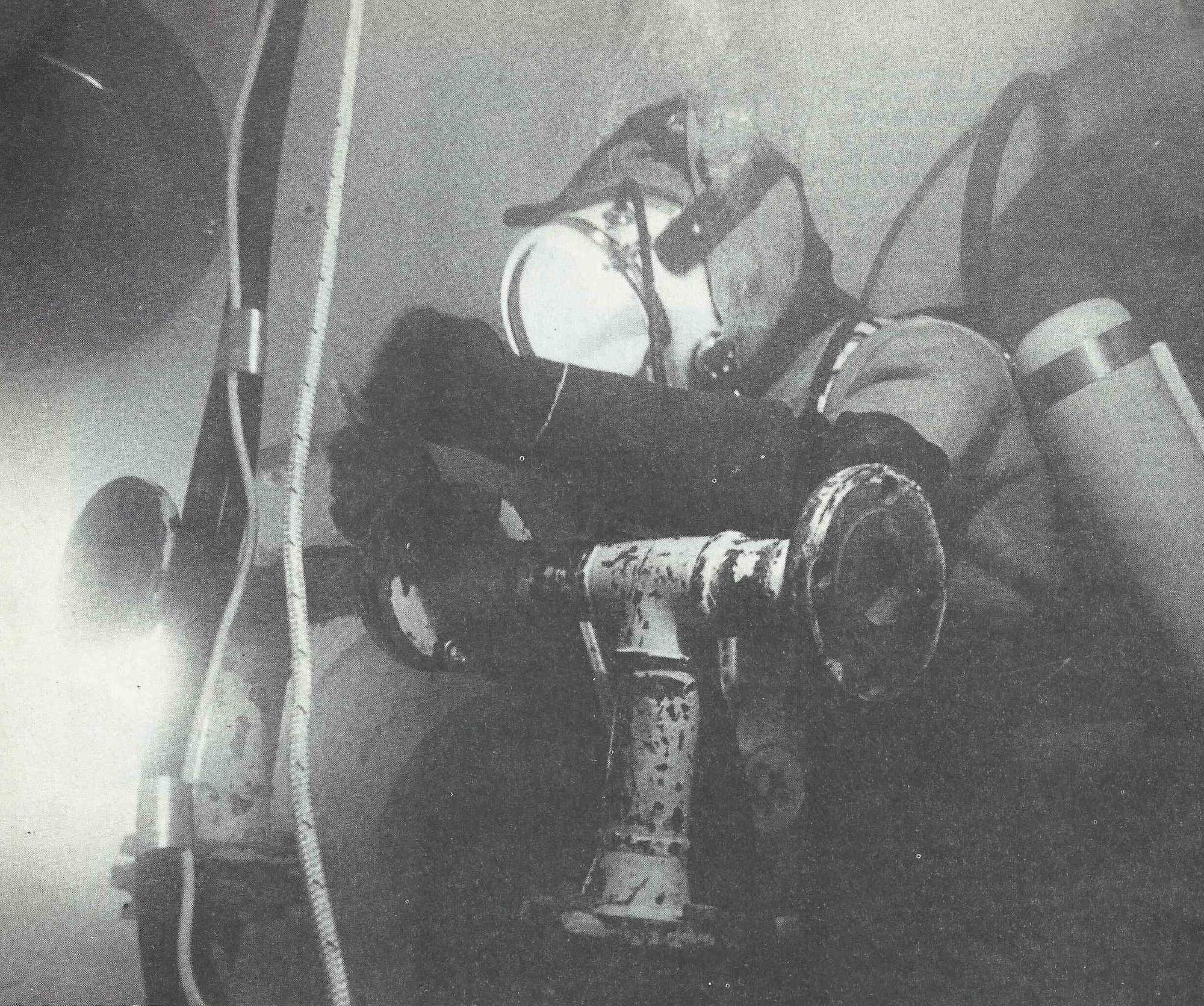
Vito Lentini in a water-filled test chamber at COMEX’s Marseille facility, at a simulated depth of 460 meters. Océans magazine, circa 1977
Rolex formalized a partnership with COMEX in 1971, supplying watches to its divers. For Rolex, this gave access to experience that would be difficult to reproduce through watch testing alone. For COMEX, reliable timekeeping was part of equipping men for their jobs.
One of those operations was JANUS IV in 1977. The aim was to establish whether divers could perform useful work at 460 meters. Tasks included assembling sections of pipeline, welding, and cutting. Two divers also reached 501 meters, setting an open-sea depth record.
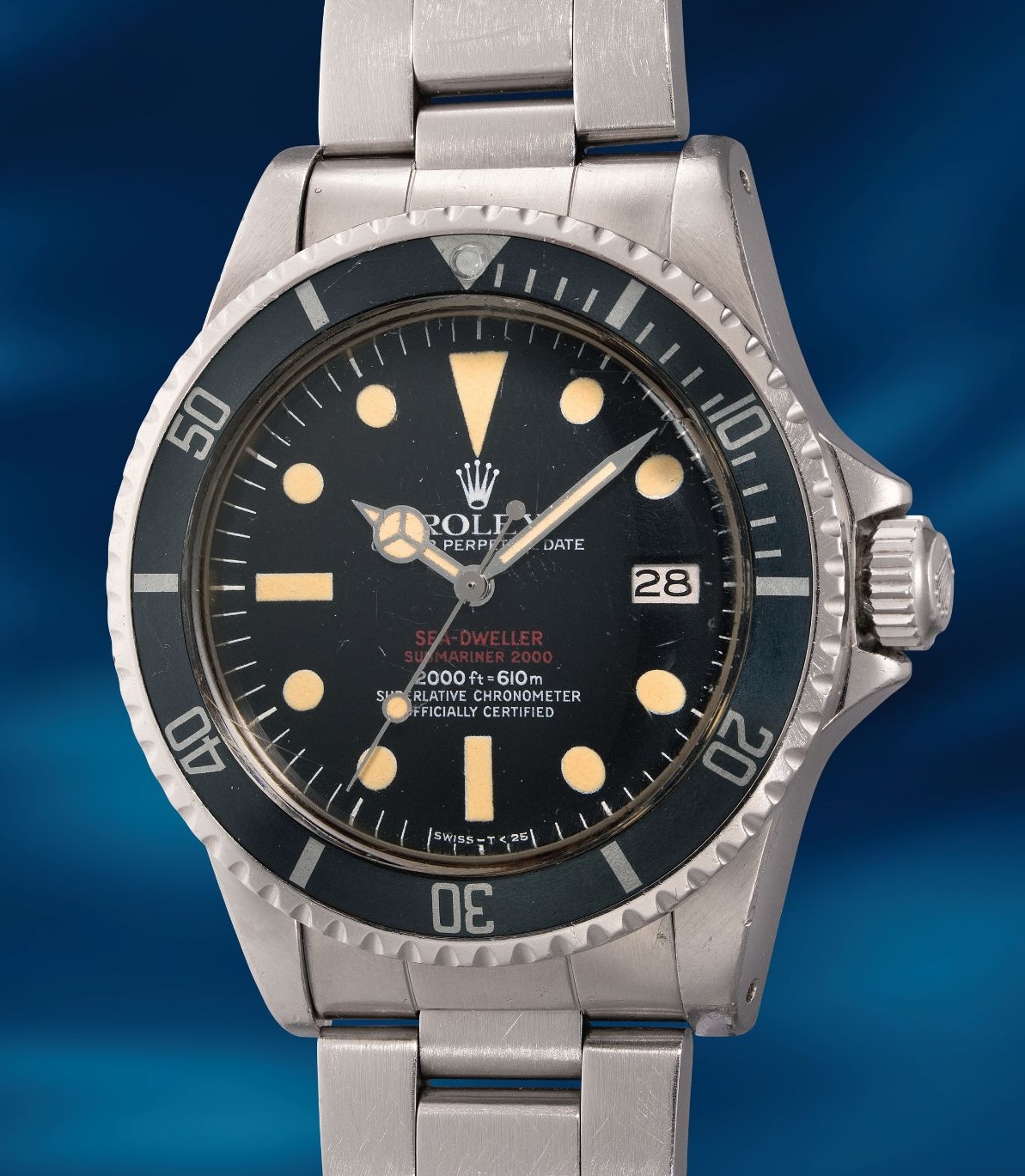
Lot 909: A circa 1976 Rolex Sea-Dweller Ref. 1665 “Double Red Mk IV” in stainless steel, originally owned by COMEX JANUS IV diver Vito Lentini, included in The Hong Kong Watch Auction XXIII. Estimate: HKD $400,000–600,000
The work involved much more than the time spent outside the diving bell. Reports published at the time describe how the men remained in chambers between dives and emerged after about two weeks. The lengthy decompression was part and parcel of getting home from work.
The circa 1976 Sea-Dweller at Lot 909 belonged to COMEX diver Vito Lentini, whose participation in the expedition is recorded in its caseback engraving: “Lentini Vito Janus IV.”
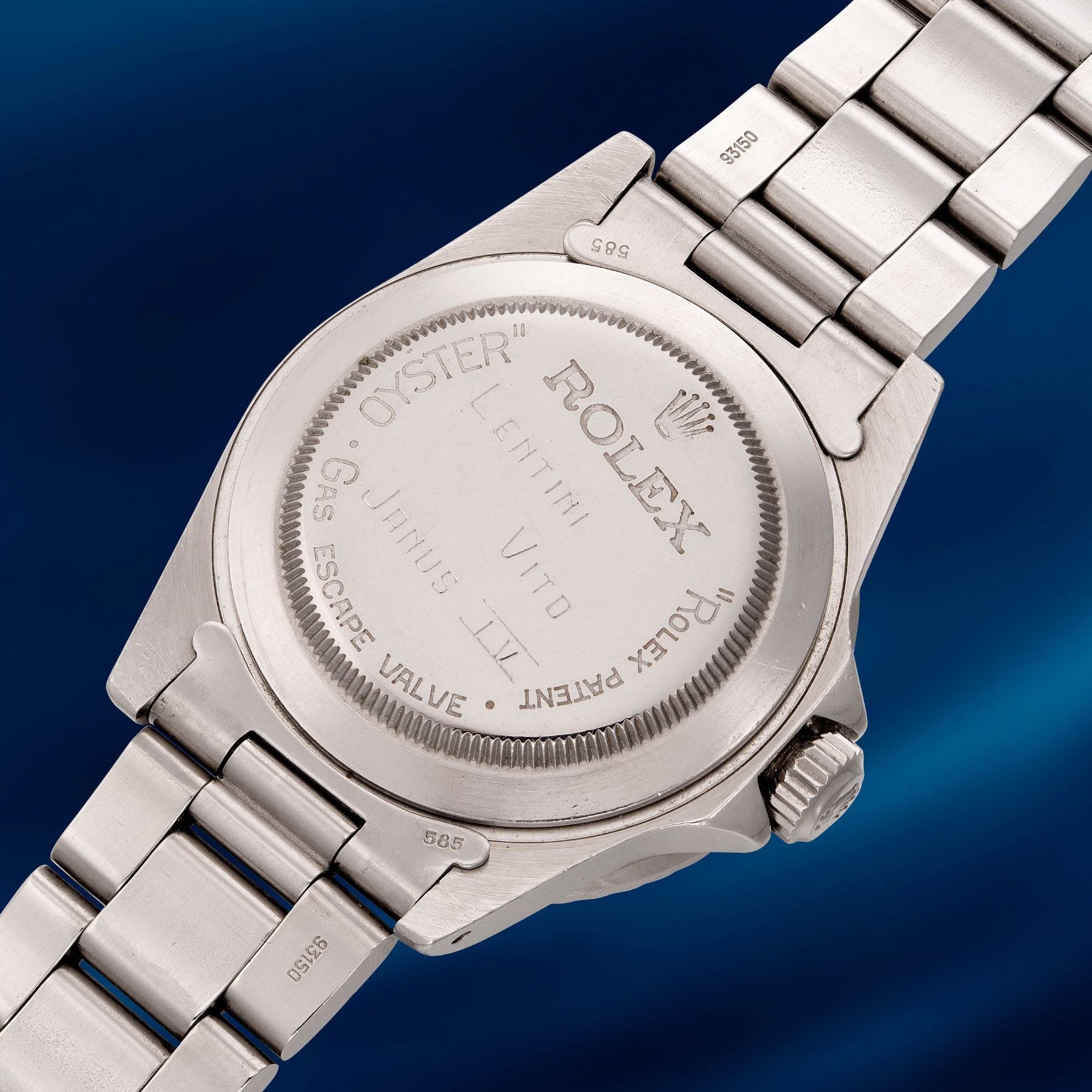
Lot 909: A circa 1976 Rolex Sea-Dweller Ref. 1665 “Double Red Mk IV” in stainless steel, originally owned by COMEX JANUS IV diver Vito Lentini, included in The Hong Kong Watch Auction XXIII. Estimate: HKD $400,000–600,000
A JANUS IV Phase II report accompanies the watch, along with decompression table cards, a COMEX suit and mask, and a medal marking Lentini’s ten years with the company. The report includes a handwritten statement regarding his ownership of the watch.
The cards are particularly relevant to the world in which it was used. Decompression tables specified how pressure should be reduced and how long each stage should last. A watch measured elapsed time; the tables and procedures told divers how to use that time safely. Divers also depended on the wider team and equipment supporting the operation.
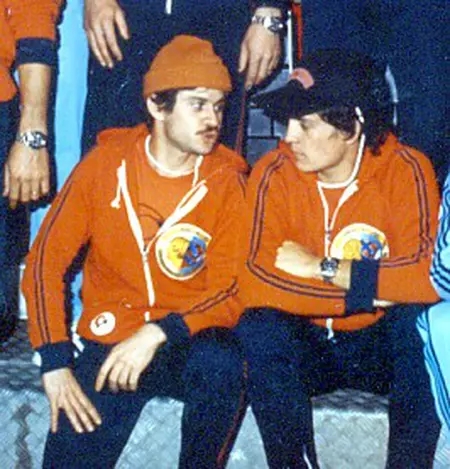
Vito Lentini (left) and COMEX colleagues wearing their watches during preparations for JANUS IV. Vito Lentini / Copains d’avant
The suit, mask, and records help us see the Sea-Dweller among that equipment. Lentini’s medal adds a longer timescale: a single operation within years of service with COMEX.
Watches for COMEX
On some watches supplied to COMEX, the company connection is immediately visible. A circa 1978 Sea-Dweller Ref. 1665 in the sale, Lot 1073, has the COMEX logo printed on its dial.
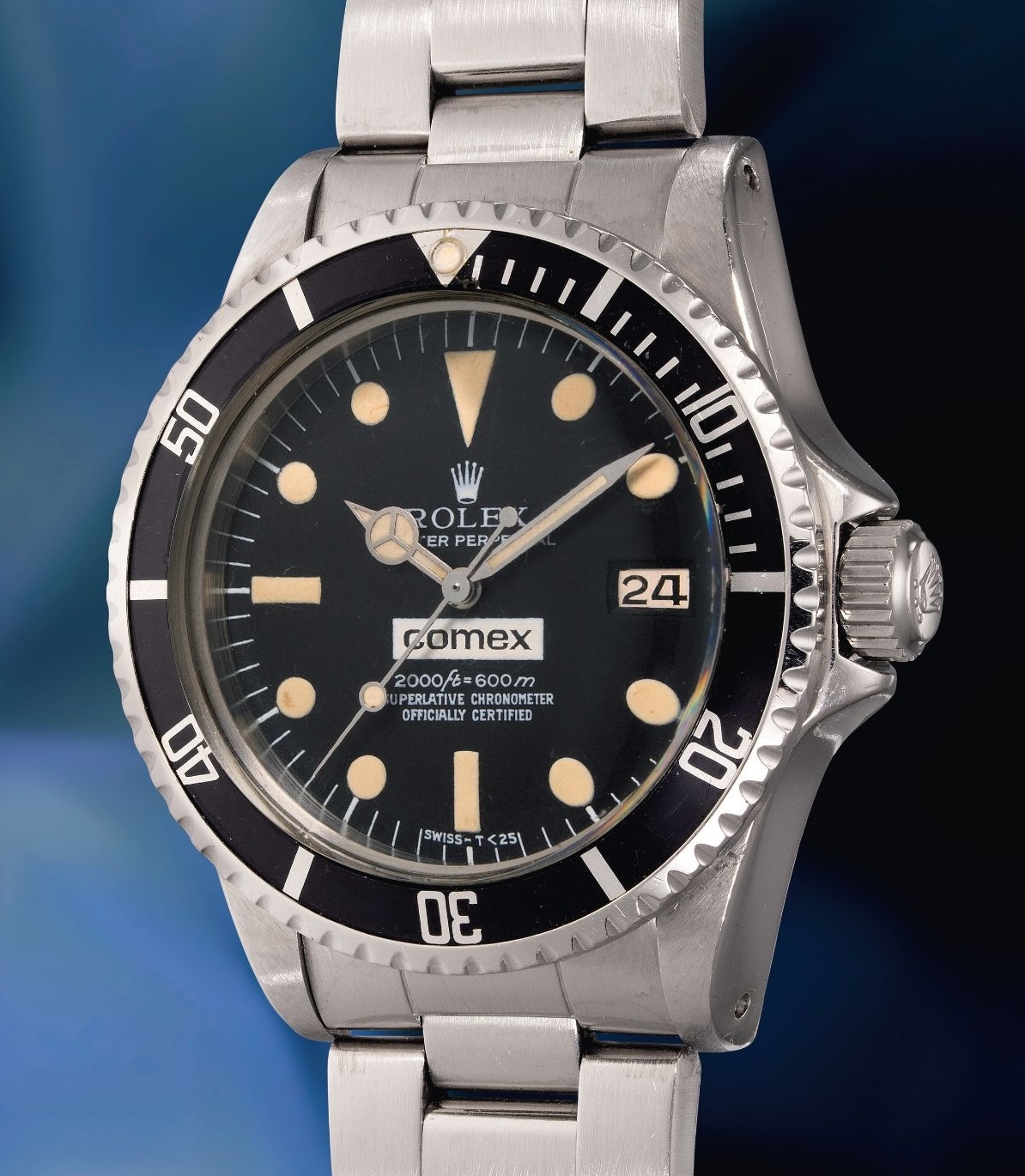
Lot 1073: A circa 1978 Rolex Sea-Dweller Ref. 1665 in stainless steel with a Mk I “Pisani rail dial,” made for COMEX, included in The Hong Kong Watch Auction XXIII. Estimate: HKD $550,000–1,100,000
These watches – about 300 examples – were supplied through the company rather than sold as ordinary retail stock. They also carried individual COMEX issue numbers, separate from Rolex’s serial numbers. This example is numbered 2041.
Its dial is known among collectors as the “Pisani dial,” after vintage Rolex researcher Marcello Pisani. This early Mk I has a “rail” layout, with the C in “Chronometer” directly above the C in “Certified.” The 600-meter depth marking also distinguishes it from commercial examples of the reference, marked 610 meters. For a collector, the logo, numbering, and dial provide several clues to investigate.
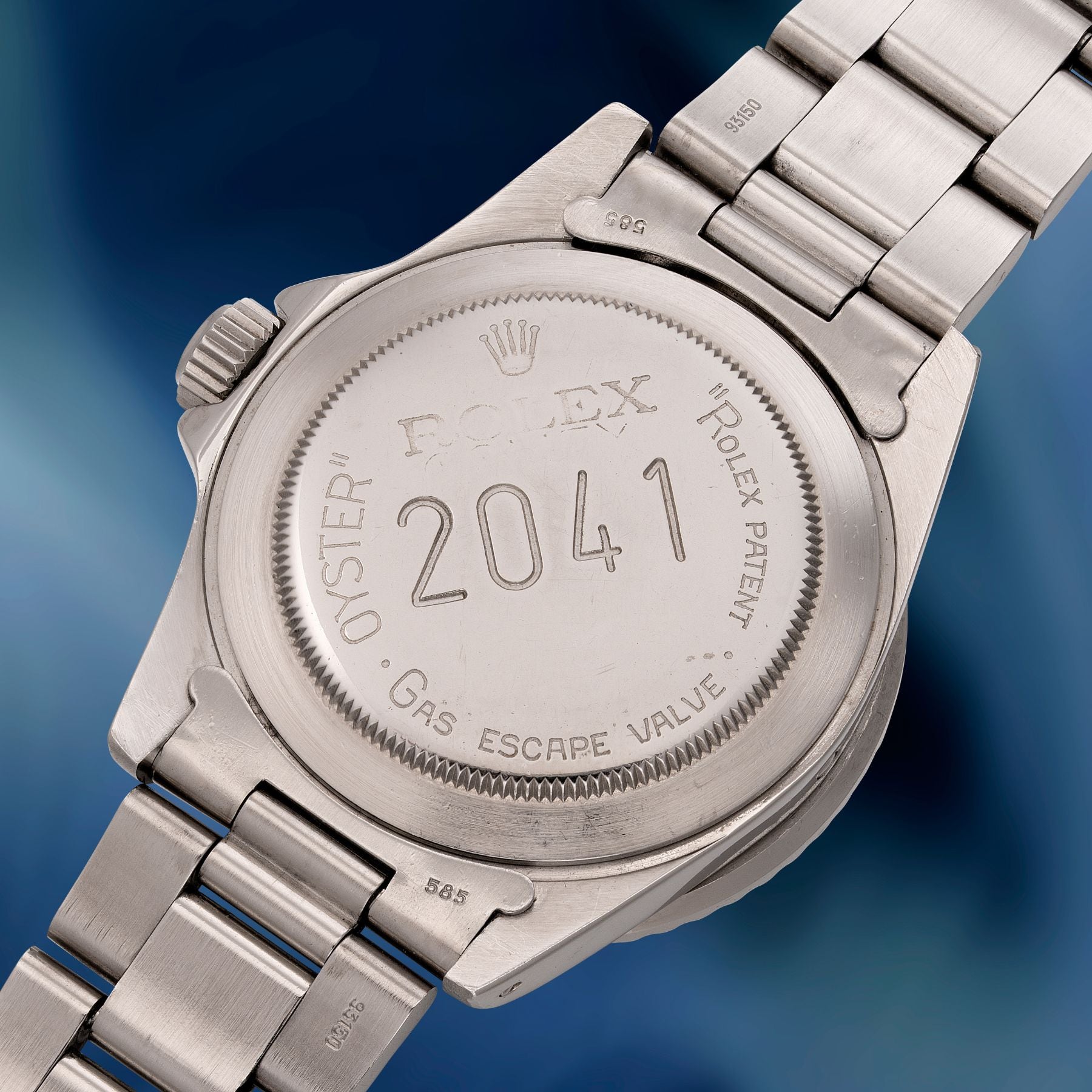
Lot 1073: A circa 1978 Rolex Sea-Dweller Ref. 1665 in stainless steel with a Mk I “Pisani rail dial,” made for COMEX, included in The Hong Kong Watch Auction XXIII. Estimate: HKD $550,000–1,100,000
But a company connection does not establish that every watch was used in deep saturation diving. COMEX also received Submariners without helium escape valves, including the circa 1985 Ref. 16800 and circa 1991 Ref. 16610 in this sale. Both references were rated to 300 meters.
There were jobs for divers who returned to surface pressure after individual dives, without spending weeks living in helium-rich accommodation. Watches also went to other recipients as gifts or presentations.
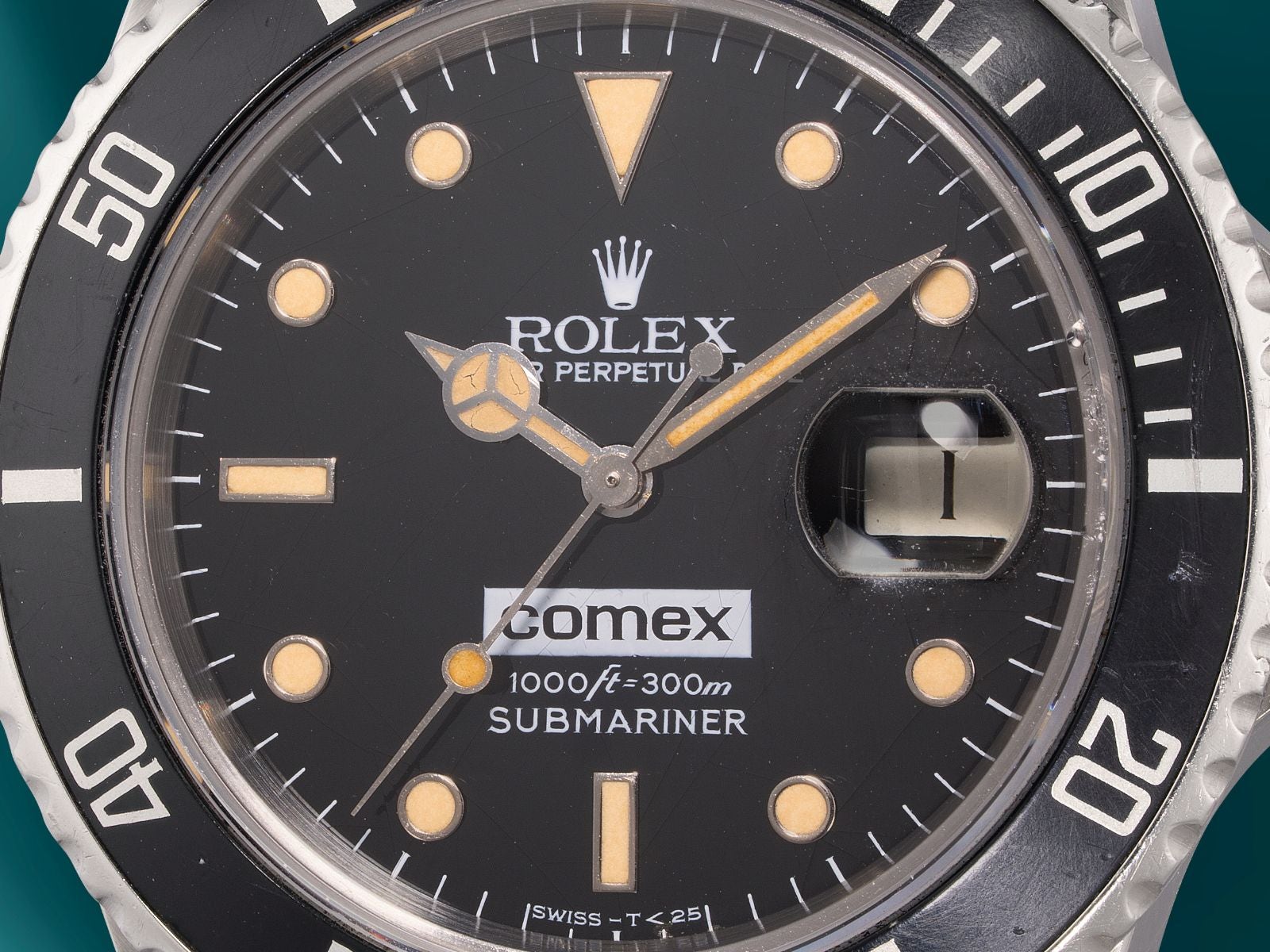
Lot 1014: A circa 1985 Rolex Submariner Ref. 16800 in stainless steel with a “spider” dial, made for COMEX, included in The Hong Kong Watch Auction XXIII. Estimate: HKD $450,000–900,000
The Ref. 16800, Lot 1014, carries the engraving “E. I. Moore 1974-1984.” The dates suggest it may have marked ten years spent working for COMEX, although Moore’s role and the circumstances of the presentation remain to be established. Its dial, meanwhile, has developed fine cracks in the glossy lacquer, known in collector circles as a “spider” pattern.
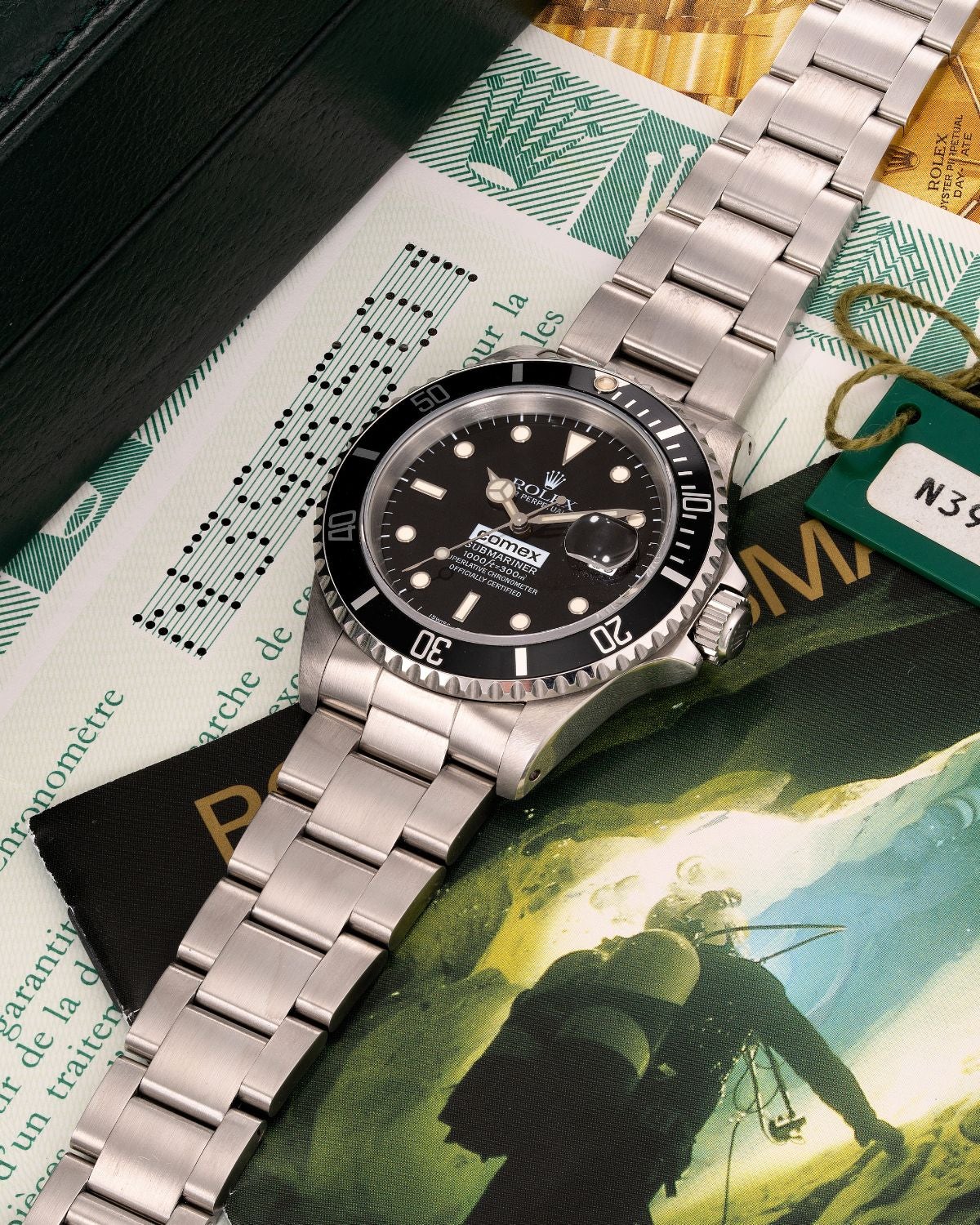
Lot 910: A circa 1991 Rolex Submariner Ref. 16610 in stainless steel, made for COMEX, included in The Hong Kong Watch Auction XXIII. Estimate: HKD $250,000–450,000
The later Ref. 16610, Lot 910, bears the COMEX logo and issue number 6367. One of about 250 examples, it represents the final Submariner reference supplied with the company’s dial signature.
For Those Who Served
The final watch brings us forward to around 2014 and another kind of underwater work. Royal Navy clearance diving has its roots in the Second World War, when specialist “P Parties” cleared ports and harbors of mines and other explosives so ships could use them again.
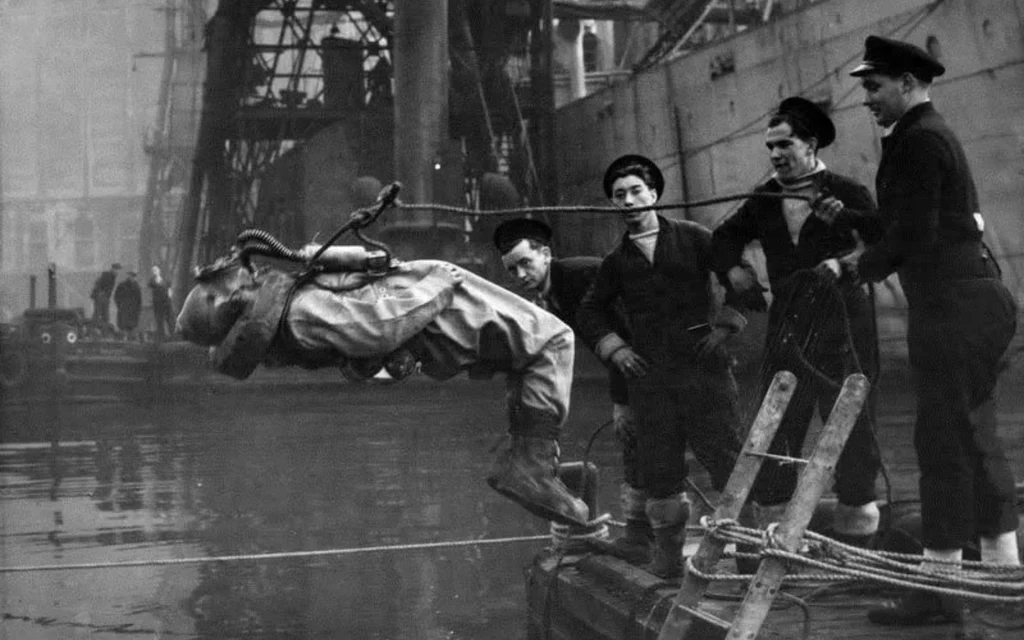
Royal Navy “P Party” divers, circa 1945–1947. Manchester Evening News via Martin Clark
The Clearance Diving Branch was formally established in 1952. Its divers continue to locate and deal with underwater hazards, including mines and unexploded ordnance.
The Deepsea Ref. 116660 at Lot 1013 was one of 50 examples commissioned to mark the Royal Navy Clearance Diving Branch’s 60th anniversary. These were available to members of the branch, and this example was originally acquired by former clearance diver Vic Anderton.
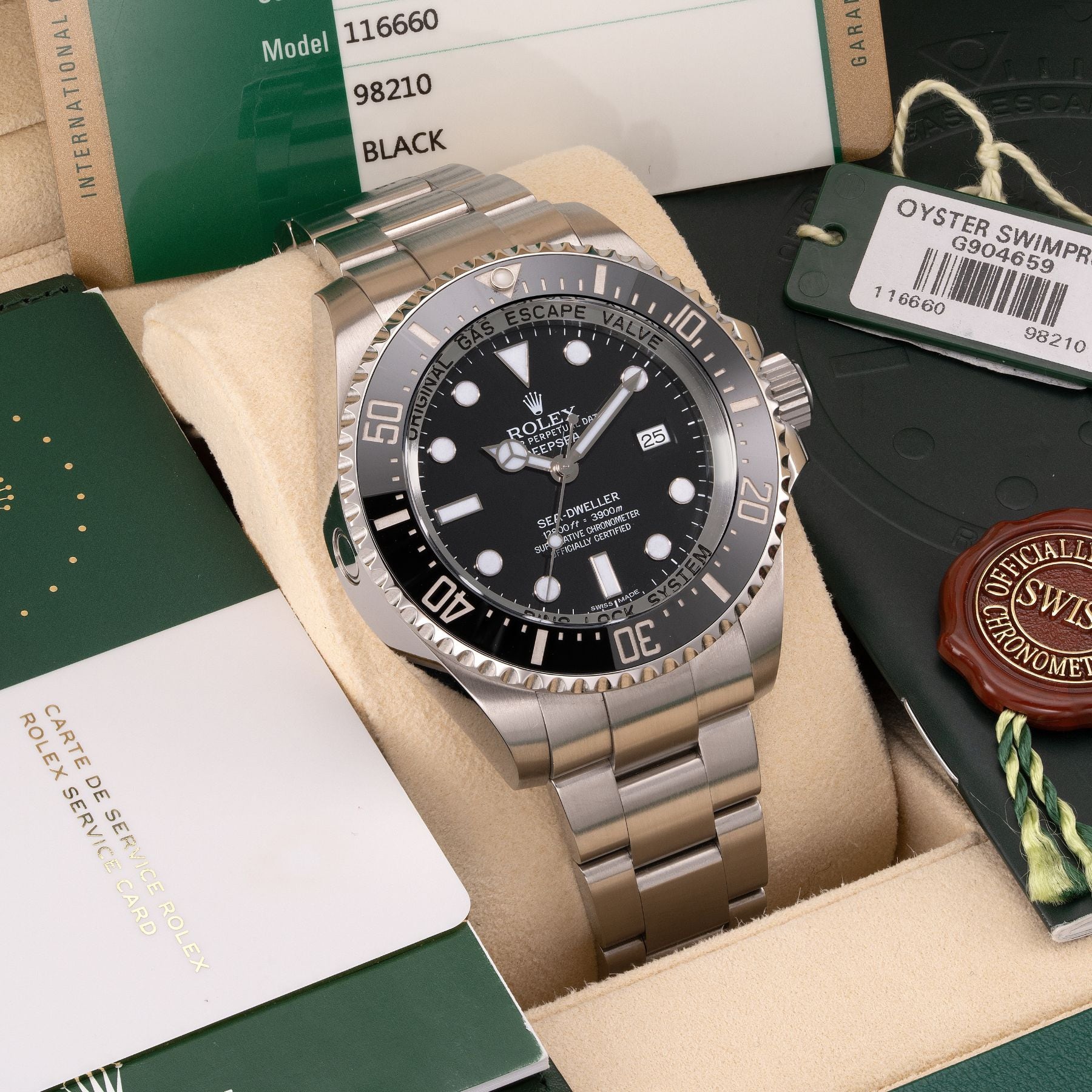
Lot 1013: A circa 2014 Rolex Deepsea Sea-Dweller Ref. 116660 in stainless steel with a titanium caseback, one of 50 examples commemorating the Royal Navy Clearance Diving Branch’s 60th anniversary, included in The Hong Kong Watch Auction XXIII. Estimate: HKD $200,000–400,000
By then, Rolex’s engineering had moved well beyond the first Sea-Dweller. Introduced in 2008, the Deepsea was rated to 3,900 meters, using a reinforced case construction that combined a thick sapphire crystal, an internal compression ring, and a titanium caseback. That depth far exceeds a human diver’s working range.
The anniversary commission served another purpose. It offered members a watch made specifically for their community. Numbered 36 of 50, Anderton’s example carries the Fleet Diving Squadron crest on its back.
A Shared Connection
Noel William Mitchell received his Sea-Dweller to test at work. Vito Lentini wore his during his career with COMEX. Decades later, Vic Anderton and his fellow clearance divers could acquire a Deepsea made specifically for their community.
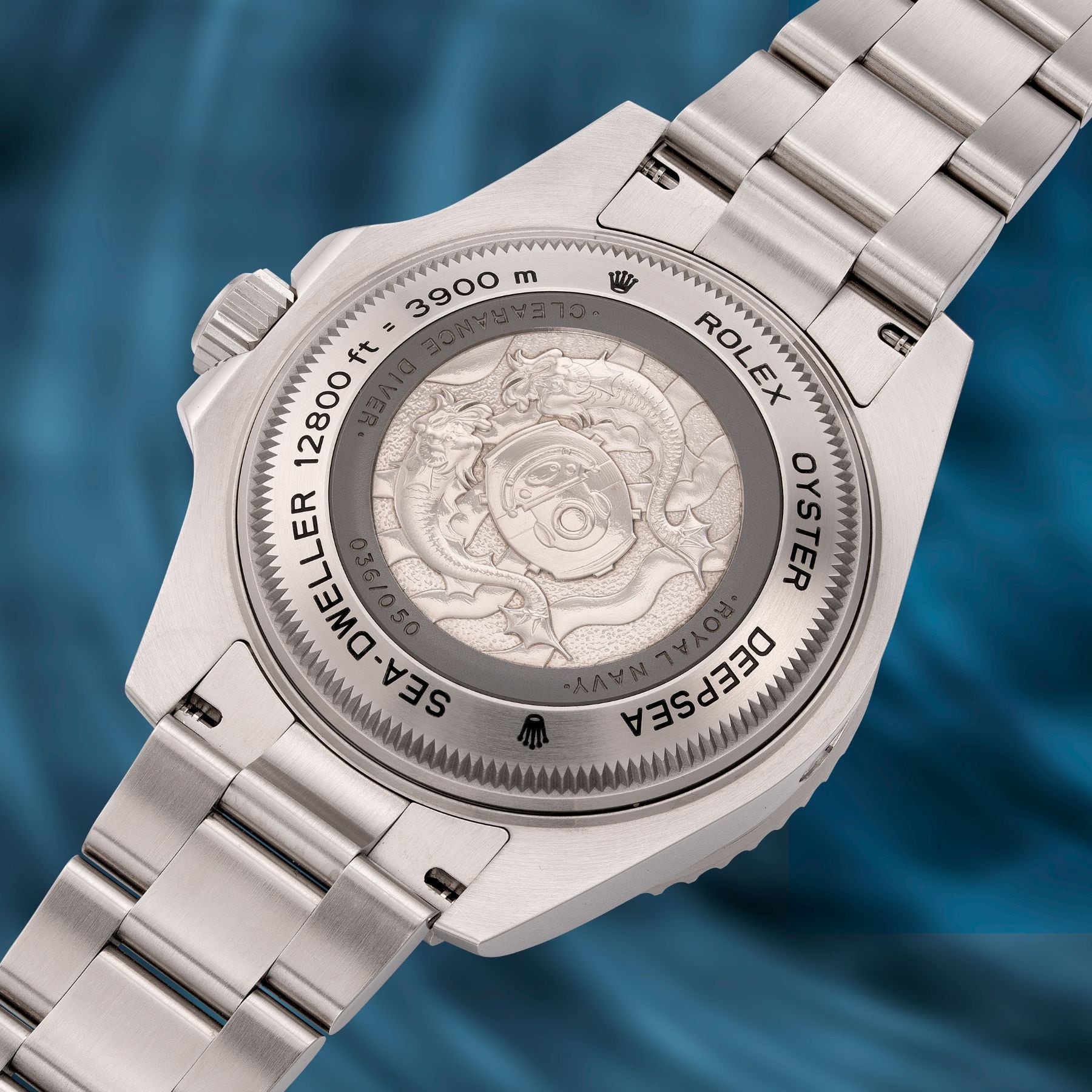
Lot 1013: A circa 2014 Rolex Deepsea Sea-Dweller Ref. 116660 in stainless steel with a titanium caseback, one of 50 examples commemorating the Royal Navy Clearance Diving Branch’s 60th anniversary, included in The Hong Kong Watch Auction XXIII. Estimate: HKD $200,000–400,000
Different circumstances brought these watches to their owners, but in each case, the route to the wrist began with a diving job – working underwater, and under pressure.
You can learn more, place a bid, and view the entire Hong Kong Watch Auction: XXIII catalog here.


