Article | Perspectives Erin Saluti Design Auction Eittem Dropshop December 2026
PERSPECTIVES: ERIN SALUTI
The designer and Eittem founder discusses her recent Dropshop collaboration and shares her top picks from the upcoming New York Design auction.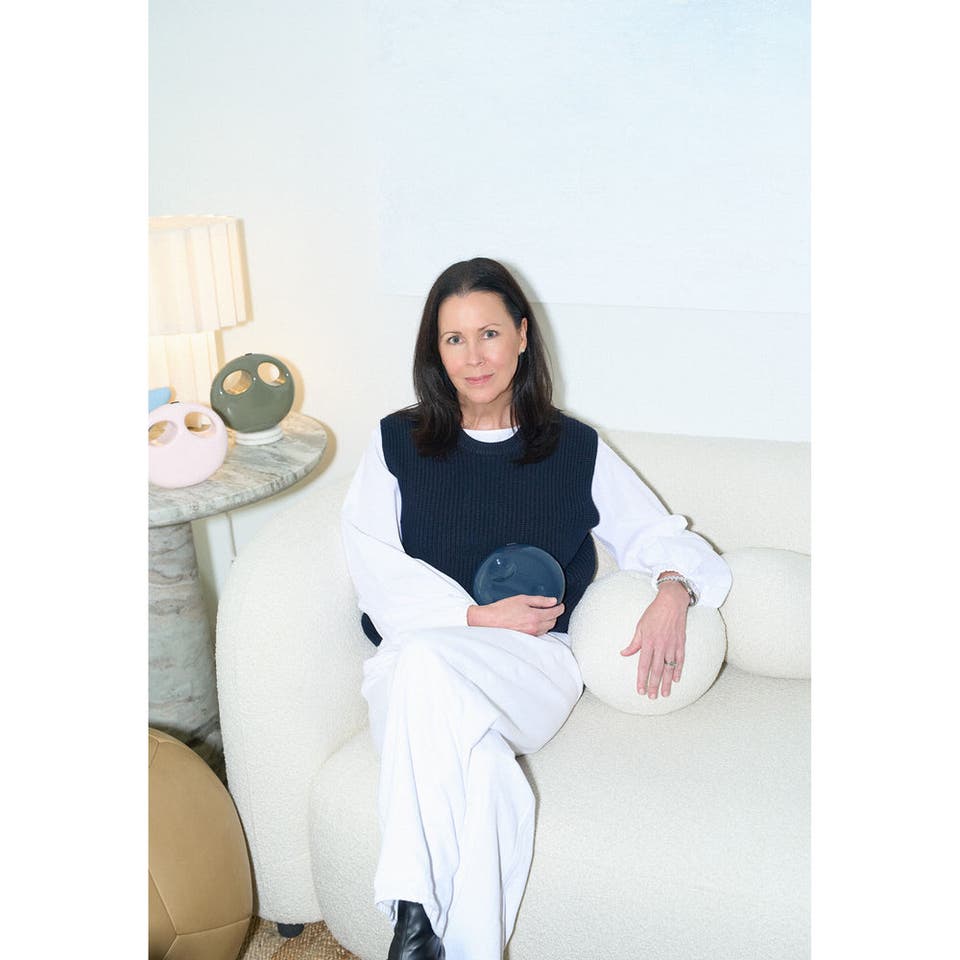
Designer Erin Saluti. Photograph: Angela Pham.
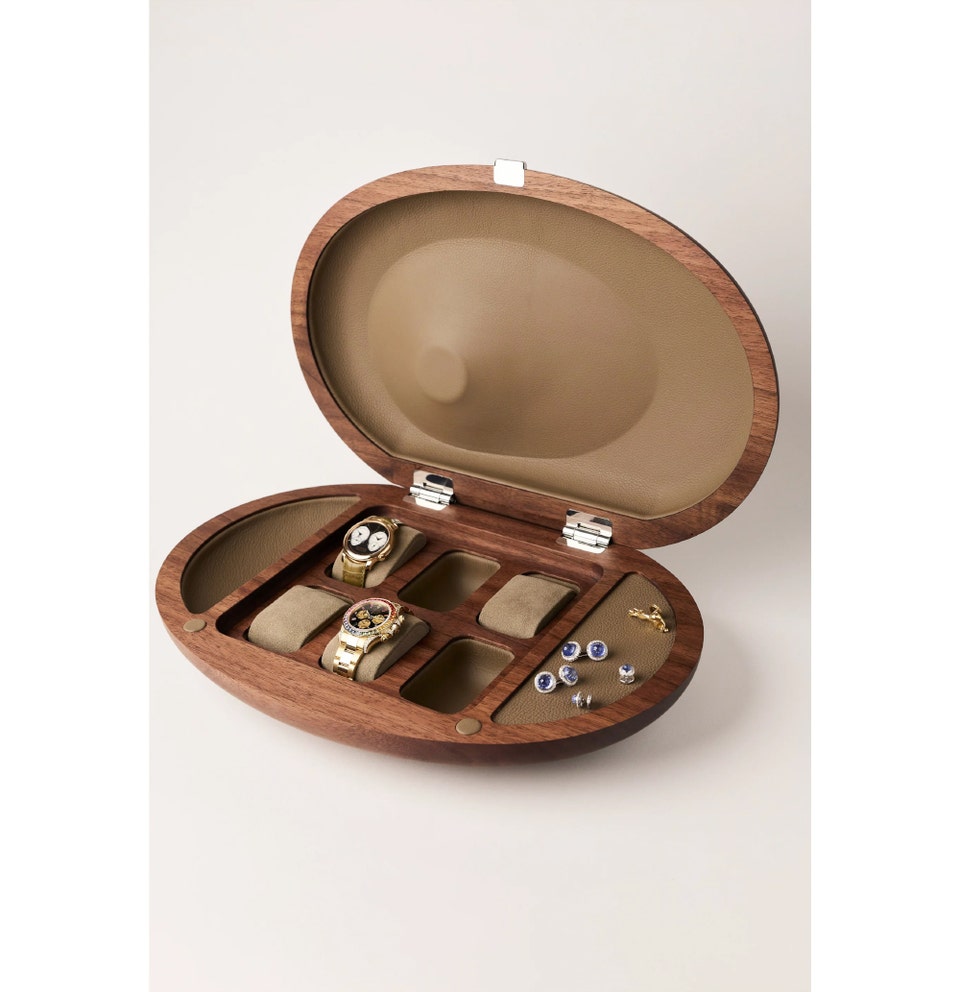
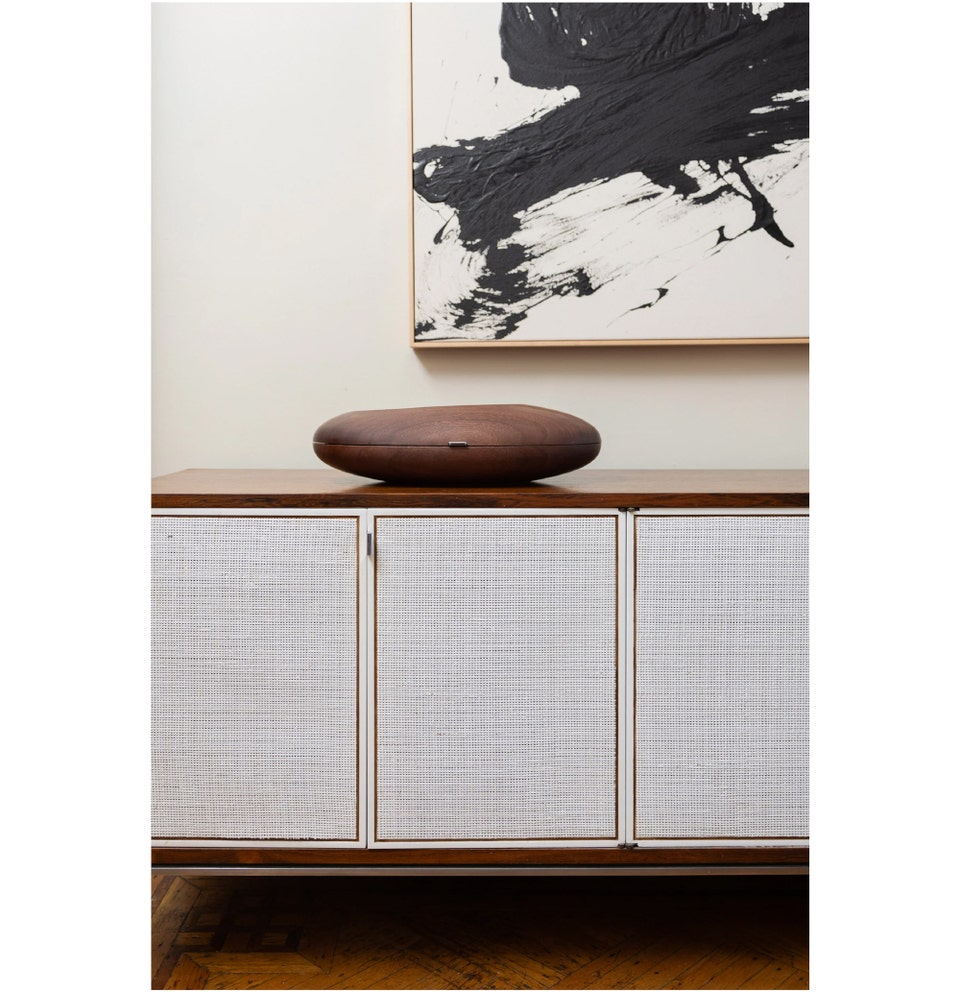
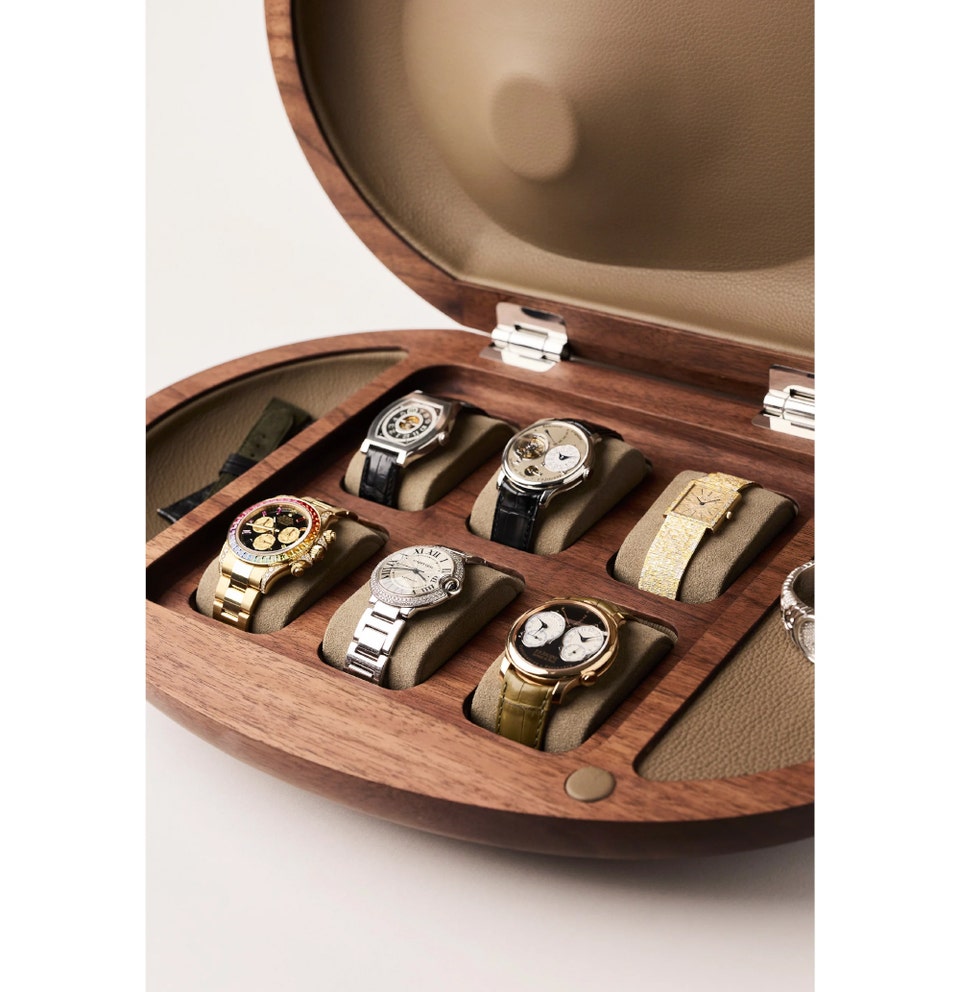
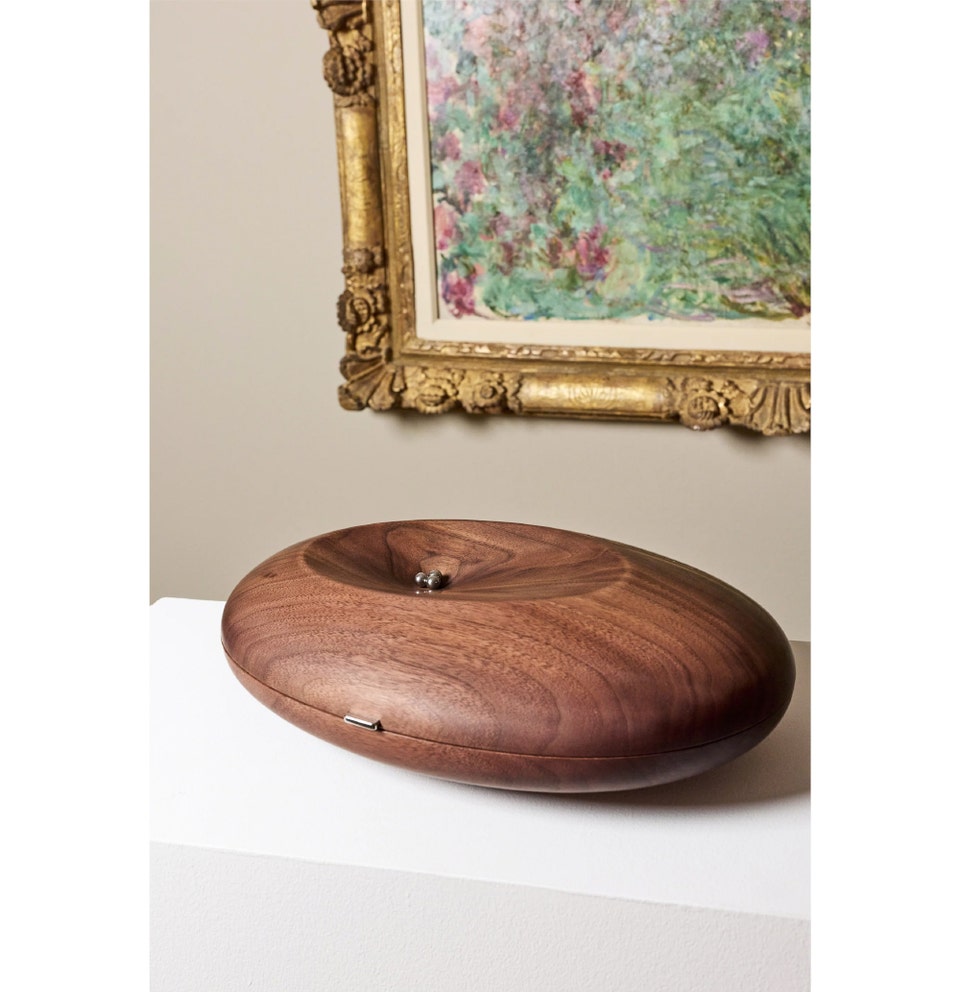
As Phillips prepares for our December Design auction in New York, the worlds of craft and collecting intersect. Vistors to the gallery will not only discover the full sale catalogue, but also Singularity — this month’s Dropshop offering, presented in collaboration with Eittem. A sculptural timepiece case, Singularity functions equally as a watch box and a work of collectible design. Drawn to the visual resonance between the case and the sale’s highlights, we spoke with Eittem founder and designer Erin Saluti about her process and the standout lots that caught her eye.
PHILLIPS: Erin, could you share how your professional journey led you to form Eittem?
ERIN SALUTI: I came to Eittem through a lifelong passion for art, design and collecting. I studied art history at the V&A, trained in interior design and spent fifteen years in historic preservation, thinking about the places and objects we choose to keep and protect and why. While designing sculptural wood furniture, I began to wonder what it would be like to make a sculpture you could carry. I started with my favorite material, walnut, and a sketch for a clutch. Six years of refining process, form and tactility later, we launched Eittem, a New York atelier making handbags, vessels, jewelry and sculpture from urban-salvaged American walnut. This fall brought Flourish, After Miller, our tribute to Abraham Miller’s carved walnut in the Walnut Room at The Frick Collection, and Singularity, here at Phillips.
P: How does your background as a collector inform the way you design? And how has your role as a maker changed the way you collect?
ES: Collecting has made me patient. It taught me that the objects that last are the ones that hold back, revealing perhaps one idea at first and letting the material carry it. It might be a silhouette that changes as you walk around it, or the way light and shadow move across it over the course of a day. I am drawn to pieces that feel inevitable, and that timelessness is what I hope to convey in my own work.
Designing has made me consider the process a maker goes through, not just the resolved work. When I look at a piece, I think about the decisions along the way and what the artist or designer may have wrestled with at each juncture. At Eittem, we spend a great deal of time on things you may never consciously register, like the resistance in a hinge or the way an object rests in a palm. I’ve come to appreciate how much those small decisions shape the pleasure of living with an object.
ERIN SALUTI’S HIGHLIGHTS FROM PHILLIPS’ DECEMBER DESIGN AUCTION
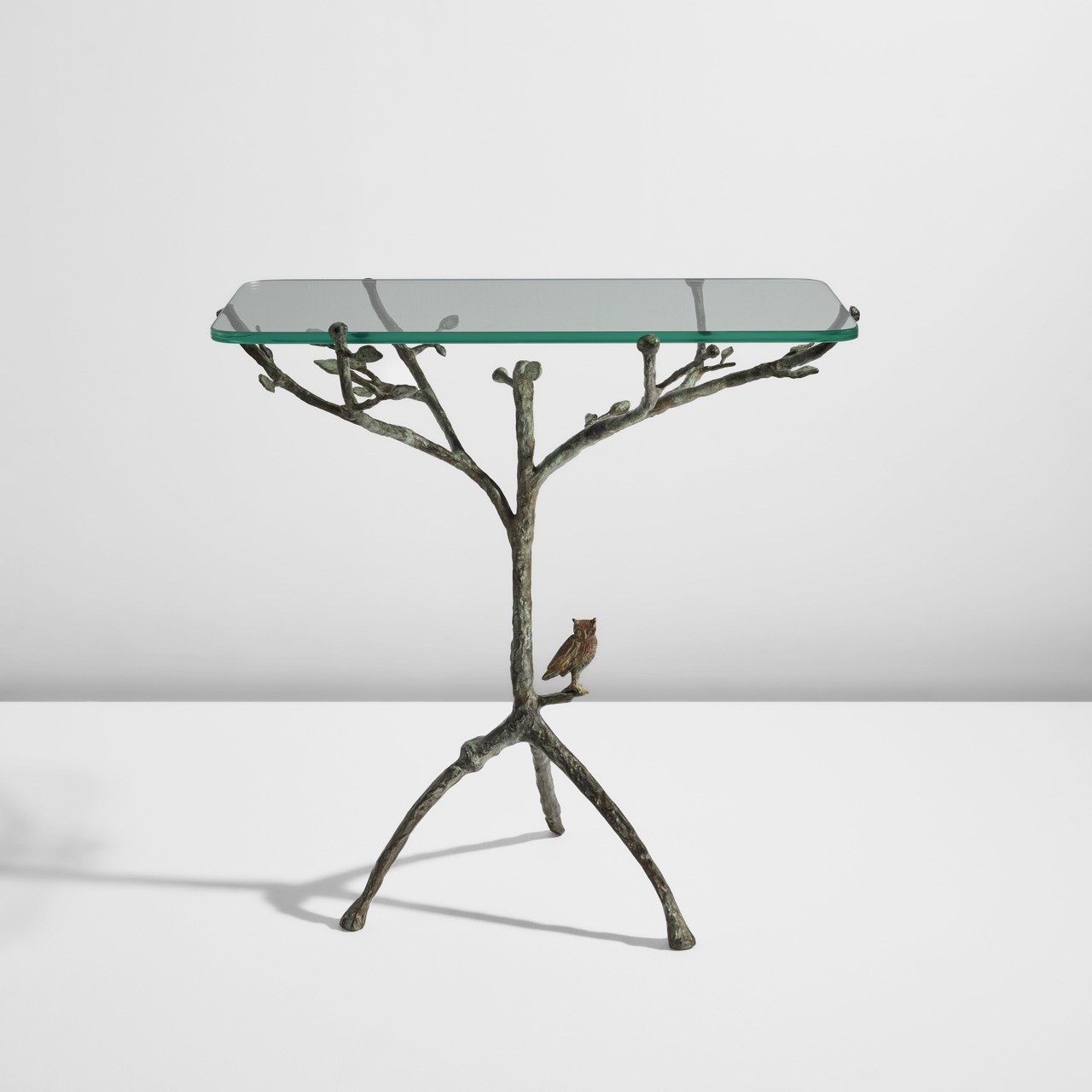
DIEGO GIACOMETTI, “Arbre au Hibou” gueridon, designed circa 1980, executed 1985. Design New York.
The owl is perched so low on the table that you spend a moment looking at the branches before you find it. Giacometti could easily have crowned the table with the owl. Instead, he let the branches carry the composition and tucked the owl in a deliberate spot, rewarding the viewer with discovery. I've lived intimately with our own Owl design, in form and in symbol, for years, so I was especially pleased to find a kindred one in the sale.
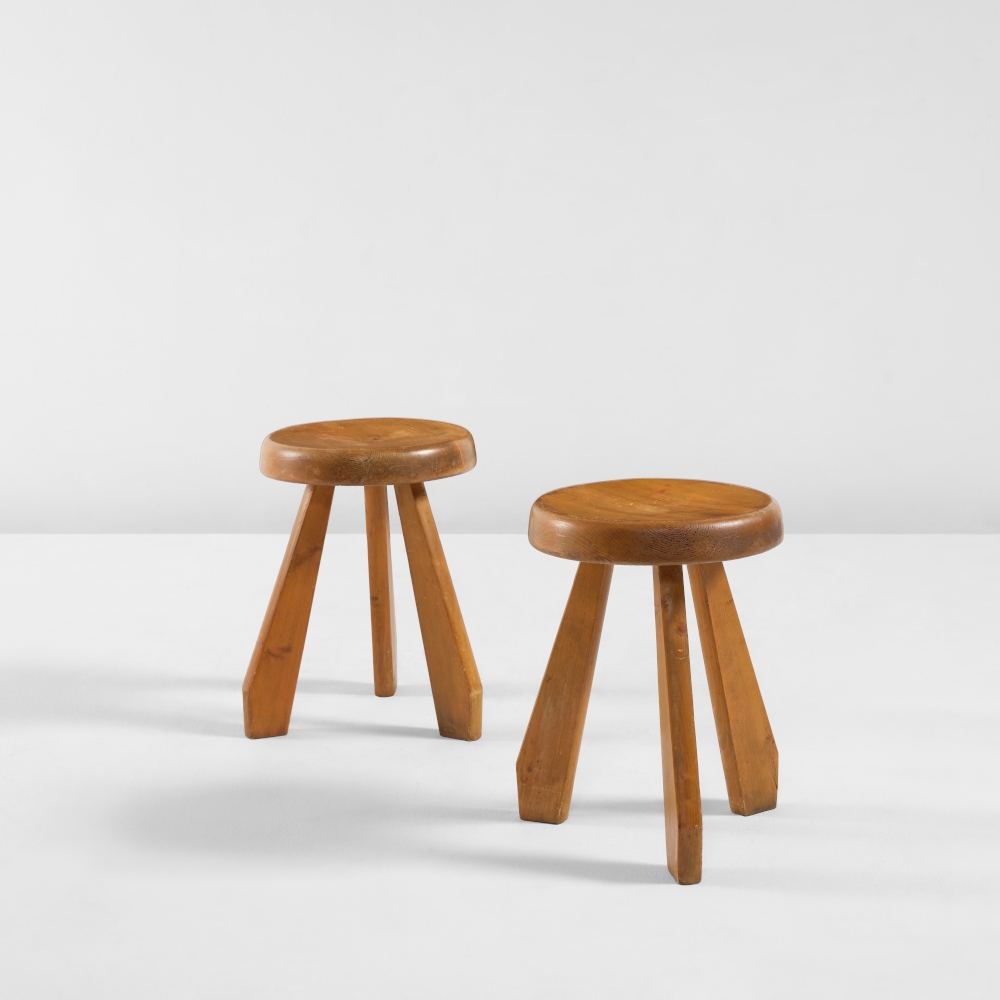
CHARLOTTE PERRIAND, Pair of "Sandoz" stools, circa 1967. Design New York.
Perriand’s stools bring one of humanity’s earliest functional objects into focus through material and proportion. They look rustic, but the pine seat has a deliberately eased edge, and the notched tripod legs bring lightness to a low, weighty piece. I prefer the “Sandoz” to the more refined high “Berger” stool it evolved from, as if she had taken the form back toward its origins.
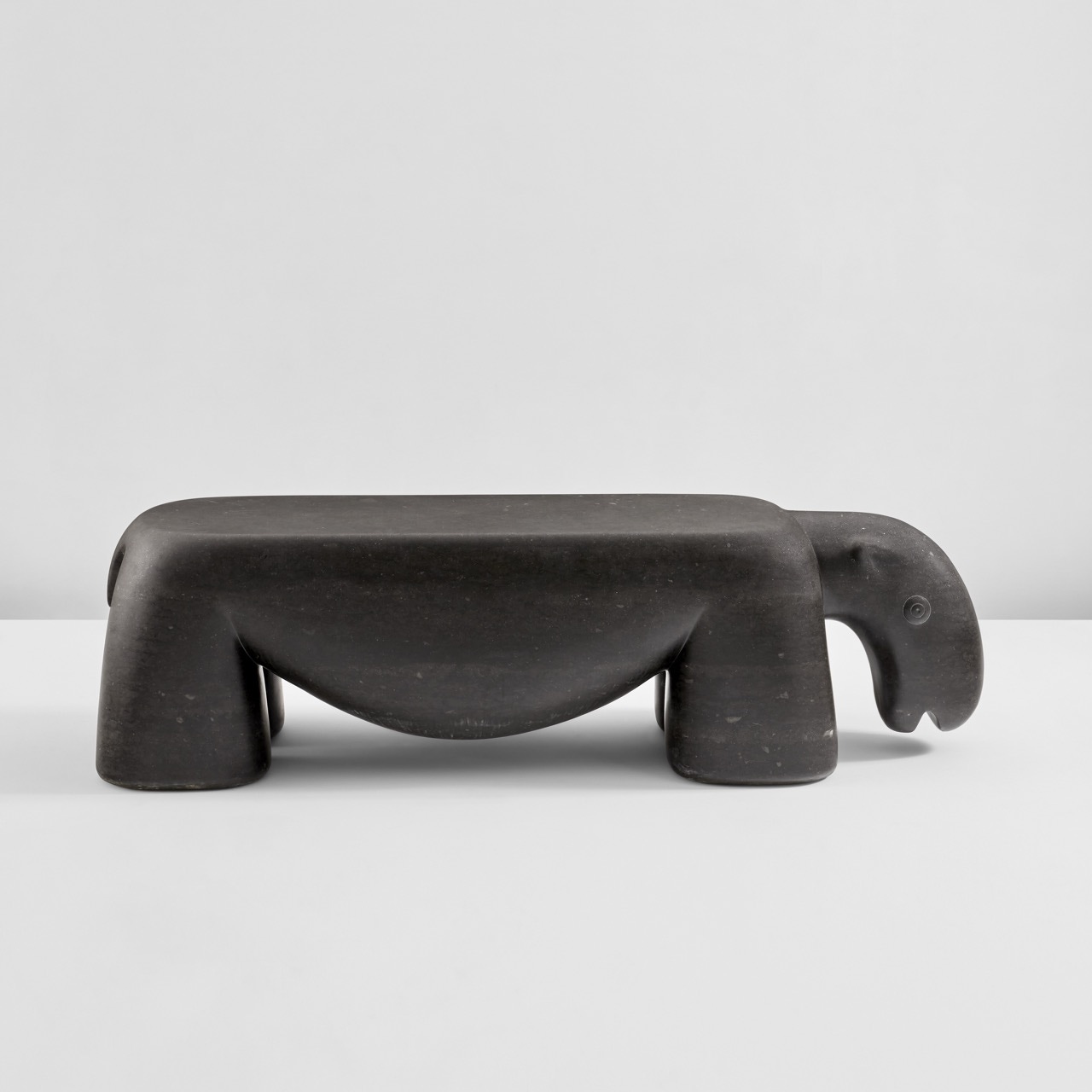
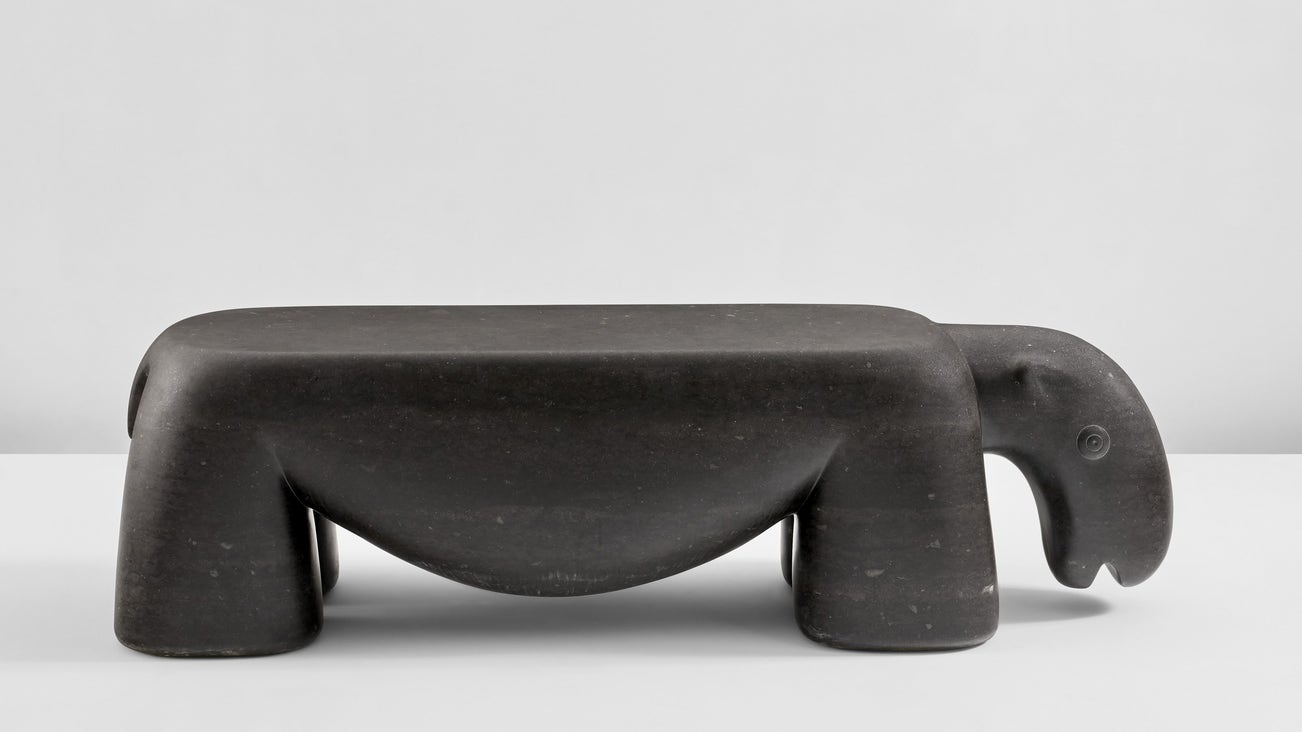
JUDY KENSLEY MCKIE, "Hippo" bench, 2006. Design New York.
McKie draws on ancient and folk traditions, and her animals become the structure of the object rather than the decoration. The hippo isn’t carved onto a bench; it is the bench and feels monolithic and graceful simultaneously.
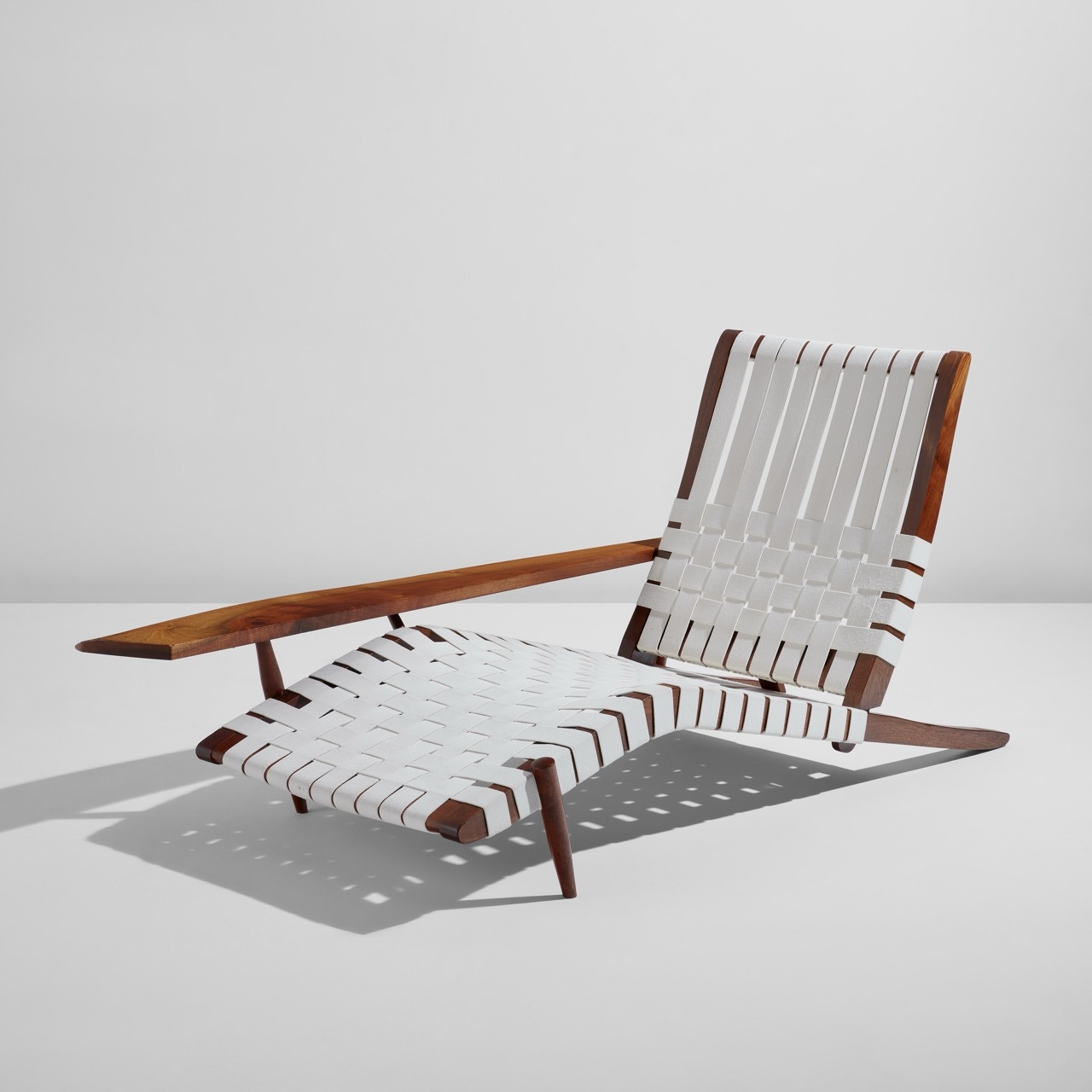
GEORGE NAKASHIMA, Free-edge "Long" chair, 1968. Design New York.
My eye goes straight to the arm, where the natural edge runs alongside the ordered pattern of the webbing. Working in walnut has made me attentive to where a board should be left to express itself and where it needs refining. Nakashima lets you see both decisions in the same chair. It’s a remarkable study in angles, and it asks to be walked around and considered from every side.
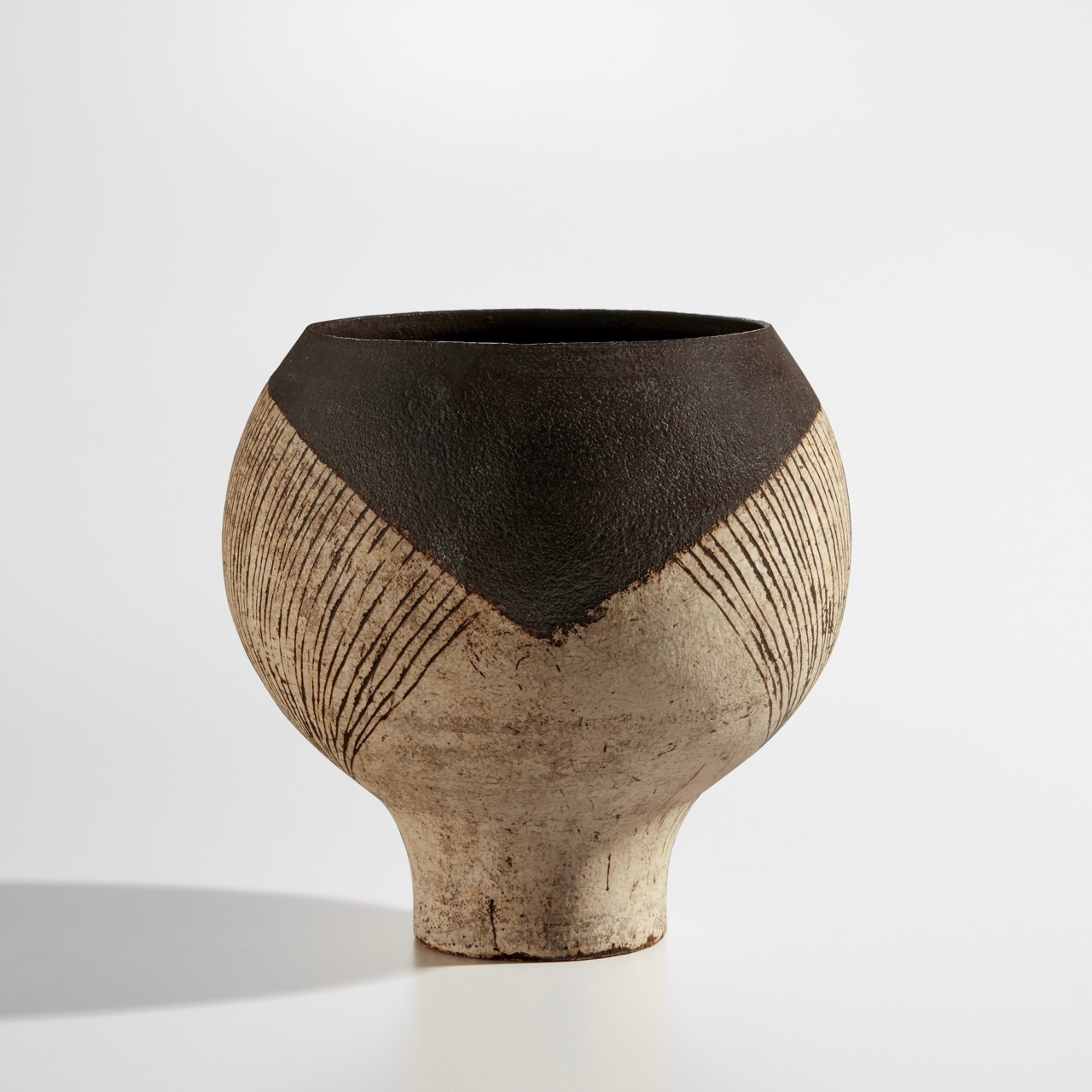
HANS COPER, Early footed pot, circa 1953. Design New York.
Coper arrived in England as a refugee with no training in clay, and perhaps that is why he never stopped questioning his own forms. He was known to put a hammer through pots that didn’t satisfy him. What survives here is pared to almost nothing: a foot, a body, and a surface worked until it looks unearthed. Its authority is in its simplicity.
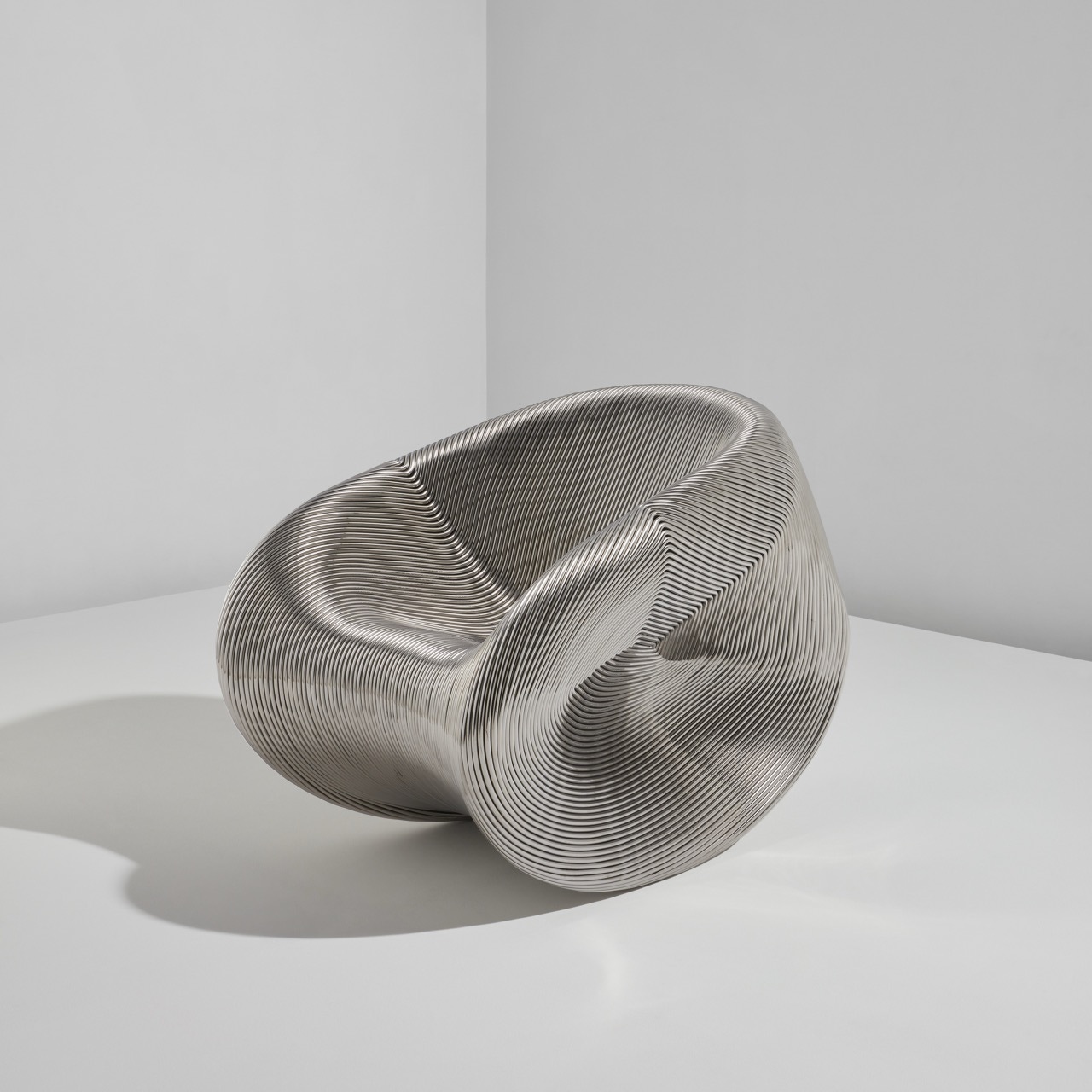
RON ARAD, "Solid Rocker", 2010. Design New York.
I was living in London when the V&A gave Arad a retrospective in 2000, a rare honor for a living designer. He moves freely between sculpture and furniture, and the closed, rounded form of the “Solid Rocker” is both. There are no runners; the rocking is in the curve itself.
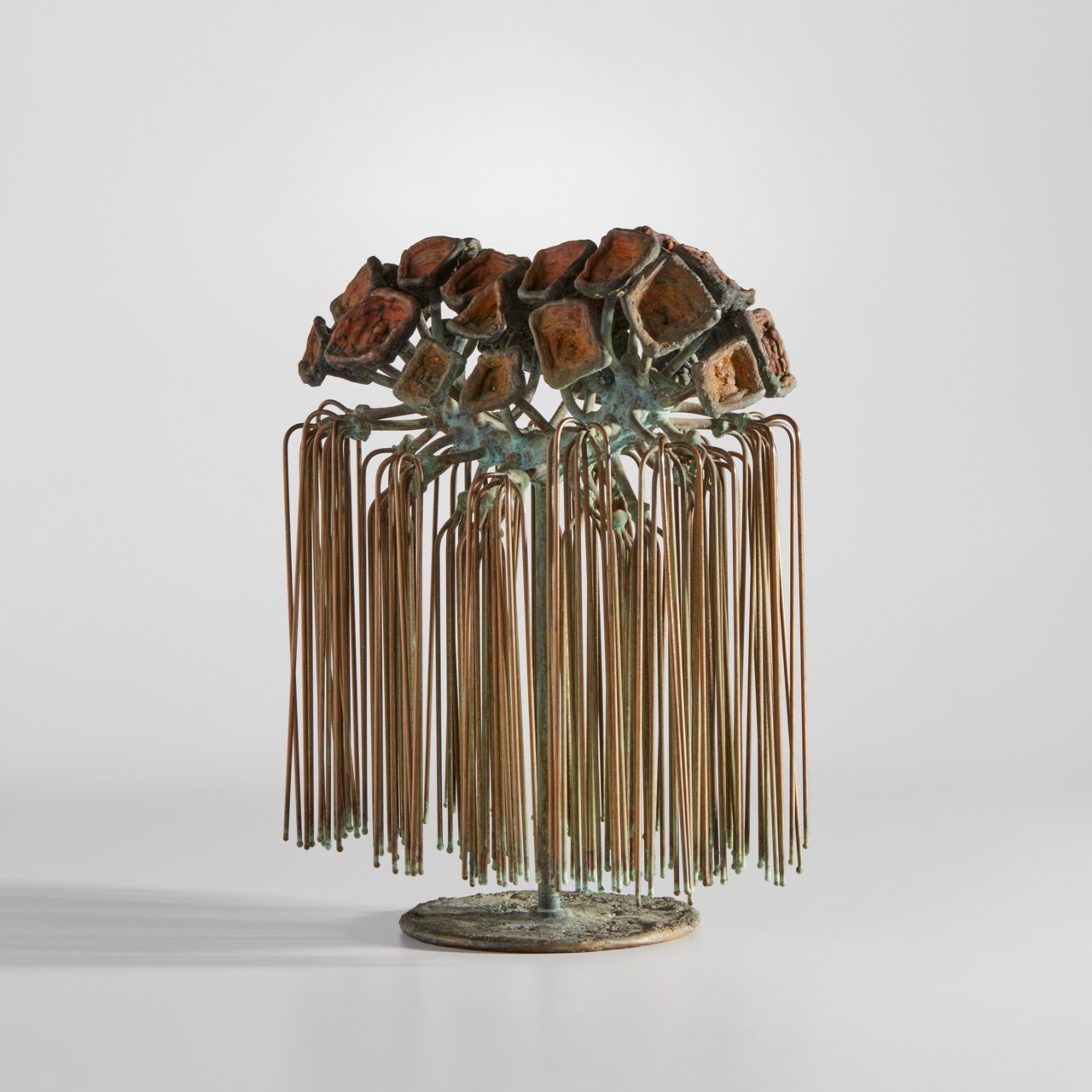
HARRY BERTOIA, Untitled (Welded Form), circa 1976. Design New York.
It surprised me to be drawn to something so intricate, when my work is about taking away. But Bertoia’s complexity comes from one gesture repeated, a rod and a weld, until it becomes a single form. I interpret this piece as a modern arrangement of calla lilies with thickly draping amaranthus. Its heaviness seems to dissipate the closer you look.
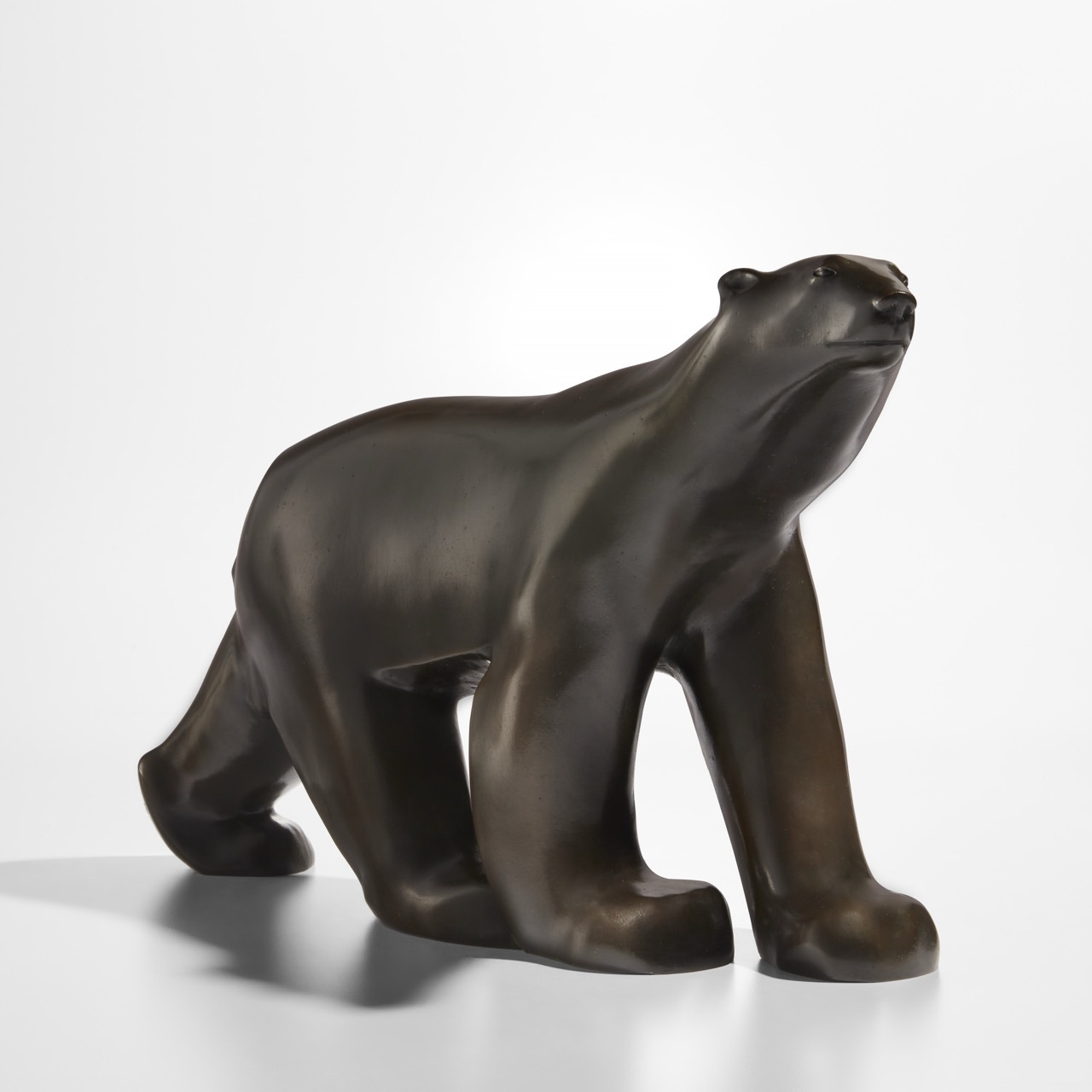
FRANÇOIS POMPON, “Ours blanc”, circa 1931. Design New York.
Look at the neck and the front leg. There’s very little description in either, yet you can feel the weight shifting forward as the bear walks, and you wonder where it is heading, what it is thinking. That is what gives an object life.