Article | Perfect Pairings Photographs Auctions New York October 2026
Specialist Picks: Perfect Pairings
The challenge: Two photographs, two auctions, one ideal match.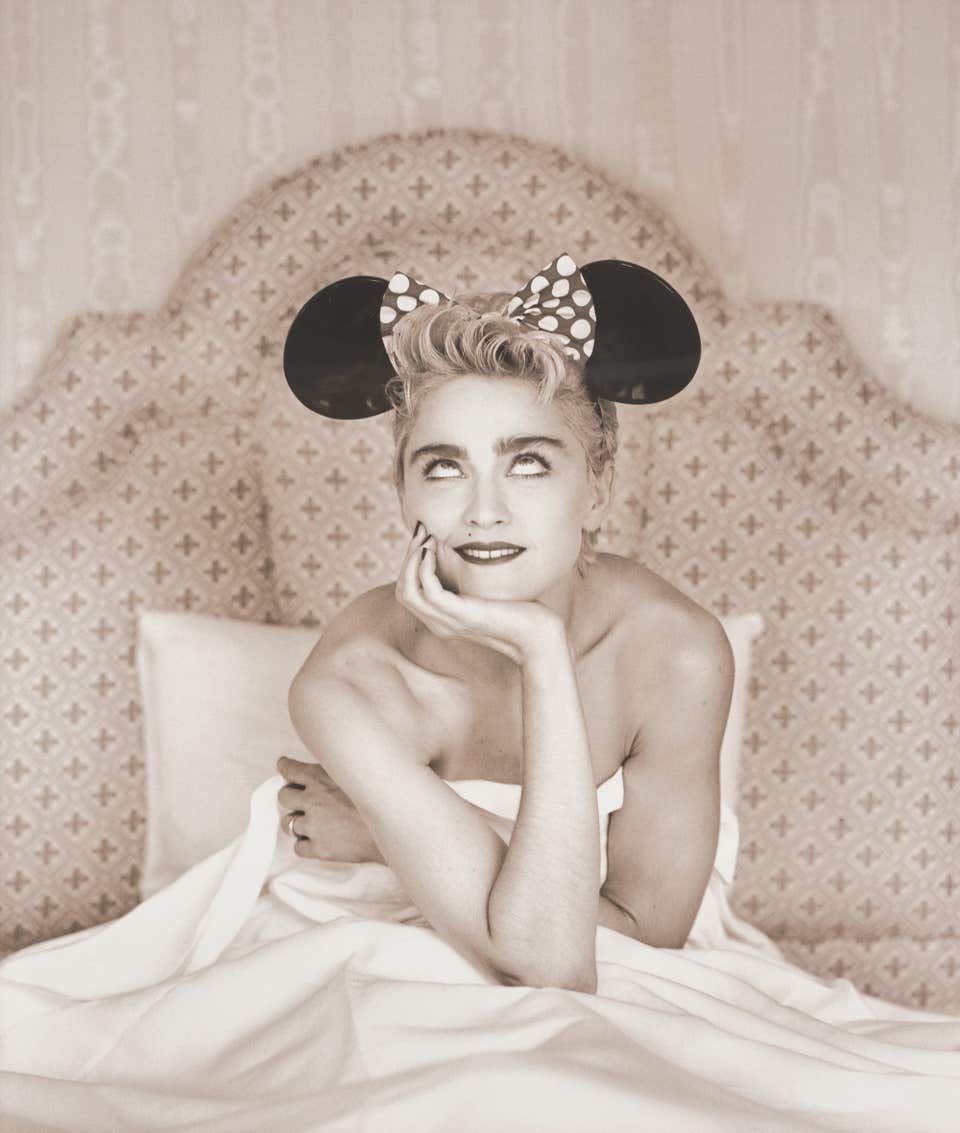
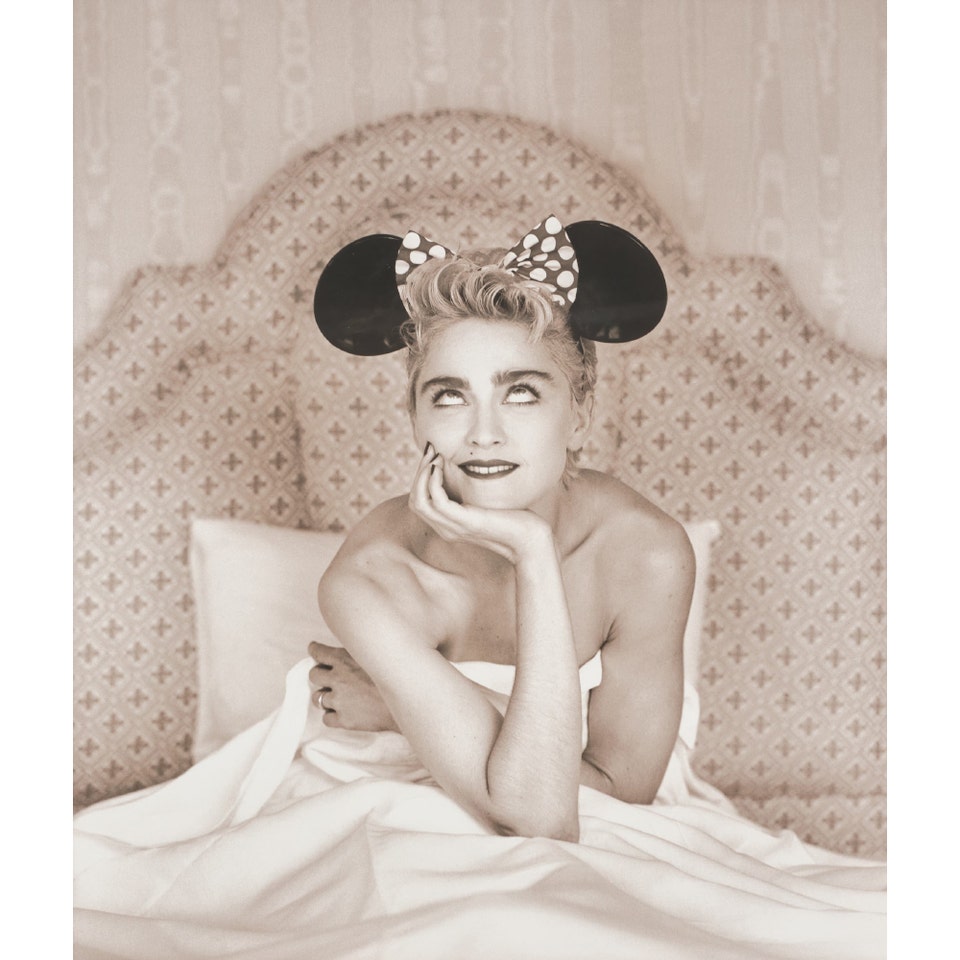
HERB RITTS, Madonna, Tokyo, 1987. Exposure: Photographs Online Auction.
Phillips’ Photographs team each pick two lots — one from our 8 October live auction, and one from Exposure: Photographs Online — to create the perfect photographic pair. Which match would you make?
Irving Penn and Deborah Turbeville
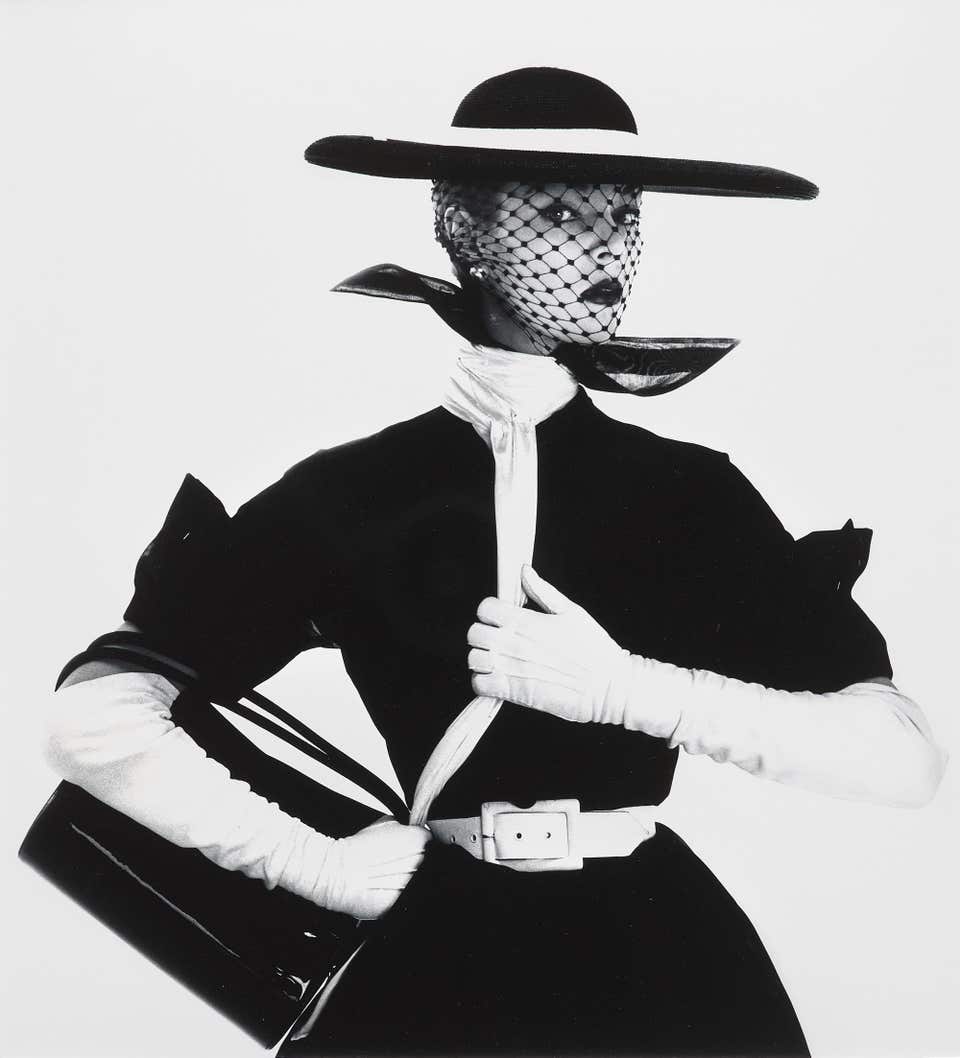
IRVING PENN, Black and White Fashion (with Handbag) (Jean Patchett), New York, 1950. Photographs New York.
Vanessa Hallett, Deputy Chairwoman, Americas and Worldwide Head of Photographs
For me, one of the great pleasures of Irving Penn’s fashion work is its specificity. The detail is just so well-defined, and his Black and White Fashion (with Handbag) (Jean Patchett), New York illustrates this beautifully. The textures of Jean Patchett’s clothes, her diaphanous veil, and her luxe leather handbag are described in such rich and loving detail, it is almost as if I can feel their textures when I look at this photograph. Of course, this is what made Penn so in-demand. His photographic craftsmanship was the perfect match for that of the designers whose clothes he photographed so succinctly.
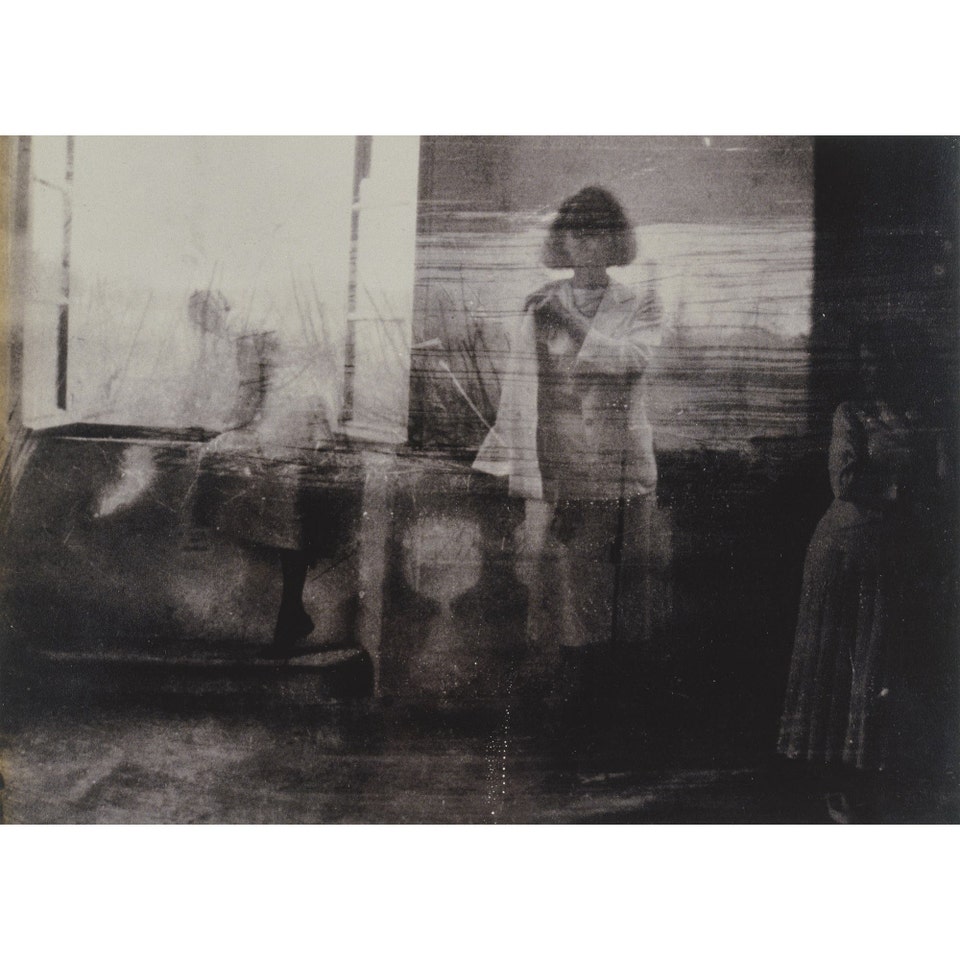
Deborah Turbeville is a very different kind of fashion photographer, and while Penn configured his entire photographic practice around visual accuracy, Turbeville went in the other direction, emphasizing atmosphere and mood over detail. And while Penn’s photographs capture a kind of mid-century elegance, Turbeville’s instead possess a haunting beauty conveying the essence of couture if not the details. I find her images so evocative, so mysterious, and so counterintuitively successful as fashion images, that I come back to them again and again, seeing new things each time.
And for me, this is what is so exciting about photography: that two artists with a similar agenda (photographing fashion) could create imagery so utterly and so beautifully differently from one another.
Richard Avedon and Herb Ritts
Sarah Krueger, International Specialist, Head of Photographs Department, New York
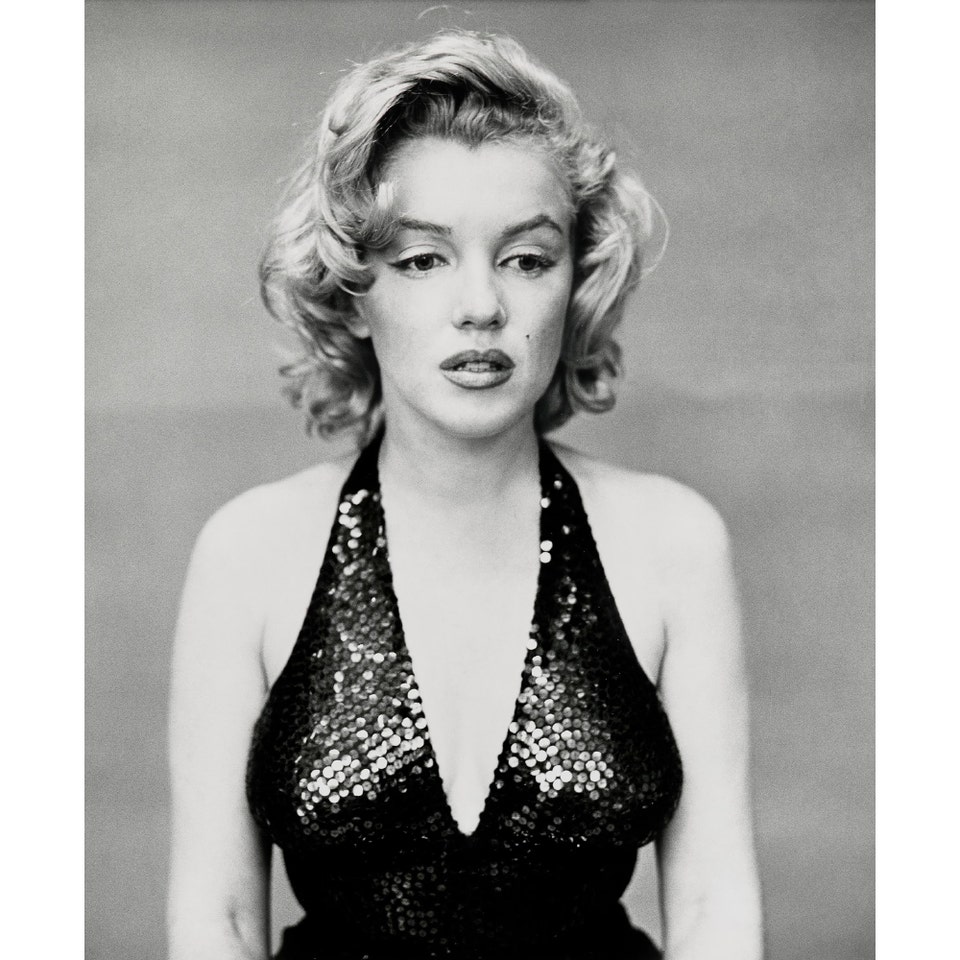
Two superstars, photographed three decades apart. So much to unpack here! When Richard Avedon photographed Marilyn Monroe in 1957, she was already the sex symbol of the postwar era, but she was also asserting herself as an actress and seeking more serious roles. The session in Avedon’s Manhattan studio was vivacious, with Marilyn dancing, singing, and turning on her extraordinary charm. Then, late in the session, the performance fell away and Avedon caught this quieter moment, taking a photograph that tells us all we need to know about the burden of celebrity.
Thirty years later, Herb Ritts photographed Madonna in Japan at the start of her Who’s That Girl world tour. I love Ritts, and I love Madonna — and here both surprise me. Ritts had hoped to photograph her on the street, but she was already far too famous. Instead, at her hotel, Madonna dropped the corseted-platinum-blonde persona and gave Ritts something wonderfully unexpected: the charming goofball behind the sex symbol.
That’s what makes these two photographs such a perfect pair for me. Avedon and Ritts were brilliant photographers of celebrity, and Marilyn and Madonna were brilliant creators of their own celebrity. Yet in these moments, each photographer gives us a glimpse of the woman behind the performance. I’d happily have them side by side on my wall.
Thomas Ruff and Jerry Uelsmann
Chris Mahoney, Senior International Specialist, Photographs
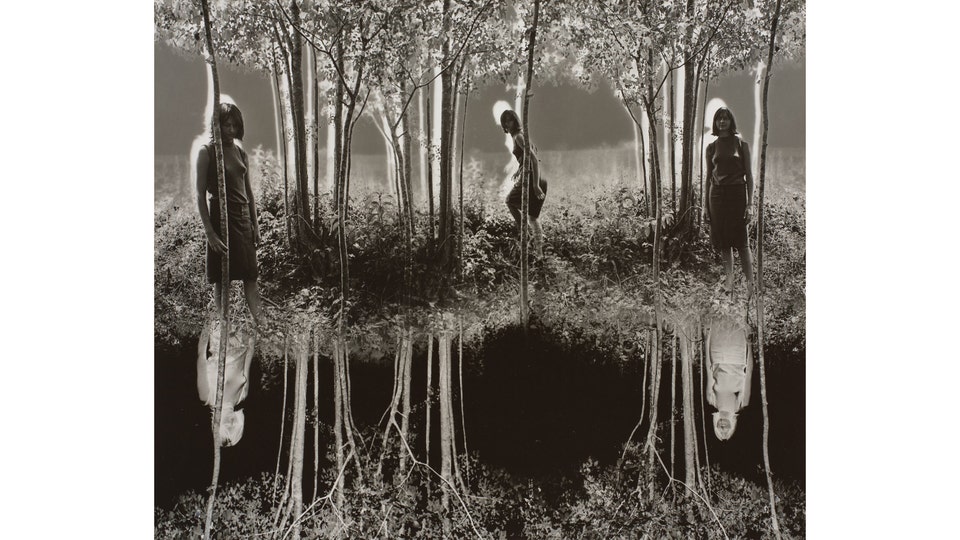
Photography is an art of the machine age, and the artist’s challenge has always been to turn the machine toward their very human creative impulses. While Thomas Ruff (b. 1958) and Jerry Uelsmann (1934–2022) aren’t frequently mentioned in the same breath, I see much that unites them. In the 1960s, Uelsmann became disenchanted with the single image and began combining negatives, layering image upon image to create impossible juxtapositions and mysterious spaces. Using multiple enlargers, each holding a different negative, he made sequential exposures onto a single sheet of photographic paper, pushing analogue photography in an entirely new direction.
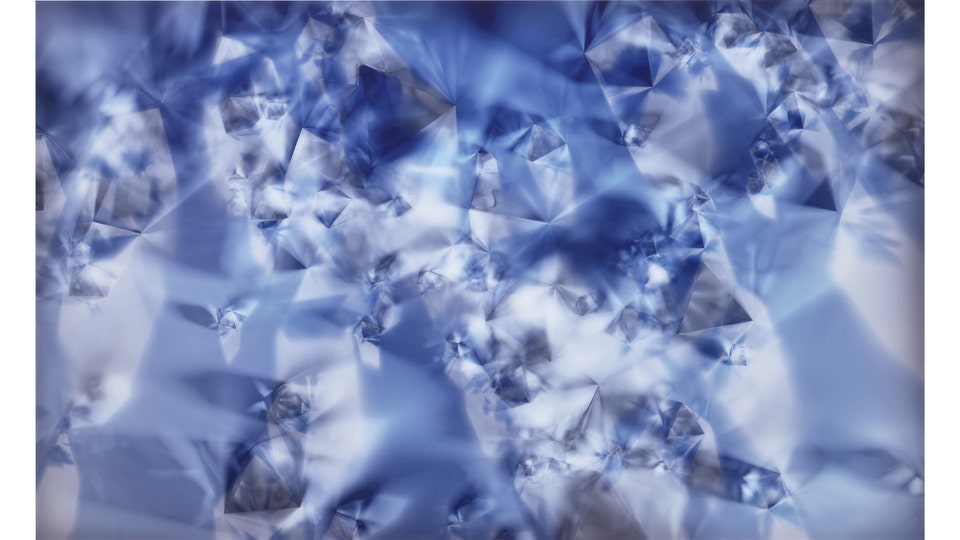
By the 2010s, Ruff’s practice had moved into the digital realm, yet he remained fascinated by analogue techniques, specifically the photogram, in which objects are placed directly on photographic paper and exposed to light, creating images without a camera. Ruff reimagined this process using 3-D modeling software, programming a virtual darkroom where virtual objects were affected by light whose direction and intensity he controlled.
Working a generation apart and with vastly different tools, Uelsmann and Ruff each harnessed the photographic technology of his day to create new kinds of images and expand the medium’s creative potential. To me, they make a perfect pair.
Cindy Sherman
Yuka Yamaji, Head of Photographs, Europe
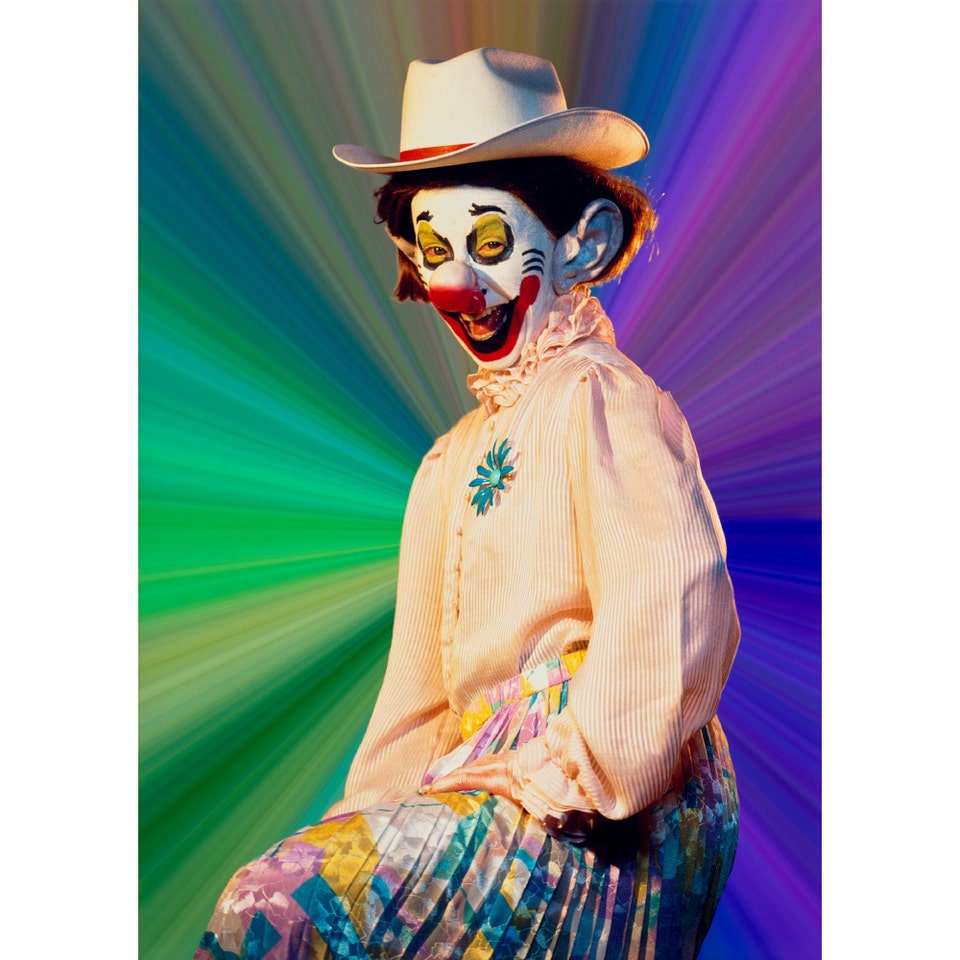
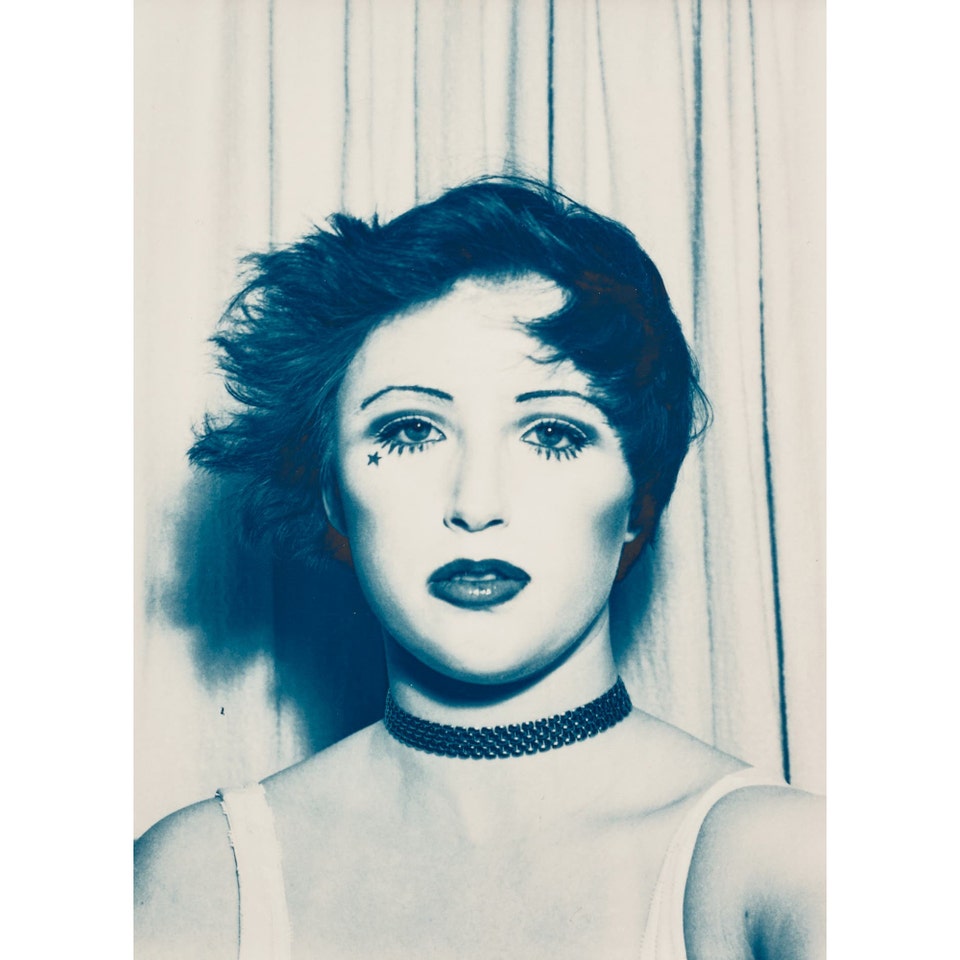
The evolution of Cindy Sherman’s visual language is perfectly captured by Magic Time, 1975, from an early self-portrait group, and the monumental Untitled #410, 2003, from her pivotal Clowns series. Separated by nearly three decades, the works reveal how Sherman expanded her means of expression through disguise, persona and artifice, across scale, medium and setting. In Magic Time, minimal makeup — harsh eyeliner, stark lips and a painted-on cheek star — creates a glamorous ‘flapper’ character against a simple curtain background; in Untitled #410, that early staging gives way to a flamboyant cowgirl-clown, framed by a digitally constructed psychedelic backdrop. From the intimate construction of a persona to the fully immersive worlds of her later practice, these two works offer a striking measure of the breadth and ambition of Sherman’s photographic practice.
Edward Weston and Charles Jones
Leah Hicks, Senior Cataloguer, Photographs
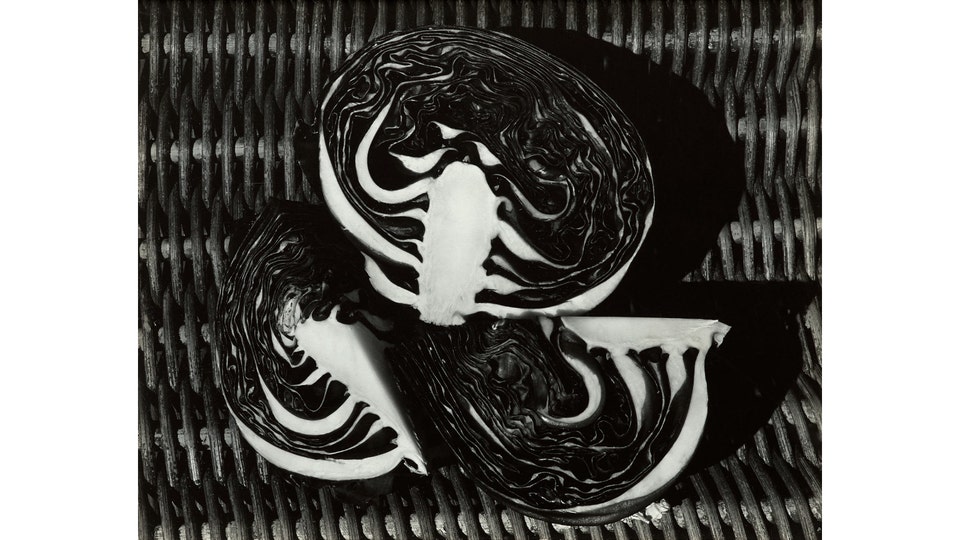
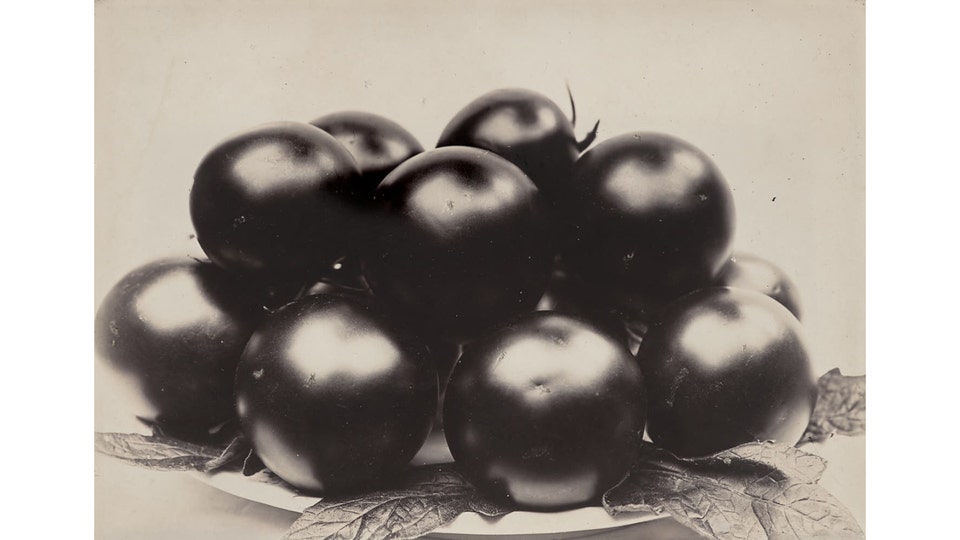
My perfect pairing is our vegetable still lifes on offer this season — Edward Weston’s Purple Cabbage, 1/2 and 2/4s and Charles Jones’s Tomato Perfection. Both masters of botanical subject matter, Weston and Jones shared a deep engagement with the natural world, finding inspiration in the forms, textures, and vitality of their subjects. Jones, a British gardener and photographer, created a prodigious body of work depicting the flora of the gardens he tended around the turn of the 20th century. His meticulous compositions and unique sensibility foreshadowed the work of photographers like Weston. While Weston’s body of work is much more varied in subject matter, still life was an important part of his practice. In a 1931 diary entry, he described his renewed enthusiasm for the genre, celebrating his “most living artichokes, peppers, onions, cabbage!” and praising cabbage for its “marvelous hearts, like carved ivory” and “leaves with veins like flame.” The passion both artists brought to their subjects is evident in these charming images, which transform humble vegetables into studies of remarkable beauty.