Article | Kashmir Sapphires A Collectors Guide
Kashmir Sapphires: A Collector's Guide
What buyers need to know, from origin to rarity, history and verification.
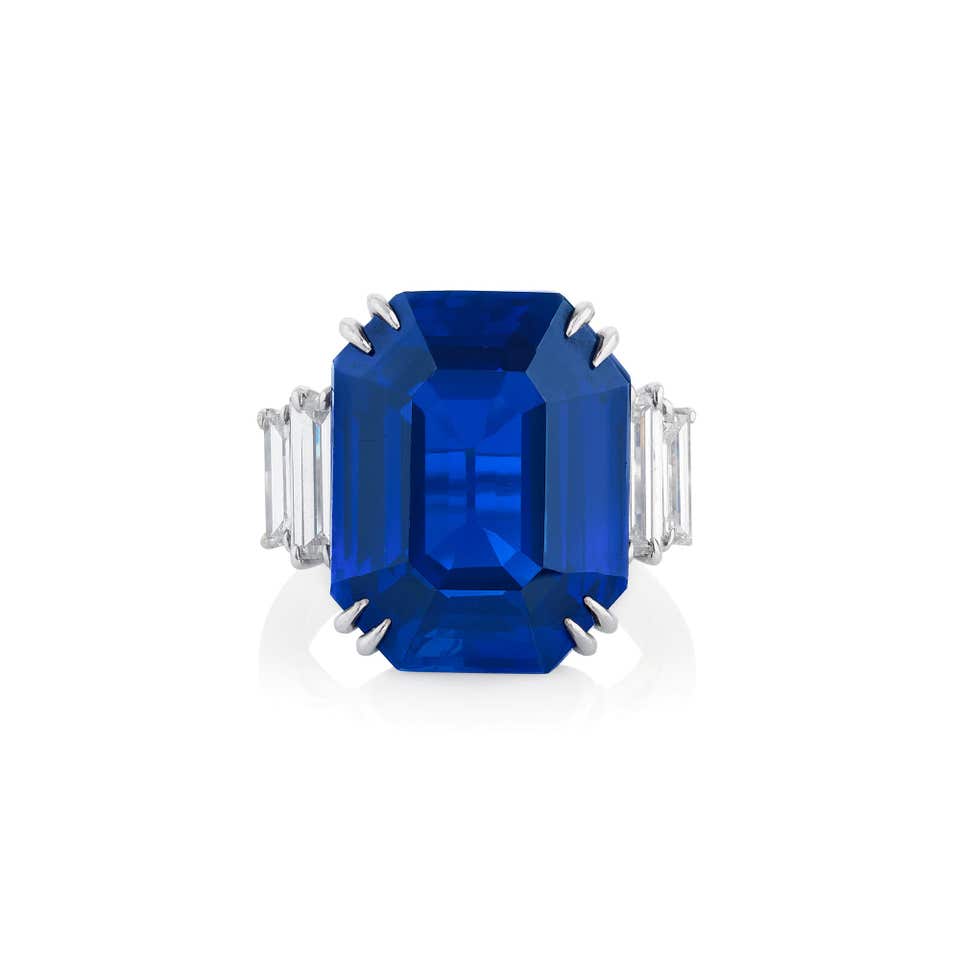
Lot 423: Very fine sapphire and diamond ring. Cushion-shaped sapphire weighing 16.40 carats, Kashmir origin, no indications of heating. Estimate: CHF1,850,000–2,900,000 / US$2,200,000–3,500,000. The Geneva Jewels Auction: VII.
For first time buyers and experienced collectors alike, the Kashmir sapphire is regarded with a special degree of reverence. Mined from a fleeting, remote deposit high in the Himalayan peaks, these exceptional gemstones represent a pinnacle of colour, texture and rarity.
To acquire an authentic Kashmir sapphire of exceptional quality is a rewarding milestone. This comprehensive collector’s guide covers what collectors should know to prepare, including the history, defining characteristics and authentication of one of the world’s most coveted gemstones.
Discovery of the Kashmir Deposit
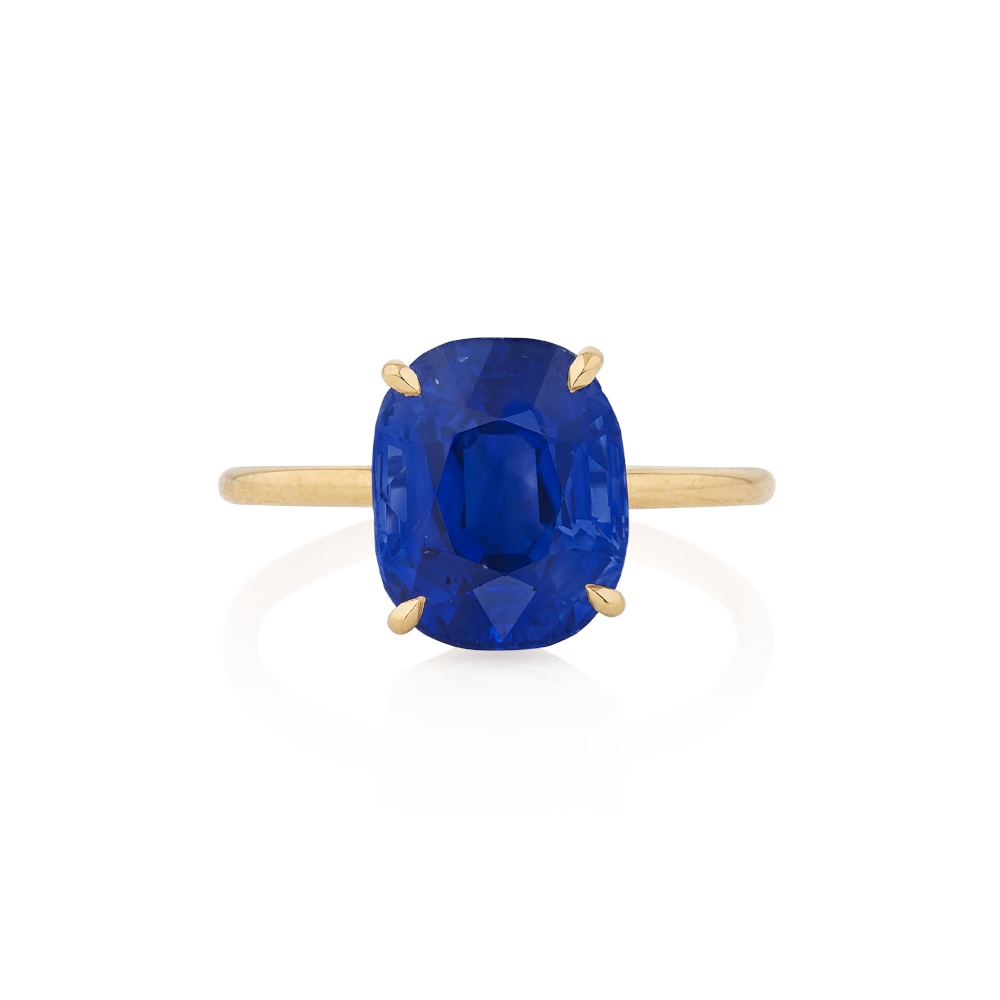
Lot 335: Sapphire ring. Cushion-shaped sapphire weighing 6.63 carats, Kashmir origin, no indications of heating. Estimate: CHF125,000–200,000 / US$150,000–250,000. The Geneva Jewels Auction: VII.
The story of the Kashmir sapphire begins in 1881 in the remote Kudi Valley, near the village of Sumjam in the Pádar region of the Himalayas. Following a massive landslide along the valley’s northeastern wall, a hidden vein of intense blue crystals was exposed to the surface.
Due to the extreme altitude and harsh winter conditions, the site was accessible for only a few months each year. Initially, local villagers traded these unusual blue stones for goods and staples.
The Old Mine Era (1882–1887)
By 1882, word of these remarkable crystals reached the gem markets of Simla, the summer capital of British India. That same year, it was formally confirmed that these specimens unearthed by the landslide were high-grade sapphire. Recognizing the economic and royal importance of the deposit, government mining took place between 1882 and 1887. This brief, five-year window is known as the Old Mine era and produced the largest, finest, and most vividly saturated sapphires ever recovered from the region.
Defining Characteristics: The “Velvet” Royal Blue
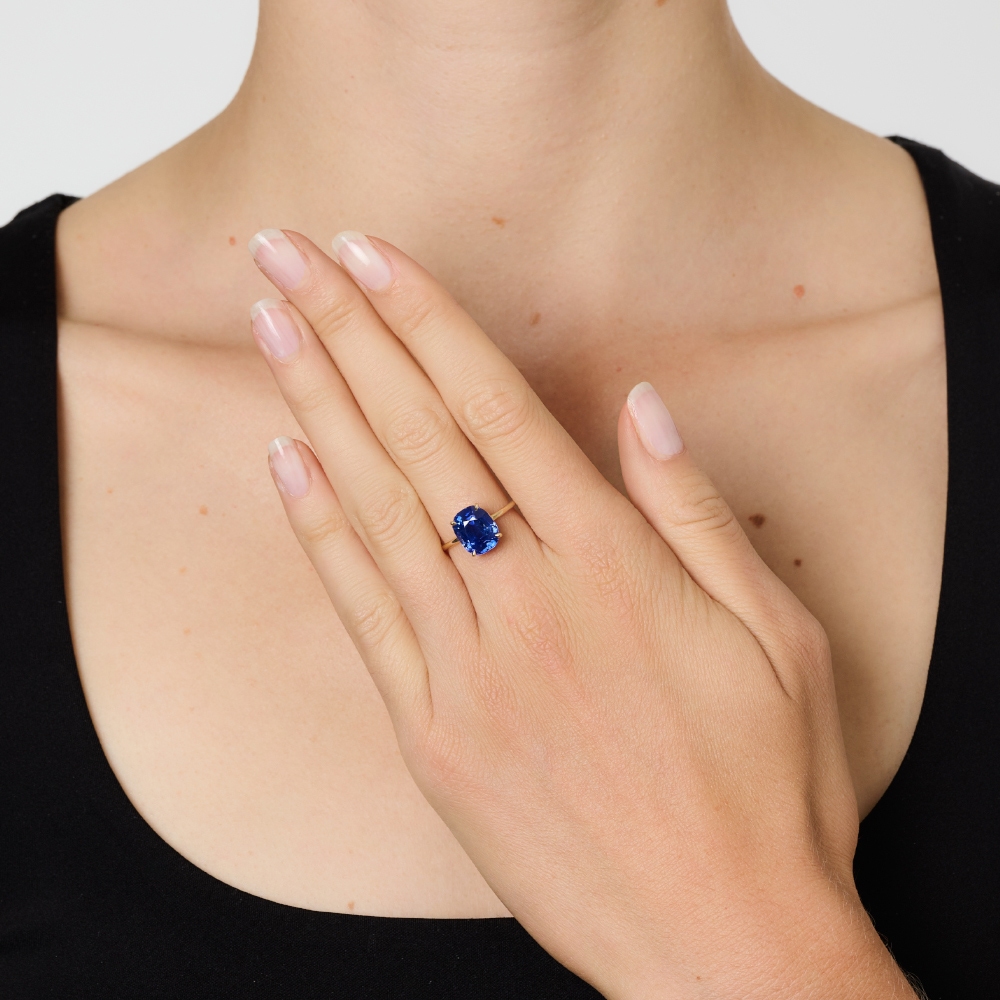
Lot 335: Sapphire ring. Cushion-shaped sapphire weighing 6.63 carats, Kashmir origin, no indications of heating. Estimate: CHF125,000–200,000 / US$150,000–250,000. The Geneva Jewels Auction: VII.
While coveted gem-quality sapphires are unearthed in Burma (Myanmar), Sri Lanka (Ceylon), and Madagascar, Kashmir sapphires remain the global benchmark against which all other blue sapphires are judged. Their colour spectrum spans from a vivid cornflower blue to a deeply saturated royal blue.
The signature trait of a Kashmir sapphire is its unique internal structure. Microscopic, thread-like inclusions of rutile — often referred to as “silk” — are distributed across fine growth zones within the corundum matrix. Rather than dulling the gem or reducing clarity, these ultra-fine inclusions gently scatter light throughout the stone — creating the signature velvety texture and luminous internal glow that collector’s prize.
Kashmir Sapphires at Phillips and Market Performance
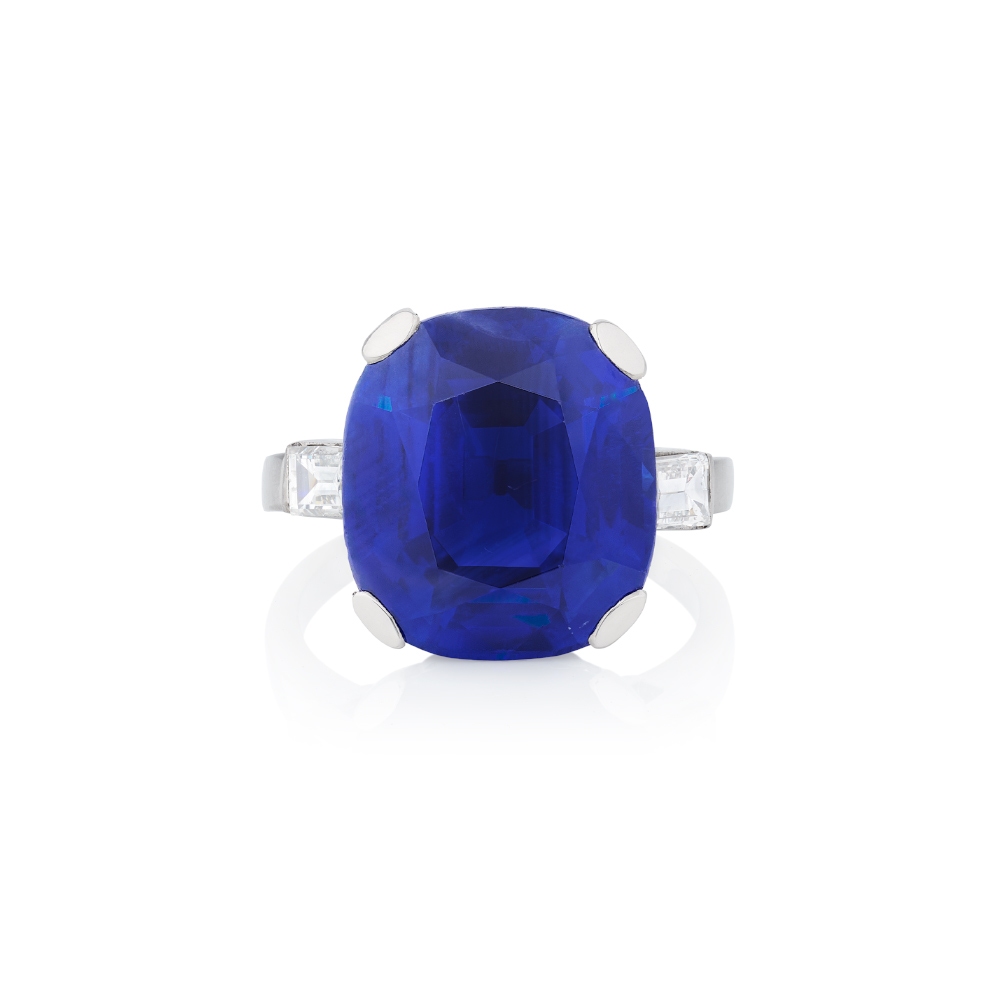
Lot 423: Very fine sapphire and diamond ring. Cushion-shaped sapphire weighing 16.40 carats, Kashmir origin, no indications of heating. Estimate: CHF1,850,000–2,900,000 / US$2,200,000–3,500,000. The Geneva Jewels Auction: VII.
Because active mining only lasted five years, Kashmir sapphires are exceedingly rare today. As such, it is a thrilling moment whenever excellent examples come to market. Phillips is growing as an exceptional source for collectors seeking to buy or sell Kashmir sapphires, with stunning results set in the past few years alone. Discover a selection of exceptional results below.
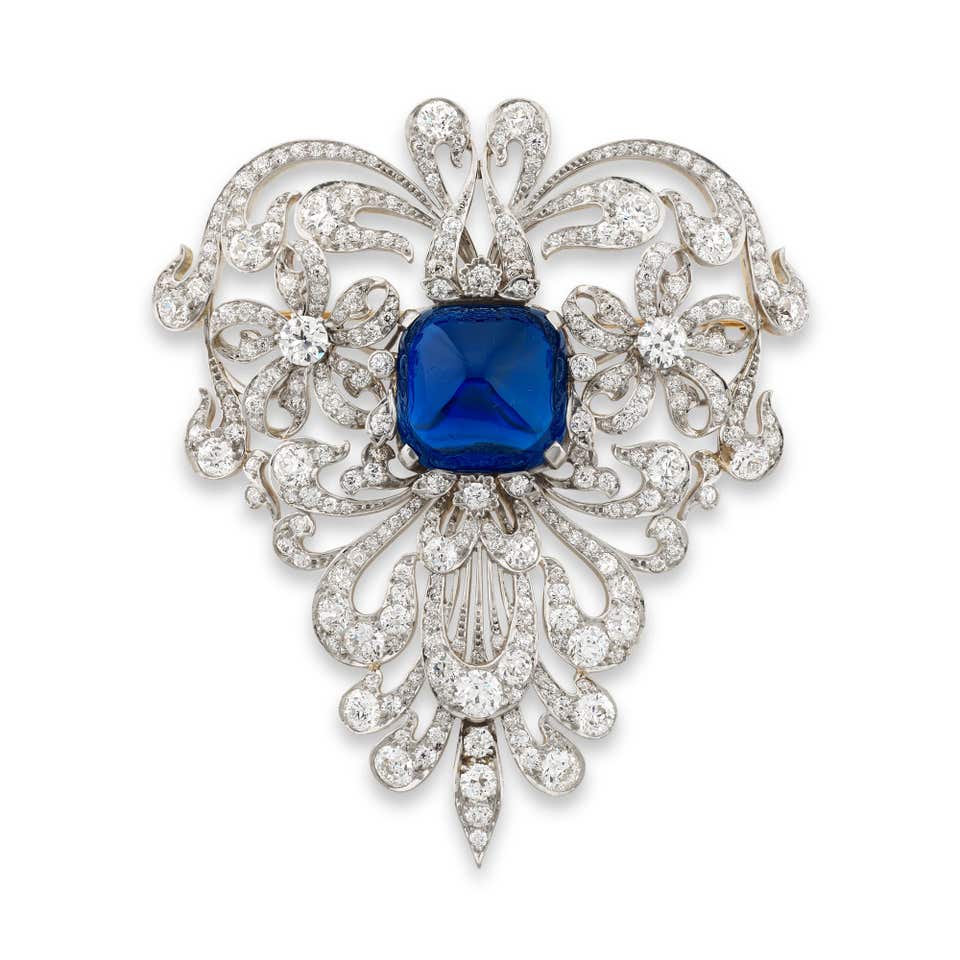
Tiffany & Co., 'The Vanderbilt Sapphire' Magnificent and highly important sapphire and diamond brooch, early 20th century. Sugarloaf Kashmir sapphire weighing 42.68 carats, SOLD FOR CHF2,876,000.
Certification and Verification
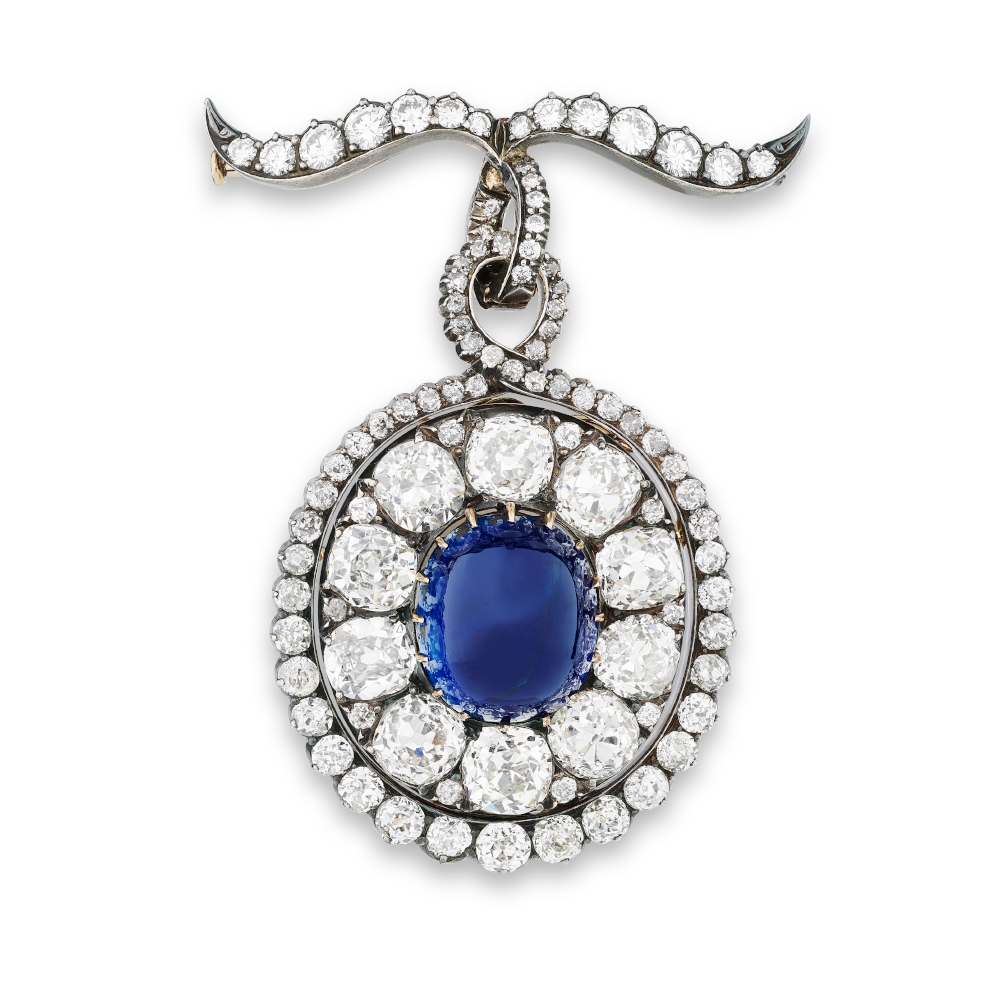
Lot 425: Rozet & Fischmeister, Superb sapphire and diamond brooch, late 19th century. Cabochon sapphire weighing 18.69 carats, Kashmir origin, no indications of heating. Estimate: CHF830,000–1,230,000 / US$1,000,000–1,500,000. The Geneva Jewels Auction: VII.
Given the immense value and scarcity of Kashmir sapphires, origin determination demands rigorous scientific analysis, as it cannot be verified purely by visual inspection. When bidding on a Kashmir sapphire, collectors should look for reports issued by a recognized, independent gemological laboratory, including:
- SSEF (Swiss Gemmological Institute) — A world leader in origin determination and testing.
- Gübelin Gem Lab (Switzerland) — Historic pioneer in inclusion analysis and origin profiling.
- GIA (Gemmological Institute of America) — A global standard for gemstone grading and scientific analysis.
- AGL (American Gemological Laboratories) — Renowned for detailed origin grading and coloured stone analysis.
These organizations follow a rigorous process to determine Kashmir origin. Any stone verified by a major lab report is a gold standard for collector confidence, ensuring your investment represents a genuine piece of geological history.
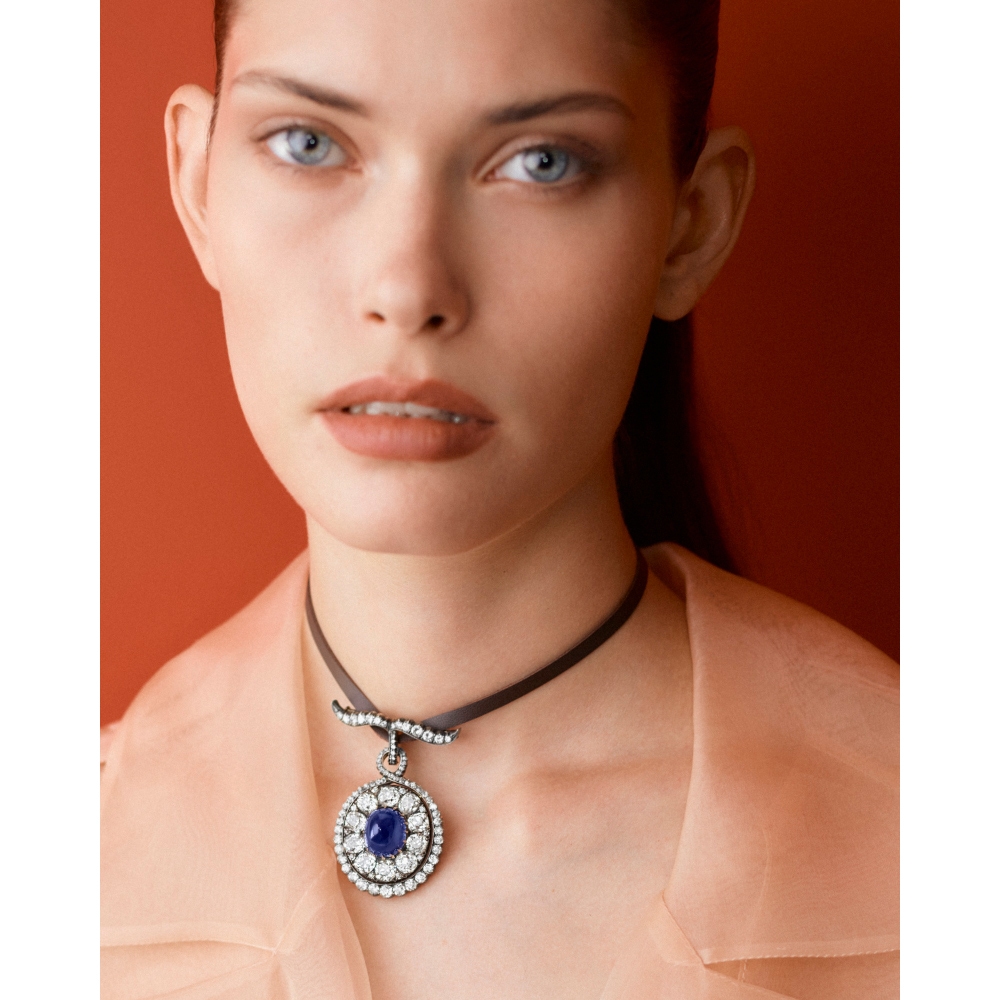
Lot 425: Rozet & Fischmeister, Superb sapphire and diamond brooch, late 19th century. Cabochon sapphire weighing 18.69 carats, Kashmir origin, no indications of heating. Estimate: CHF830,000–1,230,000 / US$1,000,000–1,500,000. The Geneva Jewels Auction: VII.
