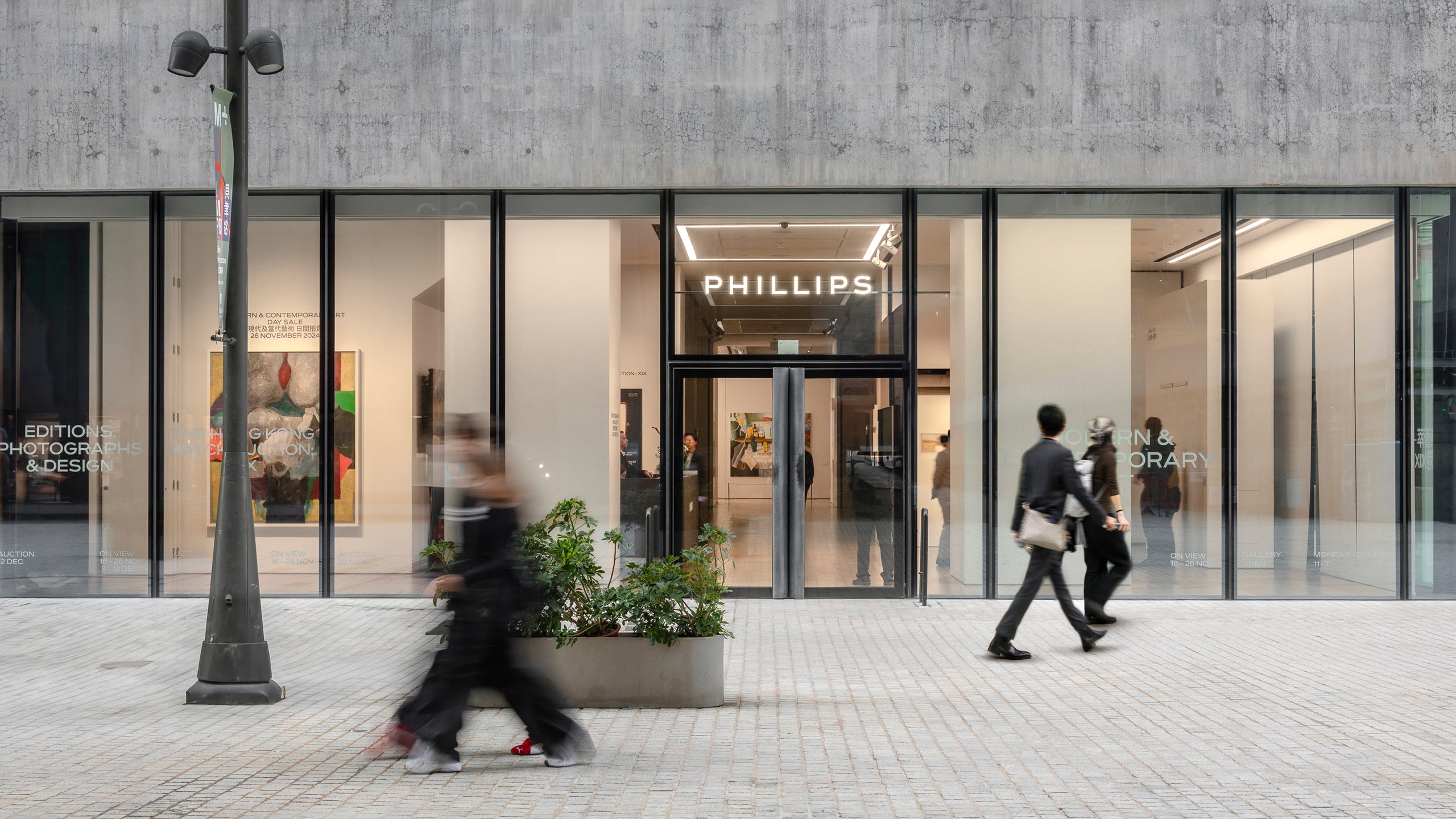
Article | Japanese Modern Contemporary Art Auction Hong Kong September 2026
Yōga and Beyond
The depth of Japanese Yōga painting is on full display in our upcoming Modern & Contemporary Art auction in Hong Kong.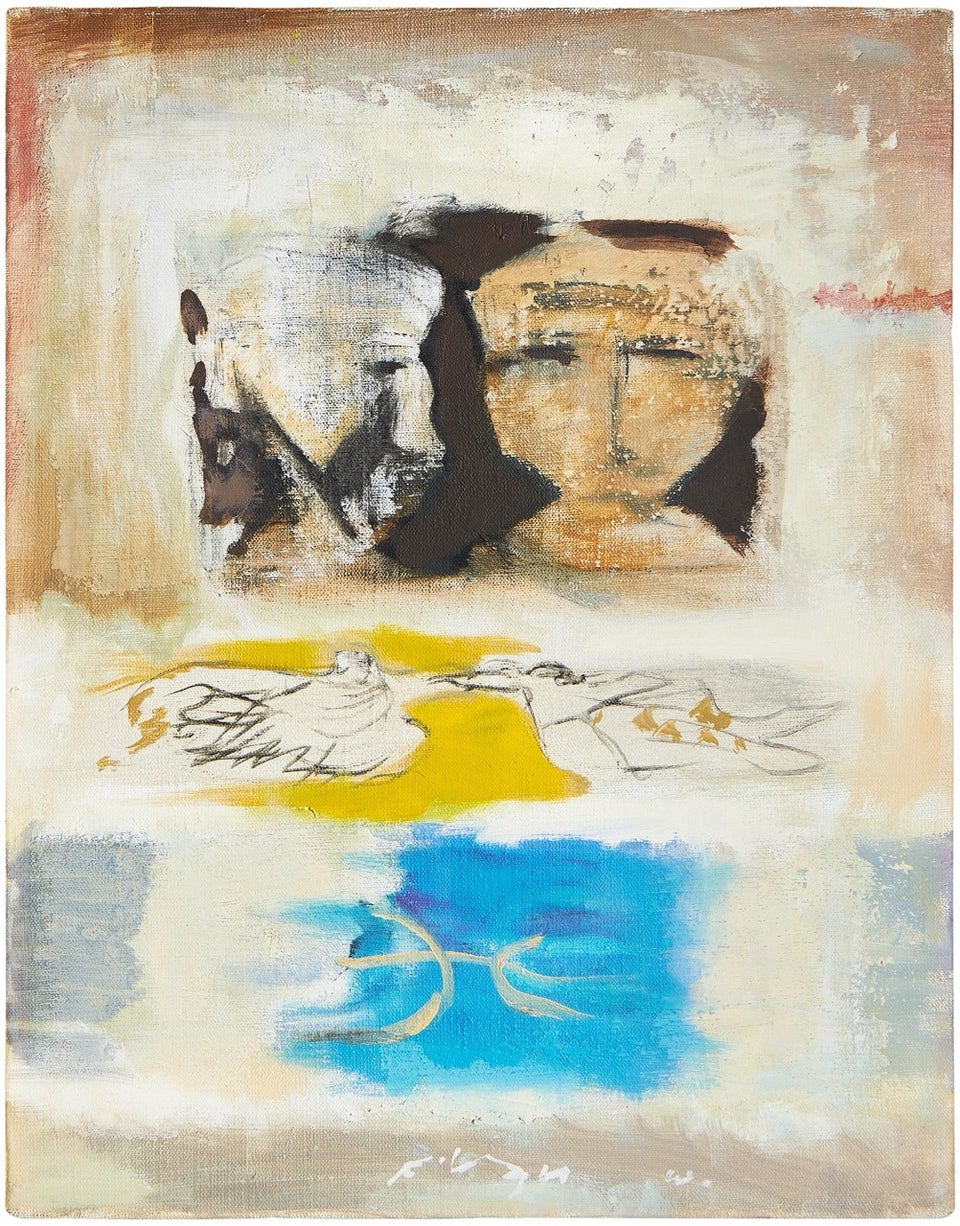
Lot 143: KAZU WAKITA, The Old Couple. Modern & Contemporary Art Hong
The Yōga movement emerged in Japan during the Meiji Restoration, as Japanese Modern artists engaged with Western-style techniques and motifs. Far from rote imitation or veneration, these artists sought to engage in a direct dialogue with their Western Modern masters, such as Renoir and Picasso, while firmly grounding their work in Japanese aesthetics, including Rinpa and Nanga.
By blending foreign methods with Japanese and Eastern aesthetics, these artists reinvented subjects like the nude, landscape, and still life. Ultimately, the movement expressed both the poetry of daily life and the complexities of individuality within a modernizing Japan. It is unquestionable that these artists have had a lasting impact on Japanese contemporary art, and Phillips is honored to explore their legacy in our upcoming Modern & Contemporary Art sale on 30 September.
Discover highlights from the selection below.
Zenzaburo Kojima
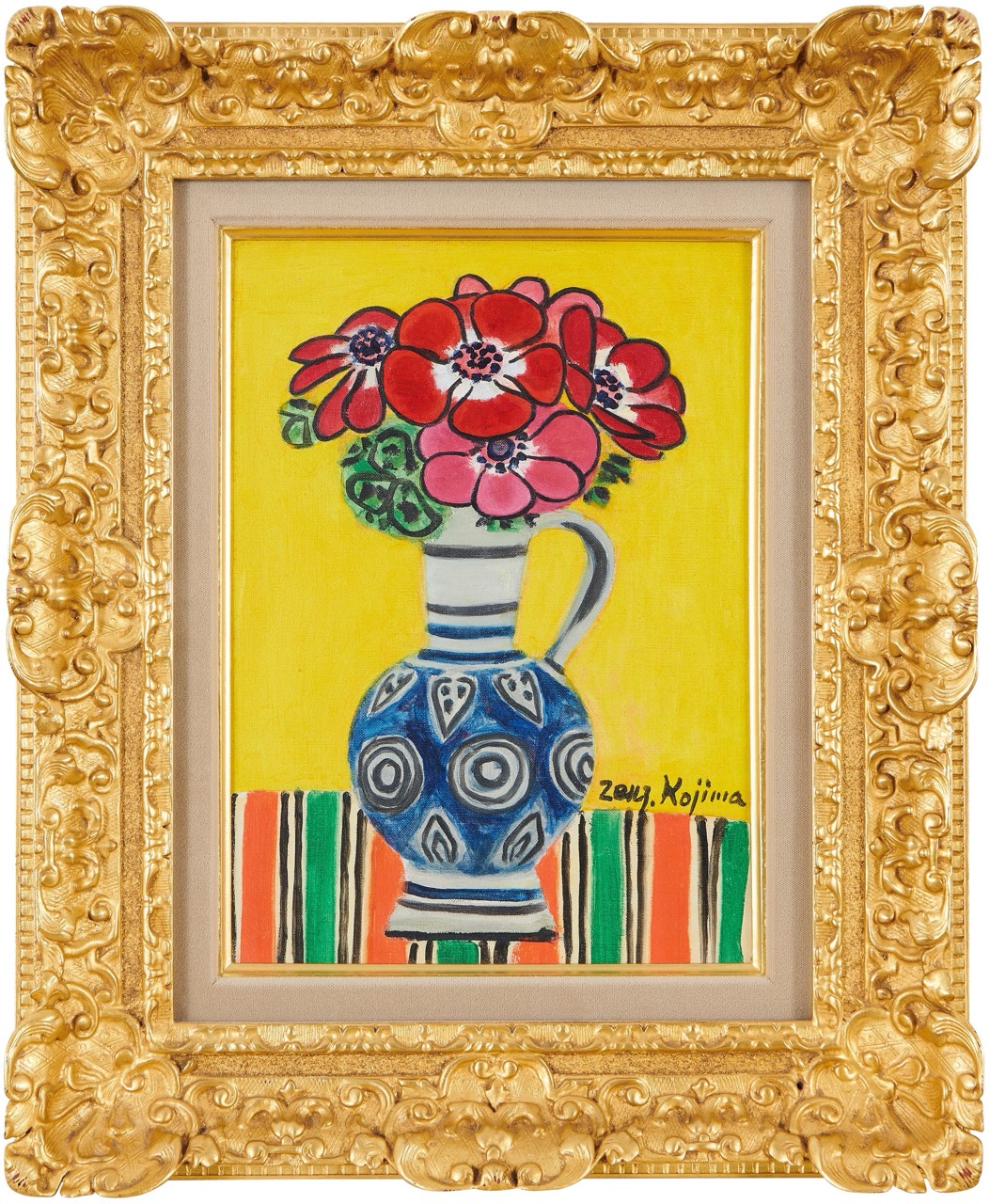
Lot 139: ZENZABURO KOJIMA, Anemones, 1955. Modern & Contemporary Art Hong Kong.
Zenzaburo Kojima’s (1893–1962) unique ability to navigate Eastern and Western tensions and sensibilities was the result of the artist’s lifelong project to create a distinctly Japanese form of oil painting, a syncretism he called “Kojima style.” Kojima abandoned his early medical studies to pursue painting and travel to France and Italy in the 1920s. The artist immersed himself in European historical and modern art, and upon his return to Japan, he found a dynamic capacity to relate the Renaissance and Fauvist masters he studied abroad to traditional Japanese decorative forms. Floral still life, as on offer here, was a recurring subject for the artist, particularly late in life.
Kazu Wakita
Lot 143: KAZU WAKITA, The Old Couple. Modern & Contemporary Art Hong Kong.
Tokyo-born Kazu Wakita (1908–2005) studied at the Berlin State School of Fine Arts before returning to Japan in 1932, subsequently enduring the trauma of war, chronic illness, and the long recovery from both. During a period of convalescence, a friend gifted him a bird, and he quickly came to see this companion as a personal symbol of freedom and hope. Subsequently, images of birds appeared in his works as an extension of himself. While Wakita avoided direct political commentary, his sense of composition, colour, and symbolism carries forward the complexity of his thought and his longing for peace.
Ryuzaburo Umehara
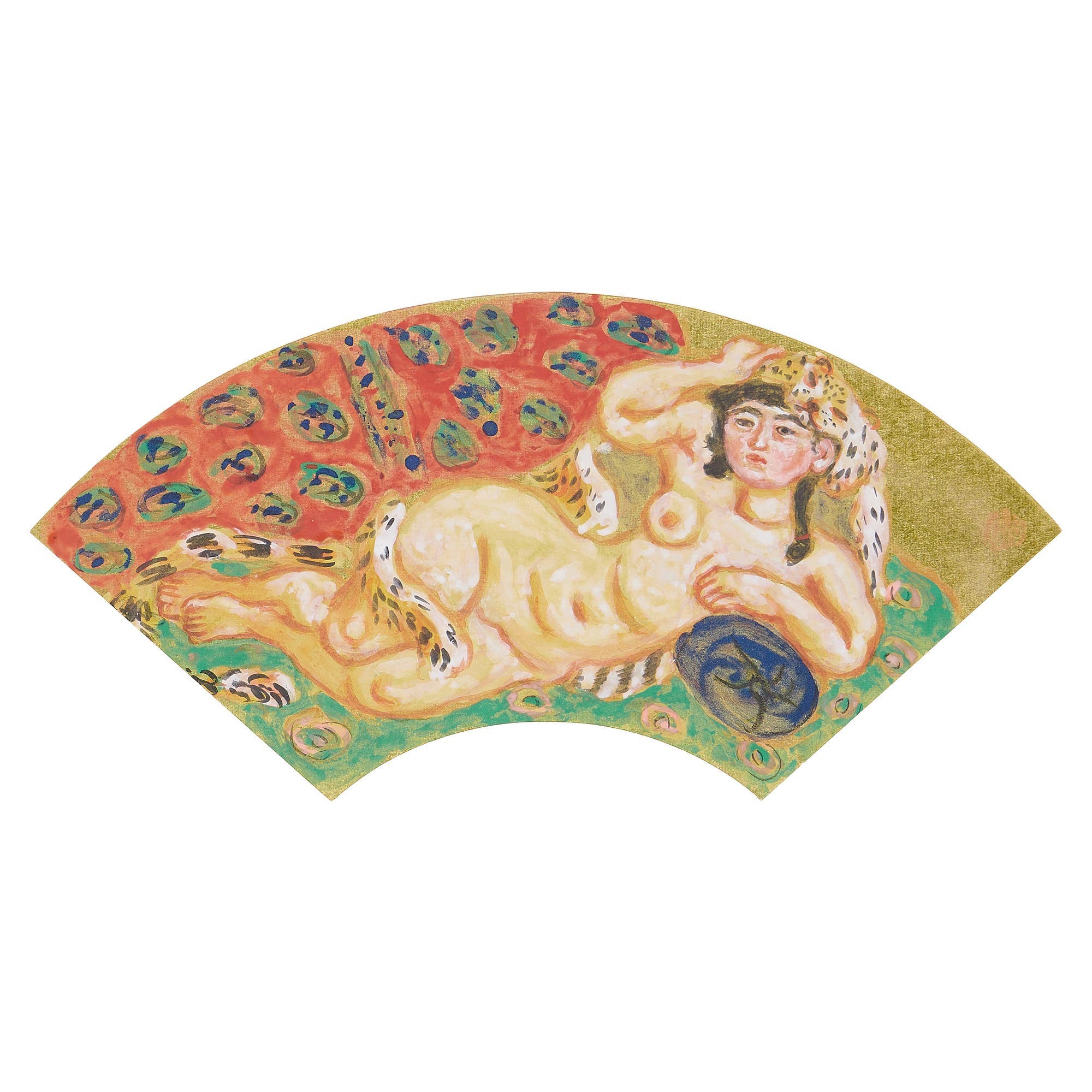
Lot 145: RYUZABURO UMEHARA, Reclining Nude, 1926. Modern & Contemporary Art Hong Kong.
Born in Kyoto, Ryuzaburo Umehara (1888–1986) entered the studio of Chu Asai (1864–1907) at the age of fifteen, then traveled to France to study under Pierre-Auguste Renoir, returning to Japan in 1913. While deeply influenced by Renoir, Umehara sought to develop a distinctly Japanese approach to oil painting, emerging by the 1930s as a leading figure in the Yōga scene.
The influence of both Renoir and the Fauvists is clear in Reclining Nude, yet the work is equally defined by Umehara's uniquely Japanese aesthetic sensibility. Utilizing ink on gold paper, he approaches one of the most historically significant subjects — the female nude — with an energetic, unrestrained execution.
Seiji Tōgō
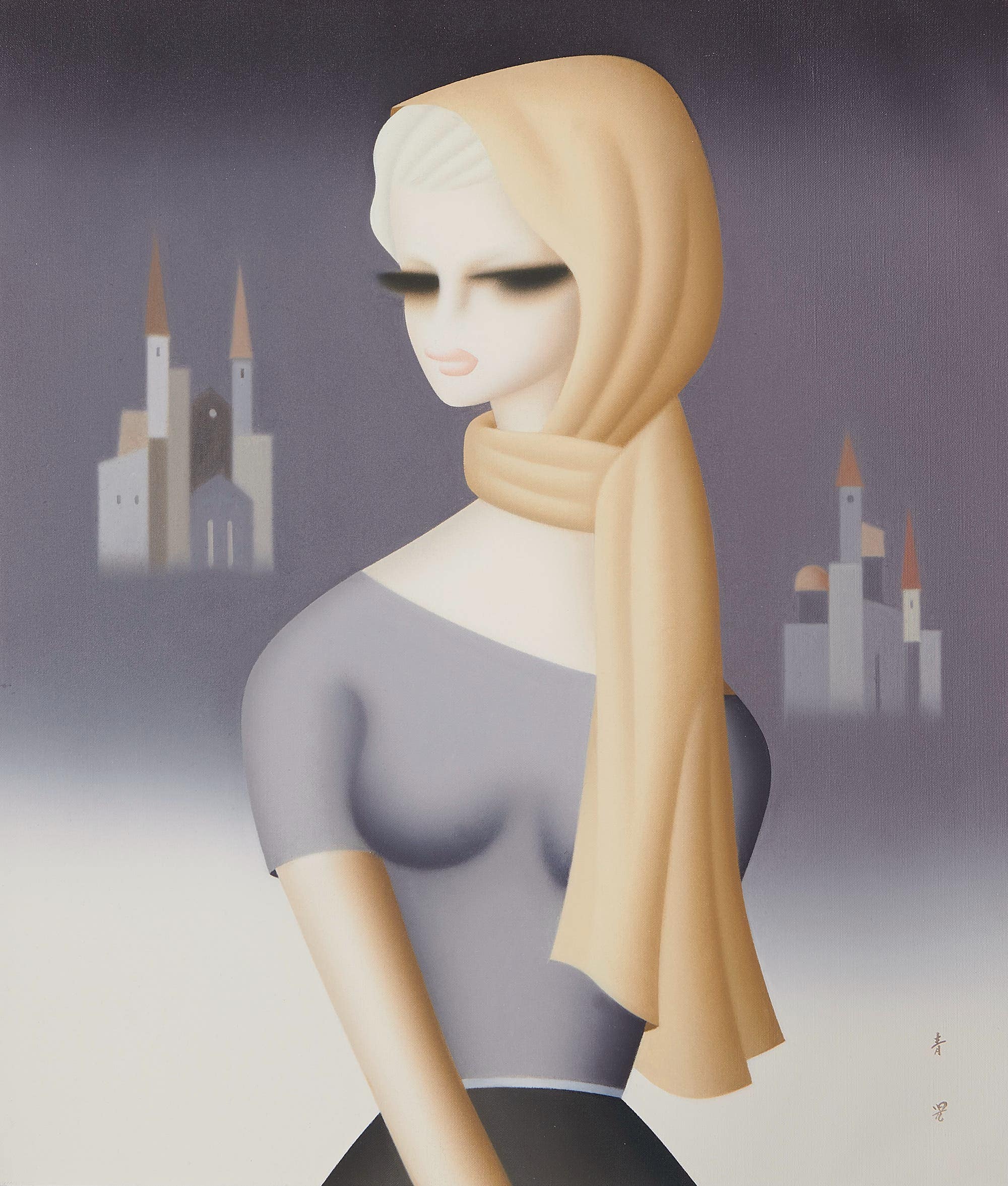
Lot 141: SEIJI TŌGŌ, The Hood. Modern & Contemporary Art Hong Kong.
A foundational figure in the Yōga movement, Seiji Togo (1897–1978) achieved early acclaim when his 1916 work, Woman with a Parasol, earned the Nika Award and established a vital benchmark for early Japanese avant-garde art. During a formative seven-year sojourn in France, Togo refined his practice under the guidance of Picasso — internalizing the imperative of a singular artistic vision — while synthesizing classical Western techniques with flattened graphic forms. Upon returning to Japan, he translated this multifaceted education into a distinct, modern ideal of the feminine form, cementing a legacy that spanned painting, murals, and illustration.
Shigejirō Sano
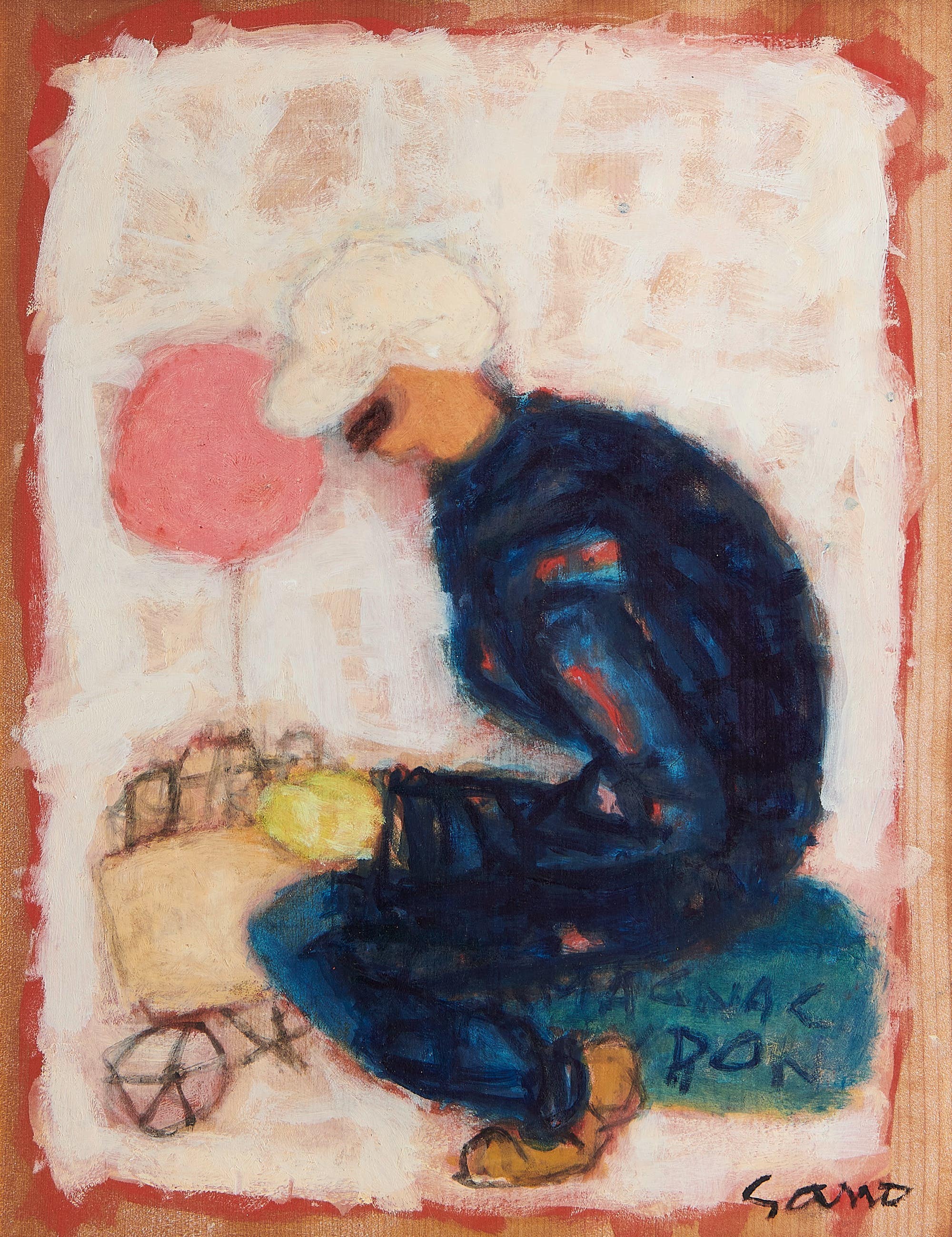
Lot 142: SHIGEJIRŌ SANO, The Balloon Seller. Modern & Contemporary Art Hong Kong.
Trained by Narashige Koide and Henri Matisse at the Académie Julian, Shigejirō Sano (1900–1987) was a versatile modernist whose practice fluidly bridged Yōga painting and avant-garde design. Associated with the postwar Niki-kai movement, he remains celebrated for infusing both his fine art and commercial design with a sophisticated, cosmopolitan aesthetic.
The present work showcases the artist’s fascination with street life and urban characters in Paris, which formed a wellspring of inspiration we drew from long after his return to Japan. Highlighting an expressively rendered figure against a minimal, shorthand background, The Balloon Seller showcases Sano's seamless synthesis of Eastern and Western aesthetic traditions.
Tamiji Kitagawa
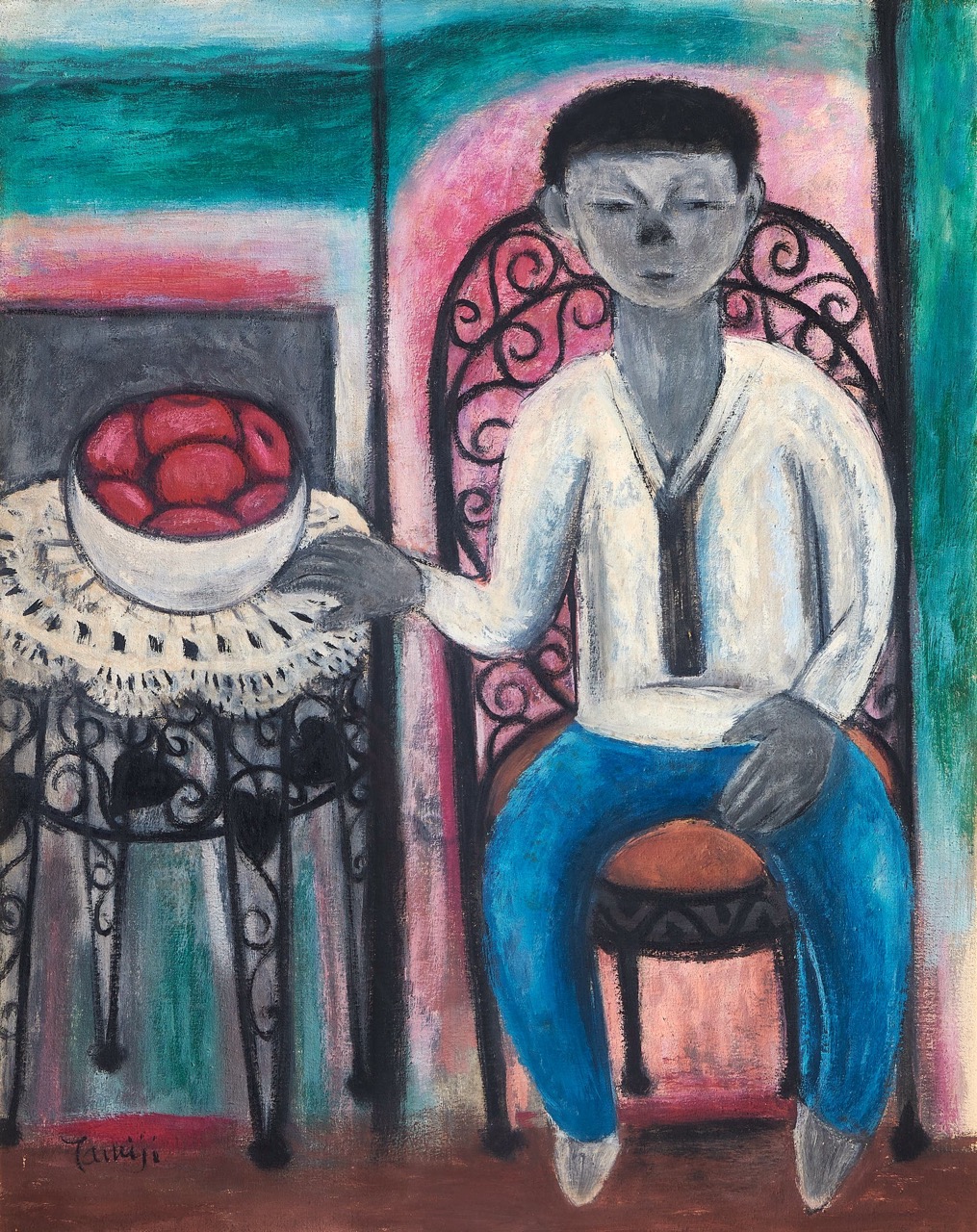
Lot 144: TAMIJI KITAGAWA, Boy and Apple. Modern & Contemporary Art Hong Kong.
Spending the 1920s and '30s amid post-revolutionary Mexico, painter and educator Kitagawa Tamiji (1894–1989) developed a politically incisive perspective that defined his career upon his return to Japan in 1936. Following World War II, he settled in Aichi Prefecture, channeling his vision into monumental murals and pioneering progressive methods in art education. The present work, with its richly colored surface reminiscent of Mexican muralism, showcases the artist’s dedication to elevating everyday life among working-class people and children.
Shikanosuke Oka
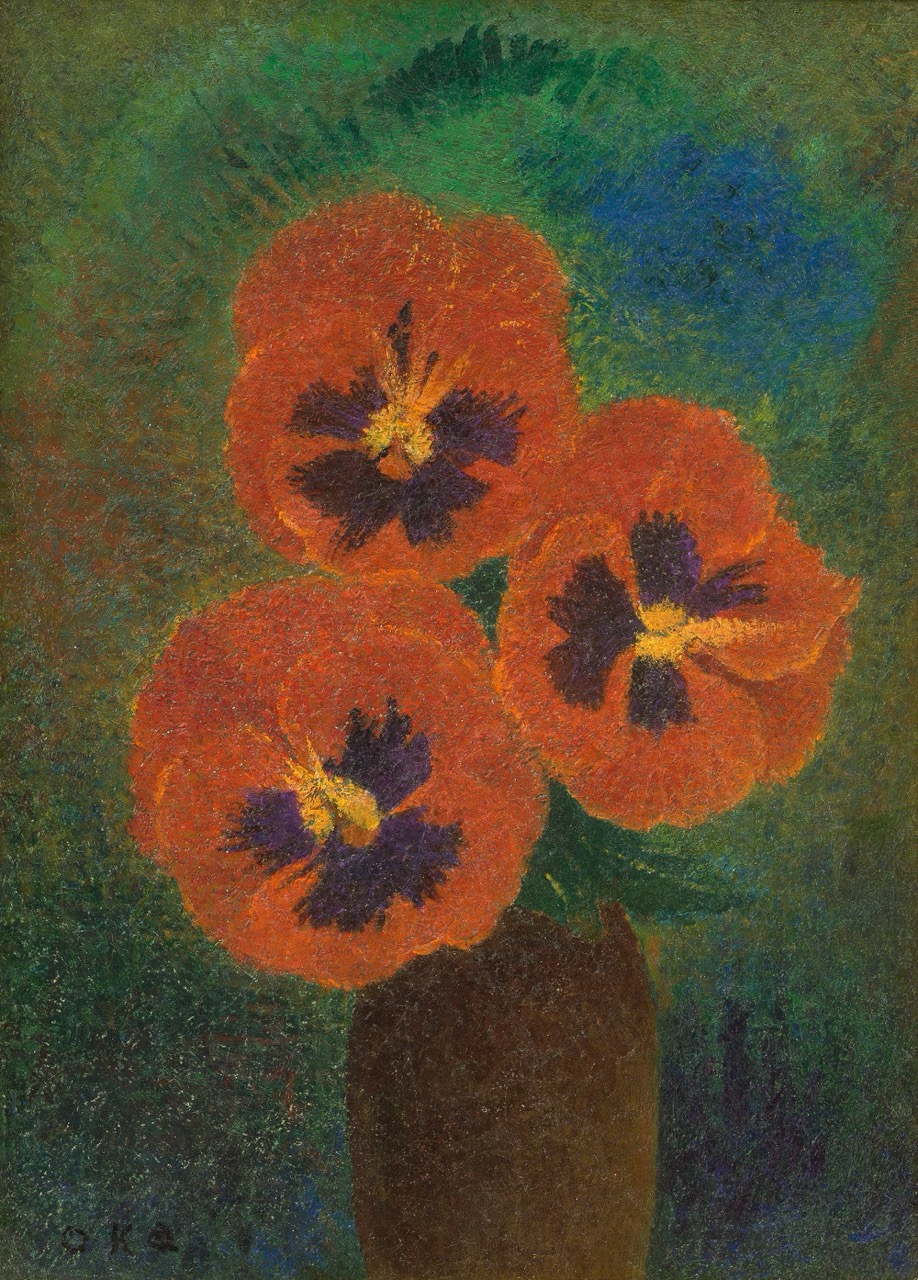
Lot 140: SHIKANOSUKE OKA, Three-coloured Violets, 1965. Modern & Contemporary Art Hong Kong.
A Tokyo-born Yōga painter who spent fifteen formative years in Paris under the guidance of Fujita Tsuguharu, Shikanosuke Oka (1898–1978) became celebrated for his serene, pointillist depictions of lighthouses, snowy vistas, and old castles. This poetic mastery of atmosphere and light is equally evident in his striking approach to still life, exemplified here in Three-coloured Violets.