Article | In Conversation With Carole Server Rema Hort Mann Fund Charity Auction Gala October 2026
"It’s not just about money, it’s about wellbeing" — In Conversation with Carole Server
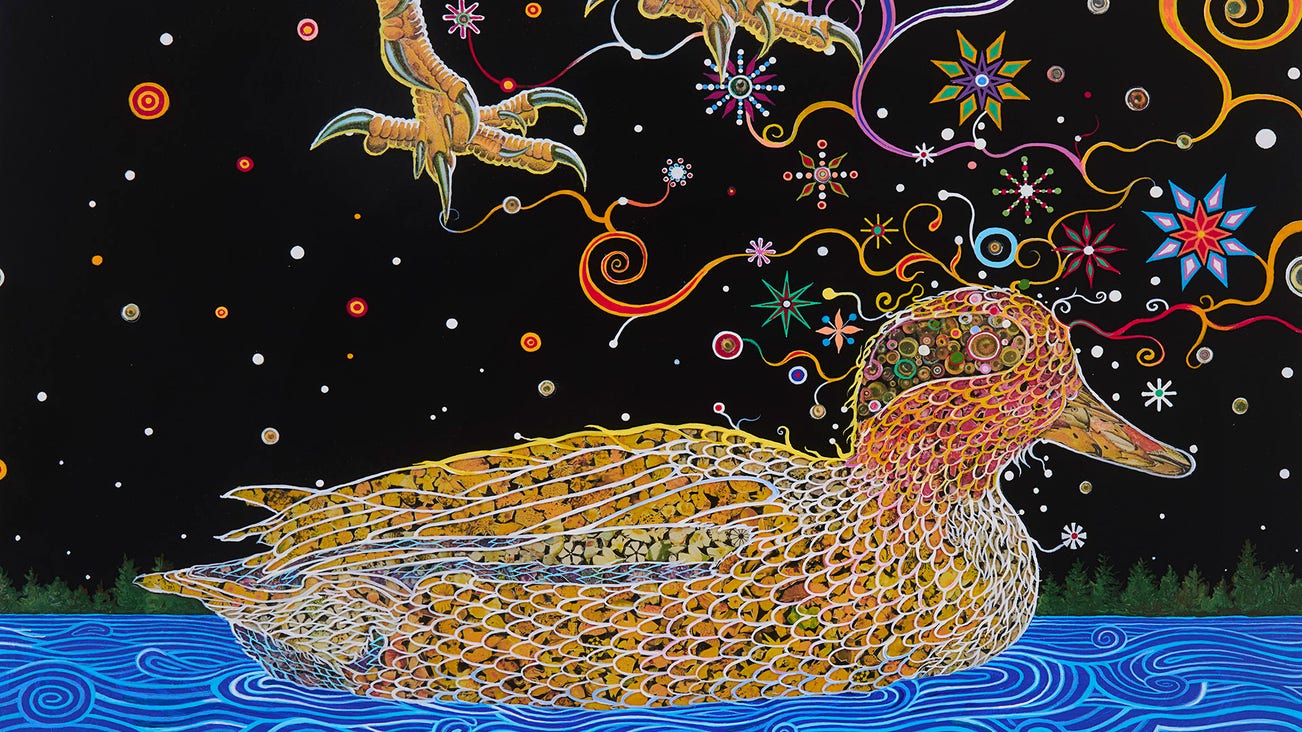
Ahead of the Rema Hort Mann Fund's 30th Anniversary Gala Auction, the art collector and board co-chair tells Phillips why advocacy matters now more than ever.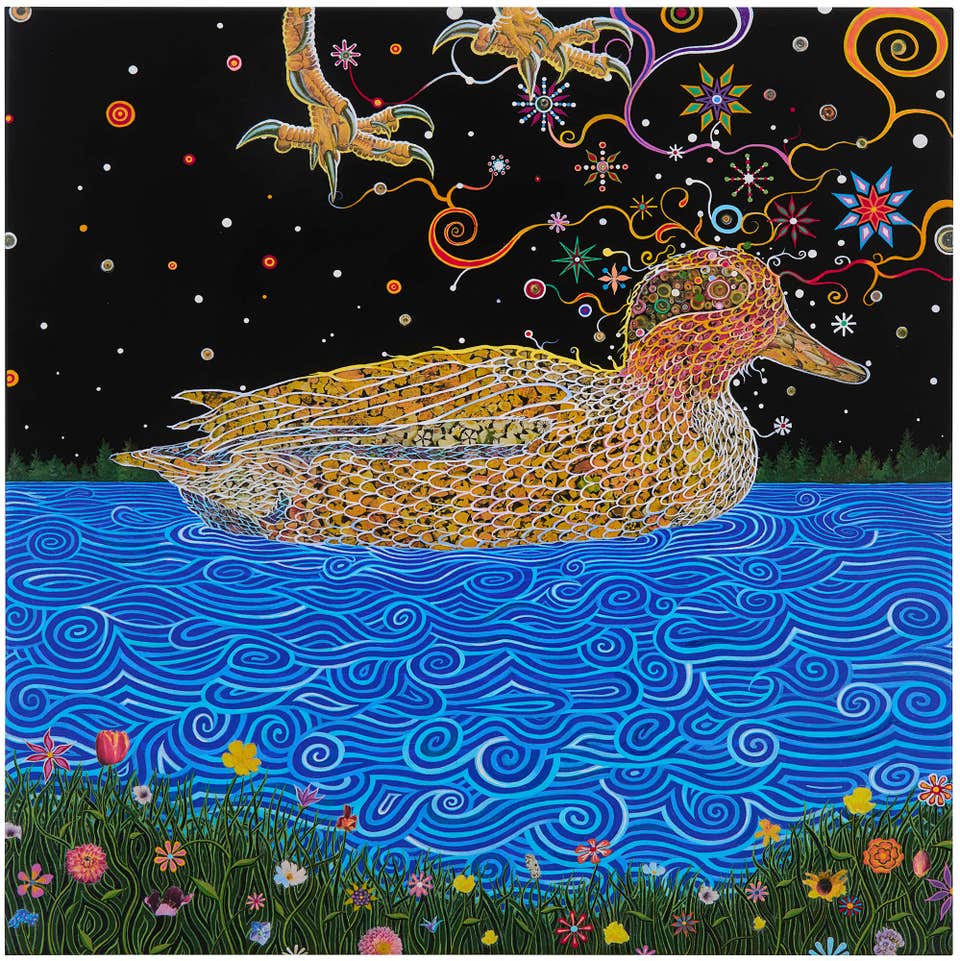
FRED TOMASELLI, Eagle and Teal, 2025. Rema Hort Mann Fund 30th Anniversary Gala: Launching Artists Living with Cancer Grant.
For the Rema Hort Mann Fund, generosity has always been the most personal way to combat tragedy. Now in its third decade, the Fund has operated with a rare, twin purpose — elevating the careers of promising emerging artists and supporting individuals navigating a cancer diagnosis. On the eve of its 30th Anniversary Gala Auction in partnership with Phillips, those two missions come full circle. Below, board co-chair Carole Server reflects on her own journey, the evolution of the Fund, and how the art community can support its next chapter at this crucial moment.
Featuring works donated directly by the artists, the online auction is now open for bidding. To access an exclusive selection of live-only auction lots, purchase tickets to the 30th Anniversary Gala on 28 October at Tribeca Rooftop.
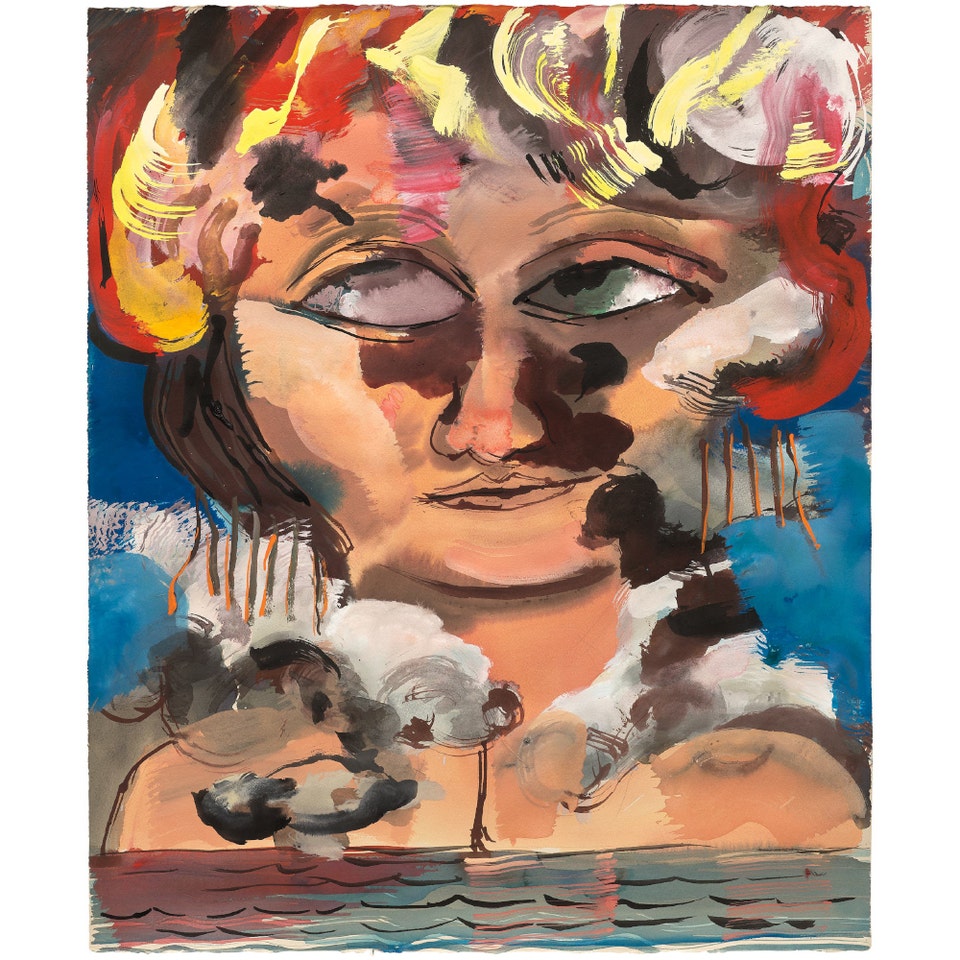
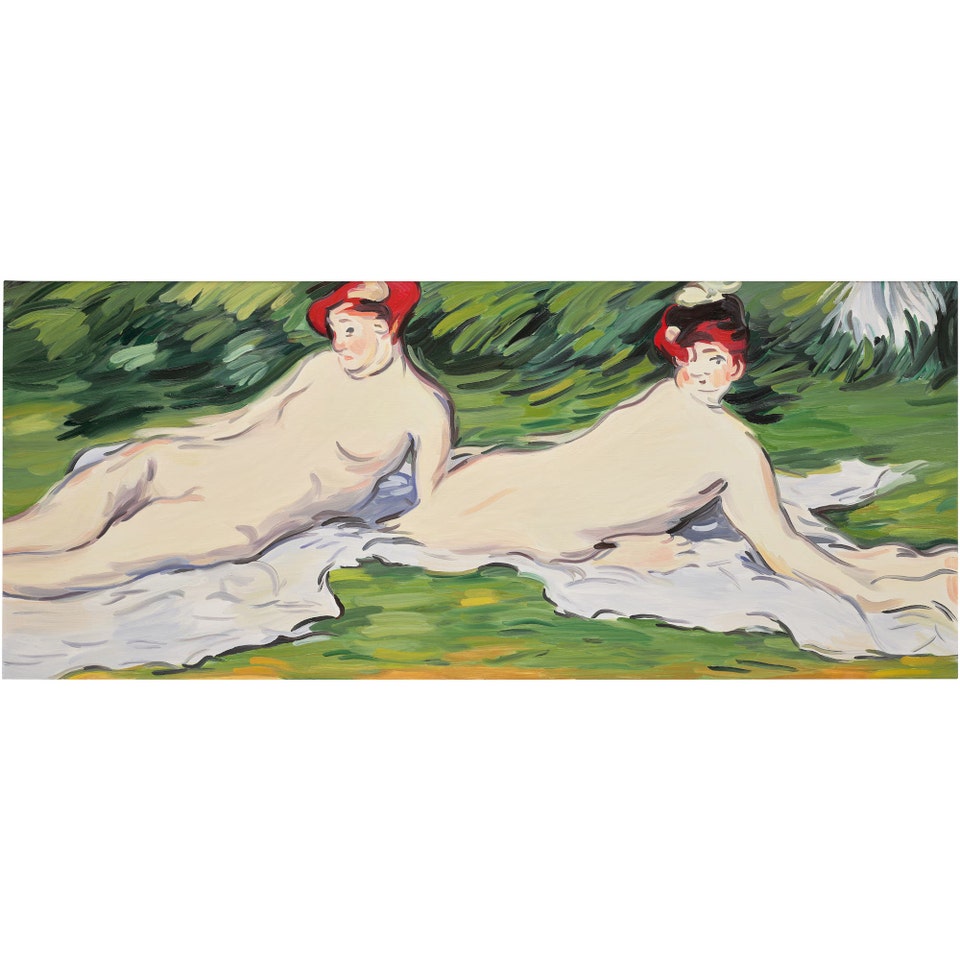
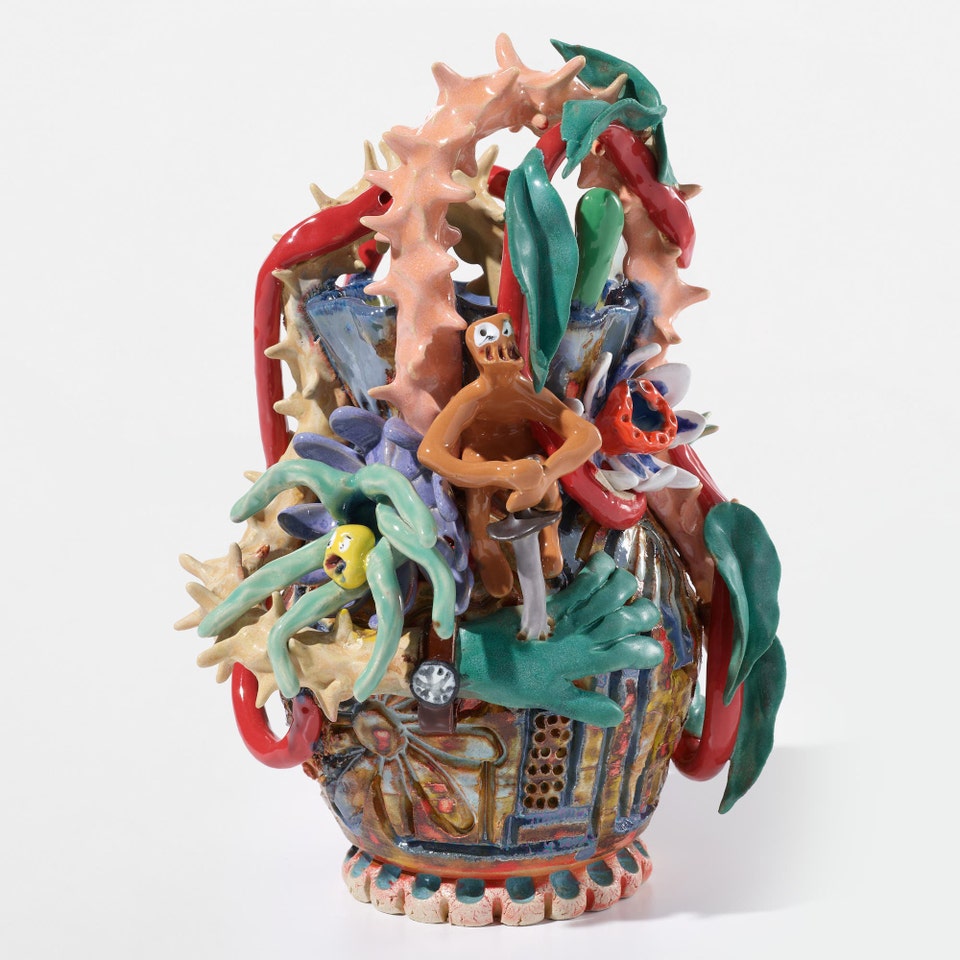
DANA SCHUTZ, Hair on Fire, 2026. Rema Hort Mann Fund 30th Anniversary Gala: Launching Artists Living with Cancer Grant.
PHILLIPS: Carole, how did your interest in art begin and how did you start collecting?
CAROLE SERVER: My love of art really started with my father. He had his first heart attack when I was two — a death sentence in those days because there were no diagnostics, drugs, or surgeries yet. Spending solo time with me and trying to enrich my world was important to him, so every Sunday was my day with my dad. We would always do something cultural: museums, gallery shows or the Young People’s Concerts at the Philharmonic with Leonard Bernstein. This was a very important part of my childhood, and that was how my love of art came back in the collection that I started with my husband, Oliver Frankel. We collect together, we have to agree on everything, but it’s become quite a large collection because we agree too often! It’s been wonderful to share my love of art with my husband, to have this shared activity — looking at art and traveling for art and collecting together.
P: Tell us a bit about the Rema Hort Mann Fund’s broader mission and how you came to be involved with the organization as a board member.
CS: The Rema Hort Mann Fund was founded by Susan and Michael Hort after the death of their daughter, Rema, from stomach cancer. It started with two pillars, inspired by Rema’s interests. One was emerging artists, whom we support with our Emerging Artists Fellowship program that has an incredible list of alumni, including Sarah Sze, Dana Schutz, Mickalene Thomas, Sanford Biggers, Kehinde Wiley and so many others. The list is phenomenal! The way these artists talk about receiving the grant and how it changed their lives shows how amazing this initiative has been for 30 years.
The other pillar, the Peter Hort Quality of Life Grants, recognizes a need that became apparent while Rema was being treated for cancer. Rema was never alone, she had so many friends and family members around to support her, but many others in treatment had no support. We renamed these grants in honor of Susan and Michael’s son Peter who sadly died from a 9/11 related cancer four years ago. They are emergency rapid response micro grants that are intended to keep families together and to keep patients supported by their family and friends while they are in treatment. Recipients come to us through social workers at the cancer centers. We process these grants in about a day. They can cover anything from a laptop or a smartphone to hotel rooms, airline tickets, car rentals, or babysitting — anything that might ease the financial stress on family and friends so they can focus on being with the patient.
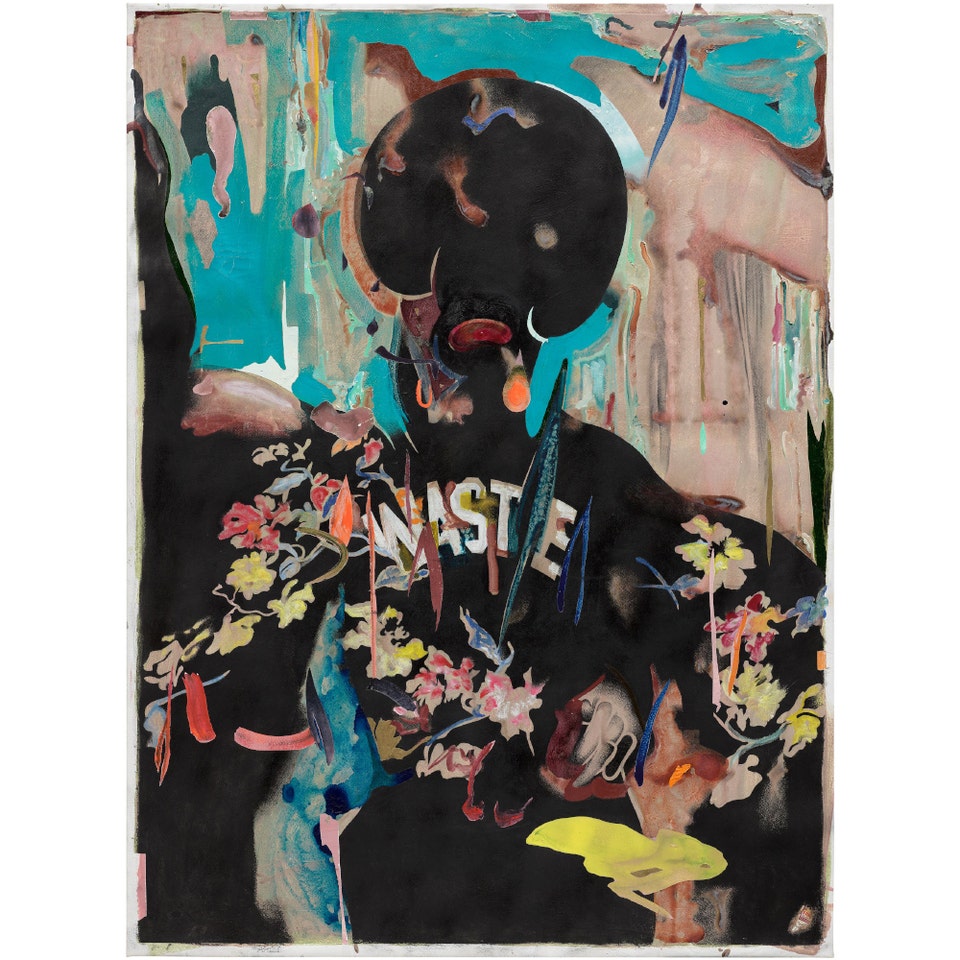
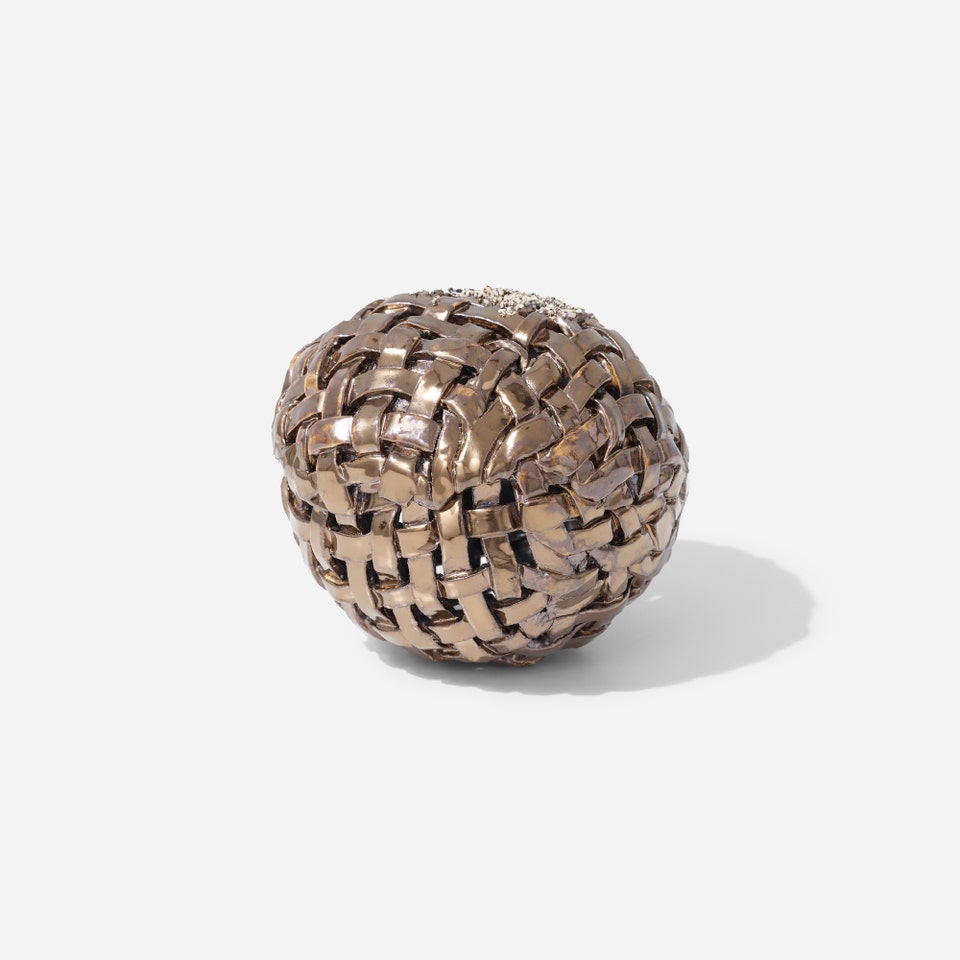
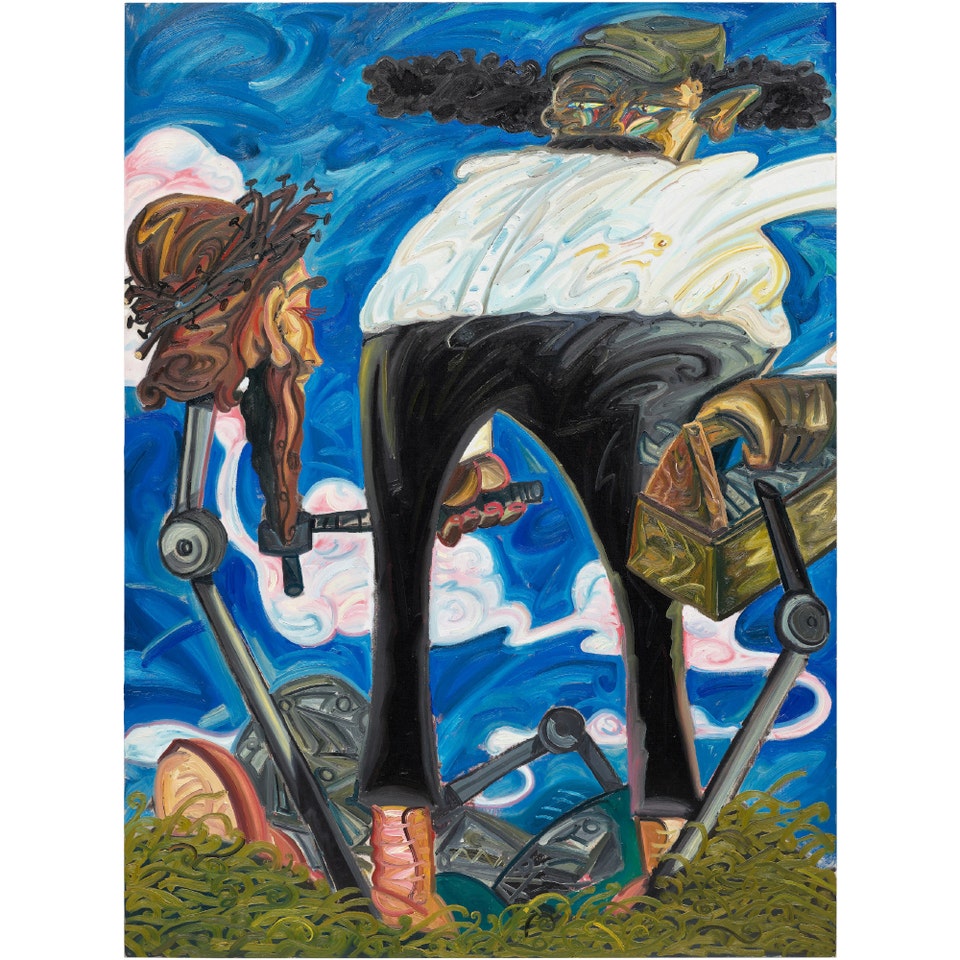
LEASHO JOHNSON, A Hint of the Infinite, 2025. Rema Hort Mann Fund 30th Anniversary Gala: Launching Artists Living with Cancer Grant.
P: This 30th Anniversary auction helps support a new grant for artists living with cancer. What sparked this initiative?
CS: In honor of our 30th anniversary we are launching a third grant pillar: Artists Living With Cancer. This is something very important to me. It was inspired by Jacolby Satterwhite’s very public fight with cancer, combined with the end of the Obamacare subsidies. Artists are at risk because they live from sale to sale and lack financial stability. Consequently, without the Obamacare subsidies, they go into the marketplace to get health insurance and take a low premium plan to fit within their budget. This is fine until they get hit with something catastrophic like a cancer diagnosis and end up with giant copays and deductibles. In the meantime, they can’t produce work to sell, but they still have storage costs, studio costs, and living expenses.
The inaugural grant is being presented to Jacolby Satterwhite in partnership with the Rauschenberg Foundation. As we started to research, I spoke to an awful lot of artists who are either cancer survivors or have cancer now and the numbers are shocking because artists tend to be very private. This was what was great about Jacolby — he made it okay to be public about it. Artists are often worried about how the public knowledge might affect their markets. It’s just a very difficult situation, they are really suffering and running through savings, if they even have a savings. It’s incredibly tragic. So this grant is very much needed and it kind of marries our existing support of artists and our existing support of cancer patients.
P: What are a few of your favorite works from the selection on offer?
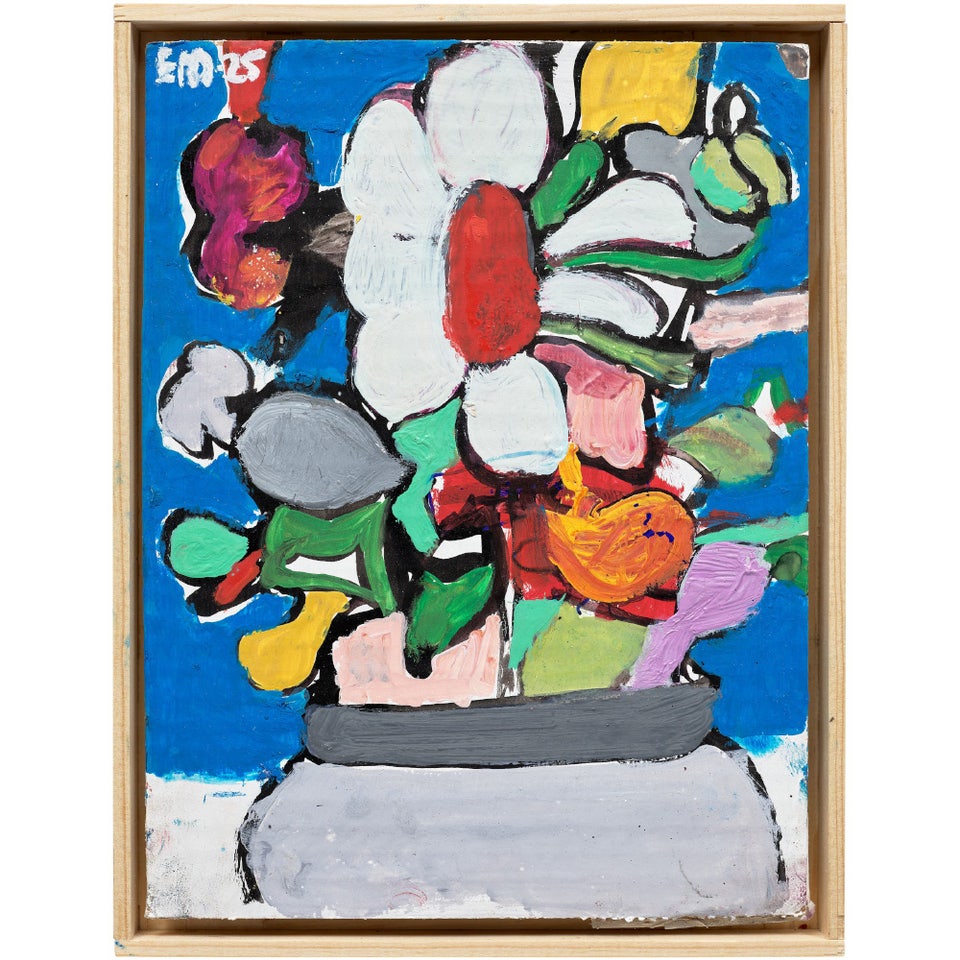
CS: It’s hard to pick just a few! Of course the Dana Schutz, we collect Dana and she has just joined our board. She’s an alum and donated an amazing, beautiful painting on paper — I love it, and I think everybody will love it. I love the Cristina BanBan, I love the Cynthia Daignault — she’s also a grant winner. The Fred Tomaselli is absolutely gorgeous; it’s one of the best Fred Tomaselli works I’ve ever seen. I’m also very fond of Sharif Farrag’s amazing sculpture, and I’d like to give a special shout out to Sharif — not only did he donate a beautiful work, but he also generously created a pendant for our Guardian Angel Project. We ask artists to create their vision of a guardian angel. Then we give them to the cancer patients we visit in the hospitals. Sharif made a beautiful guardian angel for us, he’s been incredibly supportive.
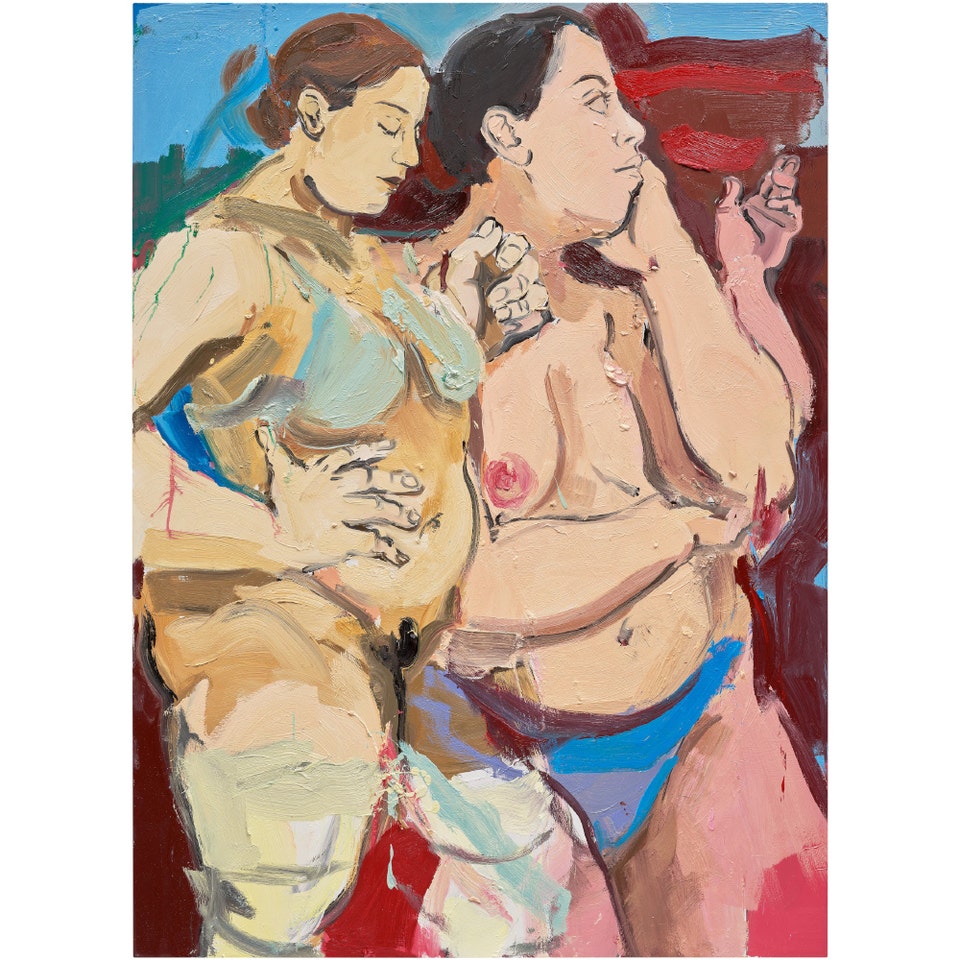
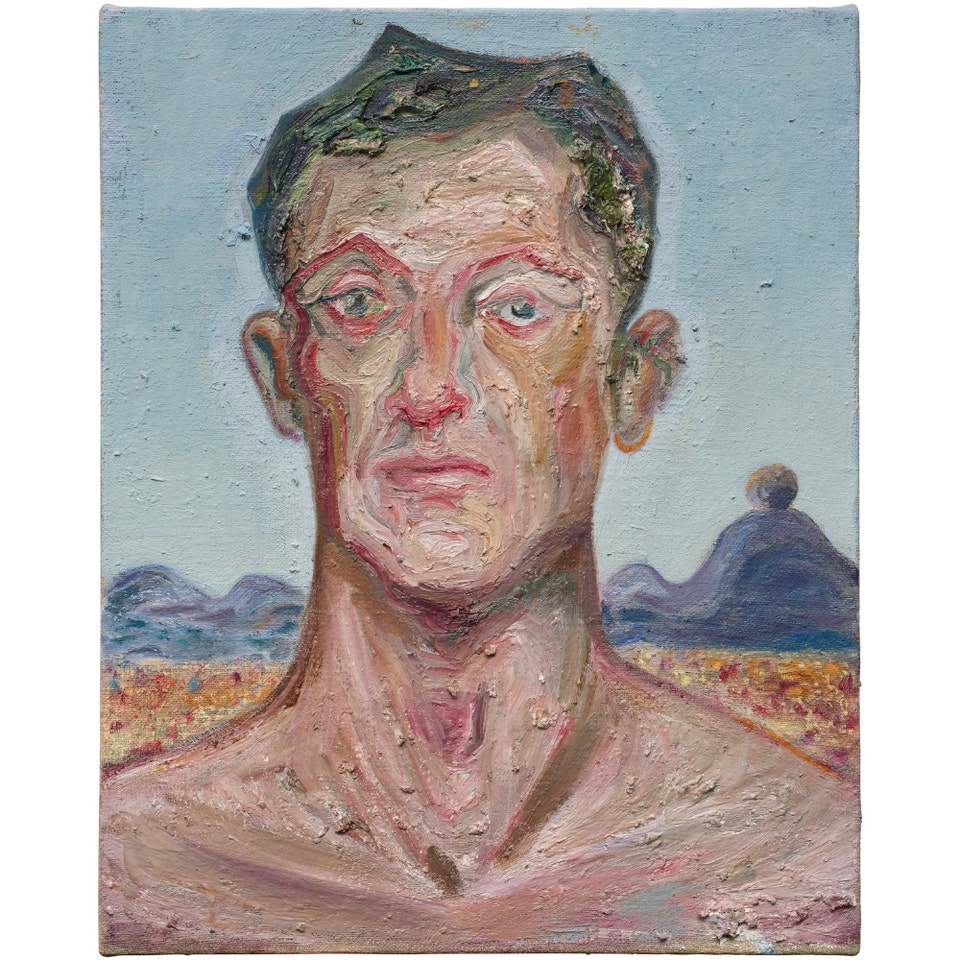
There’s just so many great works, the Leasho Johnson is top-notch. Anina Major is having a moment, her exhibition at the Perez Museum in Miami just opened and she is a cancer survivor. I really like the Eddie Martinez, we collect him and he’s a friend. The Jameson Green is a great work, he’s super well collected. I think the Katherine Bradford is beautiful, it’s a really special one. The Marilyn Minter is beautiful. Then there’s the Nicole Eisenman, which is just beautifully painted, the impasto is fabulous. That’s way more than a few isn’t it?
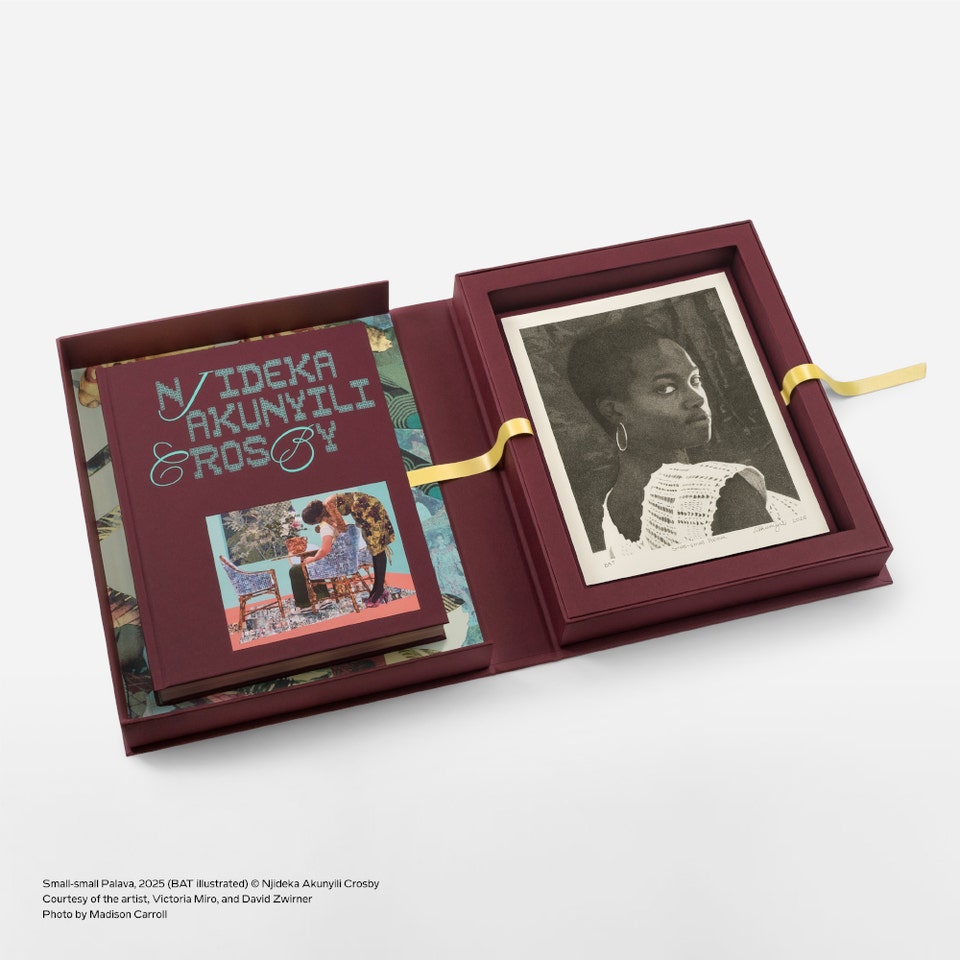
Also the Njideka Akunyili Crosby is a special piece because it’s not just the image, it comes in this beautiful clamshell box where one side is a monograph and the other side is the print — it’s really quite lovely. There are just a lot of great works, Oliver’s going to have to sit on my hands!
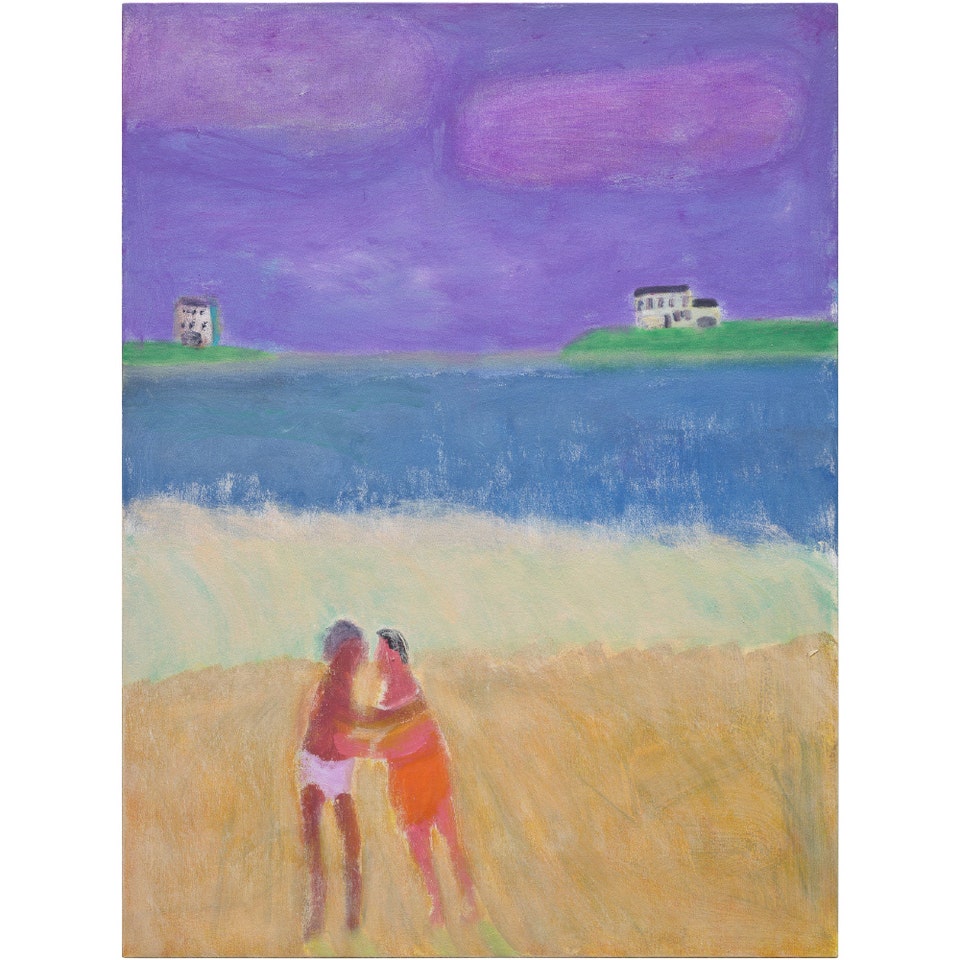

KATHERINE BRADFORD, Beach with Couple and Houses, 2025. Rema Hort Mann Fund 30th Anniversary Gala: Launching Artists Living with Cancer Grant.
P: Art collecting can often be seen as a deeply personal passion, while board service is a form of public advocacy. How do these two worlds meet for you with this auction?
CS: I have never been the person who just wants to write a check. I like to get my hands dirty. For me, this journey with the Rema Hort Mann Fund began when I joined the board. At the time, it was more of a family thing, and the heir apparent was Peter Hort. Peter and I used to talk about being siblings from another mother, we were very close. Watching him struggle with cancer I kept asking myself, "What can I do?" I realized that one way to help and honor Peter was to get more involved in the Rema Hort Mann Fund which was very important to him. So about five years ago, I did just that. Together, we have taken the organization from something that started around the family dining room table to a very legitimate organization. My goal was to make the organization sustainable so the Rema Hort Mann Fund could continue to honor Rema and Peter beyond Susan and Michael's lifetime. We’ve hired a very professional executive director in Elysia Borowy and we professionalized the whole organization. It was a lot of work, a heavy lift, but now we’re starting to get state, city, and corporate funding, as well as grants from foundations. I have to say that doing this work and knowing how important it was to Peter Hort has helped me heal. And for Oliver and me, collecting and supporting artists have always gone hand in hand. Artists are vulnerable and we need to take care of our creatives. It’s not just about money, it’s about wellbeing, and the cultural wellbeing of our broader ecosystem.