230
保羅.麥治.塞普亞
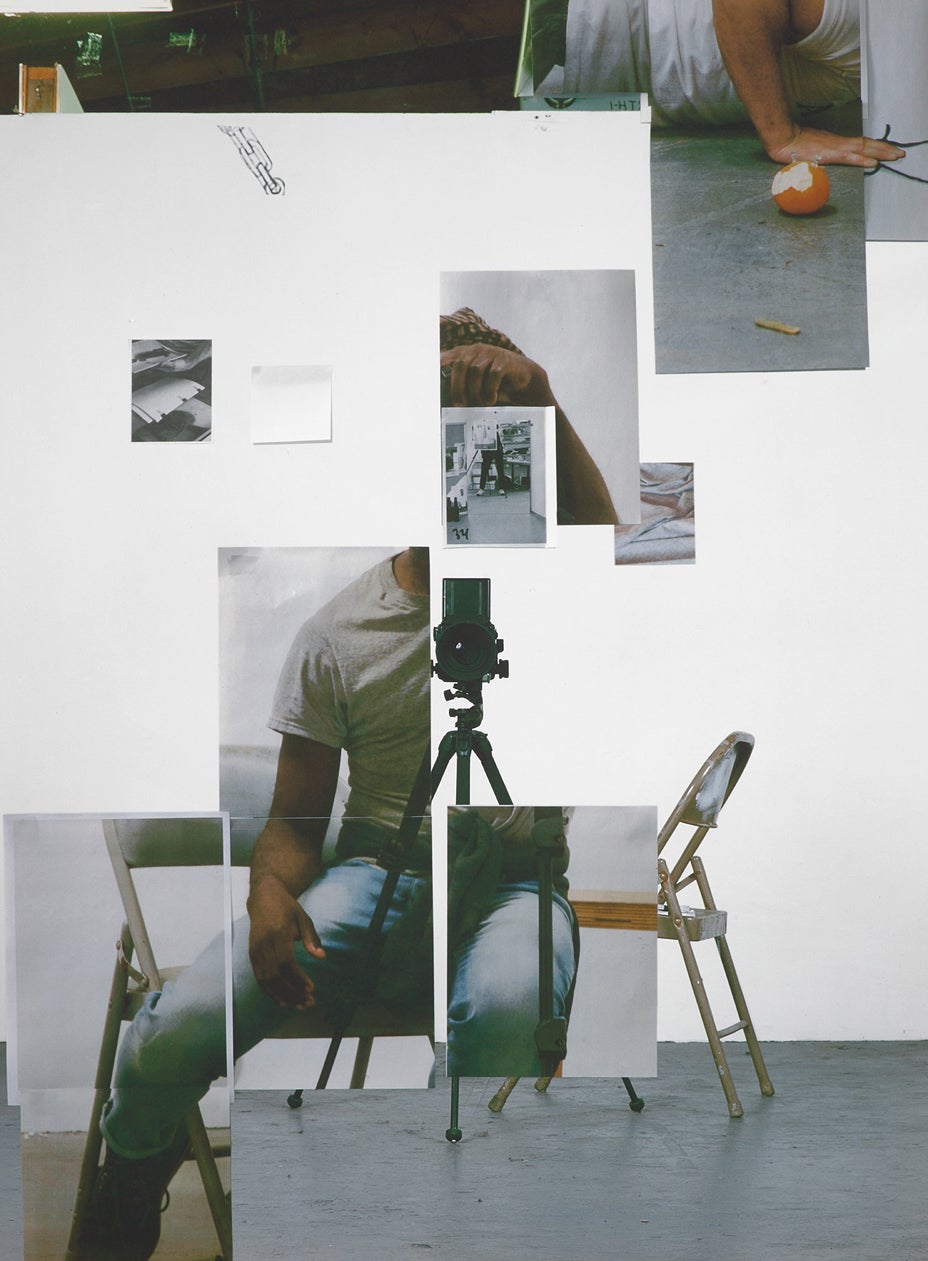
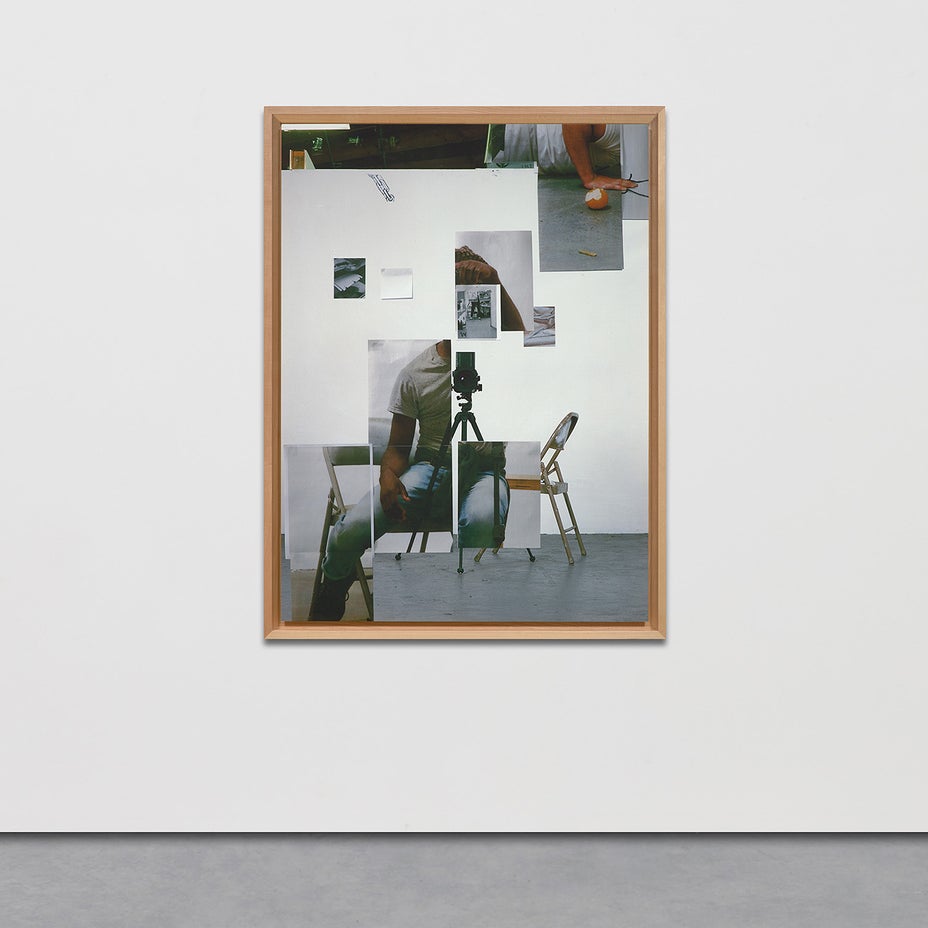
《自拍照習作與兩個人物 (1506)》
整體:49 x 36 3/4 英吋 (124.5 x 93.3 公分)
共有5版與2版藝術家試作版,此作為其中一版。
完整圖錄內容
Sepuya’s work is in the permanent collections of The Museum of Modern Art, the Whitney Museum of American Art, the Solomon R. Guggenheim Museum, the Studio Museum in Harlem, and the Los Angeles County Museum of Art, among others.
保羅.麥治.塞普亞
American | 1982Paul Mpagi Sepuya’s distinct photographs are not portraits in the conventional sense. The viewer may catch a glimpse of an arm, torso, or hand, but rarely the sitter’s entire body. Deliberately employing fragmentation and manipulating perspective by using mirrors, drapery and collage, Sepuya has become known for photographs that explore the construction of queer and photographed bodies. This photographic investigation of identity and what it means to be represented is at the core of Sepuya’s artistic project, and has garnered him widespread attention since his graduation with a MFA from the University of California, Los Angeles, in 2016, as evidenced most recently in his inclusion Being: New Photography 2018 at the Museum of Modern Art, New York, in March - August 2018.
Investigating the studio as a social environment, Sepuya stages friends, partners, muses and lovers as the subjects of his photographs. The deliberate fragmentation of bodies in Sepuya’s photographs is meant to provoke a feeling of desire within the viewer, a longing to see what is concealed. Sepuya’s work features photographic equipment and studio space as a way to examine how identity and individuality – of both the image-maker and the subject – are made manifest in the construction of an image.
Sepuya’s photographs are groundbreaking in their simultaneous investigation of racial and sexual identities in reference with the history of photography itself; the stating of props are a sly nod to those found in photography studios from the early 19th century to modern times, drawing our attention to the artifice and constructed image inherent to the photographic process. “(The elements) are tied to a point in time starting in the 1920s and ’30s with (the emergence of) a more self-acknowledged gaze in photography,” Sepuya said. “You put a drapery and a column and mirror, and it’s art instead of a naked person.”