816Σ︎
Van Cleef & Arpels
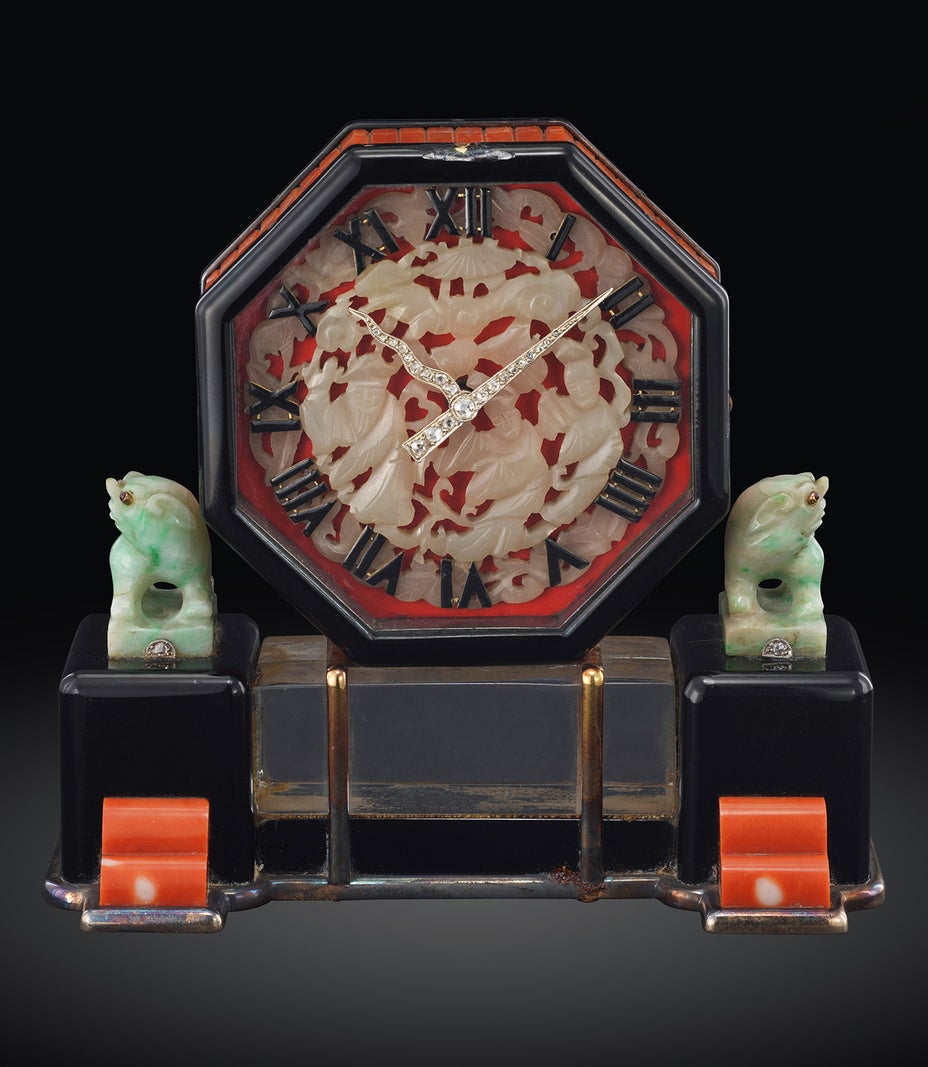
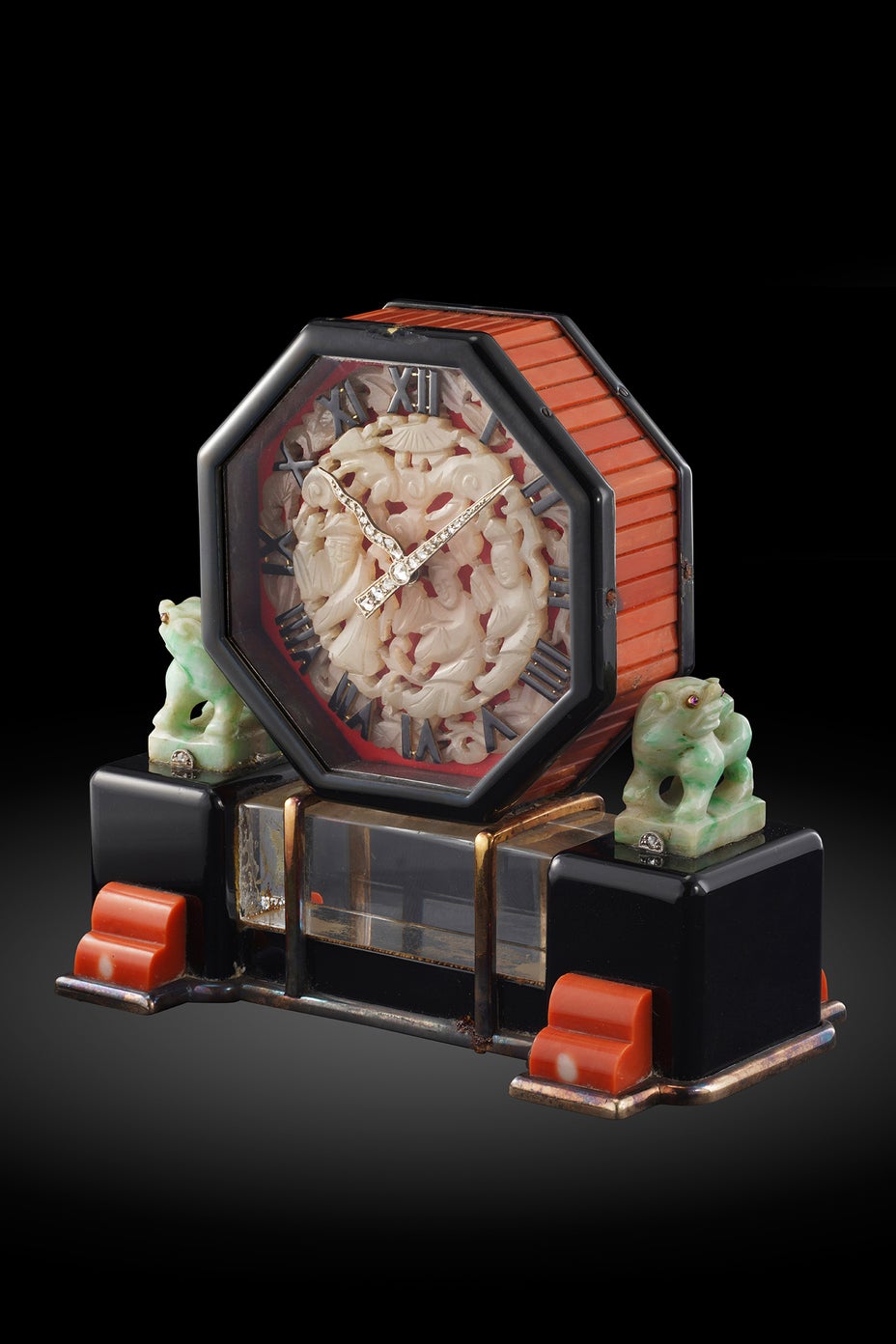
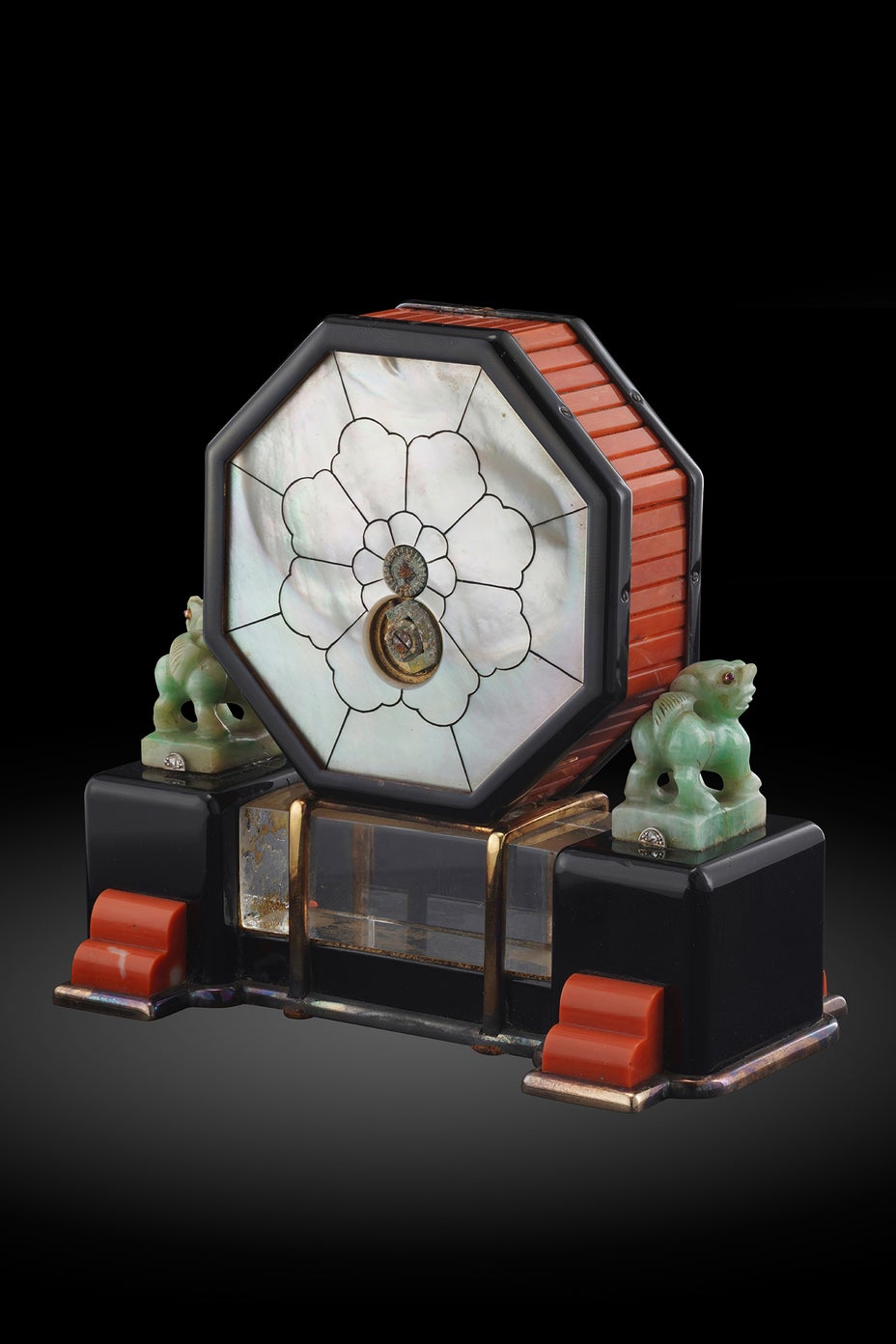
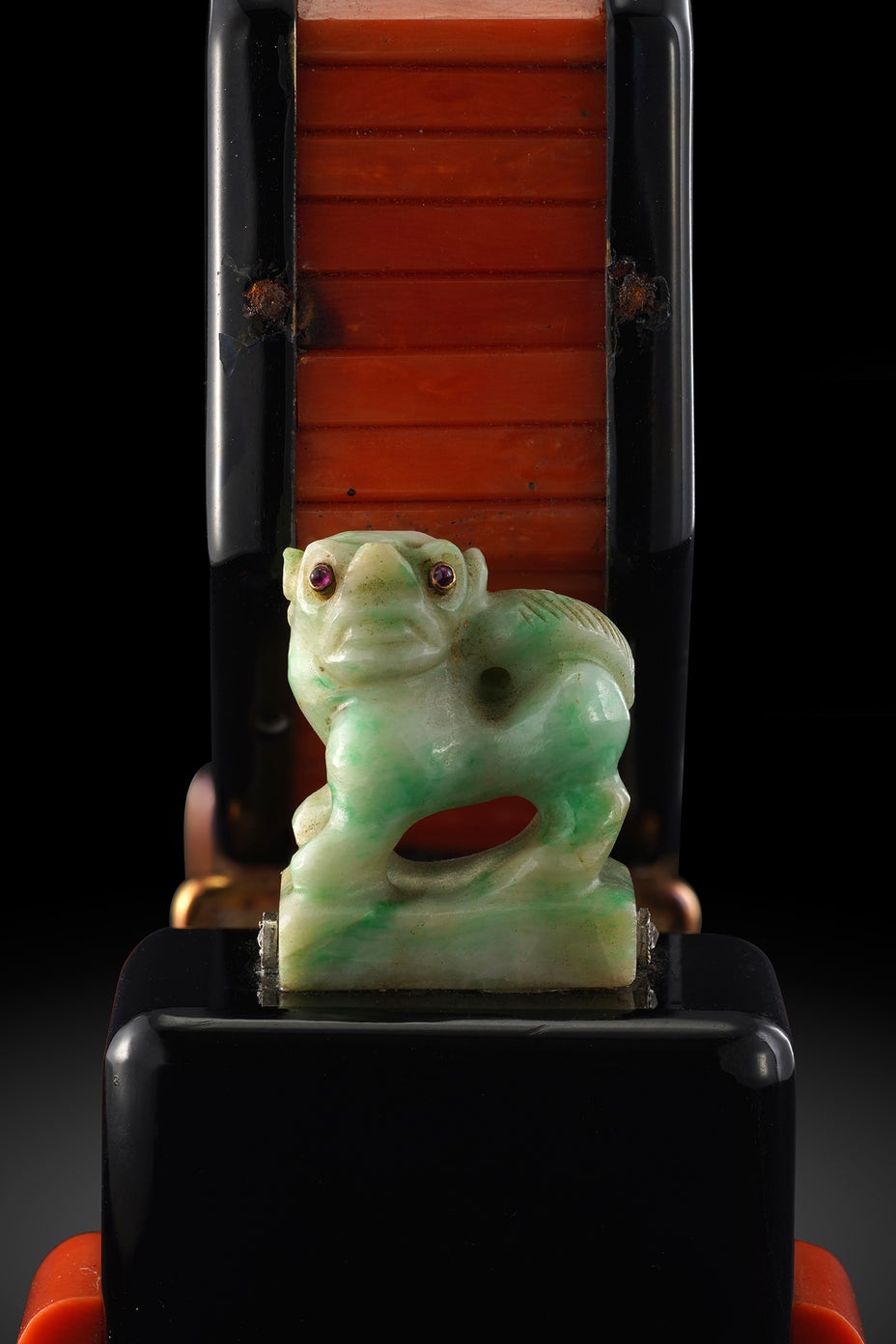
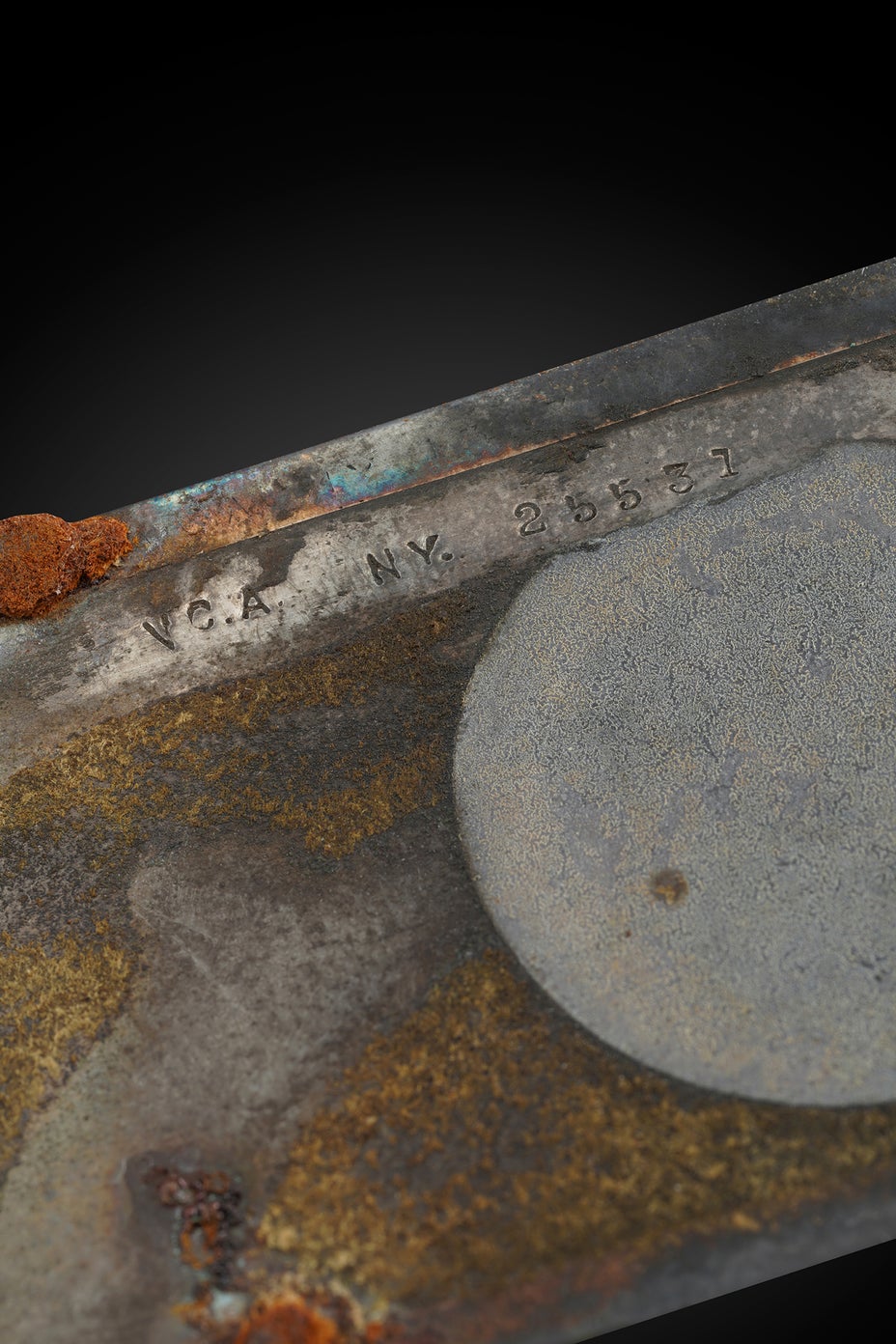
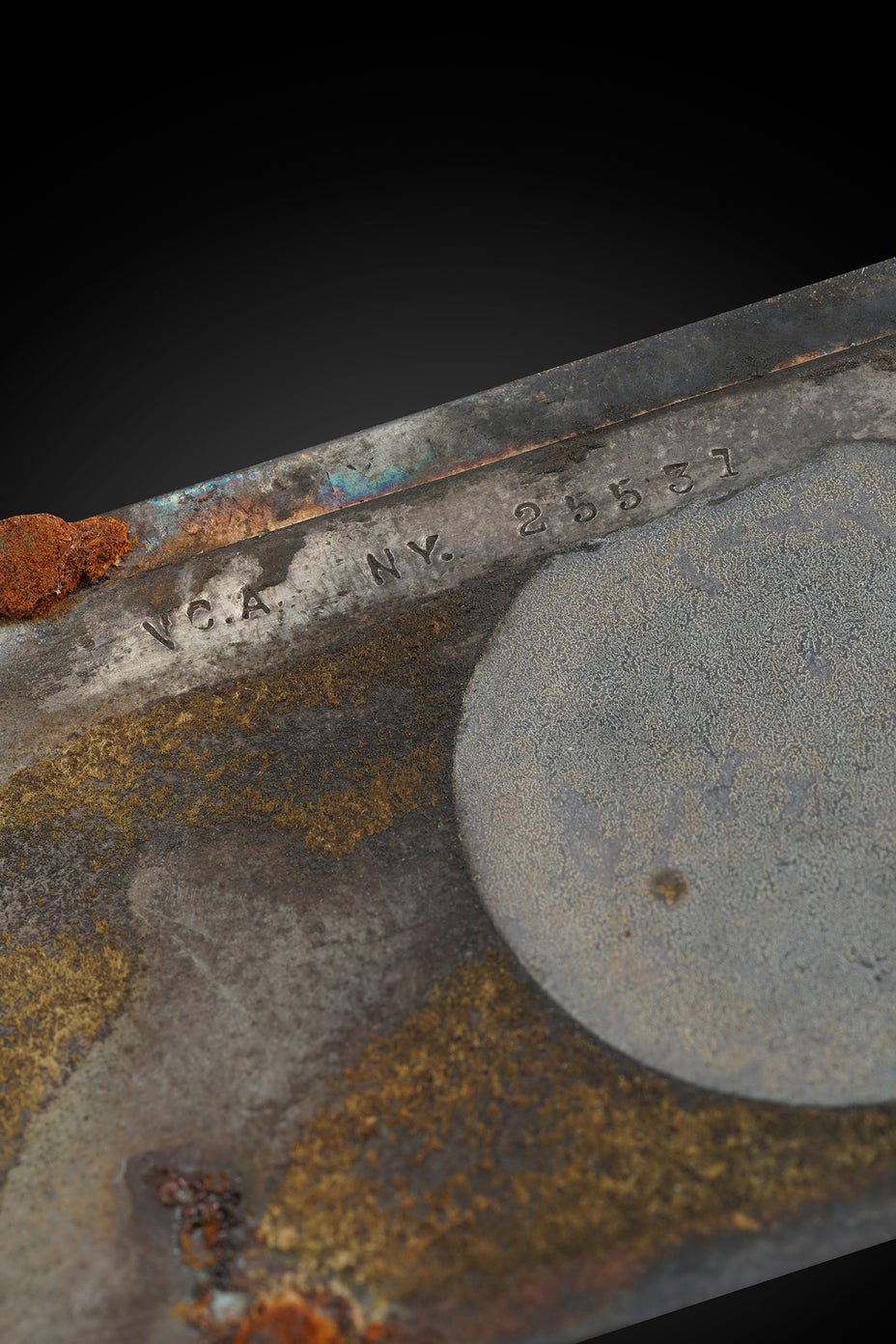
梵克雅寶,精美罕有,軟玉漆面座鐘,鑲嵌珊瑚、黃金、珍珠母貝,備「福犬」雕刻翡翠及水晶底座,約1925年製
完整圖錄內容
這款座鐘完美體現了1920年代的創意美學。錶盤中央由玉石雕琢出中國文人雅集圖,而環繞錶盤的面板則以薄珊瑚片精製,展現了工匠在精緻鑲嵌方面的精湛技藝。最引人注目的是兩尊「福犬」(貔貅)鎮守座鐘兩側。在中國文化中,「貔貅」是像徵守護獅子的動物,常見於中國藝術、建築與傳說中。儘管被西方稱為“犬”,實為獅子般的雕像,通常成對出現(一雄一雌),用以鎮守建築、廟宇或宮殿的入口。貔貅在中國傳統中蘊含深厚象徵意義:既代表繁榮、祥瑞、護佑與皇權,亦體現陰陽平衡之道。細節處理更是極盡考究,貔貅双眼更以红宝石镶嵌。
尤為有趣的是,此座鐘與另一款卡地亞座鐘相似——無論是面盤設計、八角形結構、黑漆底座,還是兩側鎮守的神獸造型皆如出一轍。印證了當時頂尖珠寶商很可能共享作坊或工匠,畢竟能同時兼具如此高超技藝與創意水準的匠師實屬鳳毛麟角。
Van Cleef & Arpels
FrenchWhen Alfred Van Cleef and Estelle Arpels fell in love, their marriage paved the way for iconic jewelry house Van Cleef & Arpels to become a symbol of unification. With their background in precious stone dealing, the Arpels found their perfect match in the Van Cleefs, a family of expert stonecutters. In 1906, Estelle's brother Charles established the company name with Alfred's help and opened shop in the Place Vendôme in Paris. To this day, this Parisian neighborhood is associated with turn-of-the-century luxury.
The Van Cleef & Arpels aesthetic has always had its finger on the pulse of worldwide trends: For example, the house took inspiration from Tutankhamen upon the Egyptian king's discovery in the 1920s, which spurred a global phenomenon marrying Egyptian Revival and Art Deco motifs. Over the decades, Van Cleef & Arpels has produced intricate watches, earrings and necklaces with a signature elegance that mirrors contemporary tastes.