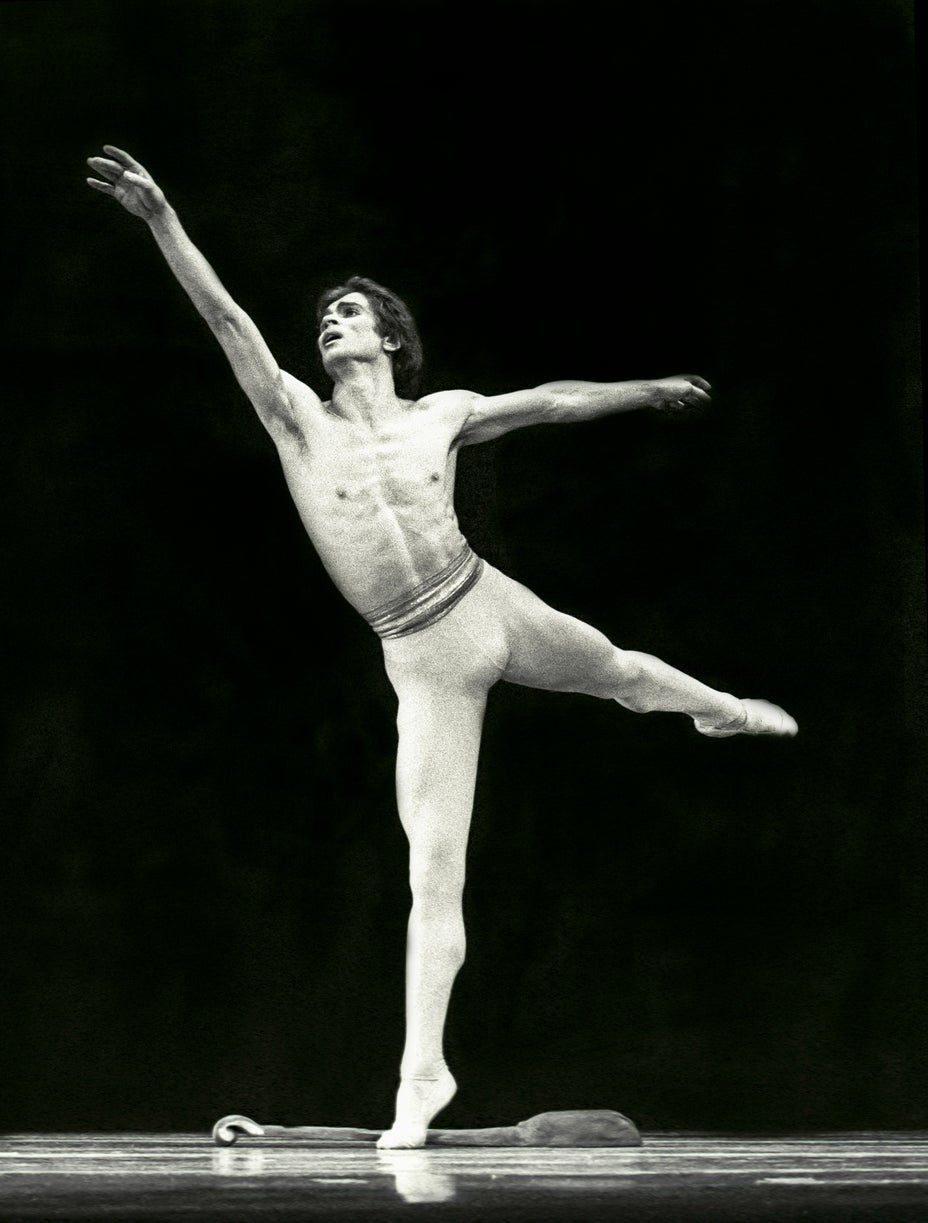
Formerly in the Collection of Rudolf Khametovich Nureyev (17 March 1938 – 6 January 1993)
334
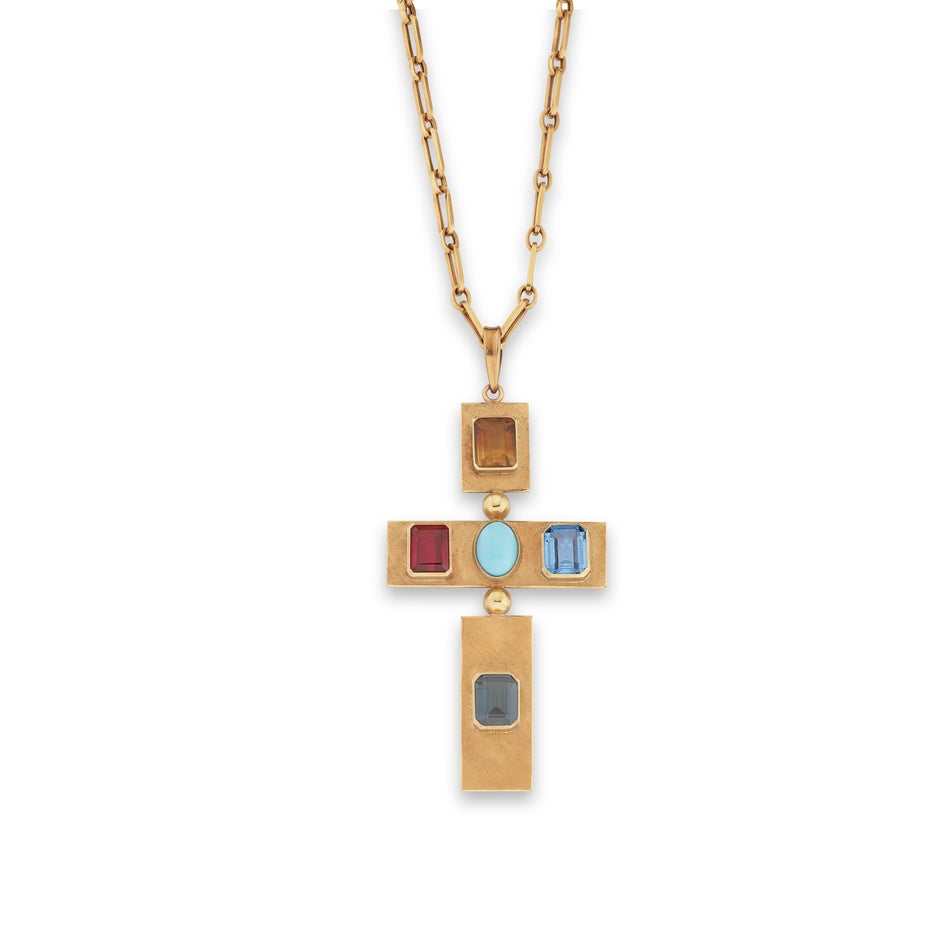
Gold and gem-set pendant and a gold chain
估價
CHF1,700–2,600•︎
€1,800–2,800
$2,000–3,000
Priority BiddingAvailable through 7日 11月 歐洲中部時間下午4时 2026. Learn more
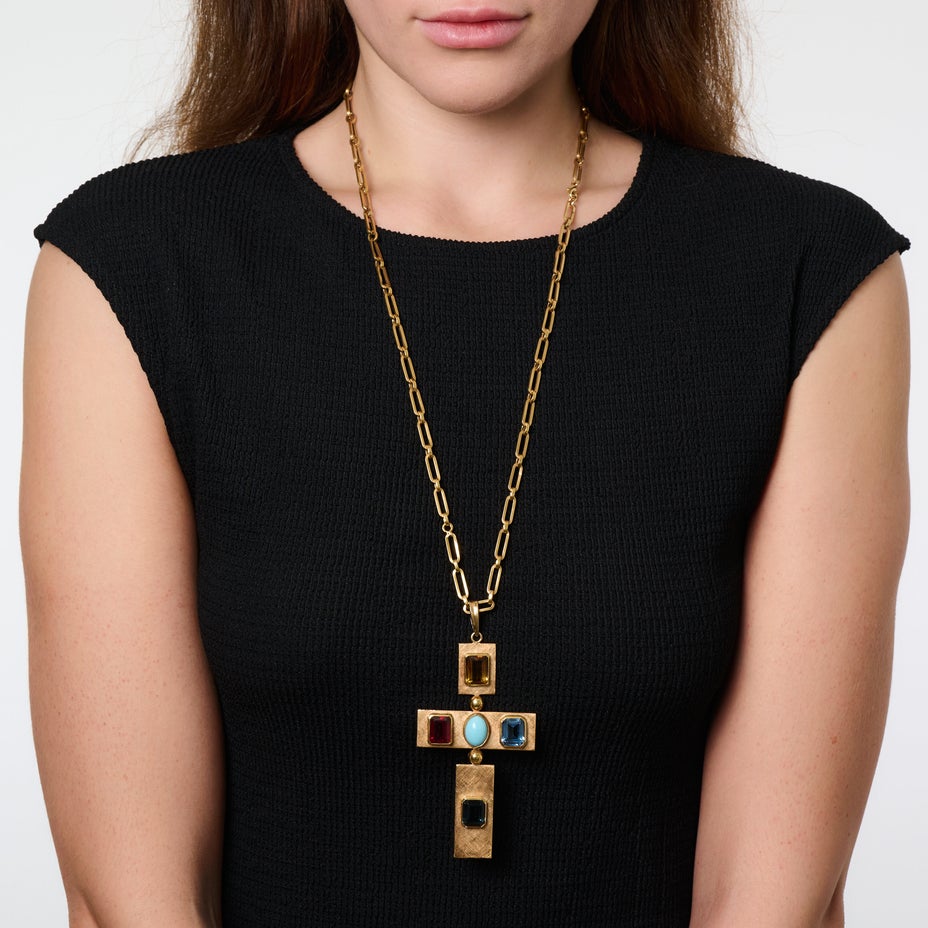
The textured gold cross pendant set with a step-cut citrine, synthetic ruby, synthetic blue and green spinel, accented with a light blue cabochon, suspended from a hollow link chain, the pendant measuring approximately 110 x 50 mm, chain length approximately 710 mm, by Lisa Sotilis.
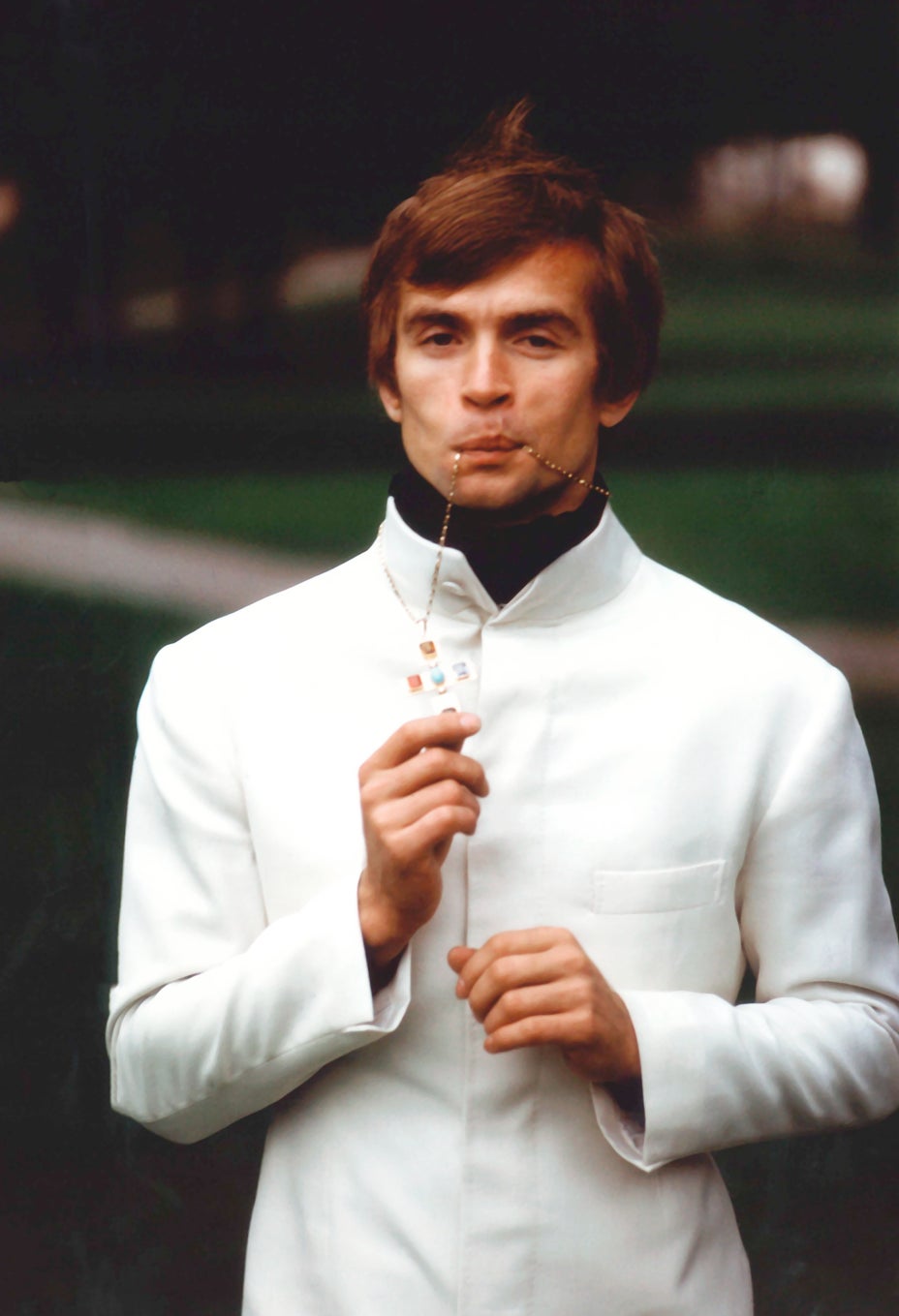
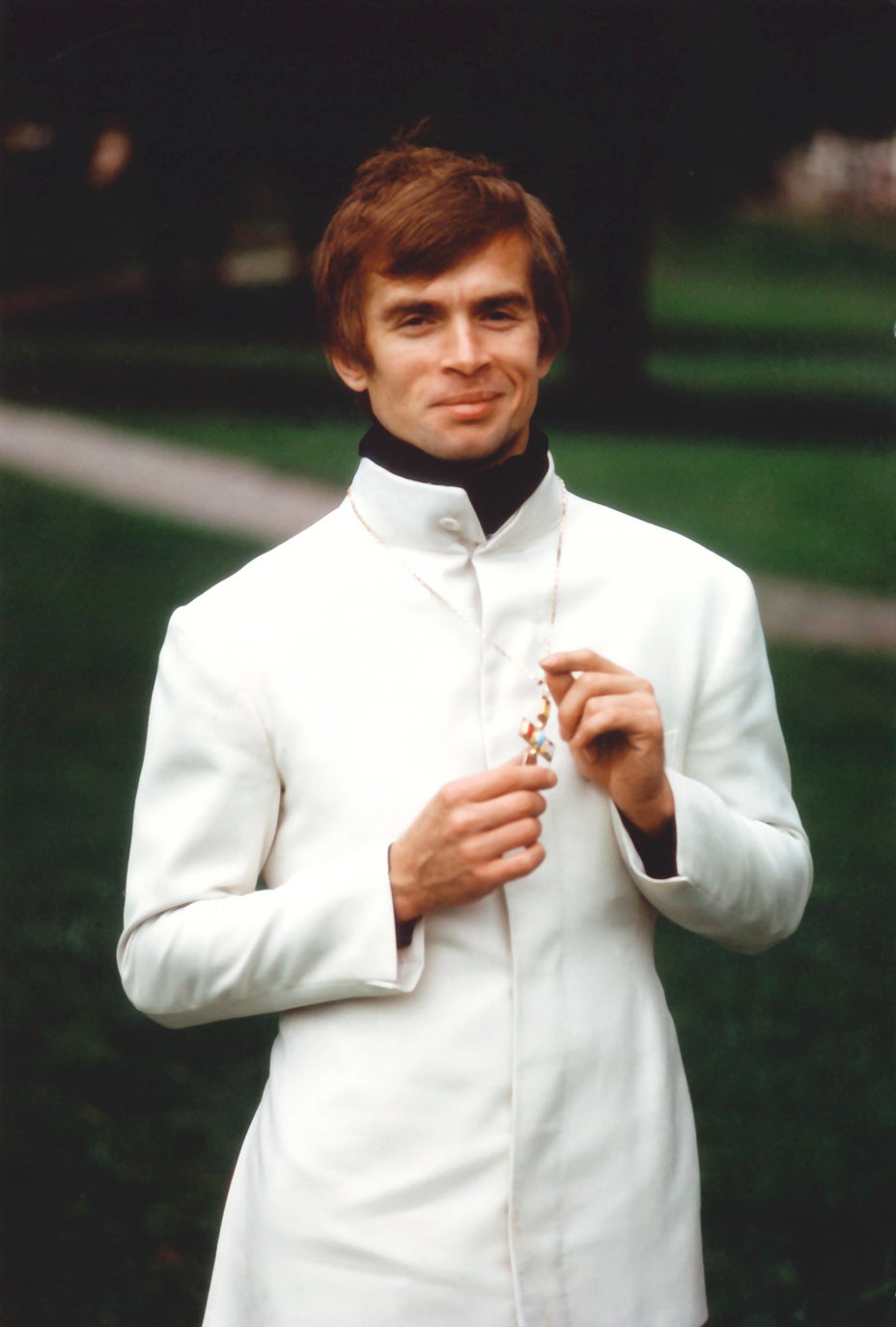
Accompanied by two photograph and a letter from Swedish photographer Hans Hammarskiöld.
Accompanied by two photograph and a letter from Swedish photographer Hans Hammarskiöld.
完整圖錄內容
Rudolf Khametovich Nureyev (17 March 1938 – 6 January 1993) was a Soviet-born ballet dancer, choreographer and ballet director. Nureyev is widely recognised as one of the leading male ballet dancers of the 20th century and one of the most influential figures in the history of ballet.
He was born aboard the Trans-Siberian Railway near Lake Baikal, while his mother was travelling to Vladivostok. He saw his first ballet, Song of the Cranes, at the age of seven and immediately fell in love with dance. Although he began formal ballet training relatively late, at the age of 15, his talent quickly became apparent.
In 1955, Nureyev entered the Vaganova Choreographic Academy in Leningrad (now St Petersburg), where he studied under the renowned teacher Alexander Ivanovich Pushkin. In 1958, he joined the Kirov Ballet (now the Mariinsky Ballet) as a soloist, attracting attention for his exceptional technique, intensity and unconventional approach to male roles.
While on tour in Western Europe in 1961, Nureyev famously defected to the West at Le Bourget Airport in Paris, where he requested political asylum in France rather than returning to the Soviet Union. He went on to build an international career as a dancer and choreographer, becoming particularly famous for his partnership with Margot Fonteyn. He also revived and re-staged major 19th-century ballets, including La Bayadère, Raymonda, Don Quixote, Swan Lake, The Sleeping Beauty and The Nutcracker.
Later, he served as Director of Dance at the Paris Opera from 1983 to 1989, while continuing to perform and choreograph internationally. He died in Paris in 1993, aged 54, and was buried in the Russian Cemetery of Sainte-Geneviève-des-Bois, near Paris.
He was photographed wearing the pendant on 12 July 1967, riding to dinner in San Francisco with Dame Margot Fonteyn during The Royal Ballet’s tour of the United States. Just weeks later, in late August, he was photographed wearing it again in the grounds of the Royal Palace at Drottningholm, outside Stockholm, where he had travelled to direct The Nutcracker for the Stockholm Opera, in a feature for the Swedish magazine Bonniers Månadstidning.
The pendant accompanied Nureyev at a pivotal moment in his career, when his extraordinary talent, charisma and unorthodox spirit had made him one of the most celebrated dancers of his generation.
Nureyev transformed the role and visibility of the male ballet dancer, becoming an international cultural icon during the Cold War. His legacy continues to shape the world of ballet today. As he himself once said, “As long as my ballets are danced, I will live.”
He was born aboard the Trans-Siberian Railway near Lake Baikal, while his mother was travelling to Vladivostok. He saw his first ballet, Song of the Cranes, at the age of seven and immediately fell in love with dance. Although he began formal ballet training relatively late, at the age of 15, his talent quickly became apparent.
In 1955, Nureyev entered the Vaganova Choreographic Academy in Leningrad (now St Petersburg), where he studied under the renowned teacher Alexander Ivanovich Pushkin. In 1958, he joined the Kirov Ballet (now the Mariinsky Ballet) as a soloist, attracting attention for his exceptional technique, intensity and unconventional approach to male roles.
While on tour in Western Europe in 1961, Nureyev famously defected to the West at Le Bourget Airport in Paris, where he requested political asylum in France rather than returning to the Soviet Union. He went on to build an international career as a dancer and choreographer, becoming particularly famous for his partnership with Margot Fonteyn. He also revived and re-staged major 19th-century ballets, including La Bayadère, Raymonda, Don Quixote, Swan Lake, The Sleeping Beauty and The Nutcracker.
Later, he served as Director of Dance at the Paris Opera from 1983 to 1989, while continuing to perform and choreograph internationally. He died in Paris in 1993, aged 54, and was buried in the Russian Cemetery of Sainte-Geneviève-des-Bois, near Paris.
He was photographed wearing the pendant on 12 July 1967, riding to dinner in San Francisco with Dame Margot Fonteyn during The Royal Ballet’s tour of the United States. Just weeks later, in late August, he was photographed wearing it again in the grounds of the Royal Palace at Drottningholm, outside Stockholm, where he had travelled to direct The Nutcracker for the Stockholm Opera, in a feature for the Swedish magazine Bonniers Månadstidning.
The pendant accompanied Nureyev at a pivotal moment in his career, when his extraordinary talent, charisma and unorthodox spirit had made him one of the most celebrated dancers of his generation.
Nureyev transformed the role and visibility of the male ballet dancer, becoming an international cultural icon during the Cold War. His legacy continues to shape the world of ballet today. As he himself once said, “As long as my ballets are danced, I will live.”