文章 | Striking The Right Notes Editions Works On Paper Auction New York October 2026
Striking the Right Notes
Unexpected dialogues between women artists in our upcoming Editions auctions defy easy categorization and spark new ways to see, think, and even hear.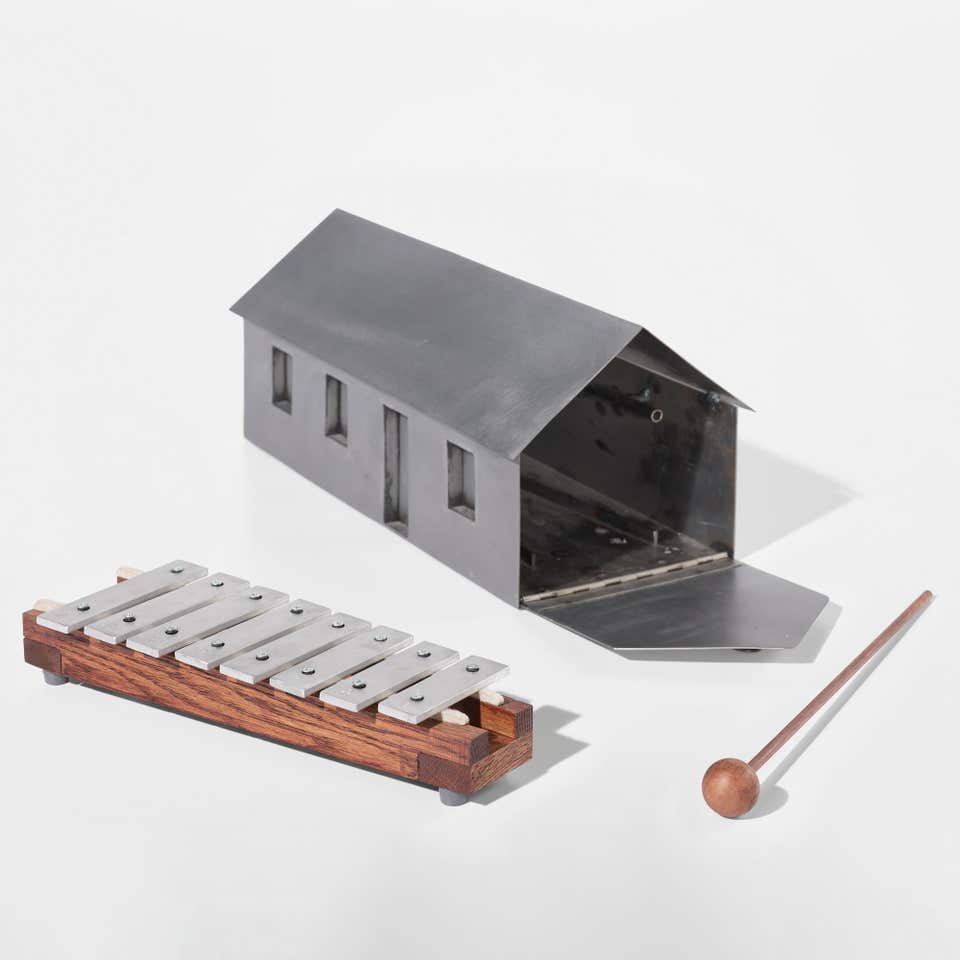
LOUISE BOURGEOIS, Easton, Connecticut, USA, 2001. Editions & Works on Paper, New York.
As art lovers, we experience a quiet thrill in the gallery whenever two visual languages seem to collide in a web of associations we hadn’t noticed before. Given the typical variety of works on view, there’s perhaps no better place for such an experience than an auction preview exhibition, and our upcoming Editions & Works on Paper auctions in New York offers many such sparks.
Here, we look deeper at works by women artists in the sales, whose works form a surprising resonance with each other, a kind of buzz of ideas that defies categorization based on gender alone. When we let these works converse on their own terms, we find new ways to see, think, and, in the case of Louise Bourgeois’ Easton, Connecticut, USA, to hear.
Bourgeois is an ideal example to launch this idea, as an artist whose works have prodded at gender dynamics for decades, though she herself rejects categorization as a feminist artist. This work ties up a web of associations all at once, the form and concept of home, the delicacy of childhood, of sound as a heralding device, and of memory as an agent of sensory experience. As her studio explains to Phillips: “The sculpture was created for a benefit for Doctors of the World and is based on the Bourgeois family home in Easton, CT. The windows are configured similar to the house in Easton where Bourgeois spent much time with her husband and three sons. This was a happy period in Bourgeois’s life as she was recalling positive memories of childhood. Bourgeois began incorporating music into her work during this period, creating works around the theme of childhood lullabies, drawing on lined music paper and recording several CD’s of her own singing. The xylophone inside the house is symbolic of the unconscious. It’s a very positive piece.”
Beyond the portrait
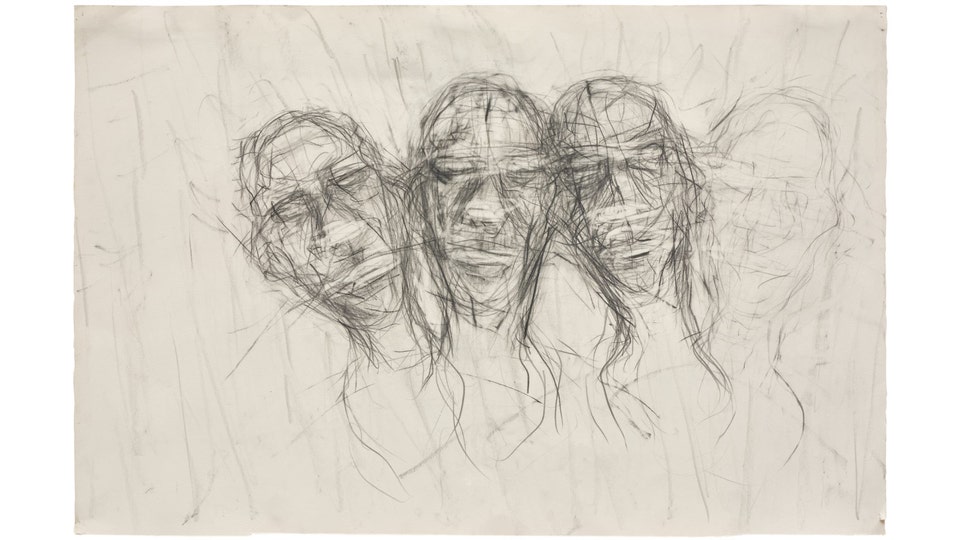
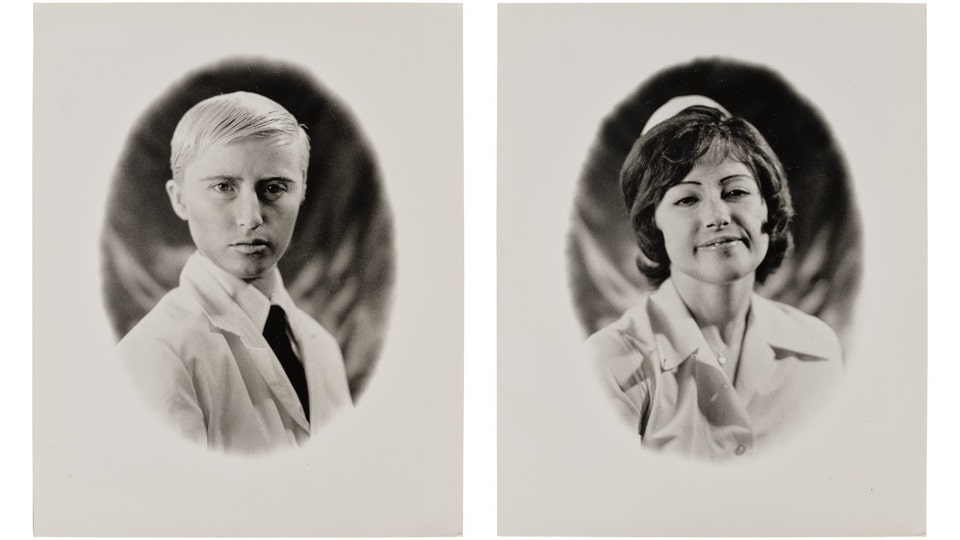
Cindy Sherman is best known for her so-called film stills — self-portraits in which she interpolates herself into stereotypical women’s roles in movies. Susan Rothenberg, on the other hand, is more typically known for her powerful equine imagery. In these two works, both artists show a slightly different hand. Sherman’s diptych showcases the gendered positions of doctor and nurse, an ostensible portrait which tells us more about the roles each figure inhabits than anything about their personhood. Rothenberg, meanwhile, presents an abstract drawing that could be a portrait of a single head, seen many times, or a portrait of four different figures. Whether fluid and amorphous or sharply defined, these artists show us that a depiction of a person is always elusive, illuminating as much about the viewer as the subject.
At their own service
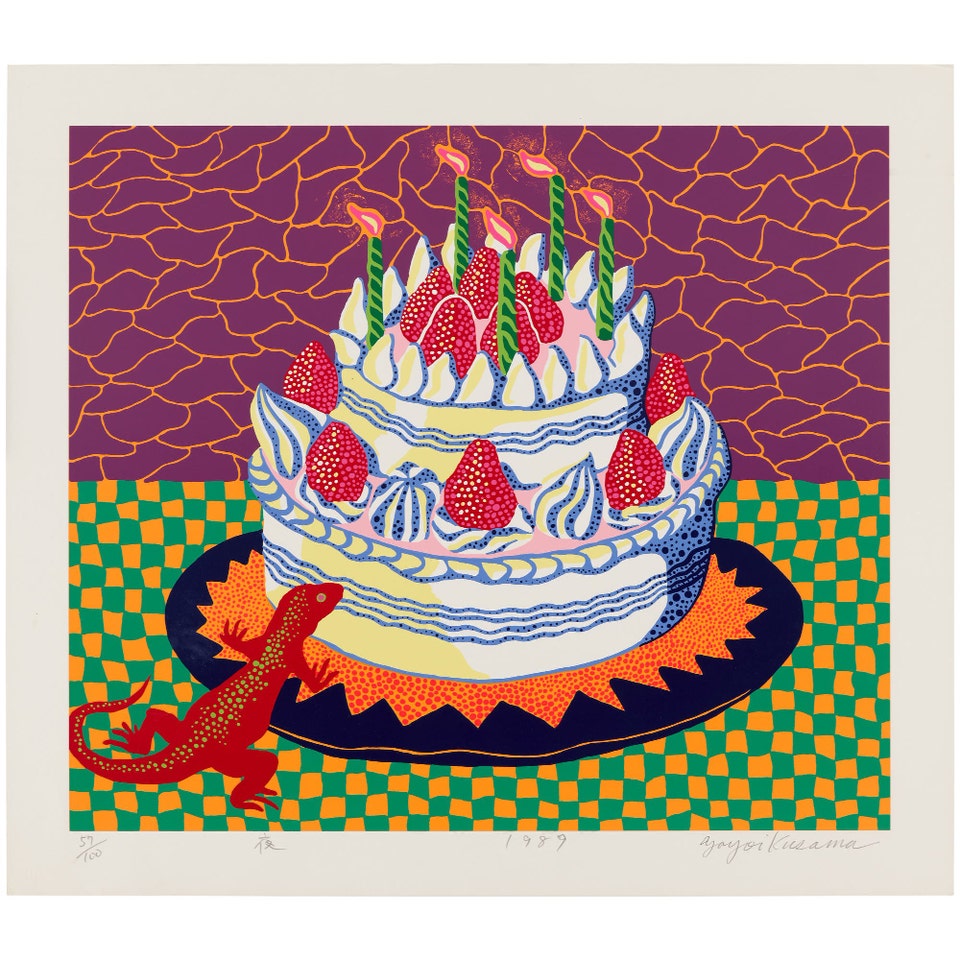
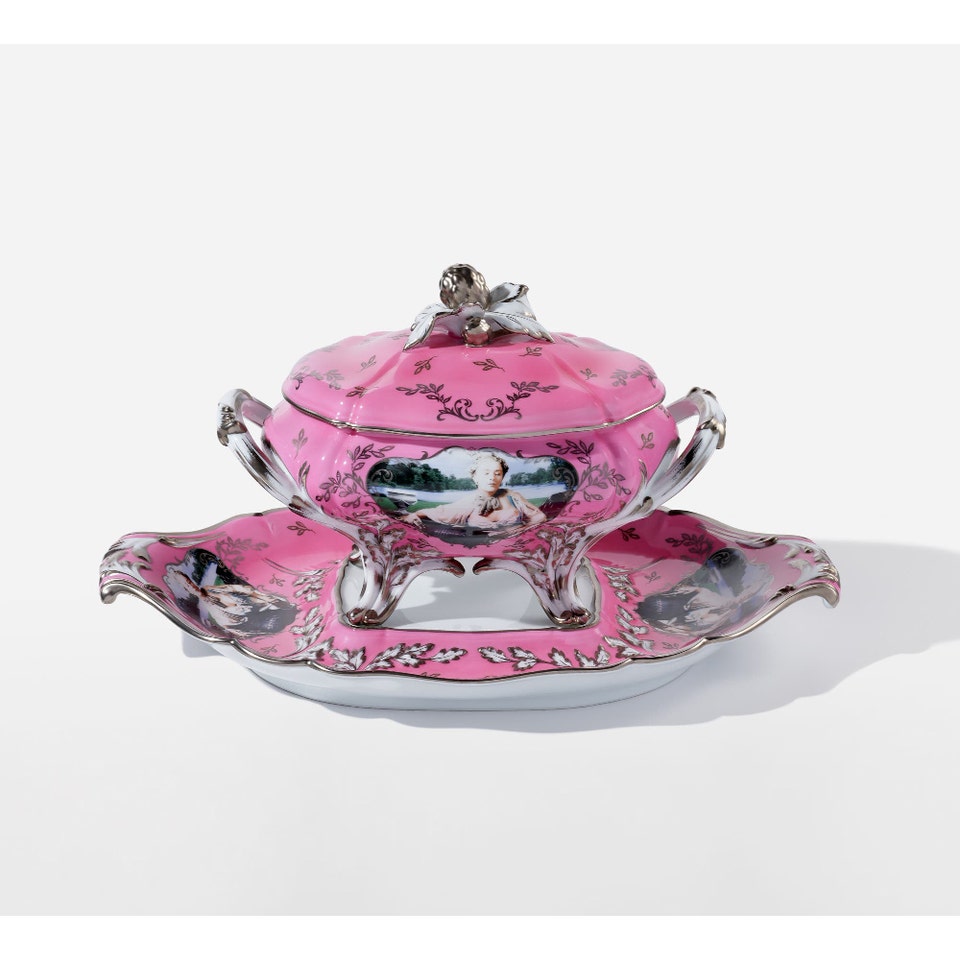
In these two works, Cindy Sherman and Yayoi Kusama toy with the question of decoration. Kusama’s screenprint of an elaborate dessert bears her signature interest in pattern at every turn. Sherman’s bright pink soup tureen presents itself with all the ornamentality of the Rococo style. Yet while the exuberant surfaces of these works are fascinating in themselves, their function within the choreography of food service brings a deeper association with notions of gender. Sherman’s tureen, on closer inspection, bears a screenprinted portrait of Sherman as an iconic woman figure — Madame de Pompadour, the mistress of Louis XV, known for her love of porcelain. Created to the artist’s specifications in the famous Limoges pottery studio, the work conjures the gender and class matrix of social status. Kusama’s work, meanwhile, leaves women out of the picture, yet her interest in gender is ever-present in the exploration of presentation, detail, and visual appeal.
Organic abstraction
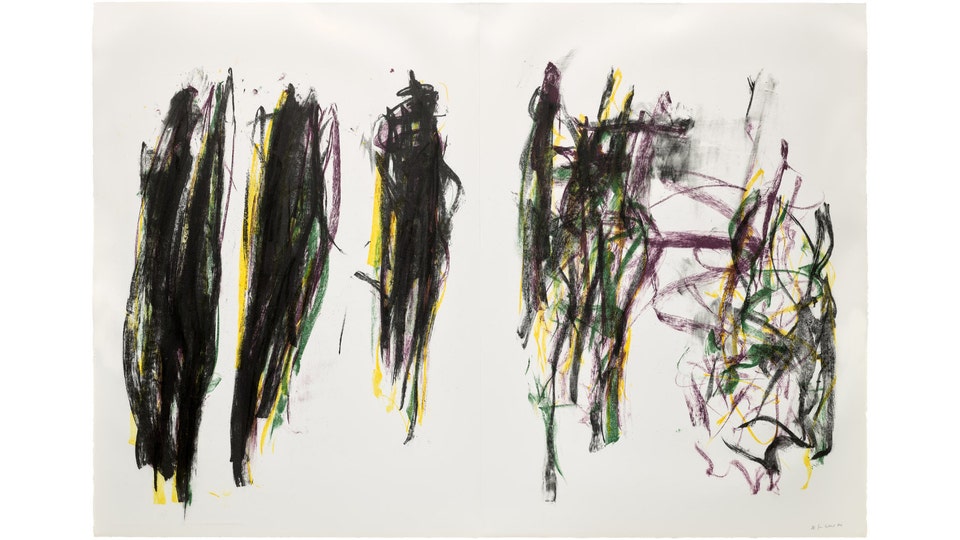
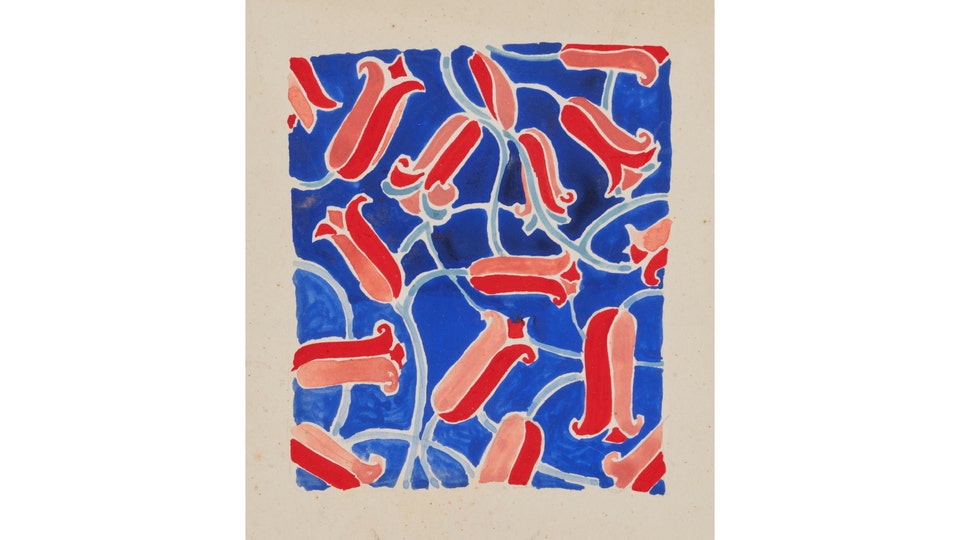
In these two works, Joan Mitchell and Sonia Delaunay approach organic inspiration through entirely different methods. Both working on paper, Mitchell's immense abstraction might not be recognizable as trees if not for the title, while Delaunay's drawing extrapolates the distinctive form of flowers into an allover pattern. Where Mitchell's use of negative space emphasizes monumentality, Delaunay's composition created for fabric design uses density and repetition to create an intimate sense of scale. What is common to both, however, is a vitality animated by mark-making, the wild or restrained capabilities of the human hand resonating with the vibrant force of plant life.
Illusive asymmetries
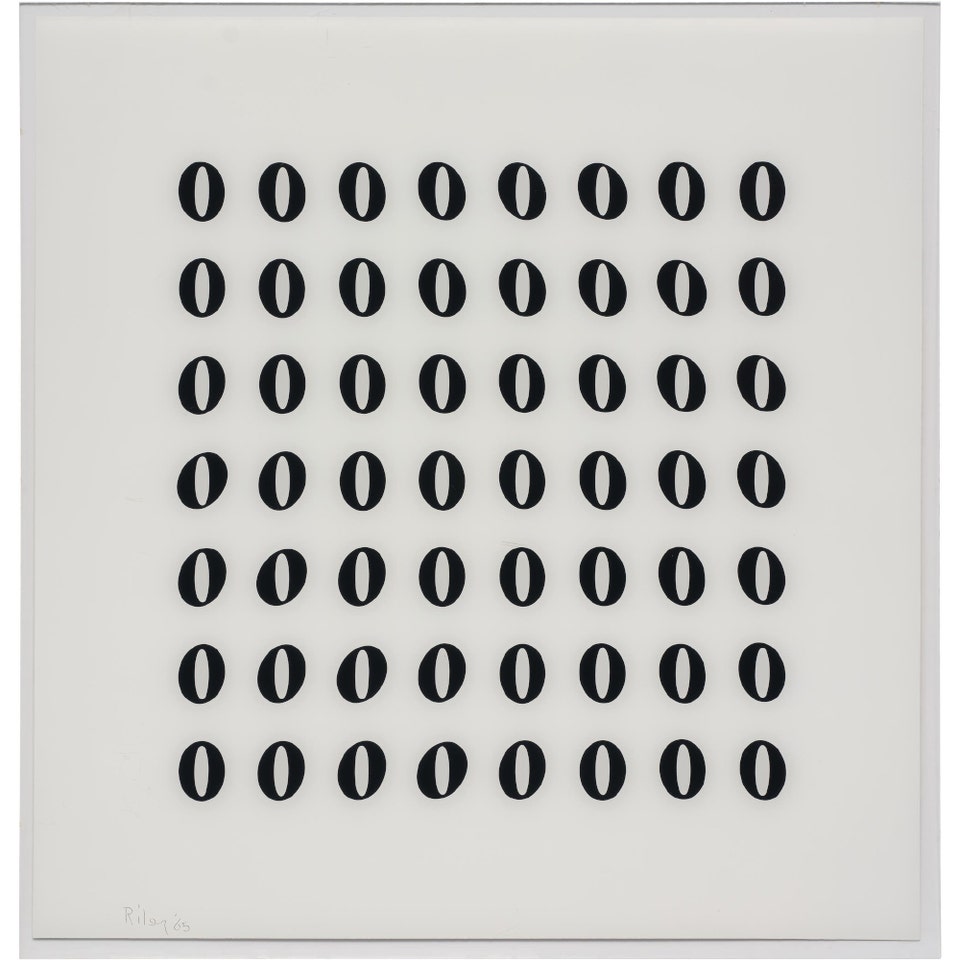
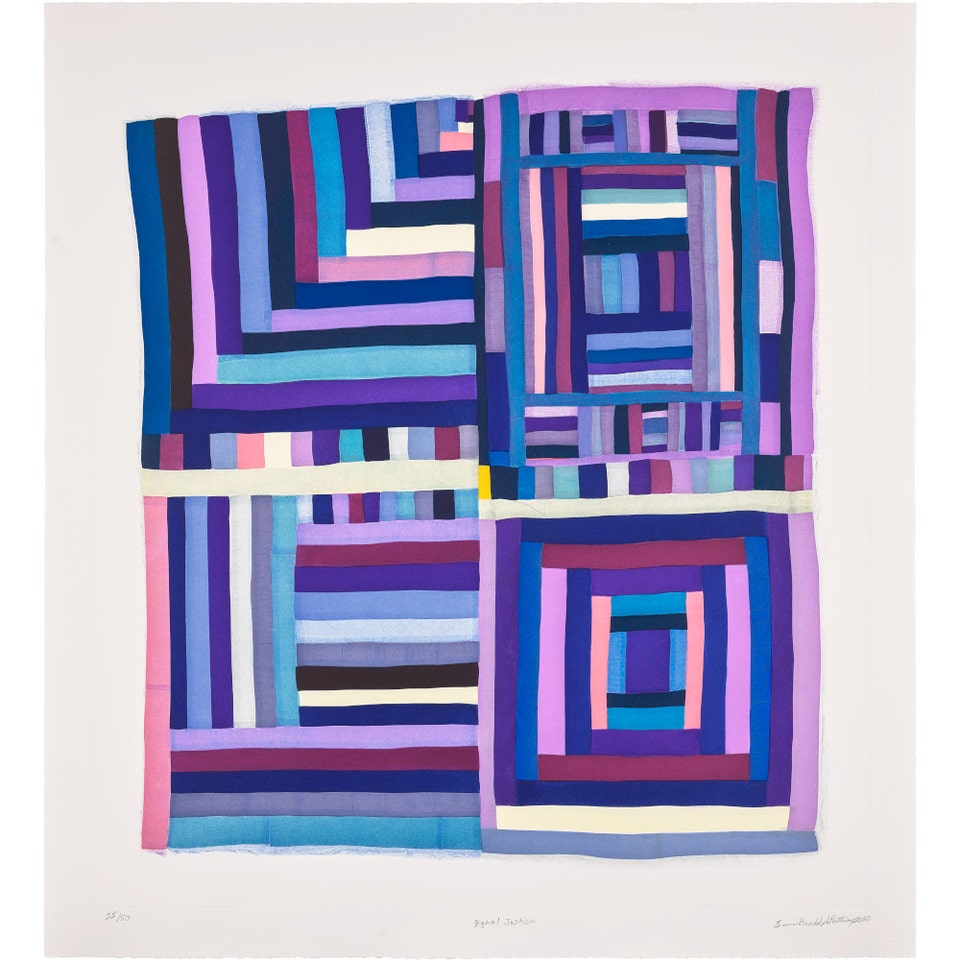
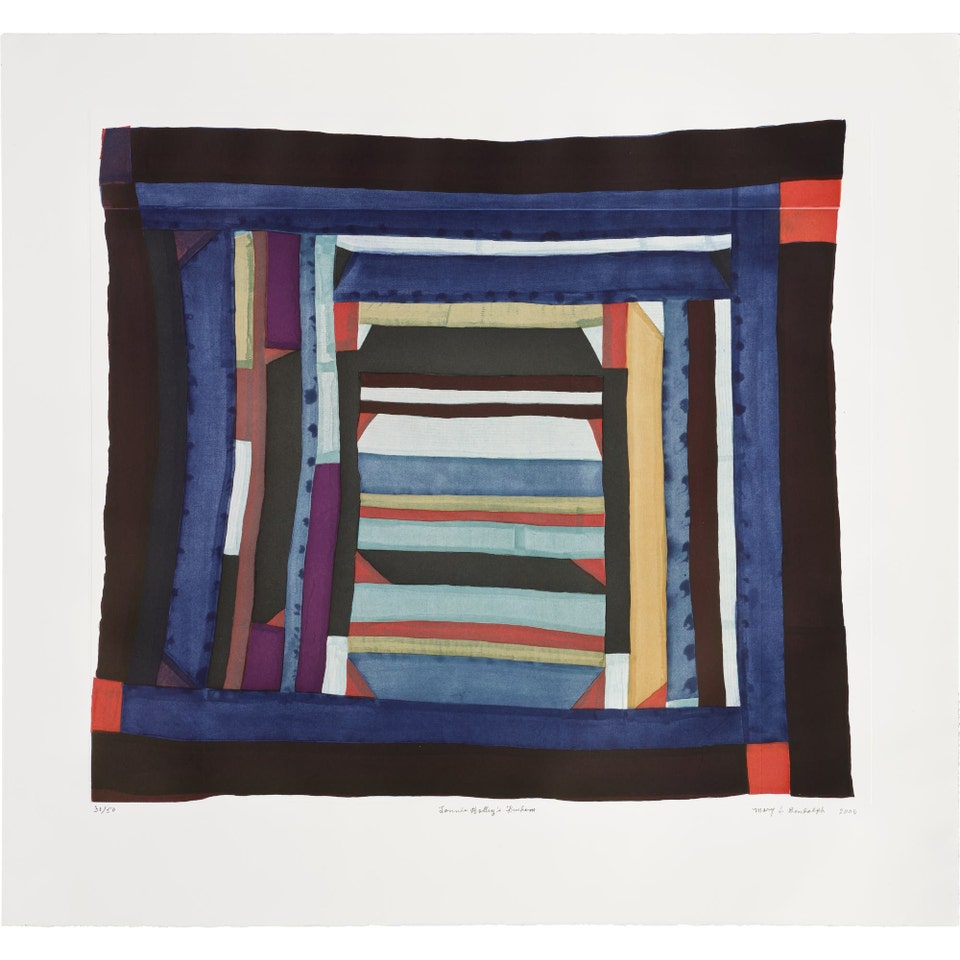
Essie Bendolph Pettway's 2020 print is based on a quilt with the same title, a play on the "housetop block" quilt style anchored by concentric squares. Descended from a matriarchal lineage of quiltmakers in Gee's Bend, Alabama, Pettway's practice is deeply rooted in African American tradition and history. Bridget Riley's screenprint on Plexiglass, on the other hand, finds its reference points in geometricism and optical art. The stark simplicity of her grid of slightly irregular shapes brings a meditative quality, while the intensity of contrast between black and white seems to almost make the shapes quiver. Although these works draw on different traditions, as described by familiar canons, they each relish core problems of art and aesthetics, creating dynamic illusions with the most simple elements of form.
Visual pulse
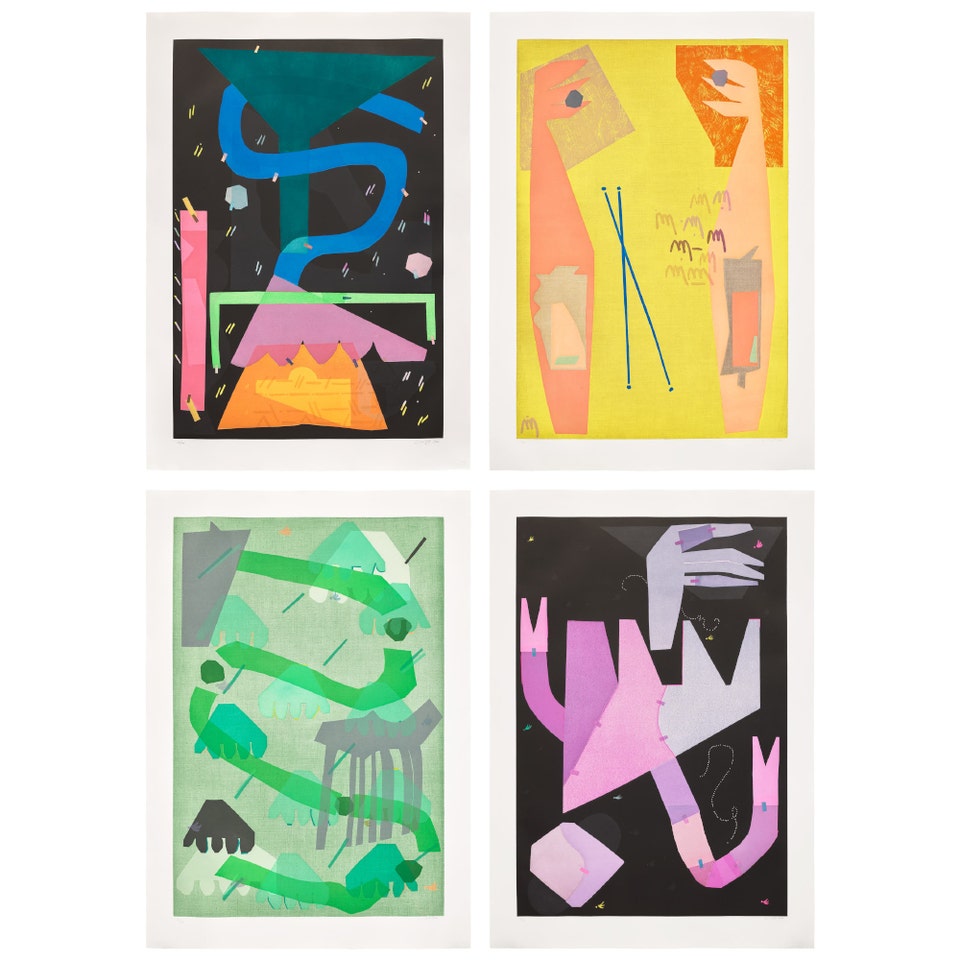
CAROLINE KENT, A poem about the cosmos; We hold them inside us; Forest and Shadow; and The Charlatan's sleight of hand, 2022. Editions & Works on Paper, New York.
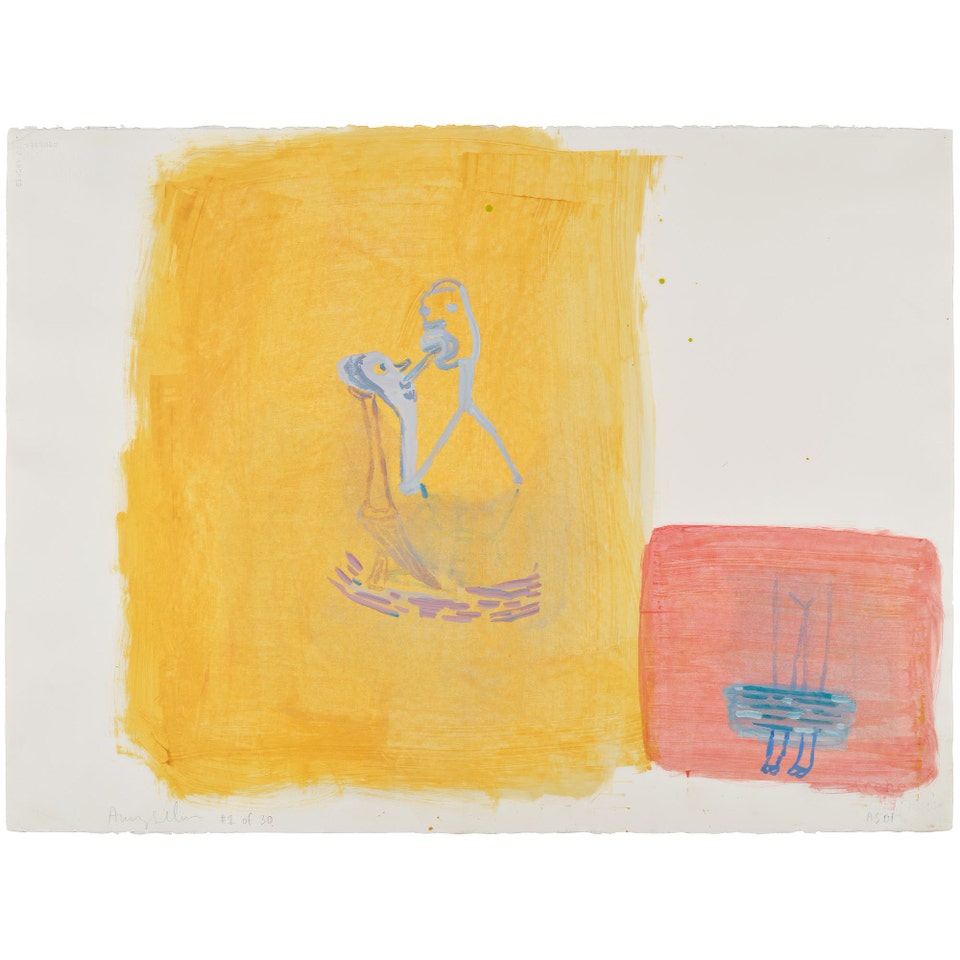
Rhythm and color come to the fore in these works by Amy Sillman and Caroline Kent. Sillman, known for combining abstraction and figuration across a range of media, offers an enigmatic composition. In this watercolor drawing, gentle oppositions surface: painting versus drawing, word versus image, large versus small. Kent's work, meanwhile, establishes a more structured and regular syntax. Each of her four compositions uses contrast, shape, and color to produce an iconic, almost dreamlike image. Taken together, the set elaborates itself through resonances across its elements. Both Sillman's and Kent's pieces share a certain mystery, an ineffable tension at the heart of image-making.
Rewriting history
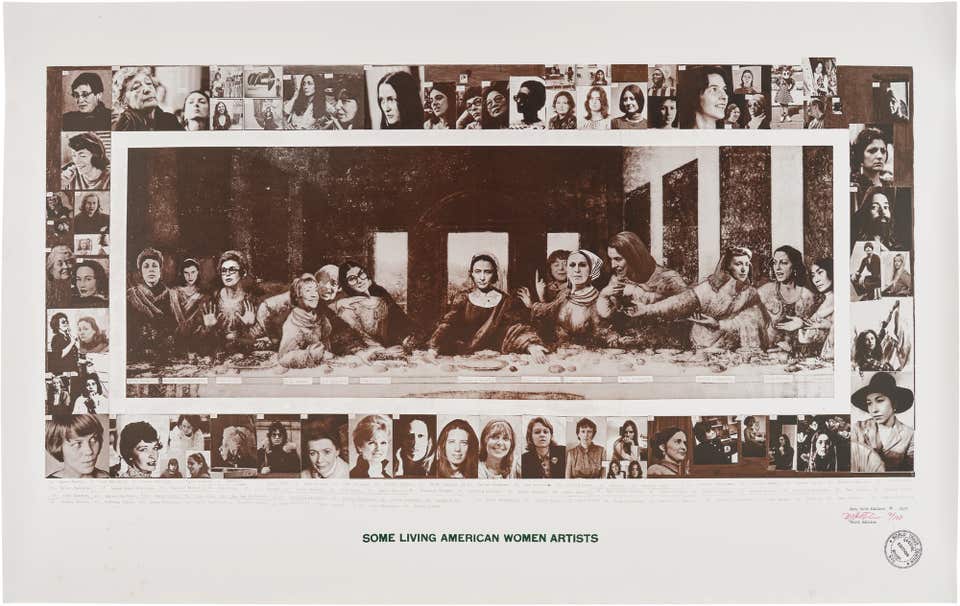
MARY BETH EDELSON, Some Living American Women Artists: Last Supper, 1972/2012. Editions & Works on Paper: No Reserve Online Auction.
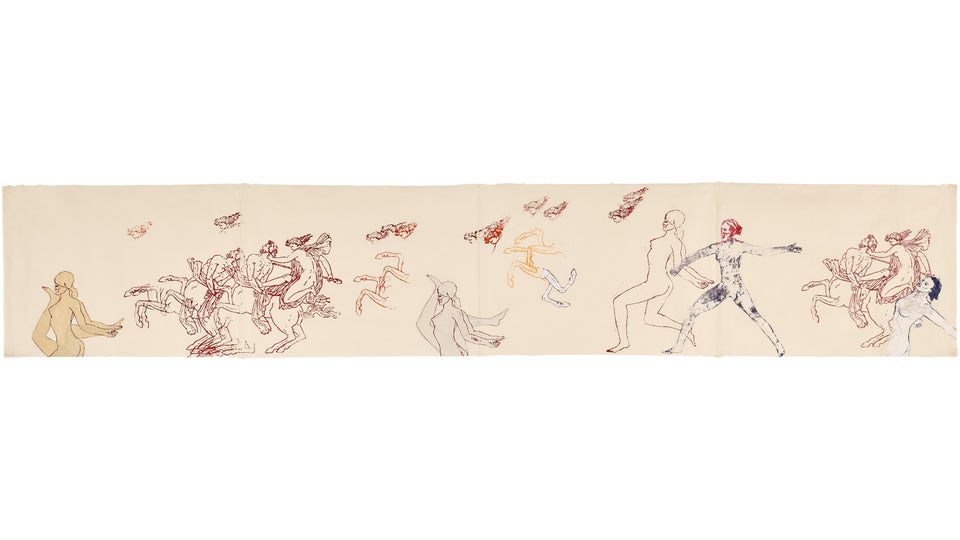
In these distinctive works, Nancy Spero and Mary Beth Edelson evoke the relationship of images to myth-making. Edelson's piece approaches this forthrightly, if cheekily, proclaiming its depiction of "Some Living American Woman Artists" as participants at the Last Supper. Spero calls back to an earlier referent, her centaurs and nude women figures bringing ancient, more fantastical myths to mind. These works remind us that works of art cannot help but transmit fundamental evidence about the world we live in — who we depict, and how, matters. Though seemingly disparate on the surface, these interventions into rarefied history share an insistent and celebratory feminist perspective.
More to explore
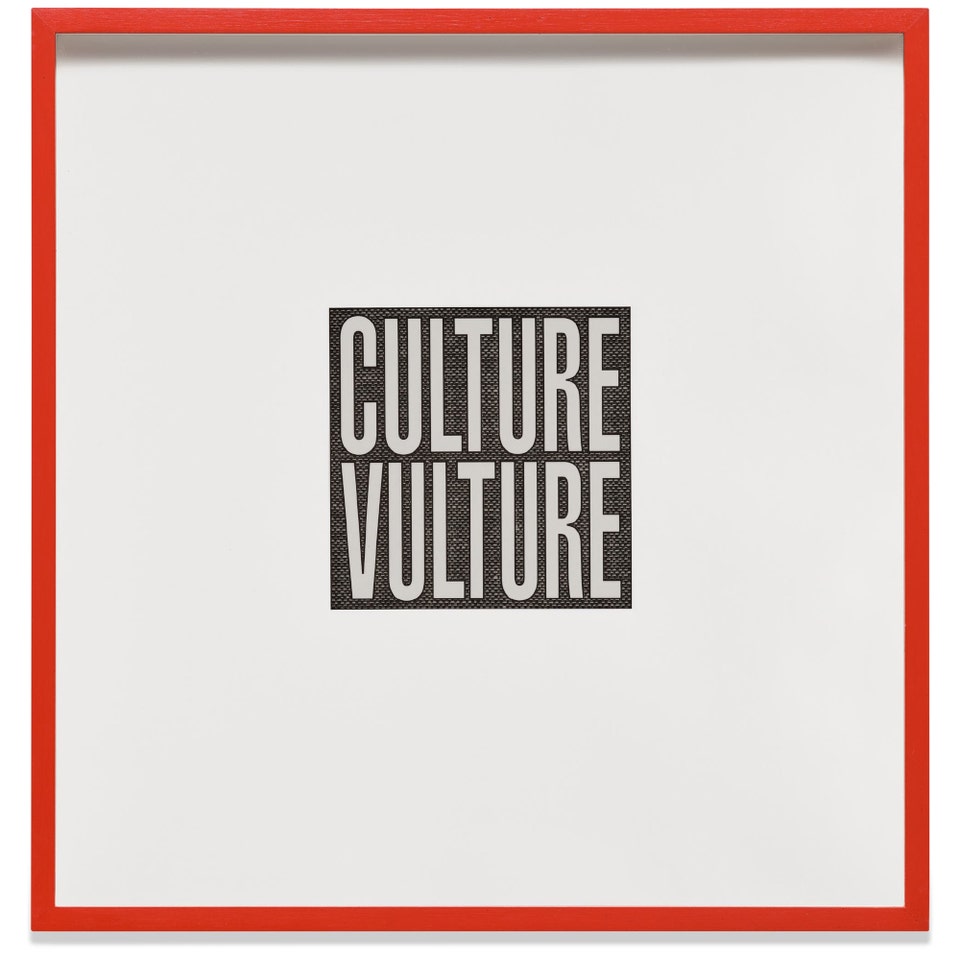
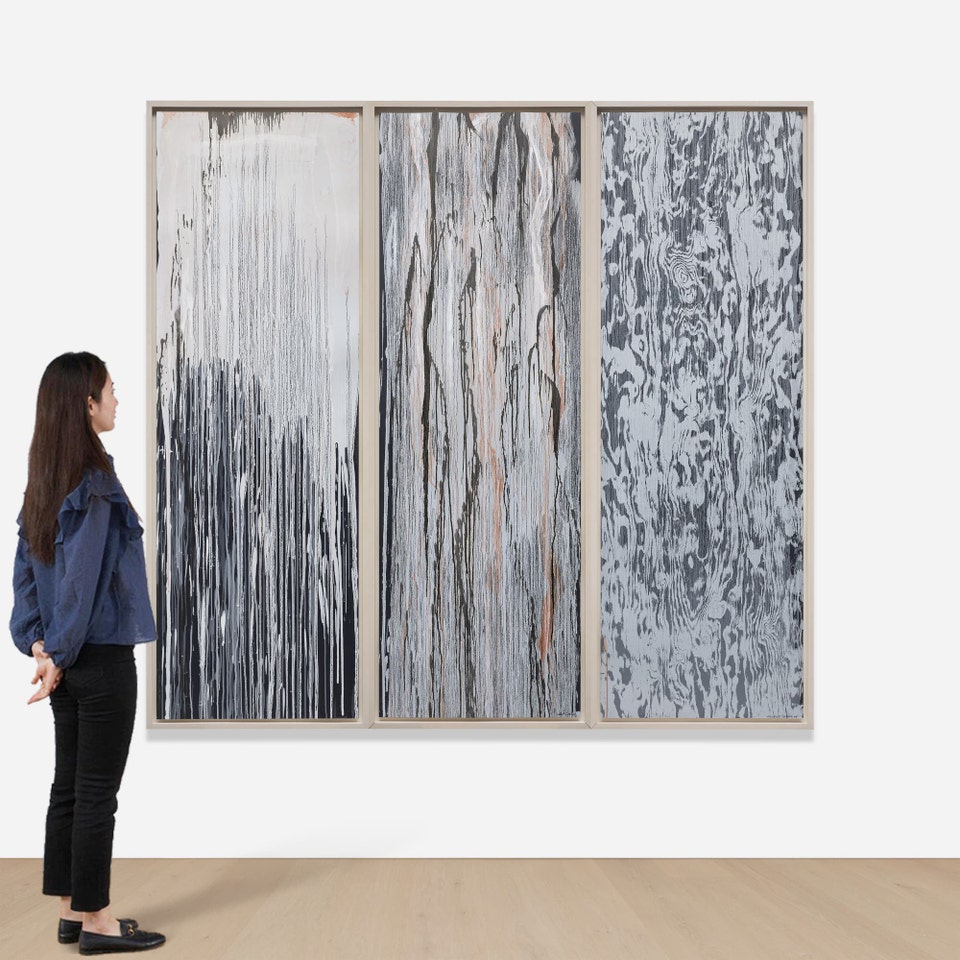
Elsewhere throughout our offering this season, further works reveal deeper stories at closer look. From Barbara Kruger’s Culture Vulture, which comes from the collection of the late Karen Davidson — one of many works gifted to her by her dear friend, Agnes Gund, over several years of friendship — to Pat Steir’s signature waterfall technique, inspired by Chinese ink painting, one’s senses become more heightened at each turn.