文章 | Property To Benefit Dartington Hall Trust London Auction October 2026
THE HOUSE THAT ART BUILT: PROPERTY SOLD TO BENEFIT THE DARTINGTON HALL TRUST
An offering of leading British Modernist works honours the visionary Elmhirsts and helps to support the ongoing preservation of the Dartington Estate to safeguard its legacy for future generations.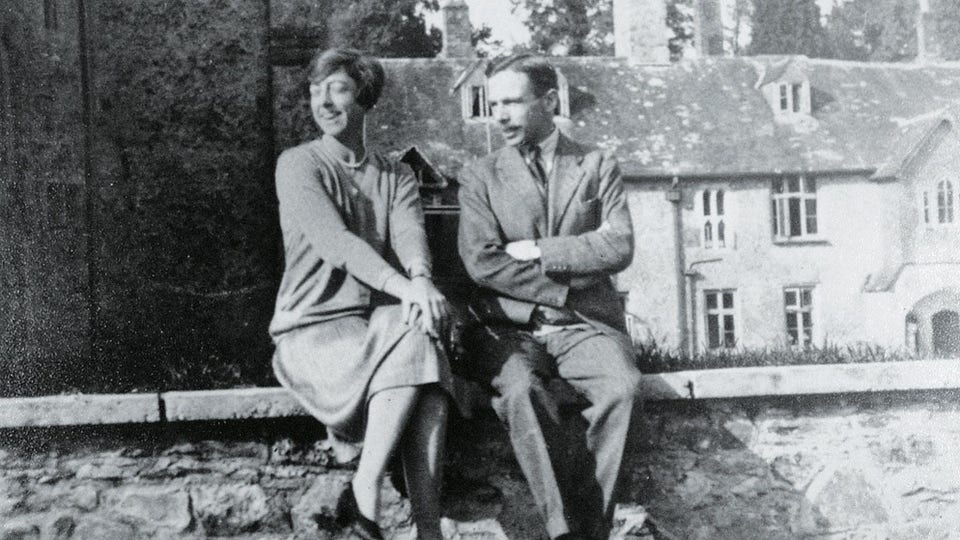
Dorothy and Leonard Elmhirst on Courtyard Wall, Dartington Hall, DHTA/TPH/11/B. Image: © Dartington Hall Trust Archive
An offering of leading British Modernist works honours the visionary Elmhirsts and helps to support the ongoing preservation of the Dartington Estate to safeguard its legacy for future generations.
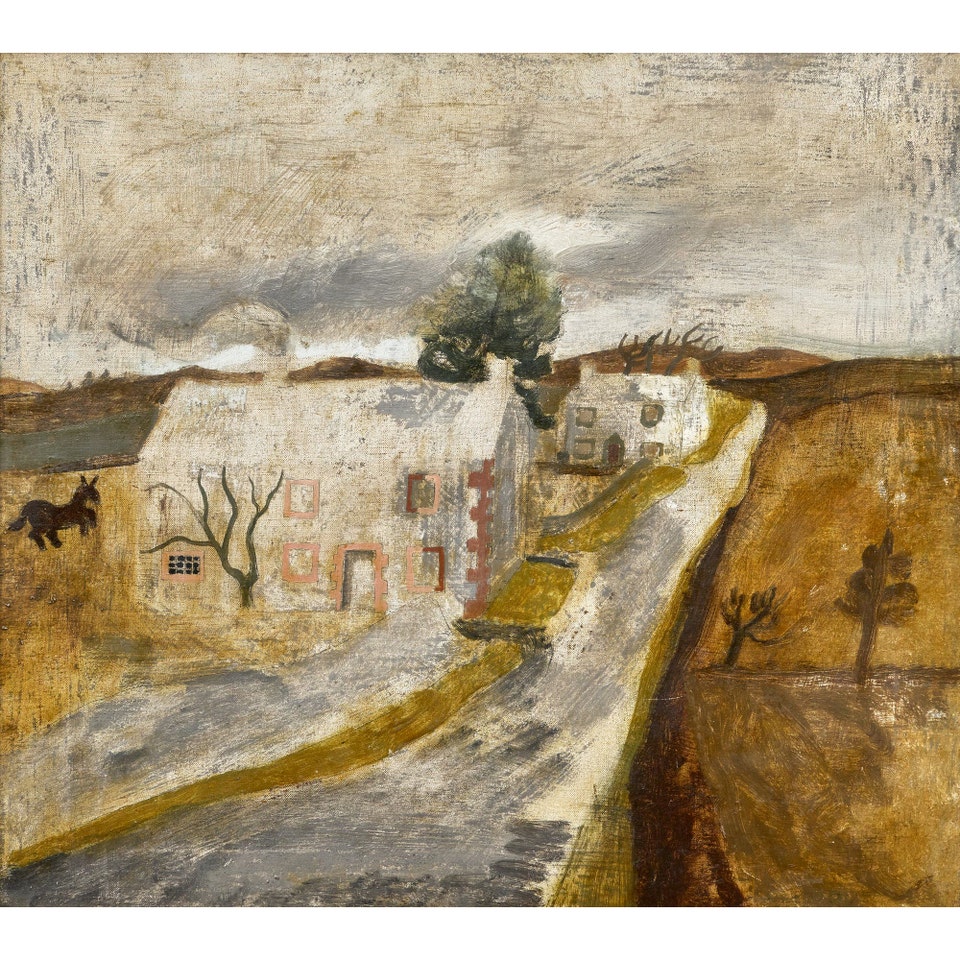
A group of works from the Dartington Hall Estate by leading British Modernists, including Ben Nicholson and Christopher Wood, comes to auction at Phillips this October. These works, assembled by Dorothy and Leonard Elmhirst, reflect the vision the couple fostered for social change and supporting artists. Their legacy continues today through the Dartington Hall Trust, which remains based on the estate and supports work across the heritage, arts and environmental sectors. Proceeds from the sale of these works will aid the Trust’s charitable mission.
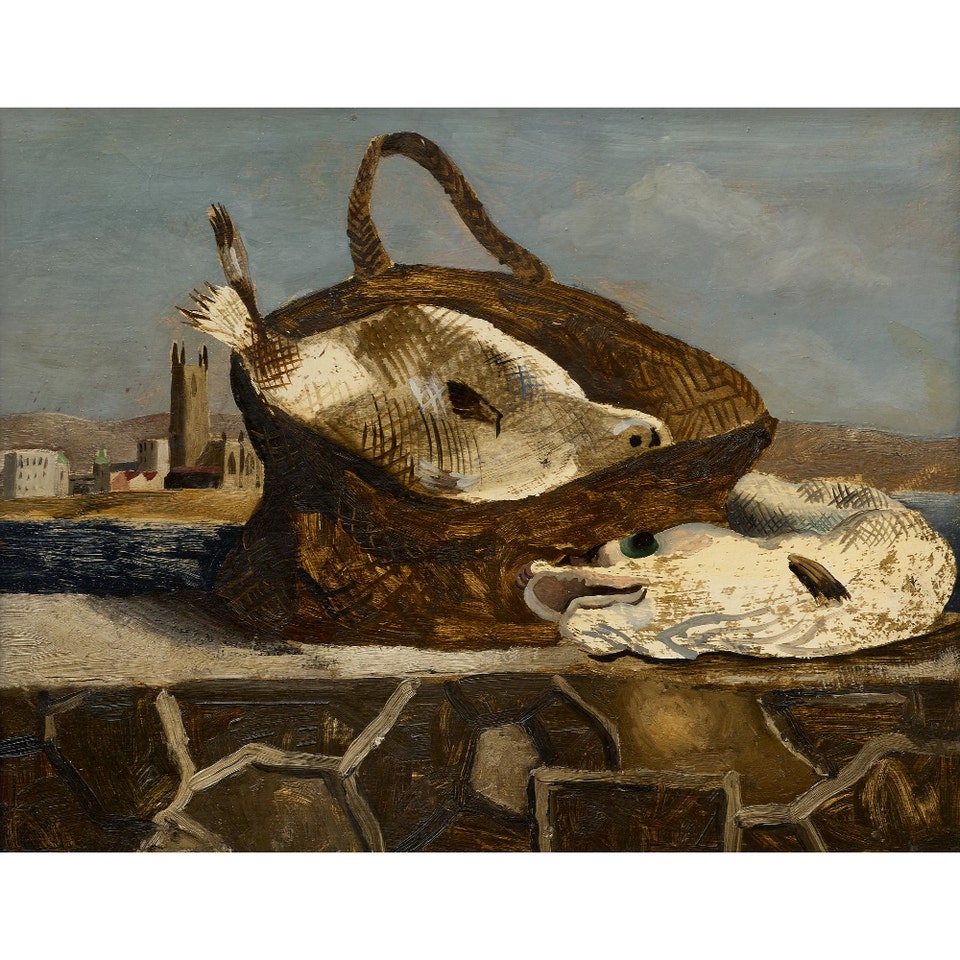
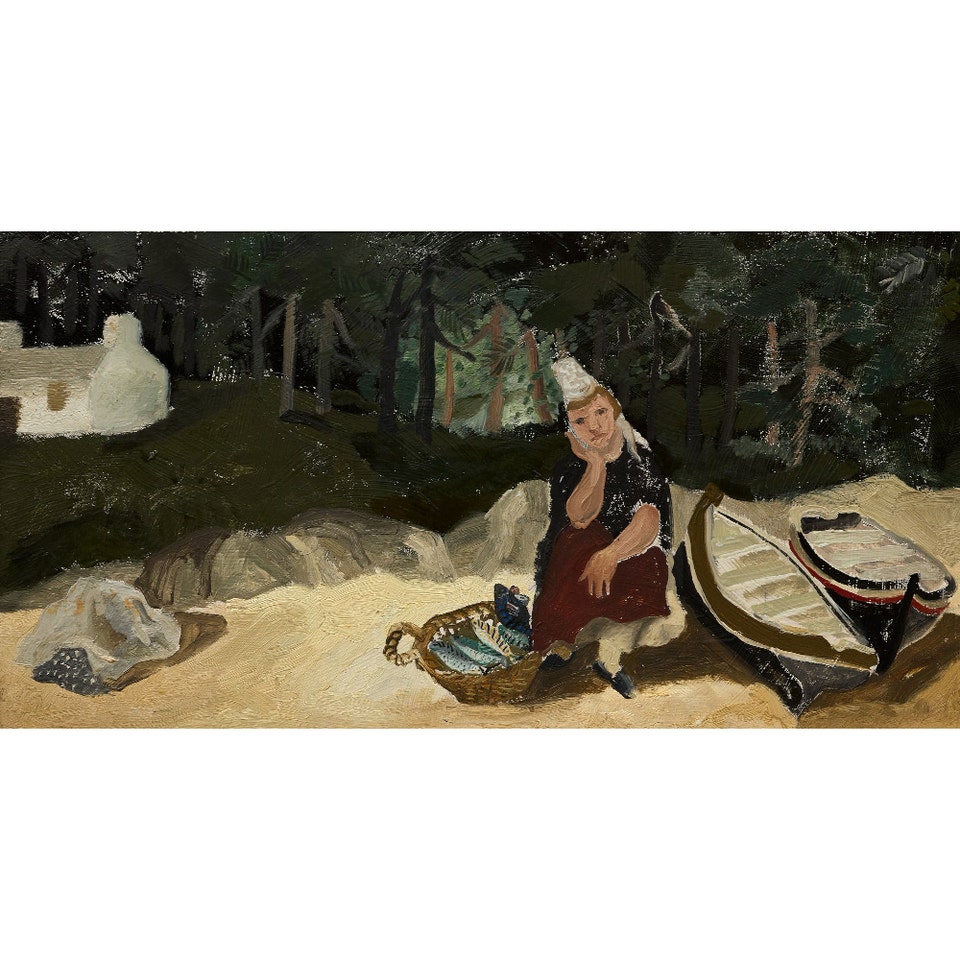
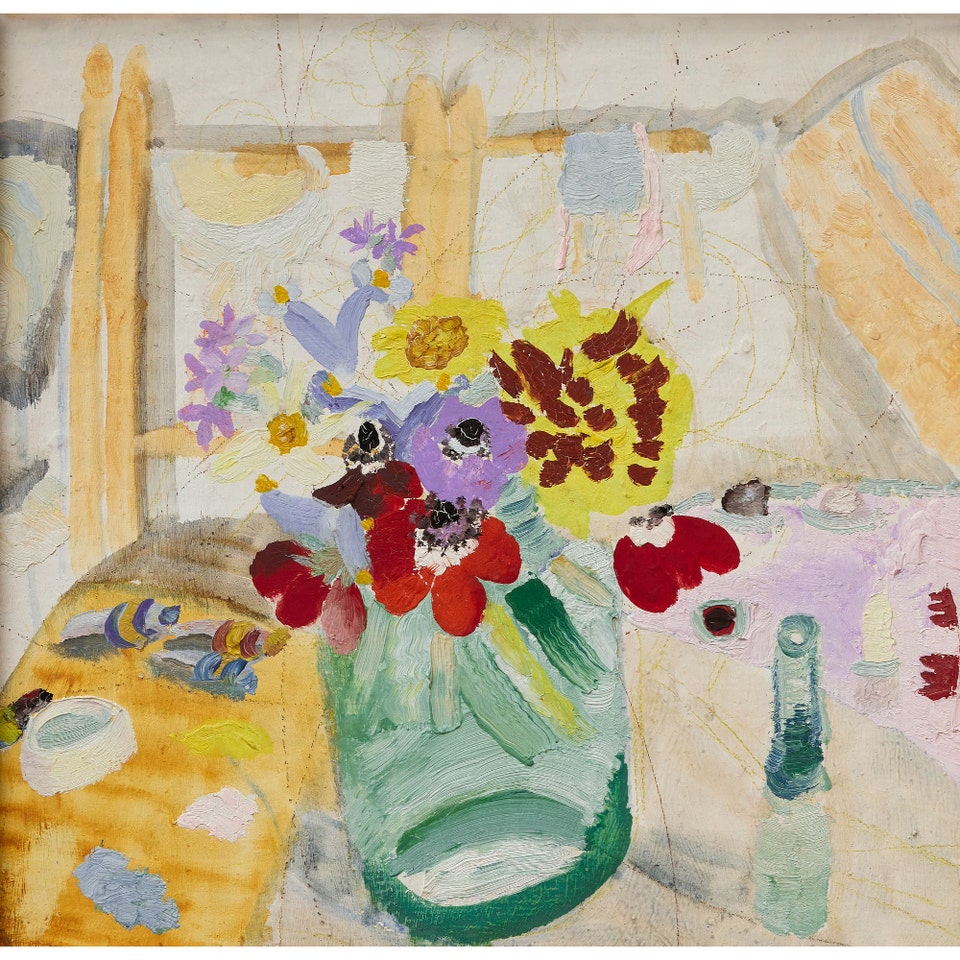
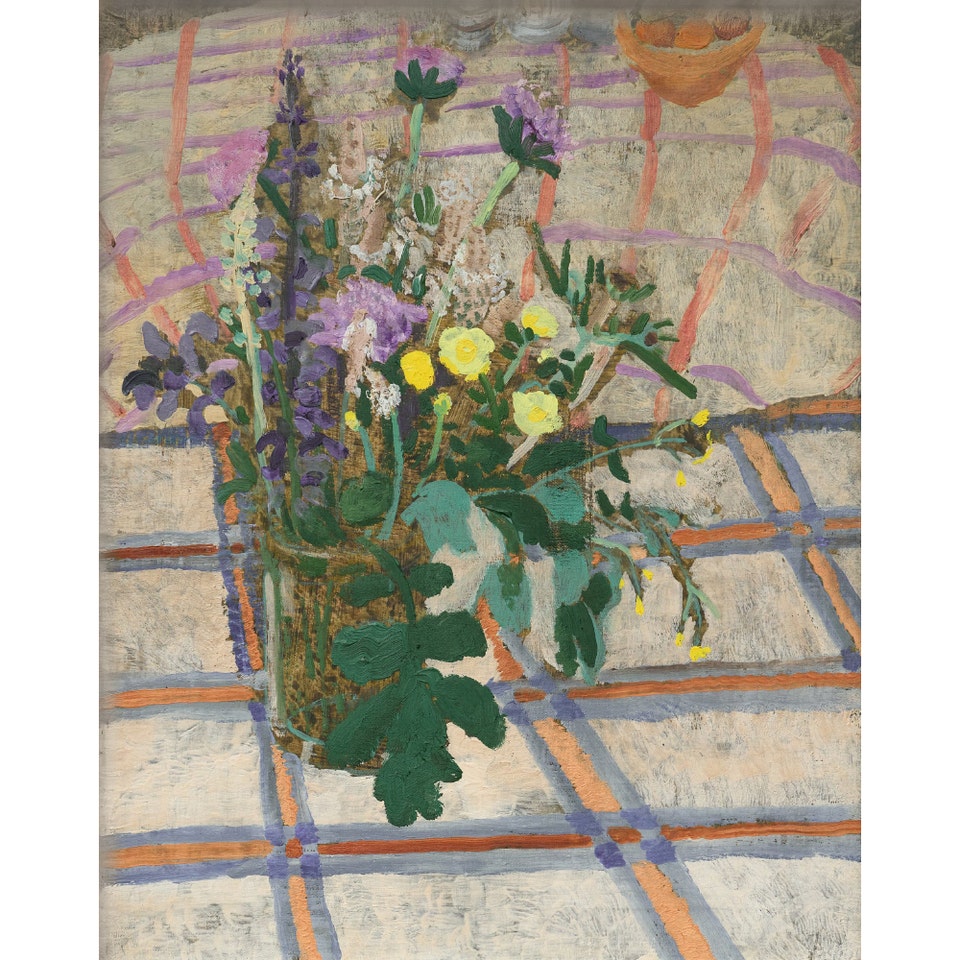
The collection of Dorothy and Leonard Elmhirst is a record of a life lived at the centre of artistic endeavours, a testament to passion, creative inquiry and a dedication to social causes. An American heiress and Yorkshireman, together they were guided by a desire to make the world a better place. Purchasing the Dartington estate in 1925 and rejuvenating the medieval grounds, the couple initiated the so-called ‘Dartington experiment’, setting in motion a succession of cultural, artistic, educational and agricultural initiatives.
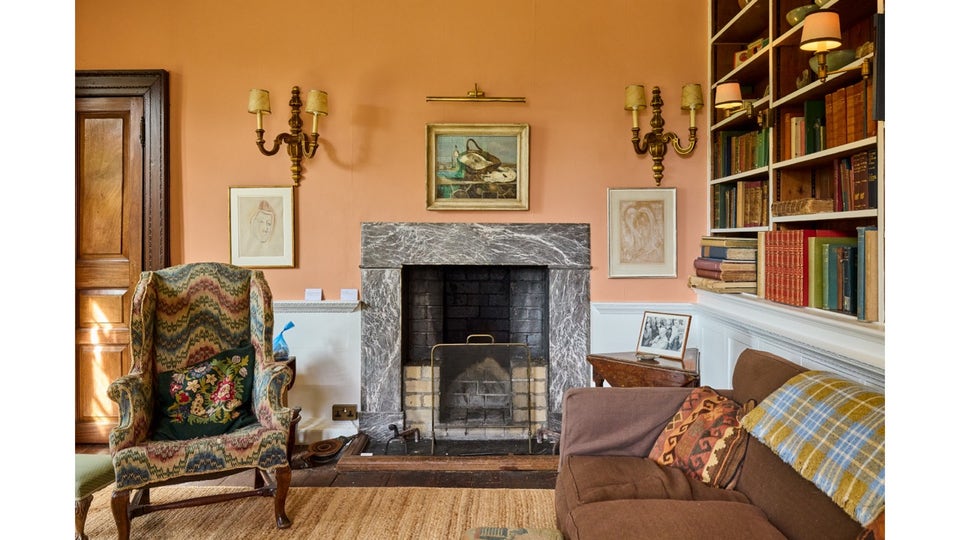
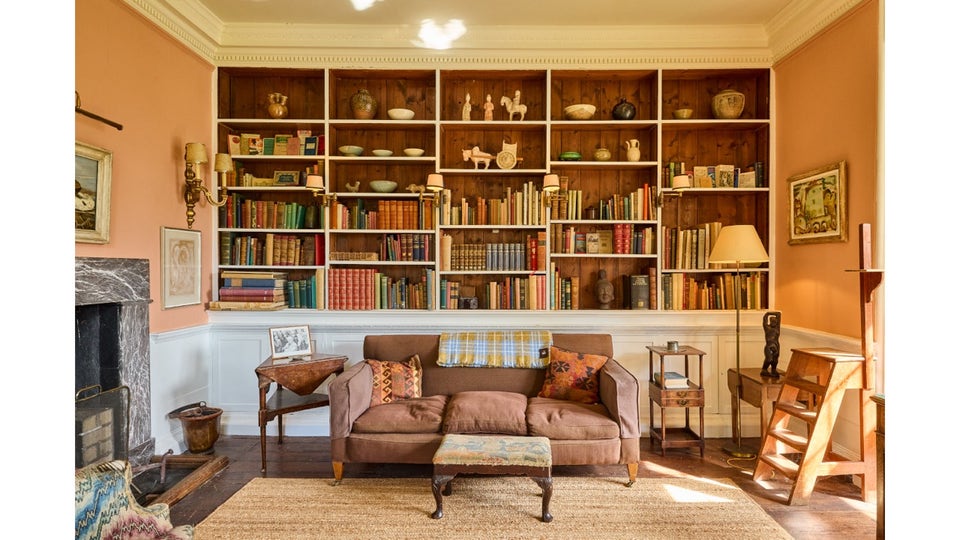
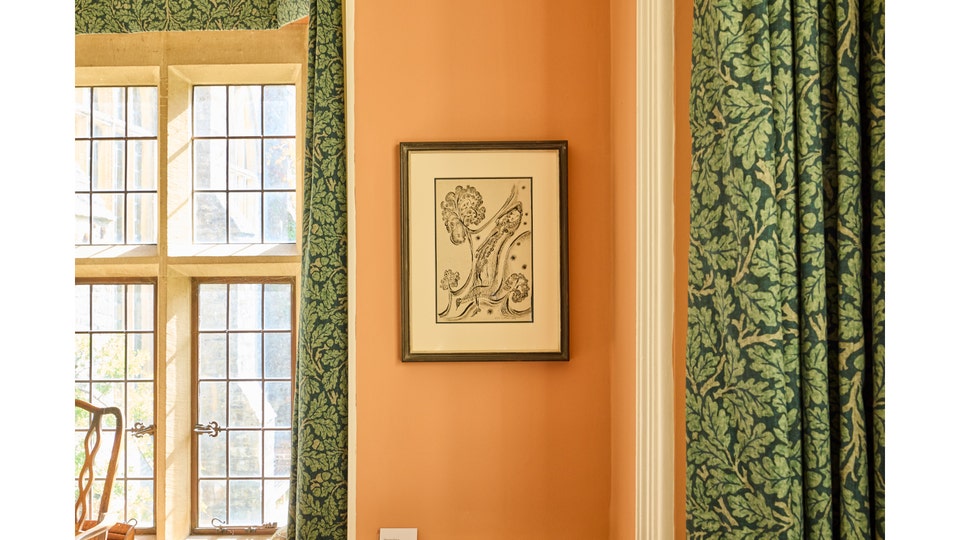
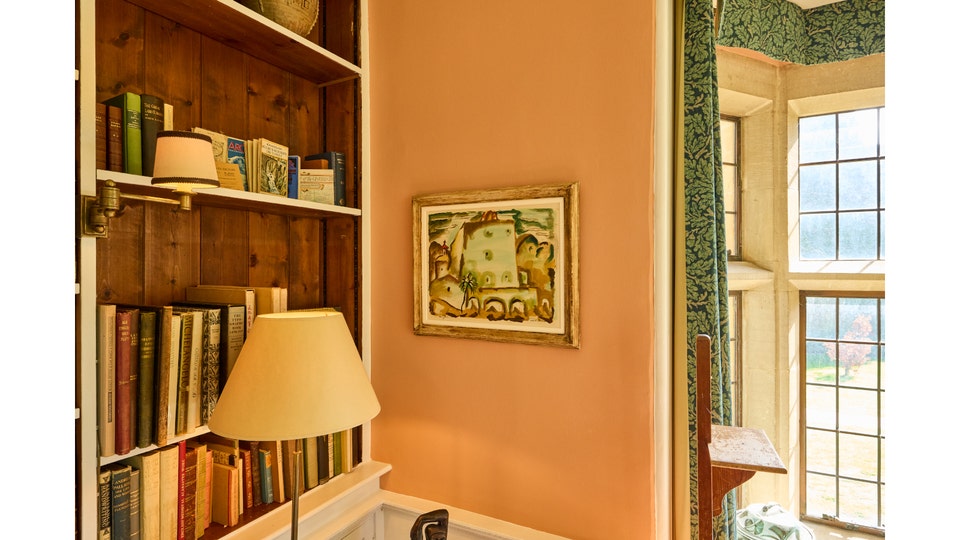
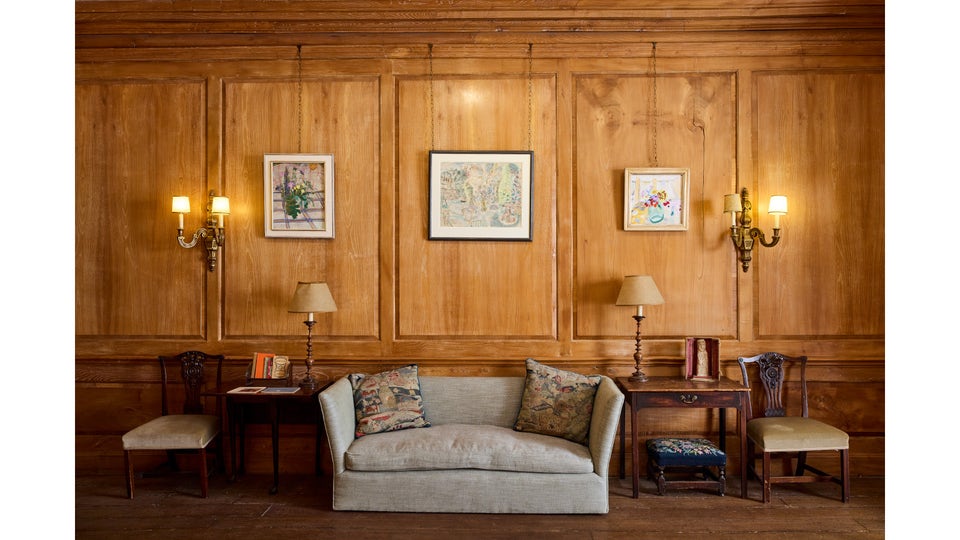
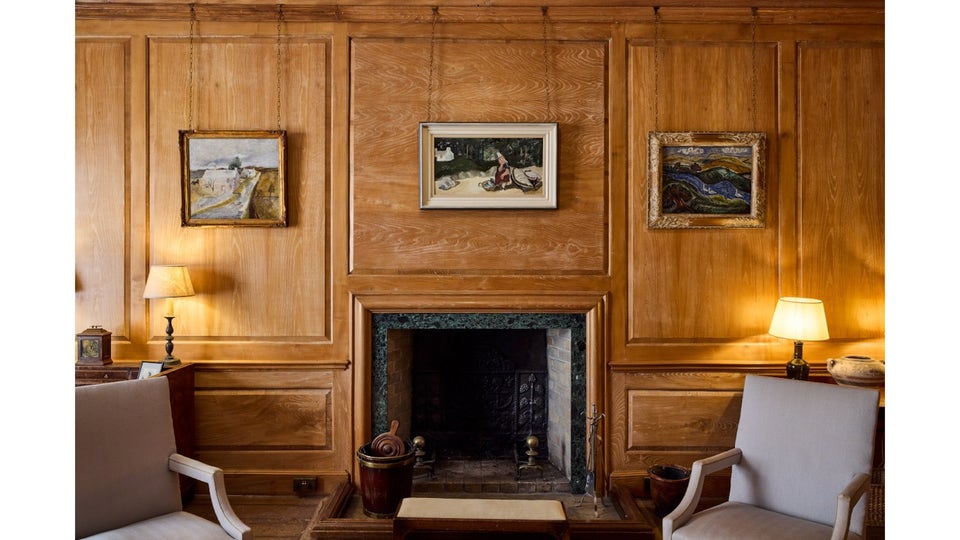
Works in situ at the Dartington Estate. Photography: Luke Andrew Walker.
Through a range of projects including the Dartington Hall School, the Dartington College of Arts and the Dartington International Summer School, the couple used the estate as a centre for bringing their vision for change into being, attracting outstanding figures across the arts. As avid patrons, the Elmhirsts focused on Modern British and American paintings and ceramics, including Ben and Winifred Nicholson, Christopher Wood, Mark Tobey and Lucie Rie whose work filled their private residence. Welcoming luminaries from across disciplines, including painters, writers, sculptors, musicians and dancers, the couple fostered an artistic environment in their home — Bernard Leach taught ceramics at Dartington and Mark Tobey was artist in residence during the 1930s. The Elmhirsts' mission during their lifetime has posthumously continued as a charitable trust, preserving historical interests in heritage, the arts and the environment within the same grounds for the generations to come.
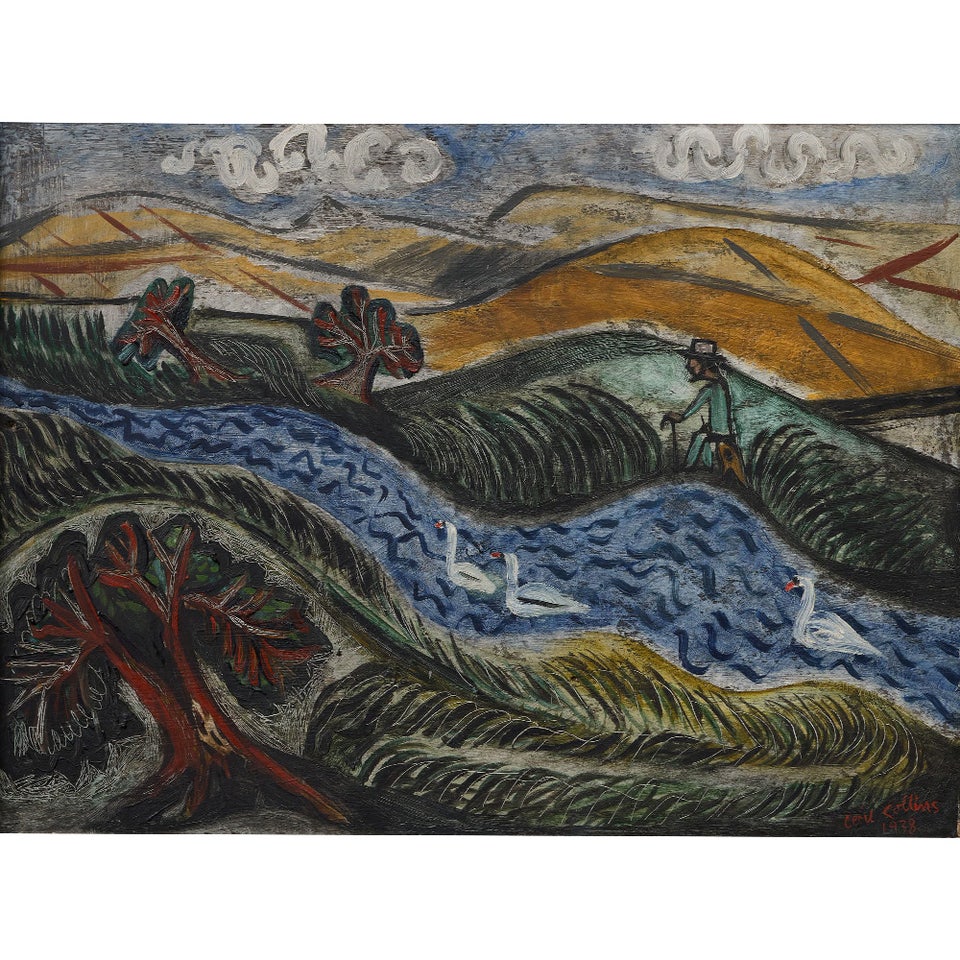
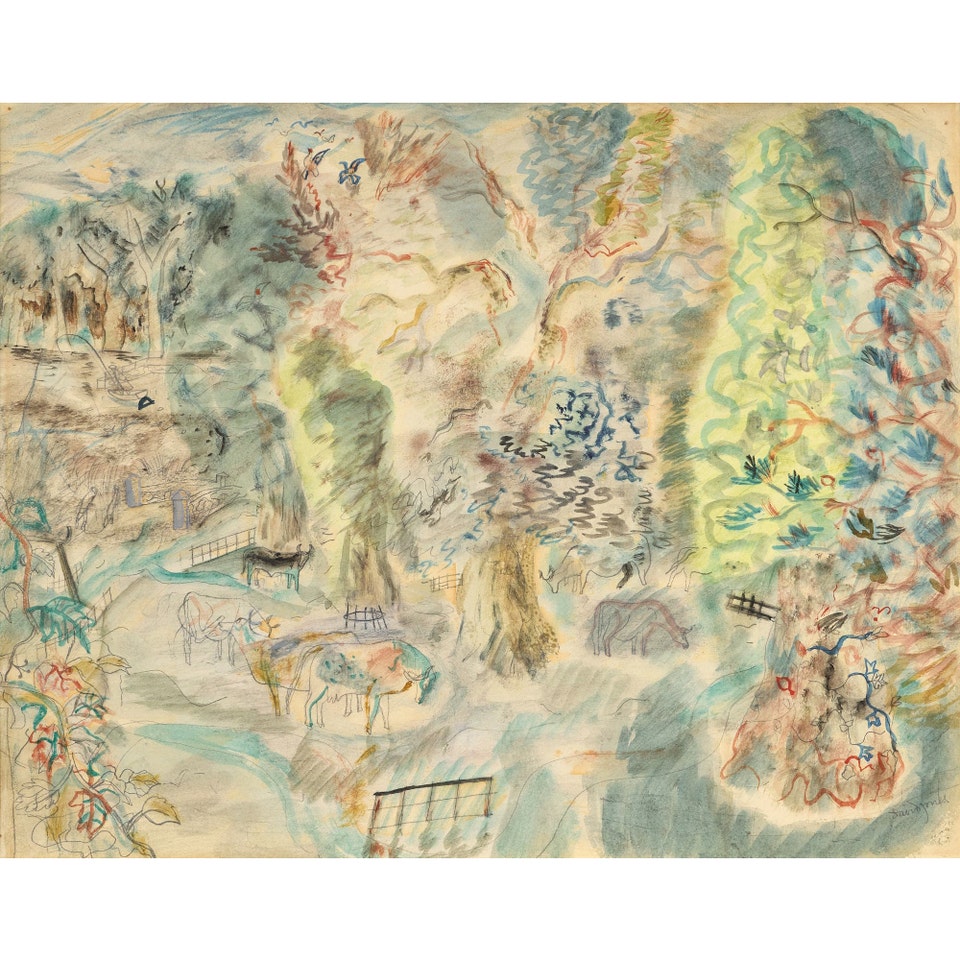
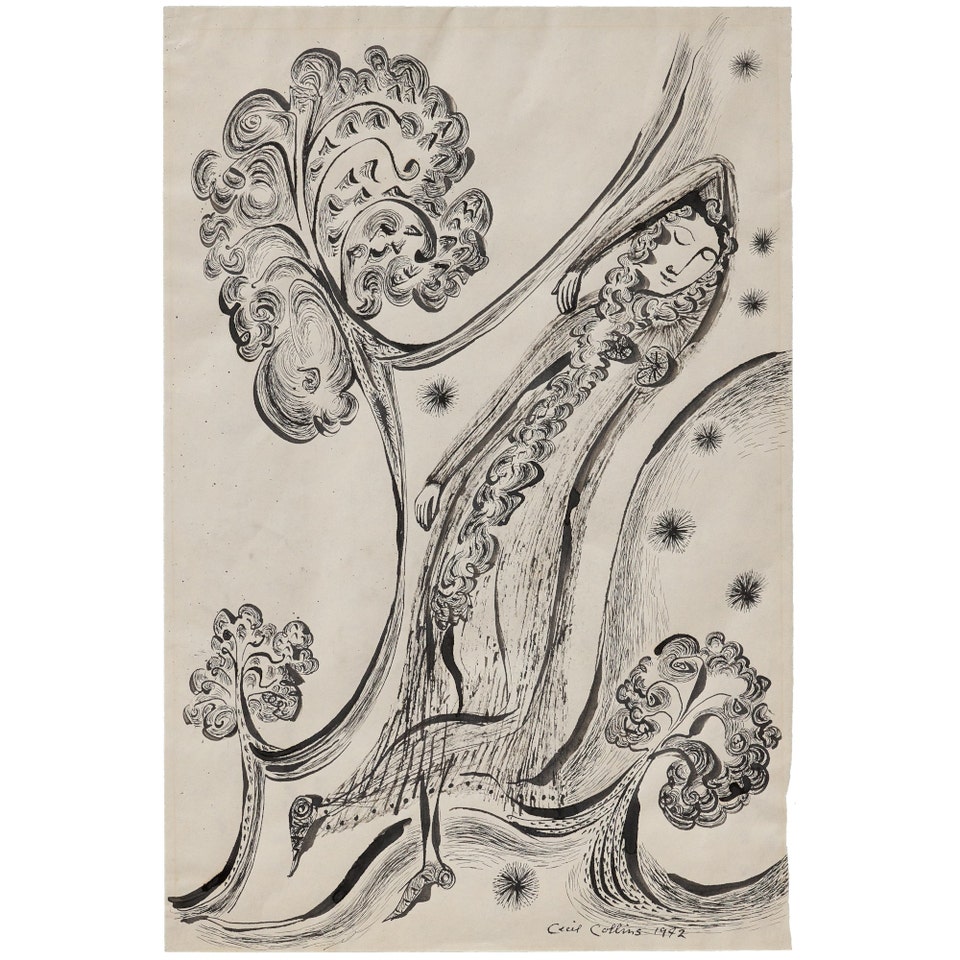
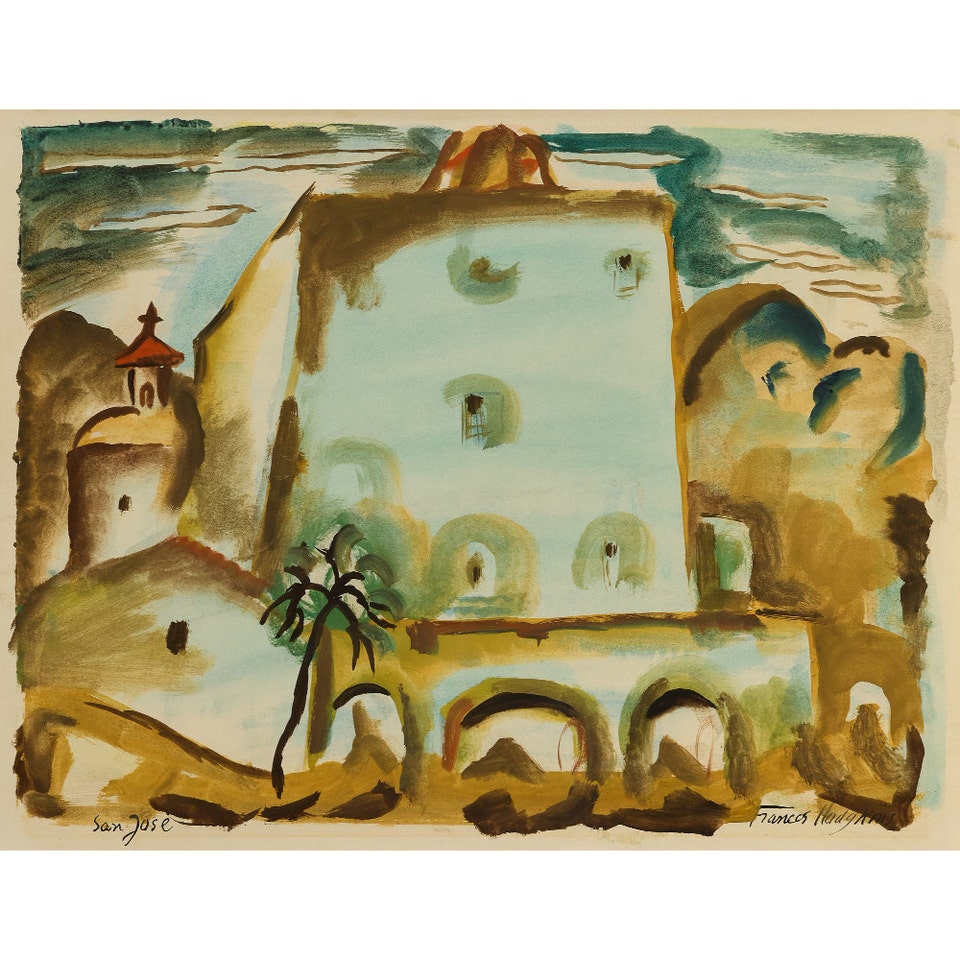
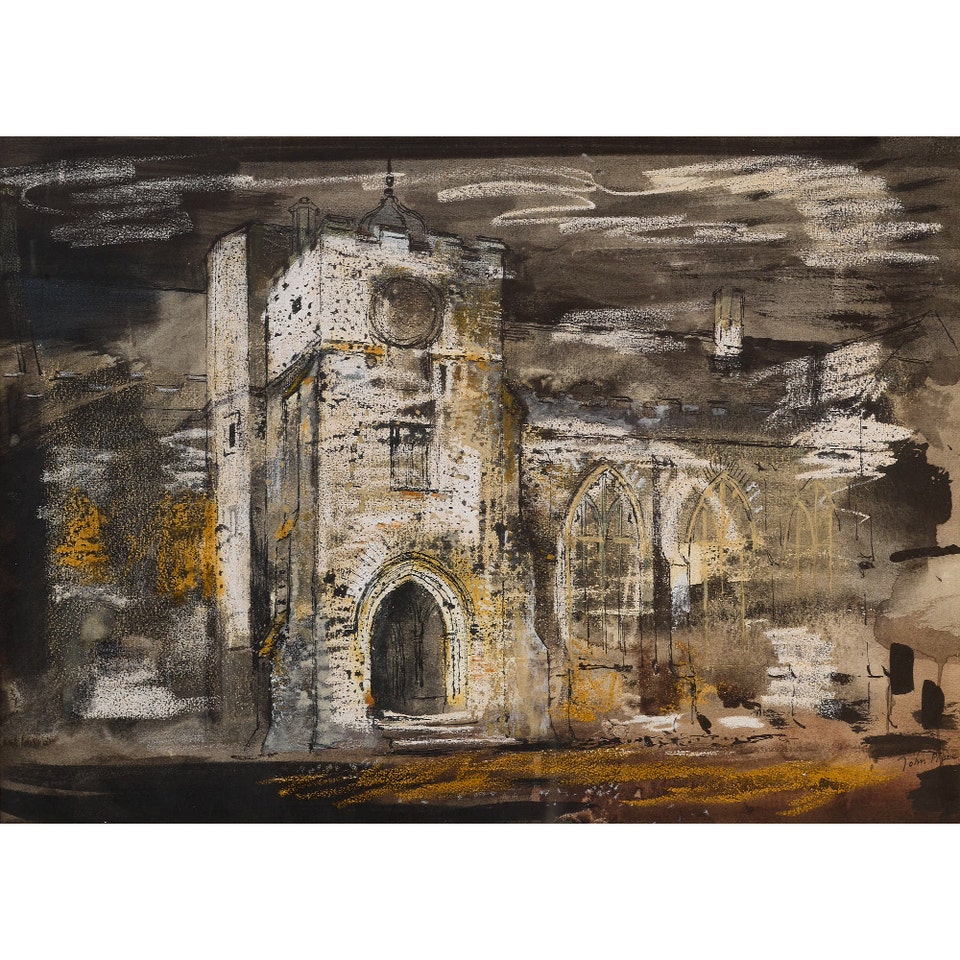
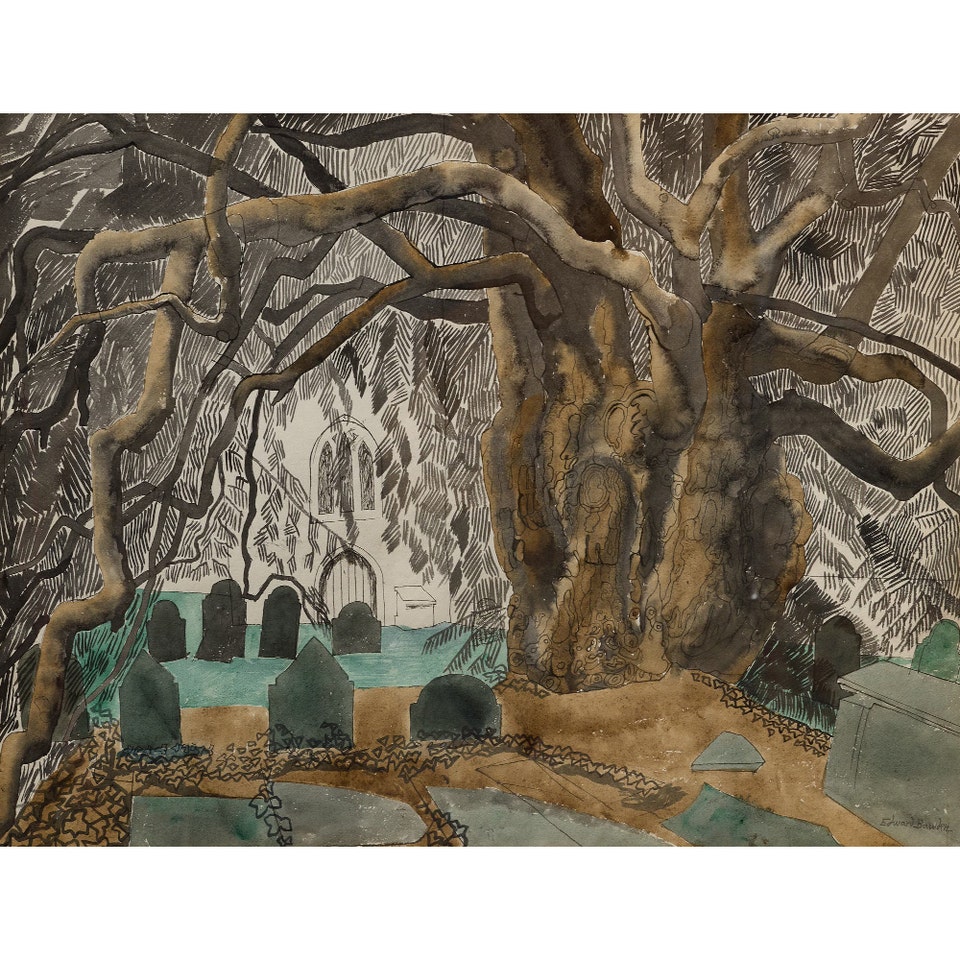
Seen together, the works in this collection often centre artists who possess a poetic relationship with the British landscape, a mastery of colour and light, and explore a synthesis between European avant-garde movements and the artists’ own British aesthetic sensibilities. Cecil Collins’ Dartington landscape with the artist and John Piper’s Dartington Hall serve as direct evidence of the close bonds the couple formed with artists.
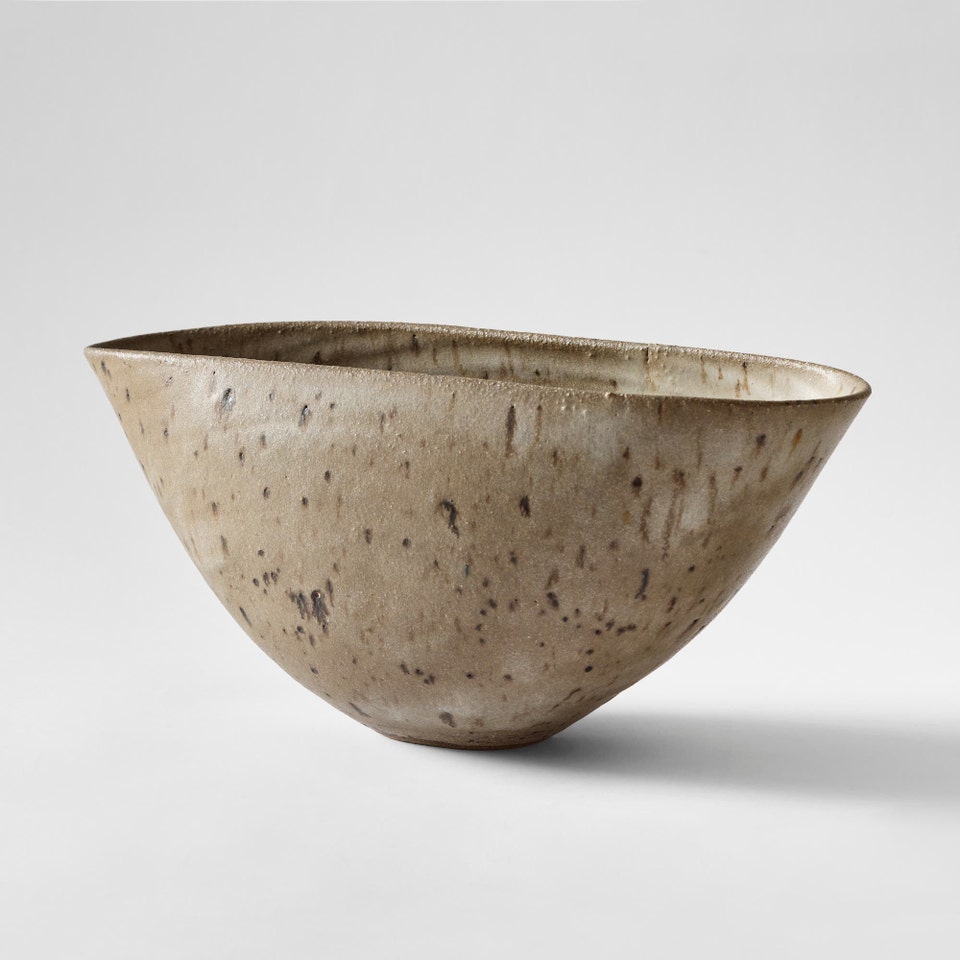
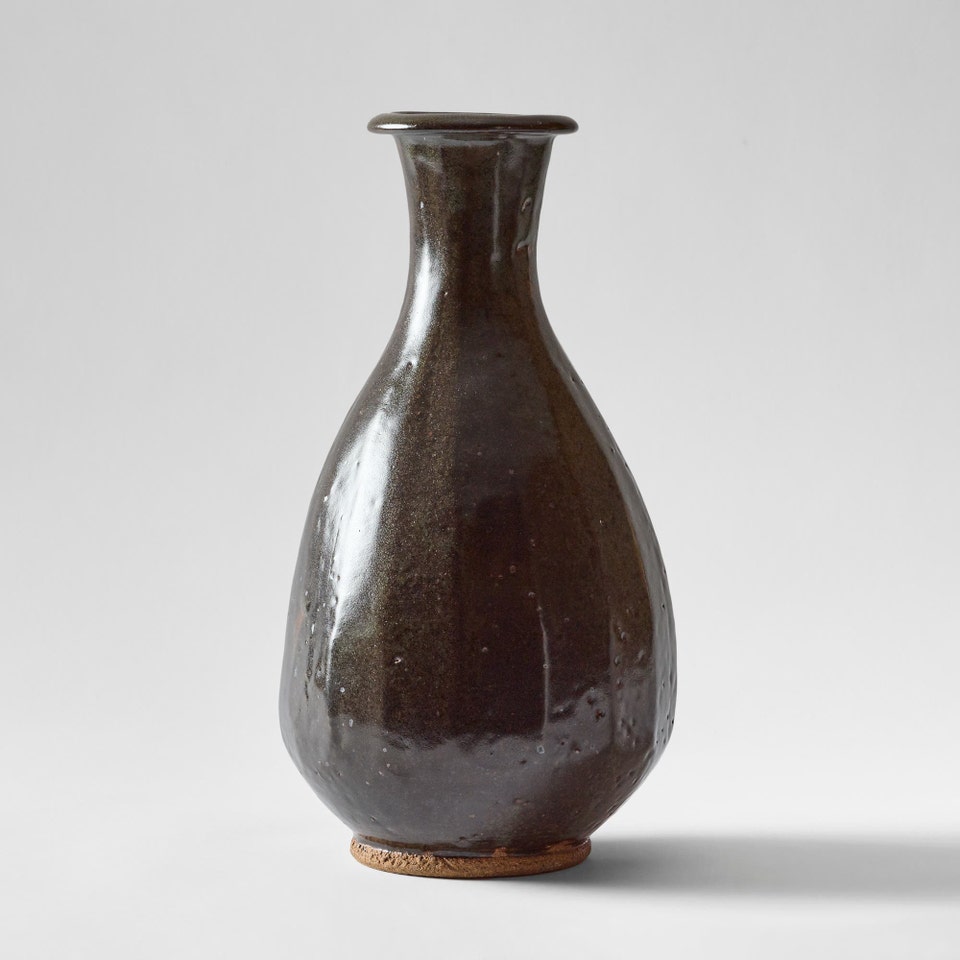
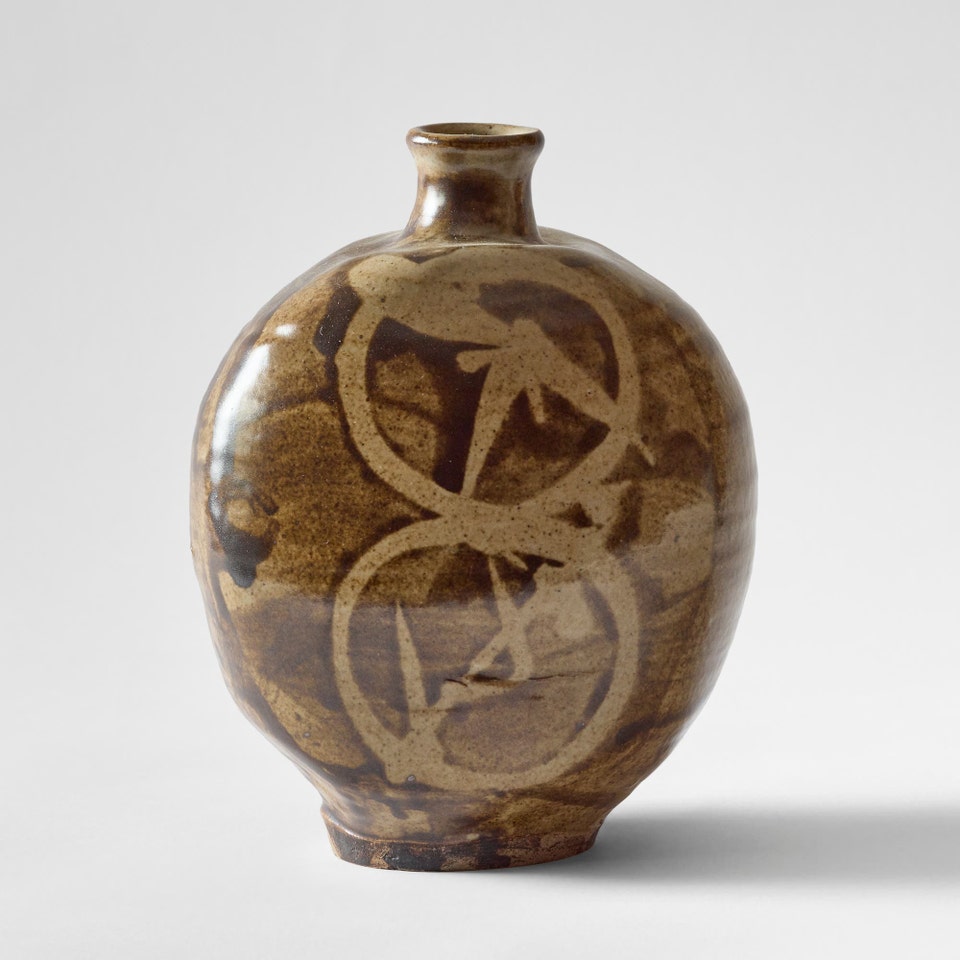
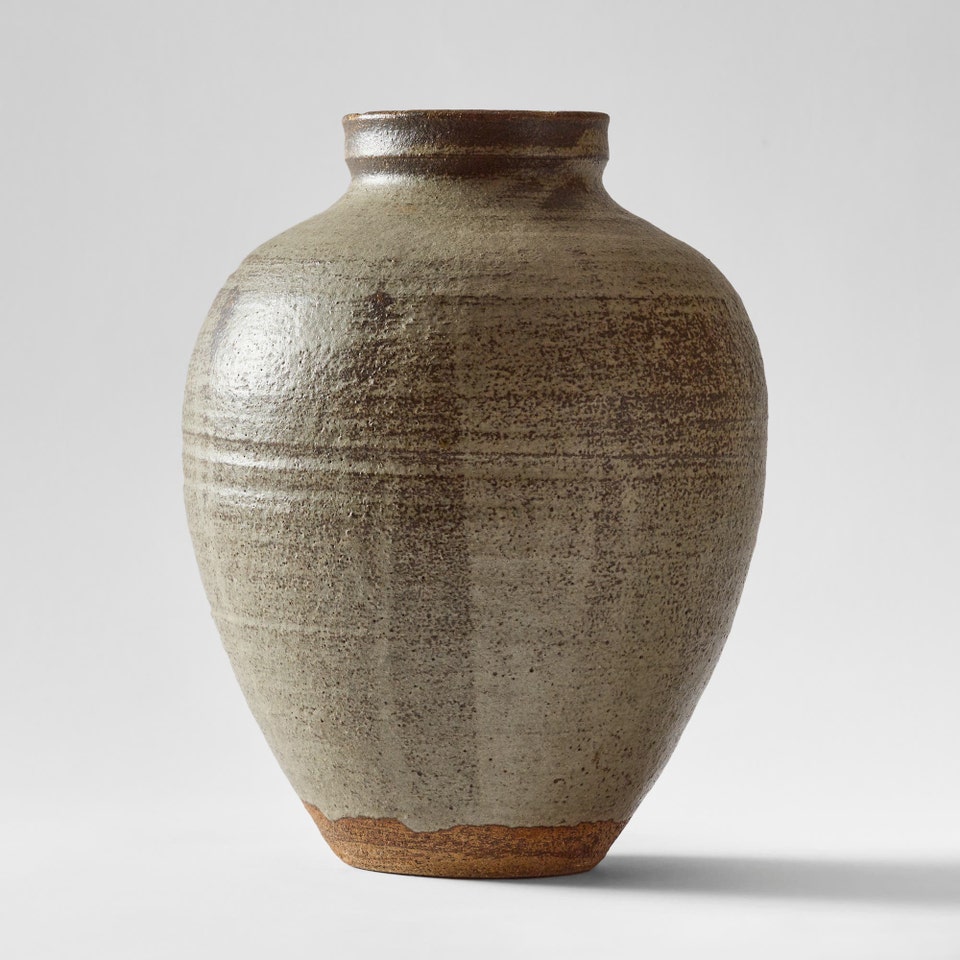
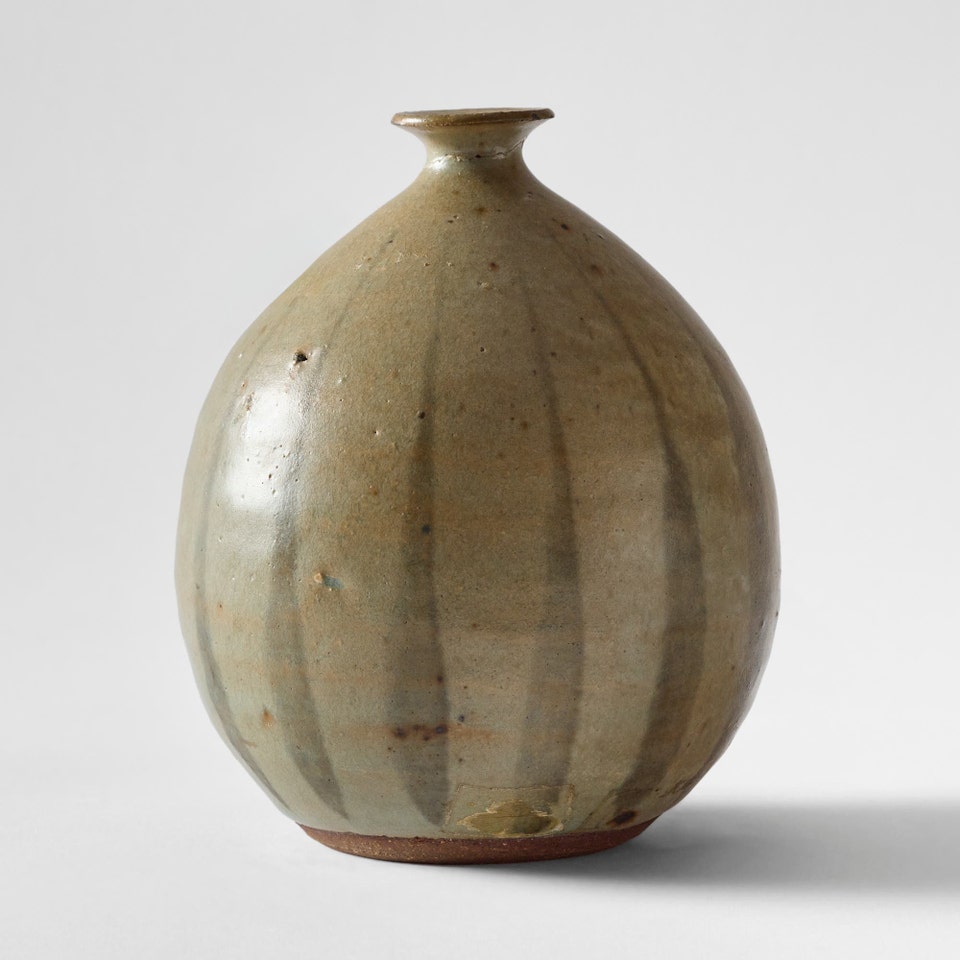
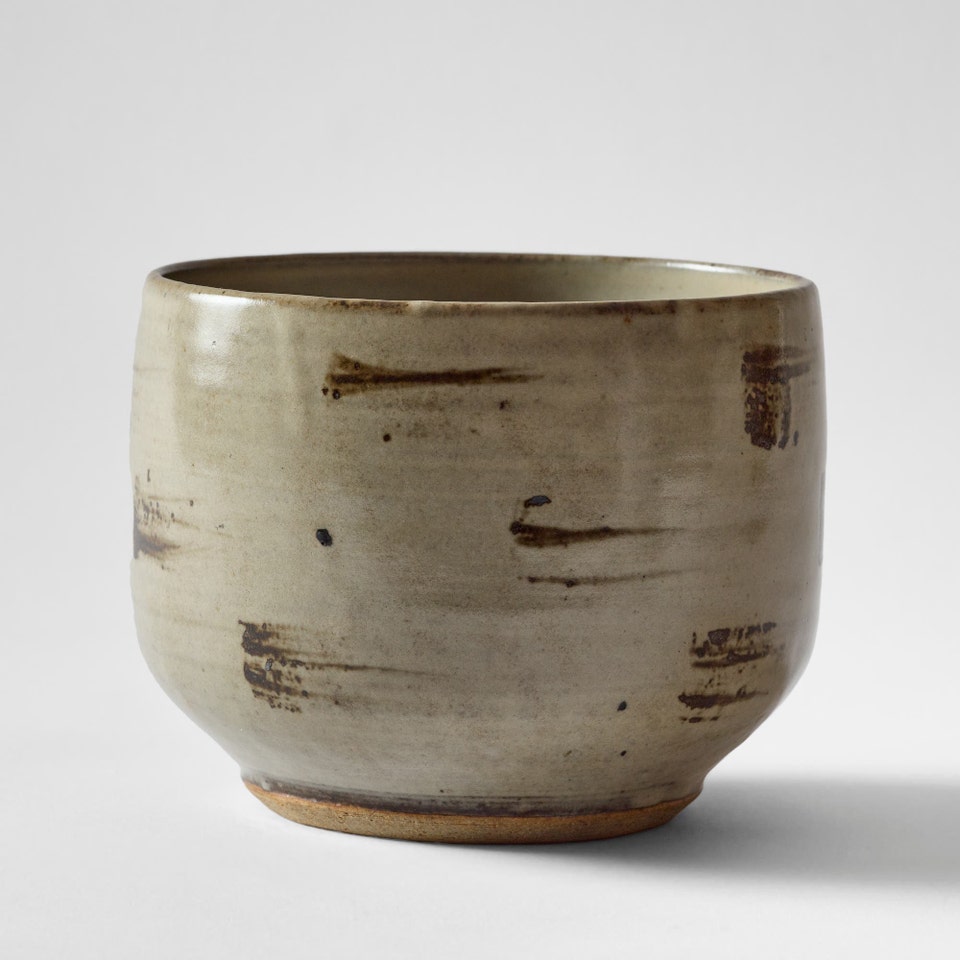
The offering also includes a selection of ceramics by pioneering figures at the forefront of British studio pottery during the twentieth century. Led by a bowl with a manganese-speckled glaze by Lucie Rie, the group also includes vases by Bernard Leach and Shoji Hamada, who co-founded Leach Pottery in St Ives, Cornwall in 1920, alongside other works by significant ceramists from William Staite Murray to Katharine Pleydell-Bouverie and Norah Braden. Pleydell-Bouverie had herself trained at Leach Pottery in St Ives, while she established a close personal and professional partnership with Braden, sharing a studio with her for eight years at Coleshill House.
Painting a lively picture of the British art scene of the twentieth century, works from the collection of the Dartington Estate illuminate one another in new and sometimes surprising ways. Bearing witness to the cross-pollination of the British art scene with the European avant-garde during the interwar period, alongside the innumerable relationships between artists, the collection underscores the Elmhirsts’ vision and life spent supporting the artists of their respective era.