Article | The Democratization Of Stone Dials
The Democratization of Stone Dials
How hardstones went from the quarry to the wrist.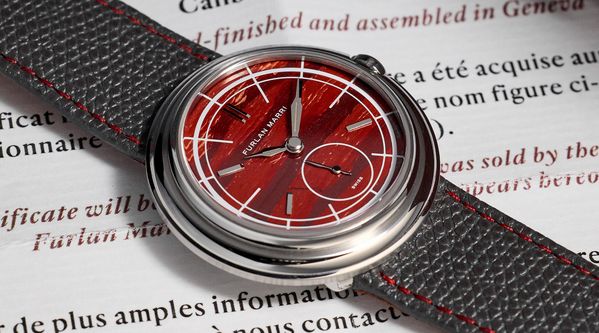
Our final live auction of the fall 2024 season, the New York Watch Auction: XI, takes place on December 7-8, at our Manhattan headquarters. The auction includes 180 of the world's finest watches – and though we are loath to boast, we truly think it’s one of the best catalogs we've ever put together. We'll highlight several of the most interesting lots and stories featured in the sales over the next few weeks, including the watches highlighted in this article.
– By Logan Baker
It’s a rare event when something genuinely “new” emerges in the watch world.
Even the most cutting-edge innovations usually have roots tracing back decades. So, it’s intriguing that stone dials—crafted from exotic stones, meteors, and minerals—are suddenly experiencing a renaissance. Stone dials offer a unique aesthetic, each carrying an ancient and personal story. But why now, and what has fueled their resurgence?
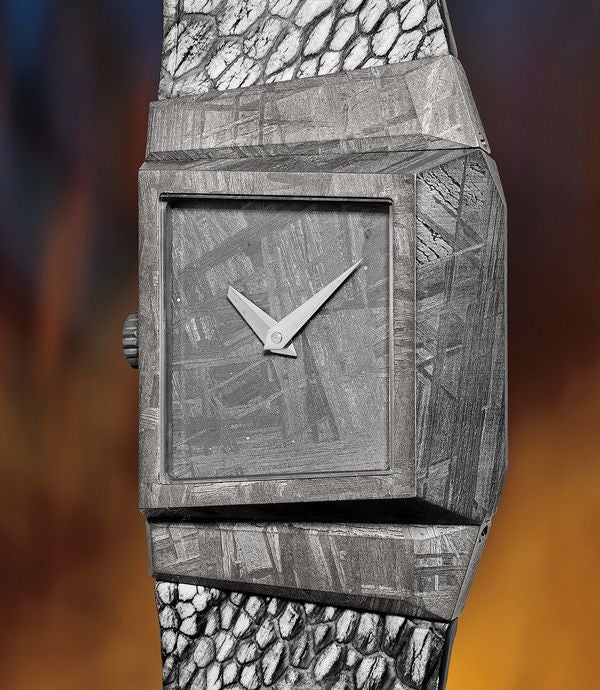
The story of stone dials begins with Piaget in 1963, following their groundbreaking introduction of the ultra-thin Caliber 9P in 1957. This 2mm movement provided the necessary engineering foundation for experimenting with materials that, until then, had been too fragile and cumbersome for wristwatches. Piaget saw an opportunity in materials like lapis lazuli, malachite, opal, and tiger’s eye, releasing a selection of these finely cut, 1mm-thick dials that captured the imagination of collectors worldwide. Stone dials became synonymous with elegance and exclusivity, and soon after, icons like Jackie Kennedy were spotted wearing these exquisite pieces.
The initial excitement surrounding stone dials inspired other brands to explore the concept, most notably Rolex. In the 1970s, Rolex, already a symbol of status and sophistication, added stone dials to its Day-Date and Datejust models. Each piece was unique by default, and its patterns and textures were impossible to replicate.
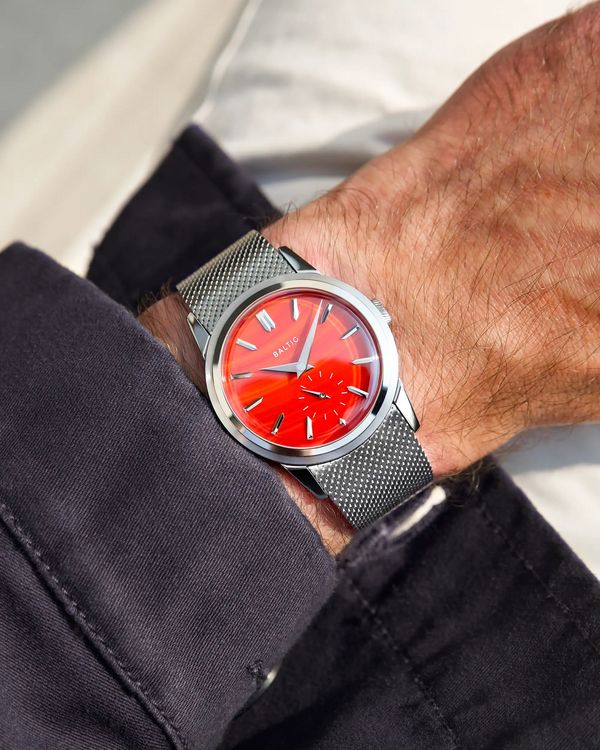
Baltic Prismic London with red agate dial. Price: €1,310
The Quartz Crisis of the 1980s nearly sidelined the stone dial, along with much of the Swiss luxury watch industry. Only a handful of companies continued to dabble in stone dials, albeit in a quieter, more niche market. However, the legacy lived on. Rolex again brought stone dials to the fore in the late 1990s and early 2000s, adding them to their Daytona lineup. The combination of white-gold cases with rare sodalite dials and diamond markers hinted a revival, even if the trend wasn’t fully embraced then.
Fast forward to today, and stone dials are back in haute horlogerie and across the entire market spectrum. Brands from Jaeger-LeCoultre to Omega now offer stone dials, with models like the Omega Seamaster 300 featuring lapis lazuli or malachite options. Even microbrands, such as Furlan Marri, Baltic, and Dennison, have capitalized on technological advancements that make stone dials more affordable to produce, using stunning natural stones or exotic materials like meteorite in timepieces under $2,000.
One of the most significant changes has been the entrance of younger, independent brands that use stone dials and reimagine their aesthetic appeal. Take, for instance, Formex and Toledano & Chan, which produce watches with genuine stone dials for under $5,000. This would have been unthinkable in the past when the cost of cutting and polishing stone to such delicate thinness made it prohibitive for all but the highest-end luxury brands. Now, more collectors can own a stone dial without needing a bank loan—a game-changer for many who have long admired the artistry of these pieces from afar.
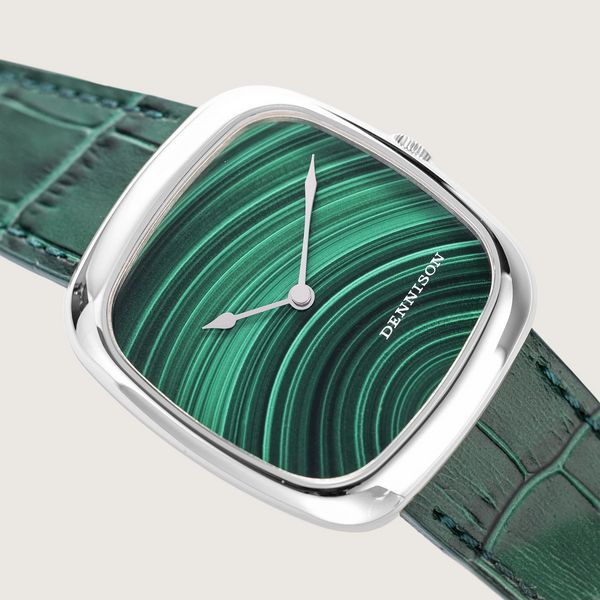
Dennison Natural Malachite Stone Dial. Price: CHF 621
This recent shift in watchmaking can be attributed to a mix of market dynamics, shifting consumer priorities, and an evolved understanding of luxury. The pandemic created a boom in the luxury watch market, with prices soaring to unprecedented heights. But as the post-boom reality sets in, brands face a cautious buyer who values tangible uniqueness over hype-driven exclusivity. This environment has led brands to revisit techniques that combine tradition with character rather than sheer expense.
Today’s buyers, especially younger collectors, are less fixated on the technical specs and more on the story a watch tells. Stone dials, each an unrepeatable piece of nature, satisfy this demand for individuality. No two stone dials are alike, meaning that even if the model is mass-produced, the wearer has something uniquely their own. This aligns well with the modern desire for authenticity in a world where digital and virtual products dominate.
As technology advances, the production process for stone dials has become less wasteful and more precise, bringing down costs and making stone dials accessible to a broader market. Buyers who once dreamed of an onyx Day-Date or a coral-faced Piaget can now find similar styles and materials from emerging brands, often at a fraction of the price.
In an industry where the luxury and accessibility of watchmaking are often seen as incompatible, the rise of affordable stone dials signals a more democratic future. It’s a trend that doesn’t diminish the prestige of high-end brands but enriches the landscape by making rare materials available in more diverse forms.
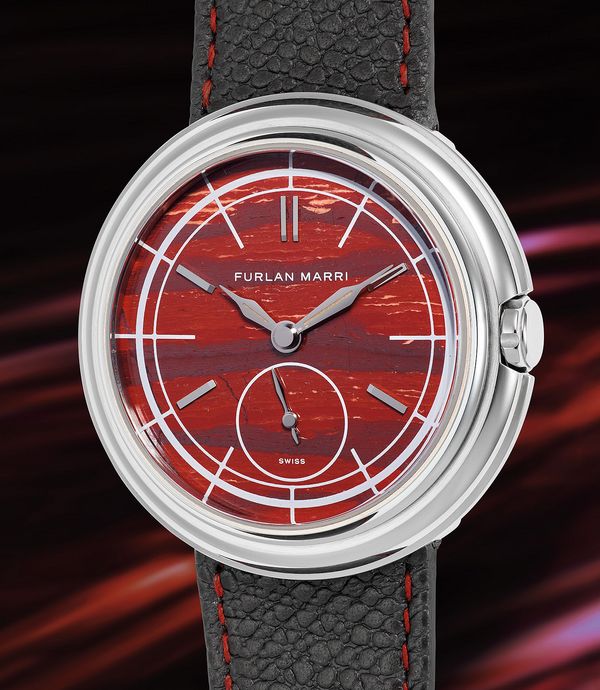
As the market shifts to favor personality and narrative over price tag alone, stone dials are set to remain in high demand.
Whether you’re a seasoned collector of Piaget’s vintage malachite dials or a new enthusiast drawn to the cosmic allure of meteorite dials, the stone dial represents a piece of art on the wrist, one as timeless and resilient as the stones themselves.
What we’re witnessing isn’t just a trend—it’s a movement toward a richer, more inclusive world of watchmaking. Stone dials aren’t just back; they’re here to stay, reimagined, and ready for a new generation.
You can learn more, place a bid, and view the entire Phillips New York Watch Auction: XI catalog right here.
About Phillips In Association With Bacs & Russo
The team of specialists at PHILLIPS Watches is dedicated to an uncompromised approach to quality, transparency, and client service. Phillips in Association with Bacs & Russo holds the world record for the most successful watch auction, with its Geneva Watch Auction: XIV having realized $74.5 million in 2021. Over the course of 2021 and 2022, the company sold 100% of the watches offered, a first in the industry, resulting in the highest annual total in history across all the auction houses at $227 million.
Recommended Reading
Up-and-Coming Independent Watchmakers To Know in the Geneva Watch Auction: XX
Specialists' Picks: The Geneva Watch Auction: XX
A Round-Up of 14 Manual-Wind Rolex Daytonas in the Geneva Watch Auction: XX