Article | Top Of The Lots Editions And Works On Paper
Top of the Lots
From Andy Warhol to Louise Bourgeois, a closer look at the top 15 lots in our upcoming Editions & Works on Paper Auction in New York.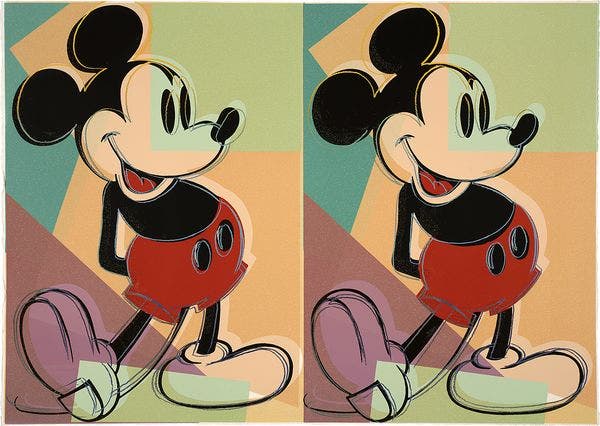
Andy Warhol, Double Mickey Mouse, 1981. Editions & Works on Paper New York.
Andy Warhol
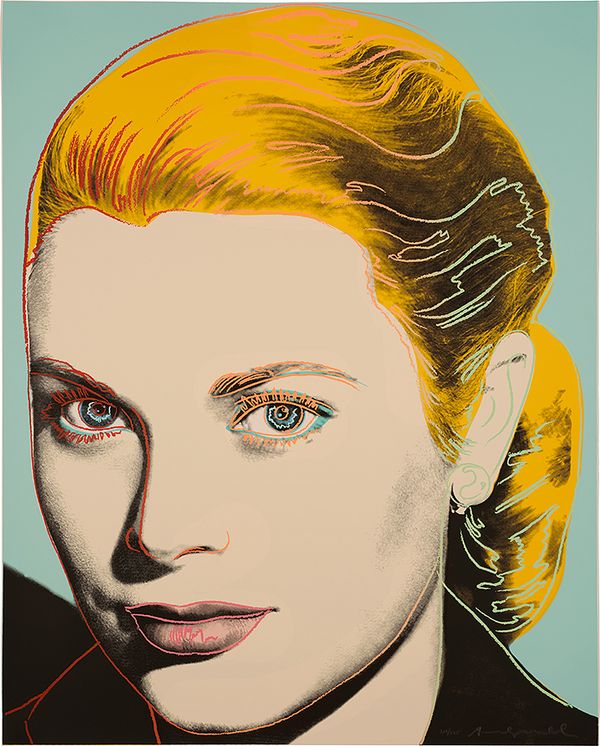
Andy Warhol, Grace Kelly, 1984. Editions & Works on Paper New York.
It comes as no surprise that the King of Pop wins the top lots in the Editions category, representing seven of the top 15 highest-value lots. By its very nature, Warhol’s practice pairs well with the printmaking process, obsessed as it is with the production, repetition, and dissemination of an image.
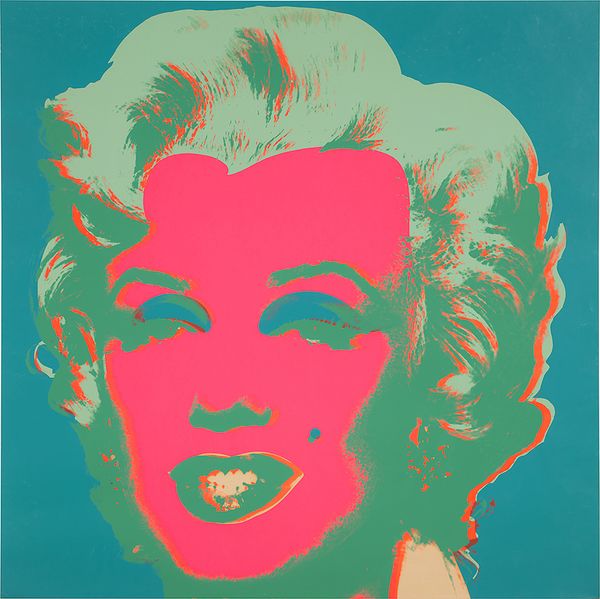
Andy Warhol, Marilyn, 1967. Editions & Works on Paper New York.
To see this repetition, look no further than Double Mickey Mouse, inspired by Warhol’s visit to the Whitney Museum of American Art 1981 exhibition Disney Animation and Animators. As a global entertainment icon and perhaps the most recognizable cartoon character in the world, Mickey Mouse is a perfectly emblematic subject for the artist.
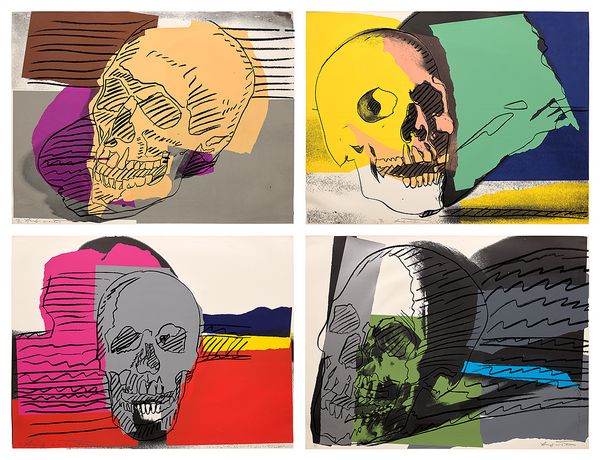
Andy Warhol, Skulls, 1976. Editions & Works on Paper New York.
The Skulls screenprints further display Warhol’s iterative fascination, bringing us to another important theme for the artist — death. Appearing like an echo of life, the bold colors of these four screenprints belie their morbid content. Likewise, in both Grace Kelly and Marilyn, we see the artist approach the image of an iconic celebrity shortly after their deaths. Marilyn Monroe died in 1967, the same month Warhol began experimenting with silkscreen. Later, in 1982, Warhol revisited themes of celebrity and royalty following the death of Princess Grace Kelly, showcasing his long interest in the intersections between fame and tragedy. Together, they each represent an important milestone in the lineage of Warhol’s iconography.
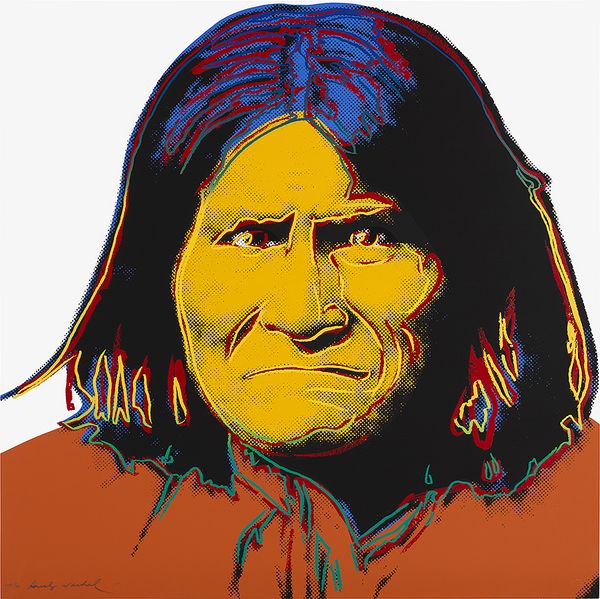
Andy Warhol, Geronimo, from Cowboys and Indians, 1986. Editions & Works on Paper New York.
Across the Warhol works in the sale, we also find the artist’s key themes of American and personal mythology. Geronimo, from his final major portfolio, Cowboys and Indians, shows us his careful enquiry into the confluence between the American imagination and the darker corners of its history. Diamond Dust Shoes, on the other hand, is deeply personal and self-referential, an example of the mature artist looking back to his early days producing commercial advertising imagery for the shoe trade in New York.
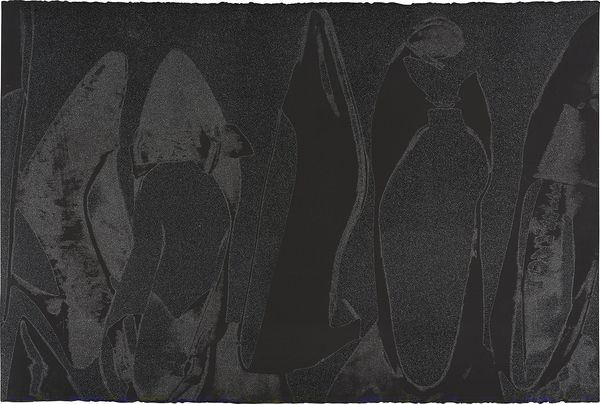
Andy Warhol, Diamond Dust Shoes (Black), 1980. Editions & Works on Paper New York.
After Jean-Michel Basquiat
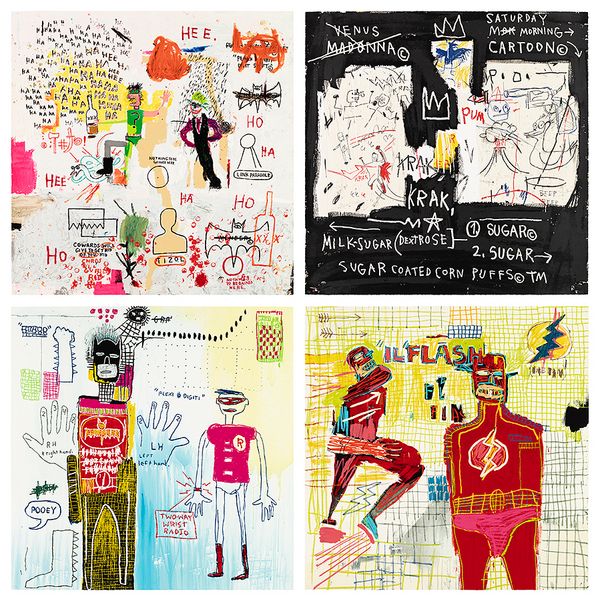
After Jean-Michel Basquiat, Superhero Portfolio, 1982–87/2022. Editions & Works on Paper New York.
Turning now to Jean-Michel Basquiat — an artist who had a complex relationship with Warhol as a collaborator, mentor, and friend — we discover his Superhero Portfolio, comprised of four screenprints that each reinterpret Basquiat canvases made between 1982 and 1987. Drawing upon his childhood memories of mainstream comic book imagery, Basquiat merges archetypal figures like Batman, Robin, and Flash with his own personal iconography and textual elements — in a way, much like Warhol. Each print invites viewers into Basquiat’s world, where recognizable imagery speaks of contemporary life with themes of identity, stardom, and memory.
Roy Lichtenstein
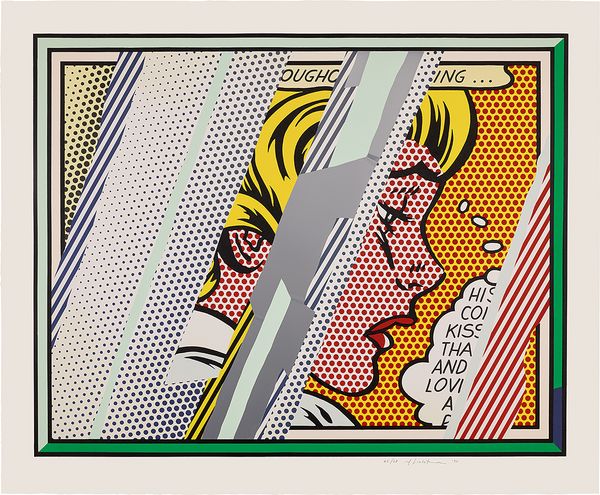
Roy Lichtenstein, Reflections on Girl, from Reflections Series, 1990. Editions & Works on Paper New York.
Lauded for his distinctive visual language — frequently utilizing Ben-Day dots and drawing from popular historical imagery in a satirical social commentary — Roy Lichtenstein’s printmaking is fundamental to his practice. Across more than 350 prints, Lichtenstein left a legacy in the medium that is as esteemed by collectors as it is by institutions. On offer in this sale are two works from his Reflections series, which began as a series of three paintings of the Popeye character Wimpy and evolved to reference some of the most iconic subjects of his output.
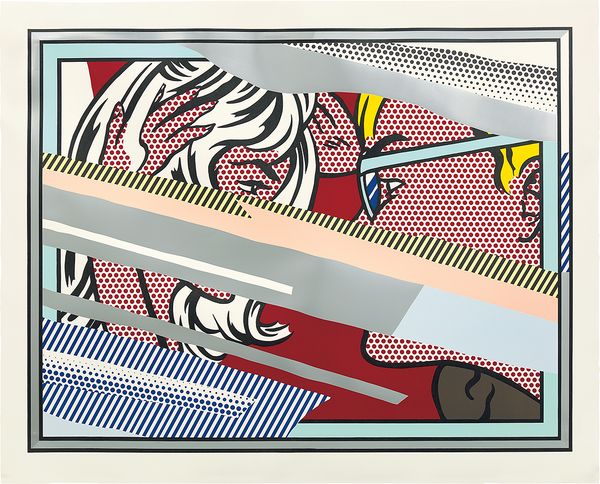
Roy Lichtenstein, Reflections on Conversation, from Reflections Series, 1990. Editions & Works on Paper New York.
Where the Reflections series showcases the artist’s interpretation of stylized comic book imagery, the Landscapes series sees the artist engage with the brushstroke motif, harkening to the very first visual mode he explored as a younger artist. What’s more, across these three prints, we find two of the most iconic printmaking workshops from both coasts, with Reflections produced by the famed Tyler Graphics, Ltd. in Mount Kisco, New York, and Landscapes produced by Gemini G.E.L. in Los Angeles.
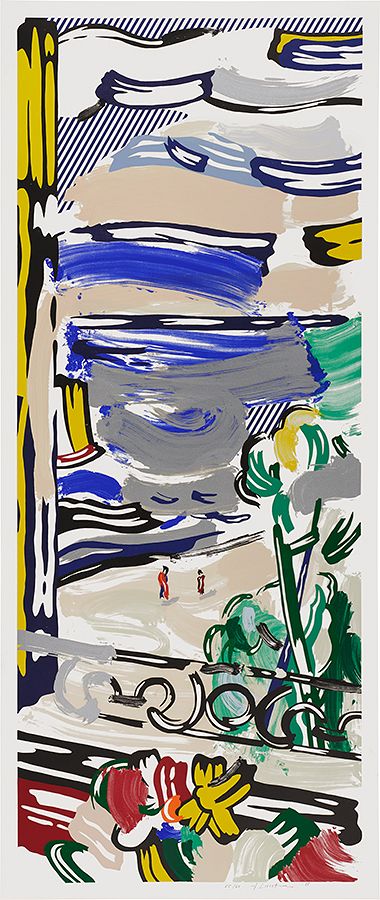
Roy Lichtenstein, View from the Window, from Landscapes Series, 1985. Editions & Works on Paper New York.
Ellen Gallagher
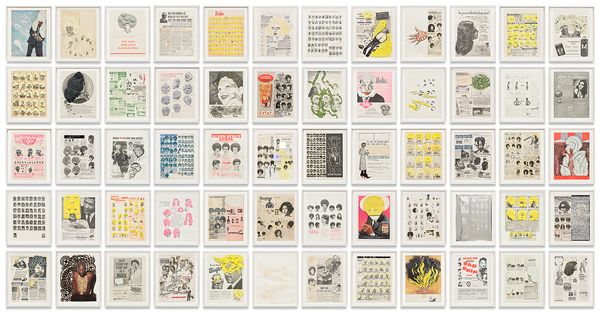
Ellen Gallagher, DeLuxe, 2004–05. Editions & Works on Paper New York.
Contemporary artist Ellen Gallagher’s works often subvert mainstream visual ideology, questioning who has the authority to build the image of Black feminine identity. In DeLuxe, the artist probes concepts of construction, process, and transformation that are inherent to printmaking in a monumental set of 60 prints that also encompass collage, drawing, and painting. Gallagher appropriates found imagery in each print, primarily drawn from postwar magazine advertisements for beauty products targeted to Black women, including from the publications Sepia, Our World, and Ebony. Gallagher alters the images in various ways — masking faces, removing or whiting out the eyes, pasting new text or collage elements, and more — creating new imagery that plays on the intent of the advertised products themselves, which range from wigs to skin-bleaching creams.
Seeing how this source material is transformed in Ellen Gallagher’s creative vision, we discover the artist’s personal defiance of the unspoken underlying message in the original imagery — that Black women must alter their appearance to be accepted. A stunning example of Ellen Gallagher’s investigative imagination, an edition of this work is in the permanent collection of the Museum of Modern Art in New York.
David Hockney
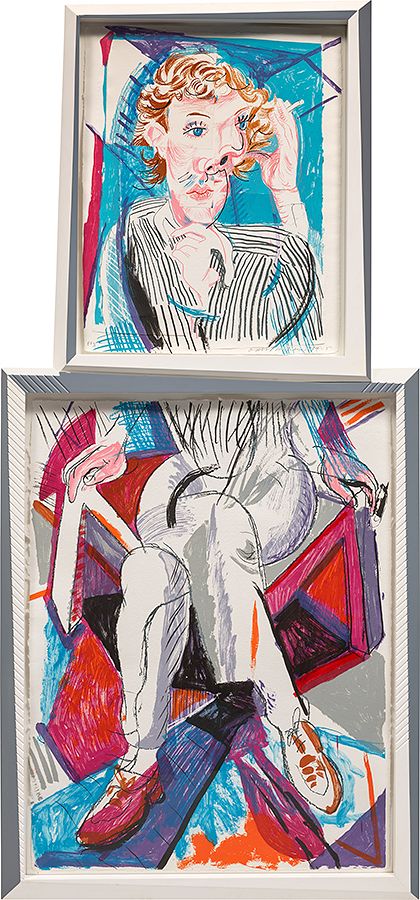
David Hockney, An Image of Gregory, from Moving Focus, 1984–85. Editions & Works on Paper New York.
This work comes from Hockney’s lauded Moving Focus series — the artist’s largest and most ambitious series of prints. Across the twenty-nine lithographs, Hockney explores his fascination with perspective, color, and the depiction of space, seemingly in dialogue with Pablo Picasso and the Cubist rejection of single-point perspective.
An Image of Gregory depicts Gregory Evans, who appears in more than forty Hockney portraits. The pair met in 1974 and began an intimate relationship that has taken many forms over the decades. The multiple viewpoints that Hockney expresses here embody the sensation of the sitter and his surroundings, echoing Picasso’s approach to depicting how people, space, and time are experienced in reality, but in a manner that is unmistakably David Hockney. As the artist notes, “Cubism itself inferred that memory is a part of vision, it must be a part of vision, which I think discounts the idea that there is a kind of objective vision, because each person has a different memory of something.”
Keith Haring
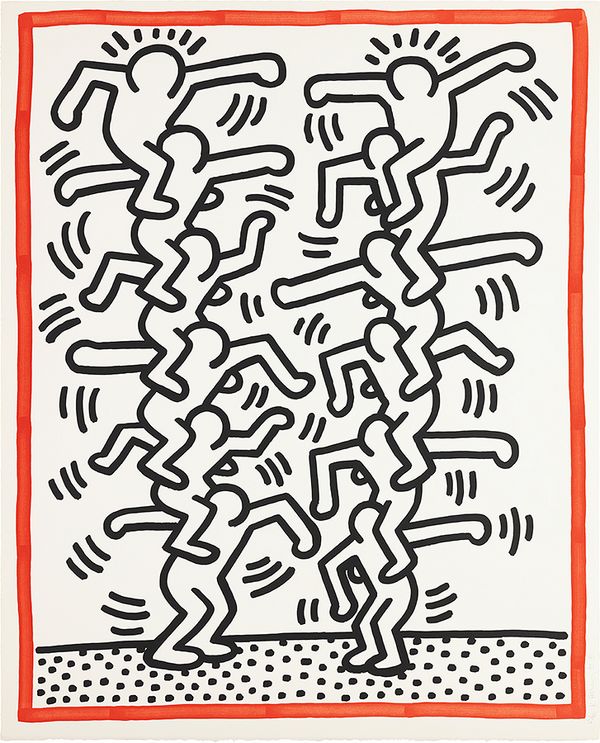
Keith Haring, Untitled, from Three Lithographs, 1985. Editions & Works on Paper New York.
Abuzz with the captivating motion of 1980s downtown New York, this work is as Keith Haring as it gets. Haring was an outspoken citizen who worked to raise awareness for queer rights, the AIDS epidemic, and drug abuse, among other causes. This lithograph comes from a series that explores such themes, with the present work, known as People Ladder, recognizing the triumph of unity in the face of struggle.
This lot comes from the collection of pioneering gallerist Brent Sikkema (1948–2024). Sikkema was renowned for championing the work of some of the principal artists of the late 20th and early 21st centuries, including Kara Walker, Vik Muniz, Mark Bradford, Deana Lawson, and many others, and for broadening the market for Latin American art. Sikkema’s generous support inspired loyalty in the artists in his stable, many of whom chose to remain with the gallery even after receiving invitations from the larger mega-galleries.
Louise Bourgeois
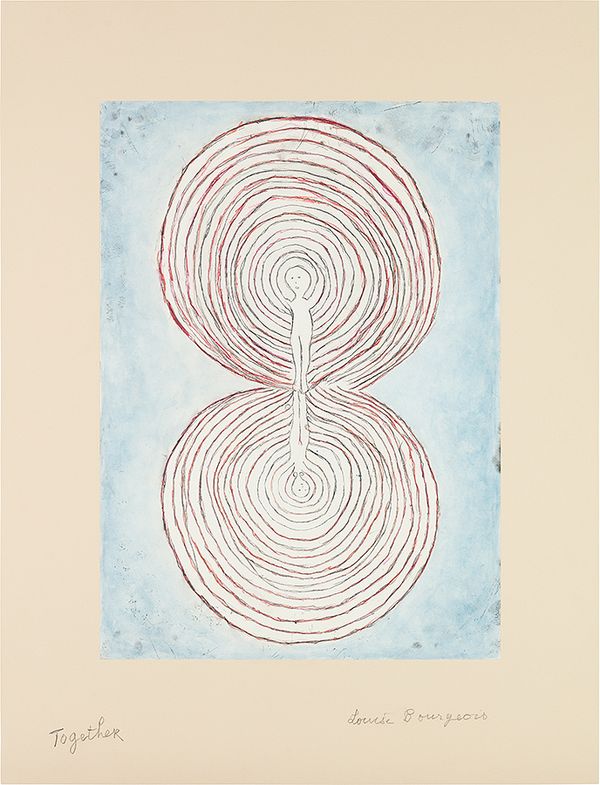
Louise Bourgeois, Together, 2004. Editions & Works on Paper New York.
Louise Bourgeois’ Together is absolutely arresting visually, but there’s even more at play here than its pure visual pleasure. For the artist, the spiral holds a deeply personal resonance, in a sense offering her an ability to avoid spirals of despair by harnessing the spiral’s image as a study of herself. By its very nature, a spiral reflects itself in every direction. But this lone figure embedded in a spiral is then reflected again — as if the personal complexity depicted by this amalgamation were standing at the edge of chaos and control, metaphorically peering into deep waters only to find itself again.
Each impression of Together has varying hand-coloring by the artist, making each a unique variant from the edition of twelve. The imagery was used in her illustrated book Hang On, wherein each composition was accompanied by poetic text derived from the artist’s notebooks — this one paired with text exploring loneliness and a longing for acceptance.
Discover More from Editions & Works on Paper New York >
Recommended
Browse & Bid: MODERNISM 1880–1960: Editions & Works on Paper >