Article | Ondrej Berkus Watches Interview Review Czechia Auction Minion 2
The Indie Insider: An Interview with Self-Taught Watchmaker Ondřej Berkus
Inside the mind of Czech watchmaker Ondřej Berkus, whose uncompromising approach to craftsmanship and design has made him one of independent watchmaking’s most original voices.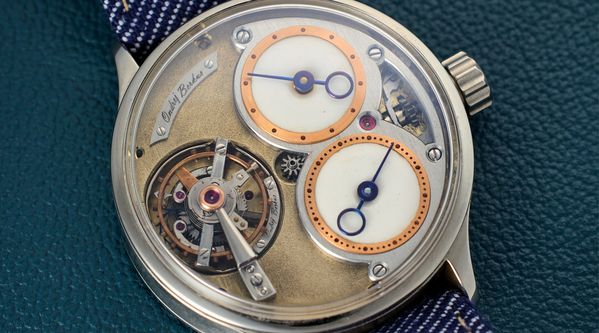
The PHILLIPS New York Watch Auction: XIII takes place on 6-7 December 2025, at our Park Avenue headquarters. The auction includes more than 140 of the world's finest watches – and though we are loath to boast, we truly think it's one of the best catalogues we've ever put together. We'll be highlighting a number of the most interesting lots and stories featured in the sale right here, including the rare Ondřej Berkus wristwatch seen below.
– By Logan Baker
If you spend an hour talking to Ondřej Berkus, you’ll hear a mix of blunt humor, deep gratitude, and unusual self-awareness. He doesn’t romanticize watchmaking, but he also can’t hide that he loves it. “I’m absolutely unemployable,” he says at one point, laughing. “This has to work.”
Berkus is part of a small group of self-taught independent watchmakers who’ve built everything from scratch, without formal training or industry backing. His path began with a Tarantino movie. After watching Kill Bill as a teenager in the Czech Republic, he wanted a Japanese sword and couldn’t afford one. His grandfather handed him a piece of steel and told him to make it himself. The sword he made was terrible, but it sparked something permanent – the urge to create. Knives followed. Then, when his parents gave him a quartz watch for his birthday, he noticed half the village wearing the same one. “I thought, this isn’t for me,” he recalls. “My dad said, ‘You have a lathe. Make your own.’ So I did. It looked terrible – but it was fun.”
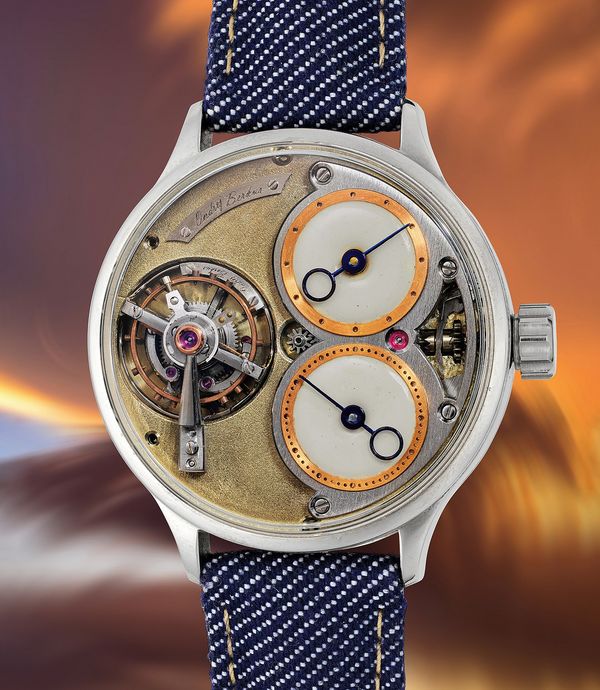
Lot 62: A circa 2023 Ondřej Berkus Minion 2 Tourbillon in stainless steel that will be offered at the Phillips New York Watch Auction: XIII. Estimate: USD $30,000 - 60,000
That defiant streak still defines his work.
Berkus transitioned from knife-making to horology in the early 2010s, teaching himself by reading George Daniels’ Watchmaking – a book that his wife and family had bought for him. He spent years learning to mill, file, and finish parts alone, working from his small workshop in rural Czechia before relocating to Italy with his wife and horses earlier this year. Today, he builds roughly eight to twelve watches a year, each one unique.
His pieces combine the tactile charm of hand-built mechanics with a subversive, punk-like spirit. He machines titanium and Damascus steel without hesitation, pushes tourbillon architecture to the extreme, and gives his creations names like Minion and Black Hole. He jokes that he focuses on technical complications to “distract people from the finishing,” but his watches – raw, honest, and inventive – have found a cult following among collectors who value authenticity over polish.
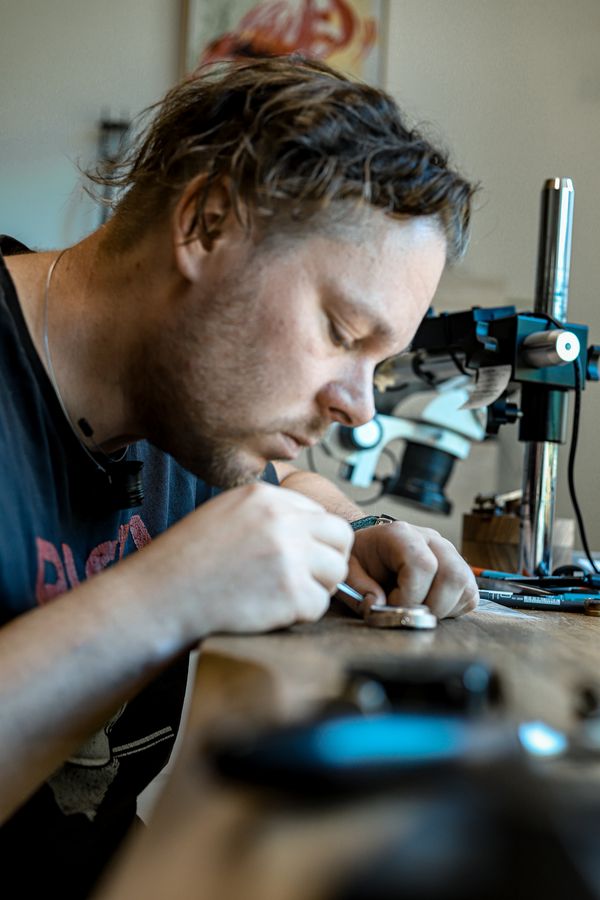
Ondřej Berkus in his workshop. Image courtesy, Ondřej Berkus.
That following has recently spilled into the auction world. In November 2025, at the Phillips Decade One (2015–2025) sale in Geneva, a circa 2023 Remontoire Dead Beat Seconds in titanium achieved CHF 69,850 – the first Berkus watch ever to sell at an international auction.
At the upcoming Phillips New York Watch Auction: XIII, the Minion 2, a unique tourbillon wristwatch, will be offered, representing both Berkus's technical evolution and his refusal to take himself too seriously. “Every watch I make starts with a sketch,” he says. “Working with me requires a ton of imagination and trust.”
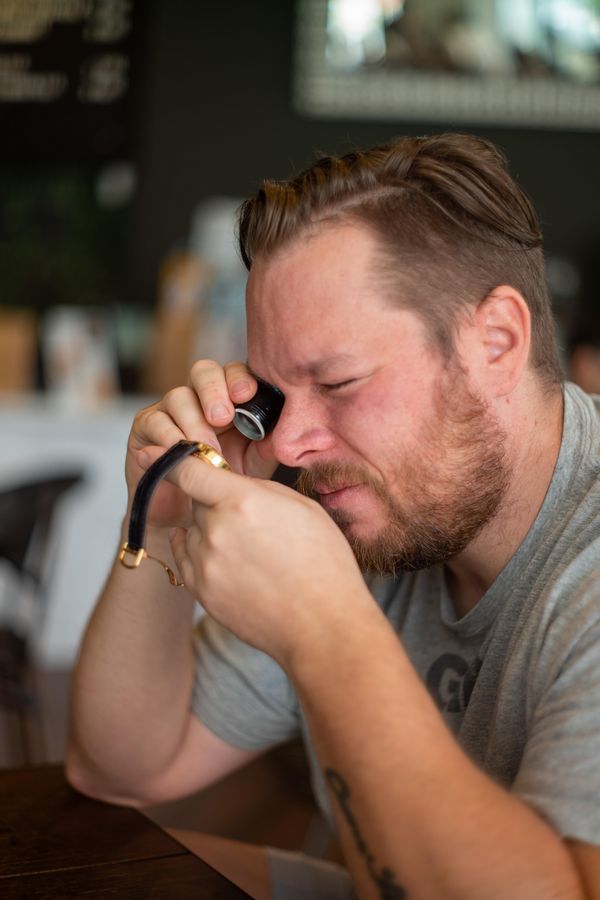
Ondřej Berkus examing one of his watches. Image courtesy, Ondřej Berkus.
In conversation, Berkus is equal parts craftsman and philosopher, a cynic who builds objects of optimism. He complains about hype, trends, and marketing jargon, but his work embodies what the independent scene is supposed to be: personal, unpredictable, and a little bit ridiculous.
Below, in his own words, Ondřej Berkus talks about the chaos and joy of making things, the strange paths that led him here, and why he’ll probably never leave his bench.
This interview has been edited for clarity and brevity.
Logan Baker / PHILLIPS: When did this all start for you? I’d love to hear about your background
Ondřej Berkus (OB): It began with Kill Bill by Quentin Tarantino. Everyone wanted a Japanese sword, and I couldn’t afford one. My grandfather said, “Here’s some steel – make your own.” It looked terrible, but I made it. That was the first time I created something instead of just fixing it, and it flipped a switch in my head.
I moved on to knives after discovering the “Montana Mafia” – a group of knife makers who created incredible Damascus folding and automatic knives. I made knives for years. Then my parents bought me a quartz watch for my 18th or 19th birthday. I saw five other people wearing the same one that week and thought, “This is not for me.” My dad said, “Make your own.” So I did. It looked terrible, but it was fun. That was in the early 2010s. I’m 39 now, and I’ve been at it ever since.
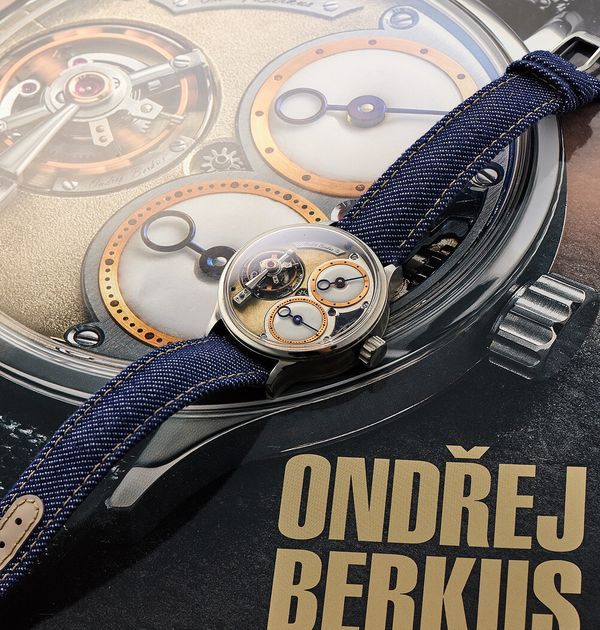
Lot 62: A circa 2023 Ondřej Berkus Minion 2 Tourbillon in stainless steel that will be offered at the Phillips New York Watch Auction: XIII. Estimate: USD $30,000 - 60,000
How did your background with knives shape your watchmaking?
OB: It opened my eyes to different materials. I don't want to look down on classic watchmaking, but it opened my eyes to materials other than brass, steel, and precious metals. I was already machining titanium every day – it was my daily bread – so I never saw it as intimidating. I’ll make a mainplate out of titanium or Damascus steel – like, why not? – it’s all just metal.
When did you realize watchmaking could become your life's work?
OB: When I first started modifying gears. I’d seen [Jochen] Benzinger move the time indication off-center on a Unitas movement, and I had to try it. That was mind-blowing for me. The moment I started messing with the gears, I was done. That was it. I thought, "Okay, this is what I want to do for the rest of my life."
You taught yourself through George Daniels’ Watchmaking, right?
OB: Yeah. My wife bought me that book. It cost about a hundred bucks, which was a lot for us. Now I’m talking to you from a house I bought in Italy. It still shocks me how far that book has taken me.
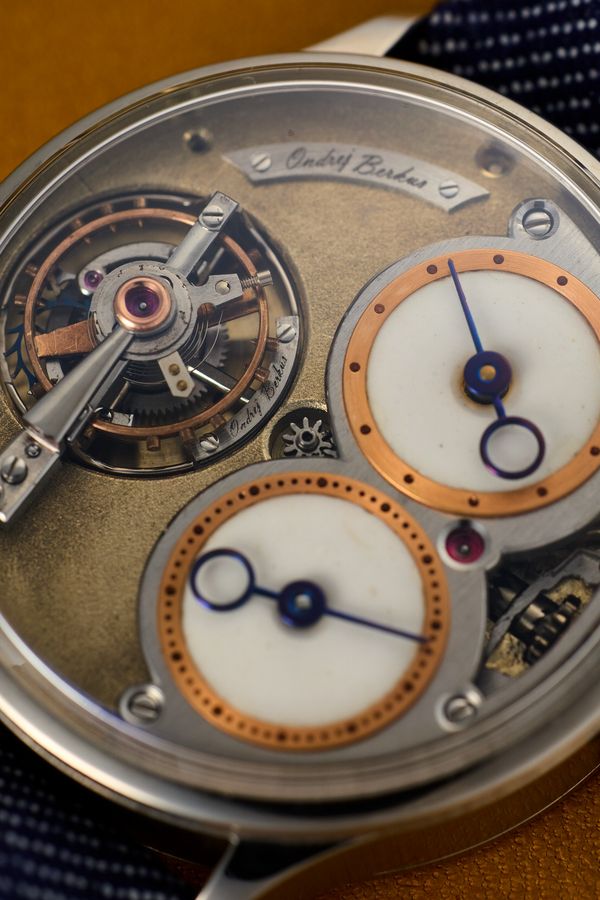
Lot 62: A circa 2023 Ondřej Berkus Minion 2 Tourbillon in stainless steel that will be offered at the Phillips New York Watch Auction: XIII. Estimate: USD $30,000 - 60,000
Can you tell me about your early years making watches?
OB: When I switched from knives to watches, nobody knew me. Everyone in the knife world thought I’d lost it.
We had nothing, sometimes less than nothing. My family told me I should find a job, but I’m absolutely unemployable. Once you work for yourself for 10 years, that’s it – you can’t go back. Fortunately, I met the right people at the right time, and they trusted me. They became my clients and supporters. Back then, all I showed clients was a hand-sketch of the watch. That's actually still how I work. Working with me requires imagination and trust, and I’m extremely grateful I found people who are able and willing to give both.
You’ve said things turned for you about five years ago. What changed?
OB: COVID. People were bored, scrolling through Instagram, discovering independent watchmakers.
Around the same time, I finally started taking good photos of my watches. I met a photographer who lived 15 minutes away from me, and after our first shoot, my inbox exploded. My waiting list went from “maybe next year” to five years. Now it’s longer than my life expectancy – which, given how I drive, isn’t long.
My “Black Hole Tourbillon” was another turning point. The first one I made was stolen at the airport. I was devastated, ready to quit watchmaking entirely. But I remade it, and that’s when everything changed. I also met Philippe Narbel around that time, who invited me to his workshop to cheer me up and help me with finishing. Watching him work is like watching Michelangelo paint. We’ve been friends ever since. My wife is even taking a masterclass with him in January.
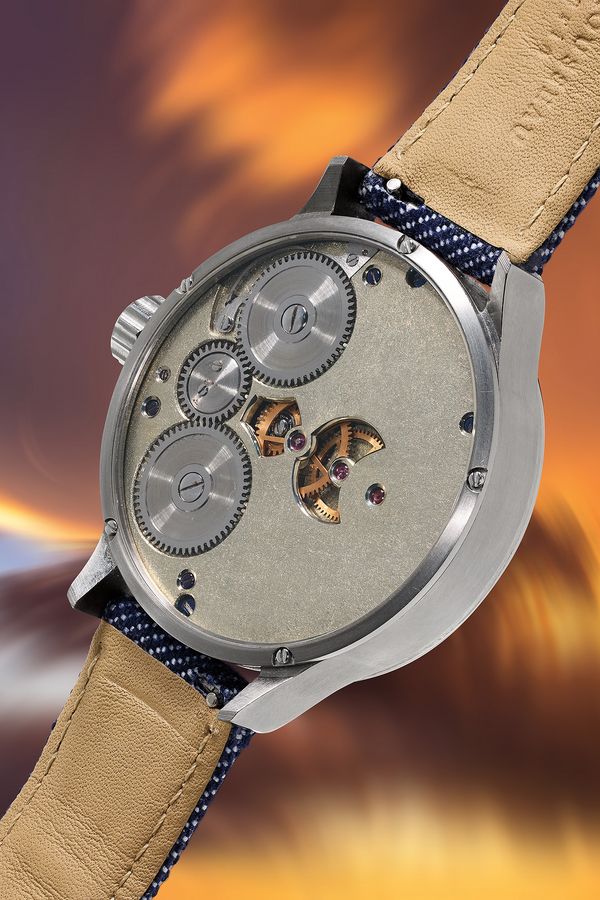
Lot 62: A circa 2023 Ondřej Berkus Minion 2 Tourbillon in stainless steel that will be offered at the Phillips New York Watch Auction: XIII. Estimate: USD $30,000 - 60,000
You sometimes joke about your finishing. What’s your real view of it?
OB: Objectively, I know my watches look good, but I also know they’re not on the very highest level of watchmaking. These days, you can run into watchmakers asking $100,000 for a nicely finished time-only watch. My watches, even those with a tourbillon, don't come close to that. I understand that the finishing of my watches isn't world-class, but I’m fine with that.
You’re also outspoken about the word “handmade,” right?
OB: Because it’s abused. Very few people make everything – wheels, pinions, even jewels. I’m not one of them. Approximately 75 percent of my watches are handmade.
I still use existing gear trains from existing movements for longevity and serviceability. I don’t hide that. Others call their work “handcrafted” when they outsource half of it. It's all marketing and buzzwords, and the journalists rarely question it. I’ve stopped using the word “handmade” myself.
How do you balance client requests with your own vision?
OB: Fortunately, people come to me for my watches, not to work as a subcontractor. They want my watch.
We agree on size and budget – that’s the only part I hate – we figure out the basics, and then I make something I’m excited about. That’s the best job description ever.
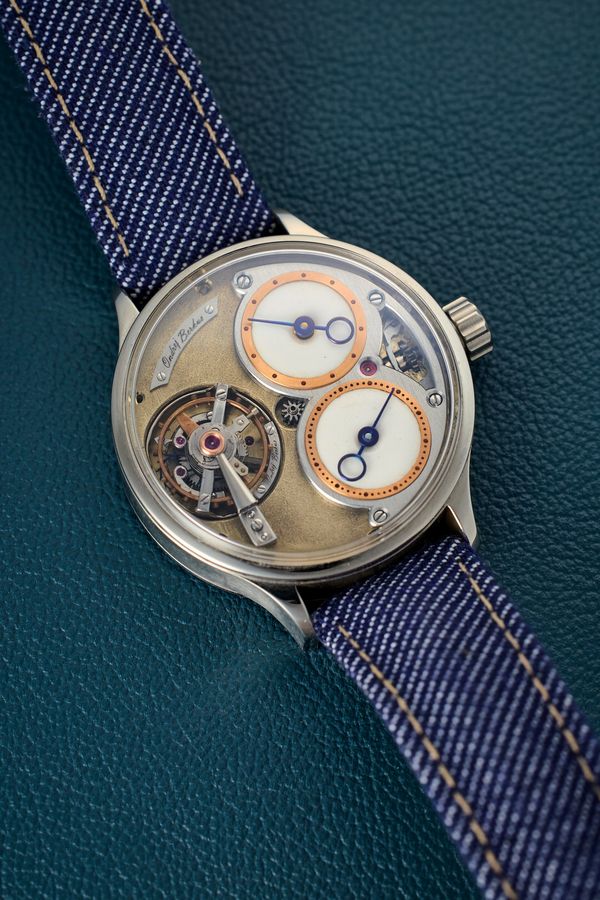
Lot 62: A circa 2023 Ondřej Berkus Minion 2 Tourbillon in stainless steel that will be offered at the Phillips New York Watch Auction: XIII. Estimate: USD $30,000 - 60,000
When you look at the Minion 2 in the Phillips New York Watch Auction: XIII, what are the details you personally care about most that a casual observer might miss?
OB: It’s the first Minion Tourbillon I ever made. The first Minion was time-only with remontoire, and while finishing that one, I knew it needed to become a tourbillon. So it was a watch I really wanted to make.
I challenged my laser engraver to put my name on the tourbillon cage. He disappeared for two days and came back with a perfect plate. You have to know what you’re looking at. Another thing that I really like, when you look at the back of the watch, between the barrels, there's a cut-out for the tiny ball bearings that connect them to the rest of the gear train. I'm fascinated by these ball bearings. They're just so freaking small.
What are you working on now?
OB: A chronograph tourbillon with a mono-pusher in the crown and a mammoth-ivory dial. I'm also working on a six-second tourbillon that’s been kicking my ass so far. I’m chasing amplitude – but it’ll make it work.
I’m also finishing a few client pieces and prepping next year’s batch of watches. I've been making 10 to 12 watches a year recently, but that number might be lower now that I live in Italy. I'd like to see the beach every once in a while.
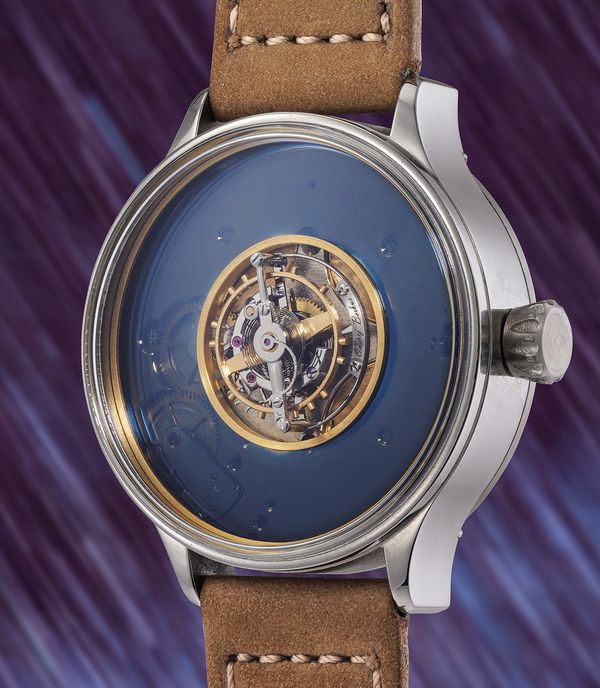
A circa 2023 Ondřej Berkus Remontoire Dead Beat Seconds Central Tourbillon in titanium that sold for CHF 69,850 at the Phillips Decade One (2015-2025) auction in Geneva, in November 2025.
Why did you decide to move to Italy?
OB: My wife and I always talked about retiring here, but we didn’t want to wait. We were building a house near my parents, but it became so expensive in Czechia after COVID, so my wife suggested we move to Italy sooner than expected.
We packed up the workshop and the horses, bought a place here, and never looked back. People are nicer here – more sun helps.
What are your plans for the future? Do you ever think about scaling up?
OB: I’m in a happy place right now. I'm the boss, but I'm also the cleaning lady. I’ve had a few interns, I’ve had an employee that I trained – it doesn’t work. No one will out-work me.
If I scaled up and made more watches, I’d lose my bench time and end up as a supervisor. I like being at the bench. I have personal relationships with my clients. The only reason to scale up is to make more profit – and what would I do with more money? I'd just do more stupid stuff.
The only person I’ll “hire” is my wife. She already does all the black polishing – she's much better at it than I am. I give her an "allowance" instead of a paycheck or salary, so there’s no pressure either way. It keeps us married.
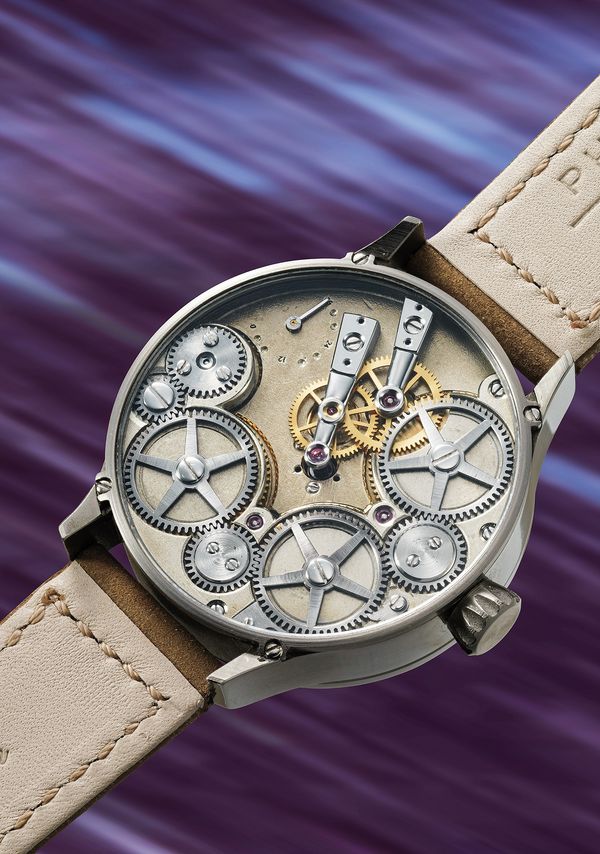
A circa 2023 Ondřej Berkus Remontoire Dead Beat Seconds Central Tourbillon in titanium that sold for CHF 69,850 at the Phillips Decade One (2015-2025) auction in Geneva, in November 2025.
How many watches have you made in your career so far?
OB: I actually have no idea – maybe around 60? Under 100 for sure. I’m not counting parts; I’m just having fun.
You can view the complete Phillips New York Watch Auction: XIII auction catalogue here.