Article | In Conversation With Greg Wooten
Design on Vinyl
Los Angeles-based dealer, author, and DJ Greg Wooten shares his favorite record covers featuring iconic 20th century Design.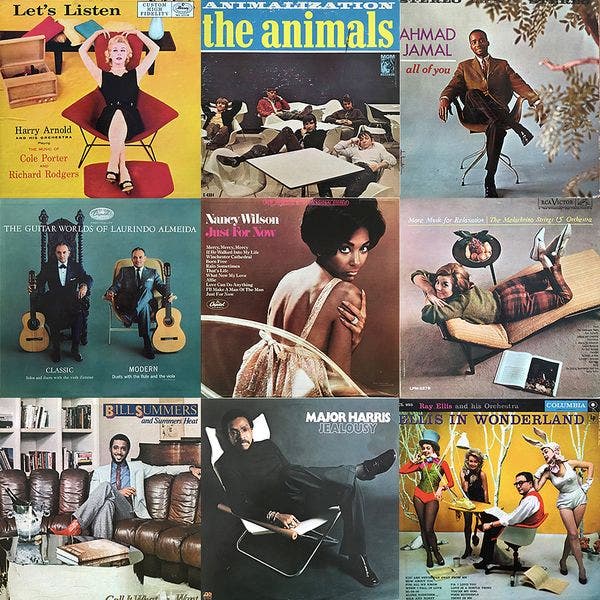
A fixture within the Los Angeles Design community, Greg Wooten, who, along with business partner Lorca Cohen, runs The Window on Melrose Avenue, has been a collector of 20th century design for decades. Wooten is also known by his DJ alterego Uncle Power, and his collection extends beyond design into vinyl records. Last year, he published the book Marred For Life! (J&L Books, 2019), featuring his extensive collection of defaced album covers, for which he received praise from Pitchfork and was showcased in international exhibitions. Here, Wooten talks with LA-based Senior International Design Specialist, Meaghan Roddy, about another aspect of his record collection: album covers featuring 20th century design.
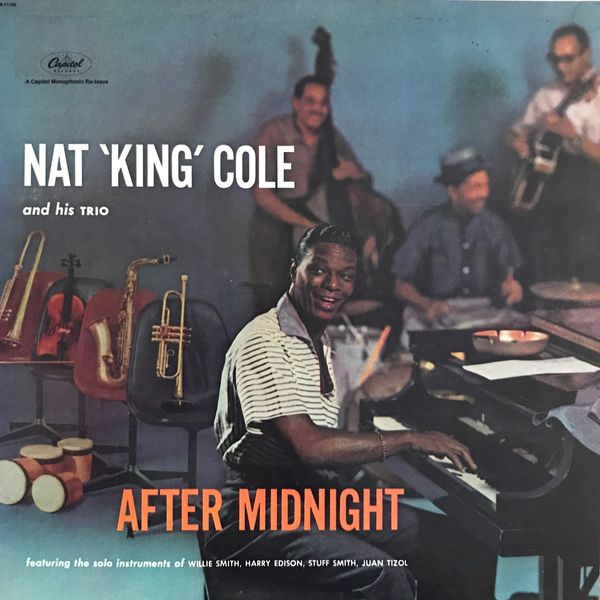
Ray and Charles Eames chairs, model no. PSC-1, designed 1961.
Meaghan Roddy: Which came first – your design collecting or your record collecting? And how did you even start?
Greg Wooten: I’ve been a collector, as far back as I can remember – rocks, coins, baseball cards, Hot Wheels – and then records, which I dove deeply into collecting as I began exploring music and started playing in bands in Cleveland, Ohio. I was digging through dollar bins when I was 15, looking for rare albums and even setting up and selling at record fairs as a teenager. My design obsession hit me later on, in my 20s, when first visiting New York City and stumbling upon The Machine Age in America show at the Brooklyn Museum in 1986. A taste of Donald Deskey and Paul Frankl gave me the bug real bad, and I was suddenly scouring the thrift shops in Cleveland for streamlined irons and tubular chrome furniture. Records came back full-swing to me eventually, after years of cultivating my 20th Century design knowledge and business, though I did have a few record dealers at the NYC flea market holding what they thought were "modern covers" for me. When I moved to Los Angeles nine years ago, my record collecting passion unexpectedly re-emerged after making friends with some record dealers at the flea markets and record stores. It was quickly apparent to me that Los Angeles is a really fantastic town for unearthing vinyl treasure.
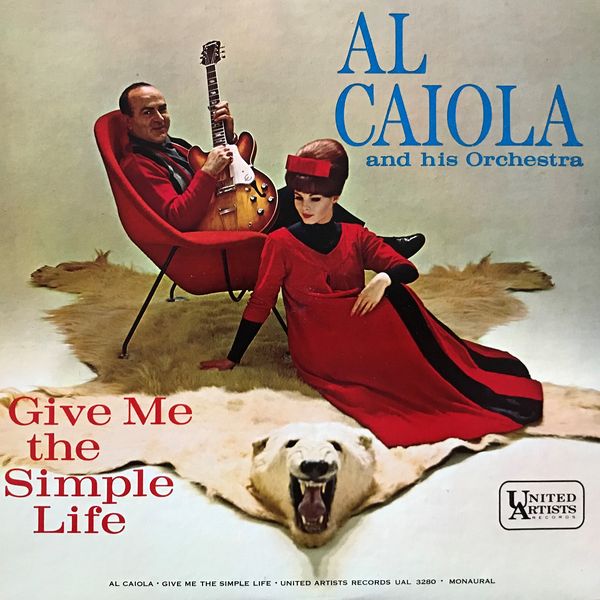
Eero Saarinen, “Womb” chair, designed 1946.
MR: What do you know about the history of 20th century design objects being used in these photo shoots for record covers? Was somebody at these record companies a design collector? Were the musicians into design?
GW: I’ve tried to specifically research the process which enabled so many modern design classics to find their way onto record sleeves. However, there’s not a lot of information available. It appears this was primarily in the hands of various art directors at record labels, as well as some photographers having a penchant for modern design as visually alluring props. I also found a little information suggesting that companies like Herman Miller and Knoll were encouraging photographers and creative directors to use their latest designs, in hopes of promoting the new, modern look. For some reason, Nancy Wilson who was a Capitol Records artist throughout the 1960s, was often shown on her album covers sitting in various pedigreed pieces of modern furniture. I’d love to know if Nancy was actually a fan, or just went along for the ride!
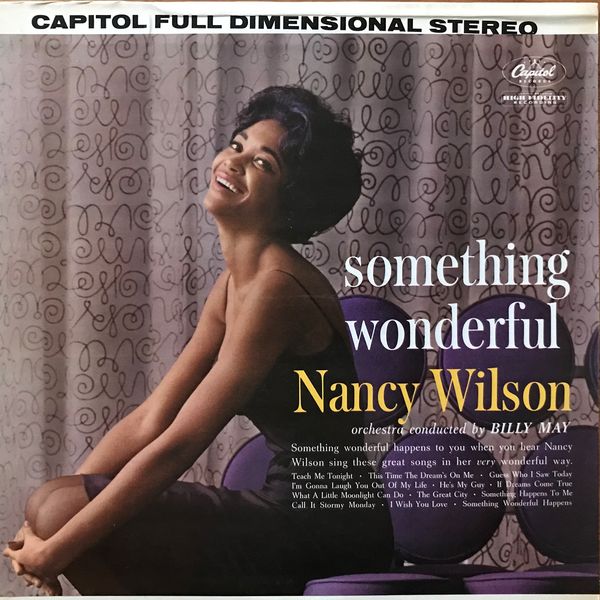
George Nelson, “Marshmallow” sofa, designed 1956. Alexander Girard, “Names” textile, designed 1957.
Editor’s Note: Amy Auscherman, Head of Archives and Brand Heritage at Herman Miller presents an additional theory as to how 20th century design landed on so many album covers: “In the Herman Miller Archives, album covers featuring our product have been added to the collection over the years. My favorite is Nancy Wilson’s Something Wonderful, which shows her perched on a purple Marshmallow Sofa in front of Alexander Girard’s Names textile. I’ve found no hard evidence, but a guess for why these iconic furniture pieces made their way onto popular album covers is the work of public relations guru Elaine Sewell Jones. She was Herman Miller’s longtime communications consultant and one of the best in the design industry. She also worked with Alexander Girard to promote the opening of the restaurant he designed in the Time-Life Building, La Fonda del Sol. La Fonda’s interior was used as backdrop for a handful of jazz album covers by the likes of Perez Prado and Gary McFarland. To me, Elaine is the common thread, and I would venture to guess that she had connections in the entertainment industry to get these stylish product placements.”
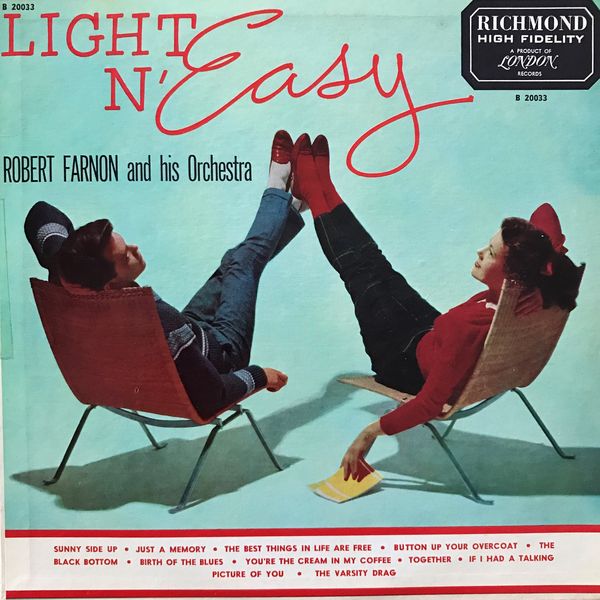
Poul Kjærholm, Pair of lounge chairs, model no. PK 22, designed 1956.
MR: How do you amass a collection like this? Are you doing all the legwork or do you have helpers?
GW: I spend a lot of my free time hunting for records. I have an extensive collection of jazz, rock and experimental music rarities and also built a large sub-collection of “defaced” album covers, which were published in a book last year called Marred For Life!. I’ve made many friends in the record scene, locally and even internationally, and several dealers keep their eyes peeled for me, knowing about the specific collections I’m building. But in terms of the modern design covers project, I’ve mostly been on my own. There just aren’t a lot of record heads who are also familiar with the modern design world; I’m a bit of an anomaly, in that I wear both hats. With all due respect, a pair of Poul Kjærholm chairs on an LP cover means absolutely nothing to virtually all the vinyl collectors I know!
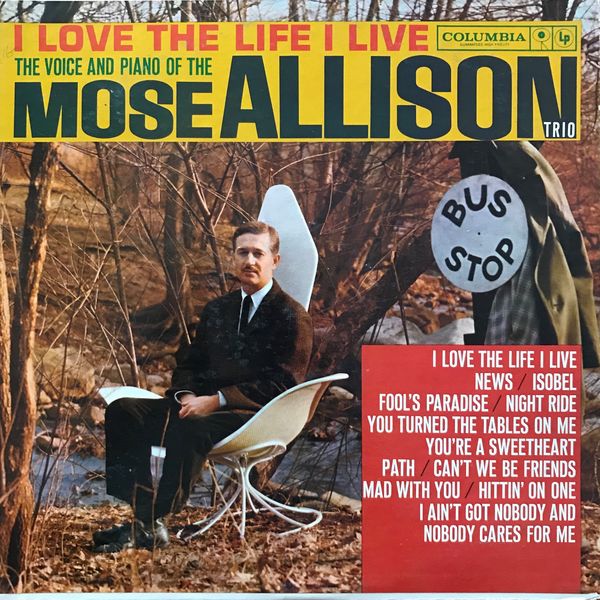
Erwine and Estelle Laverne, “Tulip” chair, model no. 120-LF, designed circa 1960.
MR: What criteria do you consider when deciding if a particular modern design album cover "makes the cut?”
GW: I have some parameters that I apply when deciding if a record is going to join the collection. The furniture shown on the cover needs to be by a known designer or manufacturer and under the broad umbrella of 20th Century Design – generic mid-century modern doesn't cut it. Usually, it's something I recognize but if it's really interesting and feels like it might be documentable (but I don't personally know the work), I'll pick it up and try to have one of my academically savvy design friends assist.
Typically, an actual piece of furniture is shown on a photographic cover, but I have also included sleeves with illustrations of pedigreed pieces. There are loads of LP jackets with strong modernist graphic design, especially in classical records, but that's another project!
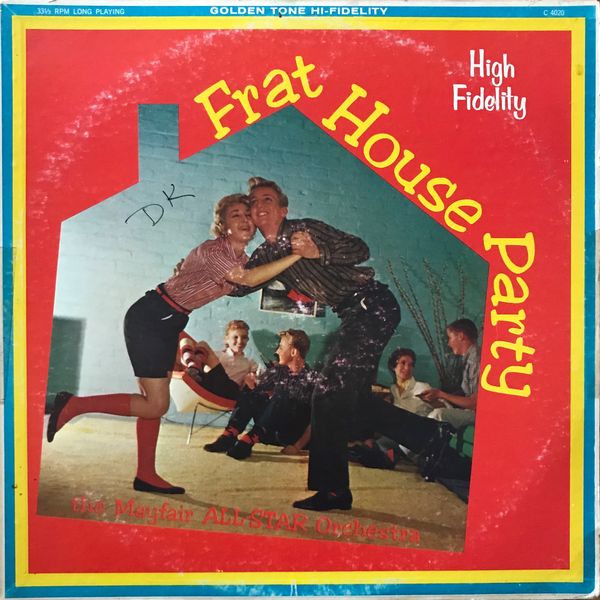
George Nelson, “Coconut” chair, designed 1955.
MR: Which would you consider your greatest or most thrilling find so far?
GW: I have a few favorite finds that leap to mind: discovering Frat House Party by The Campus All-Stars, which shows a George Nelson Coconut chair in the background, was a really exciting score. And though not terribly rare, the purple Marshmallow sofa seen on Nancy Wilson’s album Something Wonderful has always been one of my favorites.
MR: What is the most common design object or designer you come across in your record collecting?
GW: The Eameses definitely win the most commonly used designer award. There are literally dozens of different records exhibiting their various chairs – sometimes prominently featured and other times, just a peek of a “dome of silence!” Eero Saarinen, specifically with his Womb chair, probably wins the Silver.
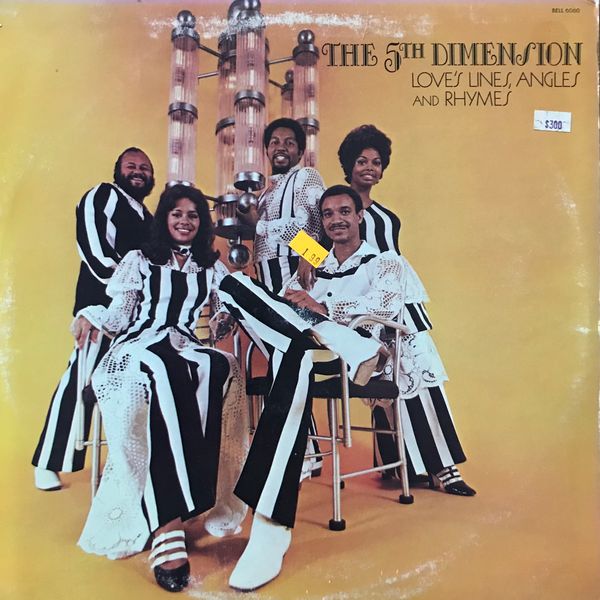
Warren McArthur, Pair of armchairs, designed circa 1935.
MR: Is there a holy grail that you know of but haven’t laid your hands on yet (if you dare to share)?
GW: There isn’t a specific grail that I’m aware of, that I haven’t been able to source, though I'm sure there are discoveries to be made. The global online sites for records allow almost anything to be acquired, it's just a matter of knowing it exists. And fortunately, most of the design covers I’m hunting for, or randomly discover, aren’t particularly valuable or desirable in the standard collecting paradigm. Unlike a Free Jazz holy grail that is in great demand and therefore quite expensive, these modern design covers are largely off the radar and affordable. I’m starting to explore records from other parts of the world too, in hopes of maybe finding an Indian record with some Pierre Jeanneret Chandigarh chairs on the jacket! It’s fun to fantasize about what design icon might be lurking in an unlikely place. But unlike other genres of collecting, there just isn’t a playbook of what to look for. I have to just keep flipping through the physical and virtual bins, hoping for a fresh discovery. I’ve recently started to open up the parameters a little bit, to include new but related territory: record covers featuring modern painting and sculpture. It’s fun to let the obsession expand!

Modern Design: Greg Wooten's Playlist
