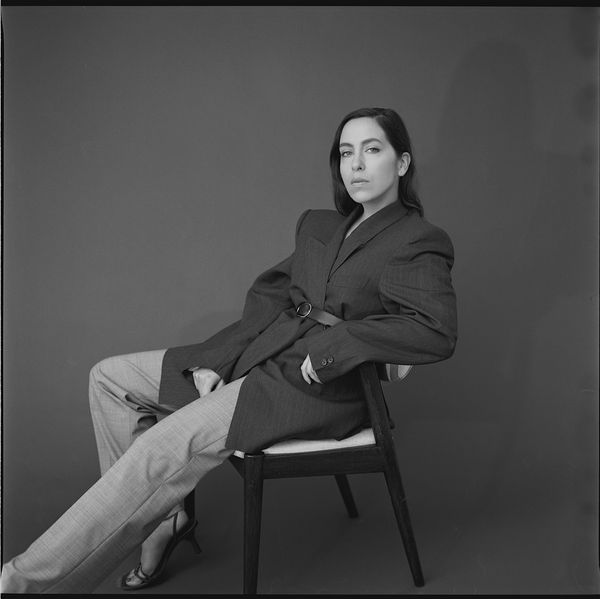
Fiona Dinkelbach.
German art historian, writer, and photographer Fiona Dinkelbach is the founder and editor of The Dashing Rider. The digital publication explores Dinkelbach’s interdisciplinary interests, ranging from modern art to architecture and contemporary photography. Here, she shares her tips for an artful Berlin visit and shows us the images she captured along the way.
WHERE TO DINE
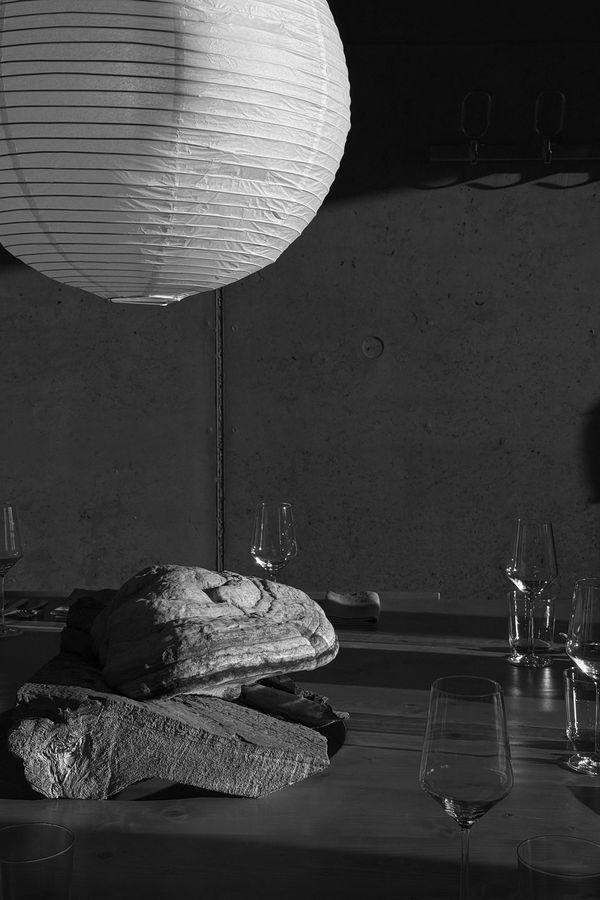
Aerde restaurant in Berlin. Photograph: Fiona Dinkelbach.
Berlin’s gastronomy is as cosmopolitan and diverse as the city itself. One of my recent discoveries and absolute favorites is the Kreuzberg-based à la carte restaurant Aerde. With its small dishes intended for sharing, the restaurant focuses on regional and seasonal cuisine with a focus on home-grown and fermented products. Classic dishes are interpreted in a modern, experimental, and down-to-earth way with a focus on nature and the forest. A look at the drink menu is also a must: in addition to classic wines, the homemade non-alcoholic options are highly recommended. The minimalist interior of warm terracotta and earth tones, as well as custom-made wooden furniture, uniquely complements the overall natural concept.
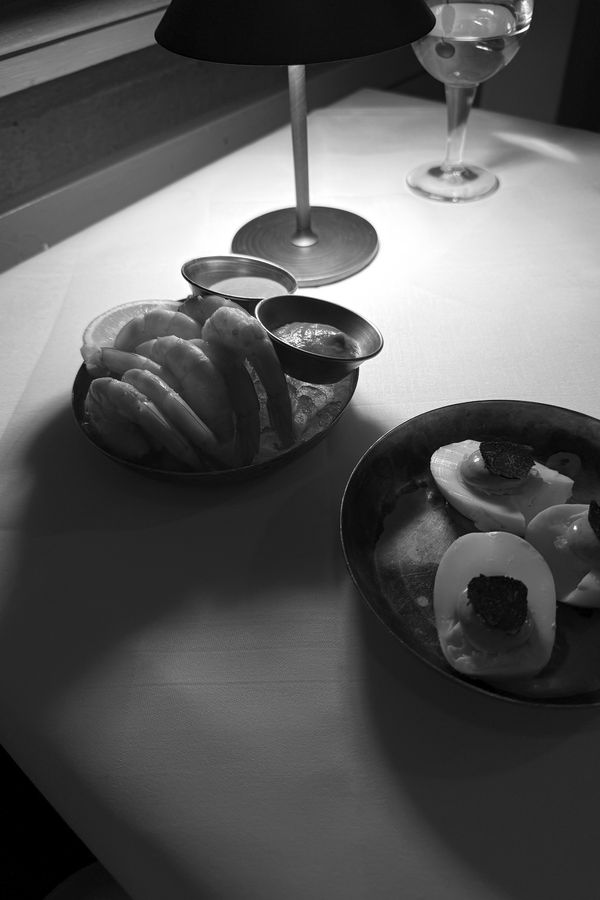
Bostich restaurant in Berlin. Photograph: Fiona Dinkelbach.
The restaurant Bostich on Ludwigkirchstraße offers typical French bistro cuisine with a slight Swiss touch — a bit of Belle Époque, a bit of Art Deco. The menu includes seafood and meat, but also, for example, a truffle risotto and sandwiches. Of course, classics such as a shrimp cocktail and Fines-de-Claire oysters are essential. It’s a casual spot in a pleasant bar atmosphere, like a piece of Paris in Berlin.
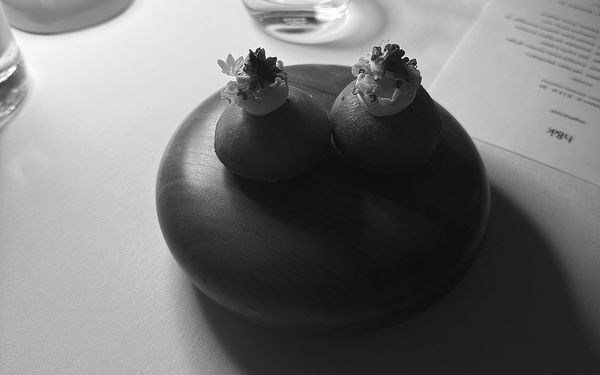
Hallmann & Klee restaurant in Berlin. Photograph: Fiona Dinkelbach.
Opened in 2016 as a brunch restaurant, Hallmann & Klee has undergone an exciting transformation and is now one of the premier and most interesting fine dining spots in Berlin. The Michelin-starred restaurant under the direction of chef Sarah Hallmann is characterized by a minimalist handcraft, both in its dishes and in the design of the restaurant. The warm wooden tones of the interior combined with the excellent service create a welcoming atmosphere. Hallmann finds inspiration for her dishes all over the world without losing sight of seasonality and regionality. Expect surprises.
WHERE TO REST
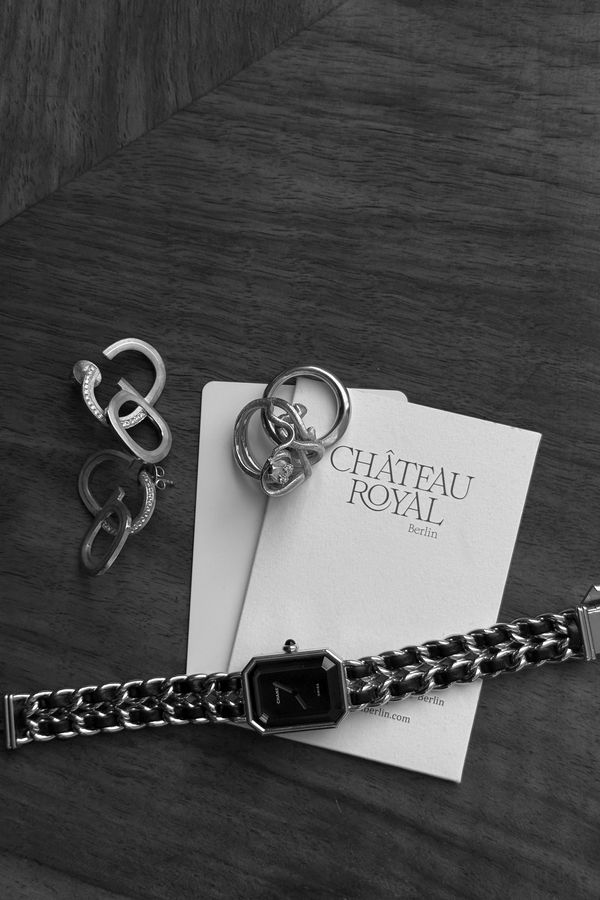
Hotel Château Royal in Berlin Mitte. Photograph: Fiona Dinkelbach.
My absolute top recommendation for a restful night’s sleep in Berlin is the Hotel Château Royal in Berlin Mitte, which is certainly known to connoisseurs of the restaurant Grill Royal (always worth a visit, by the way). The interior and design concept by Irina Kromayer skillfully uses integrated wooden elements, brass and nickel details, as well as relaxed beige tones to combine upscale design with Berlin’s history. Art plays a key role at the Hotel Château Royal: Each of the 93 rooms and suites is furnished with a specially selected work of art by contemporary artists, such as Alicja Kwade, Julian Charrière, and Damien Hirst.
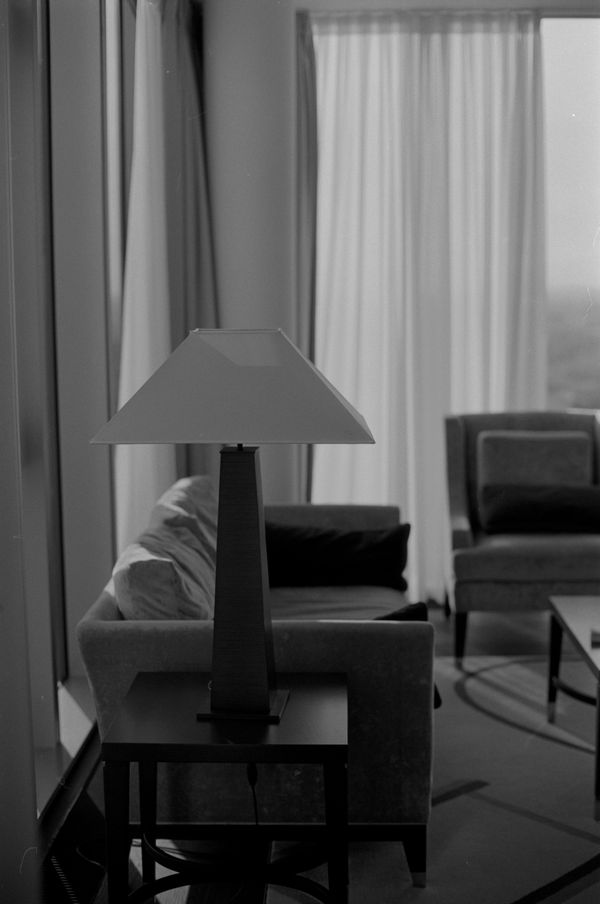
Waldorf Astoria, City West, Berlin. Photograph: Fiona Dinkelbach.
If you like traditional luxury, I recommend the Waldorf Astoria in City West. Modern furnishings, floor-to-ceiling windows, marble bathrooms, and an elegant color palette in beige and sand tones make the Waldorf Astoria ideal for relaxing nights and a break between activities. Rounded off with a Guerlain Spa and numerous bar and restaurant concepts, the hotel is the ideal place to recharge your batteries.
LUXURY SHOPPING
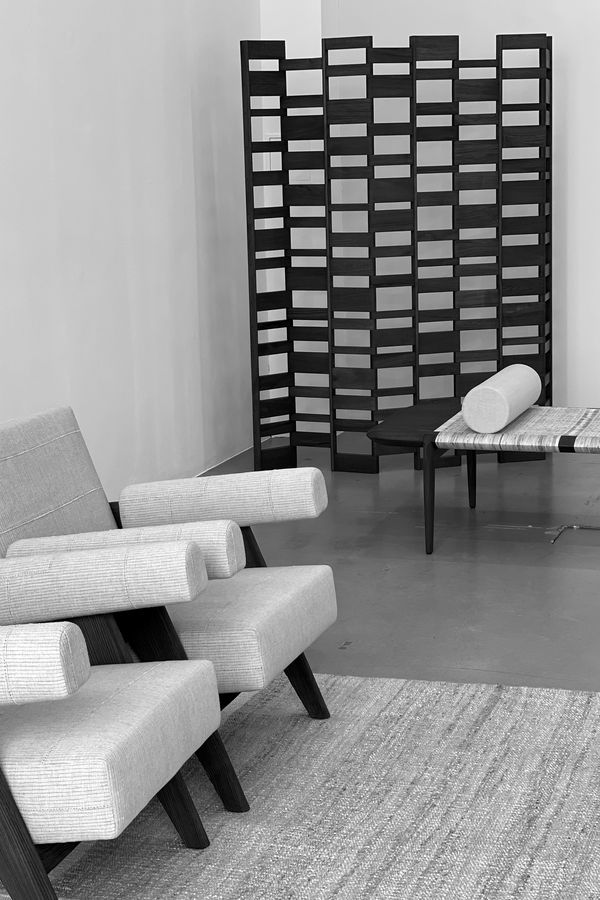
Andreas Murkudis in Potsdamer Straße, Berlin. Photograph: Fiona Dinkelbach.
Andreas Murkudis, run by the owner of the same name, is probably the most iconic concept store in Berlin. He shows a carefully curated selection of unique brands with a focus on minimalism, quality, and lasting value. The gallery-esque space on Potsdamer Straße displays fashion as well as a collection of design, objects, beauty, and furniture.
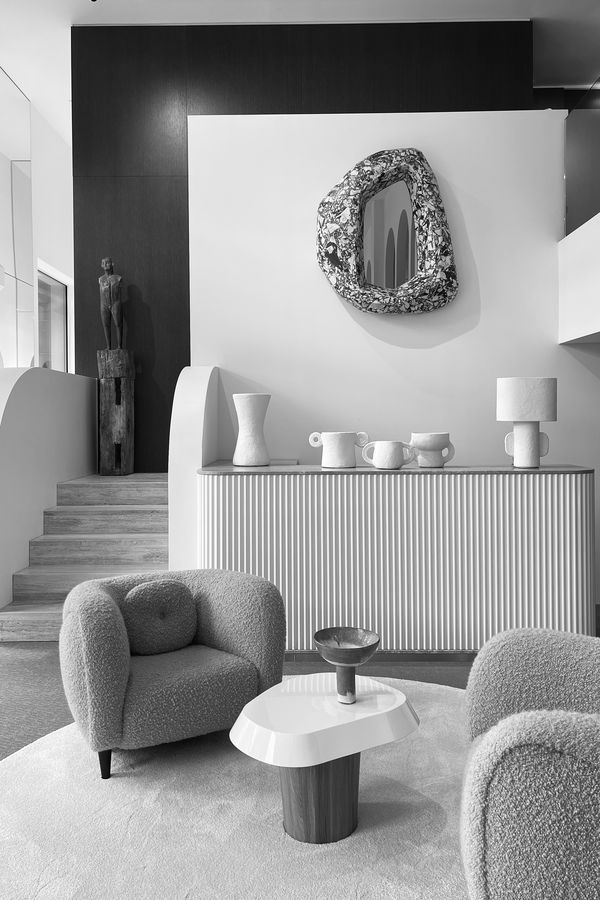
The Square on Französische Straße, Berlin. Photograph: Fiona Dinkelbach.
In the heart of Berlin at Gendarmenmarkt, on Französische Straße, The Square (formerly The Corner) has been open since 2008. Discover iconic luxury brands such as Celine, Bottega Veneta, Saint Laurent, and Dior in over 700 square meters of space inside a renovated 19th-century building. Designed by Parisian studio Pierre Augustin Rose, with elegantly curved walls and sophisticated furnishings, the store is reminiscent of a luxurious apartment. In addition to fashion, you can also discover furniture, lighting, and décor, such as tableware by Ann Demeulemeester.
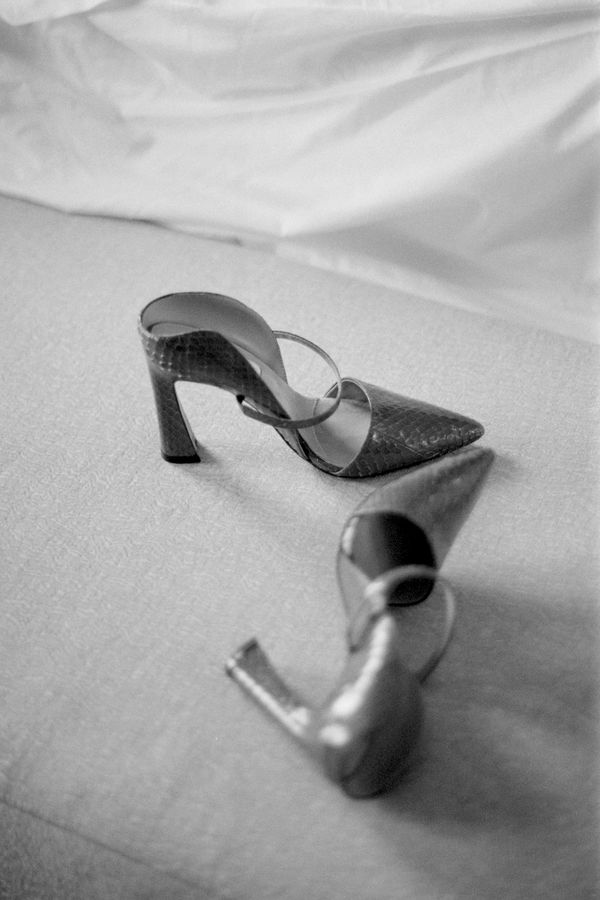
William Fan on Große Hamburger Straße, Berlin. Photograph: Fiona Dinkelbach.
What would a Berlin guide be without a Berlin designer? I highly recommend a visit to William Fan’s store on Große Hamburger Straße. The visionary designer Fan combines Chinese influences with European couture in his designs. The gender-neutral pieces are not only sophisticated but also unique and timeless — a signature that is instantly recognizable. William Fan’s range includes ready-to-wear, bags, accessories, and shoes, as well as furniture and ceramics.
ART DISCOVERY
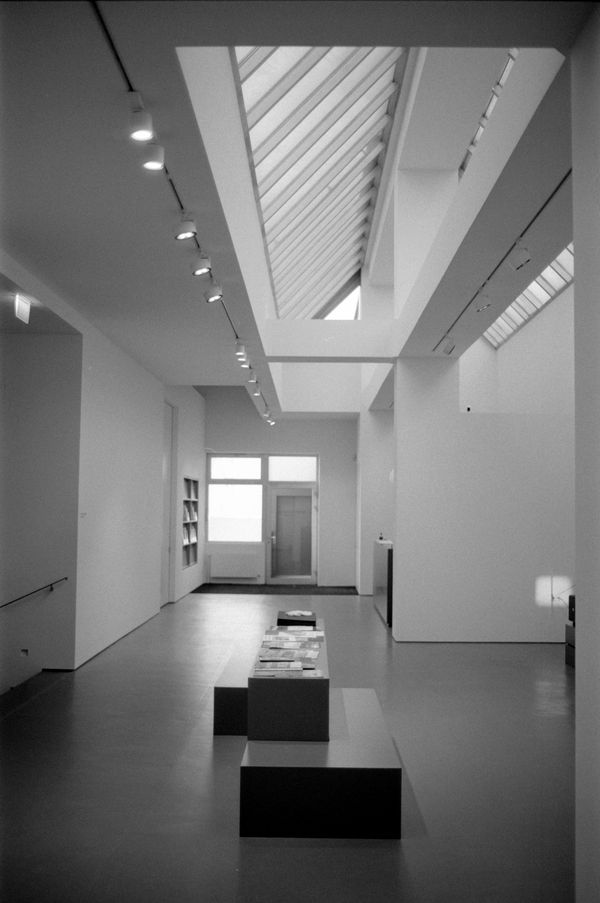
Esther Schipper gallery. Photograph: Fiona Dinkelbach.
Of course, there is no way around Esther Schipper in Berlin. The gallery, which relocated completely to Berlin in 1997 (it opened in Cologne in 1989), can be found in a spacious former printing factory building on Potsdamer Straße, designed by Selldorf Architects. Under the direction of Esther Schipper, the gallery presents over 40 internationally renowned artists and estates, including Hito Steyerl, Pierre Huyghe, and Roman Ondak, with a focus on cross-media installations, sculptures, and conceptual art. In addition, Galerie Esther Schipper is a co-founder of Gallery Weekend Berlin and is characterized by conceptual spatial experiences and an innovative, internationally networked exhibition program.
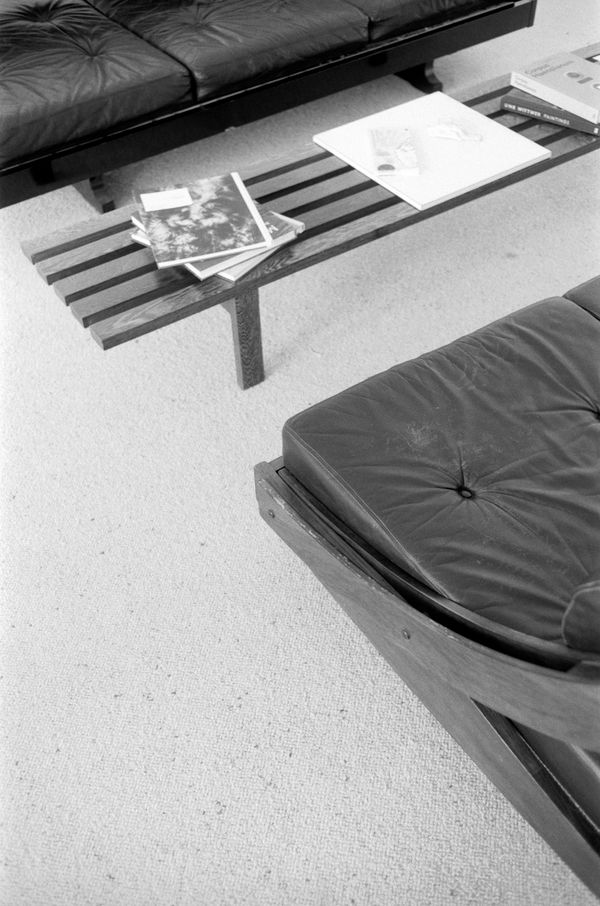
Galerie Judin. Photograph: Fiona Dinkelbach.
Galerie Judin was founded in 2003 in Zurich by Jürg Judin and has been based in Berlin since 2008. The nine-meter-high, daylight-flooded halls are considered one of the most appealing exhibition venues in the city. In 2007, the gallery acquired a disused petrol station in Schöneberg from the 1950s, which was restored and became an important part of its social DNA (and is also worth a visit). The gallery represents international contemporary artists such as Adrian Ghenie, Tom of Finland, Cornelia Schleime, Uwe Wittwer, Hortensia Mi Kafchin, and Eugen Schönebeck.
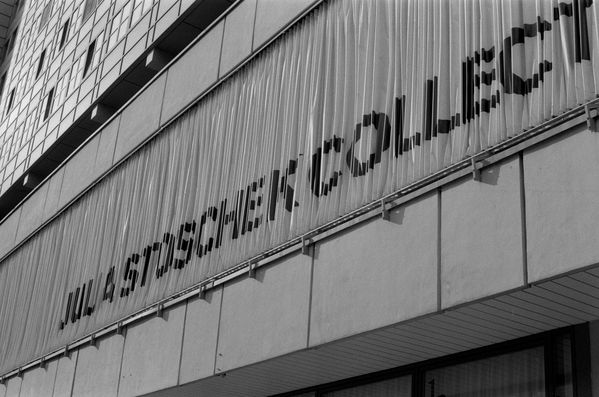
The Julia Stoschek Collection Berlin. Photograph: Fiona Dinkelbach.
The Julia Stoschek Collection Berlin is one of the world’s leading institutions for time-based media art. With its generous space, strong focus on research and education, and outstanding collection, it is important for the cultural scene in Berlin and internationally. Today, the collection contains around 900 works by about 300 international artists, from the 1960s to the present day.
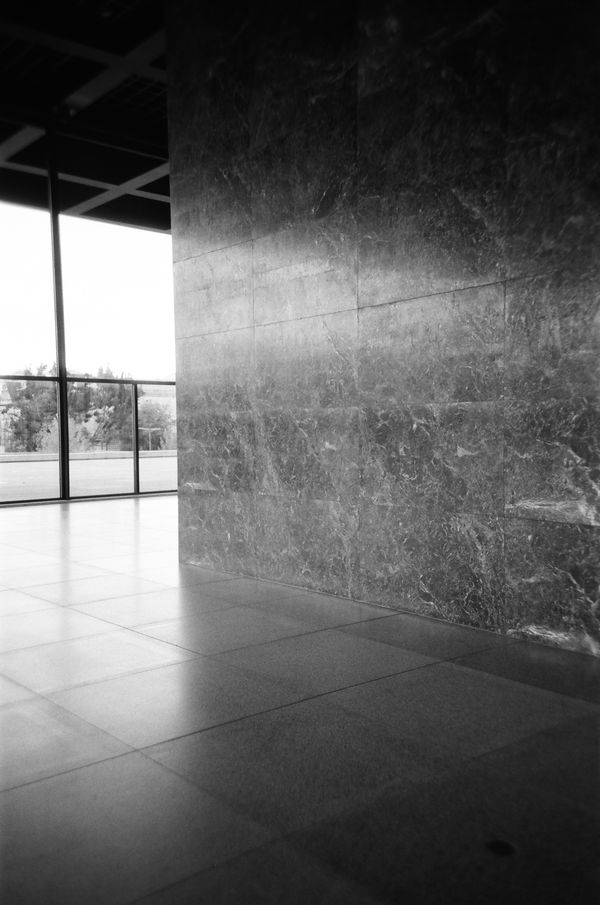
Neue Nationalgalerie, Berlin. Photograph: Fiona Dinkelbach.
An absolute favorite of mine in Berlin is the Neue Nationalgalerie, a true icon of modernism and a landmark in architectural history. Opened in 1968, the building was designed by Ludwig Mies van der Rohe and has recently been extensively restored by David Chipperfield Architects. The collection focuses on works of classical modernism up to the 1980s, including works by Picasso, Miró, Klee, and Kandinsky. The sculpture garden with works by Alexander Calder, Eduardo Chillida, Henry Moore, and Richard Serra is also worth a visit.
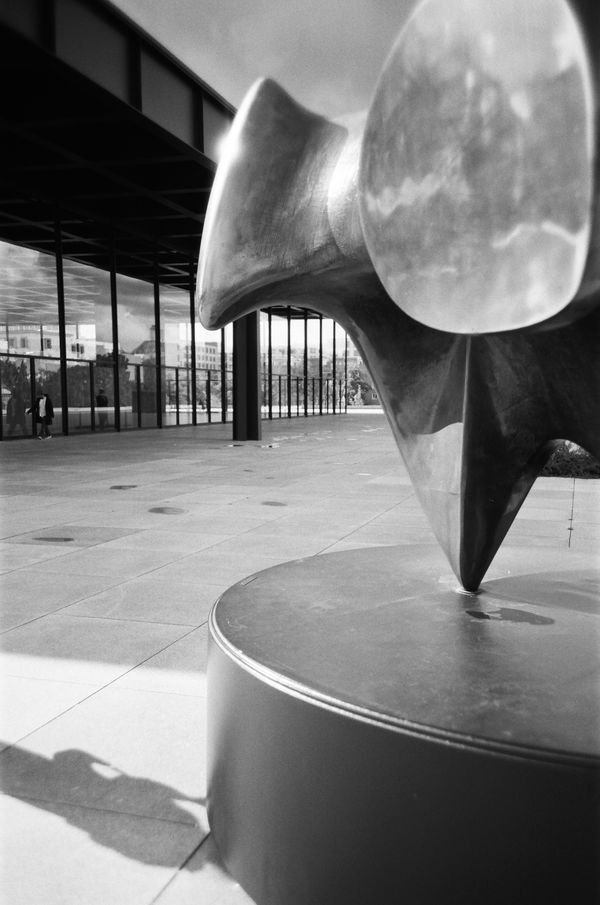
Neue Nationalgalerie, Berlin. Photograph: Fiona Dinkelbach.
—Written by Fiona Dinkelbach
Discover more from Phillips Editorial >