Article | Rolex Slash Patek In Japan
The History of Patek Philippe and Rolex in Japan
A brief look at how the two giants of Swiss watchmaking have cultivated a passionate following in the Land of the Rising Sun.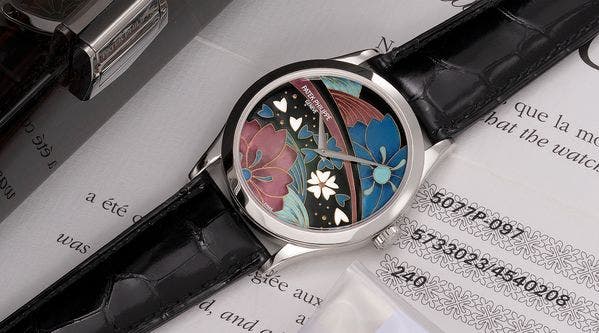
Japan’s place as one of the most sophisticated and passionate watch markets is undisputed.
Often considered enigmatic from the outside, Japan’s community of watch enthusiasts has been deeply influential in shaping global trends. Rolex and Patek Philippe, two of the biggest names in Swiss watchmaking, each share a long, distinct history with Japan.
And though the Japanese approach to collecting may differ from Western norms, it’s undeniable that their collective eye for quality, aesthetics, and unique craftsmanship has, in no small part, sculpted the landscape of high-end watch collecting.
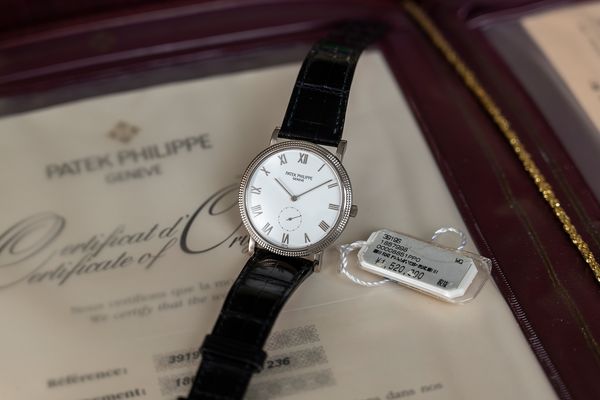
Lot 10: A Japanese-market exclusive Patek Philippe Calatrava ref. 3919SG-001, circa 1999, available in our TOKI thematic auction. Estimate: HKD $78,000 - 120,000
The origins of Japan’s fascination with luxury timepieces reach back decades, beginning with the post-war economic surge in the mid-20th century. This period gave rise to a new affluent class, one that held an appreciation for fine craftsmanship – undoubtedly a reflection of Japan’s own rich tradition of artisanal skill. This reverence for mastery across generations, whether in watchmaking or blade-forging, nurtured a particular appreciation for precision that extended naturally to the art of watchmaking.
Perhaps most notably, Japan was a pioneer in vintage Rolex collecting. Rolex’s Bubbleback, a distinctive design in its own right, became an early icon for Japanese collectors, with the market for Bubblebacks growing in the 1980s and ‘90s. Japan’s preference for smaller case sizes, coupled with the design’s unique range of dials, drew attention to the Bubbleback, sparking an international trend.
Auction records of the era reveal the remarkable influence of this early Japanese trendsetting, as prices for Bubblebacks surged globally, outpacing even models like the Daytona and Submariner, which would later become international icons in their own right.
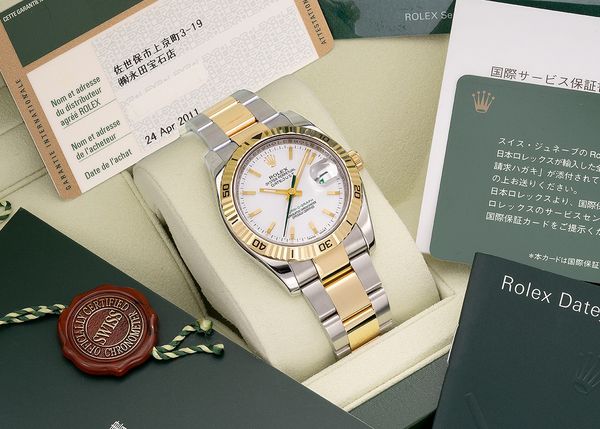
Lot 14: A Japanese-market exclusive Rolex Datejust Turn-O-Graph, in two-tone, circa 2005, that's included in our upcoming TOKI thematic auction. Estimate: HKD $78,000 - 160,000
In parallel, Patek Philippe also cemented a lasting relationship with Japan. Known for its dedication to preserving traditions within a family-run model, Patek’s ethos aligns seamlessly with Japanese values, creating a strong, mutual respect. As early as the 1950s, Patek’s executives traveled to Japan to engage directly with clients, a testament to the importance of this market. Over time, Patek released various Japan-exclusive editions, such as the Calatrava Ref. 3796 and the Aquanaut 5066 with a blue dial. These designs embodied Japanese preferences – slightly smaller case sizes, understated aesthetics, and harmonious proportions.
Patek Philippe’s relationship with Japan reached new heights with its exhibitions, particularly the “Beyond Generations” showcase in 2004 and the recent 2023 “Watch Art” Grand Exhibition in Tokyo.
The 2023 event was an immersive experience, bringing the essence of Patek’s Geneva headquarters to Japan and offering a close-up look at timepieces rarely seen outside Switzerland. With over 60,000 visitors, this exhibition highlighted Japan’s ongoing fascination with Patek Philippe, an enthusiasm fueled not only by the brand’s technical prowess but also by its craftsmanship in Rare Handcrafts.
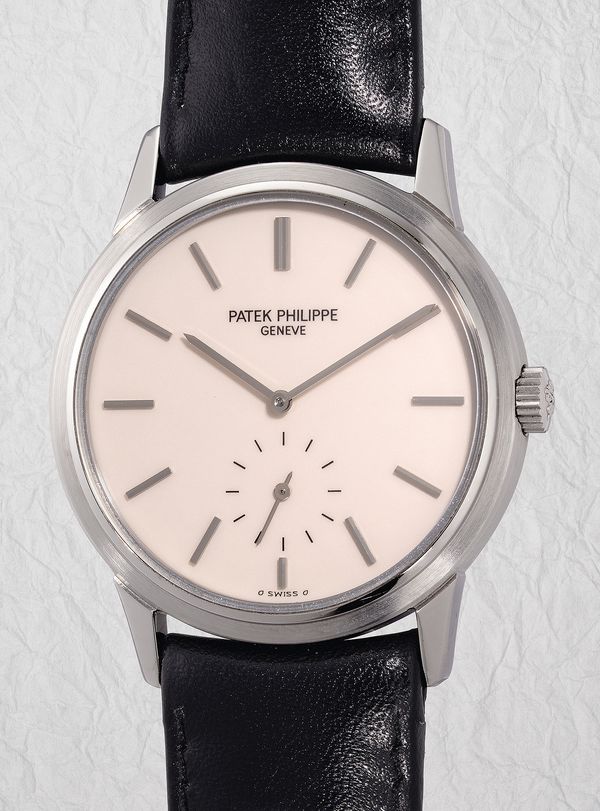
Lot 8: A Japanese-market exclusive Patek Philippe Calatrava ref. 3718, circa 1989, in stainless steel, included in our TOKI thematic auction. Estimate: HKD $78,000 - 120,000
Rolex’s relationship with Japan remains strong, yet marked by recent policy changes that reflect the unique dynamics of the market. In November 2019, an unprecedented purchasing policy went into effect across 67 Rolex-authorized retailers in Japan. This policy, which limits customers to one Rolex professional model annually and one reference every five years, speaks to Japan’s ongoing demand for Rolex. While the policy was not instigated by Rolex directly, it underscores a collective effort by Japanese retailers to protect local collectors from an increasingly competitive global market.
For modern Japanese collectors, this policy is both a safeguard and a reflection of the watch community’s priorities. While enthusiasm for Rolex has only grown over the years, the rarity of models like the Daytona and GMT-Master II has driven demand to new heights. By enforcing these limits, Japan’s authorized dealers aim to ensure that local enthusiasts, especially newer generations of collectors, have a fair chance to secure these iconic wristwatches.
NHK’s documentary on Swiss watchmaking in the early 2000s played a critical role in fostering a love for independents in Japan, featuring artisans like Philippe Dufour alongside marquee names such as Rolex and Patek Philippe. The film resonated deeply with viewers, reinforcing an appreciation for the craft of horology and, in particular, for independent watchmakers whose meticulous work mirrored traditional Japanese craftsmanship.
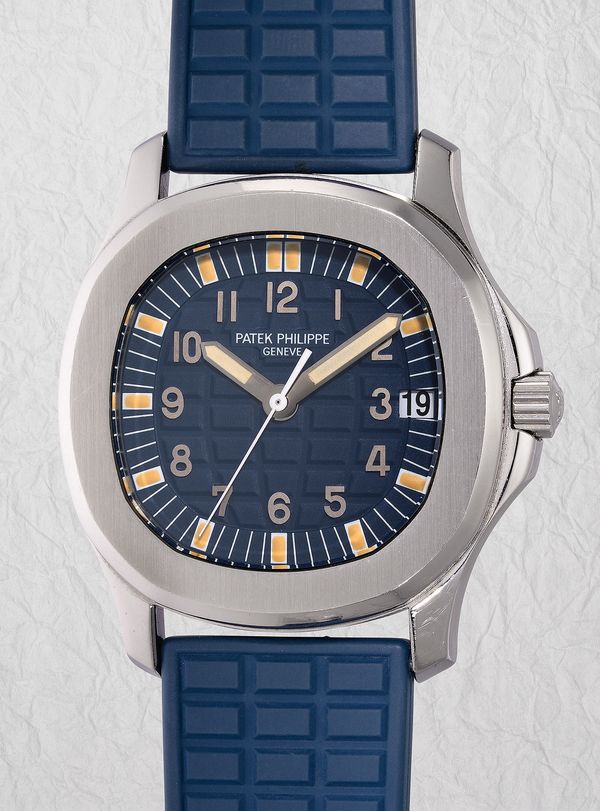
Lot 9: A Japanese-market exclusive Patek Philippe Aquanaut ref. 5066A-010, circa 1998, included in our TOKI thematic auction. Estimate: HKD $320,000 - 640,000
Japan has consistently propelled global collecting trends, from the early days of the Bubbleback to a contemporary love for independent watchmakers. The country’s horological taste continues to inspire, as evidenced by Patek’s color choice of plum, a shade deeply associated with wisdom and nobility in Japanese culture, which was a theme in last year’s grand exhibition.
Japan’s role in the horological world remains as influential as ever.
For collectors around the globe, Japanese collecting culture offers a glimpse into a community that cherishes both the rich legacies and cutting-edge innovations of watchmaking. Whether through the reverence for finely crafted mechanical marvels or the pursuit of design that speaks to both modernity and tradition, the Japanese market has built a legacy all its own.
And with every exhibition and exclusive release, Rolex and Patek Philippe continue to write new chapters in their storied relationship with Japan, a relationship that, fittingly, feels timeless.