Article | Japanese Independent Watchmaking Phillips Toki Watch Auction Hodinkee Japan
The Accelerating New Era of Japanese Independent Watchmaking
Interviews with Masahiro Kikuno, Naoya Hida, and Masa's Pastime.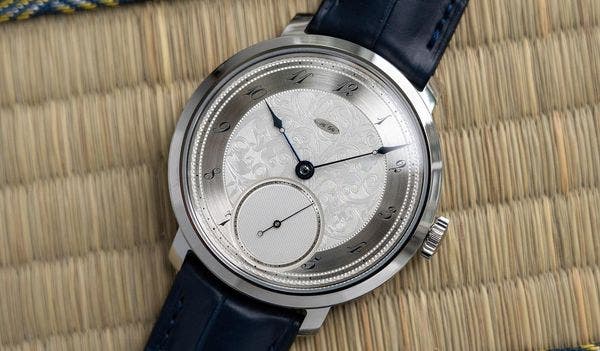
– By HODINKEE Japan
Following the resurgence of mechanical watches after the vintage watch boom, the global market underwent significant industry consolidation towards the end of the 1990s. As a result, many leading Swiss watch brands came under the umbrella of luxury conglomerates such as the Richemont Group, LVMH Group, and Kering (formerly PPR). The Swatch Group, which is primarily focused on watchmaking, followed as the largest of these entities. With the increasing platform sharing among companies within these groups, especially after 2000, mechanical watches became more standardized. However, independent watch brands, which remained outside these conglomerates, continued to pursue unique approaches to watchmaking. It was during this period that independent watchmakers—individual artisans who operated outside of any group—began to emerge. These artisans later became known as independent watchmakers, a term that gained widespread recognition with the growing awareness of the Academy of Independent Creators in Watchmaking (AHCI), founded in 1985. As the branding of independent watchmakers accelerated, some of them expanded their production to levels that exceeded the scope of a solo creator.
In Japan, awareness of independent watch brands began to grow only in the past decade. The spotlight particularly fell on independent watchmakers such as Masahiro Kikuno and Hajime Asaoka after they joined AHCI. In Japan, home to major brands like Seiko and Citizen, the term "independent" has traditionally referred to individual creators. However, in recent years, independent brands that manage watchmaking from a product manager’s perspective have started to rise. Jiro Katayama, a product designer known for his work in car design, founded Otsuka Rotec in 2012. Naoya Hida established NH WATCH in 2018, around the same time that Hajime Asaoka launched Chrono Bunkyō Tokyo. Despite being relatively new, these brands quickly gained global recognition. The success of Japanese independent watchmakers and brands on the world stage has sparked a further wave of new independent brand launches in recent years. For instance, Masa’s Pastime, known for repairing and selling vintage pocket watches, began an original watch project led by young watchmaker Nayuta Shinohara, which culminated in a product launch in 2024. The watch, featuring a dial reminiscent of vintage watches, stands out for its movement designed and manufactured by Shinohara, incorporating advanced materials developed by Japanese suppliers—showcasing a unique design philosophy and worldview.
As Japan's market for independent brands begins to thrive on the global stage, what motivates these creators, and how do they approach watchmaking? With the upcoming themed auction, we had the chance to hear directly from them.
Masahiro Kikuno: Independent Watchmaker
Q1. What inspired you to start making watches?
I first learned about the existence of independent watchmakers through an article in a watch magazine. I was deeply impressed by the idea of crafting every aspect of a watch by hand, and that’s when I decided I wanted to make watches myself. At watchmaking school, I learned repair techniques, but there was little information available on watchmaking itself, and I almost gave up due to the stark difference in resources compared to Switzerland. Then, I saw a documentary where they disassembled and studied a traditional Japanese watch from the Edo period. I was amazed to learn that in Edo-period Japan, without modern equipment or information, they made incredible watches by hand. This made me realize that I’m far more fortunate than those watchmakers of the past, and it gave me the courage to take the first step toward making my own watches.
Lot 110: A unique 2024 Masahiro Kikuno SO wristwatch in aluminum and bronze. Estimate: HKD $5,000 - 18,000. Image by HODINKEE Japan.
Q2. How has the watch market changed since you first started making watches, and what has remained the same?
In my case, since my production volume is extremely small compared to major manufacturers (I only make one watch a year), I don't need to create or market my watches with the market in mind. Therefore, I’m not well-versed in market changes, but I do sense that the demand for independent watchmakers is increasing. The spread of social media has brought makers and users closer together, making it possible to reach watch enthusiasts worldwide, as long as you can create attractive watches. This has been a significant change.
Q3. As a Japanese watchmaker or brand, what is important to you in the process of making watches?
Brands are created by people, and people are shaped by the land. Brands and their origins cannot be separated, and it’s inevitable that creators are influenced by the values of the culture in which they were born and raised. When Japanese people make watches, they inevitably become uniquely Japanese. Within this context, I focus on the allure of hand craftsmanship and the significance of making watches by myself.
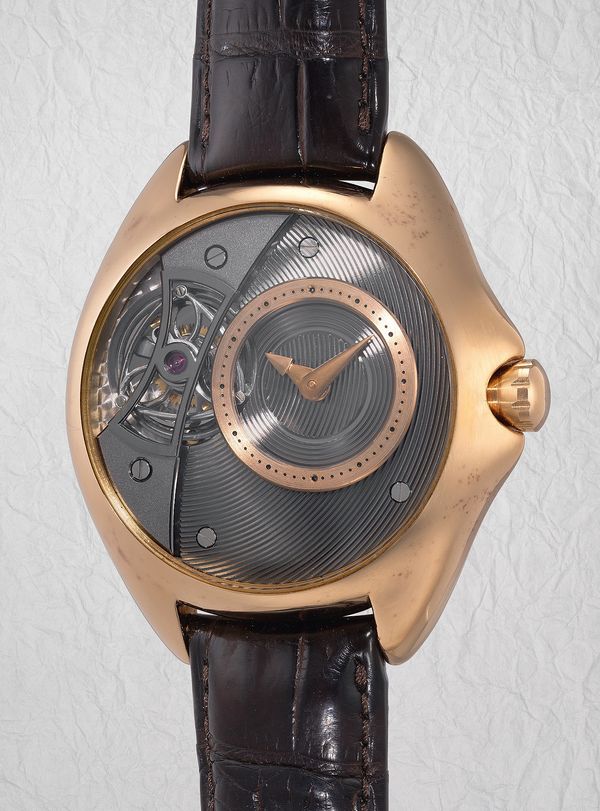
Lot 111: A 2011 Masahiro Kikuno Tourbillon 2012 in 18k pink gold. Estimate: HKD $200,000 - 400,000
Personally, I believe that hand craftsmanship as a means to pursue quality has died in the modern era. For me, making watches by hand brings meaning to life. It’s about the fleeting brilliance that can only be honed and expressed within a limited lifetime. This transience is what makes hand craftsmanship precious and attractive. I see it as a once-in-a-lifetime opportunity to create personalized watches with my skills, a unique form of hospitality.
The more a task is broken down, the simpler it becomes, making it easier to replace with machines or computers. This leads to efficient production of high-quality products. However, I believe that as the process becomes more fragmented, it becomes impossible for everyone involved to share the product’s structure, concept, or intent, making it difficult for the product to have a personality. What makes my watches special is that they are watches with my face on them. By handling many steps of the watchmaking process myself, I create works that are unmistakably unique. The ability to do many things with one body is a distinctly human and wonderful trait. I believe that when a person grows with a sense of autonomy and moves toward their goals, it brings deep meaning to life. It is because the maker feels joy and fulfillment in creating that truly attractive works come into being.
Q4. What do you think are the unique characteristics and strengths of the Japanese watch market compared to the international market?
One of the key strengths is that there is always a stable base of watch enthusiasts, even on a global scale. The fact that the market is mature and well-established is a significant feature and strength.
Lot 110: A unique 2024 Masahiro Kikuno SO wristwatch in aluminum and bronze. Estimate: HKD $5,000 - 18,000. Image by HODINKEE Japan.
Q5. What do you think is necessary for Japanese watches and watch brands to further enhance their presence on the global stage?
I believe that the mission of a brand is to offer new value. For Japanese brands to enhance their presence, it will be crucial for them to provide new, uniquely Japanese values that don't fit within the existing narrative of Swiss luxury watches.
NH WATCH: Naoya Hida
Q1. What inspired you to start making watches?
I began working in the Swiss watch industry in 1990. During that time, I had the opportunity to collaborate with several brands to design limited-edition models for the Japanese market. Although I was involved in the planning and design of some watches, they never fully reflected my own vision because they were ultimately the brand's watches, not mine. This experience sparked a desire to create a watch that embodied my ideal vision. Meeting like-minded individuals, such as watchmaker Kosuke Fujita and engraver Keisuke Kano, who shared my passion, motivated me to start making watches.
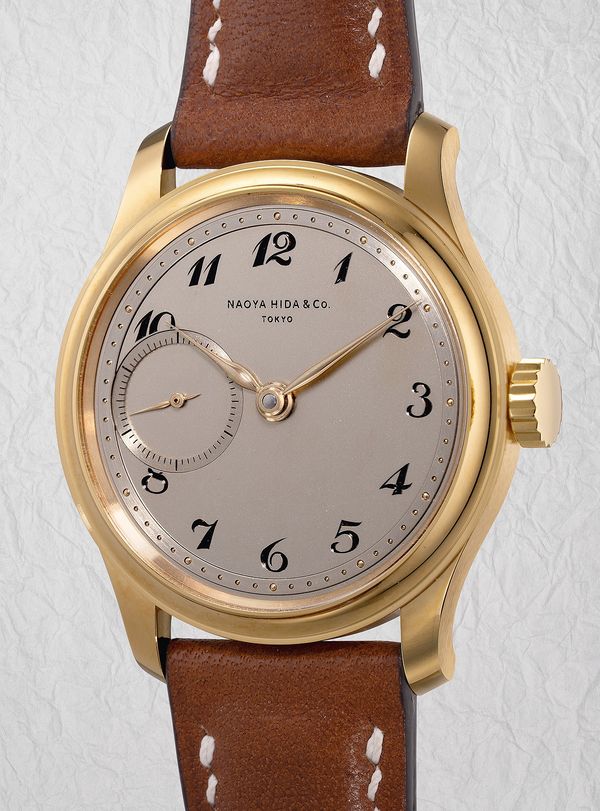
Lot 115: A circa 2024 Naoya Hida Type 1D-2 in 18k yellow gold. Estimate: HKD $280,000 - 480,000
Q2. How has the watch market changed since you first started making watches, and what has remained the same?
I feel that the preferences and tendencies of people who love classic or vintage-style watches have not changed at all since we first started making watches. On the other hand, we released our first watch in 2019, right before the COVID-19 pandemic. During the pandemic, I noticed a significant increase in the influence of social media. When we first began making watches, many companies were just starting to use social media for sales and marketing. Now, it has become an indispensable tool. As a result, I believe that younger generations are also starting to take an interest in niche watches like ours.
Q3. As a Japanese watchmaker or brand, what is important to you in the process of making watches?
What is most important to us in watchmaking is creating what we love. I always want to make what I personally like, without being swayed by market demands or trends. I never consciously thought about "being Japanese" in our watchmaking. However, interestingly, many overseas watch enthusiasts often tell us that they sense a Japanese aesthetic in our watches.
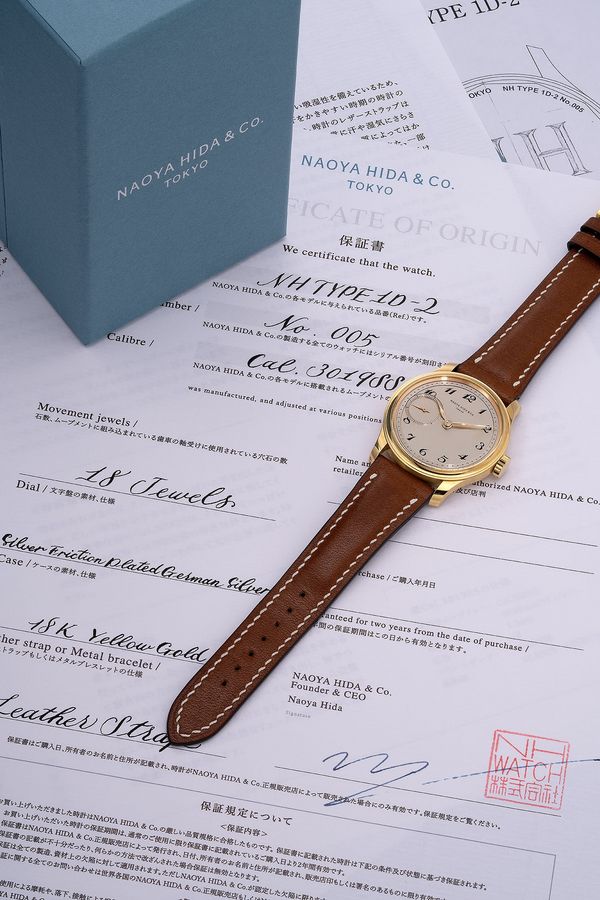
Lot 115: A circa 2024 Naoya Hida Type 1D-2 in 18k yellow gold. Estimate: HKD $280,000 - 480,000
Q4. What do you think are the unique characteristics and strengths of the Japanese watch market compared to the international market?
I think there are three main characteristics. First, many people in Japan are very particular about the design and details of old-school watches. Second, because many people handle their watches with care, the pre-owned market has a lot of watches in excellent condition. And third, there are still quite a few people who have never sold their watches, so many watches are stored away in their homes.
Q5. What do you think is necessary for Japanese watches and watch brands to further enhance their presence on the global stage?
We believe it is essential to enter the high-end segment and establish a clear identity. It is also important not to change that identity too easily.
Masa's Pastime: Masaharu Nakajima
Q1. What inspired you to start making watches?
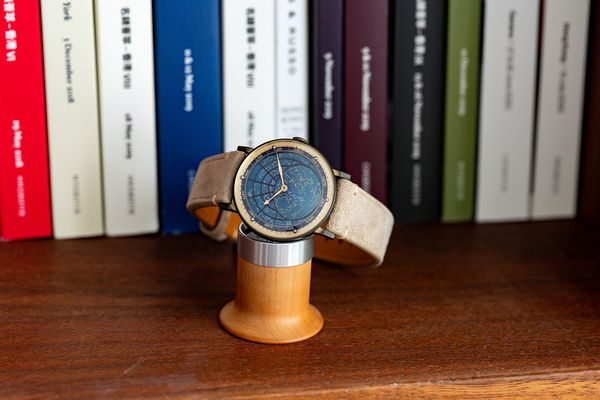
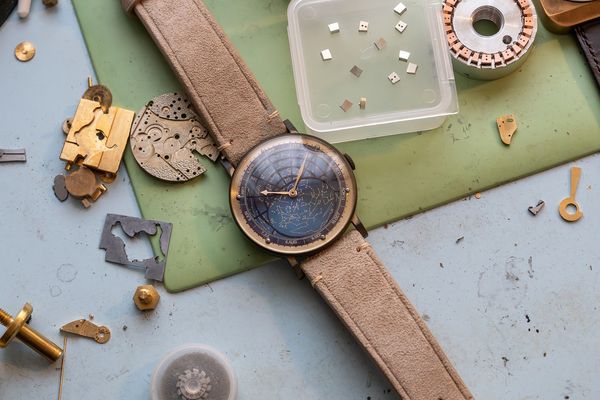
Since founding my company in 1990, I have been involved in the restoration of antique watches. Restoring antique watches, especially those with discontinued parts, required recreating components using the same methods and quality as in the original. Before I knew it, I was making almost all the parts myself. In 2013, we began leveraging this expertise to create our own watches. However, after many trials and tribulations, our first watch was finally completed in April 2024.
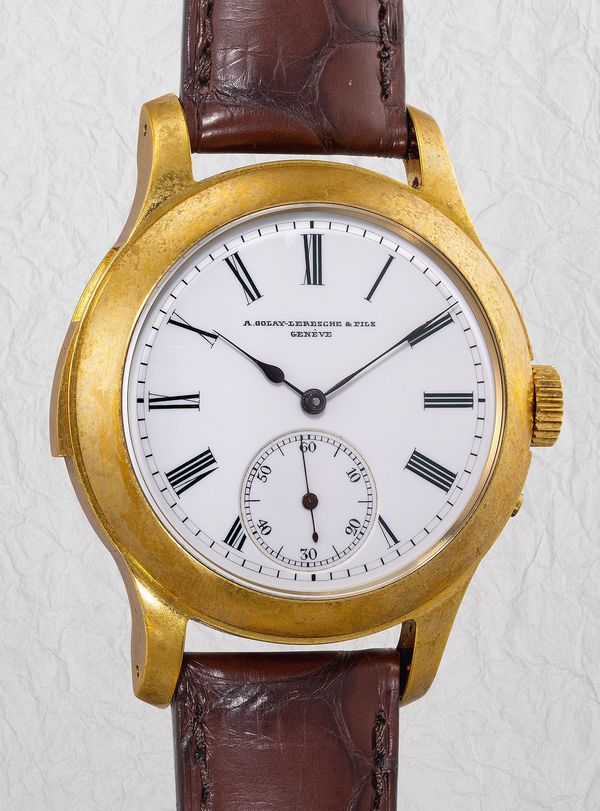
Lot 112: A unique, circa 2023 Masa's Pastime gilt brass five-minute repeating wristwatch with small seconds, enamel dial and 19th century A. Golay-Leresche & Fils movement. Estimate: HKD $200,000 - 400,000
Q2. How has the watch market changed since you first started making watches, and what has remained the same?
When we first began working on watchmaking in 2013, releasing a finished watch required exhibiting at global events like Baselworld, making it very challenging for new entrants to break into the industry. Nowadays, it's possible to release products independently and take orders using platforms like Instagram, without the need to participate in such exhibitions. I believe this is the most significant change. On the other hand, the importance of uniqueness and quality in a watch has remained constant over the years.
Q3. As a Japanese watchmaker or brand, what is important to you in the process of making watches?
As you know, the history of mechanical watches is centered in Europe and the UK, and they didn’t originate in Japan. In this sense, the structure and form of watches inevitably have a Western influence. However, in terms of finishing, design, and product concepts, we can incorporate aspects of Japanese culture. That said, if we introduce Japanese motifs too casually, there is a risk that the watch might be perceived as a "souvenir watch" for foreigners. At our workshop, we pay close attention to this issue and aim to create watches with unwavering design concepts, handling everything from design to manufacturing in-house.
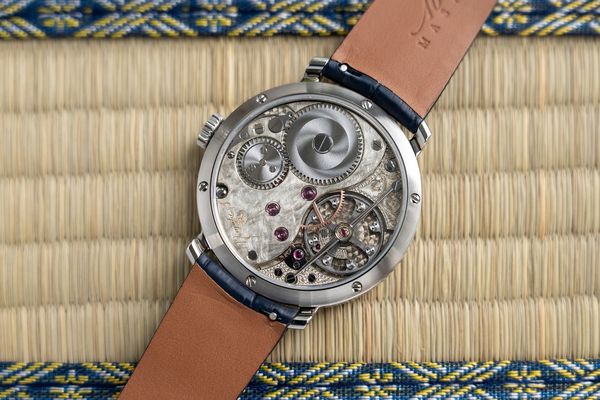
Lot 112: A unique, circa 2024 Masa's Pastime Nayuta Model A, made for TOKI. Estimate: HKD $150,000 - 300,000. Image by HODINKEE Japan.
Q4. What do you think are the unique characteristics and strengths of the Japanese watch market compared to the international market?
Currently, most of our customers are overseas collectors. So, while it’s not exactly a "strength" of the Japanese market, I do find that one of its unique characteristics is the extremely detailed and high expectations that Japanese customers have for products.
Q5. What do you think is necessary for Japanese watches and watch brands to further enhance their presence on the global stage?
Today, many independent watchmakers and brands, particularly from Europe and North America, are releasing very unique and high-quality watches, fiercely competing in the market. In this context, I believe it is becoming increasingly important to remain committed to creating high-quality watches with unique concepts that are understated yet refined, without resorting to gimmicks.